The aggregated reviews present Fesbeth at East Cobb as a small, quiet facility that emphasizes personalized, comfort-focused care. Families consistently highlight the staff's compassion and attentiveness, noting that caregivers adapt to changing needs and communicate respectfully with relatives. Reviewers describe individualized care plans and frequent small touches—such as fresh flowers, smoothies, and assistance with personal items—that signal a high level of family-oriented accommodation.
Care quality is portrayed as strong in the context for which the community markets itself: hospice and long-term care. Several comments emphasize reliability, dignity in interactions, and staff willingness to "go the extra mile." Management is described as professional and honest, with an ease of transition and alignment between expectations and on-the-ground practice. Family communication appears robust, with staff offering personalized support around clothing, belongings, and small comforts.
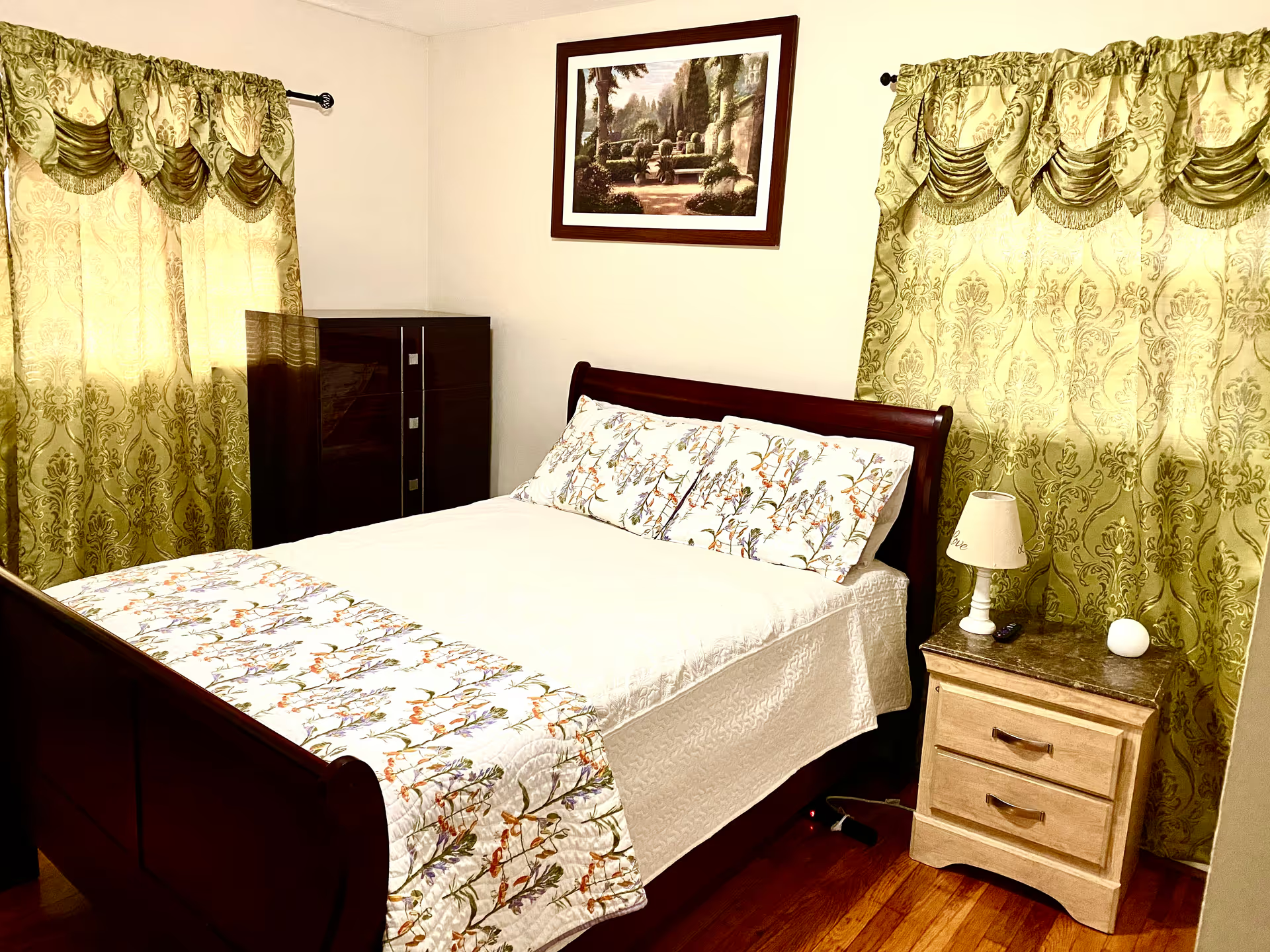
Dining and amenities receive specific, positive mentions for modest in-room and household comforts (cable TV, fresh beverages, flowers), but there is limited direct commentary about a broad institutional dining program or menu variety. Activity-related feedback skews toward a quieter environment; while the facility is described as calm and uplifting, there is little evidence of an extensive recreational or social-activity schedule in the reviews provided. Prospective residents who prioritize active programming should verify available offerings.
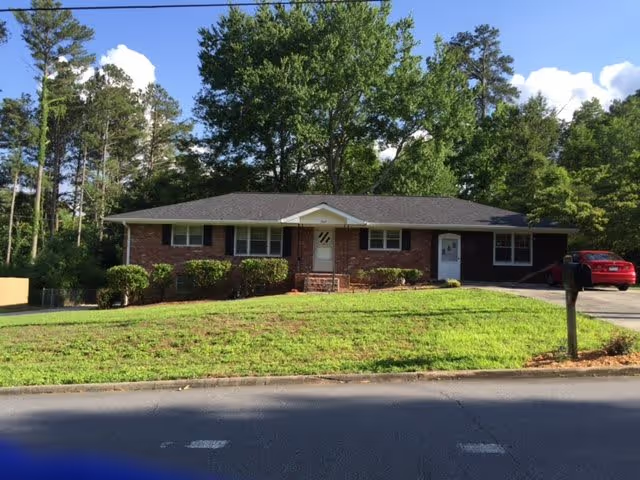
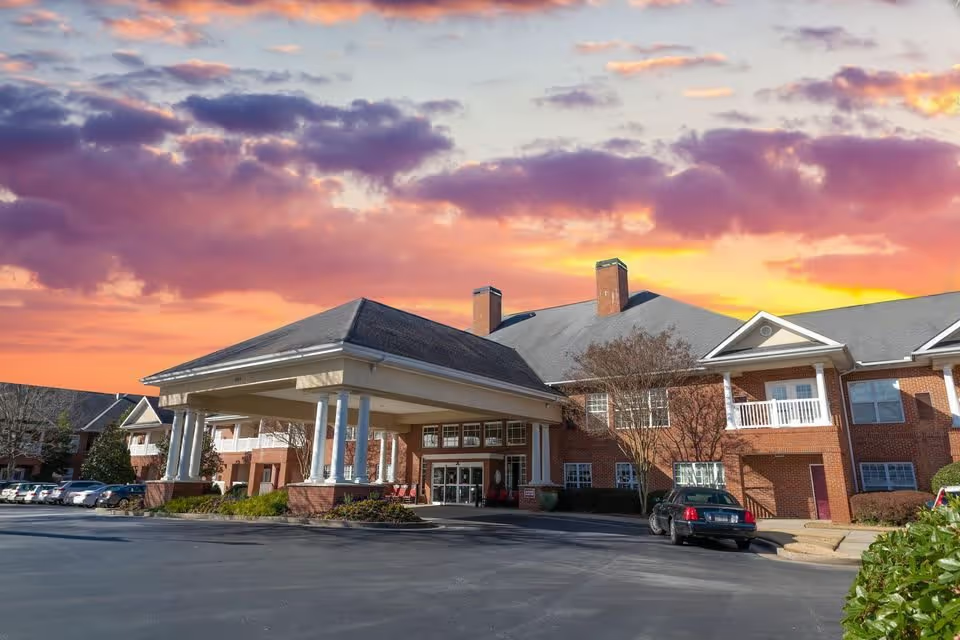
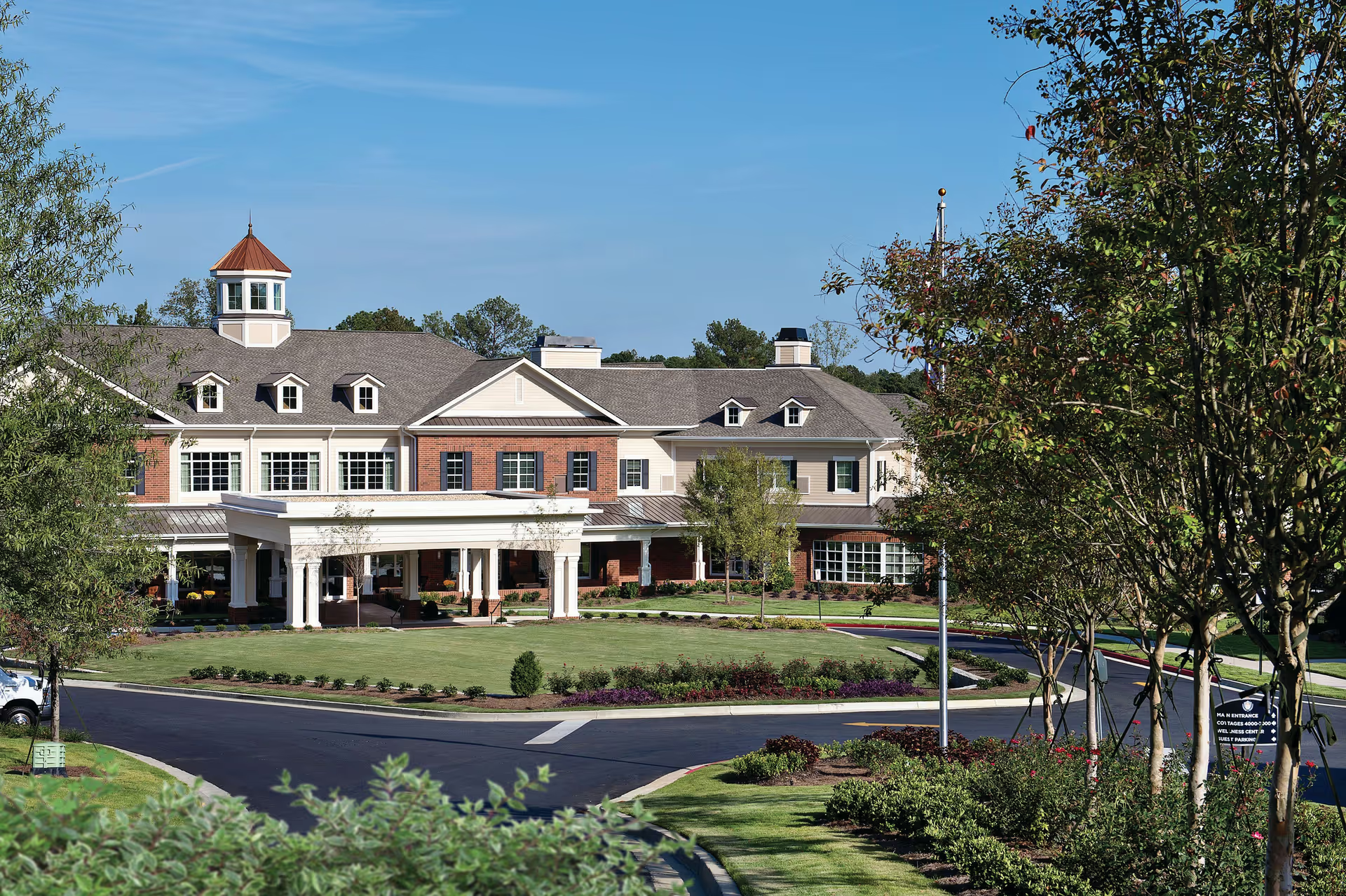
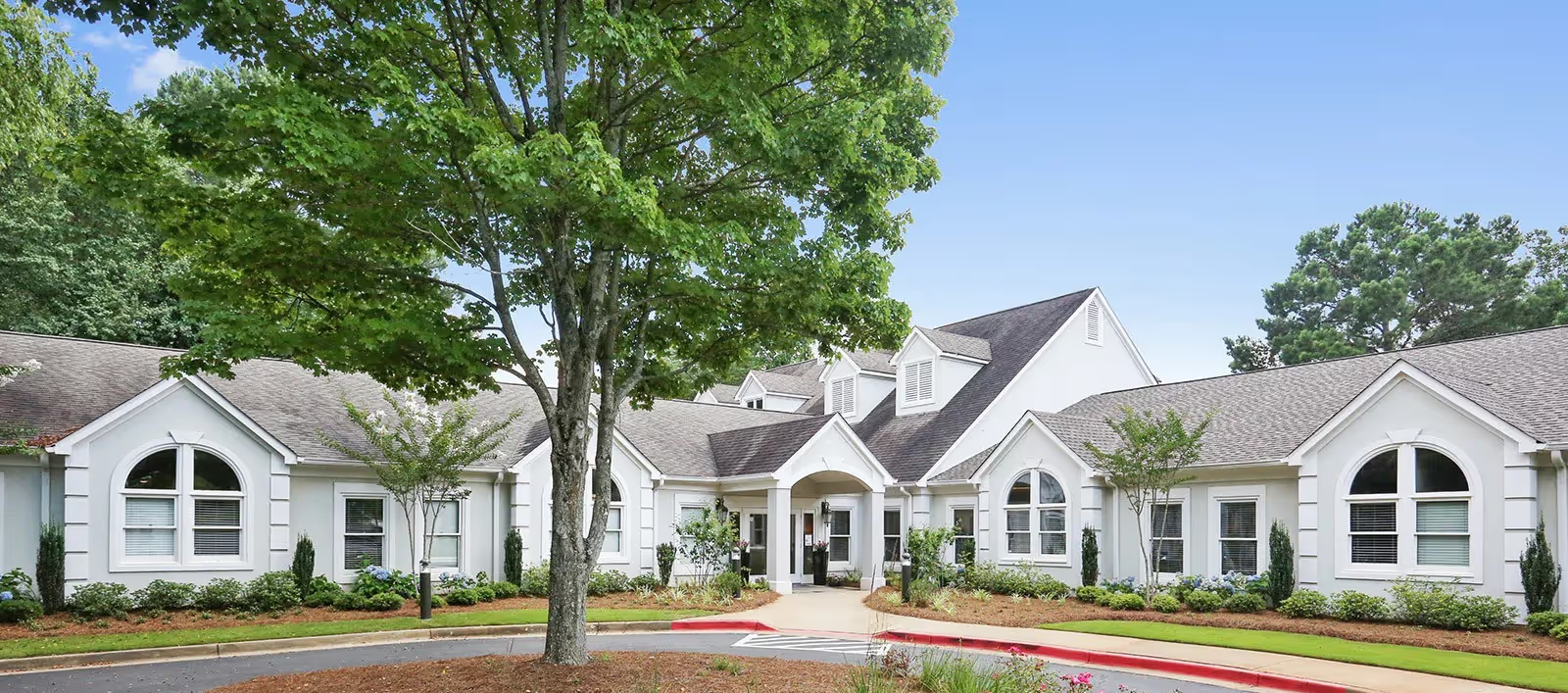
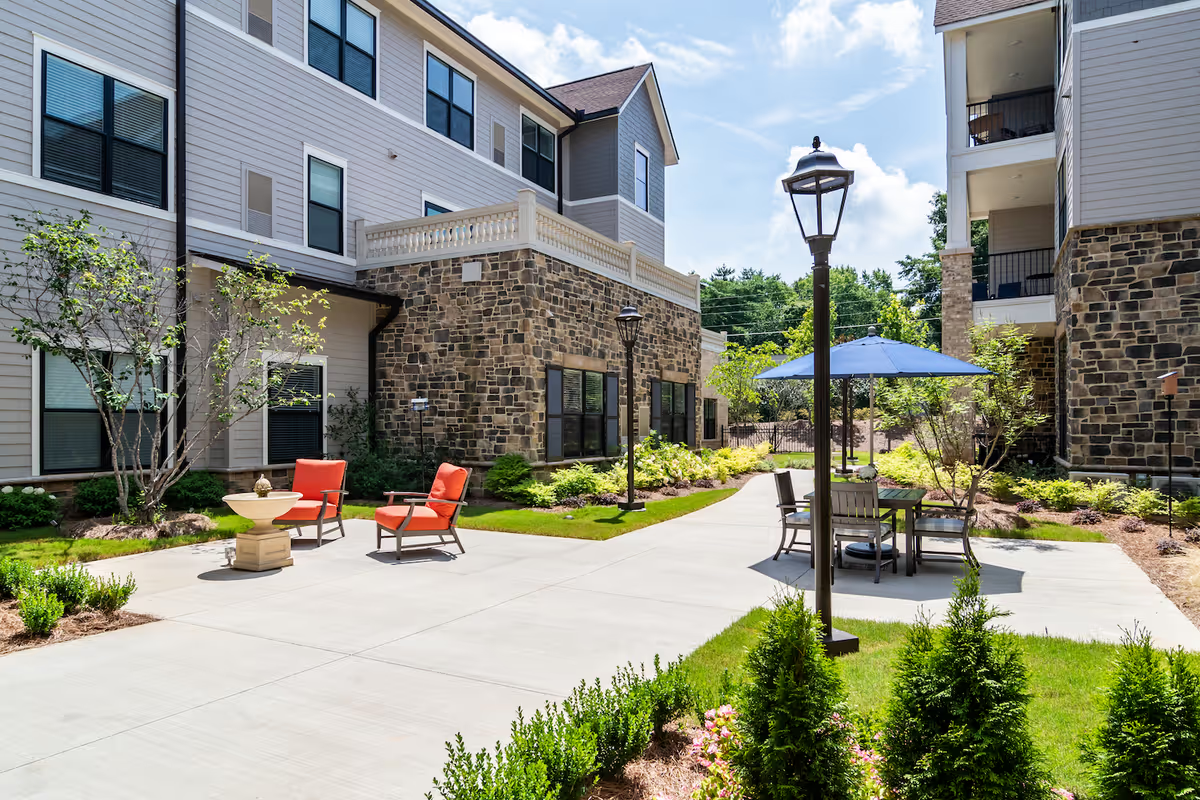
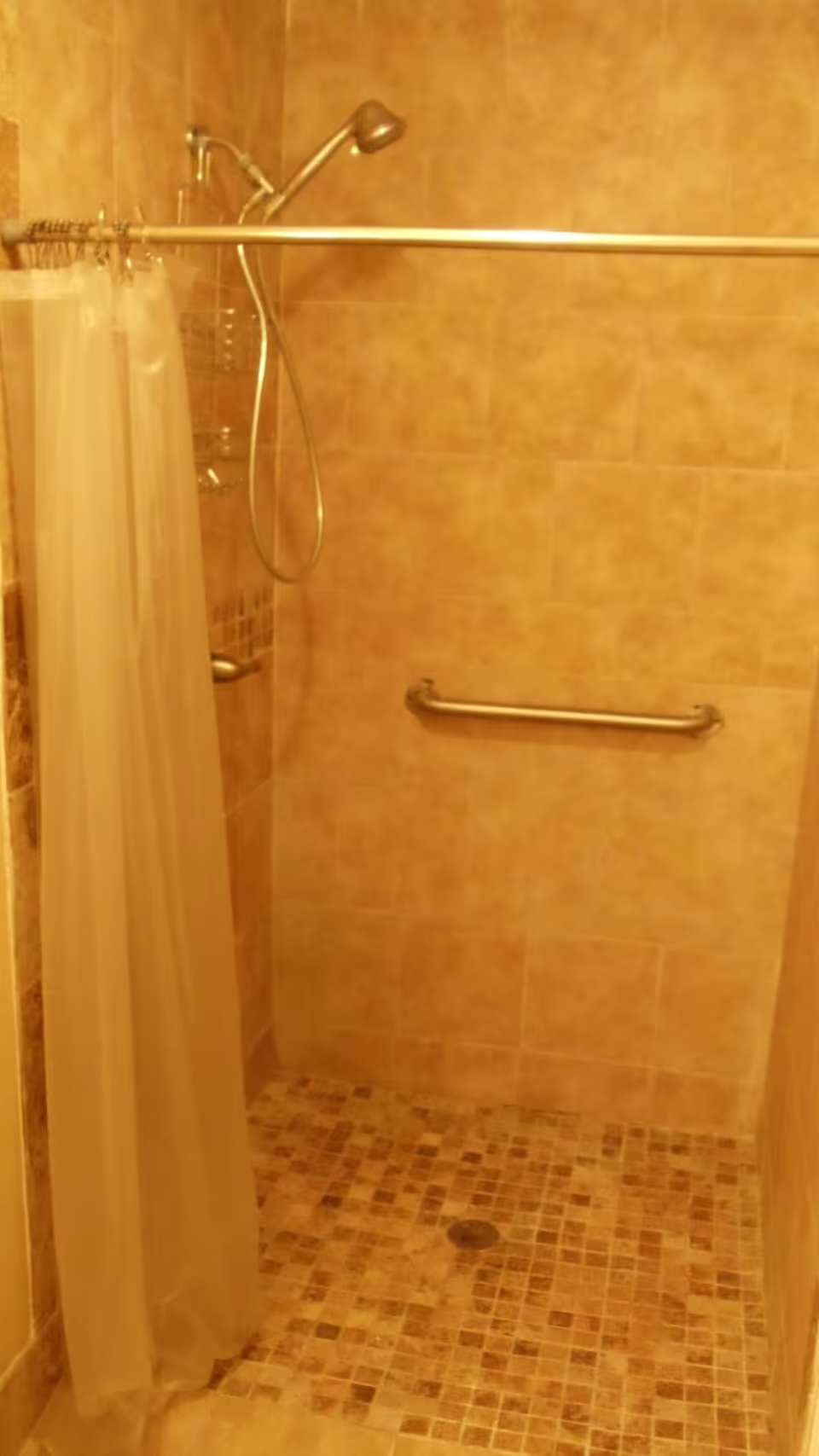
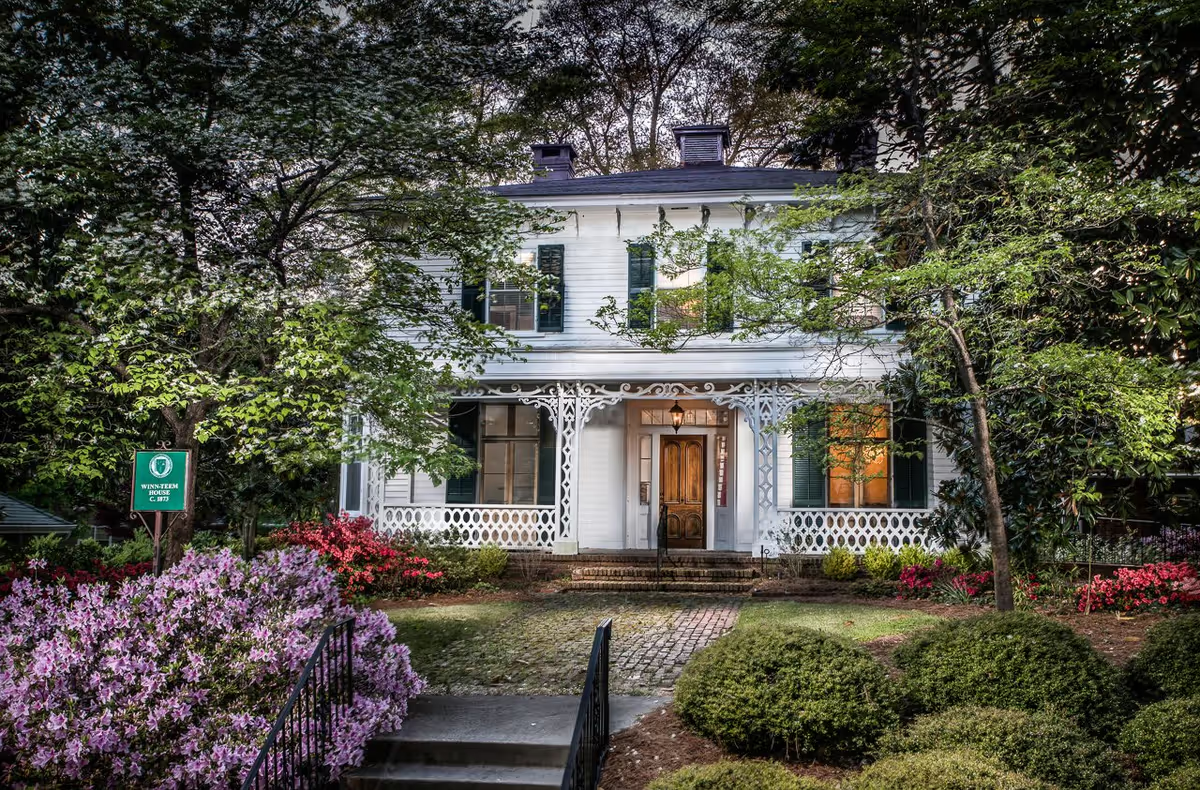
Facilities are described as clean and well-maintained, with reviewers noting pleasant odors and a calm physical environment. The overall impression is of a smaller-scale, niche provider that prioritizes individualized comfort and end-of-life or long-term care needs rather than large-scale amenity packages. Notable patterns include a strong family-focus, consistent staff responsiveness, and a service model tailored to residents requiring sustained hands-on care.
Potential trade-offs for prospective families are tied to that niche positioning: the community's strength in hospice and long-term care may mean fewer choices for residents seeking robust independent-living amenities, extensive social programming, or a wider range of on-site specialty clinical services. Visitors and decision-makers should confirm the scope of activities, dining options, and specialty clinical supports to ensure alignment with the prospective resident's priorities.