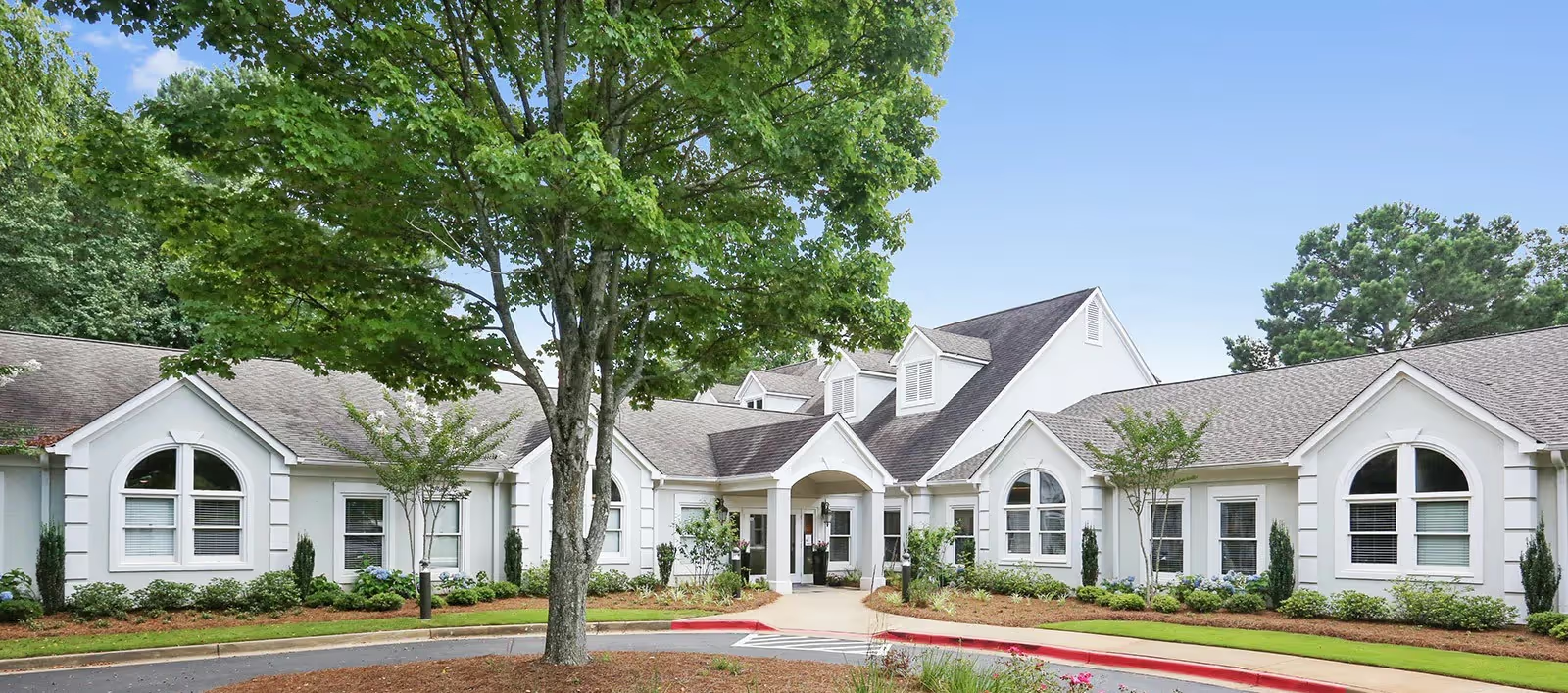
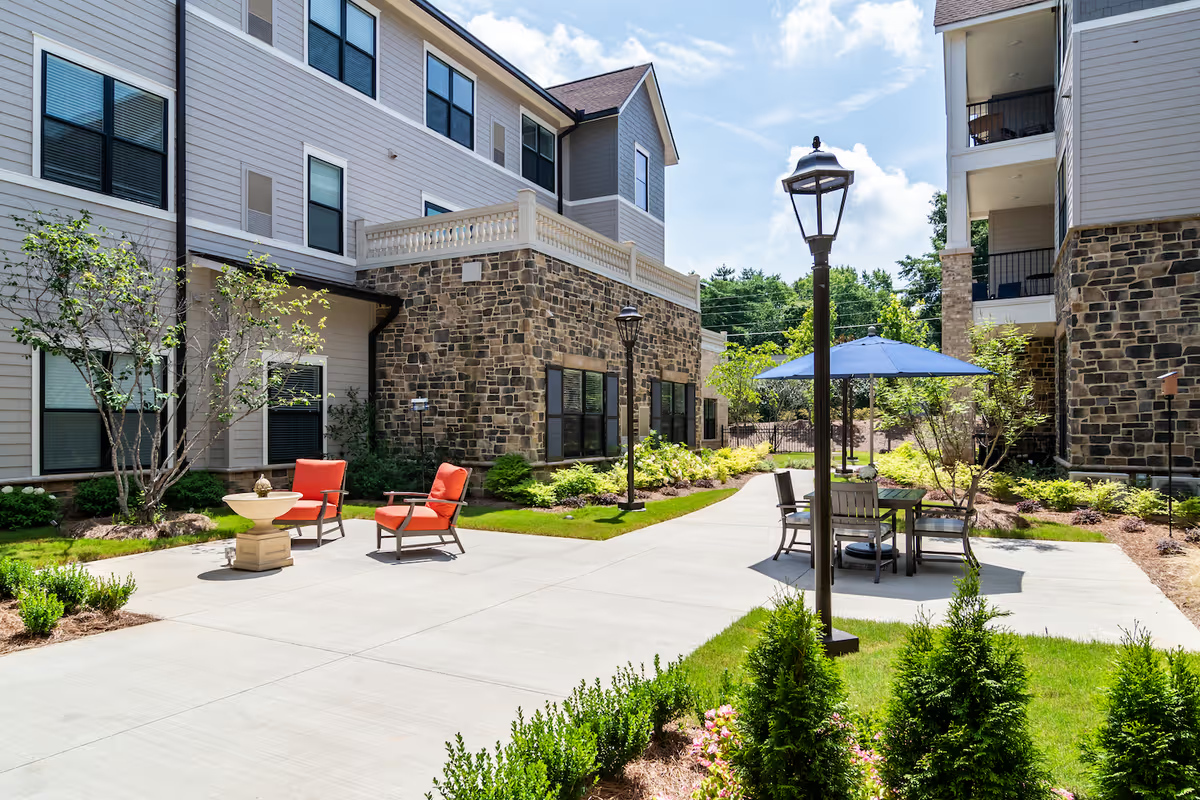
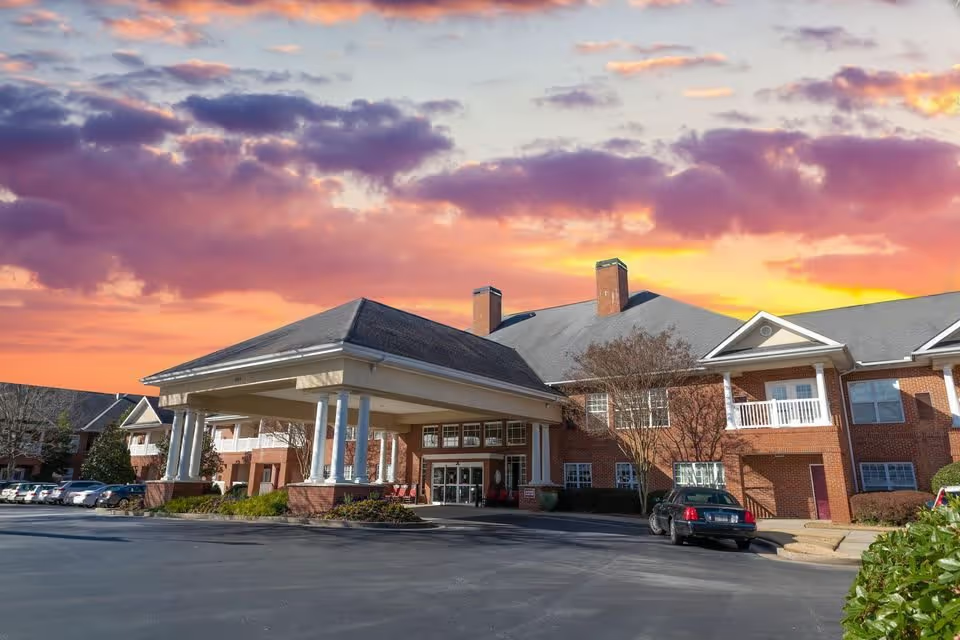
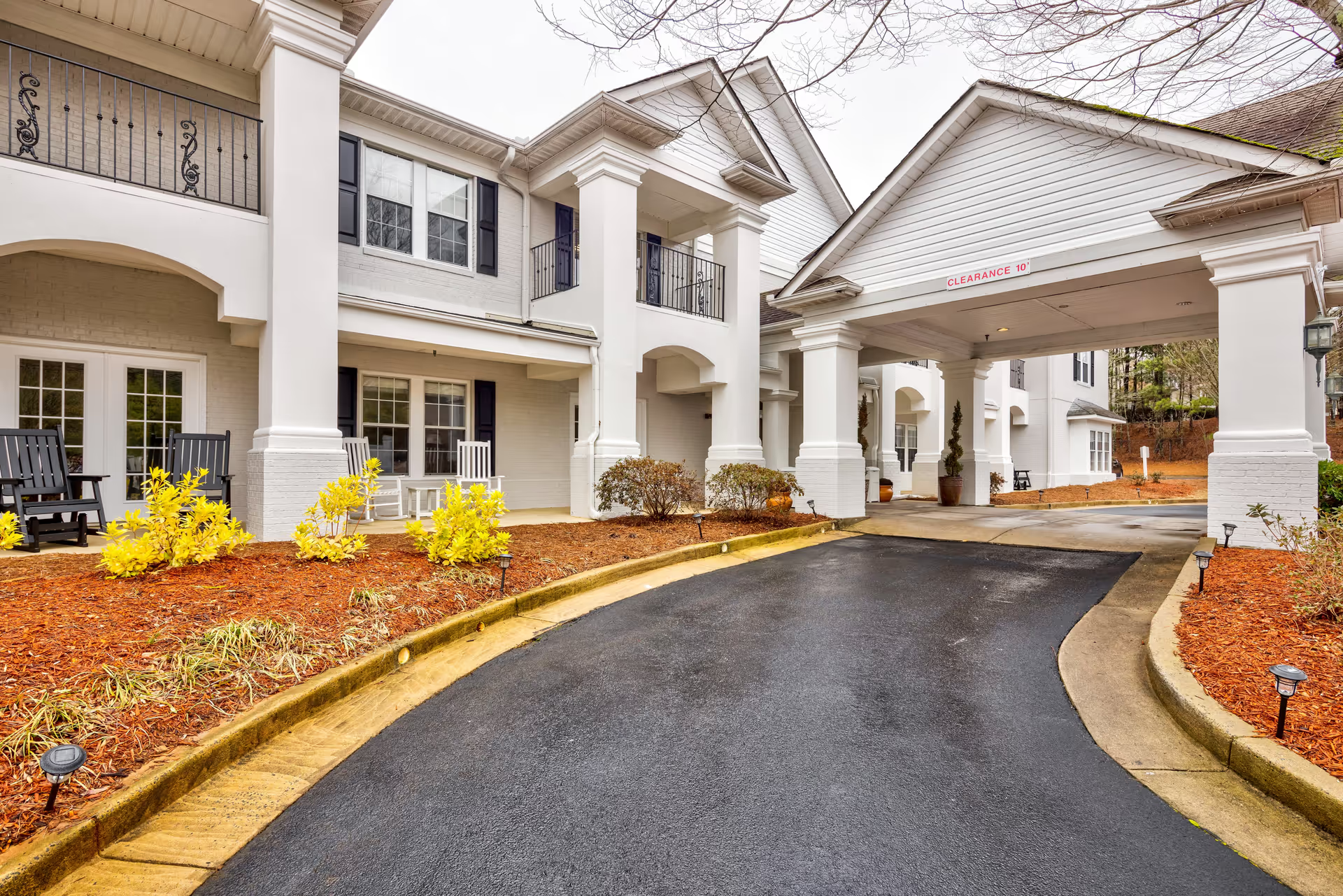
Sterling Estates of East Cobb presents a mixed but distinctive profile. Strengths cluster around an expansive wellness model and hospitality-focused environment: reviewers consistently highlight a robust rehab and wellness center, therapeutic heated pools, active physical therapy and personal-training options, and an extensive calendar of social and recreational programming. The campus and interiors are described as attractive and well maintained, with spacious cottage and apartment options, multiple dining venues, on-site salon services, housekeeping, and a pet-friendly courtyard. Many families emphasize that the staff—from front-office personnel to therapists and aides—can be warm, attentive, and effective in helping residents regain mobility and engage socially.
Care quality observations are uneven in the collected feedback. Positive accounts emphasize individualized care plans, hospice coordination, effective therapy-driven recoveries, and attentive nursing support during daytime hours. However, recurring operational concerns temper that picture. Reviewers point to inconsistent staffing levels and turnover, variable medication-management practices (including refill continuity), and limitations in after-hours clinical coverage. These issues are associated with delays in responding to calls or clinical incidents and inconsistencies in nursing oversight.
Dining and amenities receive generally favorable commentary for food quality and variety—many describe home-style menus, rotating options, and pleasant dining rooms—but there are repeated notes about service timeliness, occasional missed or late meal delivery, and variable meal quality. The wellness center, pool programming, and activity offerings are among the most frequently praised features; they appear to be central to resident satisfaction for those focused on recovery, fitness, and social engagement.
Safety, security, and unit-level quality raise notable concerns. Several reviewers describe gaps in memory-care capability and secure dementia management that could affect residents with behavioral or wandering risk. There are also claims about unresolved personal-property incidents, summarized here as allegations of theft and inadequate incident resolution. Additional facility-level maintenance issues—pest-control concerns in some common areas, HVAC/ventilation complaints in dining spaces, and incomplete move-in finish work—appear intermittently across comments. Cost is another recurring theme: many families characterize the community as premium-priced, with additional fees for higher levels of care.
Management and communication present a mixed impression. Positive accounts credit specific managers and staff for responsiveness, empathy, and hands-on problem solving; conversely, other accounts describe slow or unsatisfactory responses from leadership, inconsistent follow-through, and occasional friction between families and management. Prospective residents and families may find it useful to review contract terms, ask for current staffing ratios, inquire about medication-refill and incident-management protocols, and evaluate memory-care security measures during a visit.
Overall, Sterling Estates offers strong amenities, a comprehensive wellness focus, and many examples of compassionate, effective staff care—factors that drive high satisfaction for numerous families. At the same time, persistent operational themes (staffing consistency, clinical continuity, memory-care capability, incident resolution, and certain maintenance concerns) warrant careful, specific inquiry during touring and contracting to ensure the community matches an individual resident’s clinical and safety needs.