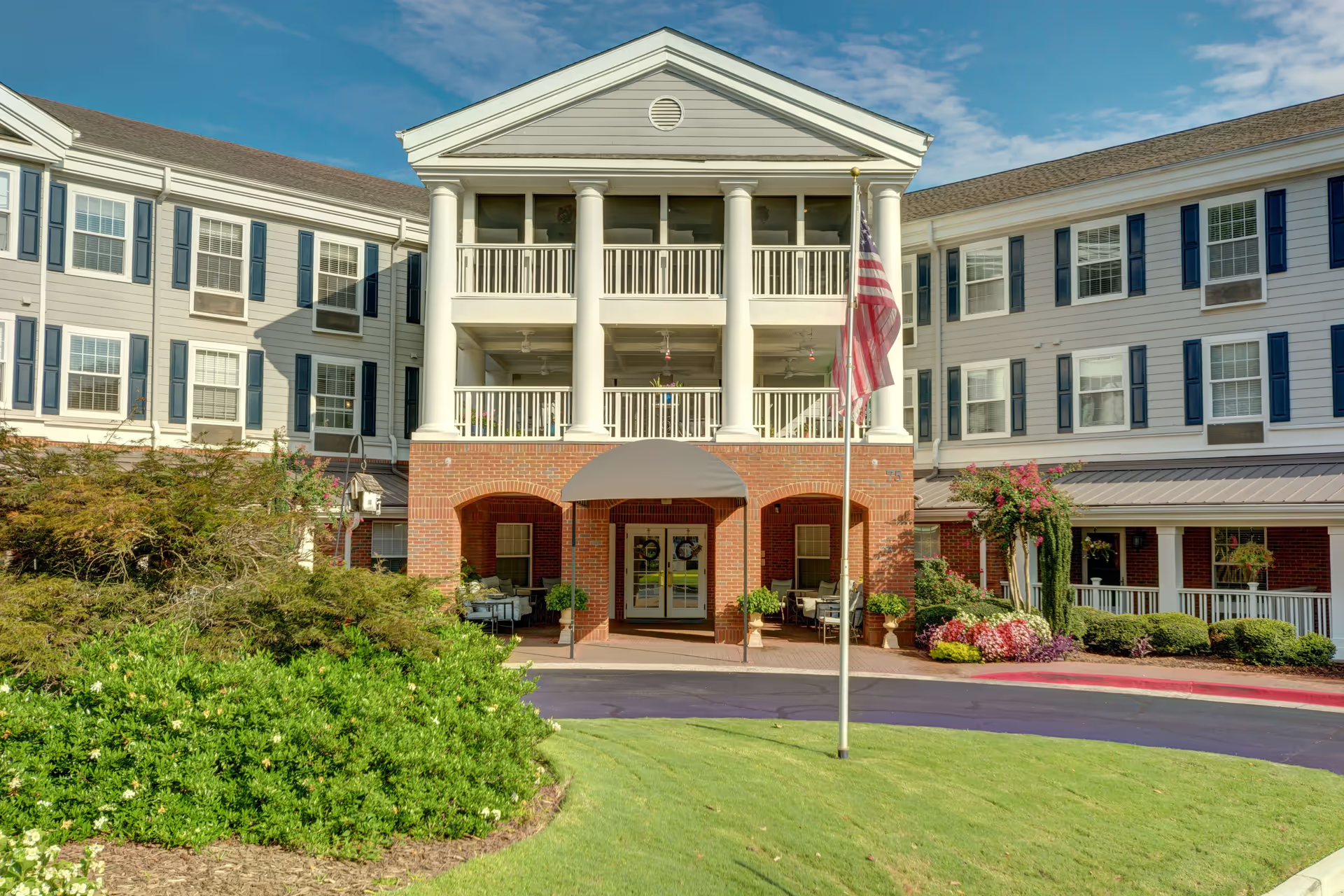
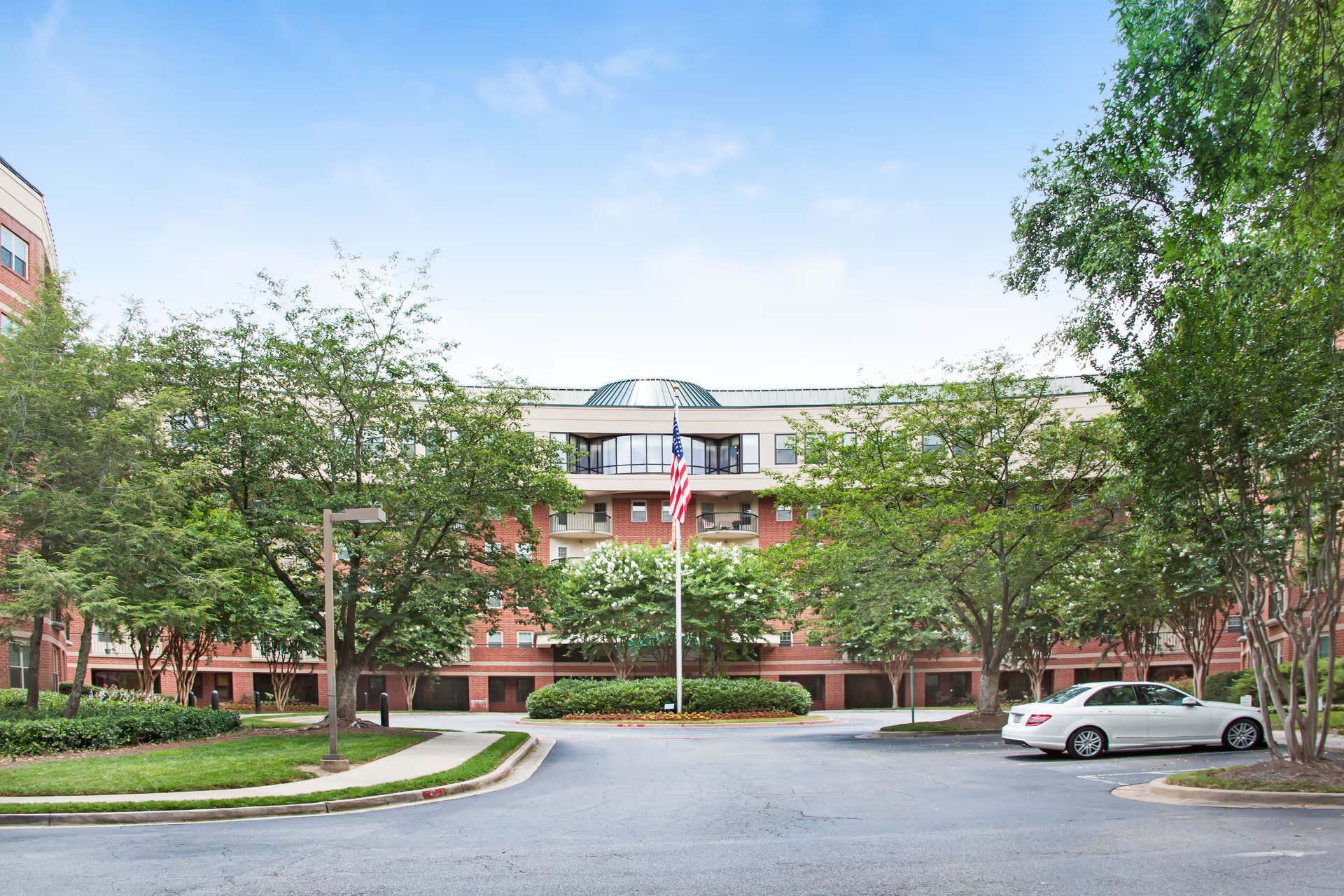
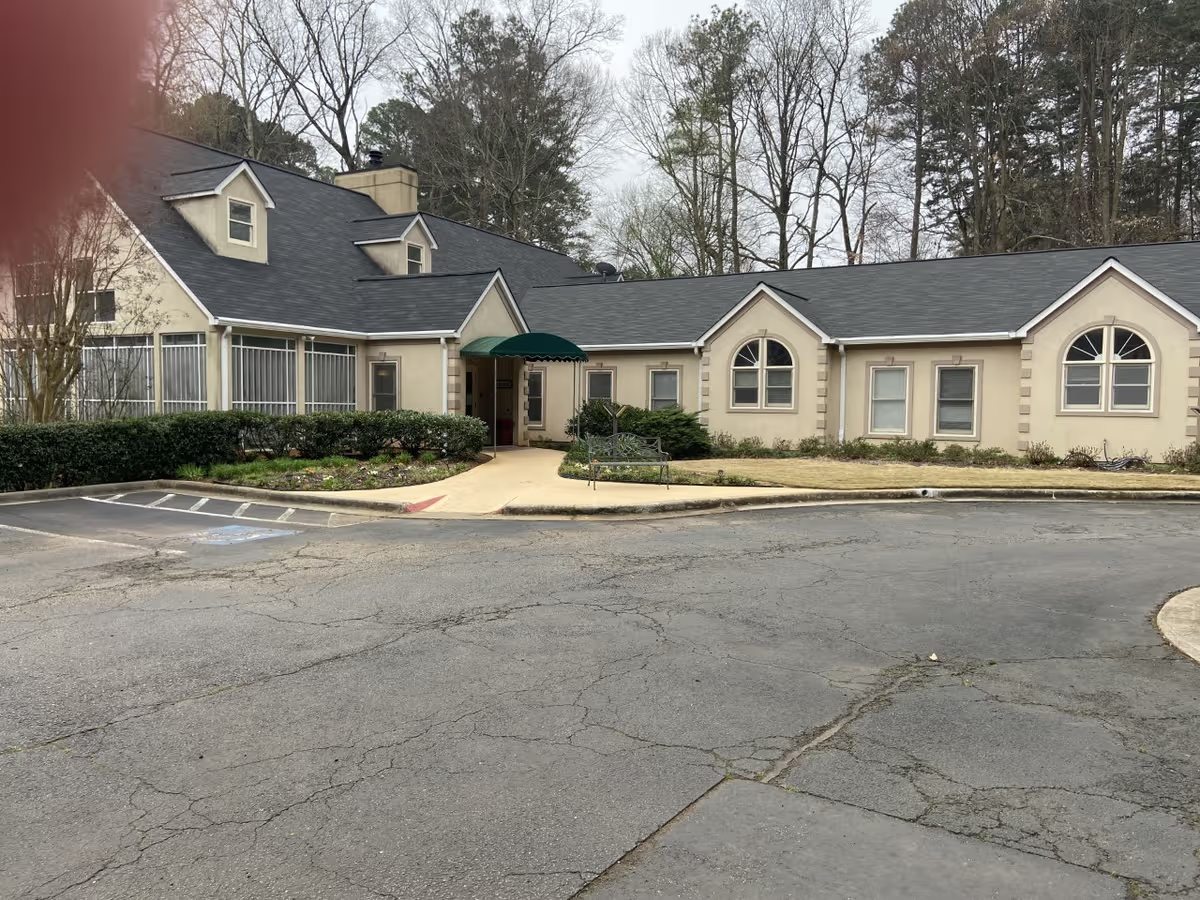
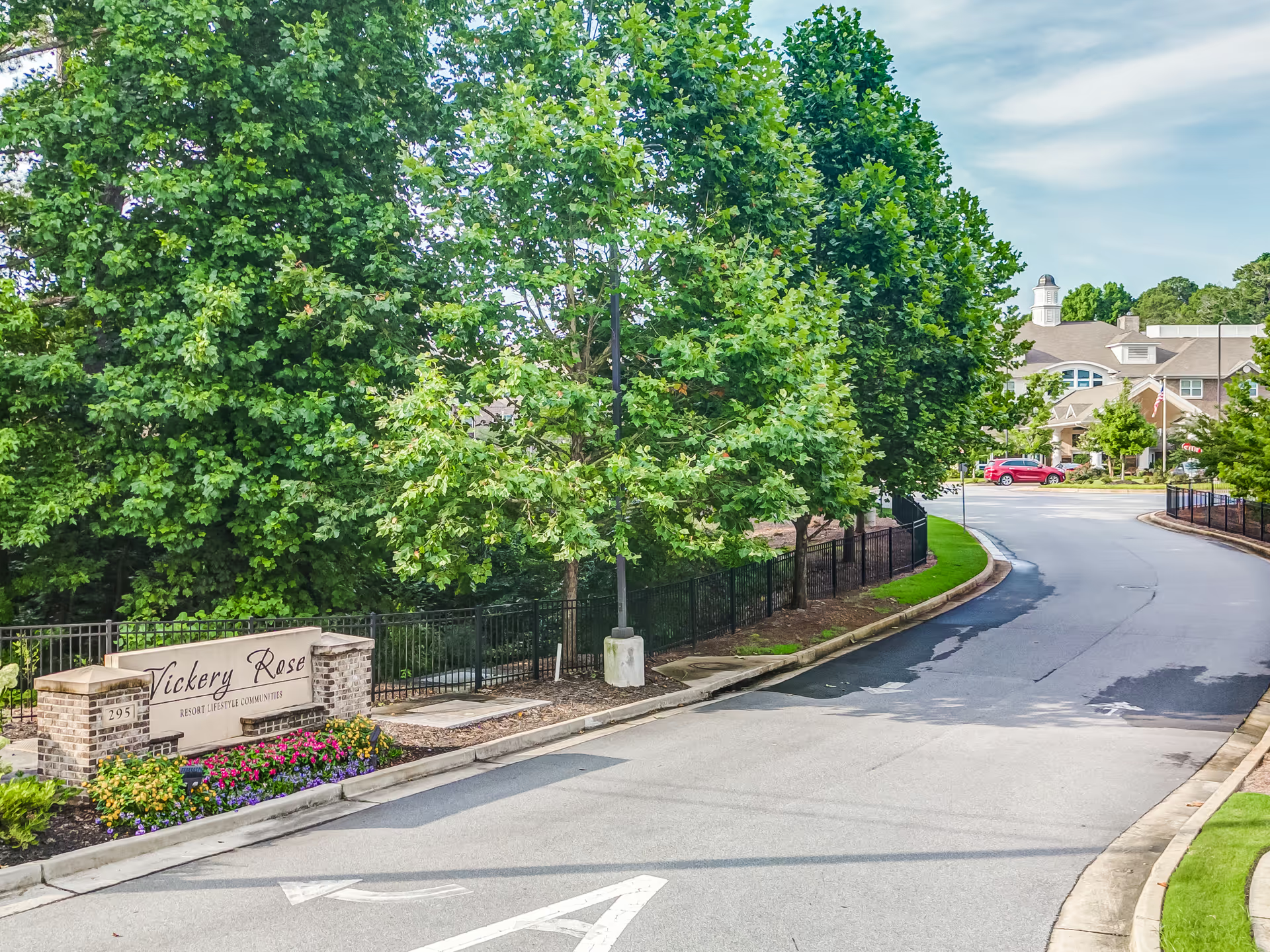
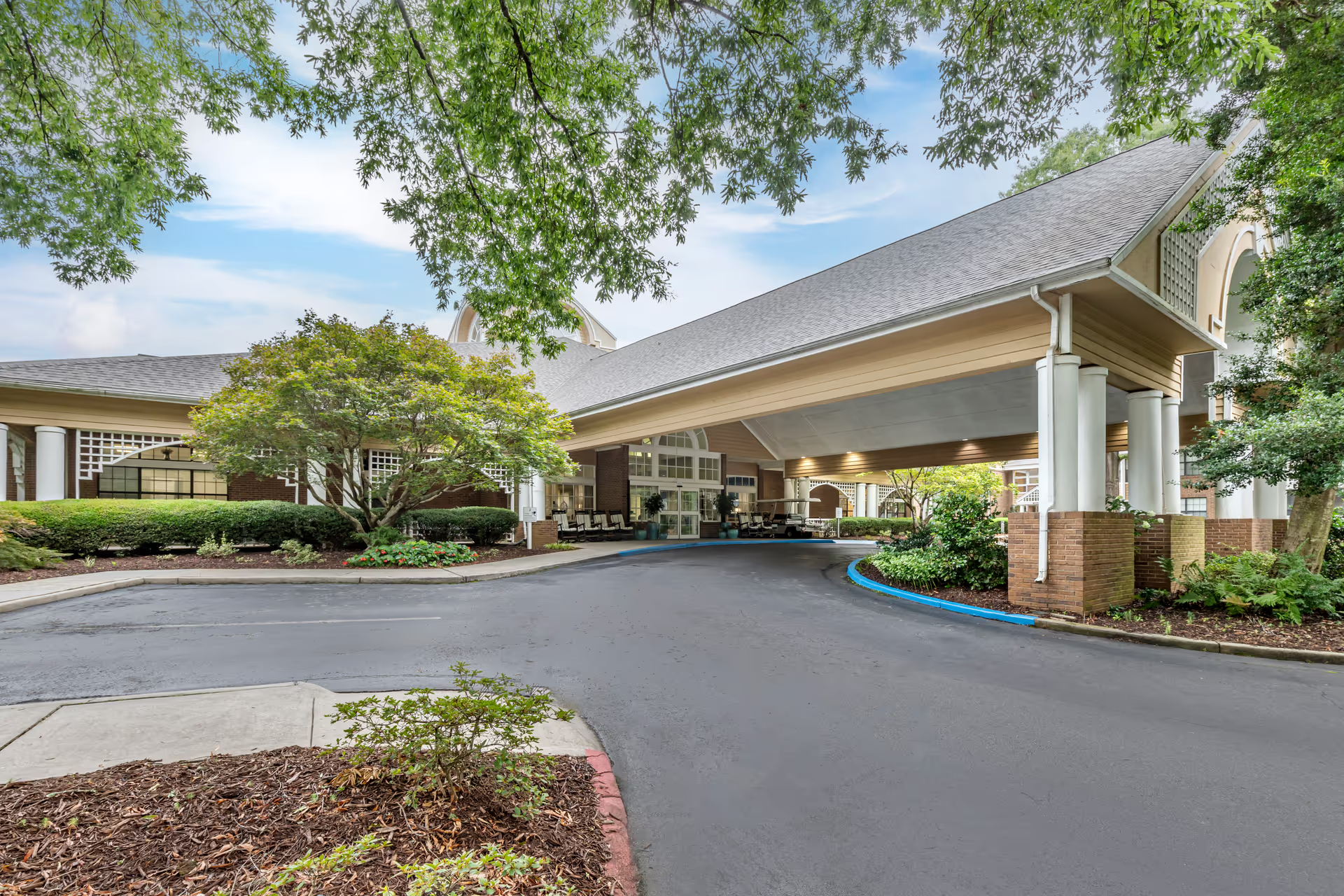
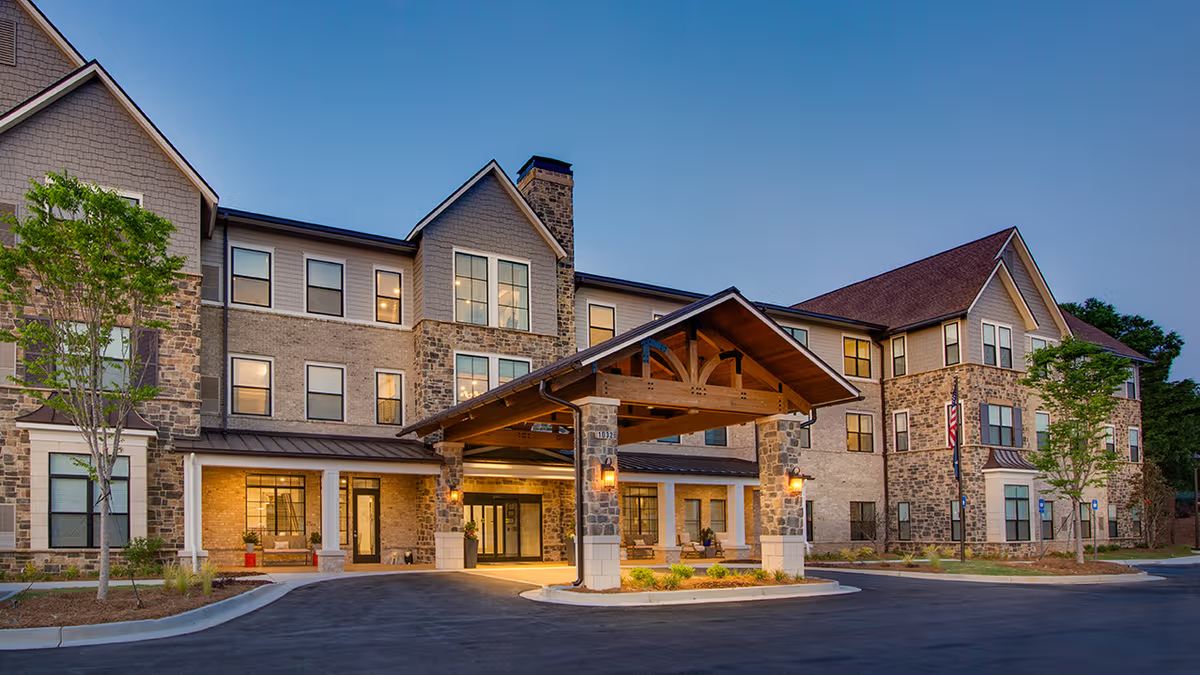
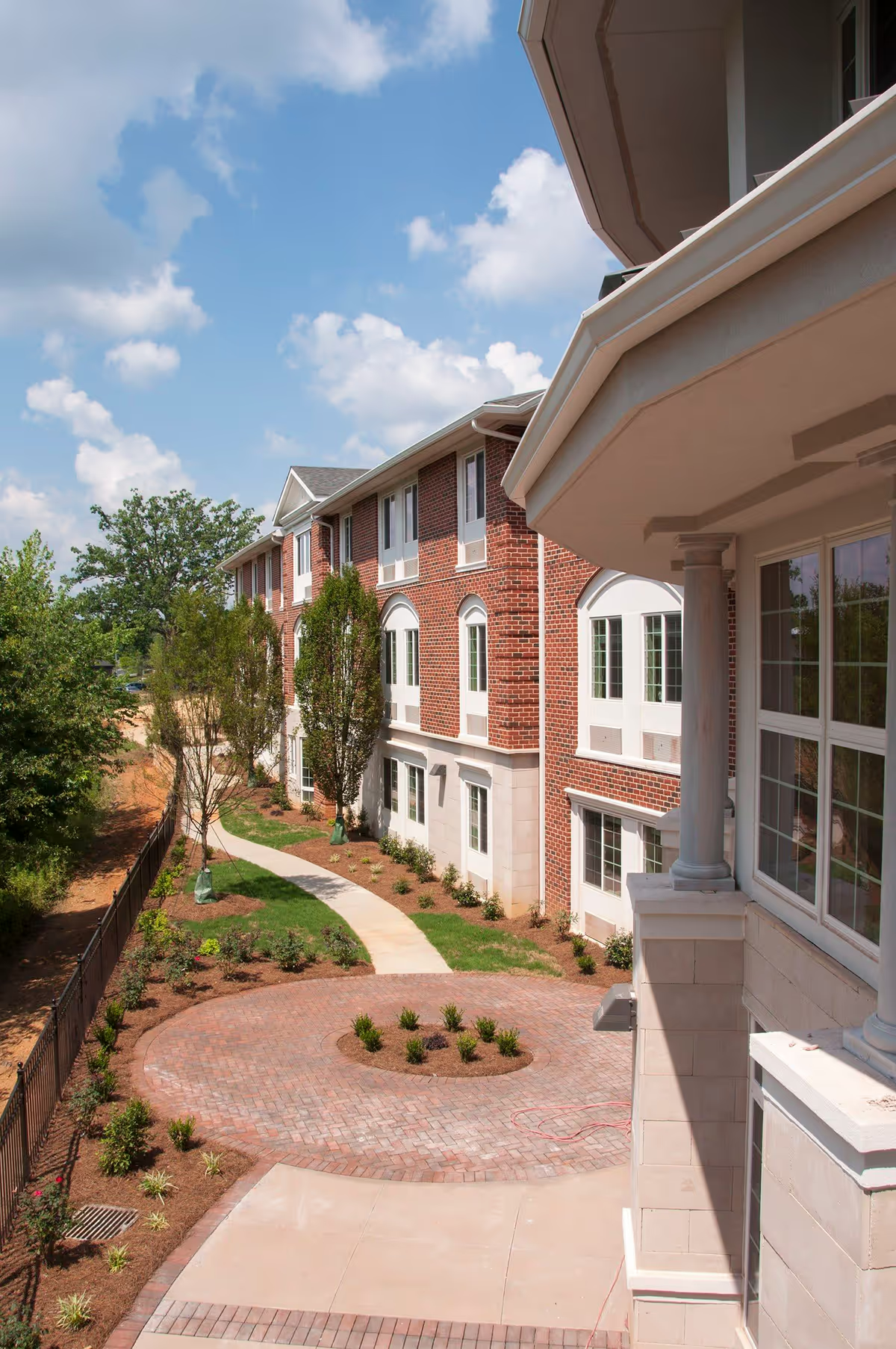
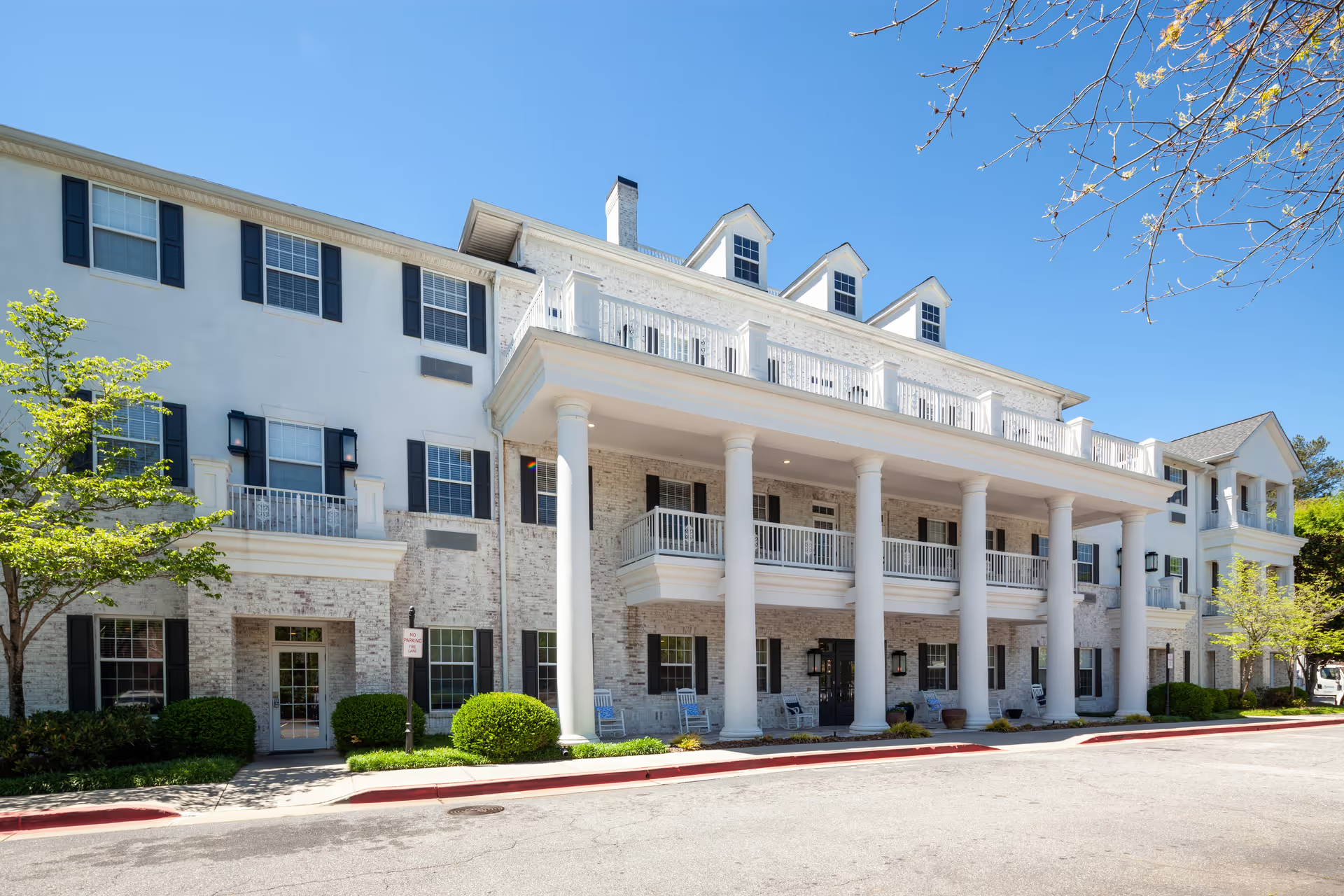
Overall impression: Reviews present a mixed but detailed portrait of TerraBella Roswell. Many families and residents praise the facility's warm, family-like culture, highlighting compassionate caregivers, friendly reception staff, and an engaging activities program. The community's small size, recent renovations, secure grounds and convenient location near medical services are repeatedly cited as strengths. Dining and events are commonly noted as positive social drivers: reviewers describe nutritious, varied menus, special-event meals, and active communal dining that improves engagement.
Care quality and clinical concerns: A substantial number of accounts describe high-quality, attentive caregiving and effective rehabilitation services with access to on-site therapy and a visiting physician. At the same time, some reviewers raised serious clinical concerns that suggest gaps in operational consistency. The most frequent clinical patterns are inconsistent medication-administration processes (including delays and coordination issues with pharmacies), periodic sanitation and incontinence-care lapses, and limitations in handling higher-acuity needs or complex transfers and equipment use. A few families described alleged severe incidents involving infection control and delayed clinical response; these accounts underscore the importance of clarifying clinical escalation protocols, staffing skill mix, and infection-prevention processes before move-in.
Staffing, communication and management: Staff interactions receive largely positive comments — many reviewers singled out long-tenured caregivers, particular staff members, and caring reception/nursing teams. However, others reported variability in staff performance, intermittent high turnover, and communication shortfalls between families and administration. Administrative concerns include complicated application/move-in procedures, occasional billing irregularities, and perceived delays in management responsiveness. These mixed reports suggest that operational consistency and internal communication are areas where the facility's performance varies over time or by shift.
Dining, activities and amenities: Dining is a repeated strength; menus are described as home-style, varied, and well-presented, with opportunities for residents to choose entrees. Some reviewers noted small meal portions or additional charges for meal delivery, which may affect perceived value. The activity program is robust for a small community — offerings include music, outings, field trips, resident committees, and holiday programming. Memory-care activity variety was cited as more limited by some families, so prospective residents with memory-support needs should review the schedule and staffing for that unit. Facility amenities include a small gym, salon, multiple entertainment rooms, and landscaped outdoor areas; reviewers describe these as pleasant but sometimes limited in capacity (e.g., salon appointment availability and a compact fitness space).
What to ask and consider: Prospective residents and families should evaluate acuity-match and operational details during a tour. Recommended questions include: How are medications managed and what are pharmacy coordination procedures? What is the staff-to-resident ratio on each shift and recent turnover data? How are urgent call responses tracked and guaranteed? What equipment and staff training exist for transfers and higher-acuity care? How are sanitation and incontinence-care protocols monitored? Request a clear explanation of all fees (meals, extra services, move-in costs) and sample activity calendars for both assisted living and memory care. Doing so will help families weigh the facility's evident strengths in community, dining, and social engagement against the reported variability in clinical operations and administrative consistency.