Historic Roswell Place is frequently described as a warm, service-oriented assisted living community with a strong emphasis on caregiving and clinical support. Across the feedback the most consistent strength is the quality of direct care: reviewers emphasize compassionate, attentive staff who observe health changes, coordinate medical responses, and work cooperatively with families. The facility also benefits from on-site nursing, therapy and clinic services, which families credit with improving residents' mobility and managing medical needs without heavy reliance on outside providers. Memory-care services are repeatedly identified as a strong programmatic element.
Dining and daily living receive mixed but notable attention. Numerous comments praise restaurant-style meals, flexible meal times, and staff who accommodate preferences; others indicate variability in food quality and menu appeal — particularly for residents in memory-care — and occasional dissatisfaction with repetitive offerings. The community offers multiple dining choices and social dining events, which many residents enjoy, but families should expect uneven experiences around menu variety and consistency.
Activity programming is a clear asset: reviewers describe a busy social calendar with live music, outings, exercise groups, men-only social events, visiting therapy animals, and trips to local destinations. Staff in activities roles are highlighted as creative and engaged, contributing to a strong sense of community and resident involvement. The facility’s size and downtown location support frequent excursions and easy family visits.
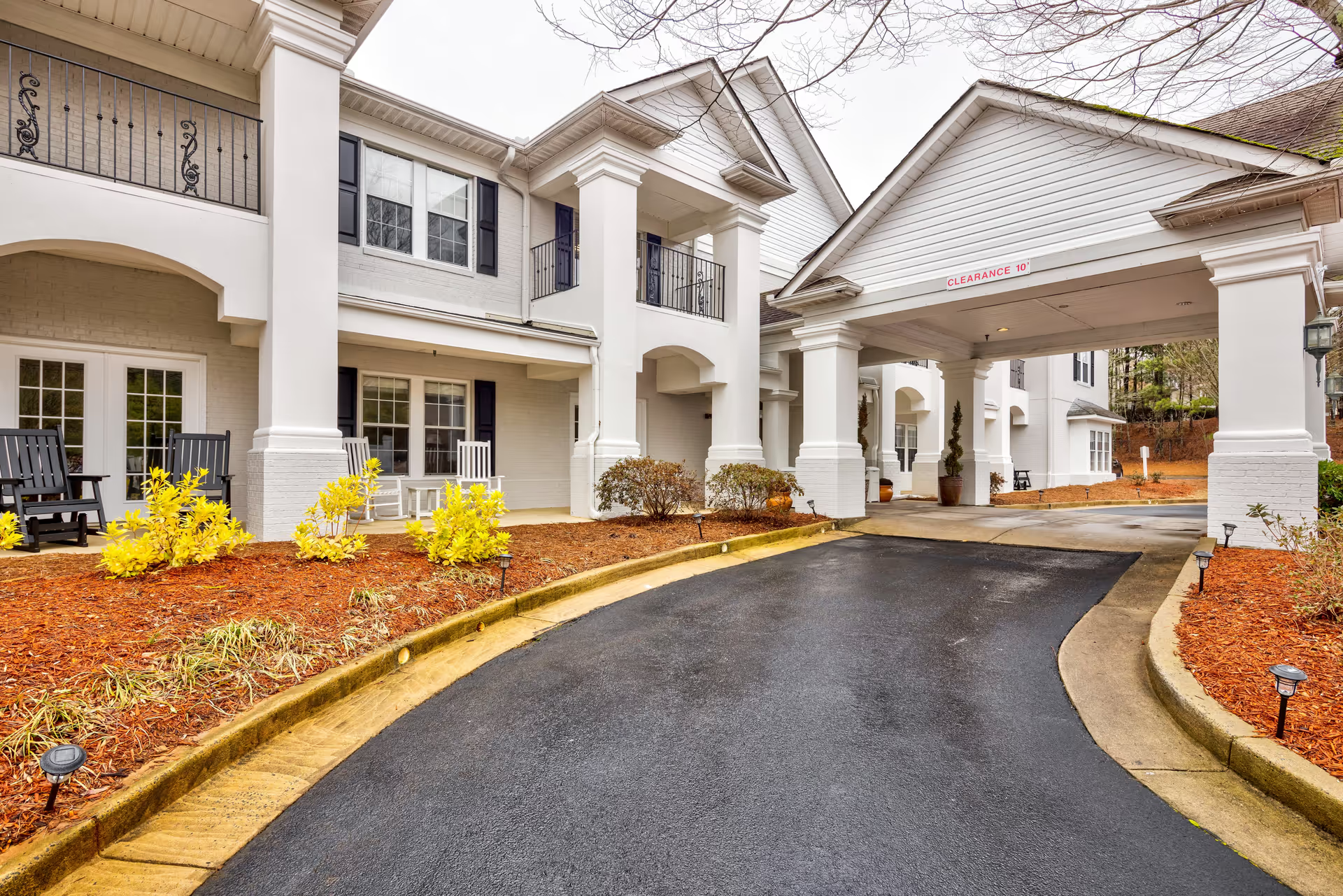
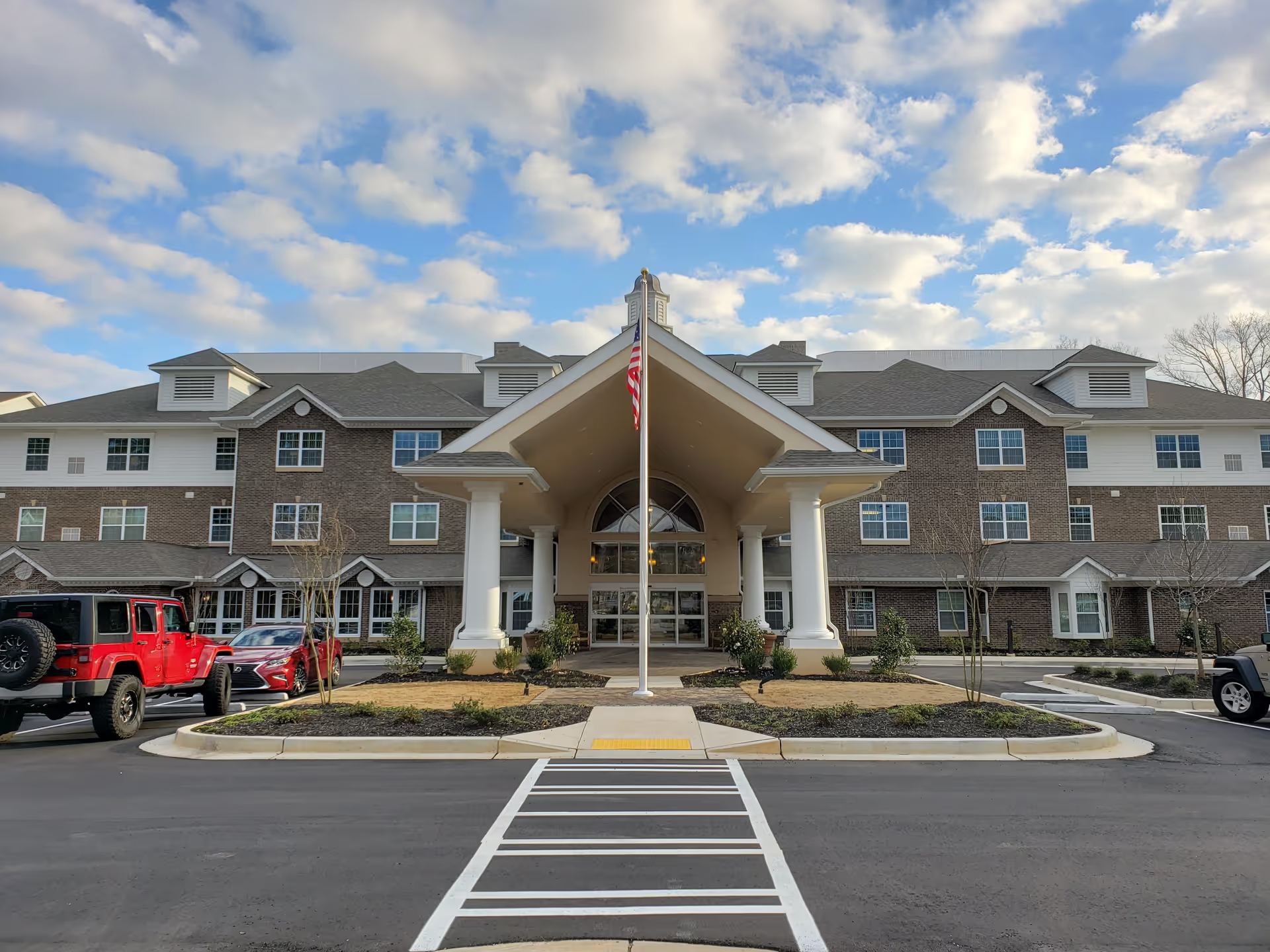
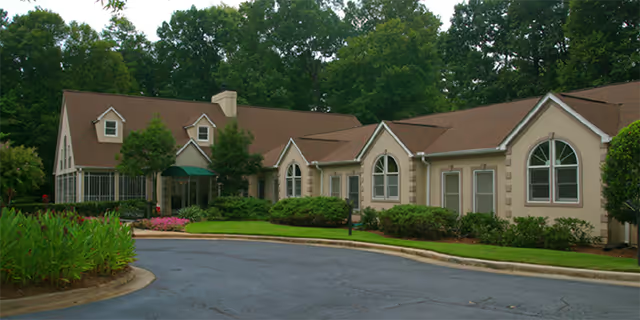
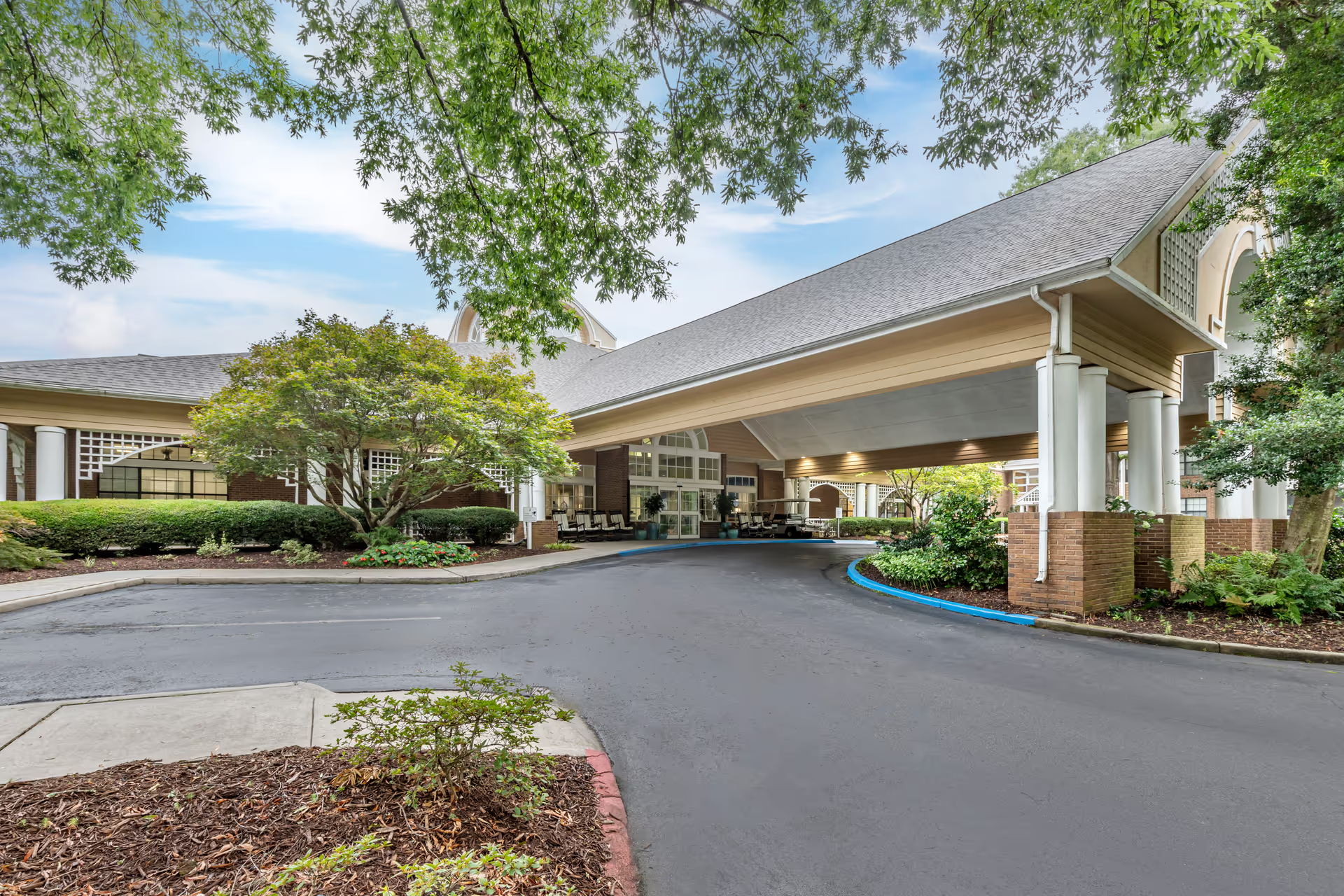
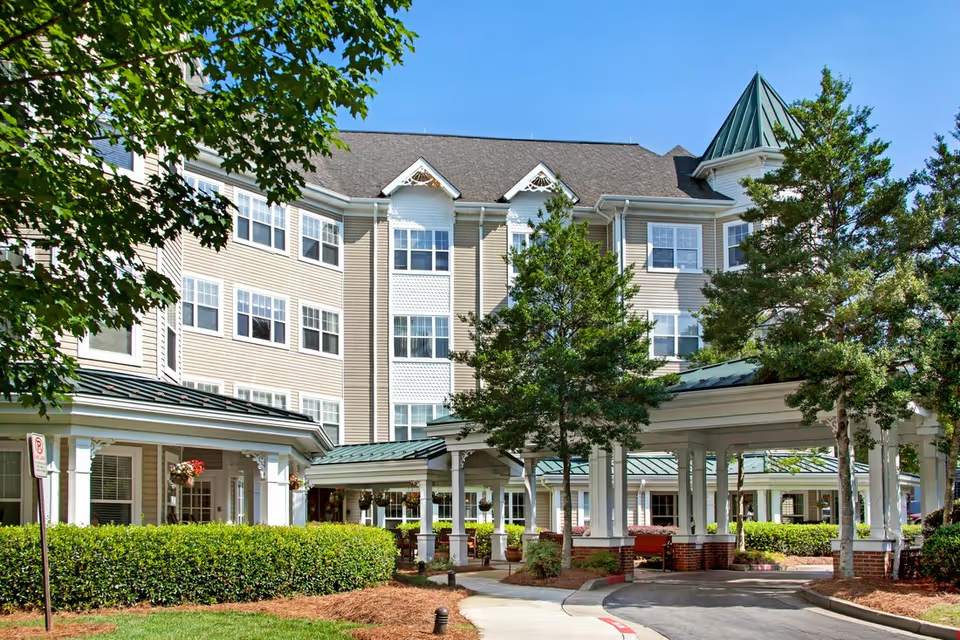
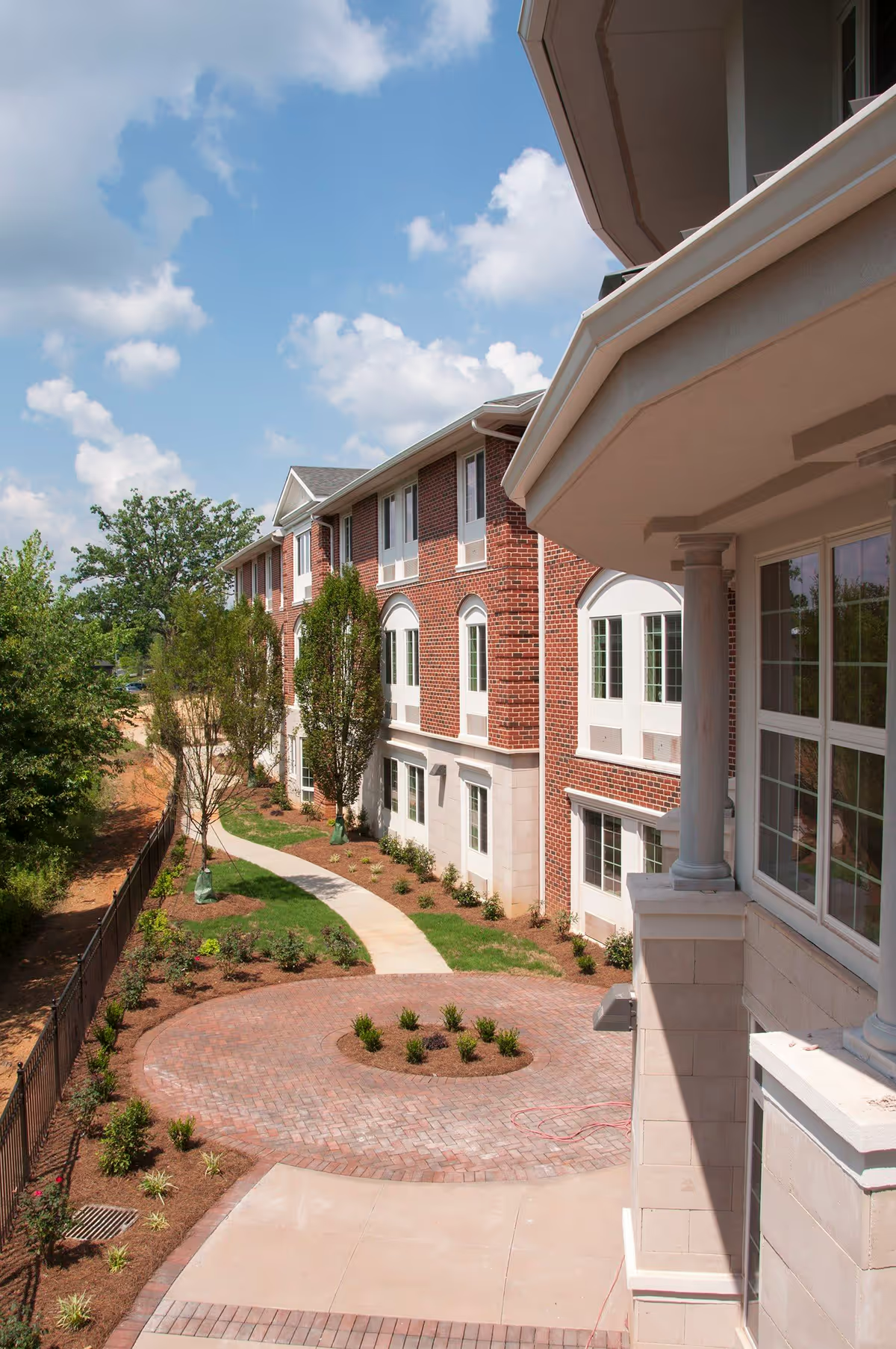
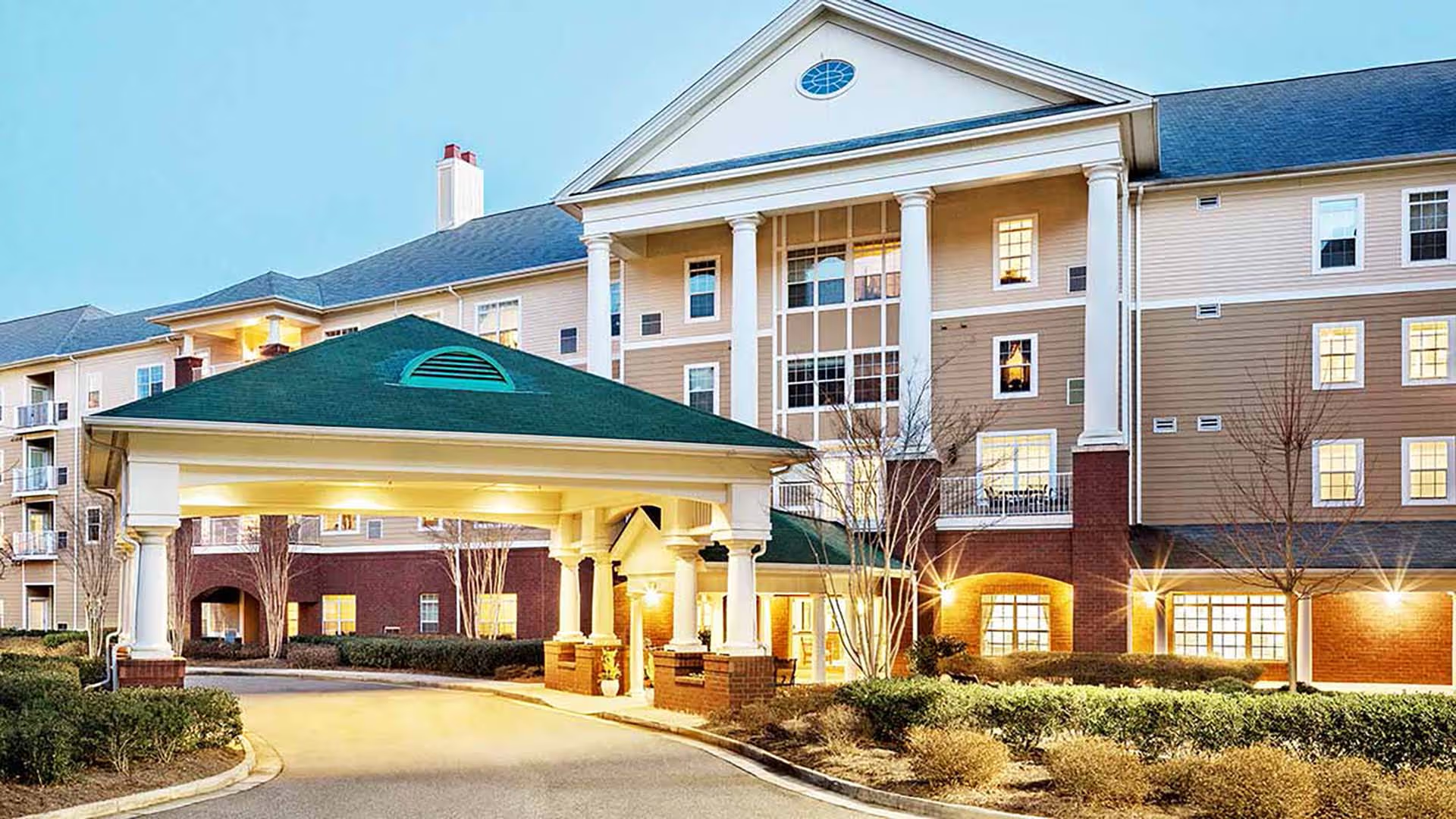
Facility condition and amenities trend positive overall but with variance by wing. Many reviewers note clean, comfortable rooms, updated finishes, kitchenettes, patios, and useful amenities such as a salon and therapy gym. That said, there are recurring comments about older sections that need cosmetic attention, occasional sanitation/cleanliness inconsistencies, and smaller apartment footprints for certain unit types. Maintenance responsiveness is generally praised, although a few accounts describe slower or inconsistent responses to minor needs.
Management and communication are areas of divergent experience. Several families praise responsive leadership and transparent coordination during transitions or hospice care; others describe lapses in leadership communication, limited transparency, unprofessional supervisory behavior, and inadequate family updates during infection-control events. Staffing stability is another mixed domain: while many endorse steady, caring teams (including standout coordinators and managers), there are also observations of turnover, variable staff engagement, and occasional distractions that affect day-to-day consistency.
Infection-control and outbreak handling have generated concern in some accounts, not necessarily about clinical care, but about the timeliness and thoroughness of family communication and quarantine-related updates. Cost is also a practical consideration — the community is positioned at a higher price point relative to the area, which some reviewers found appropriate given services, while others noted affordability as a barrier. Finally, prospective residents who prioritize larger two-bedroom units or want explicitly diverse cultural programming may find limited options.
Bottom line: Historic Roswell Place presents as a community with strong clinical support, a very engaged activities program, and a caregiving culture that many families find reassuring. Prospective residents should plan an in-person tour to assess unit size and condition, ask specific questions about dining menus and memory-care meal planning, and discuss leadership communication practices and staffing stability to ensure alignment with their expectations and needs.