Overall, the reviews portray Arbor Terrace Crabapple as a welcoming assisted living and memory care community, with a strong emphasis on personal relationships and social engagement. Families frequently describe residents being treated with warmth and dignity, and several report improvements in mood, activity, and social connection after moving in. Reviewers also describe support with transitions between assisted living, Bridges, and memory care, including help with move-in planning and adapting care as needs change. However, a few accounts raise concerns about whether more complex personal-care needs are consistently met and whether caregiver assignments provide enough continuity and familiarity.
Staff members are the most consistently praised feature. Families and visitors often describe caregivers, wellness staff, dining teams, front-desk personnel, housekeeping, and management as approachable and attentive. Many reviews highlight staff learning residents’ preferences and communicating with families, including through updates and digital tools. Some families also describe responsive assistance with appointments and other practical needs. In contrast, critical reviews point to variable dementia-care knowledge, staff turnover, and uncertainty about whether all residents receive consistent support. One family also raised concerns about clinical response time and access to drinking water for a resident needing assistance; this is a specific concern that prospective families may wish to discuss when assessing care plans and supervision.
Dining is commonly described as enjoyable, with reviewers praising meal quality, variety, and, in one account, flexible breakfast timing and alternatives to the main entrée. A smaller number of comments were less positive about food quality. Activities are a notable strength across the reviews: residents are offered exercise, music, games, art, outings, celebrations, and other group events, with many families seeing residents participate and form friendships. One family did raise a concern about a religious activity occupying a shared common area without a convenient alternative, suggesting that families may want to ask how space and programming accommodate residents with different preferences.
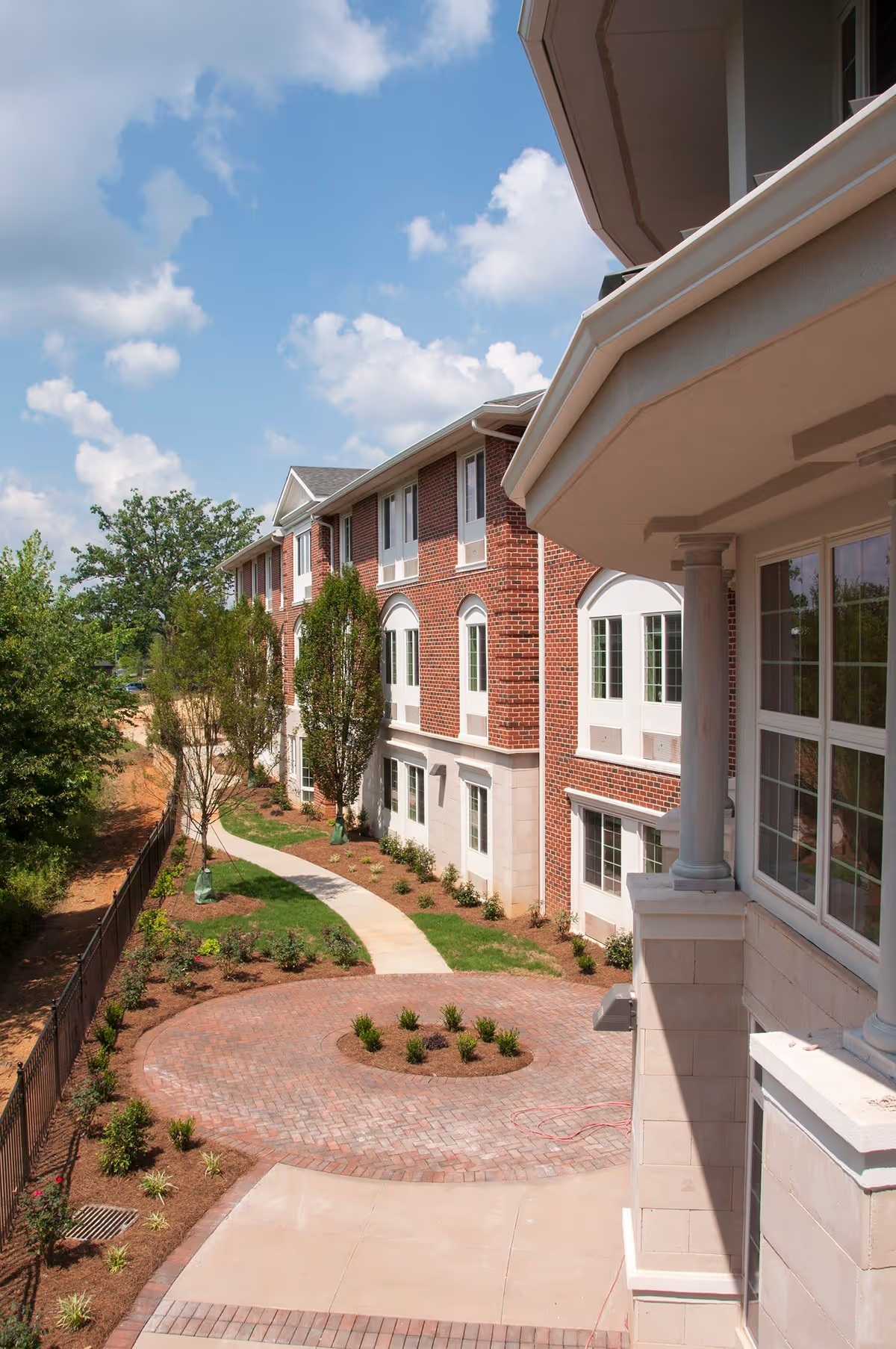
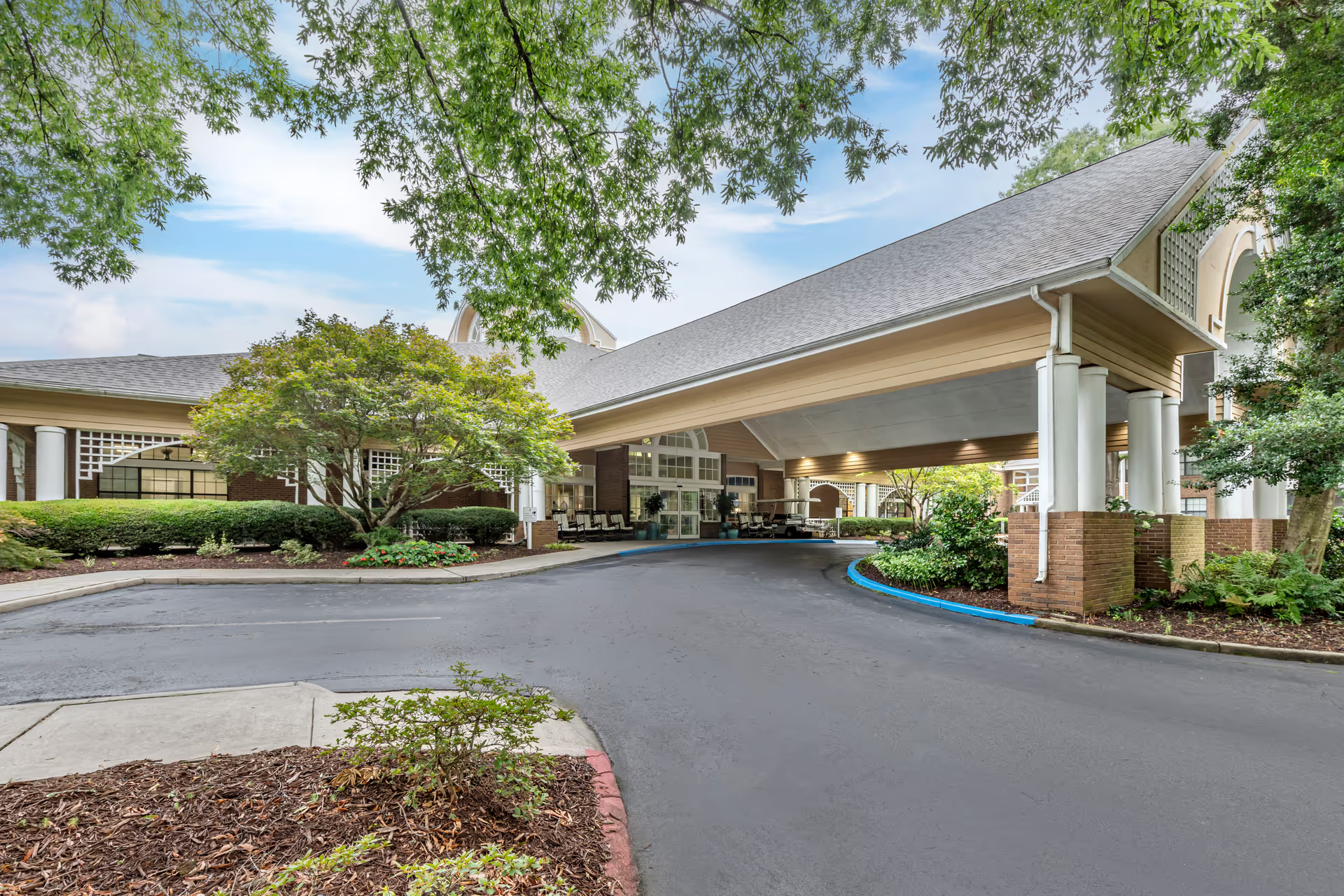
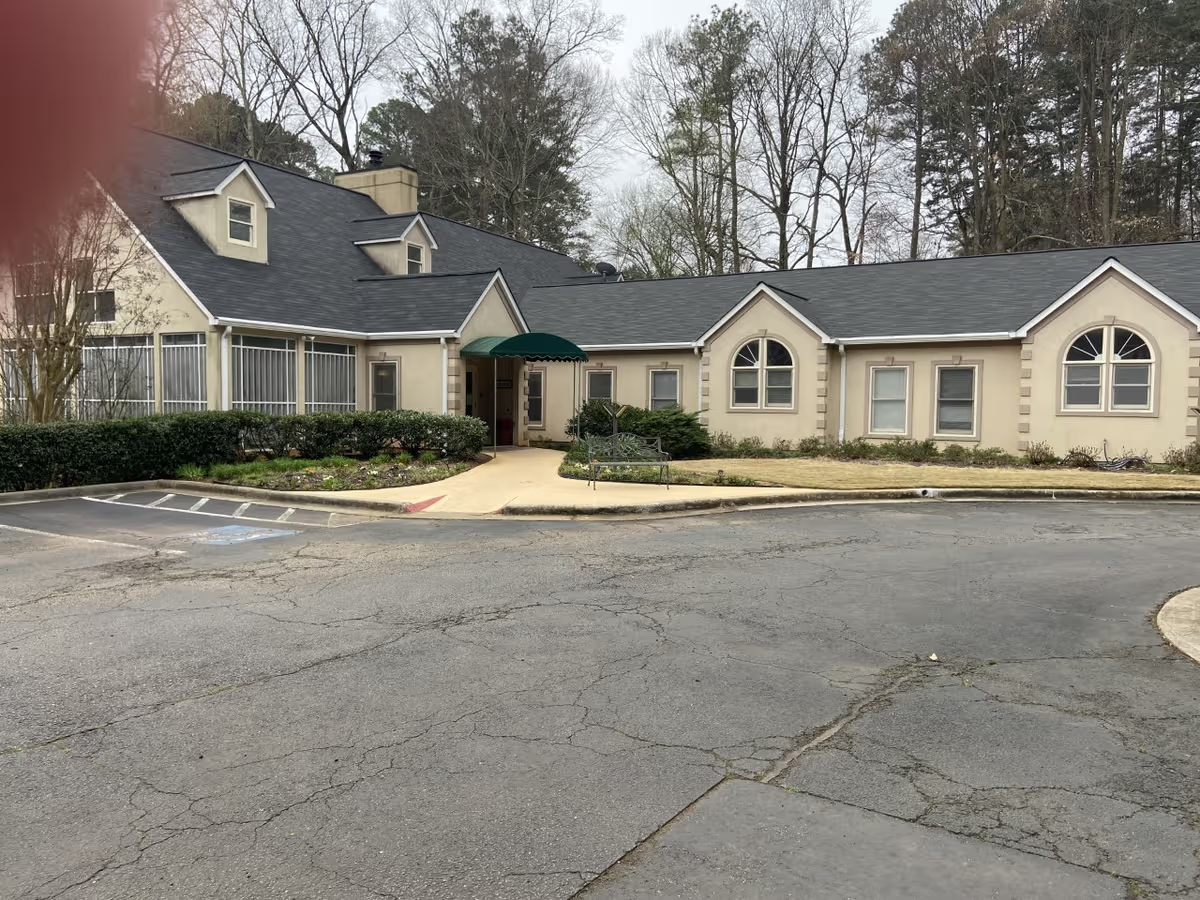
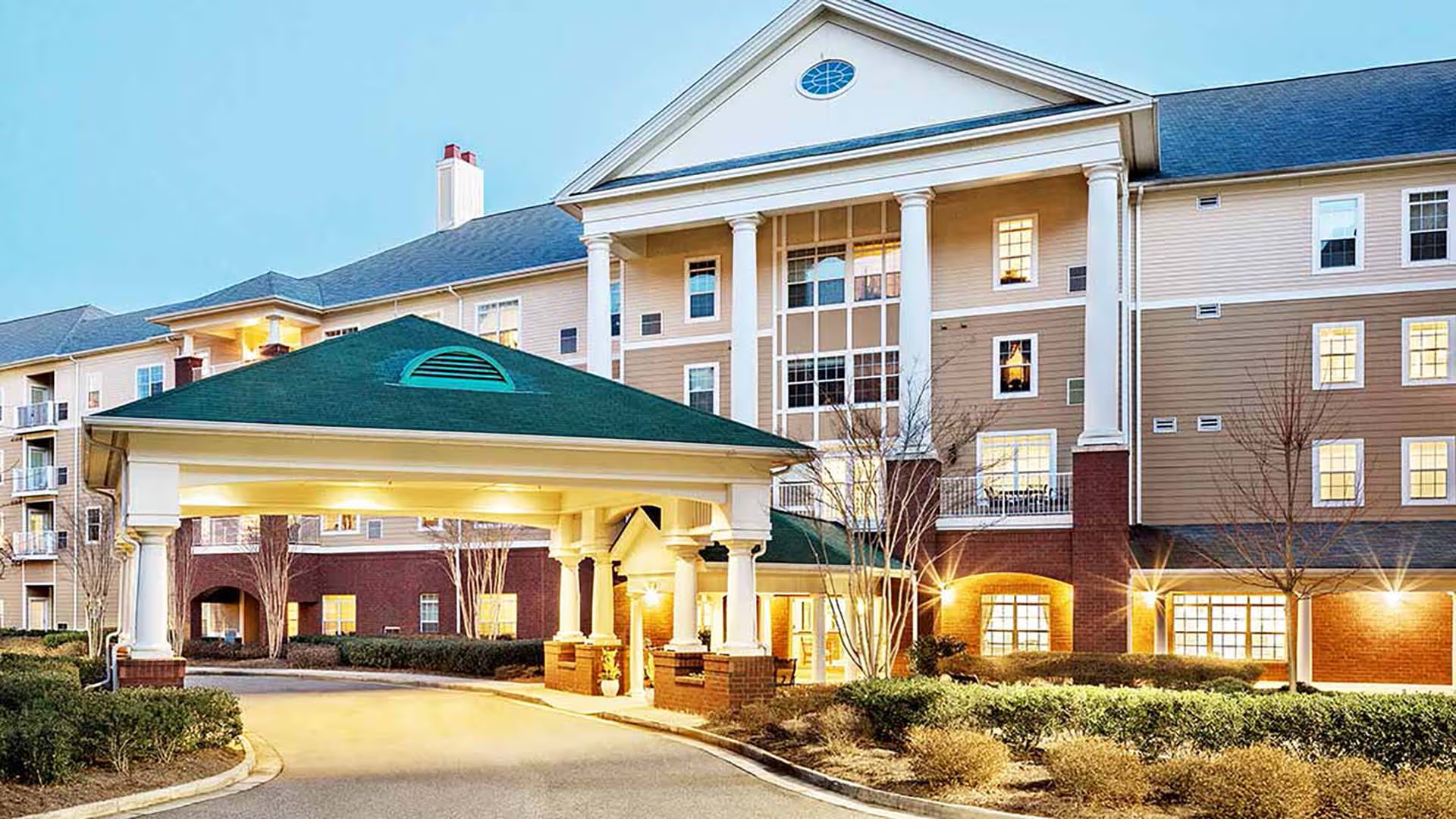
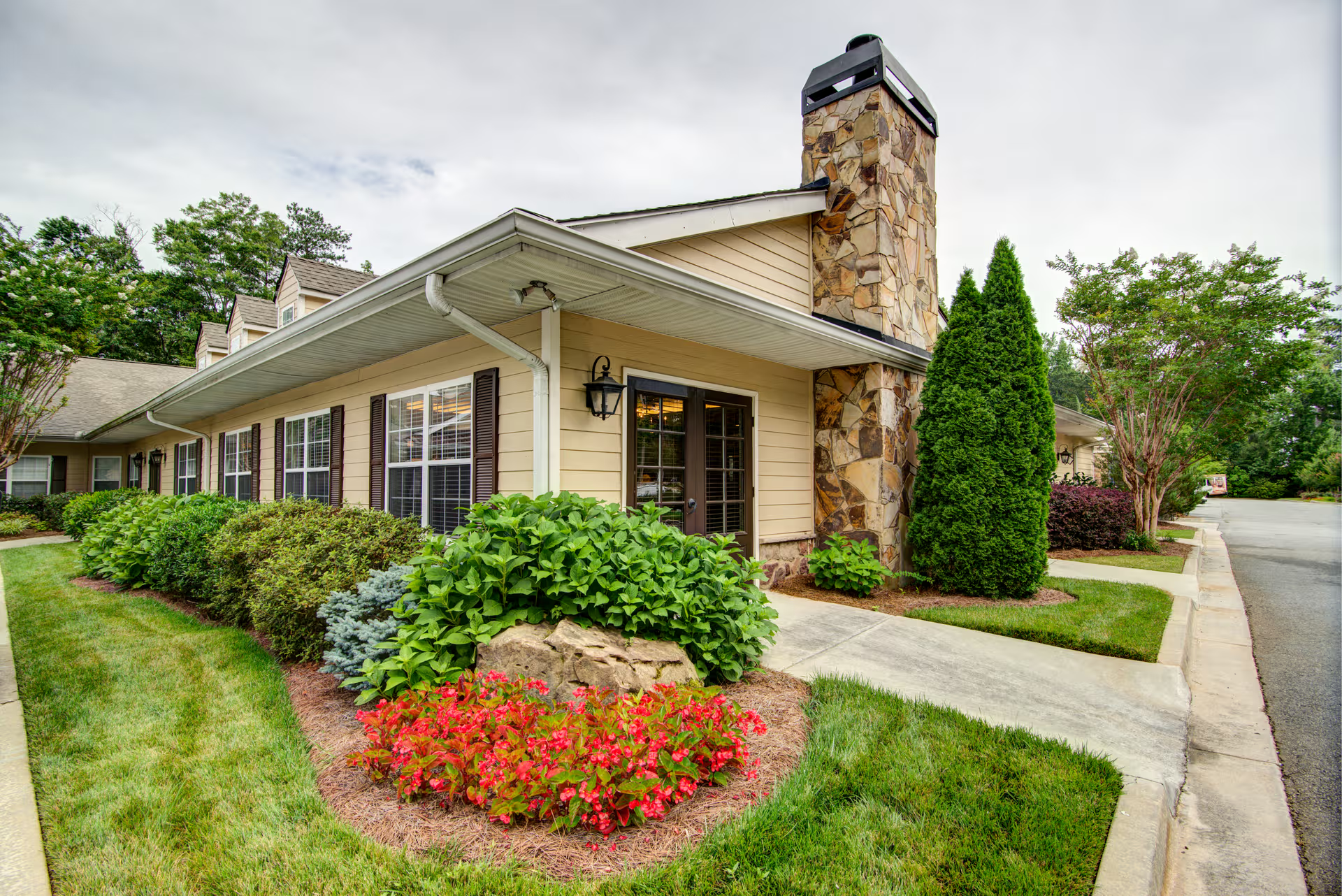
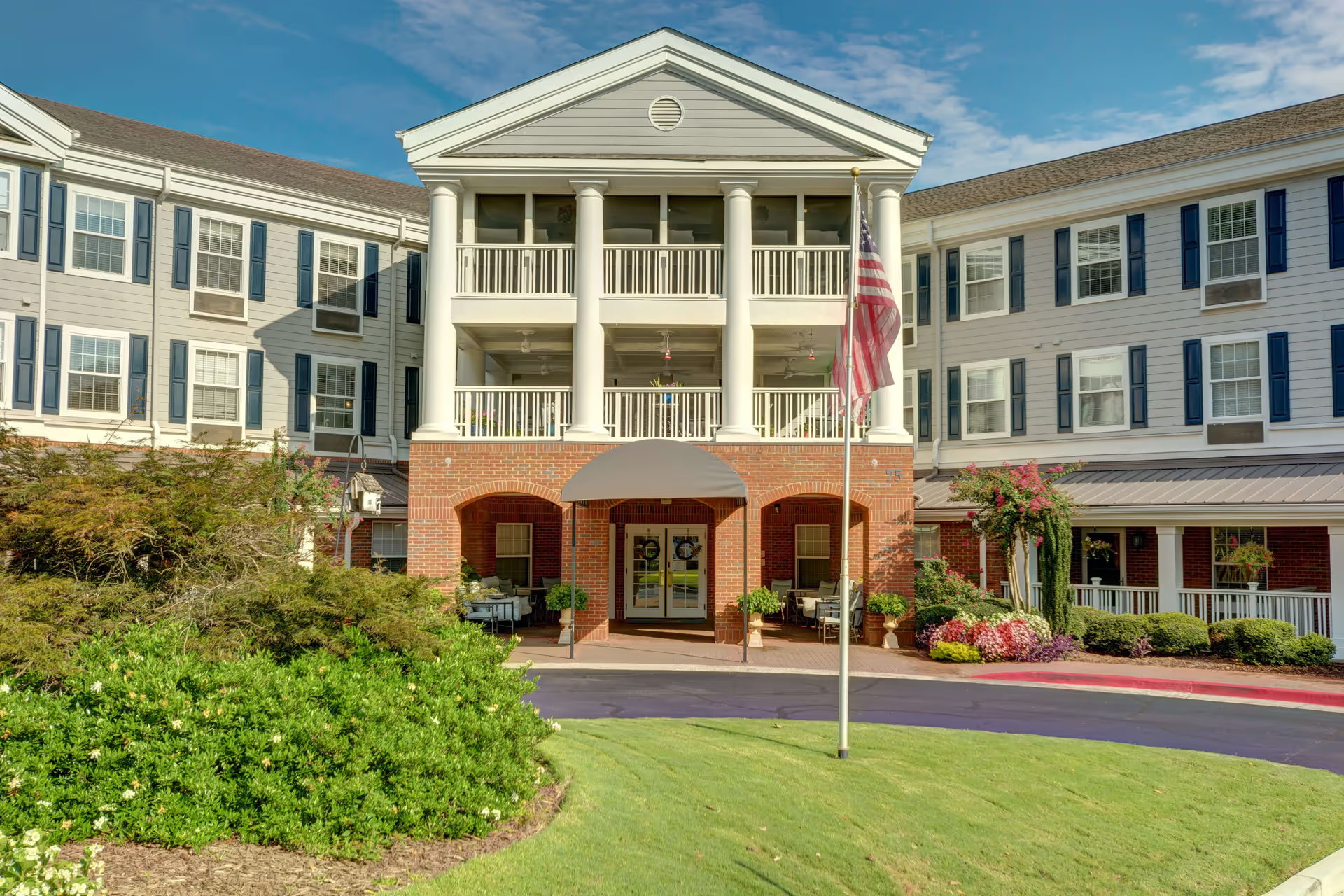
The physical environment is frequently described as clean, attractive, and home-like. Reviewers particularly value the courtyards, gardens, walking areas, and outdoor seating, as well as apartments that some describe as spacious and bright. A few comments identify maintenance or modernization concerns, including floor and elevator cleaning, older carpet, and less integrated resident-family technology. Management and move-in staff receive substantial praise for explaining care options, answering questions, and helping families navigate emotionally difficult decisions. One critical review questioned leadership transparency and the response to negative feedback, which contrasts with the many positive accounts of communication. Taken together, the reviews are strongly favorable but not uniform; families considering the community may wish to ask directly about staffing continuity, individualized care for higher-support needs, clinical escalation, dining preferences, and communication systems.