The Oaks at Alpharetta elicits strongly polarized responses: many families describe genuinely compassionate, attentive caregiving and a warm, home-like atmosphere, while other accounts identify operational inconsistencies that materially affect resident experience. Positive themes include individualized care plans, engaged direct-care staff who know residents by name, and specific clinical strengths such as supportive end-of-life coordination and prompt pendant responses. Reviewers also frequently highlight a family-style community with frequent social events, holiday meals, and regular outings that foster friendships and resident engagement.
Staffing is the most prominent driver of divergent experiences. Where staffing is stable and experienced, families report excellent hands-on care, knowledgeable med-techs, and active leadership presence. Conversely, recurring comments point to high turnover, reliance on agency or temporary personnel, and uneven staff training; these patterns are linked to communication gaps, inconsistent handoffs between shifts, and variability in staff conduct and responsiveness. Clinically relevant issues described across accounts include inconsistent medication administration practices and lapses in personal-care scheduling, which undermine confidence even where individual caregivers are praised.
Dining and activities are another mixed area. Many reviewers praise attractive dining rooms, well-presented meals, and robust activity calendars that include music, religious services, therapy-animal visits, and community outings. At the same time, other families report repetitive menus, frequent use of processed items, and episodes of poor meal continuity. Activity programming is creative and well-run when staffed, but some reports describe cancellations, limited weekend offerings, and inconsistent engagement when activity leadership is unavailable.
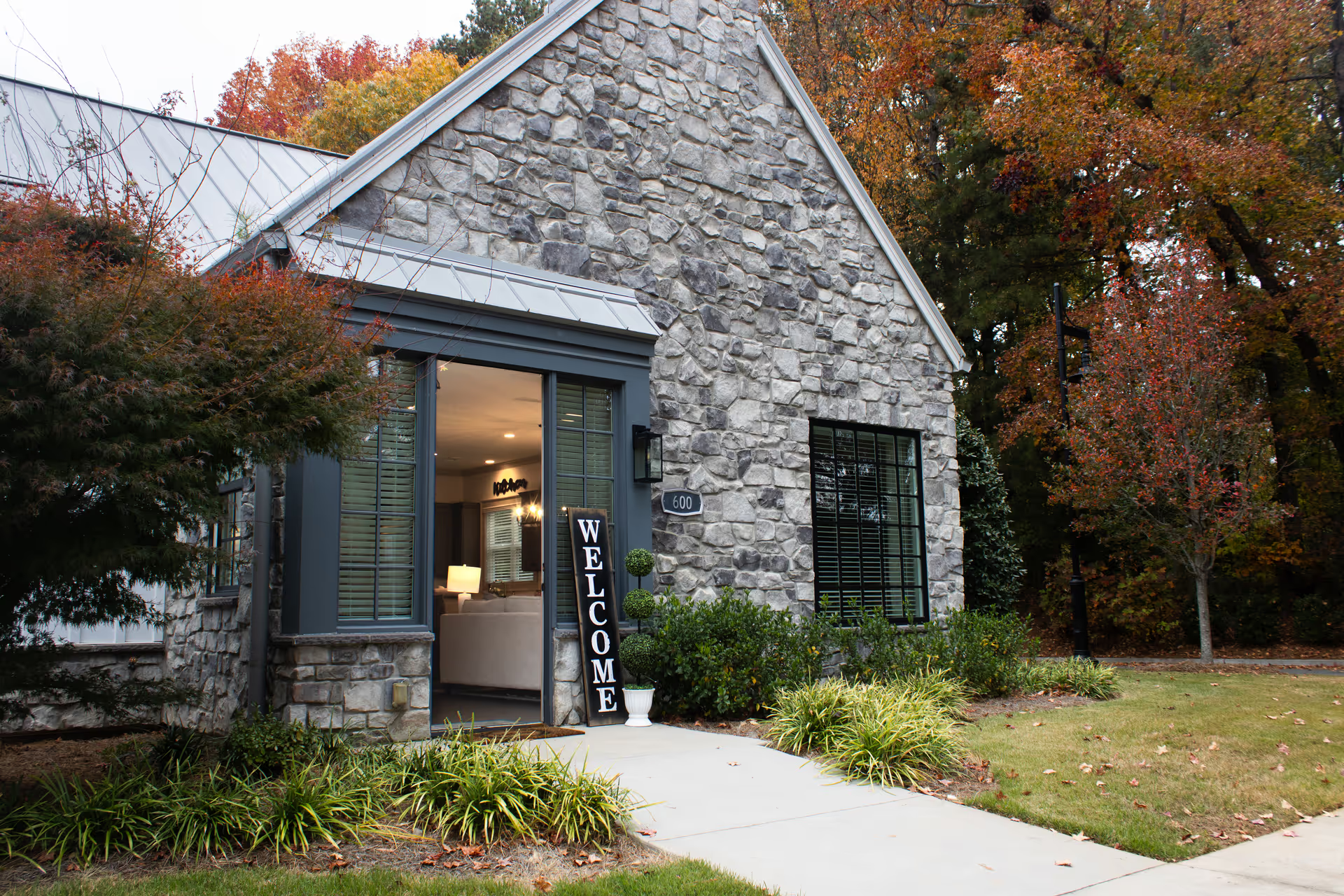
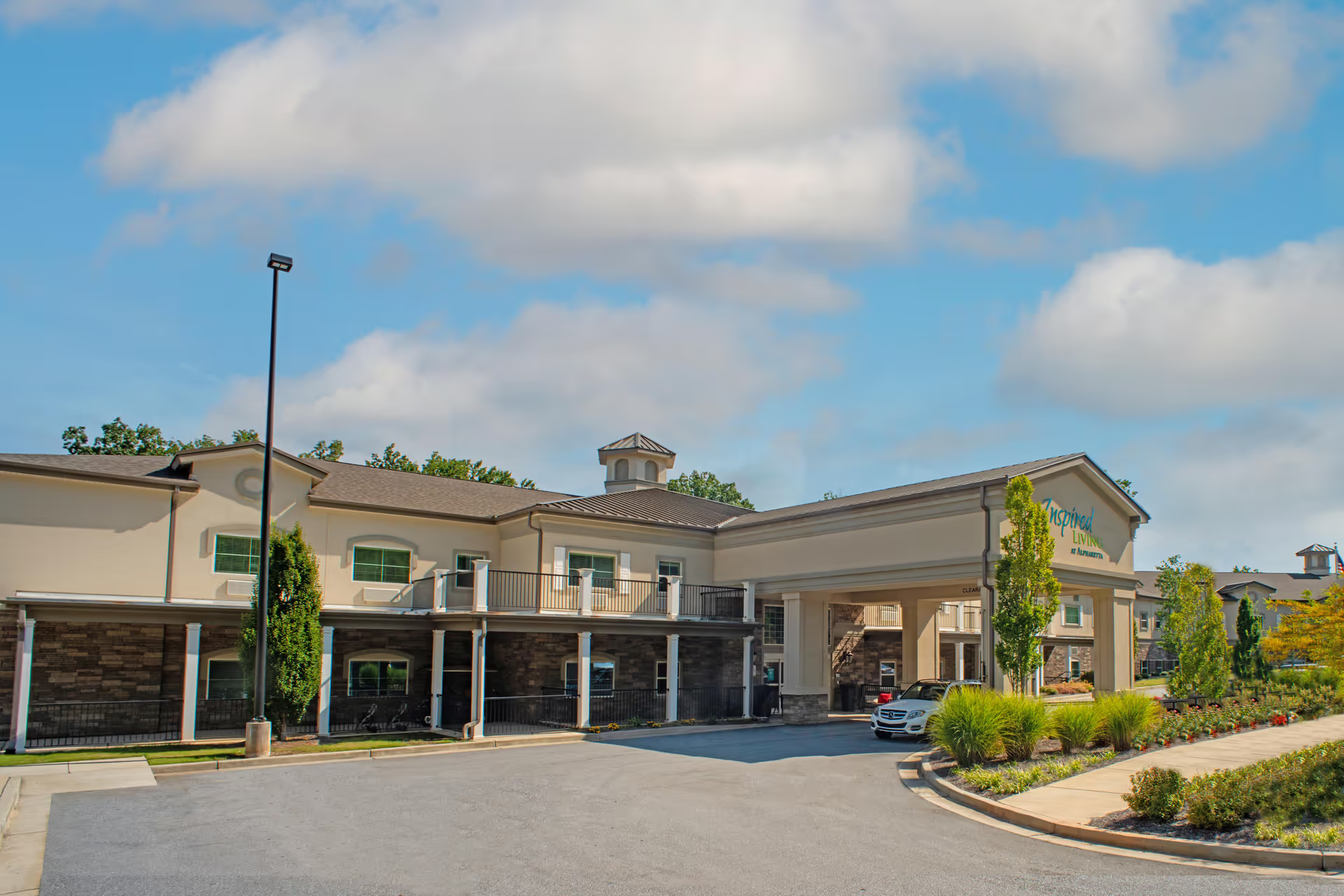
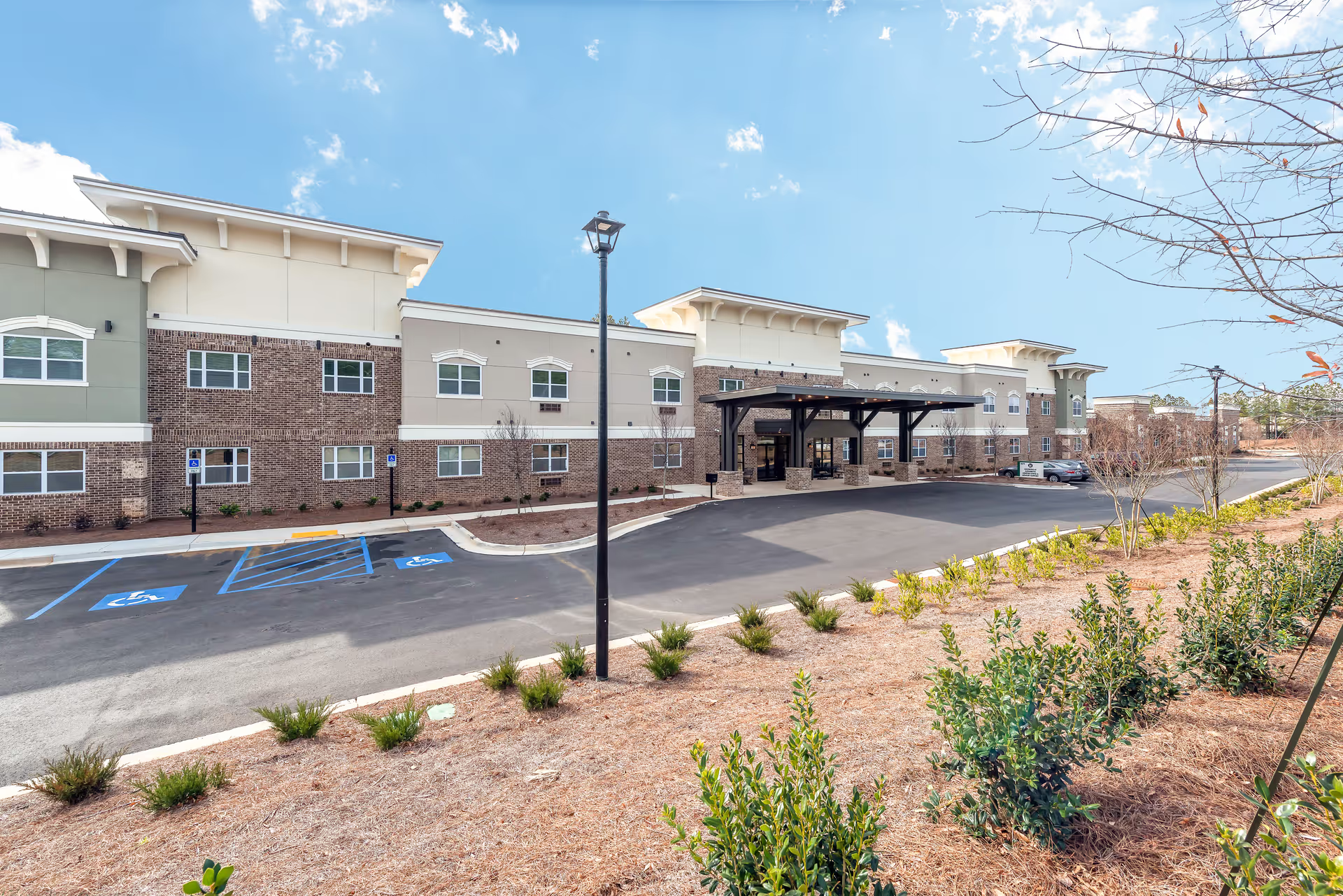
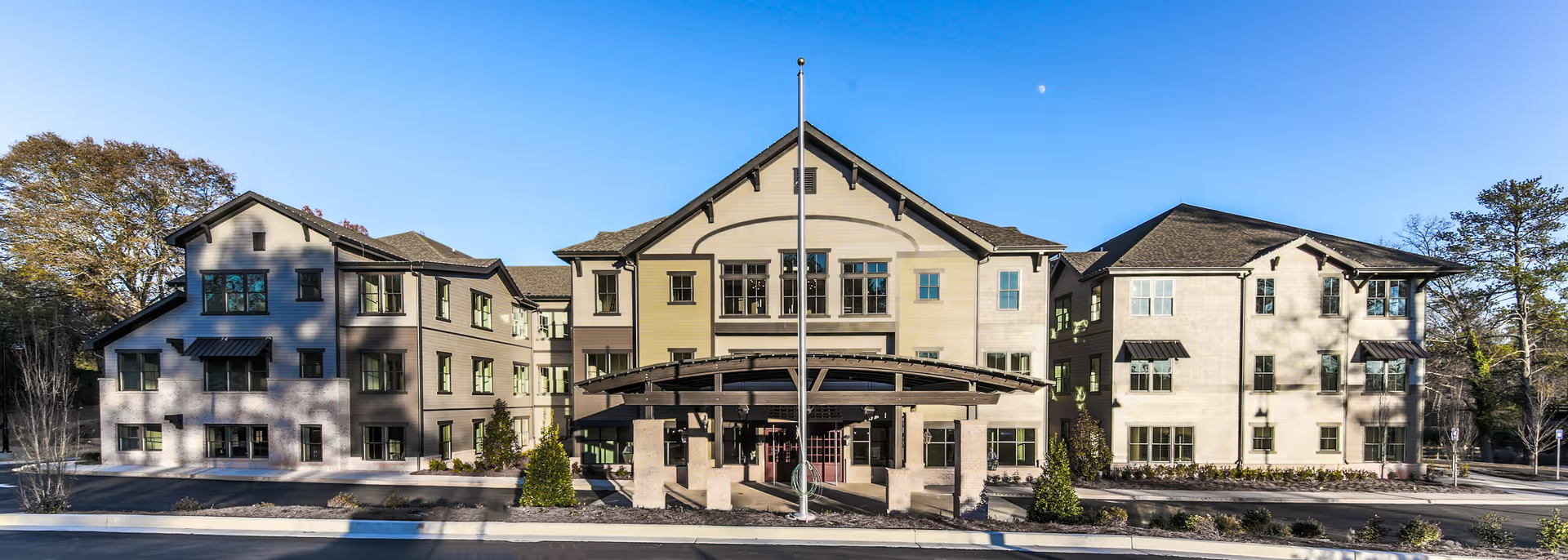
Facility condition and housekeeping also produce variable impressions. Common areas and grounds are often described as renovated, bright, and well maintained, supporting a residential feel. However, there are noted sanitation and pest-control concerns in some units and memory-care areas, as well as inconsistent housekeeping and laundry workflows that affect room cleanliness and maintenance. Memory-care design elements such as secure, home-like units and wandering-prevention features are cited as strengths, though a portion of feedback flags odor concerns and cleanliness gaps in those same areas.
Management and administration receive mixed marks. Several families praise visible, organized directors and recent leadership changes that improved operations; others describe slow or unprofessional responses to concerns, billing and refund delays, and lapses in consistent communication. A small number of serious allegations (including concerns about differential treatment and retaliation) were raised; these are distinct from the broader operational themes and would warrant follow-up by prospective families and regulators if substantiated.
Overall, the Oaks at Alpharetta presents as a facility with substantial strengths in relational care, social programming, and certain clinical supports, but with notable operational vulnerabilities tied to staffing stability, housekeeping/sanitation processes, and consistency of dining and activity delivery. Prospective residents and families should prioritize in-person observations of current staffing levels, recent housekeeping and pest-control records, medication-administration protocols, and the facility’s plan for leadership continuity and staff training to gauge whether the positive experiences align with their expectations for safety and daily life.