Reviewers describe a community with clear strengths and identifiable operational risks. Strengths most consistently cited include caring, attentive caregivers and a memory-care program that many families experience as warm and family‑oriented. Residents and families frequently praise an active, well-staffed activities program (led by a highly regarded activity director), attractive common areas and an enclosed courtyard, and accessible on-site clinical services such as x-ray and periodic geriatric provider visits. Admissions interactions, family communication tools (calls, texts, and a team app), and quick emergency/hospice coordination are also noted as positives that contribute to peace of mind for many families.
Care quality descriptions are mixed. Many families report individualized, compassionate care and prompt clinical responses; others raise substantive concerns about medication administration, including missed or delayed doses and inconsistent adherence to physician orders. These concerns point to weaknesses in medication‑management controls and shift-level supervision rather than isolated differences in caregiver skill. Reported long pendant-response times and delays in attending to requests indicate inconsistent responsiveness during some shifts.
Staffing and management patterns are a recurring theme. Positive experiences often coincide with long‑tenured leadership and retained staff, while several negative accounts follow periods of management turnover. Reviewers describe high staff turnover, understaffing pressures, and instances of unpaid overtime that can affect continuity of care and morale. Families also describe variable staff communication style — many staff are praised as respectful and nurturing, while others are characterized as tactless or patronizing; this suggests uneven training or culture across shifts or teams.
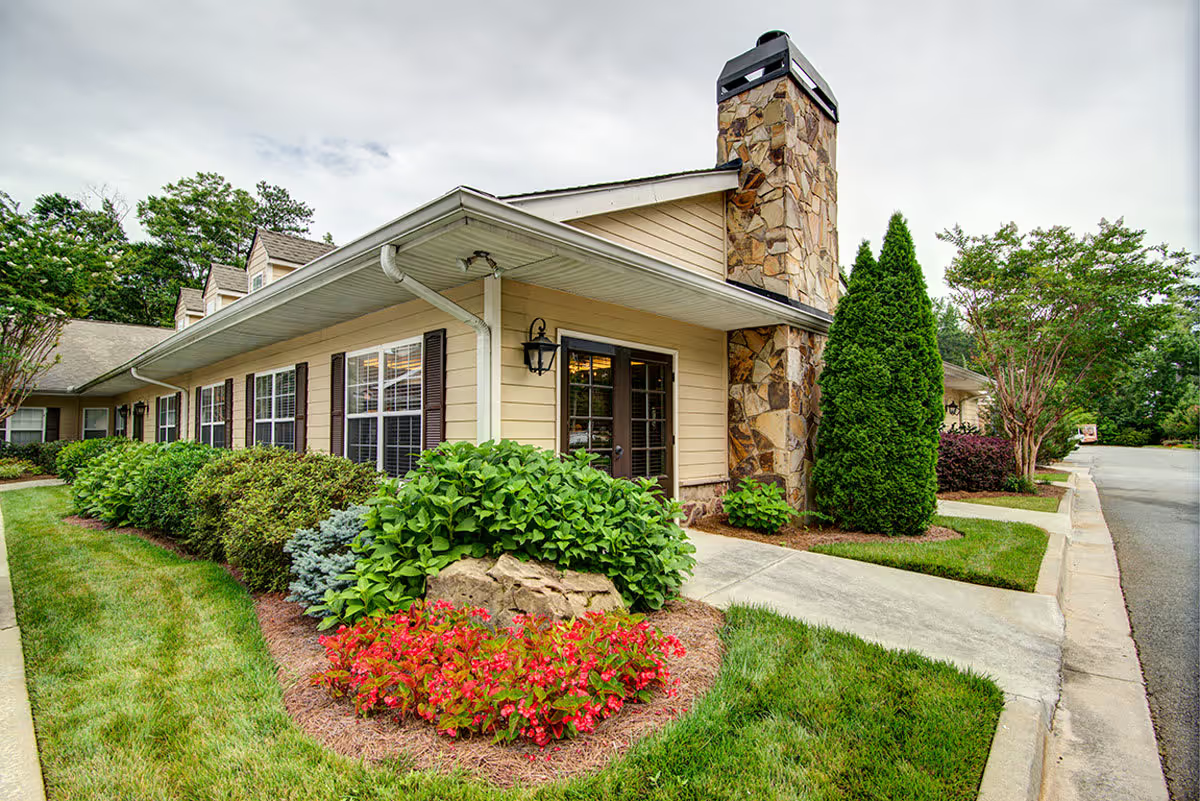
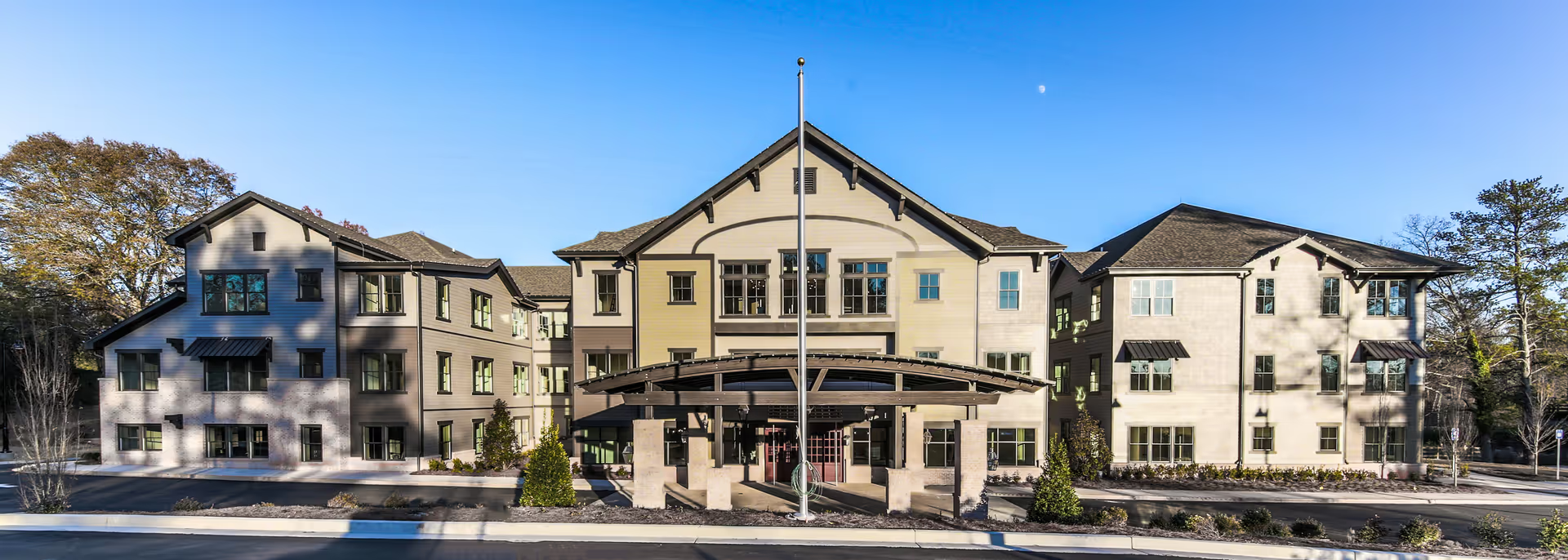
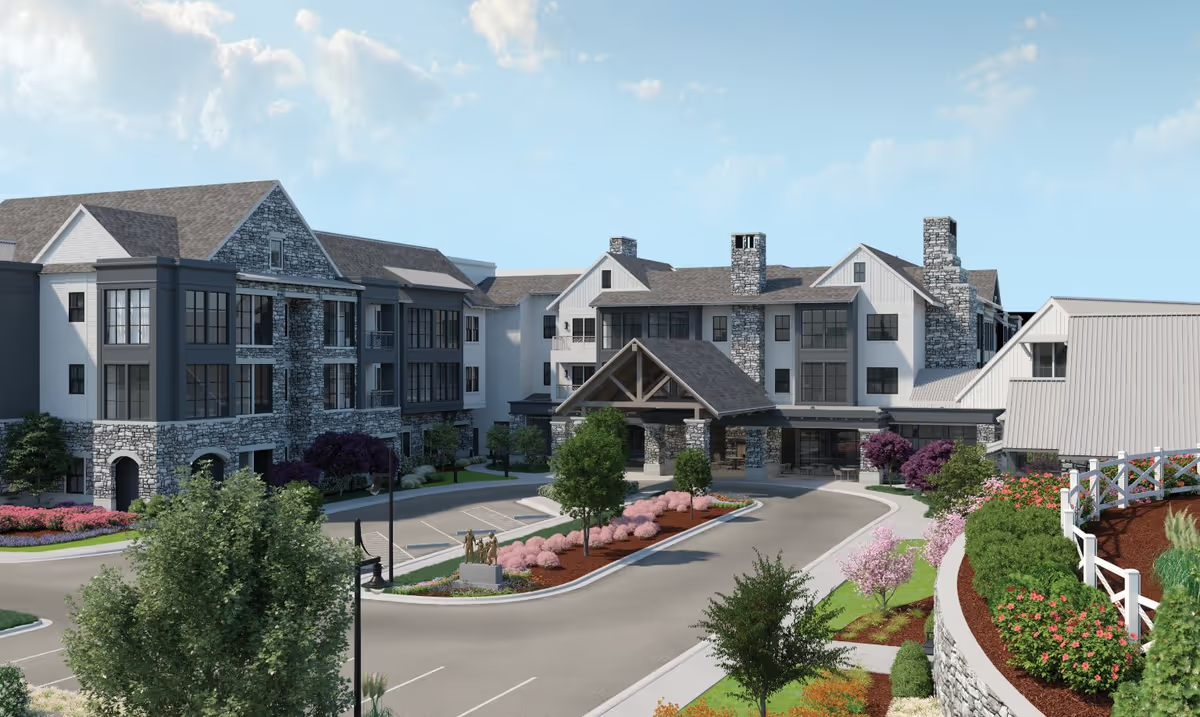
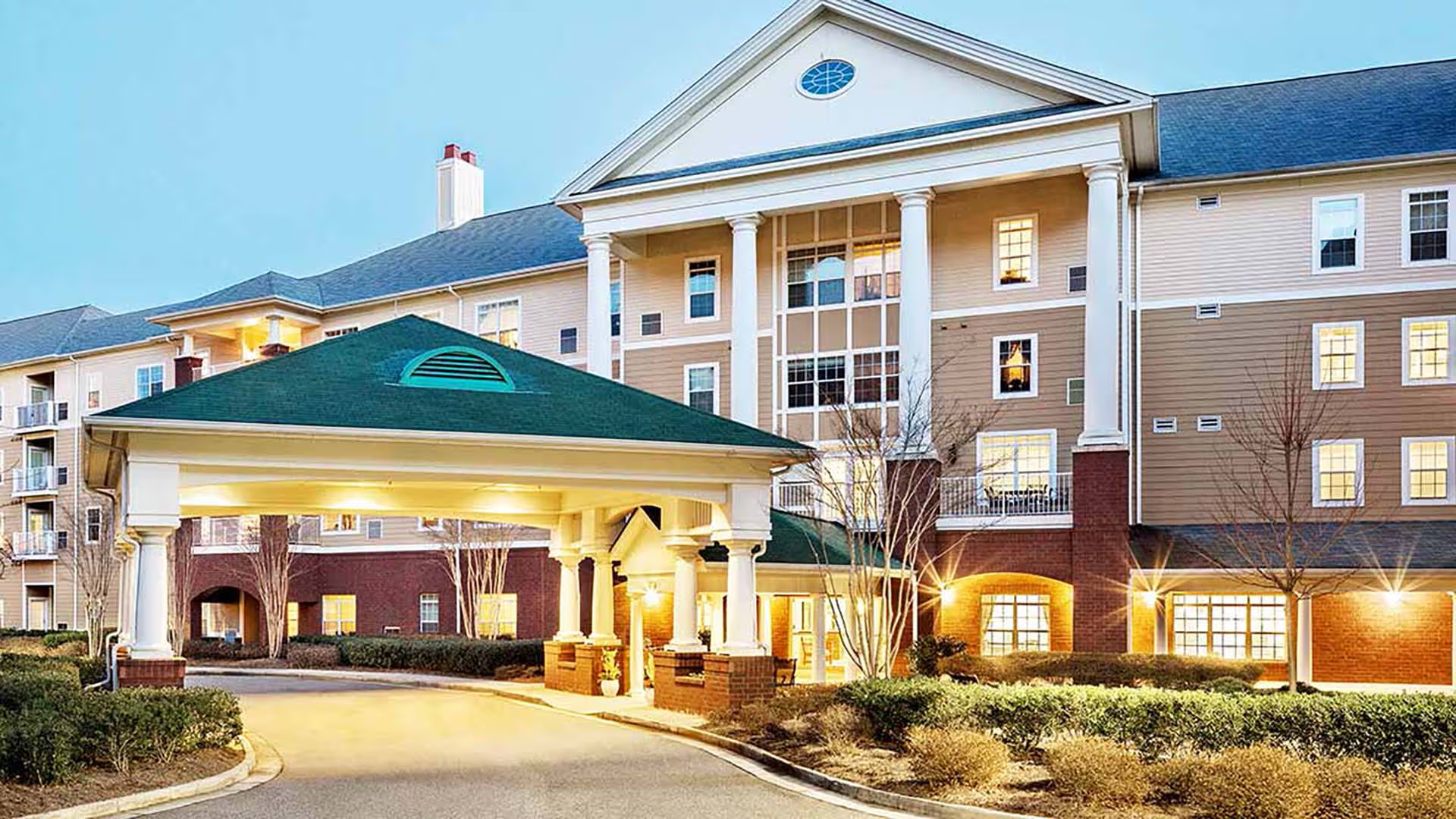
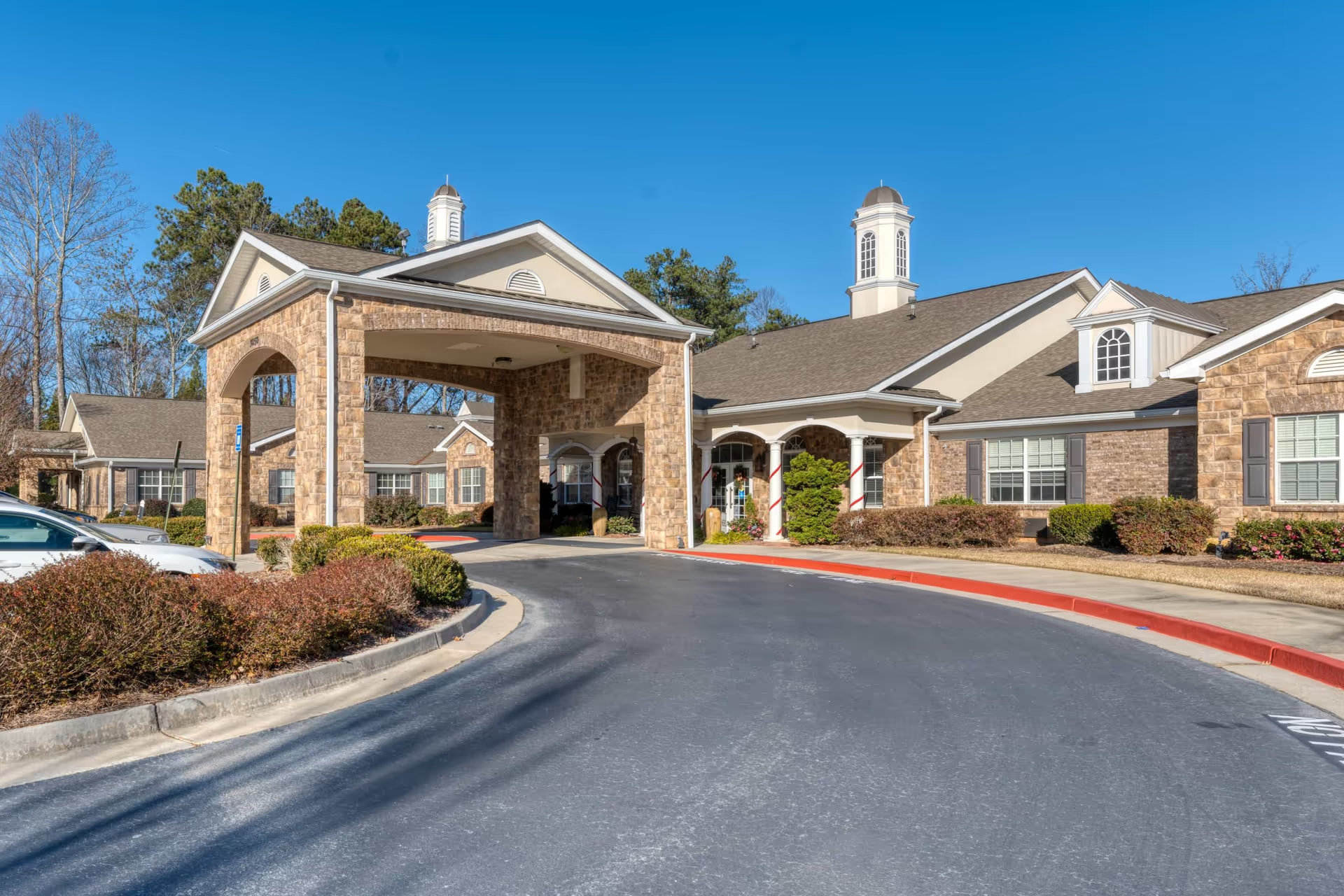
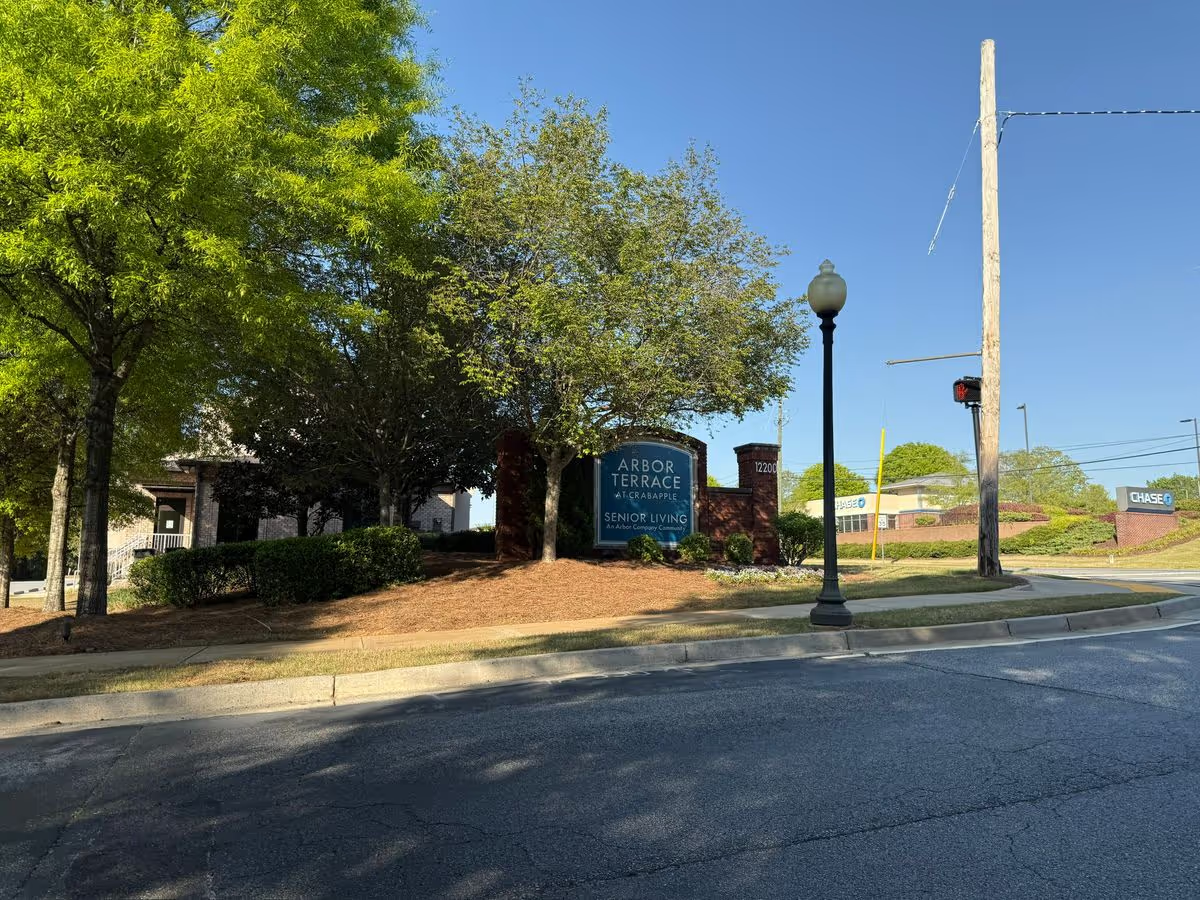
Dining, housekeeping and facilities receive generally favorable comments about cleanliness, appealing common spaces, and competent dining staff; however, reviewers also cite inconsistent meal temperature/service timing, advance-order requirements for some menu items, and occasional shortcomings in housekeeping thoroughness. Maintenance response times and follow-through on service requests are raised as operational gaps. Physical-plant positives include attractive, clean common areas and a small, home-like footprint; limitations noted include small unit sizes for some apartments and a busy street location with limited views.
Safety, privacy and administrative transparency are areas to probe. Several families expressed concern about incident reporting and family notification after injuries or significant events, indicating gaps in documentation and communication workflows. Privacy questions (for example, in-room cameras) and allegations around resident property handling suggest the need for clearer policies and tighter inventory controls. Billing complexity and monthly price increases are also mentioned enough to warrant direct discussion during tours.
In sum, Addington Place of Alpharetta presents strong programmatic advantages—especially in memory care, activities, family communication, and on-site clinical access—but reviewers also identify operational weaknesses that can affect day-to-day reliability: medication-management, staffing consistency, management continuity, maintenance follow-through, and administrative transparency. Prospective families should weigh the positive culture and activity offerings against these operational patterns and consider targeted questions during a visit: ask for current staffing ratios, medication-administration policies and audit procedures, recent leadership changes, incident‑reporting and family‑notification practices, maintenance response standards, the facility’s pet policy and camera/privacy rules, and a clear explanation of billing and fee changes.