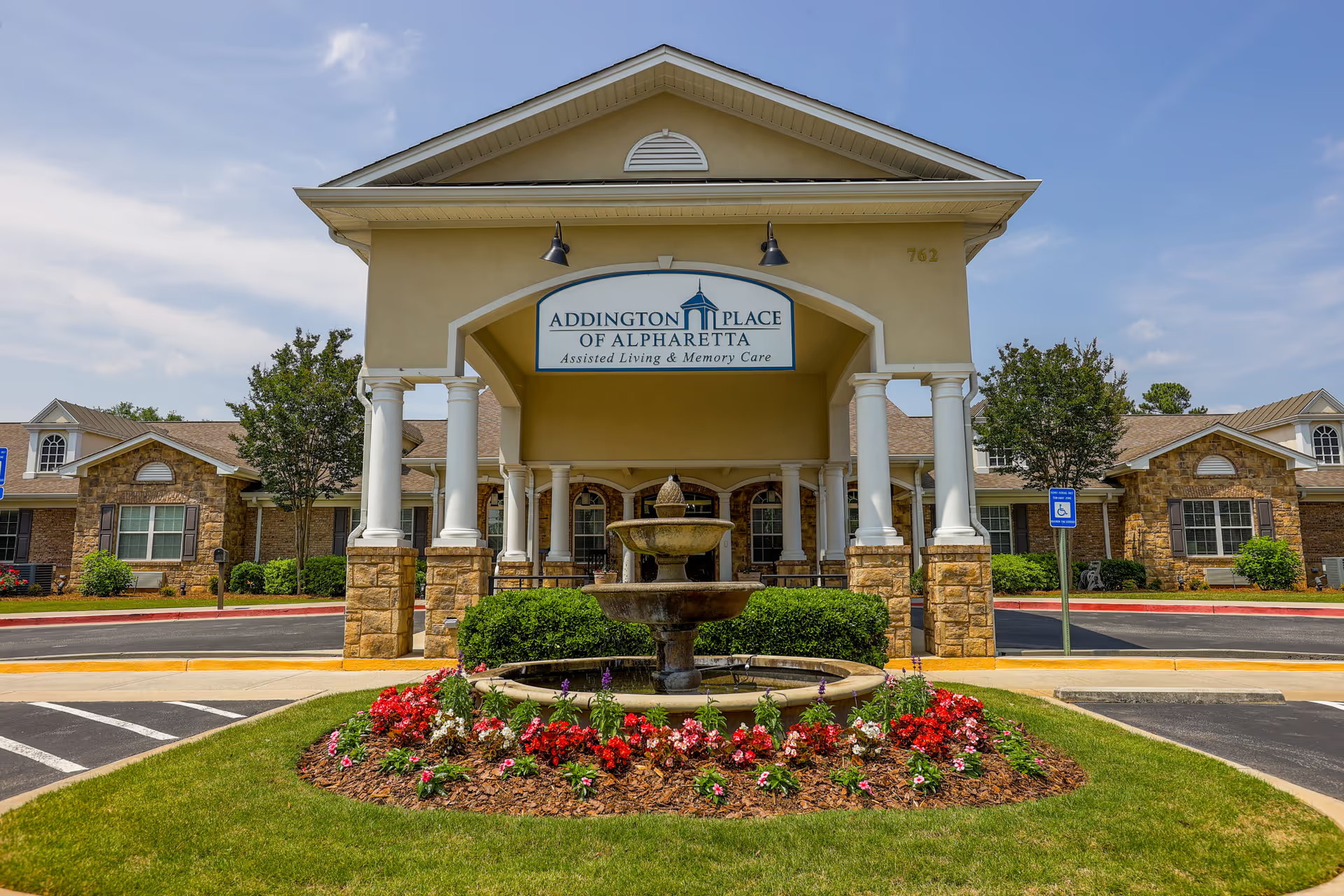
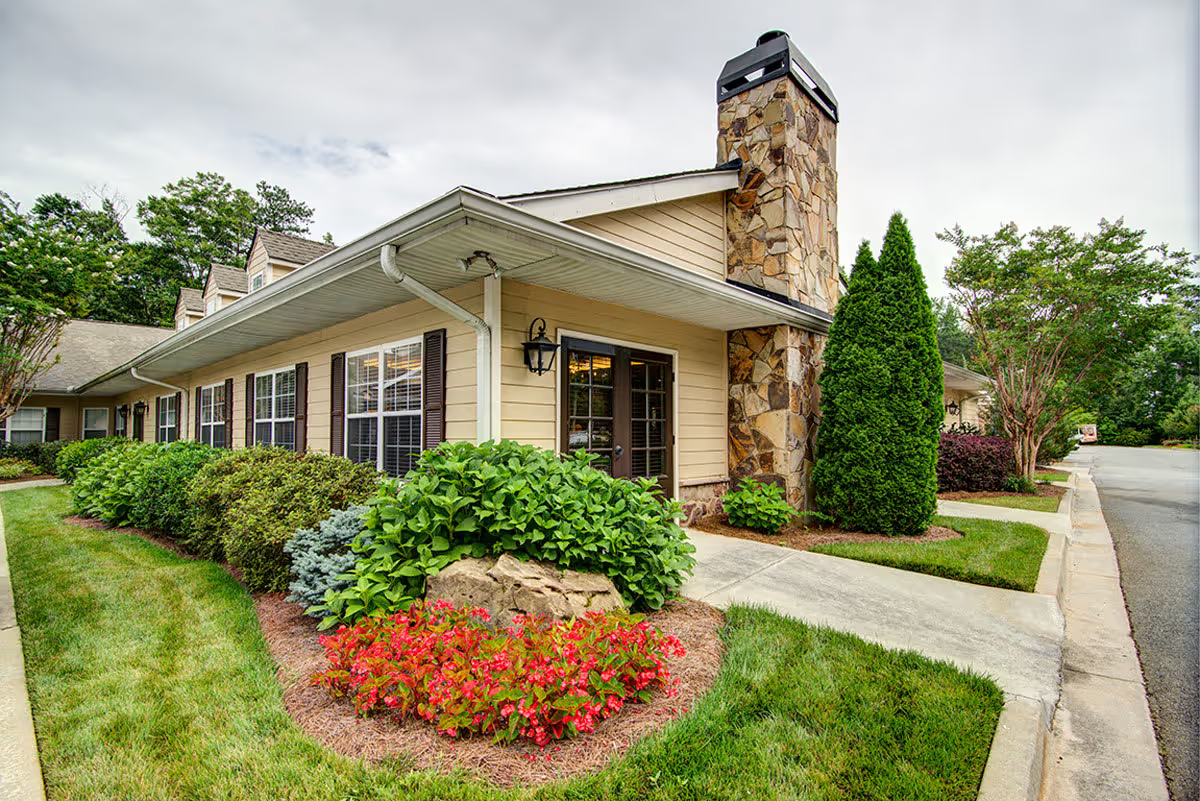
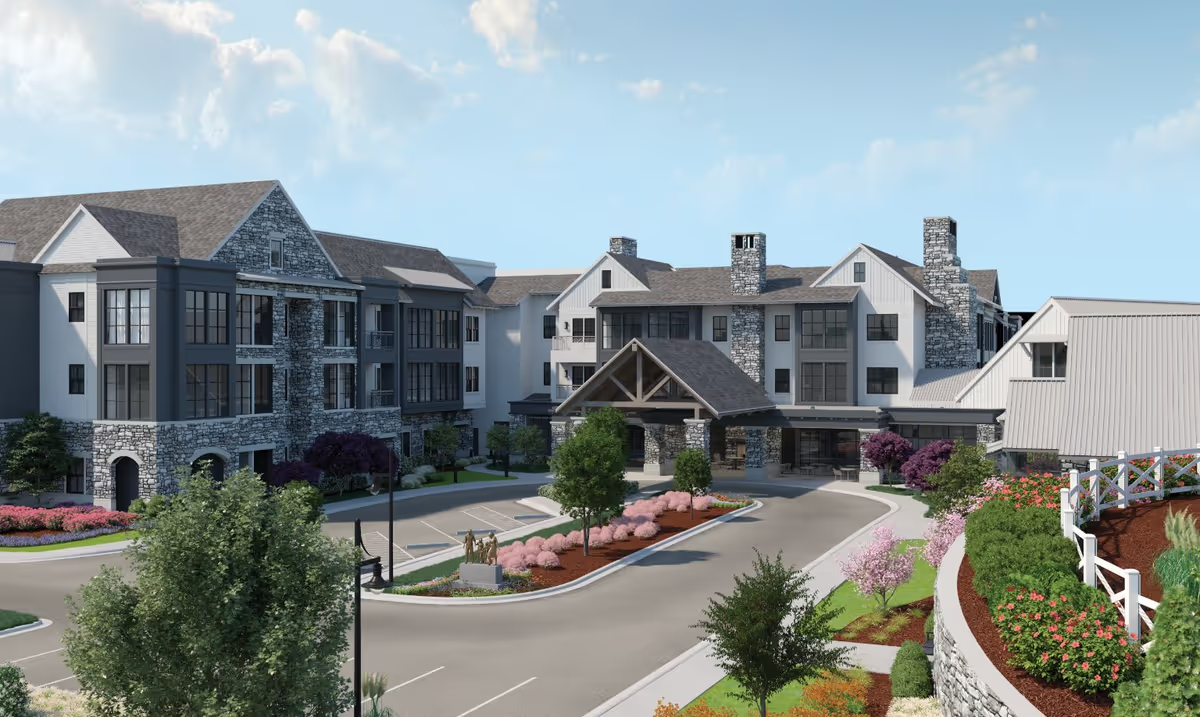
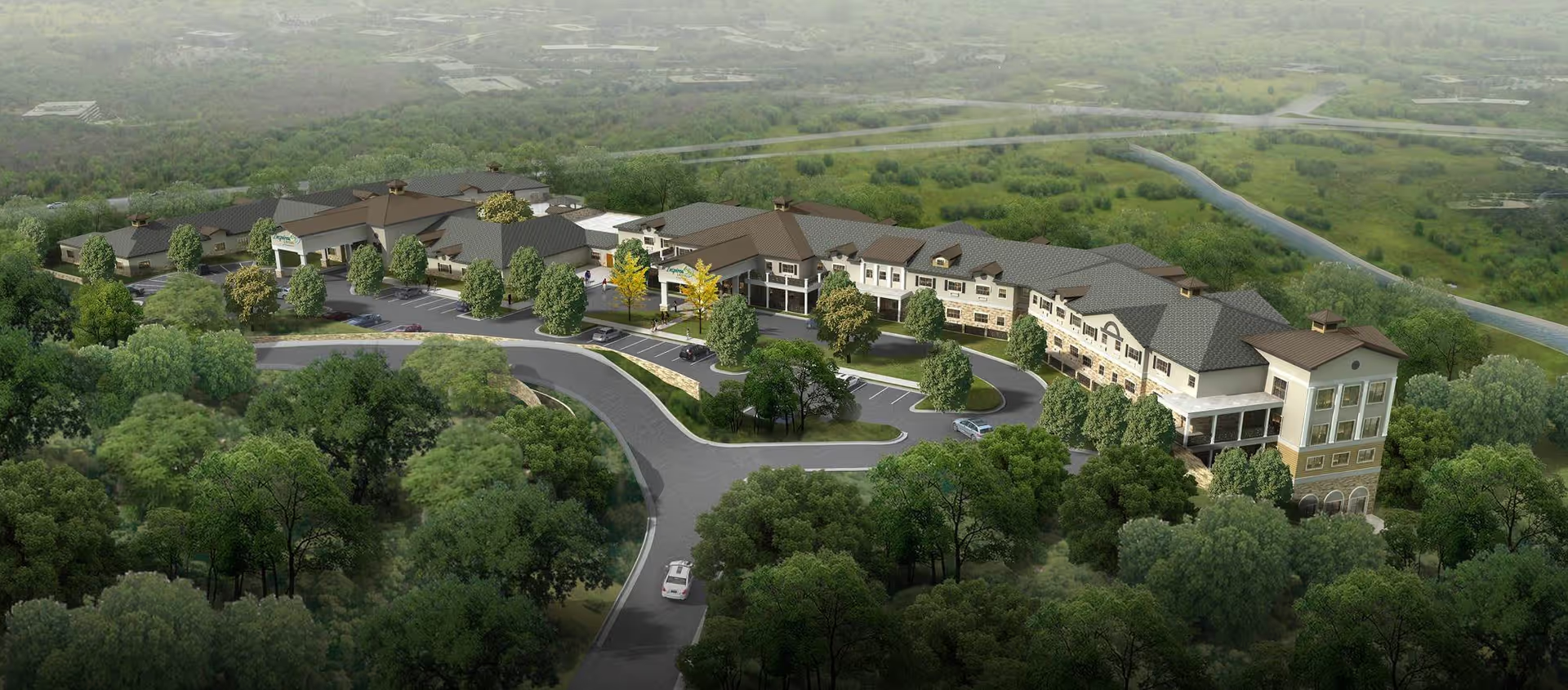
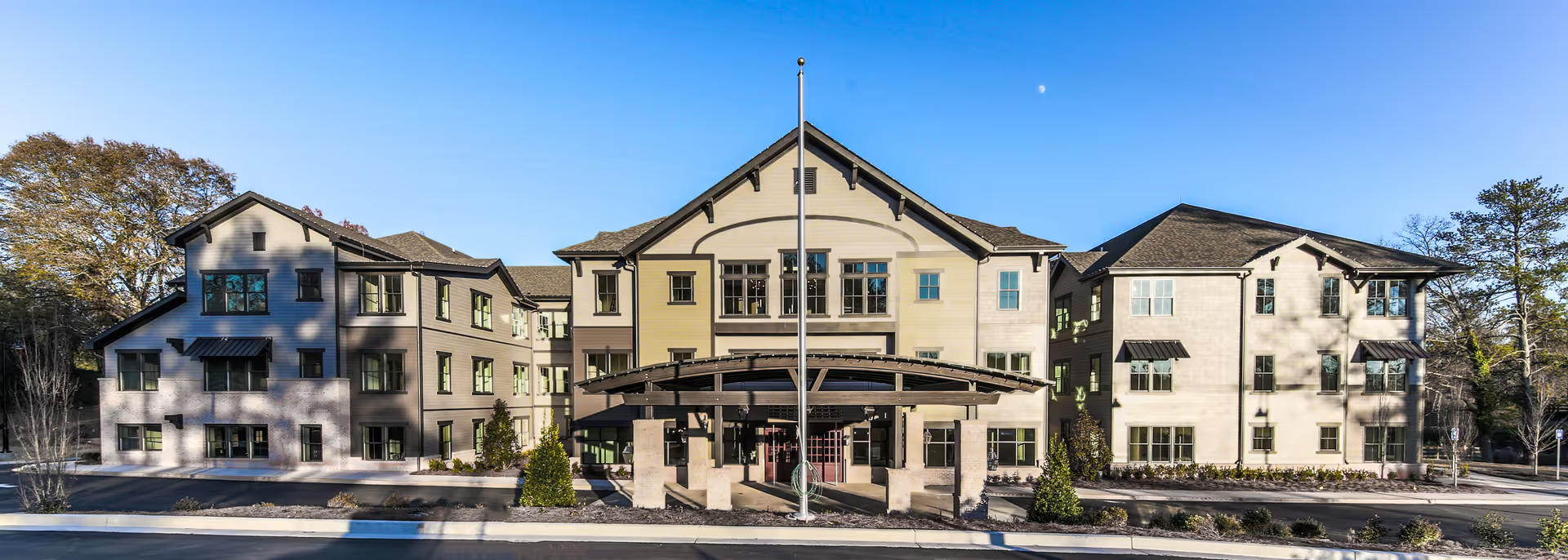
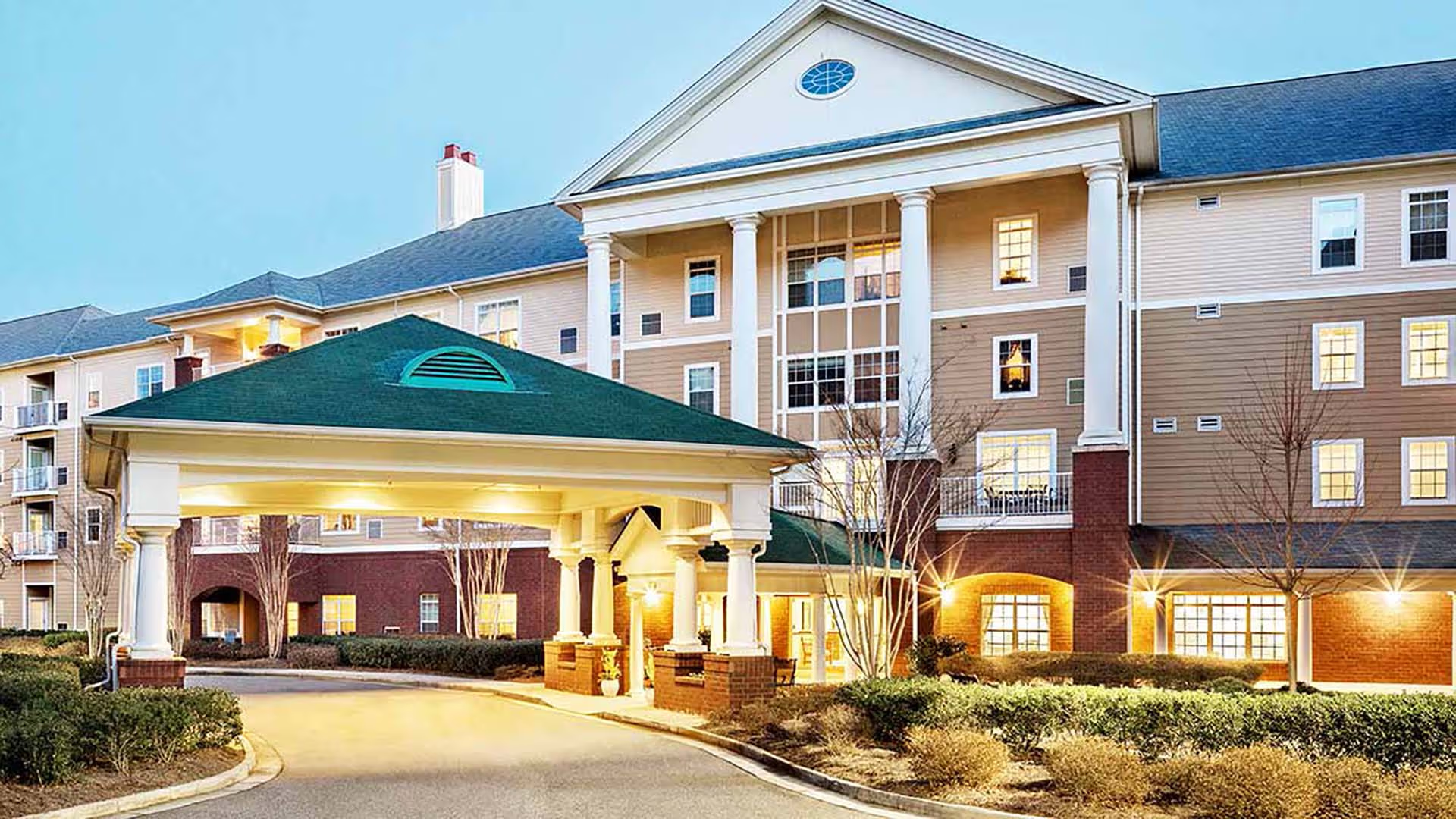
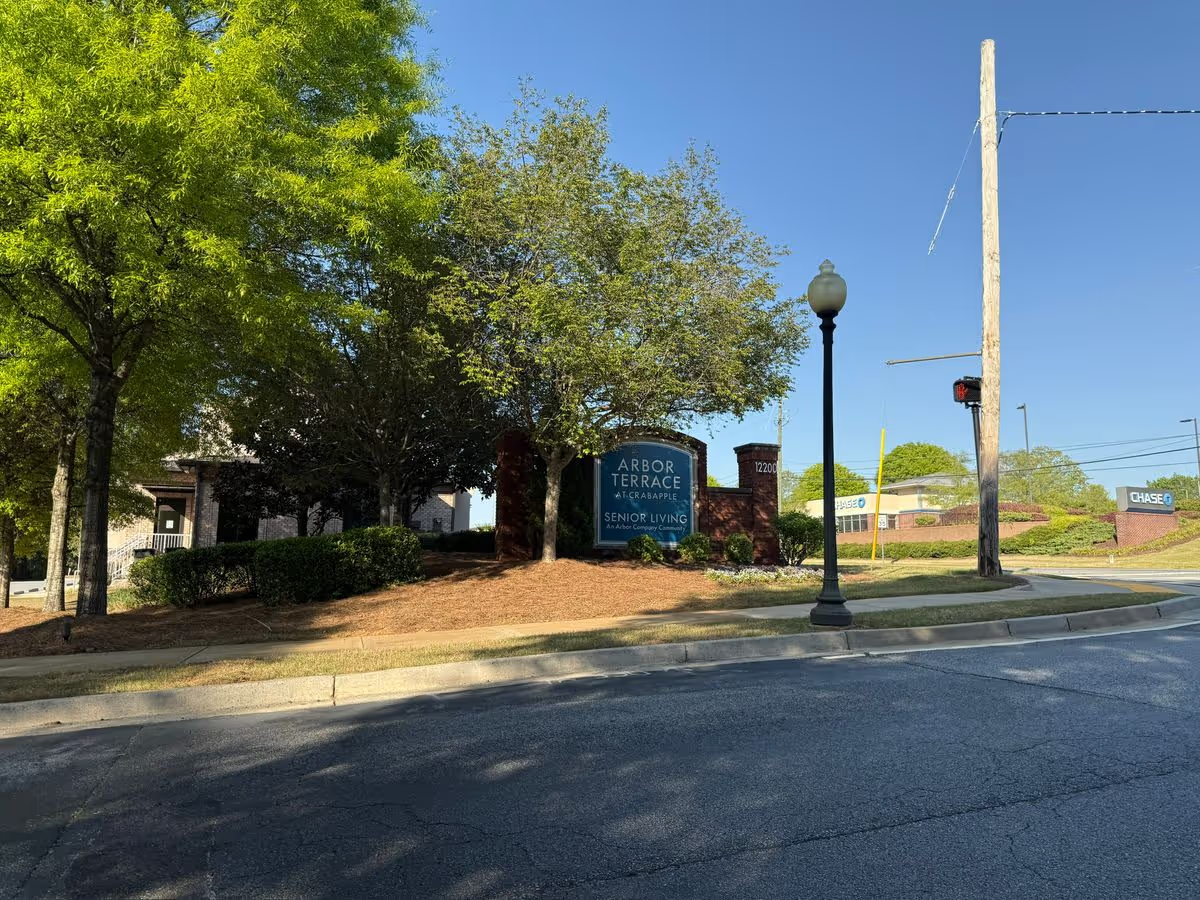
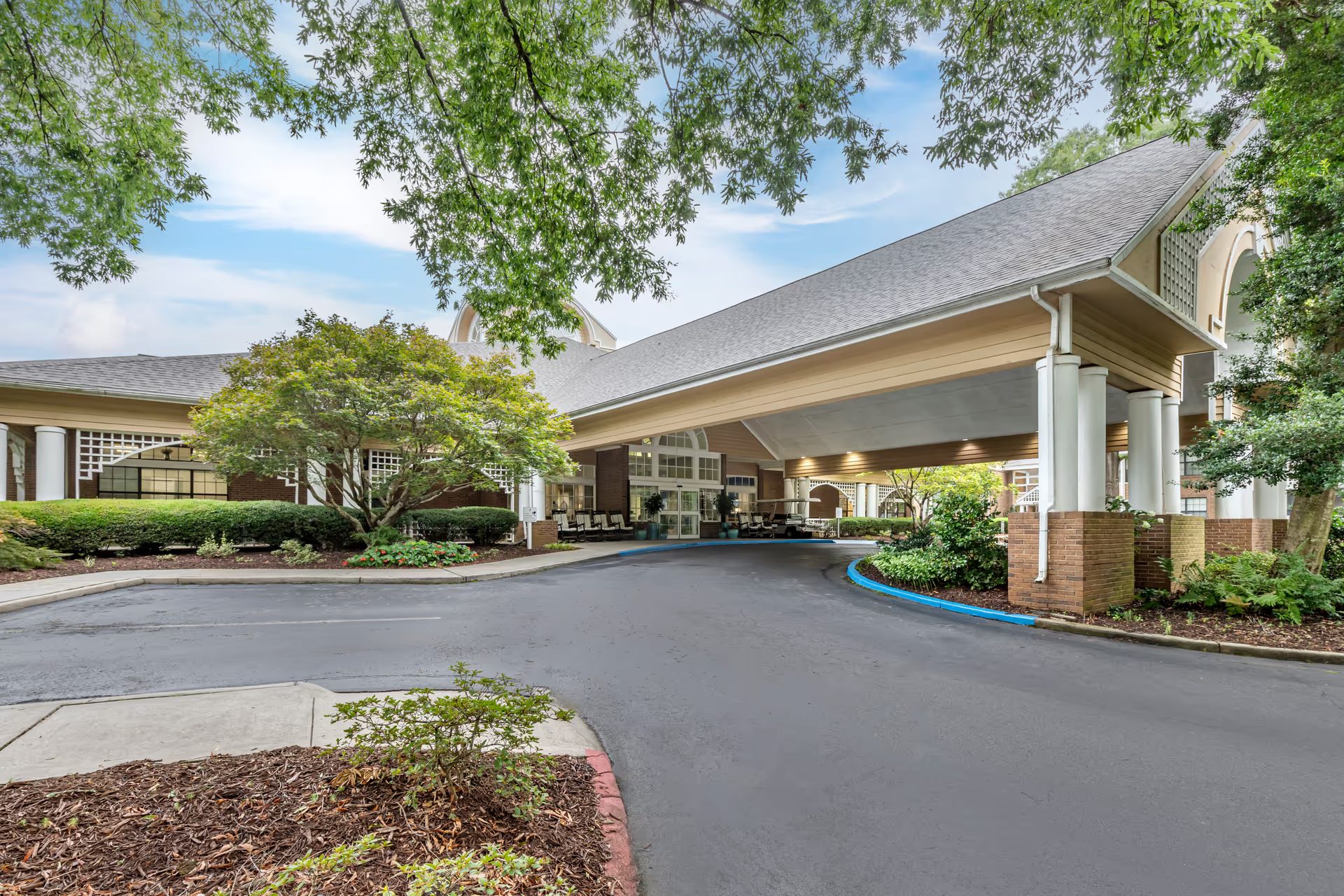
Cottonwood Estates presents as a well-appointed independent-living community with consistently praised physical attributes and a strong social environment. Reviewers commonly highlight clean, tastefully decorated common areas, newer construction or recent renovations, and a range of on-site amenities (library, billiards, movie theater, gardens/trails, and an ice-cream/froyo machine). Apartment layouts are described as comfortable in many cases — some units offer large balconies and private ground-floor entrances — and the community model includes utilities and many services in an all-inclusive price, as well as a month-to-month rental option that reduces upfront cost barriers.
Staff and community culture are recurring strengths. Many families and residents characterize frontline staff and on-site managers as compassionate, helpful, and attentive; examples include assistance with move-in, responsive maintenance, and staff who know residents’ preferences. The community fosters social interaction: organized activities, outings, religious transportation, music and entertainment nights, crafts, yoga, and volunteer opportunities were noted as frequent and well-attended. Residents describe forming friendships and benefiting from a sense of home and safety, supported by visible safety features and an emergency-call system.
Dining is the most polarized area. Several reviewers describe fine-dining experiences with white-tablecloth service and chef-prepared meals, while an overlapping set report inconsistency: limited menus, carbohydrate-heavy plates, cold or microwave-reheated items, long waits, and variable vegetable offerings. There are concerns about how the kitchen is managed — including perceptions that advertised “chef on staff” services are not consistently delivered and that some operational control comes from corporate or a central office. Meal timing is another recurring issue: the community uses scheduled meal periods, and some families perceive pressure on residents to dine at assigned times, which can be inconvenient for those who need more flexibility.
Care and clinical coverage reflect the independent-living model. The community does not provide a formal continuing-care or assisted-living track, and several reviewers noted that residents requiring more hands-on medical or personal-care support need outside caregiving. Positive clinical-related items include examples of staff supporting oxygen/CPAP equipment and assistance during a power outage, but there are also comments indicating variable responsiveness and communication during urgent or sensitive family concerns. Prospective residents who anticipate progressive care needs should plan for private caregiver arrangements or consider a facility offering a continuum of care.
Management and operations show mixed patterns. On-site managers receive frequent praise for day-to-day engagement and crisis response, yet multiple reviews mention turnover among activity managers and other leadership roles, as well as inconsistent follow-up on complaints. These patterns suggest leadership continuity is uneven, which can affect service consistency — notably in dining and activity programming. Several reviewers also expressed perceived value concerns relative to the monthly rate, driven largely by inconsistent meal quality and occasional limitations in services.
Overall, Cottonwood Estates offers a strong social environment, attractive facilities, and an engaged staff in many instances, making it a good fit for independent residents who prioritize community life and convenience. Key considerations for prospective residents and families are the facility’s independent-living-only scope, the mixed reports on dining consistency and menu flexibility, and variability in management continuity. Visiting multiple times (including a meal), asking specifically about kitchen management and staffing stability, and clarifying how urgent communication is handled will help families assess fit for their particular needs.