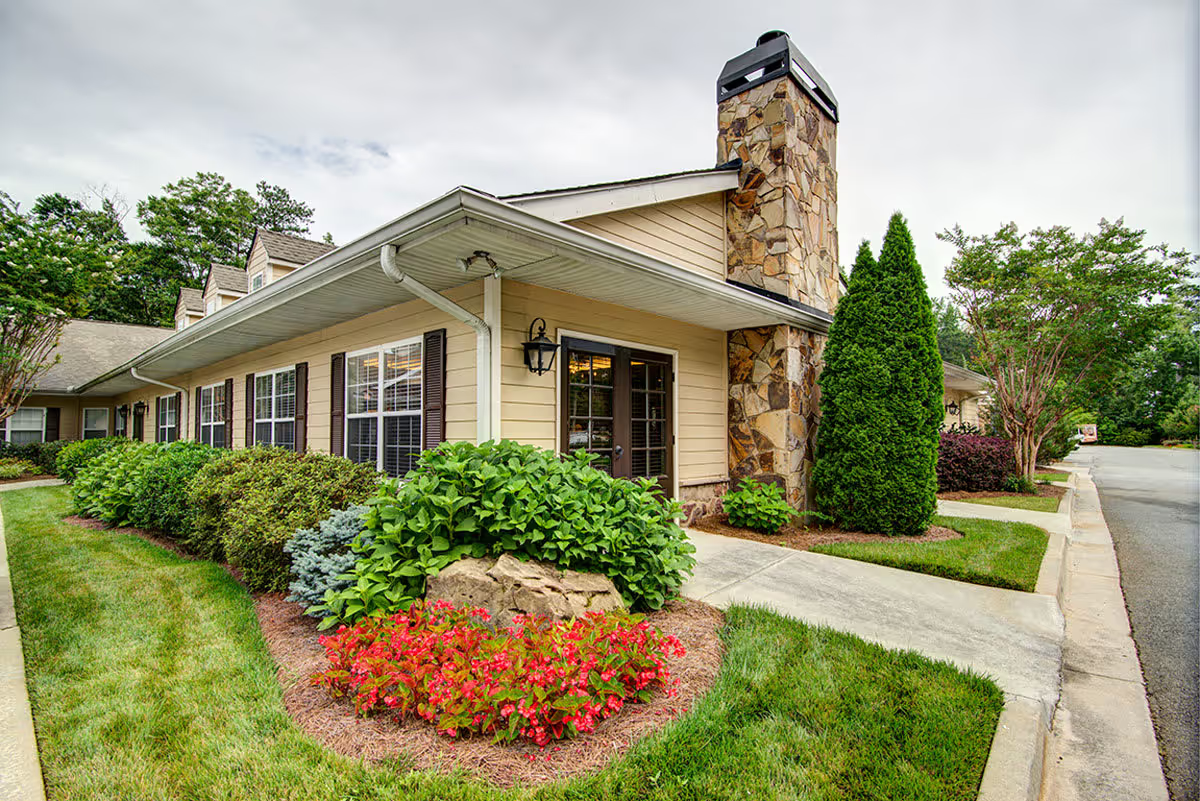
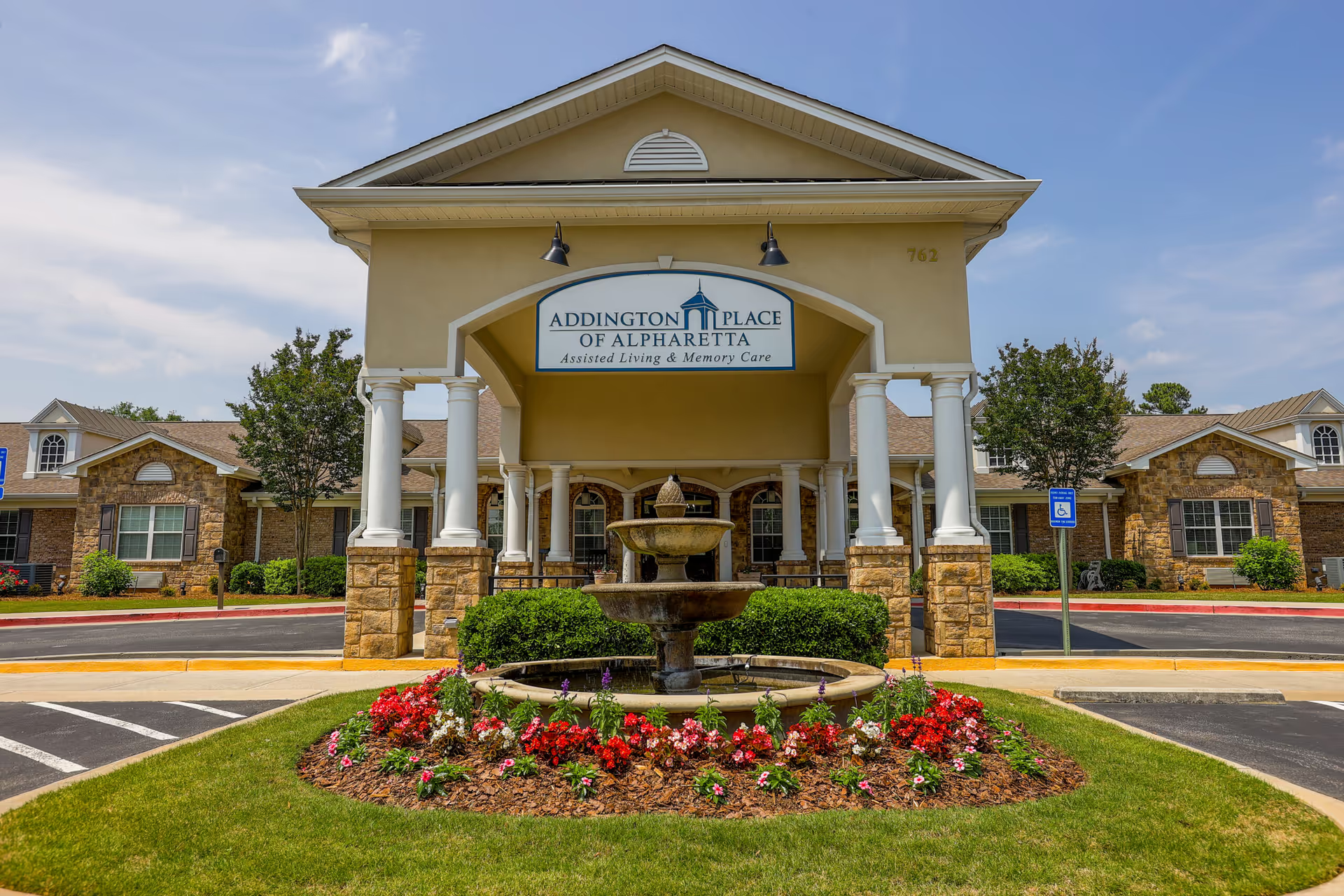
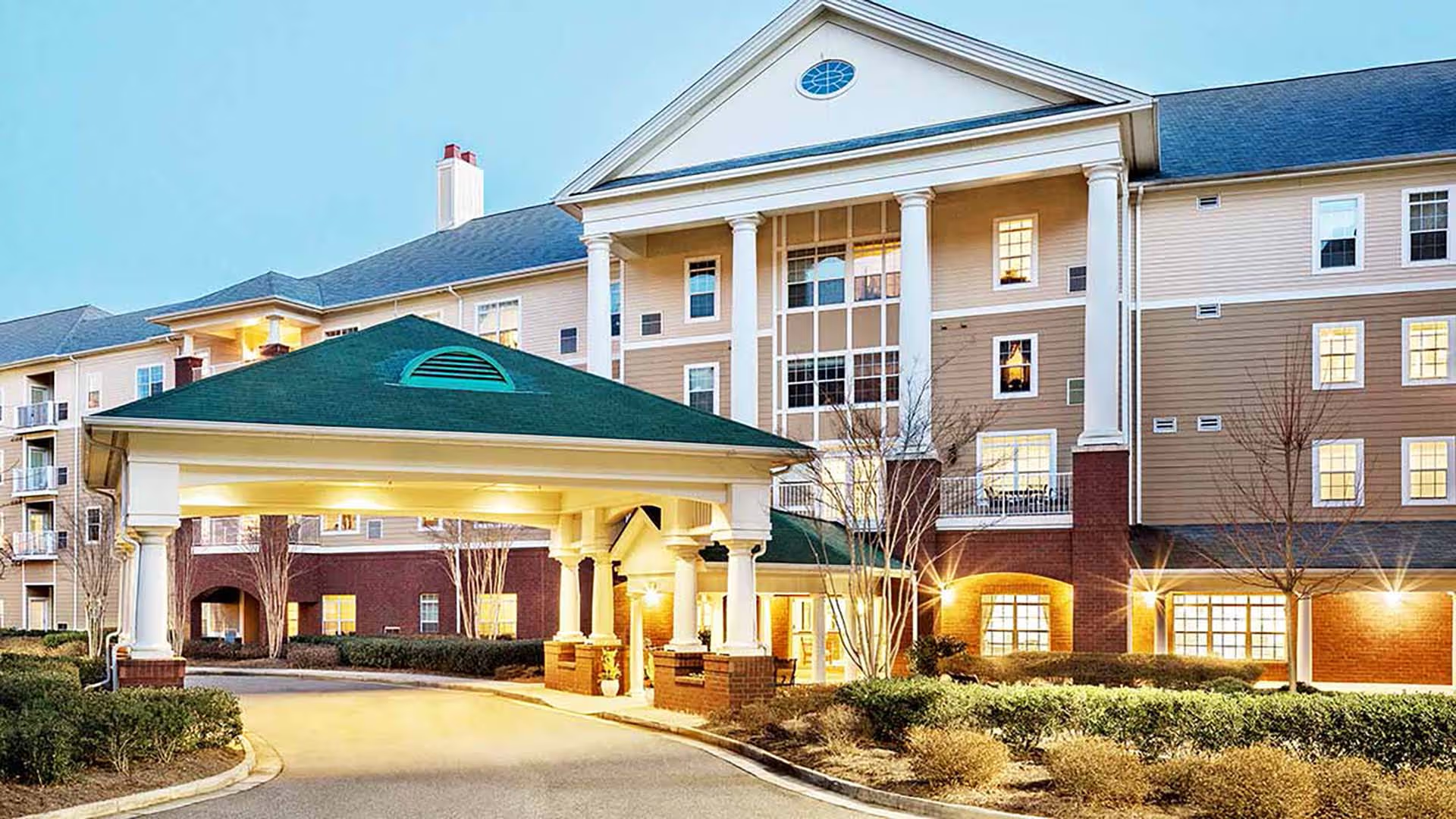
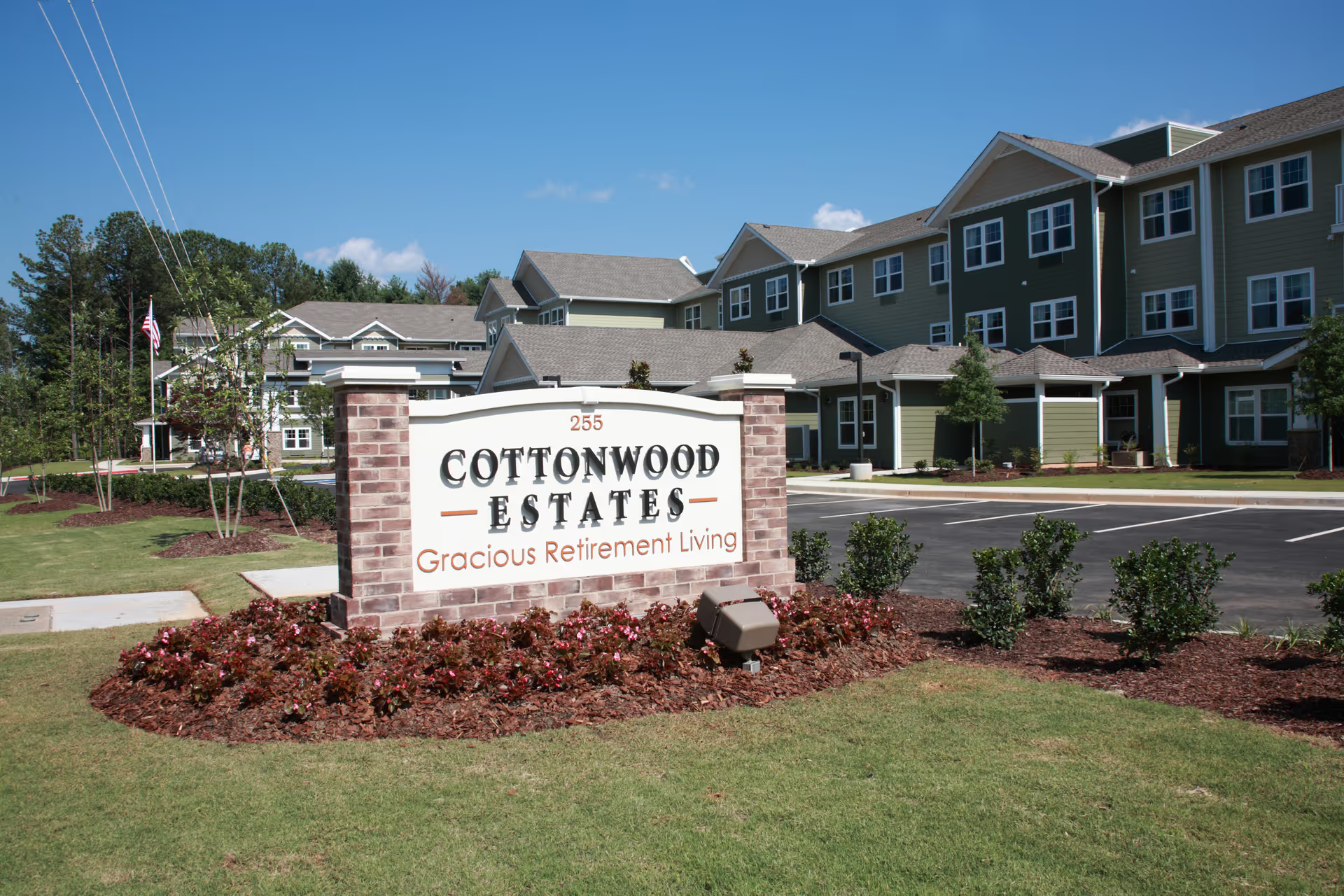
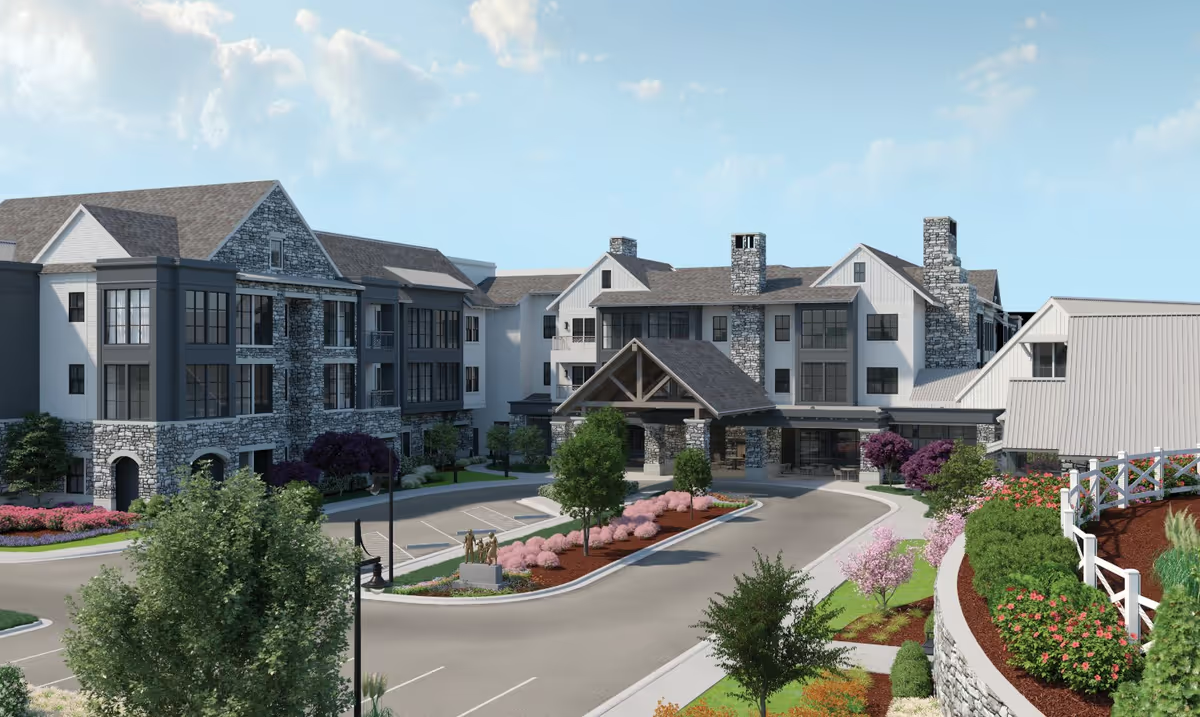
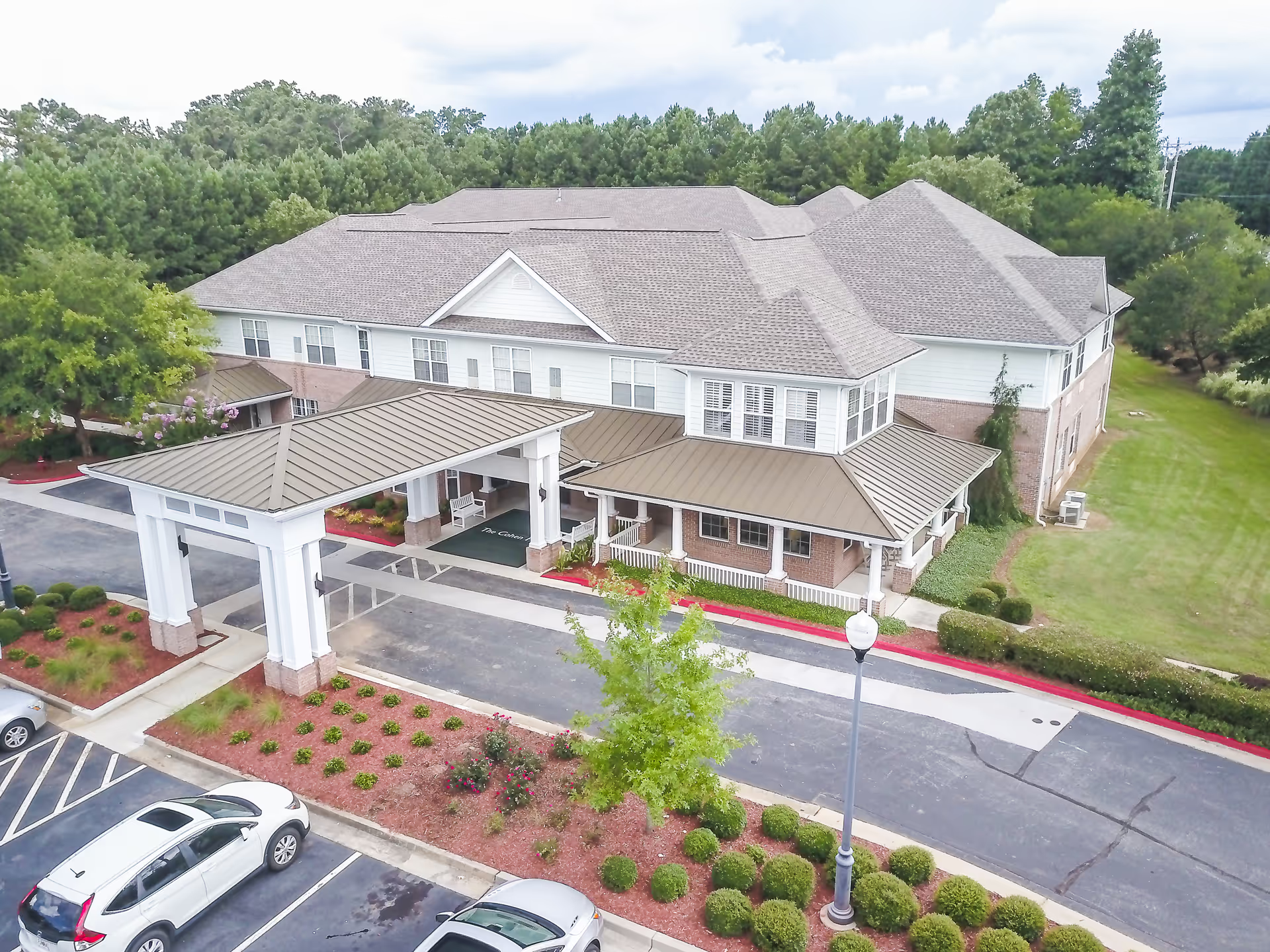
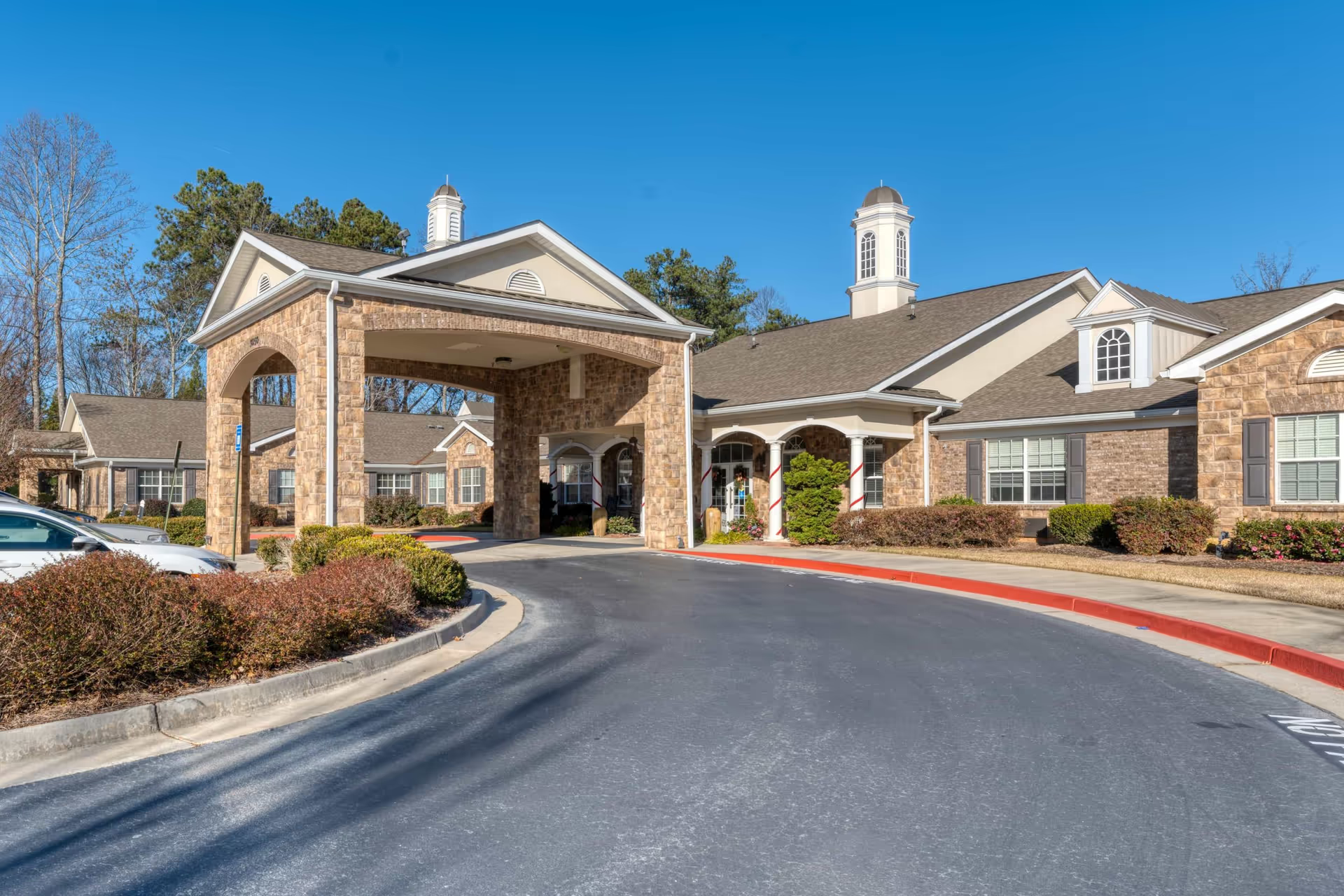
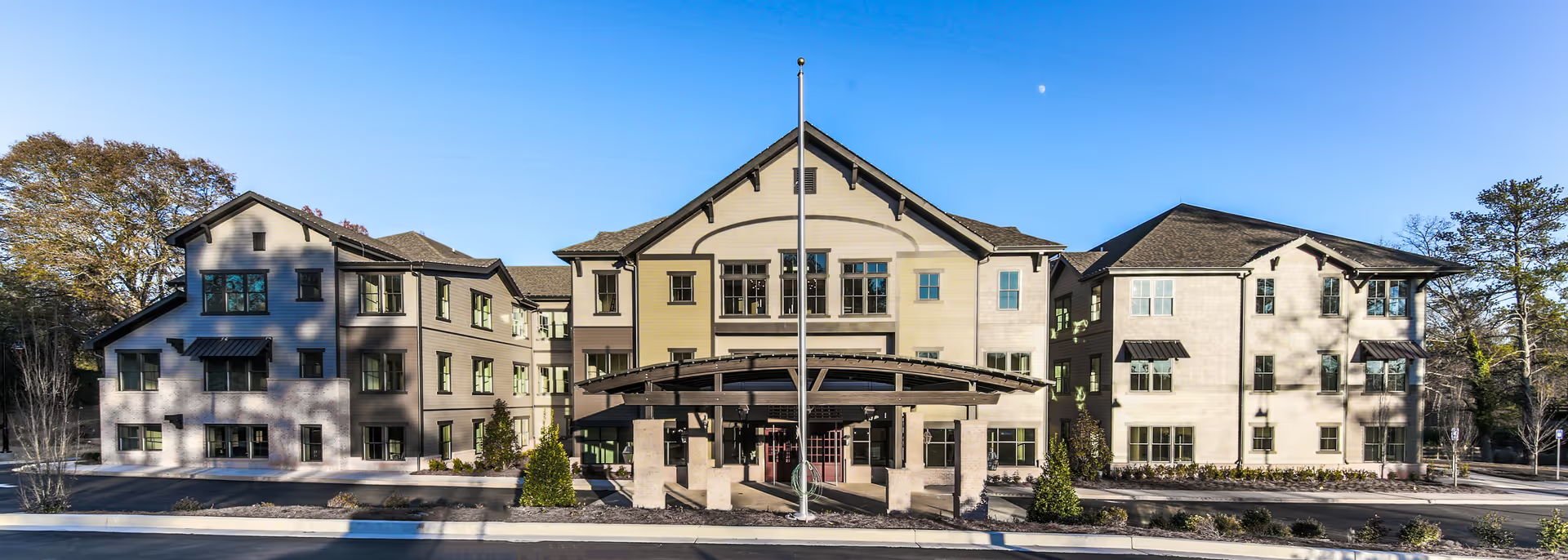
Inspired Living Alpharetta is frequently praised for its physical plant and community amenities. Many reviewers describe a new, resort-like setting with bright, well-appointed rooms and a wide range of shared spaces — including a pool, movie theater, salon, library and attractive dining area. On-site rehabilitation and therapy services, frequent outings and a varied activities program are recurring strengths. Numerous families report that the maintenance team and portions of the direct-care staff are responsive and compassionate, and that administrators and some clinical leaders provide proactive family communication via apps and regular calls.
Care quality assessments are mixed. Positive accounts highlight coordinated care plans, effective physical therapy, supportive transitions (including memory-care moves), and staff who provide personalized attention and emotional support. At the same time, a consistent pattern of operational concerns appears across reviews. Many families cite chronic understaffing, particularly overnight and on weekends, and high turnover among caregivers and managers. Reported consequences include slow call-button response times, delays in assistance, inconsistent caregiver performance, and problems with medication administration and documentation. Several families also described serious incidents following health events; these are best understood in the context of the broader staffing and clinical-process gaps noted above.
Dining and hospitality receive generally favorable remarks for atmosphere and menu variety, but there are repeated comments about inconsistency in meal execution — chiefly overcooked or dry items and meals not consistently served at the proper temperature. Prospective residents should evaluate dining during a visit and ask about recent chef changes and meal-quality controls. Accessibility of amenities is another practical consideration: some reviewers note that less-mobile residents had limited practical access to outdoor spaces and the pool/dog-walk areas unless staff assistance was reliably available.
Management and communication show a split profile. Several families praise specific leaders and frontline administrators for warmth, helpfulness and strong family outreach; however, others point to leadership instability, frequent management turnover, and uneven follow-through on complaints. A minority of reviewers raised serious concerns — including allegations of theft and inconsistent incident resolution — which underline a need for families to ask directly about incident-reporting practices, security measures, and how concerns are investigated and resolved.
What this pattern means for prospective families: the facility offers strong environmental and programming assets and many caring employees who contribute to a supportive community. At the same time, operational weaknesses — notably staffing stability, consistent clinical processes (including medication handling), and response times — have been linked to negative experiences. When evaluating this community, consider touring at different times of day (including evenings), meeting the nursing and therapy teams, asking for staffing ratios and turnover metrics, reviewing medication- and incident-management protocols, sampling meals, and clarifying access policies for residents with limited mobility. Those steps will help determine whether the facility’s strengths align with your loved one’s care needs and safety expectations.