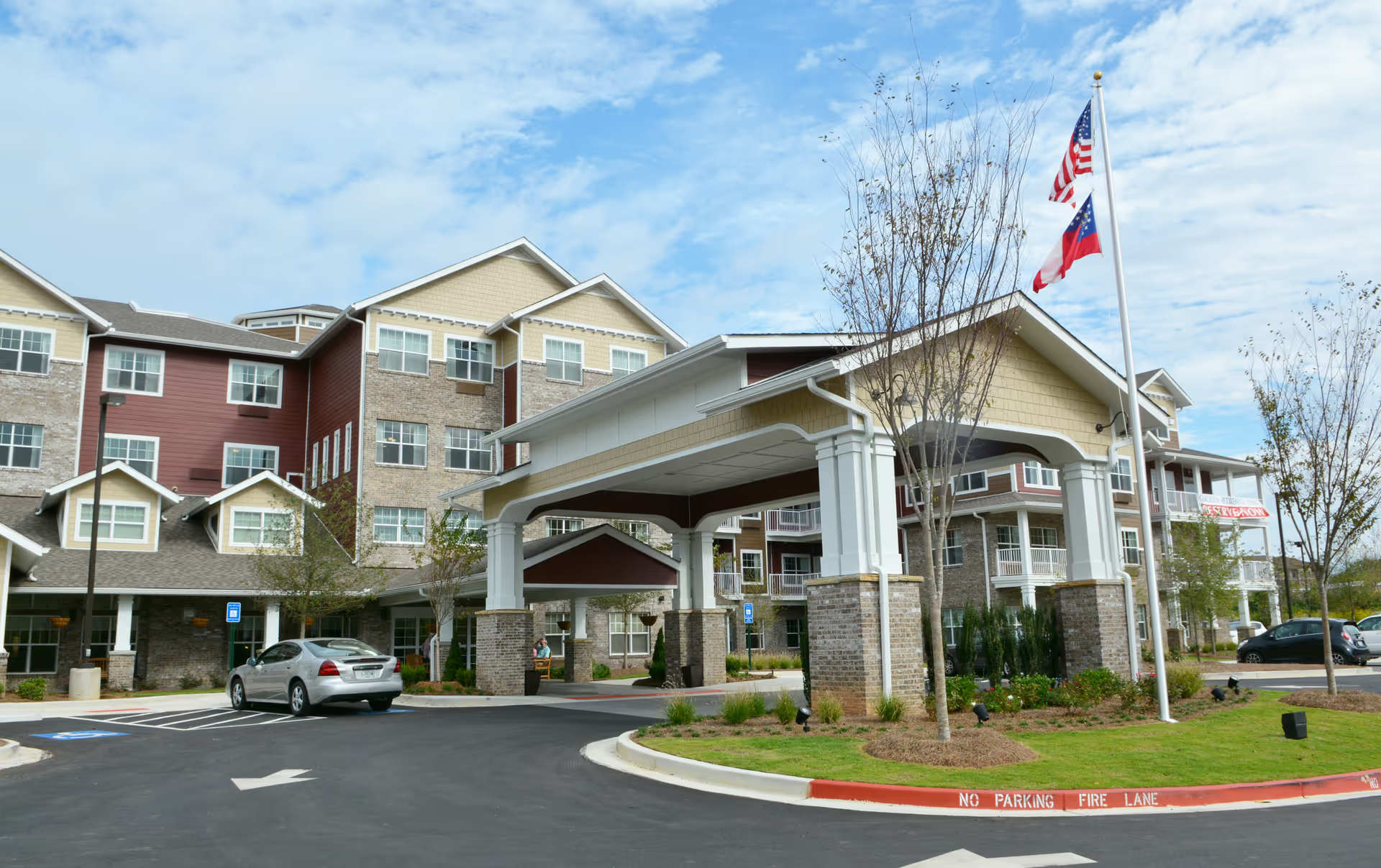
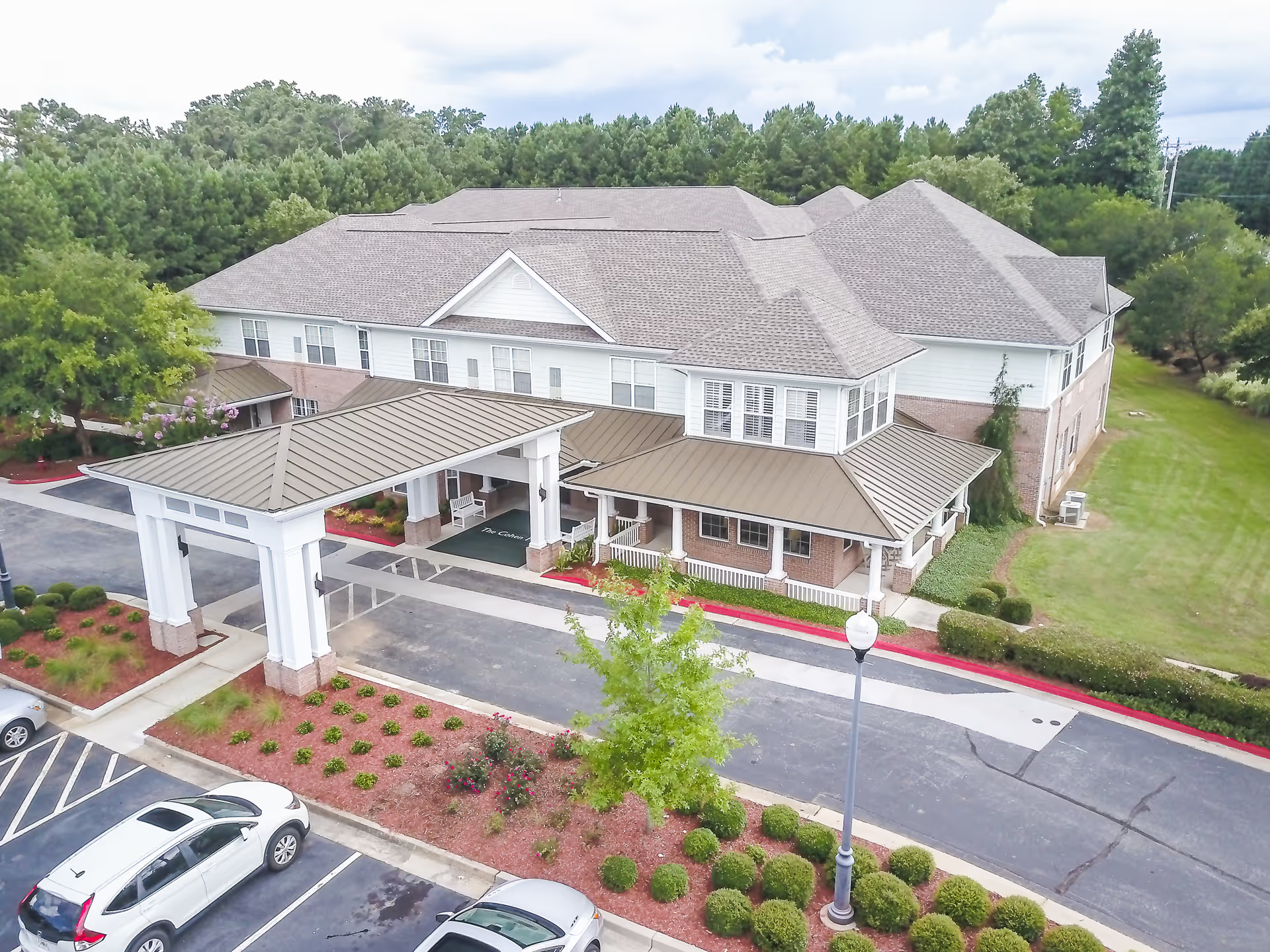
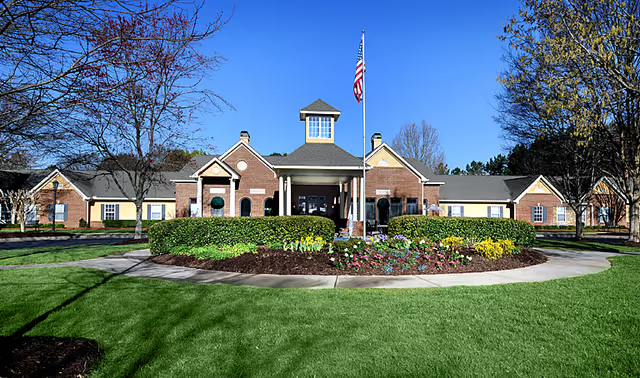
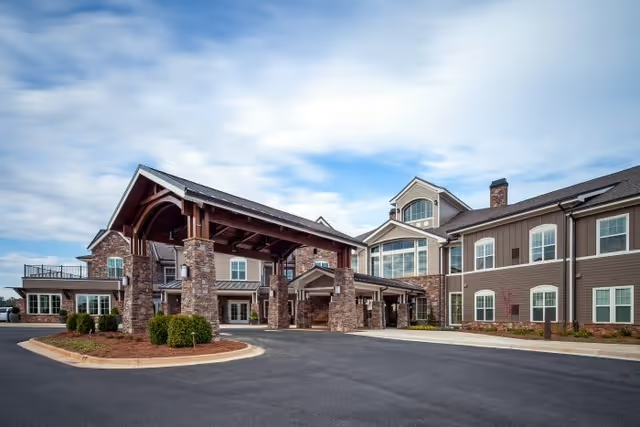
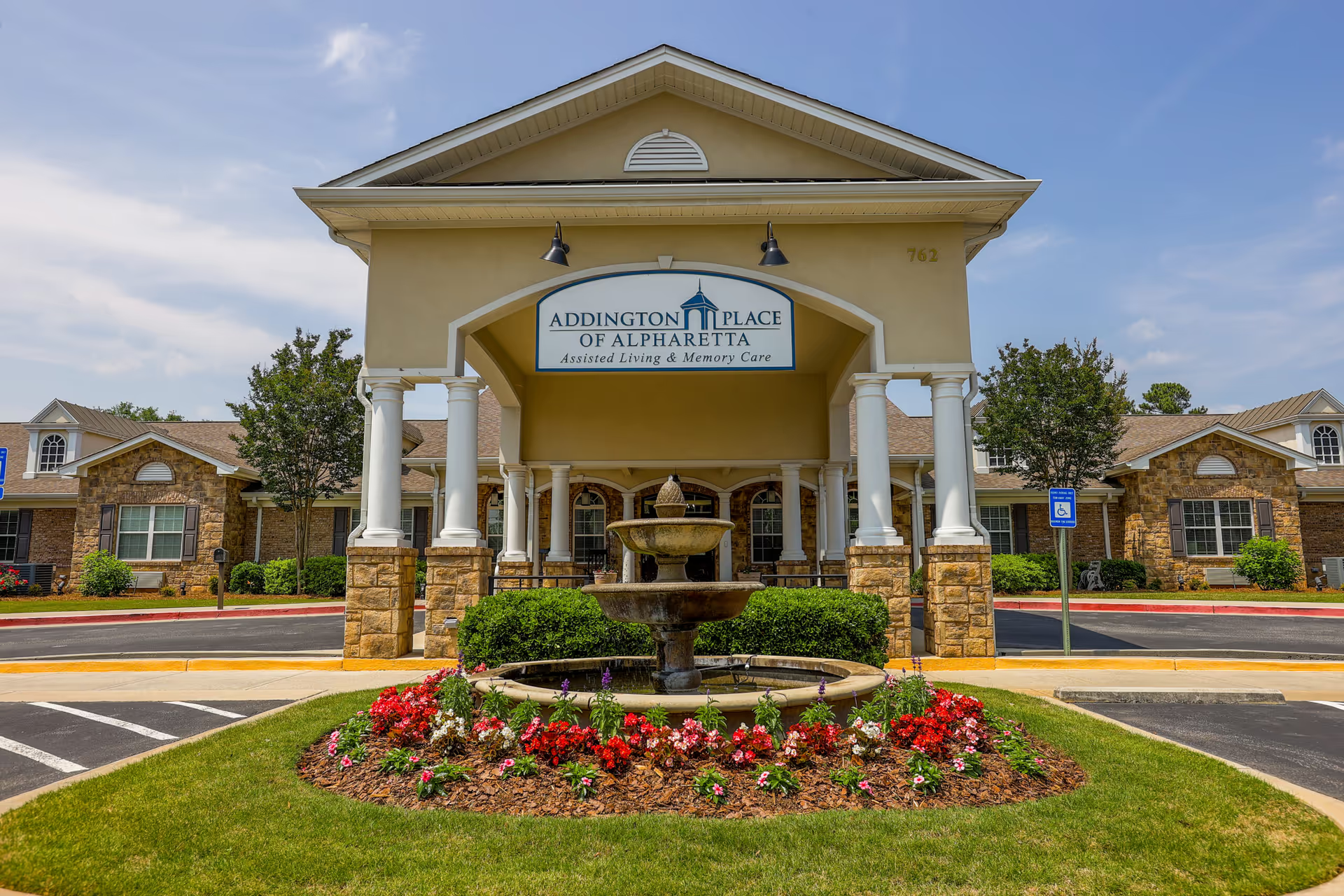
Addington Place of Johns Creek presents as a small, community‑oriented assisted‑living and memory‑care provider with many attributes families seek: consistently praised caregiving staff, a homelike and well‑kept facility, and a robust schedule of activities that promote social engagement. Reviewers frequently highlight compassionate, professional staff who create a warm atmosphere, effective physical and occupational therapy services, on‑site salon care, and flexible apartment options within a single‑floor layout that supports easy mobility. The community character — communal dining, live music, games, and transportation for errands — is a recurrent strength noted by families seeking an active, social environment for their loved ones.
Clinical care and staff competence receive generally strong endorsement: many families describe attentive nurses and caregivers, effective coordination for hospice or respite needs, and staff who accommodate dietary preferences and individual needs. At the same time, there are operational concerns that have meaningful implications for care continuity. Reviewers indicate periods of high staff turnover and leadership change that have led to inconsistent staffing levels — particularly during evenings and in memory‑care coverage — and to variability in how individualized care plans are implemented. There are also references to gaps in medication‑management oversight and to at least one serious medication‑related allegation; these items suggest families should review clinical‑oversight protocols and incident‑response processes during a tour.
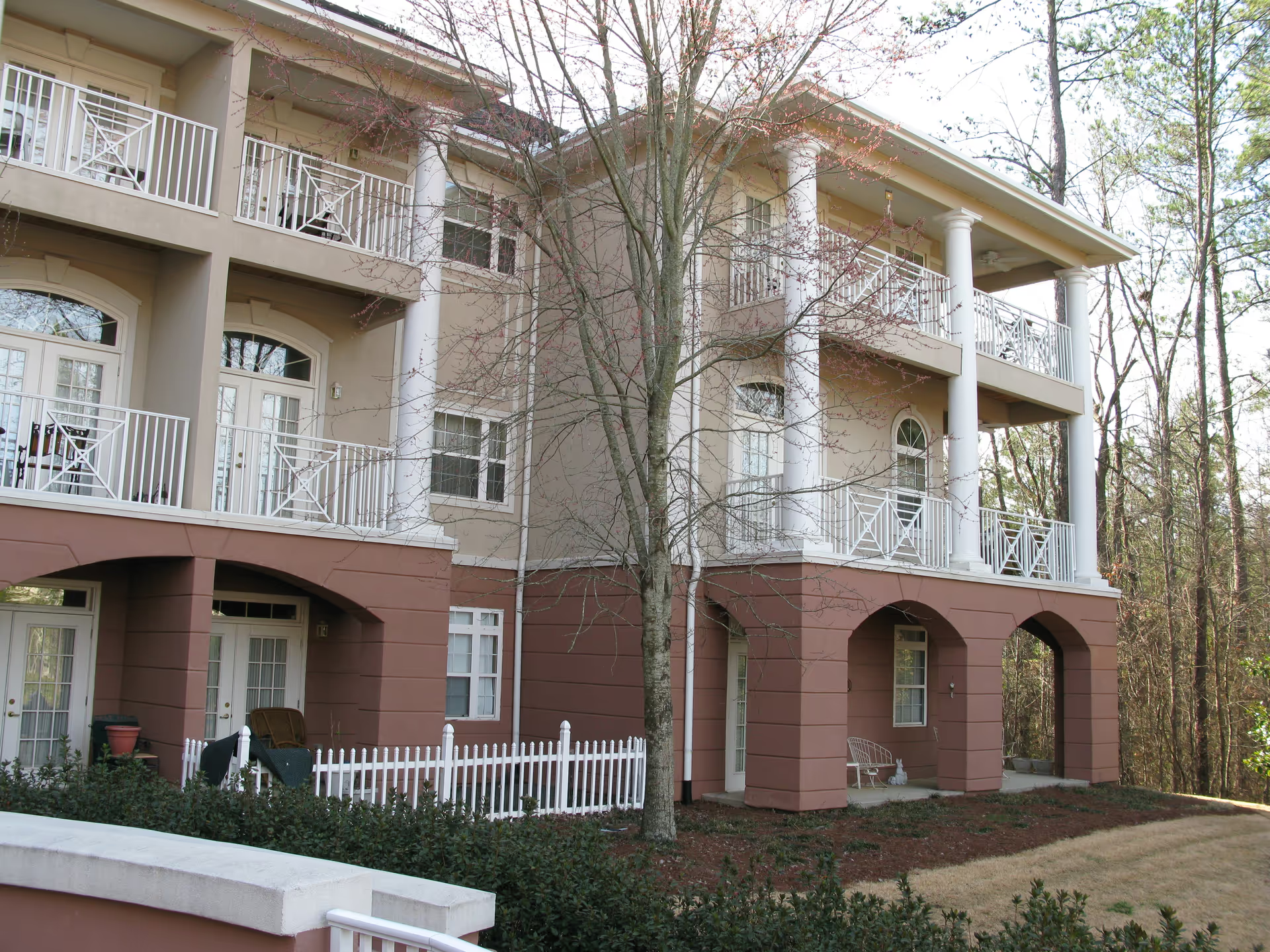
Dining and daily life are mixed themes: many residents enjoy communal meals, meal customization, and nutritious offerings, while others describe inconsistent food quality and service continuity compared with prior expectations. Activities programming, entertainment, and opportunities for socialization are clear strengths, contributing to improved mood and engagement for many residents. Facilities are frequently described as clean, bright, and well‑decorated, with useful amenities such as an on‑site salon, private apartments, and outdoor memory‑care gardens; however, some families reported housekeeping and laundry workflow issues and isolated pest‑control or sanitation concerns that warrant attention during assessment.
Management and administrative patterns are a notable area to scrutinize. Several families praised individual managers and directors for responsiveness and individualized attention, but others raised concerns about leadership instability, inconsistent family communication, and administrative decisions around pricing. Cost and perceived value emerged repeatedly: some families find the pricing competitive for the level of care and community offered, while others view recent rate increases or the baseline price as high relative to service consistency. Privacy and confidentiality process gaps were also flagged and should be discussed explicitly with leadership.
Recommendation: Prospective residents and families should weigh the facility's strong social programming, rehabilitative services, and caregiver compassion against operational concerns around staffing stability, dining consistency, and administrative communication. During a visit, focus questions on night and memory‑care staffing ratios, medication‑management policies, incident‑response procedures, housekeeping and pest‑control routines, and how the community handles pricing changes and family communication. Those items will help determine whether the facility’s many strengths align with an individual’s clinical needs and family expectations.