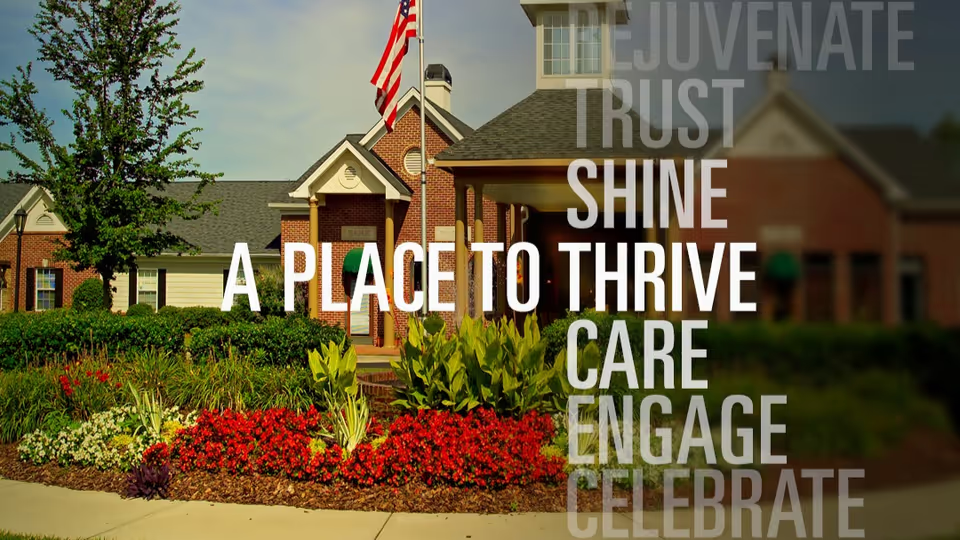
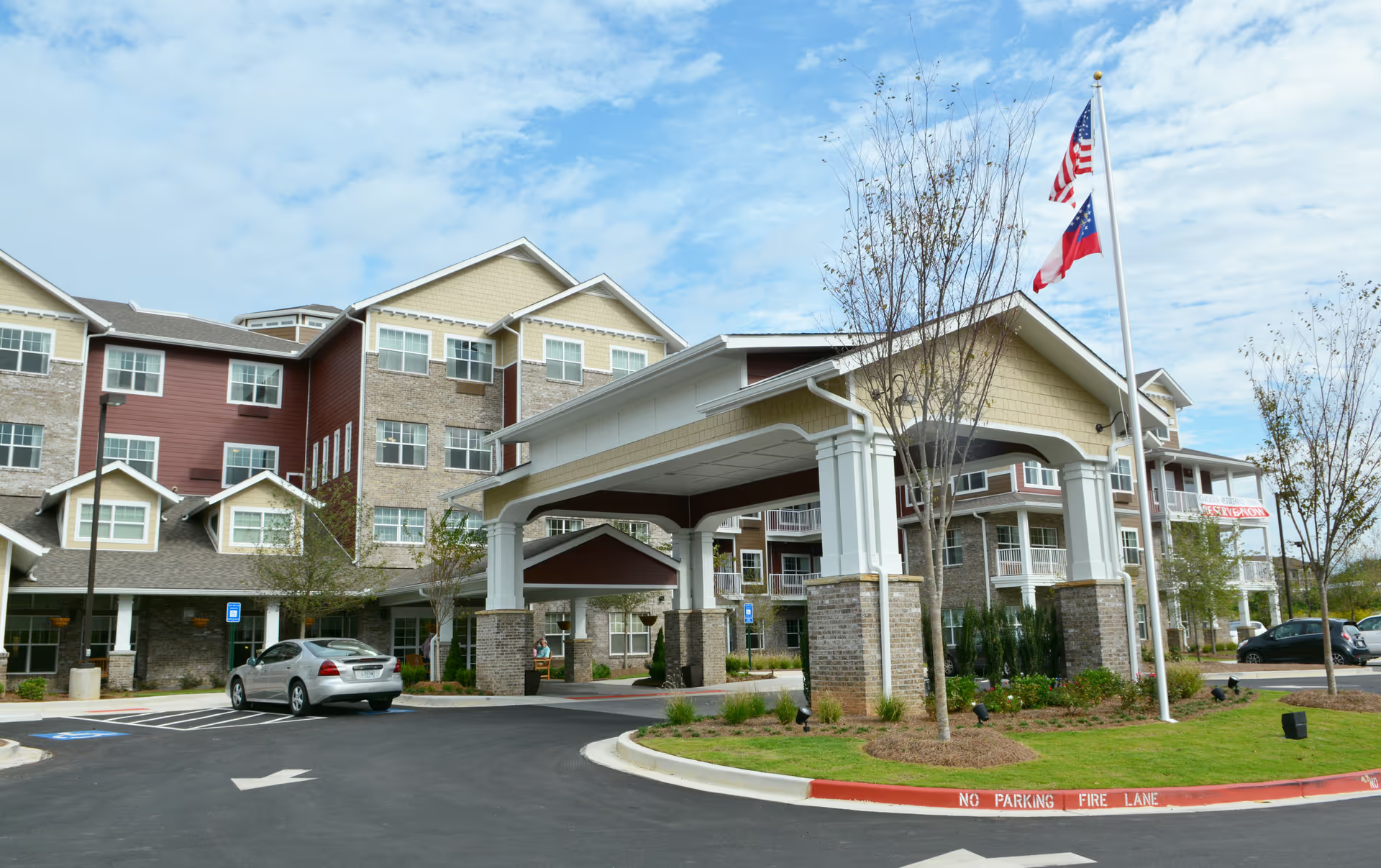
Arbor Terrace South Forsyth presents as an attractive, well-appointed senior living community with many operational strengths and some recurring operational gaps. Positive feedback centers on a warm, family-like culture among caregivers, a strong memory-care curriculum (including the Bridges program and GEM-level evaluations), and extensive amenities — multiple courtyards and garden areas, a theater, library, salon, gym/therapy spaces, and well-kept common rooms. Admissions and front-desk staff are repeatedly described as welcoming and responsive, and many families praised individualized move-in support and proactive clinical coordination.
Care quality is frequently described as compassionate and resident-centered. Reviewers highlight staff who preserve dignity and autonomy, engaged activity coordinators, and dementia-aware caregivers who improve mood and participation for residents with cognitive impairment. At the same time, there is a pattern of variability: leadership and caregiving continuity appear uneven at times, with staffing shortages and turnover cited as contributors to lapses in consistency. A small but significant set of reports indicate communication breakdowns and isolated miscommunications that affected family confidence and care continuity.
Dining is a polarizing area. Numerous families praise a chef-driven program, fresh and varied menus, personalized meal preferences, and restaurant-like dining spaces. Conversely, there are recurrent operational complaints about inconsistent meal service — food arriving cold, portion and utensil issues, and interruptions to snack and hydration offerings. These issues suggest weaknesses in meal-service execution and resident-level feeding/hydration protocols rather than the concept or menu design itself.
Activities and social programming are a clear strength: arts and crafts, poetry, walking groups, bingo, live music, monthly jazz brunches, escorted trips, and family events create an active social calendar. Reviewers credit the activity staff with promoting engagement and social well-being, and several noted that programming supports both assisted-living and memory-care residents effectively.
Facility condition and housekeeping receive largely positive comments about fresh interiors, cleanliness, and resort-like presentation. However, there are operational sanitation and odor concerns reported in certain locations (including trash storage and episodic cleanliness inconsistencies) as well as instances of laundry mismanagement and missing personal items. These observations point to uneven execution in day-to-day support services and environmental maintenance.
Management and leadership receive mixed but generally favorable remarks regarding responsiveness, sales counseling, and infection-control communication. That said, reviewers also reference limited on-site management hours and periods of leadership turnover that correlate with declines in consistency of care. Emergency systems are another operational area for inquiry: some families indicated slow or unreliable response to call systems, which is an important system-level consideration for prospective residents.
Overall, Arbor Terrace South Forsyth combines many hallmarks of a high-quality community — engaged staff, robust programming, attractive facilities, and chef-led dining — with operational challenges that center on staffing continuity, meal-service reliability, sanitation consistency, laundry processes, and emergency-call responsiveness. Prospective families should consider touring during mealtimes and activities, ask about current staffing ratios and leadership stability, review emergency-call procedures, and clarify laundry and housekeeping workflows to assess whether the community’s strengths align with their specific care needs.