Belmont Village Johns Creek consistently receives strong praise for its hospitality-style dining, social programming, and an overall welcoming atmosphere. The dining experience is a repeated highlight: reviewers describe restaurant-quality meals prepared by an on-site chef, a large airy dining room, customizable menu options, on-site baking and soups, and a generally high level of culinary attention. Social dining and meal service are positioned as central to resident life and frequently cited as improving appetite and engagement.
Staffing and direct care are another clear strength in many accounts. Caregivers and reception staff are often described as friendly, attentive, and welcoming; families note a warm move-in process, supportive reception staff, and caregiving that treats residents with dignity. The community also advertises clinical supports such as 24/7 nursing availability and a structured PALS memory-care program; reviewers noted helpful nursing support, medication-management assistance, and a suite of amenities that support daily living (housekeeping, maintenance, escorted meals, and assistance with bathing when needed).
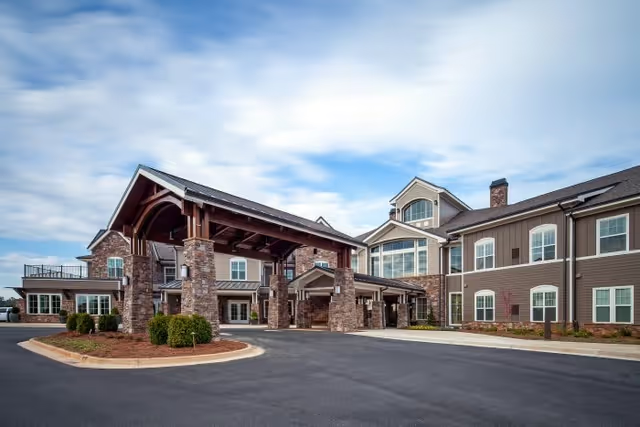
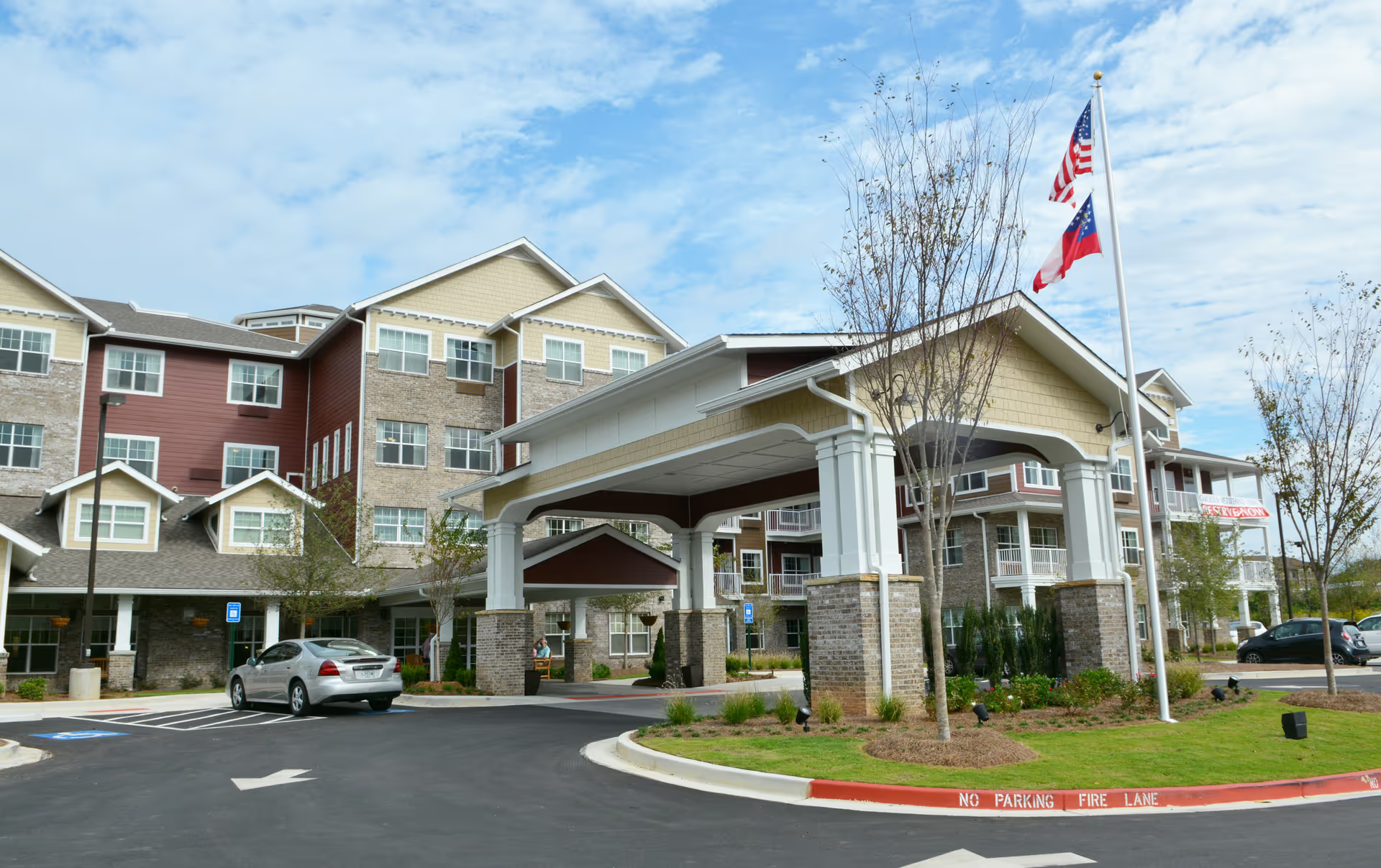
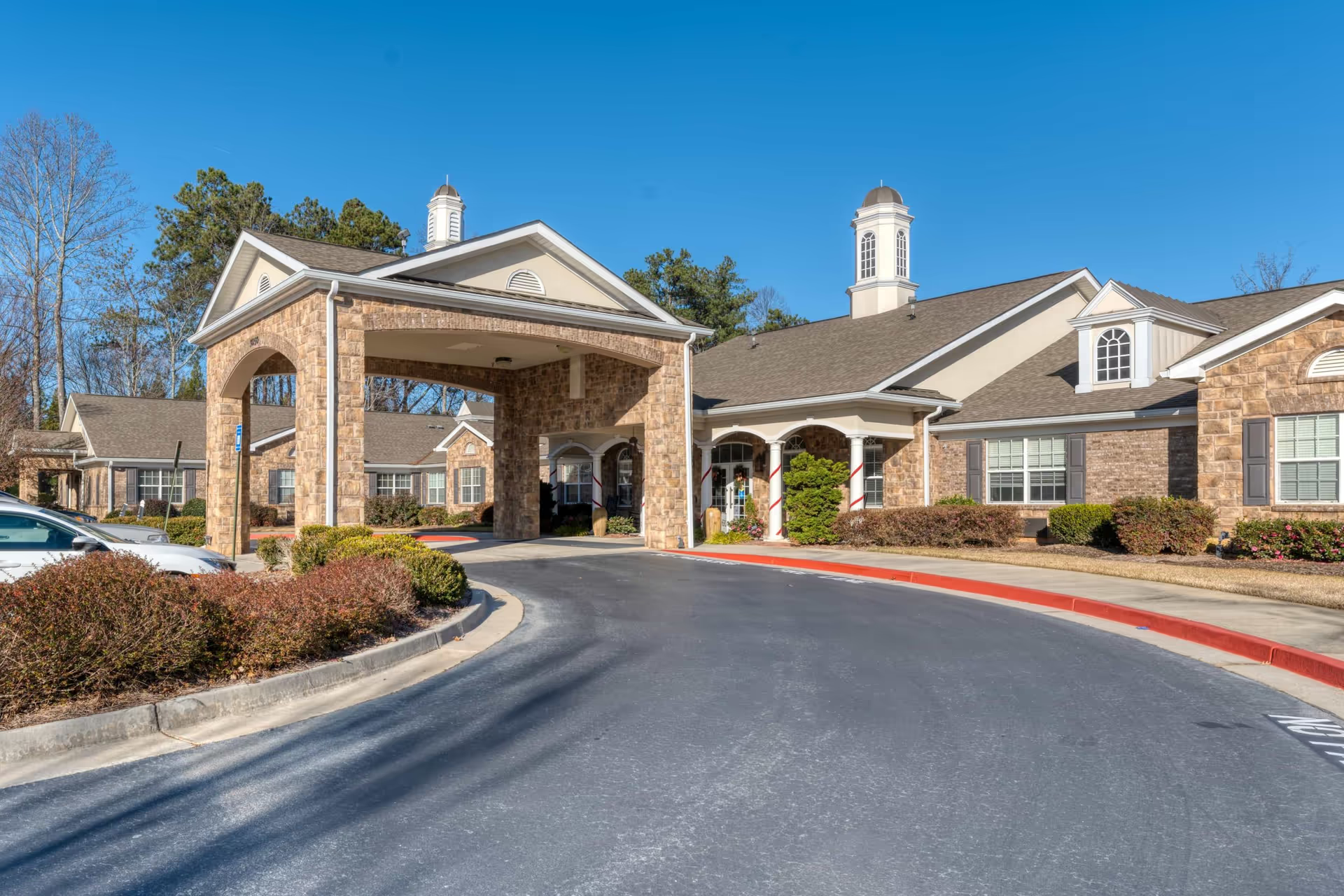
Activity programming and facility amenities are substantial relative to a neighborhood-scale community: residents and families cite extensive activities (exercise classes, outings, music, happy hour, Wii bowling, and other group events), a library, fireside sitting rooms, garden paths, a fitness area, and a village-like layout with cottages and multiple floor-plan options. The single-level design and centralized dining/activity spaces are described as promoting mobility and social interaction in many neighborhoods within the campus.
Notable operational patterns temper those positives. Several families raised concerns about clinical oversight and communication following specific incidents; these accounts point to gaps in how clinical incidents are managed and how the facility communicates with families after adverse events. There are also recurring mentions of medication-management concerns. Staffing variability and turnover were noted as a contributor to inconsistent family communication and occasional variations in day-to-day care experience. Relatedly, some reviewers described differences between neighborhoods in resident activity levels and social engagement, suggesting that the experience can vary by unit or wing.
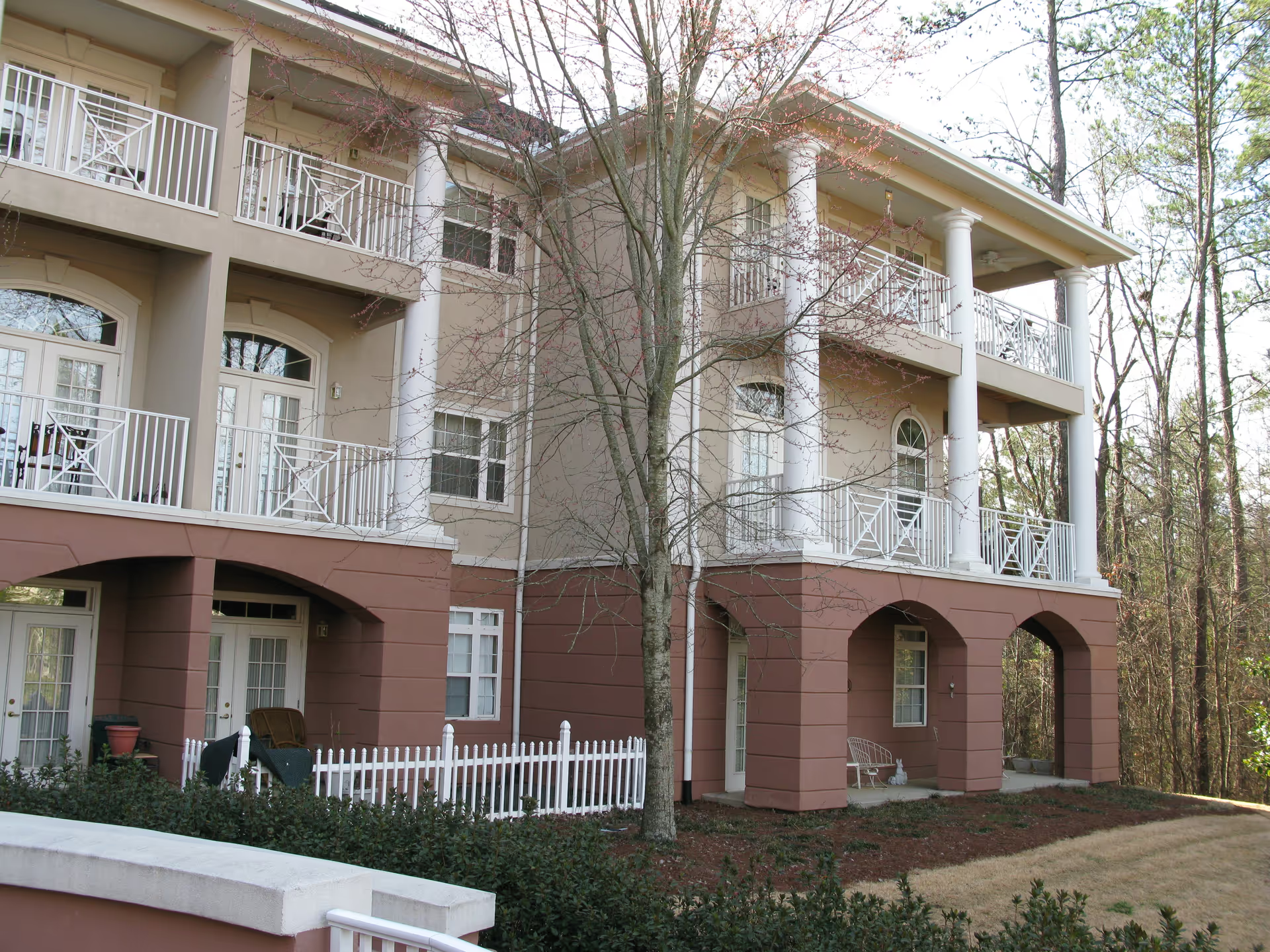
Financial and facility-level trade-offs are also evident. Belmont Village is positioned at a premium price point; reviewers mention higher base rent and additional ancillary fees for higher levels of care or extra services, and several families described disputes about billing and refunds. Physically, the campus mixes well-maintained grounds and refreshed interiors with areas that reviewers consider dated; unit condition and aesthetics appear variable. Finally, some families expressed concern about security procedures that limit exit access in memory-care neighborhoods and policies (for example, gardening rules) that felt restrictive to them.
In sum, Belmont Village Johns Creek offers strong hospitality-style dining, a broad activities program, and a generally compassionate staff presence that many families find reassuring. Prospective residents and families should weigh those strengths against the community’s premium cost structure, potential variability in staffing and neighborhood-level social activity, and the importance of clear expectations around clinical incident response, medication management, and billing practices. Visiting multiple neighborhoods, reviewing contract and fee terms closely, and discussing clinical-incident protocols and communication expectations with leadership are advisable steps before decision-making.