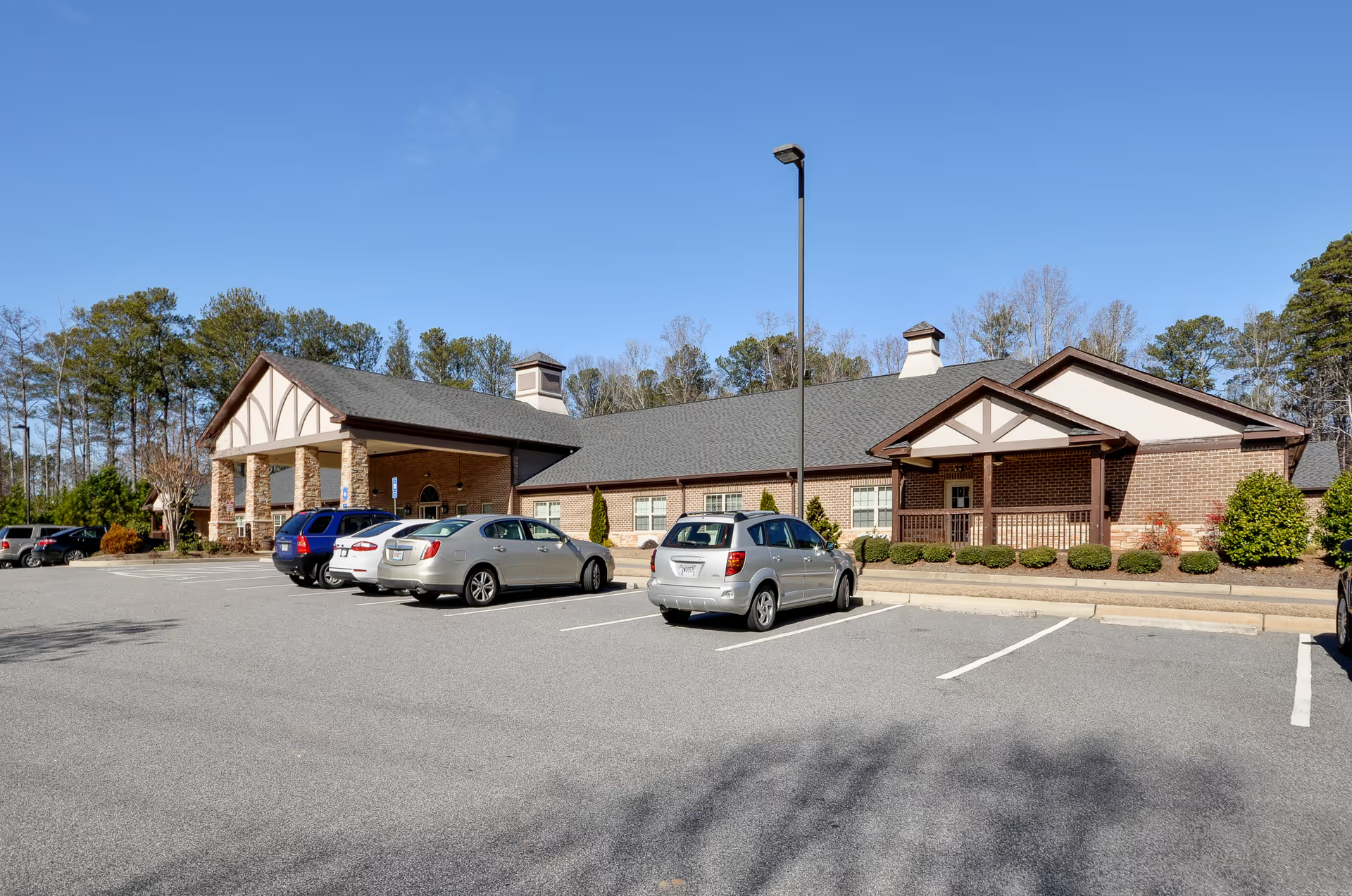
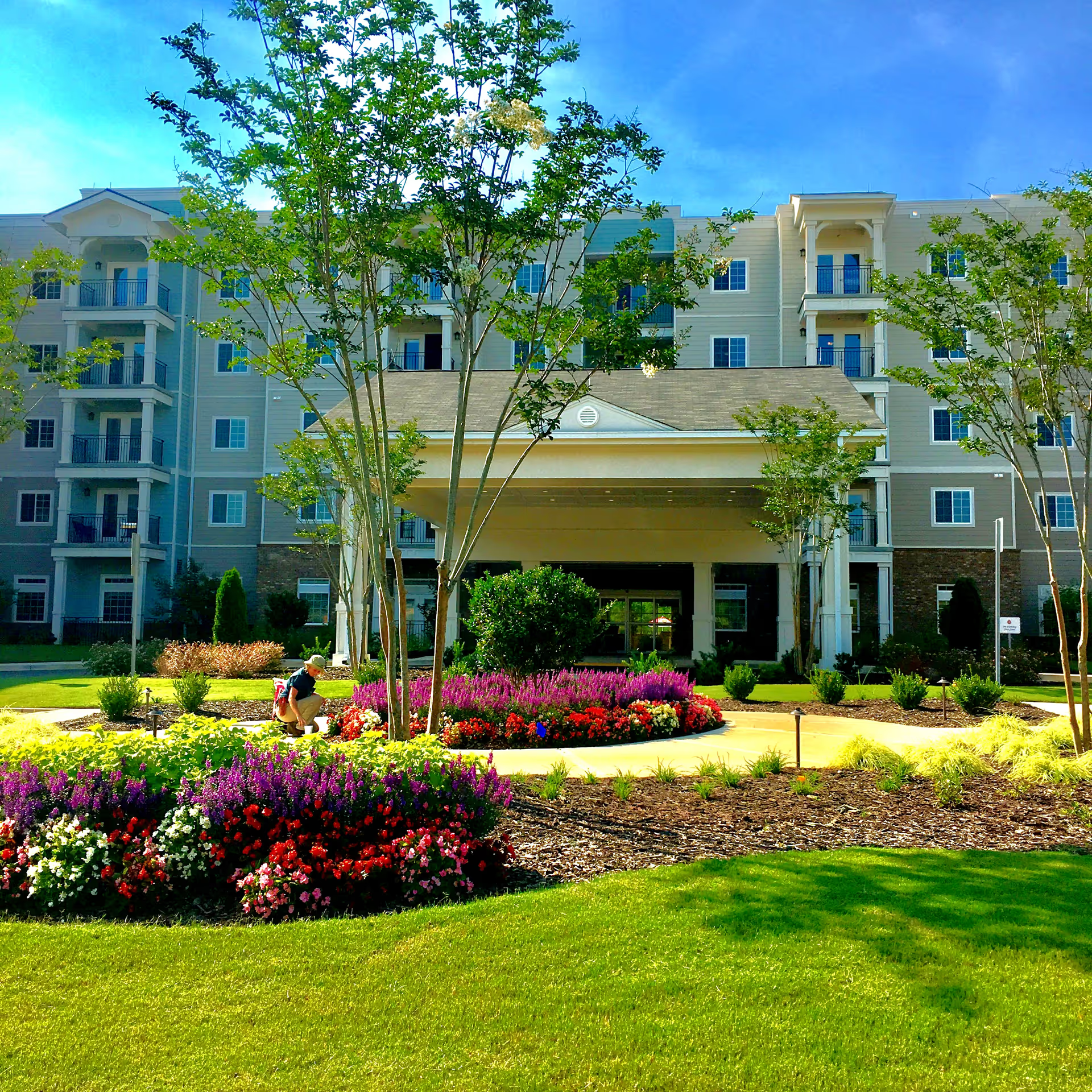
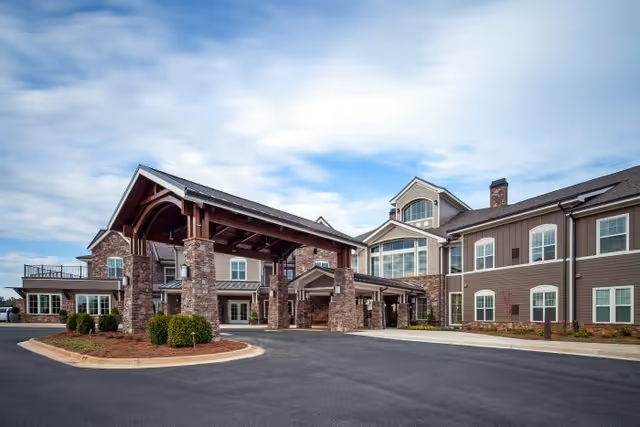
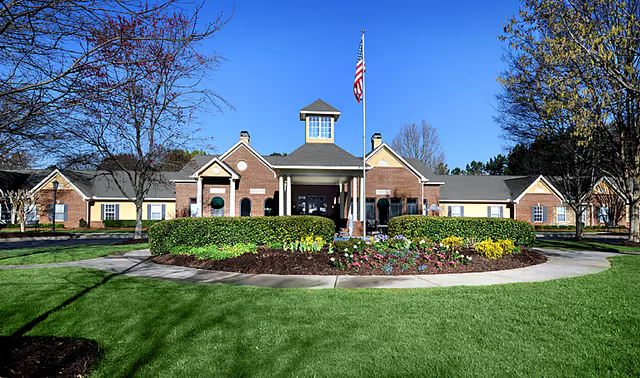
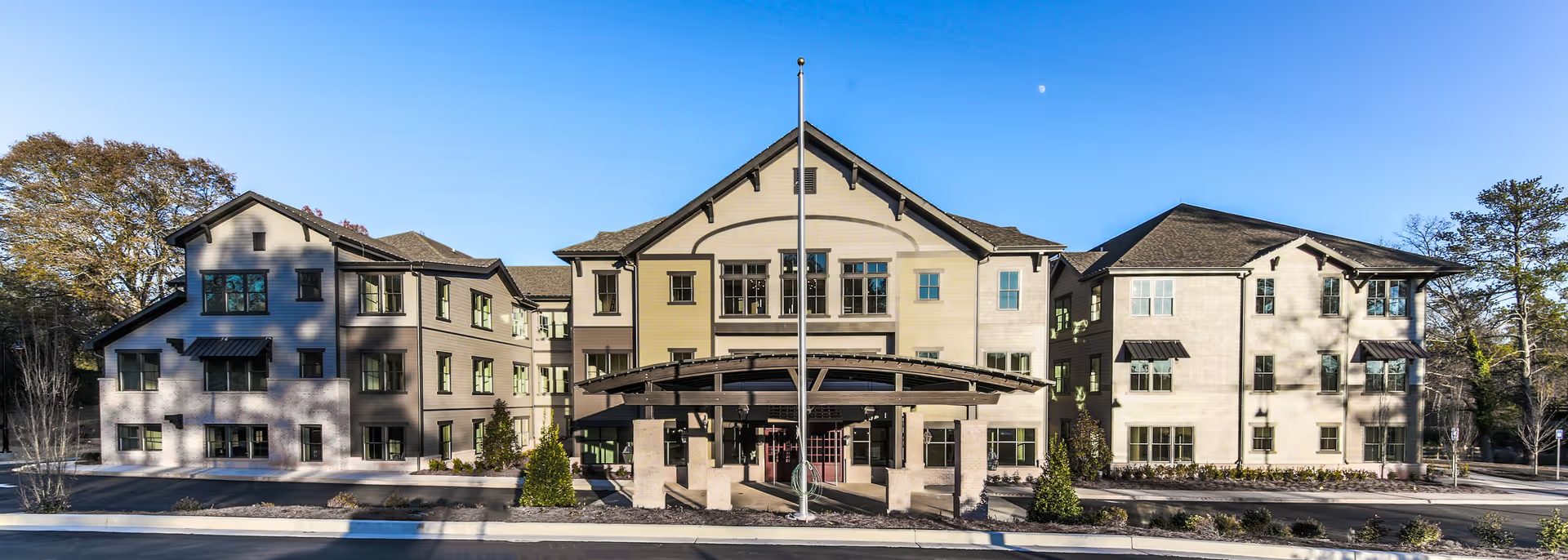
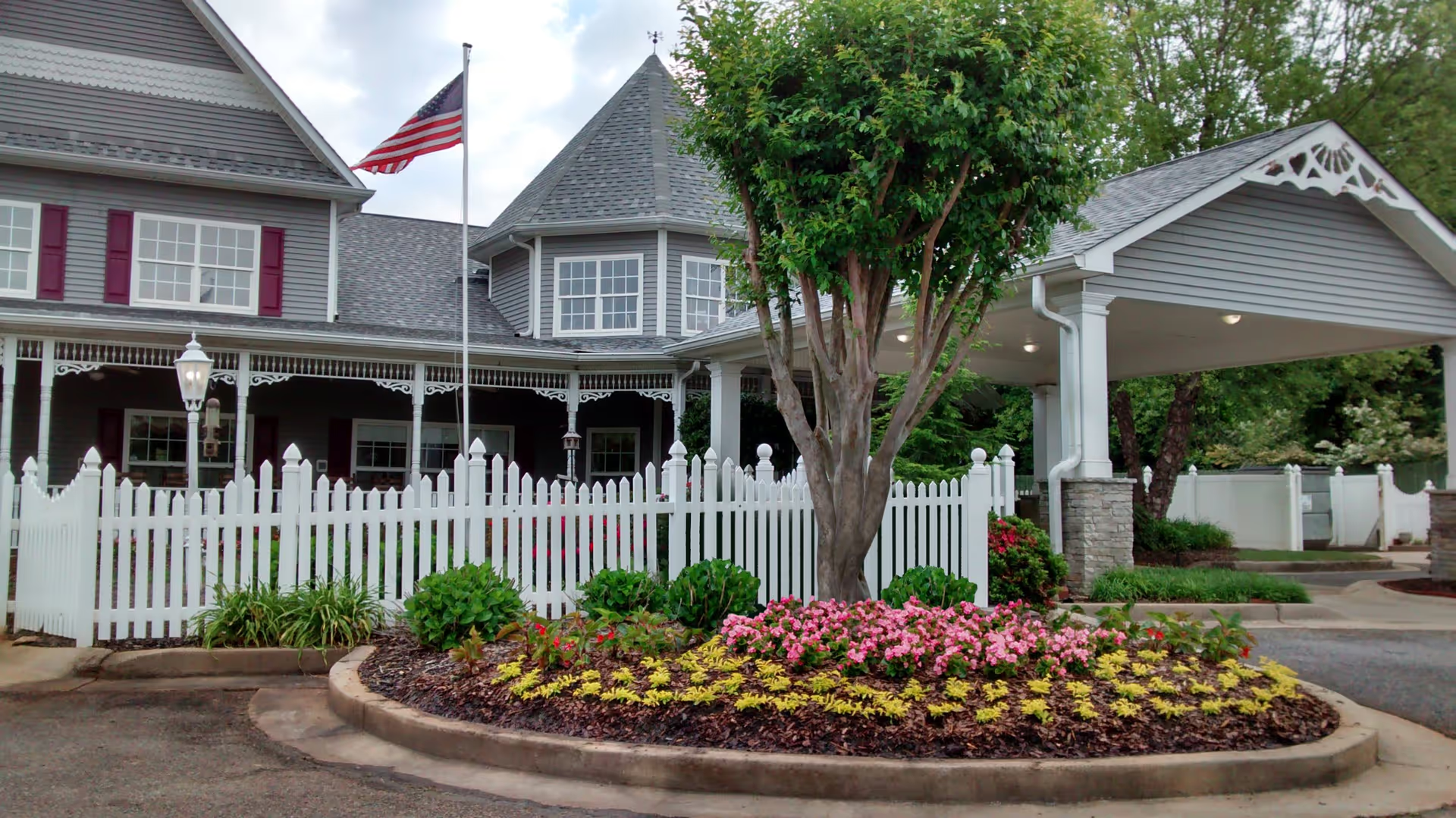
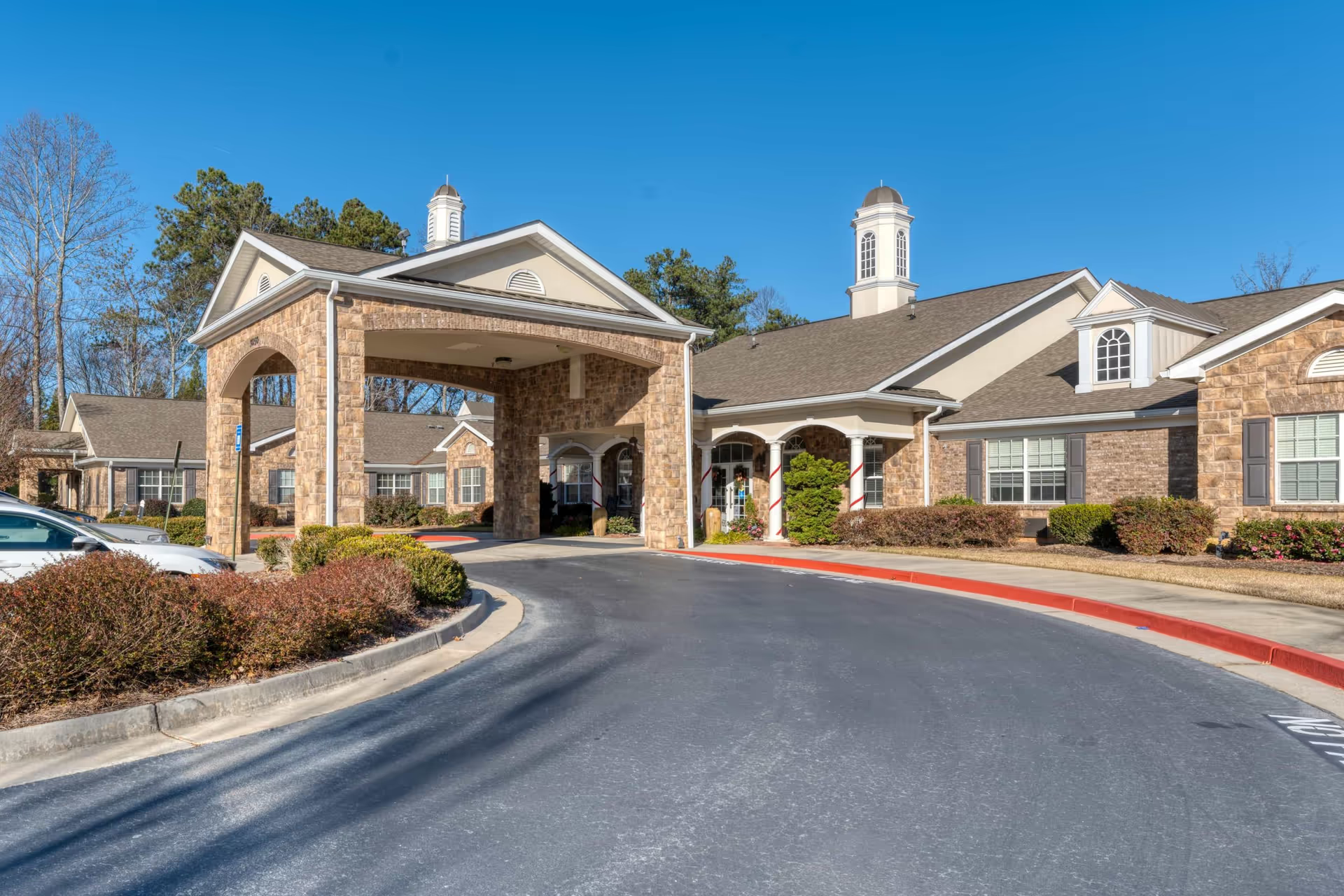
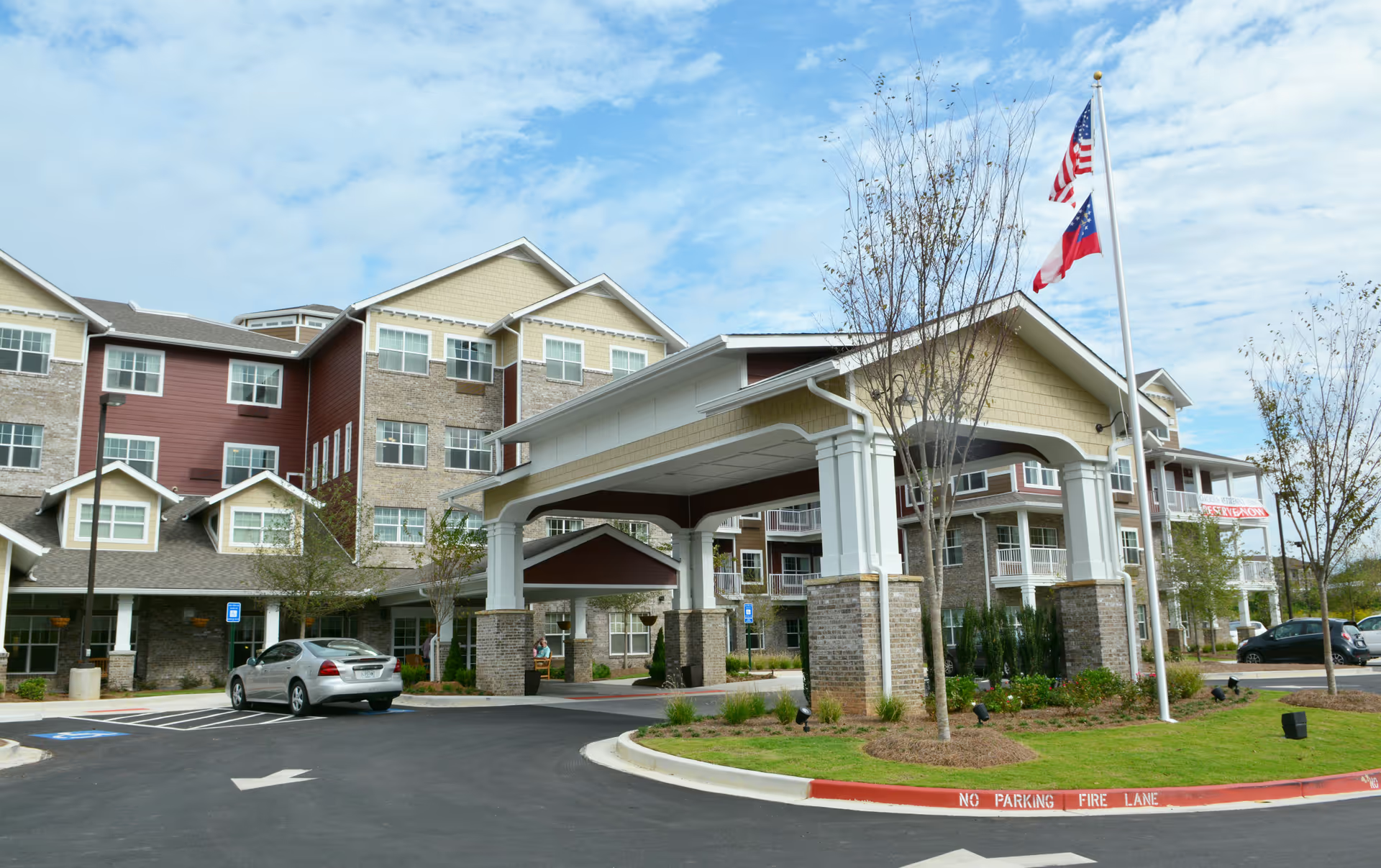
The Mann House Cumming presents as a small, residential-style assisted living community with several consistent strengths. Families frequently describe a warm, home-like environment that is clean, well-decorated, and different in atmosphere from institutional nursing settings. The community’s long history and family-owned structure contribute to a sense of continuity; director-level staff are often described as accessible and communicative, and specific leaders have been named positively in multiple accounts.
Clinical and daily-care strengths are a prominent theme. Many accounts highlight a high staff-to-resident ratio and personalized care plans, with staff characterized as patient, knowledgeable, and attentive to individual needs. The facility appears competent in dementia care and in supporting activities of daily living (bathing, dressing) as well as medication management. Several families also note successful returns from rehabilitation stays, suggesting effective coordination of clinical transitions.
Dining and social programming present mixed impressions. A number of descriptions praise the food’s presentation and quality—some families call it among the best they have seen—while other accounts describe limited meal alternatives and negative dining experiences. This creates an overall pattern of inconsistent dining satisfaction that prospective families should clarify during a visit. Programming and activities likewise show a divergence: while the small community may suit residents seeking a quieter lifestyle, higher-functioning residents have been described as needing more varied or engaging activities.
Operational concerns to investigate in person include staffing consistency and responsiveness. Although many families commend the staff, there are also reports of understaffing, lapses in team cohesion, and delays responding to resident requests; these describe operational traits rather than isolated incidents. Management transition periods have been noted, with some perception that admissions or marketing activity took precedence over day‑to‑day care during those times. Cost was also described as relatively high by some families.
For prospective residents and their families: arrange a tour that includes observation of mealtimes and an activity period, ask for current staffing ratios and shift coverage patterns, review sample individualized care plans and medication-management protocols, and request a transparent breakdown of fees and available meal alternatives. If dementia care or post-rehab transitions are relevant, request specific examples of care pathways and outcomes. These targeted inquiries will help determine whether the facility’s strengths align with the prospective resident’s priorities and whether the noted operational concerns are being addressed under current leadership.