Overall impression: Sunrise at Huntcliff Summit I presents as a service-rich continuing care community with many features families value: attentive, long-tenured staff, chef-led dining, a broad activities schedule, and a suite of on-site amenities (pool, sauna, salons, therapy services). Multiple accounts describe positive social engagement, resident-directed programs, and strong community ties—particularly robust Jewish programming. Leasing and tour staff are frequently praised for being knowledgeable and helpful, and several residents report satisfaction with renovated apartments and attractive unit layouts.
Care and staff: Staffing quality is a clear strength in many accounts. Reviewers consistently describe courteous, warm, and engaged caregivers and leadership, with long-tenured employees who know residents by name. That said, there are recurring operational concerns related to staffing consistency: a number of accounts reference occasional no-shows, understaffed shifts, and delays in attending to requests. Those issues are presented alongside positive examples of responsive staff and individualized attention; the pattern suggests generally strong staff performance but with intermittent reliability gaps.
Dining and activities: Dining is a focal point for resident life. Many reviewers praise chef-prepared meals, varied menus, and special dining events (happy hours, brunches, themed meals). At the same time, others note inconsistencies in meal seasoning and preparation and describe cumbersome dining-room procedures. Activities programming is a distinct strength—extensive, varied, and often resident-directed—with frequent off-site trips, arts and crafts, exercise classes, and social events that support an active community life.
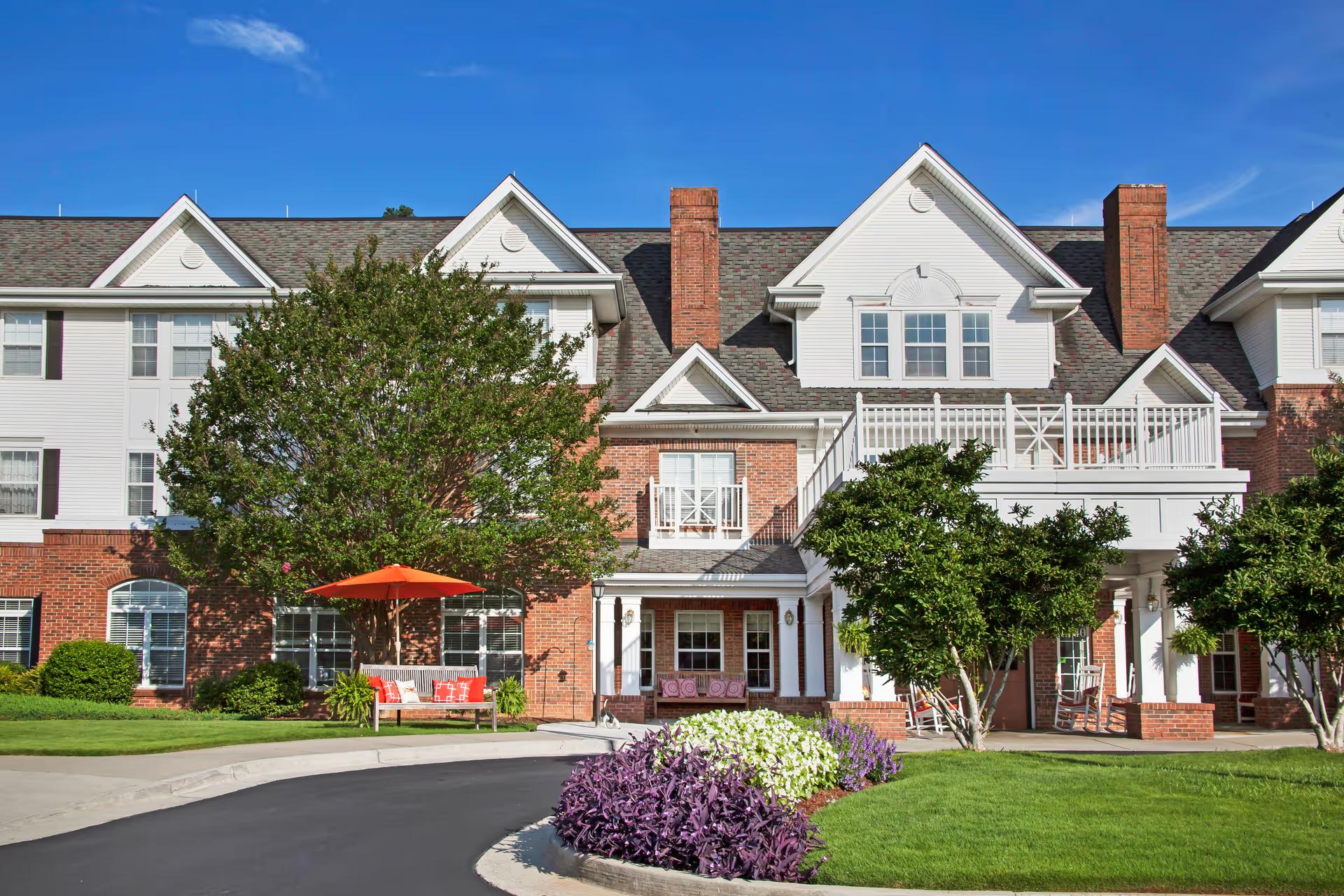
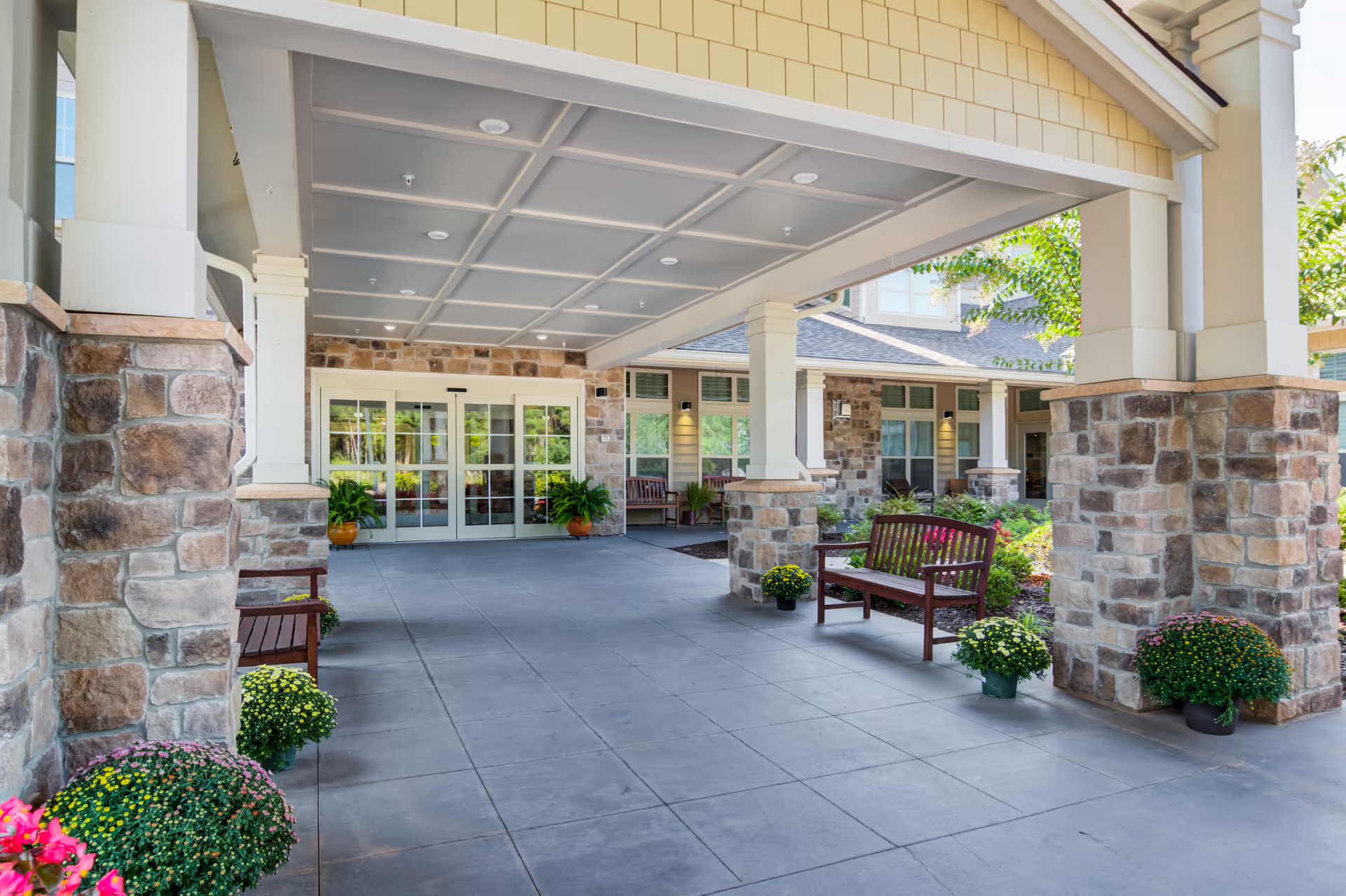
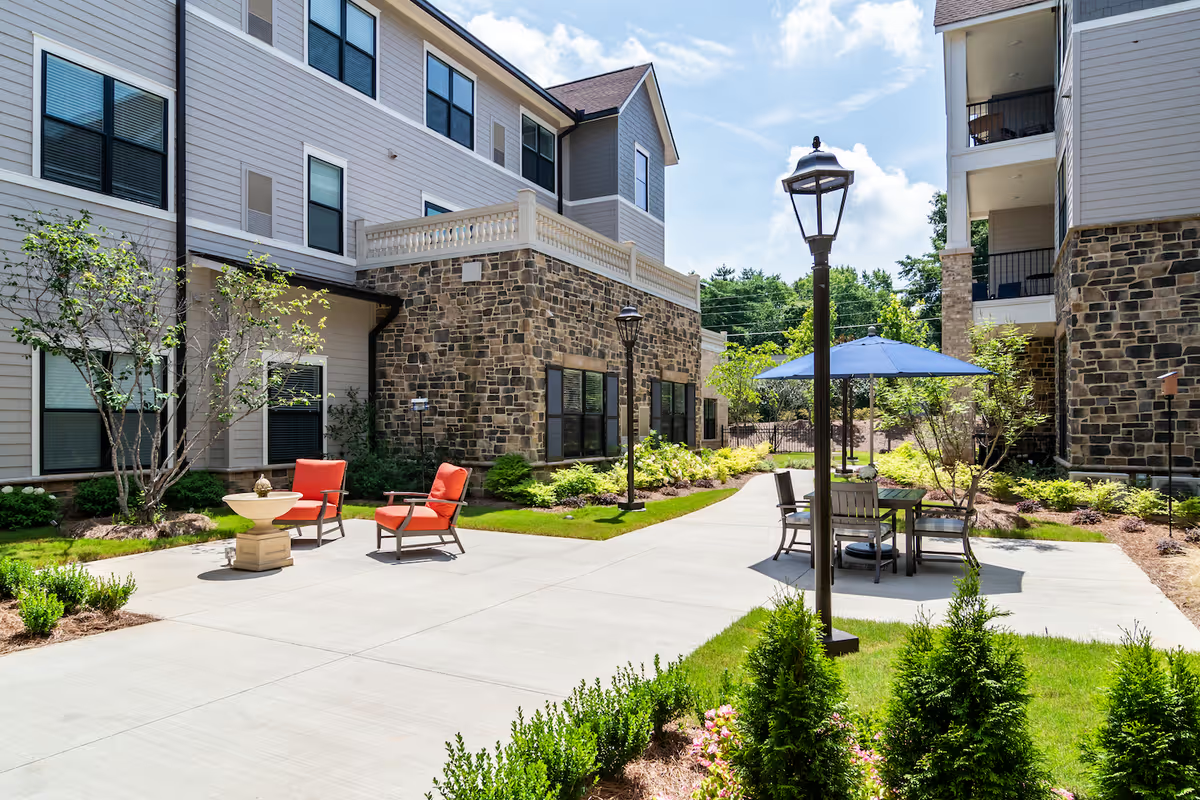
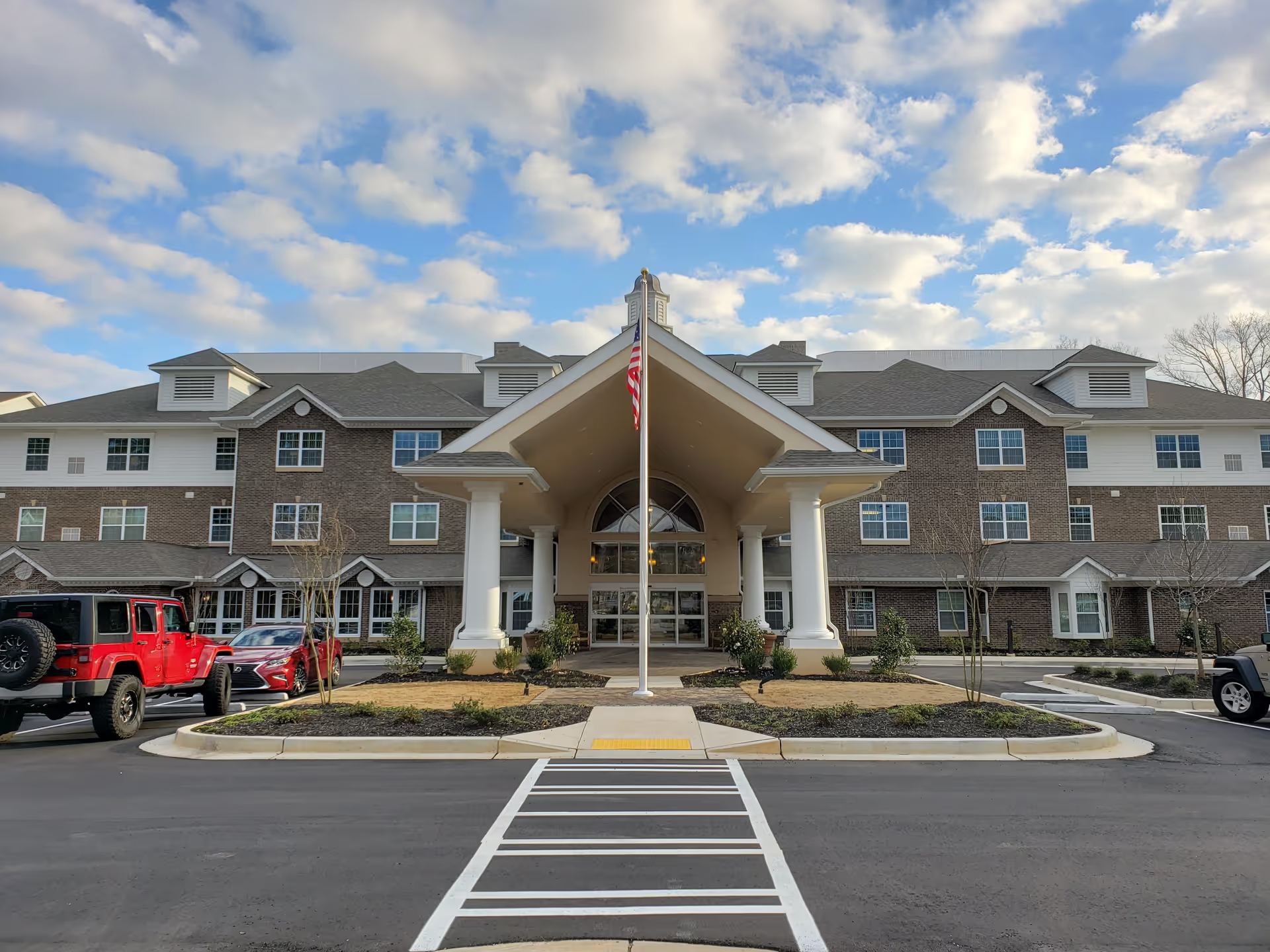
Facilities and maintenance: The community offers a broad set of amenities and several reviews highlight newly renovated apartments and well-maintained private units. However, facility-level weaknesses appear in common-area upkeep and building-age issues: reviewers reference outdated finishes in parts of the building, unkept common areas (debris, dead plants), plush carpeting that can challenge mobility, and parking-garage cleanliness concerns. Maintenance responsiveness is uneven in practice—some repairs are handled promptly while others experience substantial delay—indicating inconsistent operational follow-through on facility maintenance.
Management, fees, and administrative issues: Leasing personnel and some executive leadership receive positive comments for professionalism and helpfulness. Yet a consistent theme is concern about cost and financial terms—many find the community expensive and note high upfront and ongoing fees, including a nonrefundable administration charge and first-month rent expectations. Move-in and move-out processes are described as complex and occasionally difficult, and a subset of reviews point to administrative rigidity or cumbersome rules that affect resident and family experience.
Notable patterns and risk areas: The prevailing pattern is of a community that offers strong social life, capable staff, and comprehensive amenities, tempered by operational variability in maintenance, dining consistency, and staffing reliability. There are also serious individual-level claims—including allegations about resident-property loss and families’ dissatisfaction with post-incident communication—that merit careful follow-up during a tour and in contract review. Prospective residents and families should weigh the community’s programmatic strengths against the cost structure and probe responsiveness protocols, move-in policies, and incident/complaint handling during follow-up conversations.