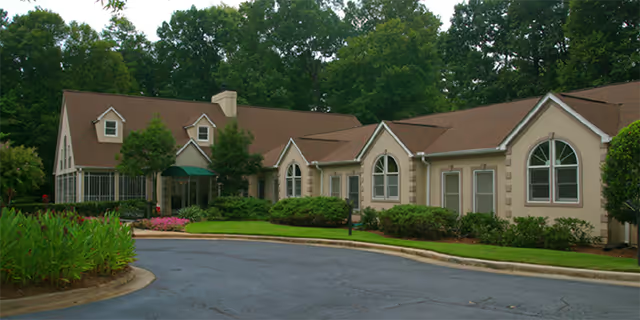
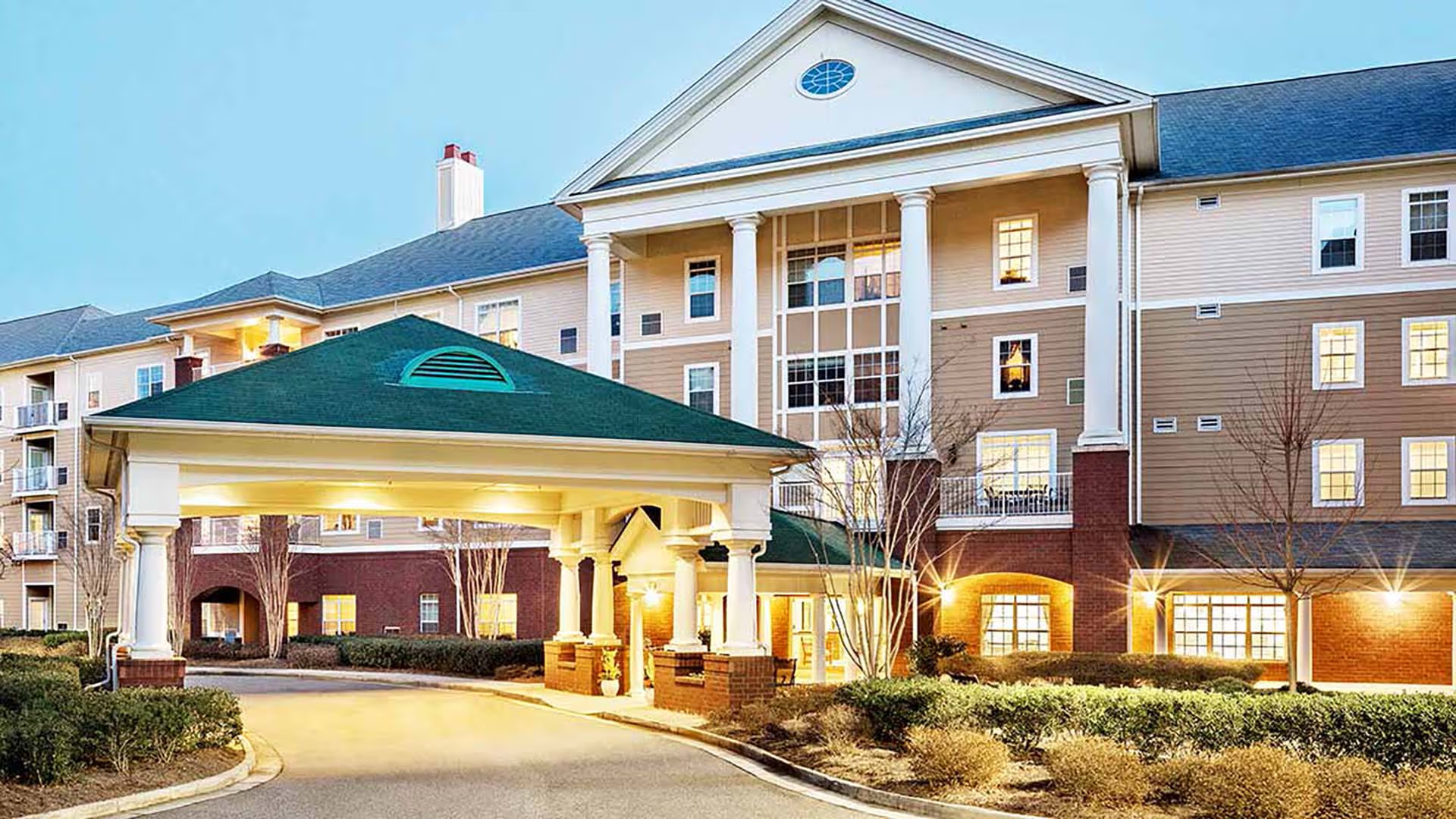
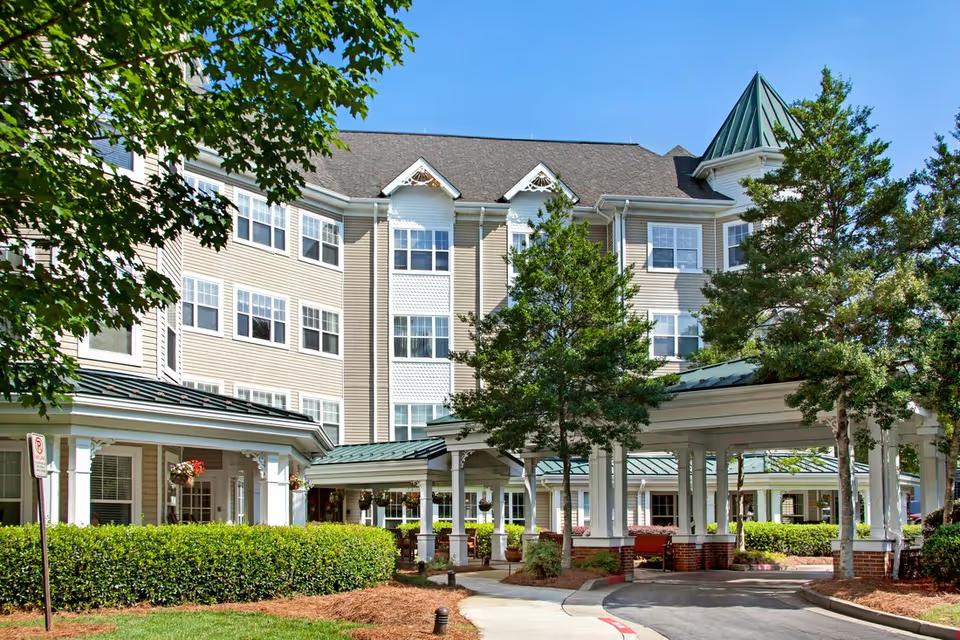
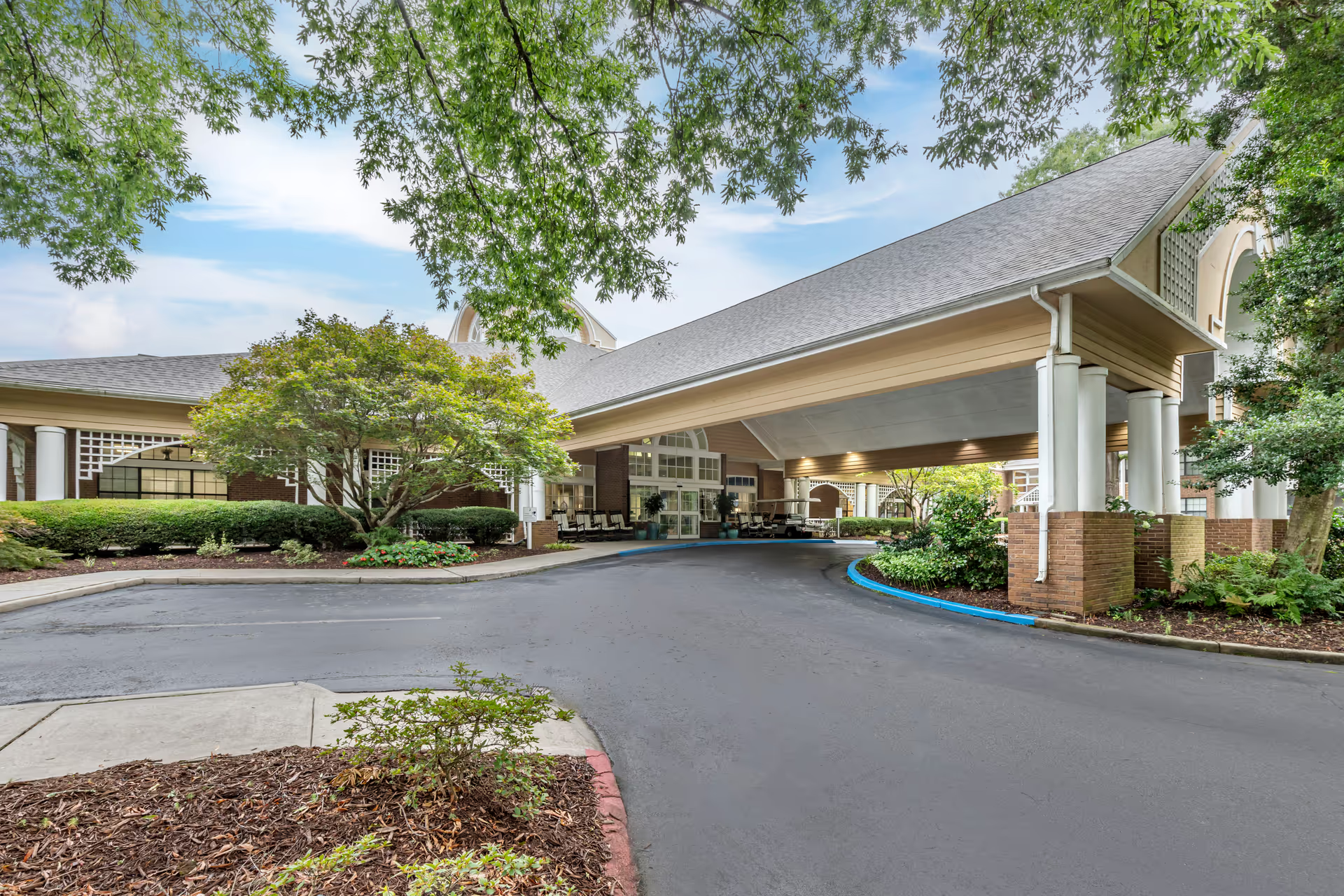
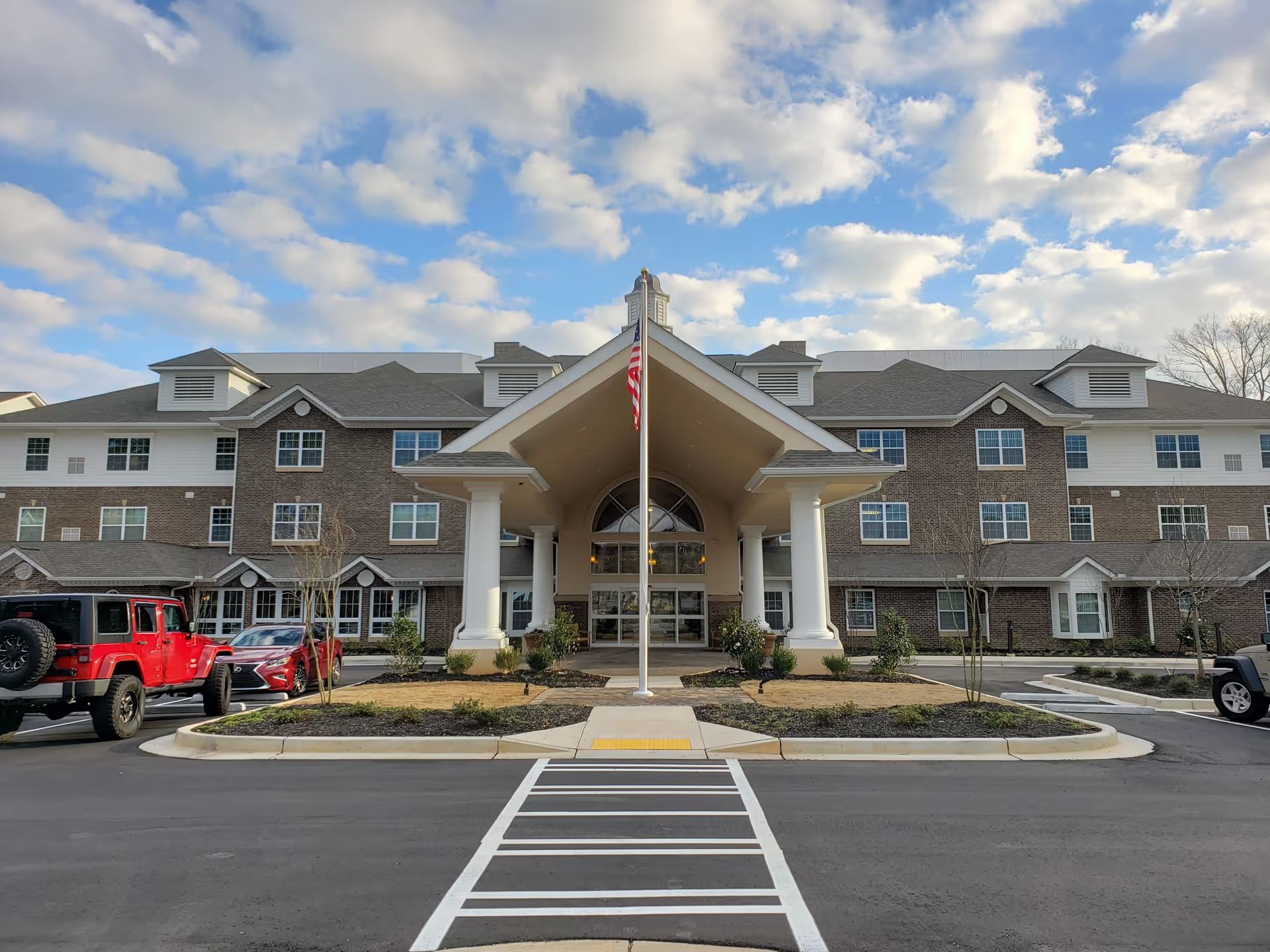
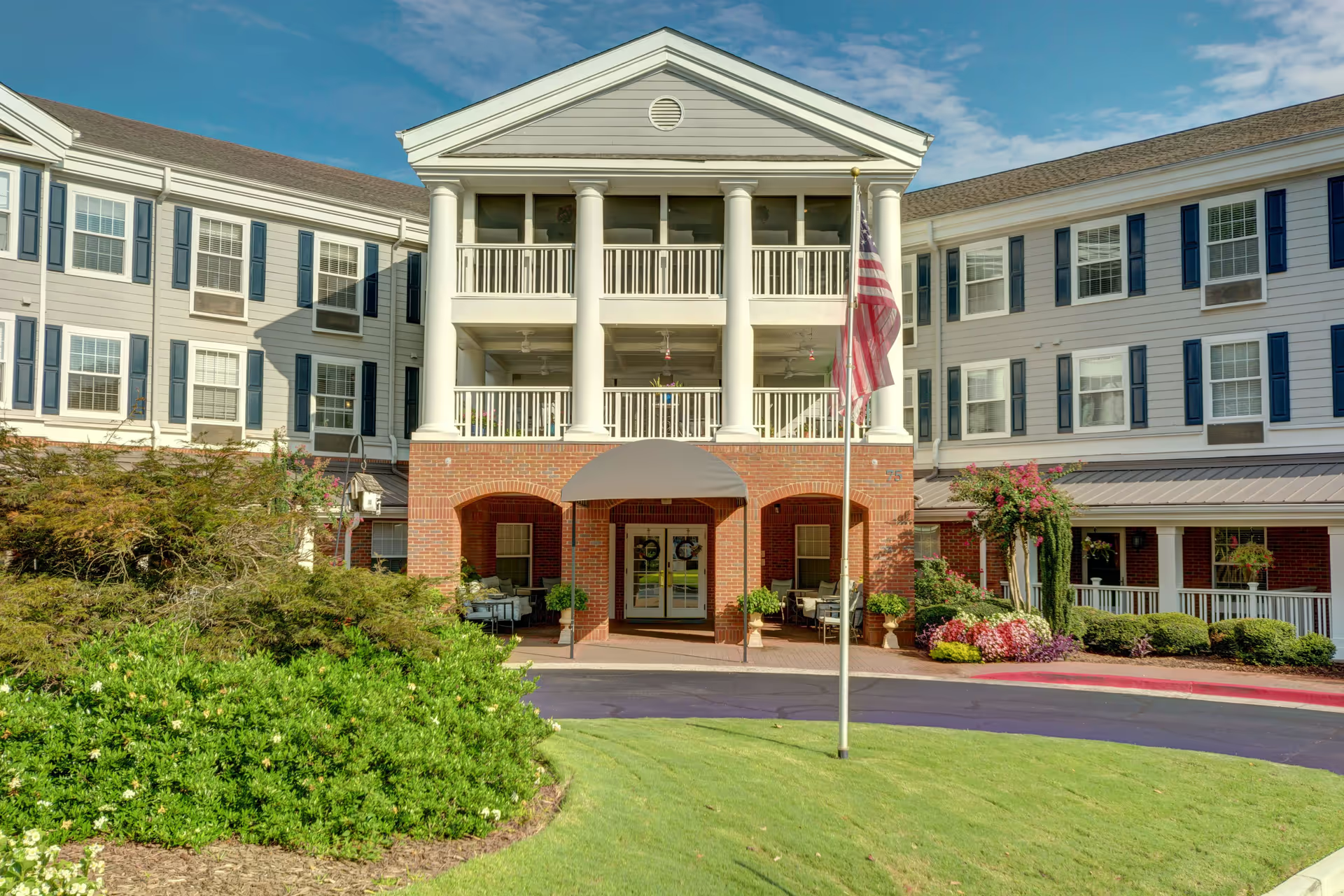
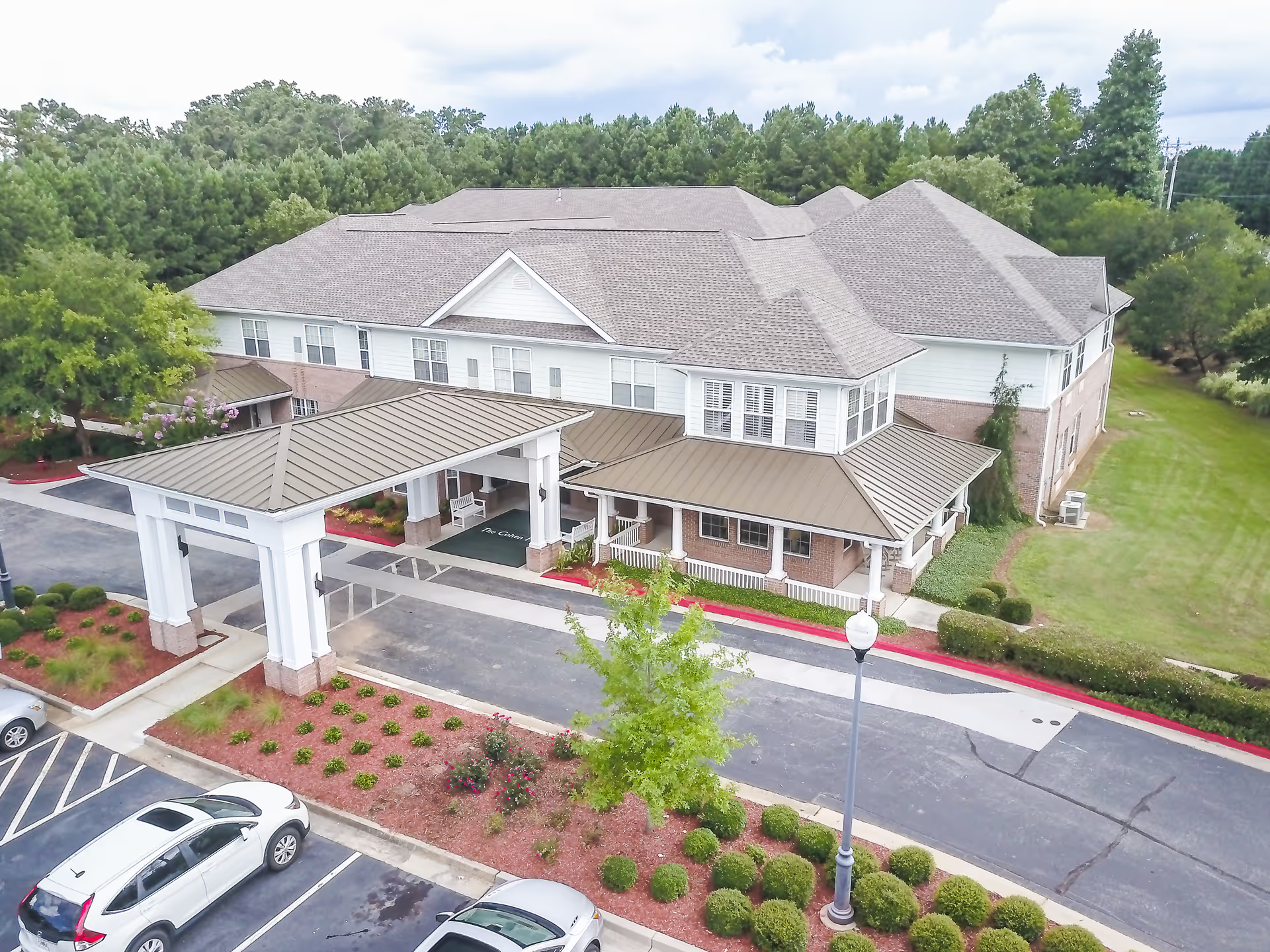
Sanford Estates presents as a predominantly independent-living community with many attributes families find attractive: a bright, recently constructed campus with extensive common spaces and amenities, a varied activities program, and a generally positive social environment. Reviewers frequently describe the property as clean and well-appointed, with features such as a movie theater, gym, chapel, library, gardens, and private balconies. Move-in and transition support is highlighted in numerous accounts, and on-site therapy, transportation/shuttle services, and light housekeeping are commonly available.
Care and staff quality are among the community's strongest themes. Many families praise friendly, caring aides, proactive managers, and staff who go beyond expectations to assist residents. There are repeated examples of effective move coordination, attentive hands-on care when needed, and staff who build relationships with residents. However, the community also shows patterns of high staff and managerial turnover and periodic understaffing; these operational traits have contributed to inconsistent responsiveness and occasional delays in service.
Dining and kitchen operations are an area of mixed feedback. Several reviewers praise personalized dining service, excellent breakfasts, and creative dining experiences; others describe inconsistent meal quality, portioning problems, and recurring kitchen turnover that affects menu stability. Prospective residents with specific dietary needs should confirm menu options, portion policies, and management of special diets before committing.
Activities and social programming are generally strong, with exercise classes, speakers, cultural events, movie screenings, and frequent excursions cited. The calendar supports an engaged resident life, and many reviewers report rapid social integration and active peer networks. That said, a minority of accounts describe intermittent limitations in amenity access or historically variable activity offerings, suggesting programming can fluctuate with staffing and management changes.
Facility maintenance and accessibility present a mixed picture. The physical plant is often described as attractive, well-decorated, and thoughtfully designed with natural light and open spaces. At the same time, reviewers note maintenance-resourcing gaps (limited maintenance staffing, slower repairs), some older laundry equipment in parts of the complex, sanitation concerns in specific service areas, and isolated pest-control issues. Accessibility and emergency-evacuation preparedness, including vehicle lift availability and wheelchair movement, were flagged as operational concerns that families should verify directly.
Management stability and cost transparency are additional considerations. Multiple comments reference frequent leadership changes and variable communication quality. While hands-on managers are praised when present, turnover has affected continuity of service in some experiences. Pricing is generally perceived as at the higher end with limited concession flexibility; prospective residents should clarify fee structures, what services are included, and after-hours staffing levels.
Bottom line: Sanford Estates is well-suited to independent residents seeking a modern, amenity-rich community with active programming and attentive staff. Families seeking robust assisted-living services, consistently stable kitchen operations, or guaranteed low staff turnover should verify scope of care, staffing ratios, dining policies, maintenance response times, pest-control plans, and evacuation/transportation accessibility before deciding. Practical questions to ask during a tour include current staffing levels and turnover rates, meal-scheduling and special-diet processes, maintenance response timeframes, emergency-evacuation procedures for residents using mobility devices, and the community's plan to address any sanitation or pest-control concerns.