Reviews of The Addison of Sandy Springs are polarized: many families describe a caring, personalized environment with active programming and strong clinical support, while other accounts raise operational concerns that may affect safety and satisfaction.
Care and clinical oversight: Numerous comments praise compassionate caregivers, individualized care plans, and capable therapy and nursing teams. Memory-care programming and social engagement are cited as effective for many residents, and some families report meaningful clinical attention and improved well-being after transfer. Conversely, other reviewers describe worrisome clinical outcomes such as significant unintentional weight change, falls, and hospital transfers. These accounts point to gaps in clinical oversight, fall-prevention protocols, and timely response to changing health needs.
Staff and leadership: Many reviews highlight attentive, long‑tenured staff, welcoming front‑desk personnel, and directors who are hands-on and communicative. Specific staff members and memory-care leadership receive repeated positive mention. However, a substantial subset of comments documents inconsistent staffing levels, high turnover, and periods when leadership presence and responsiveness were limited. Those operational patterns are linked to delays in care, missed communications, and variability in day-to-day resident experience.
Dining and activities: Activity programming is a consistent strength in positive reviews—residents engage in puzzles, crafts, courtyard walks, services, and community events, and families often credit activities with improved mood and participation. Dining impressions are mixed: several families praise homemade soups, family meals, and attentive dining staff who learn preferences, while others report inconsistent meal quality, seasoning issues, and limited menu variety.
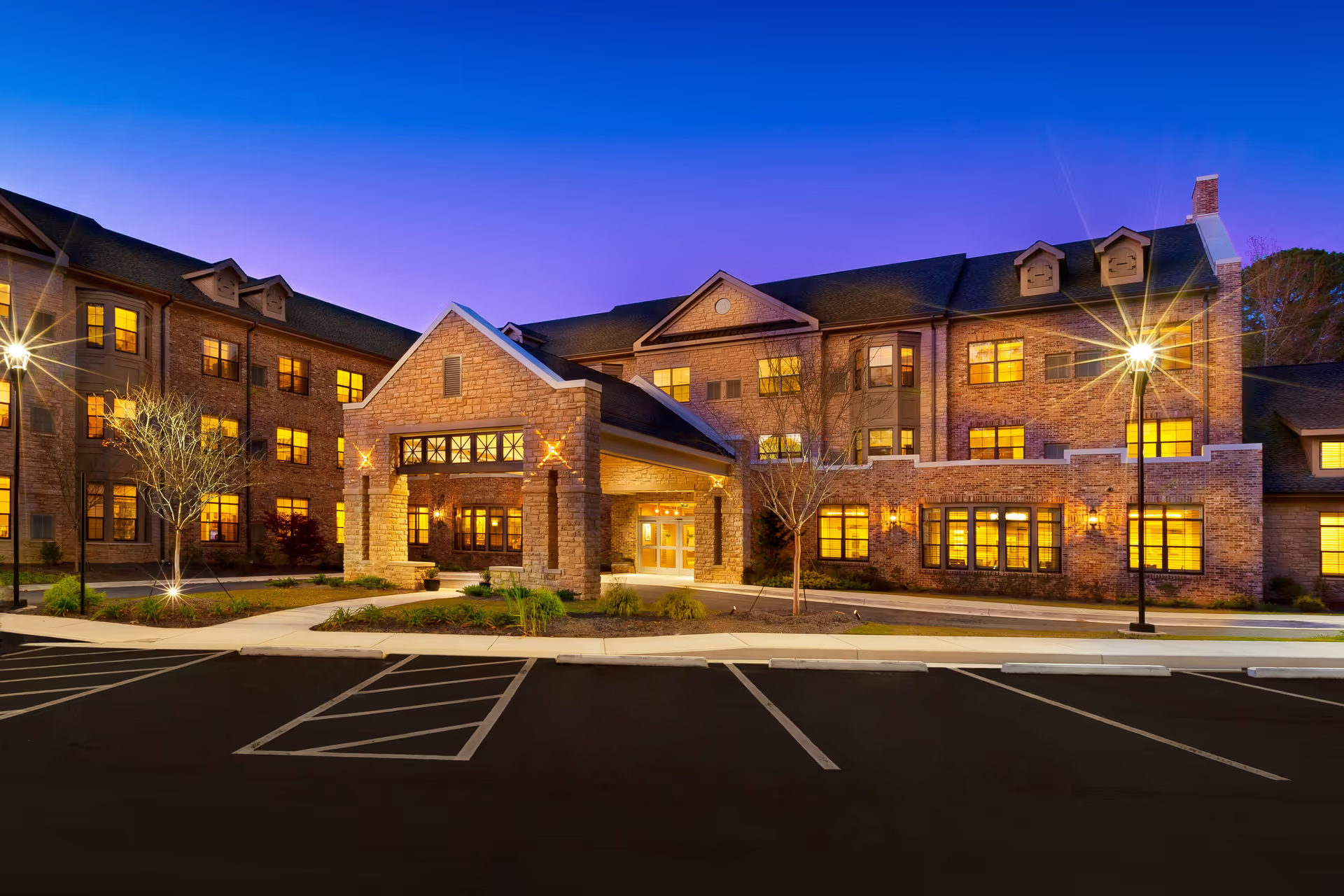
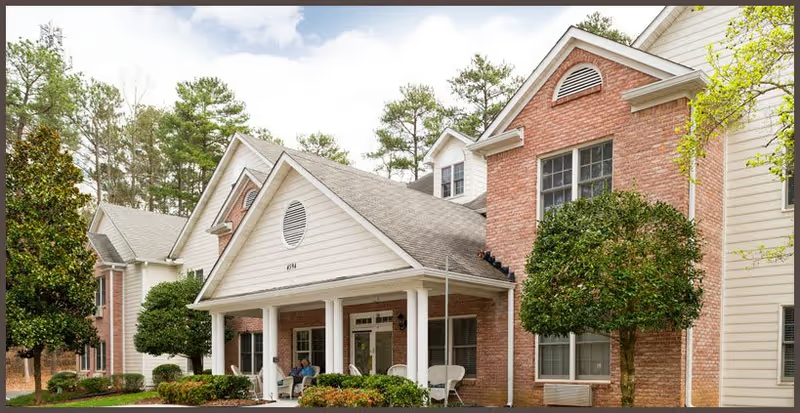
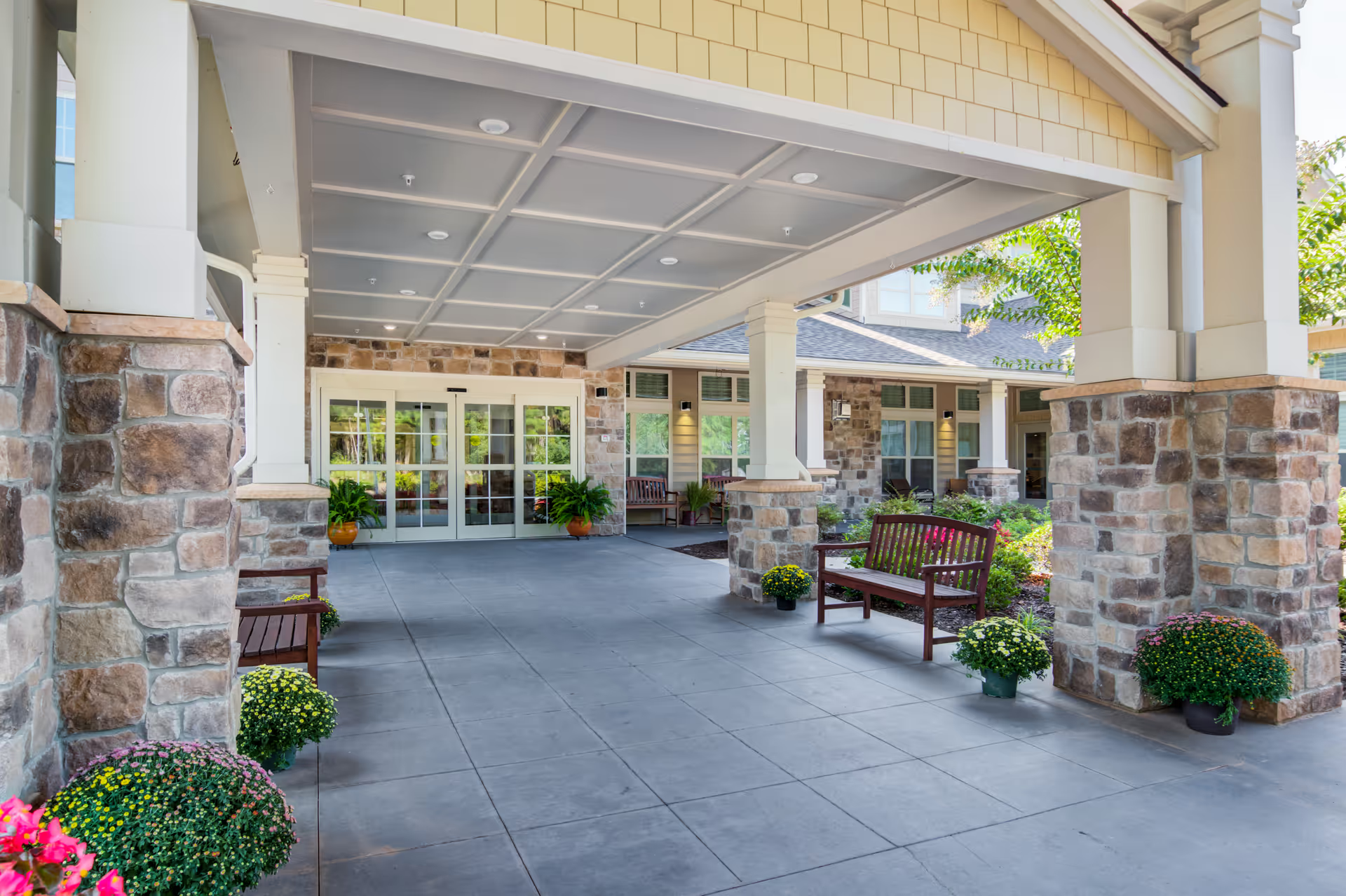
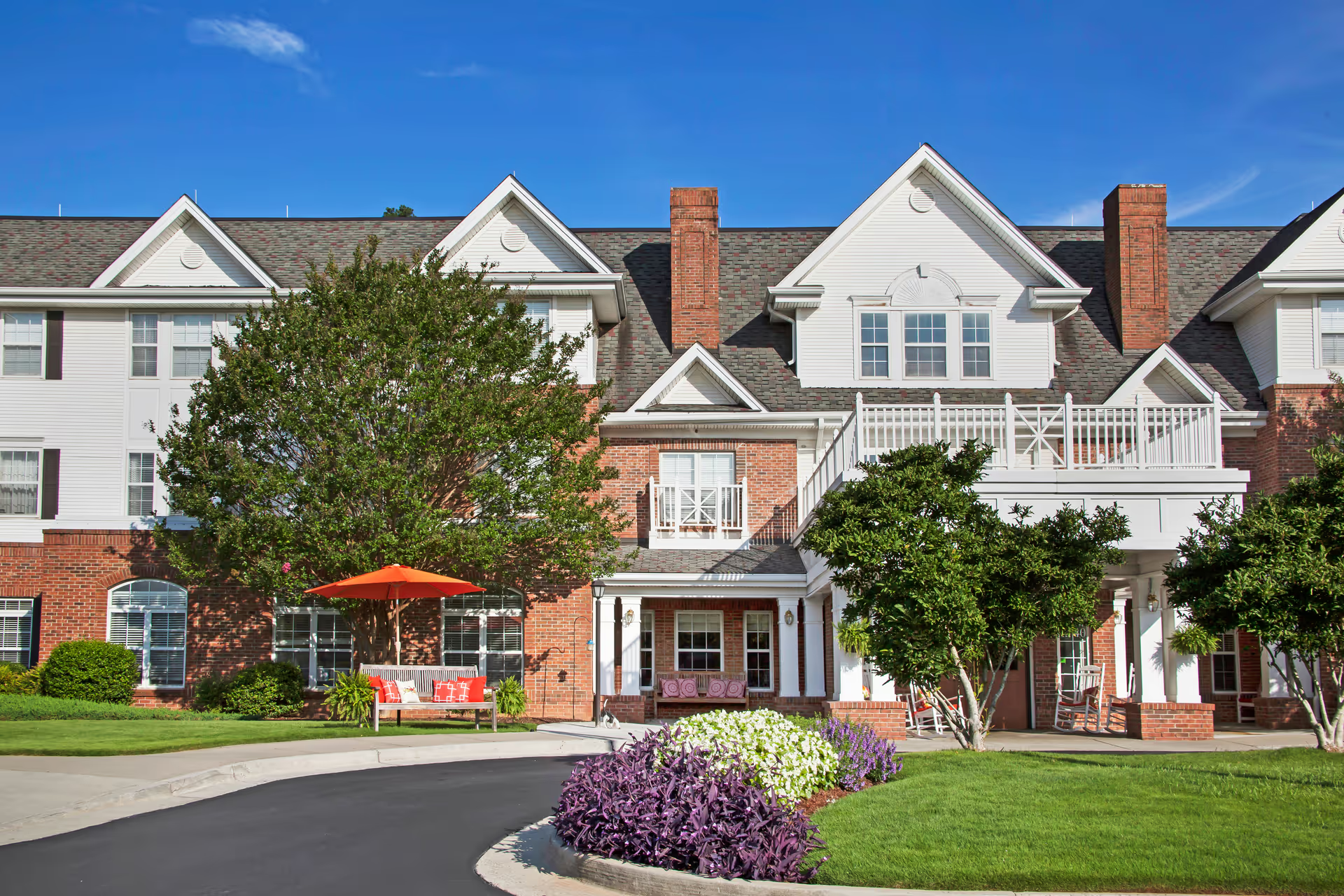
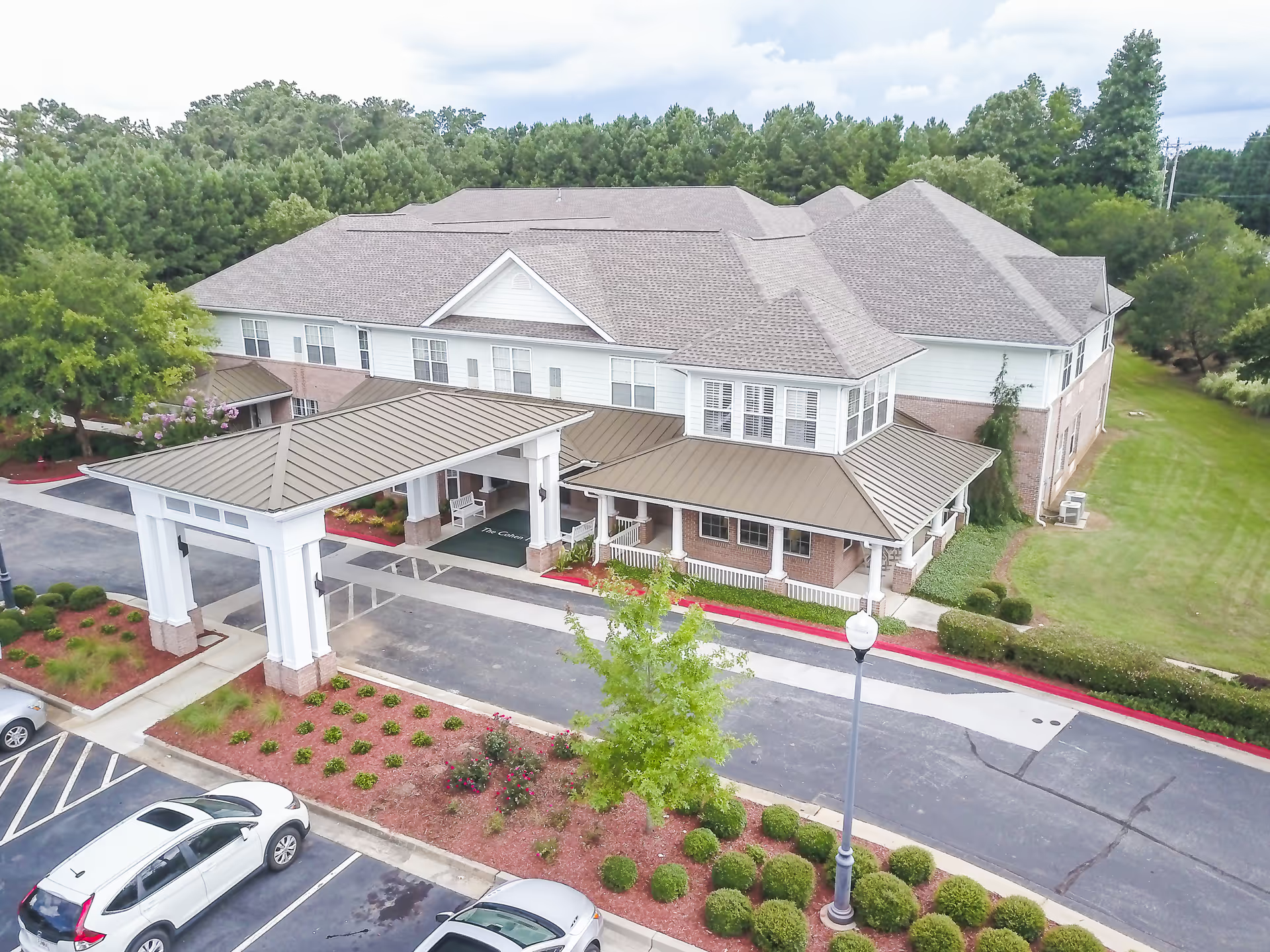
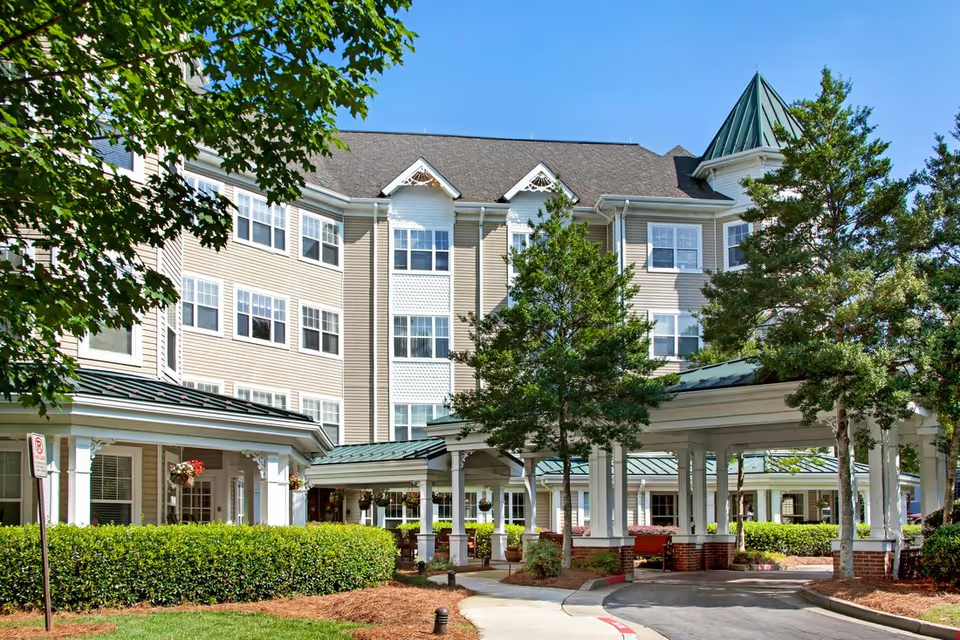
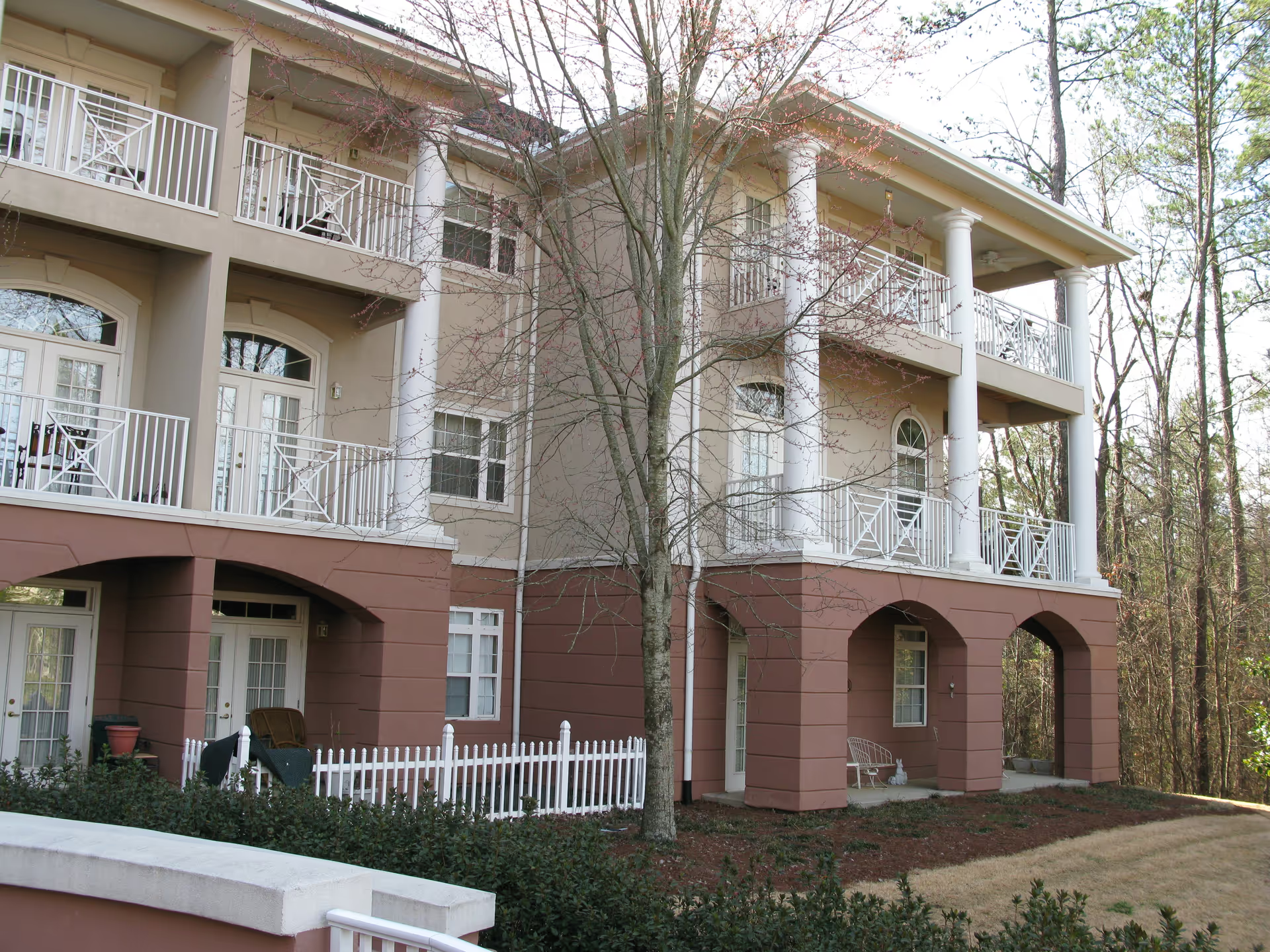
Facilities, cleanliness, and maintenance: Many visitors and residents describe the property as clean, well‑organized, and welcoming, with comfortable common areas. At the same time, there are multiple reports of declining housekeeping standards in some areas, sanitation concerns (including pest-control issues), debris in circulation spaces, and maintenance delays that have safety implications (for example, elevator and trip hazards). These contrasts suggest variability between units or over time.
Management, communication, and operations: Positive experiences often reference responsive executive directors and staff who facilitate smooth move-ins and ongoing communication. In contrast, other accounts note breakdowns in communication, unresolved billing or refund issues, delayed call‑backs, and even allegations of theft or financial misconduct. Infection-control measures and visitor restrictions related to COVID-19 were also a source of frustration for some families, particularly around outbreak management and visitation policies.
Notable patterns and guidance for prospective families: The pattern across reviews is one of operational inconsistency—strong, individualized care and vibrant programming exist alongside episodes of understaffing, housekeeping decline, and administrative lapses. Prospective residents and families should plan an in-person tour focused on current staffing ratios, recent pest-control and housekeeping actions, fall‑prevention protocols, sample menus, communication workflows (including billing and refund procedures), and recent health-inspection or incident records. Asking for references from current families and meeting direct-care staff on the unit can help clarify whether the facility’s positive practices are consistent and current.