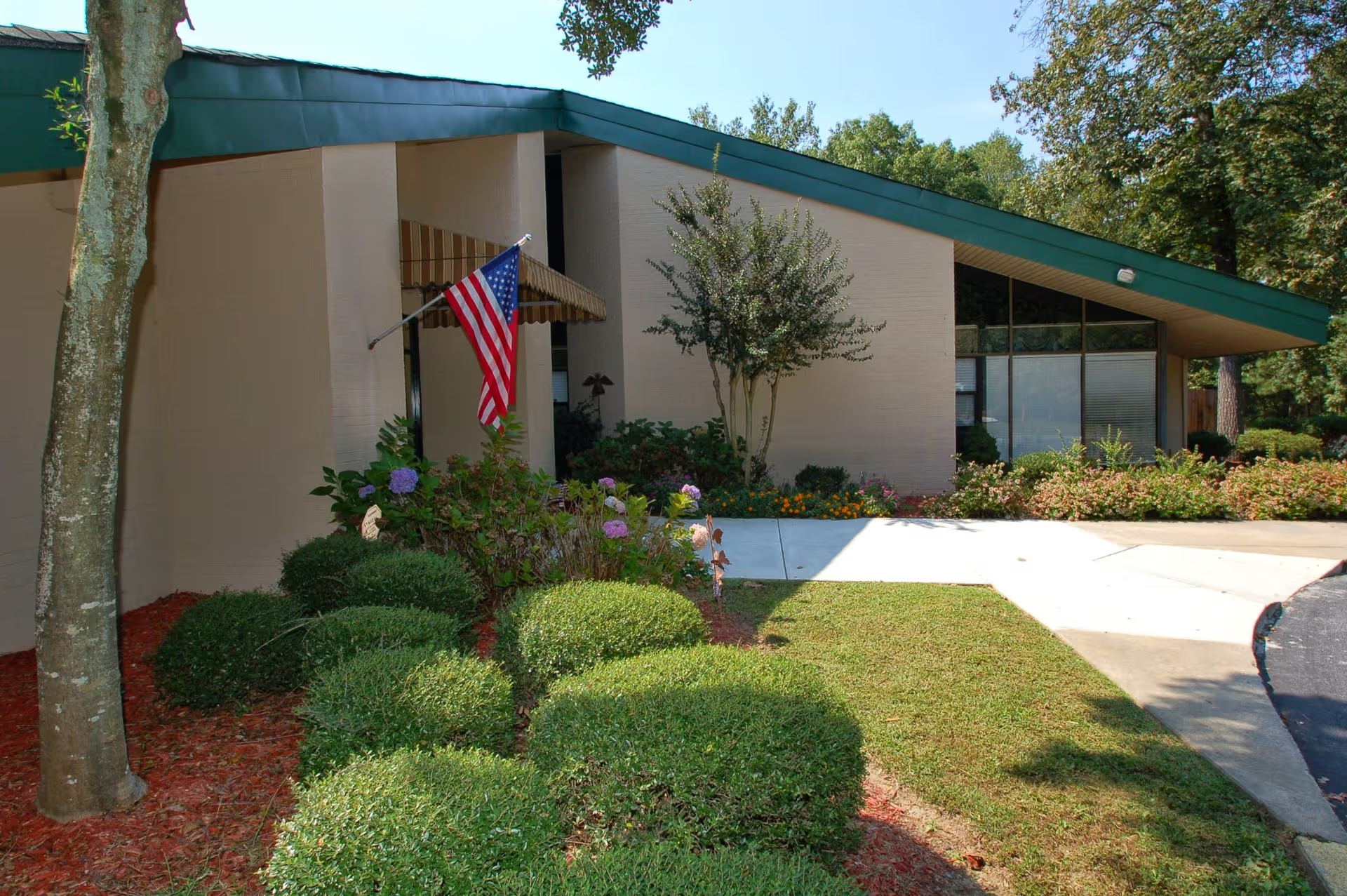
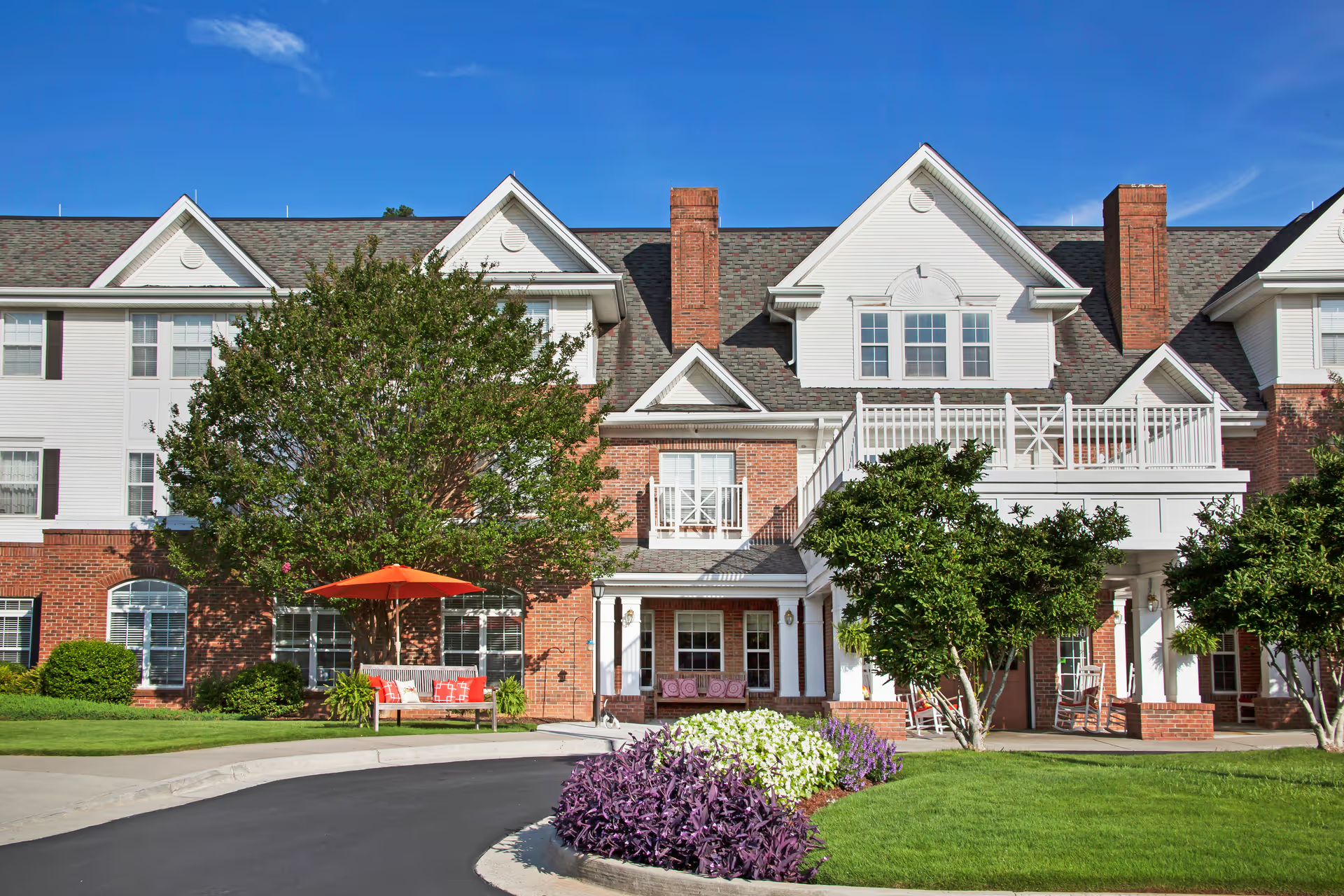
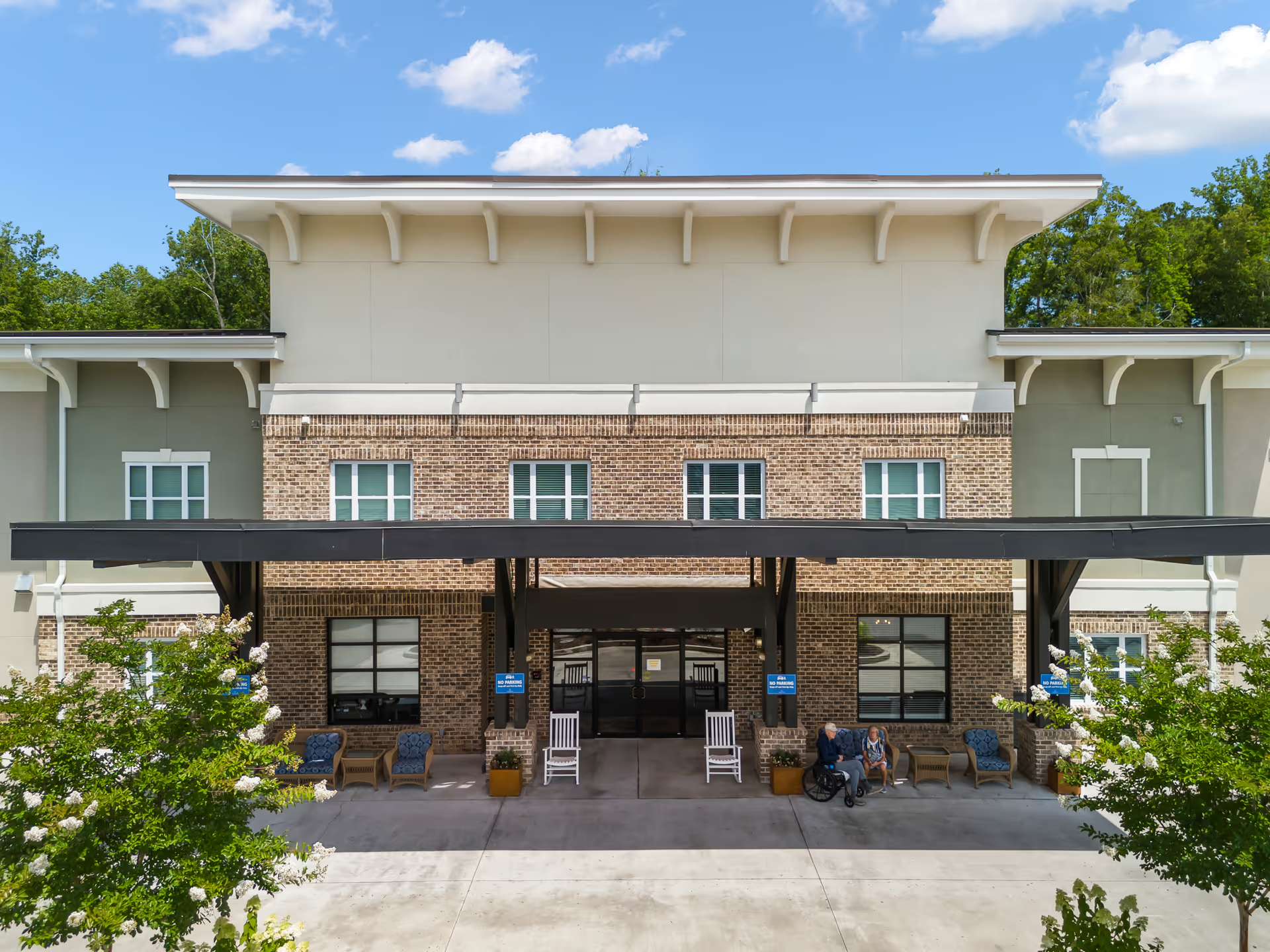
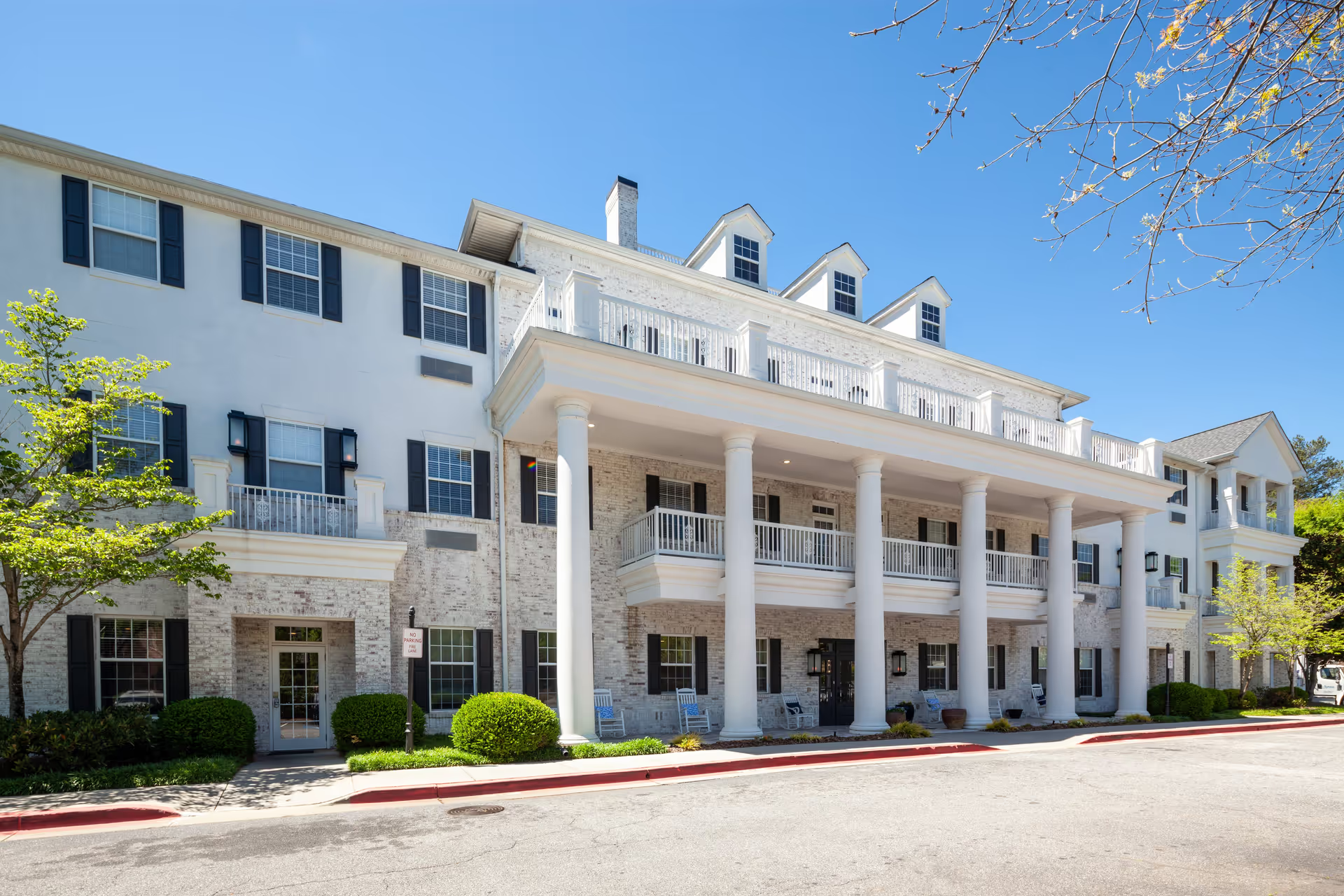
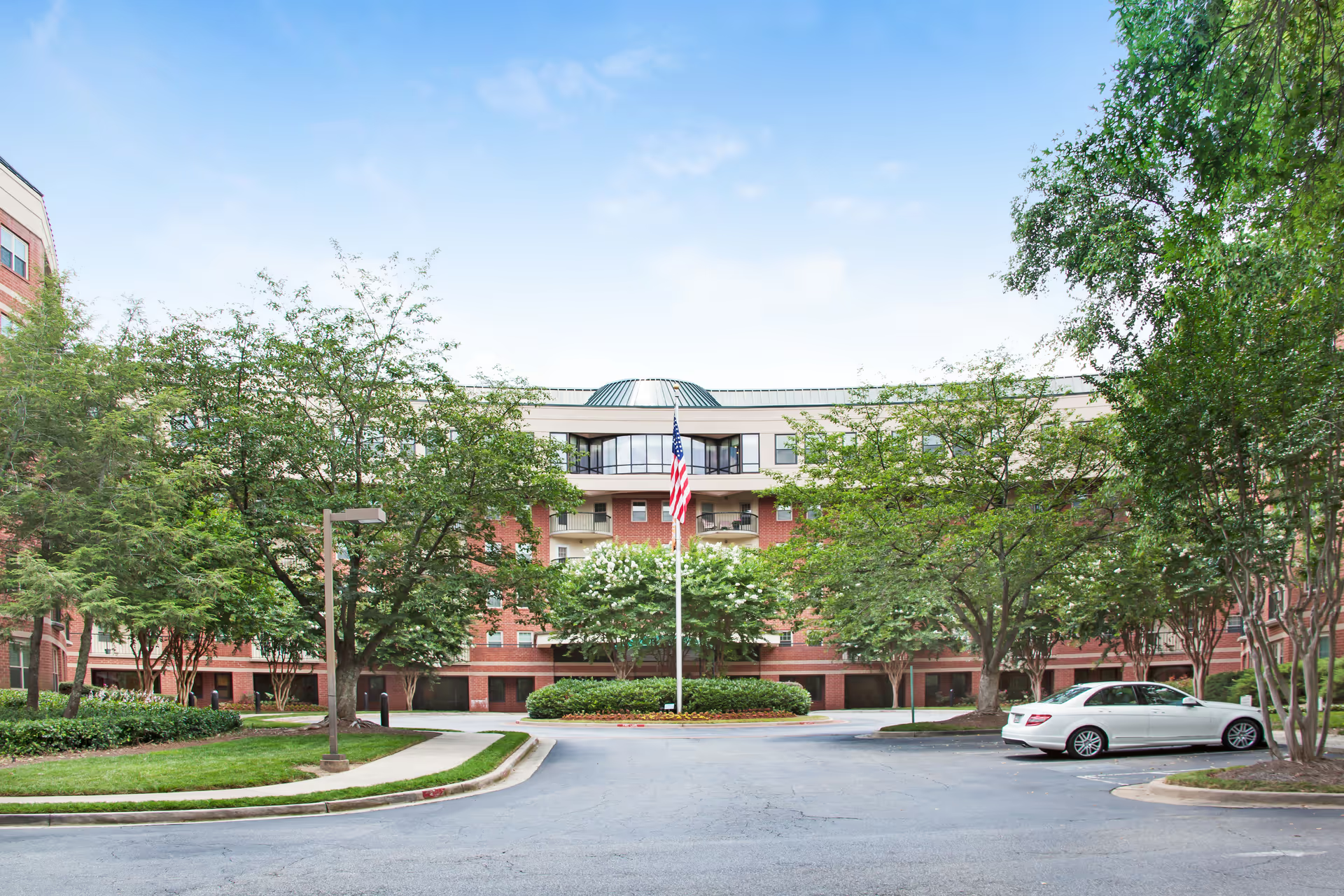
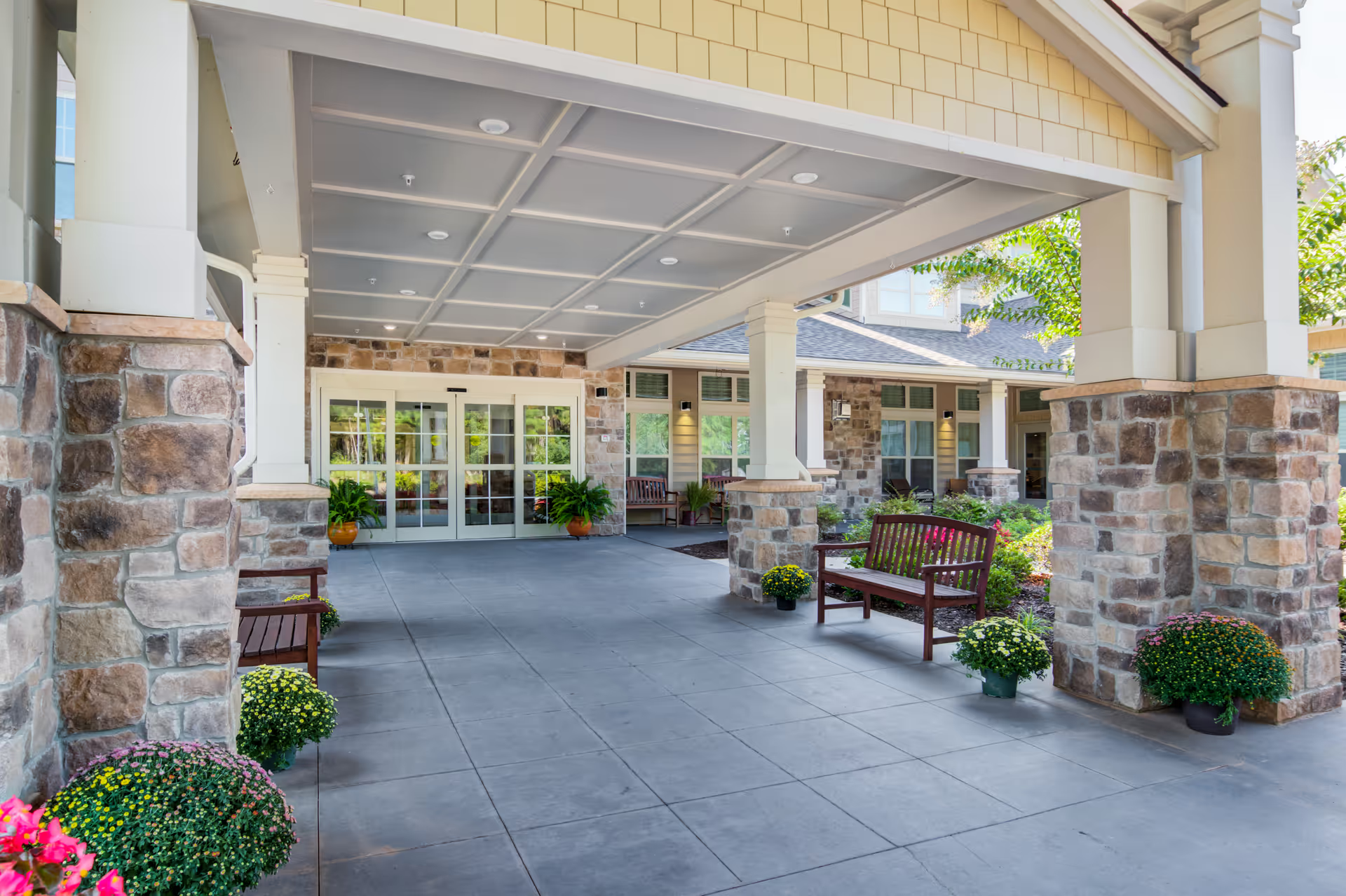
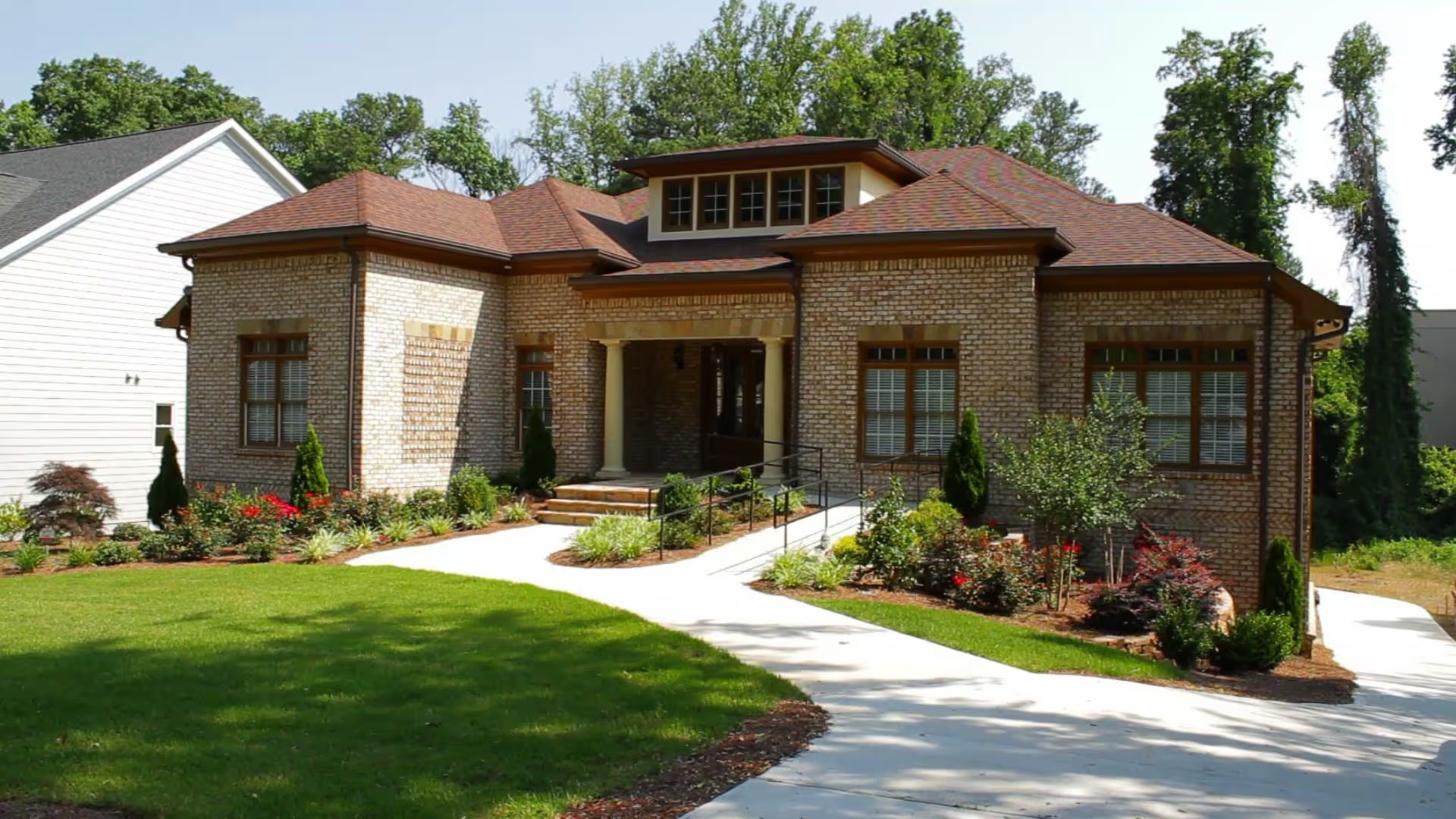
Berman Commons presents a mixed but clear profile: many families praise the facility's atmosphere, physical environment, and hands-on caregiving, while an overlapping set of operational concerns repeatedly appears. The building and apartments receive consistently positive comments — reviewers describe spacious, sunny apartments, an attractive lobby and common areas, and accessible design. Maintenance and housekeeping receive favorable mentions in many accounts, and proximity to medical centers is viewed as a plus. Jewish cultural offerings and kosher dining are important features for the community and are regularly cited as strengths.
Direct care is often described as warm and resident-focused. Numerous accounts highlight compassionate CNAs, engaged floor staff, and memorable interactions with named staff members and directors; several families credited visible executive leadership with improved responsiveness. At the same time, staffing instability is a recurring theme: reviewers describe high turnover, frequent reliance on agency staff, and periods of understaffing that can affect routine care and response times. These staffing patterns correlate with operational weaknesses in clinical oversight — issues raised include medication administration errors, gaps in nursing coverage (limited on-site RN hours and no continuous 24-hour nursing in several accounts), and variable physician presence. There are also descriptions of difficulties coordinating end-of-life care and limitations in administering certain medications on site, which merits assessment during any prospective move-in.
Dining and programming are areas of contrast. Multiple families praise professionally prepared meals, an on-site chef, and a broad calendar of activities including outings, music programs, and Jewish learning. Several reviewers described tangible improvements in food quality after staffing or kitchen changes. Conversely, others cite inconsistent meal service, occasional portion reductions tied to kitchen staffing, and intermittent declines in dining variety. Activity offerings are robust overall, but a minority of accounts describe quieter programming periods or pandemic-related reductions in some group options.
Operational and administrative behavior shows bifurcation: some families report highly responsive management, routine communication, and a strong community culture where staff know residents by name. Executive-level leaders are frequently named and commended for visibility and problem-solving. However, other families describe inconsistent follow-through, leadership turnover, unclear communication about care changes or billing, and occasional phone-service outages that impeded contact. Additional operational themes include laundry and personal-belongings handling issues, variable housekeeping execution, and questions about placement practices — including perceived pressure to move residents to higher levels of care. These are patterns of process and policy rather than universally applied practices.
Taken together, Berman Commons appears to offer a well-appointed, community-oriented environment with many strengths in hospitality, activities, and family engagement. Prospective residents and families should weigh those positives against the operational patterns described above. Recommended due diligence includes observing staff-to-resident ratios during different shifts, asking for details on nursing coverage and medication administration protocols, reviewing billing and extra-fee policies, and discussing laundry and housekeeping workflows. An in-person visit during meal service and an opportunity to meet both leadership and frontline staff will help clarify whether the facility’s strengths align with a particular resident’s clinical and social needs.