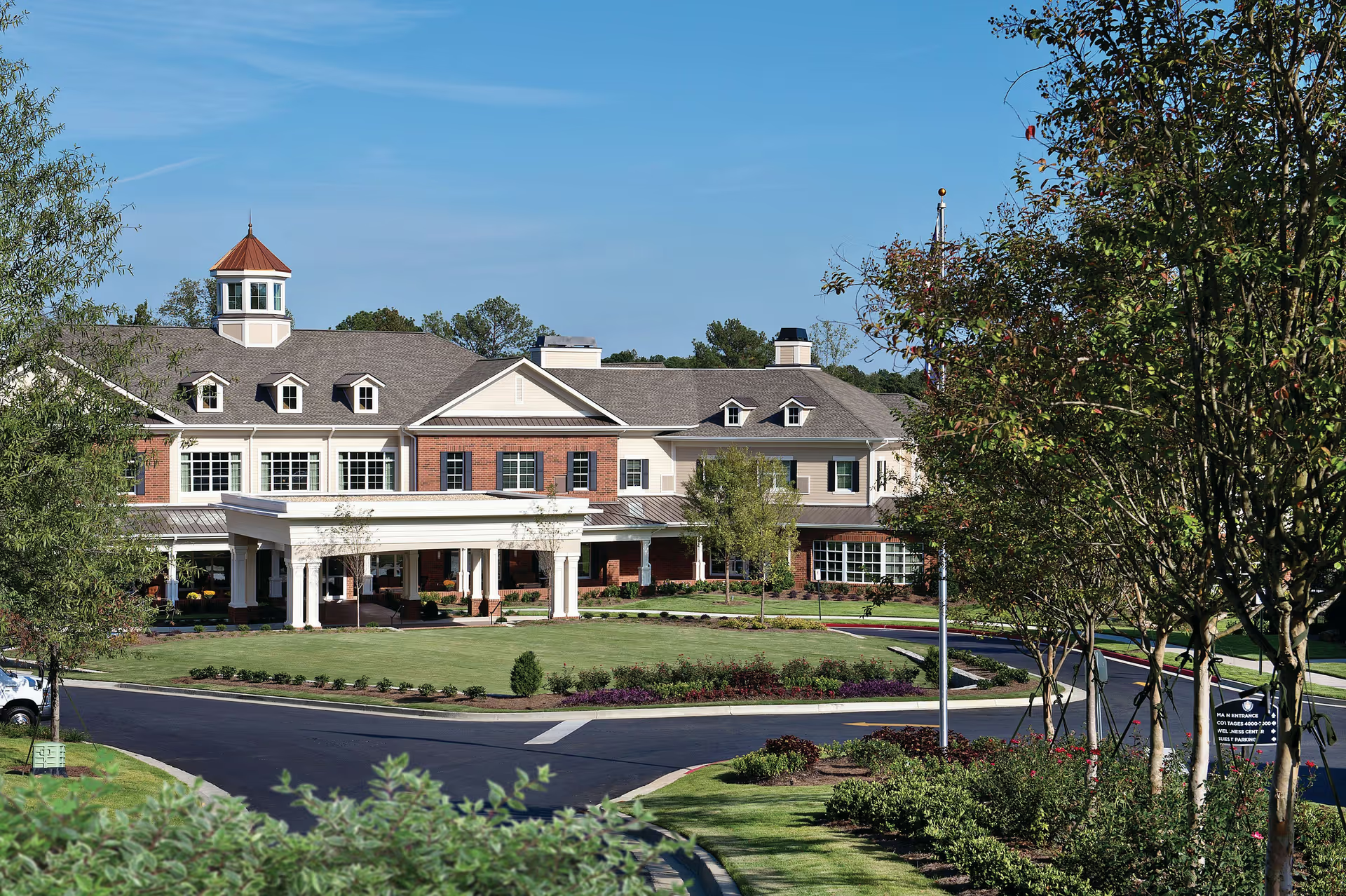
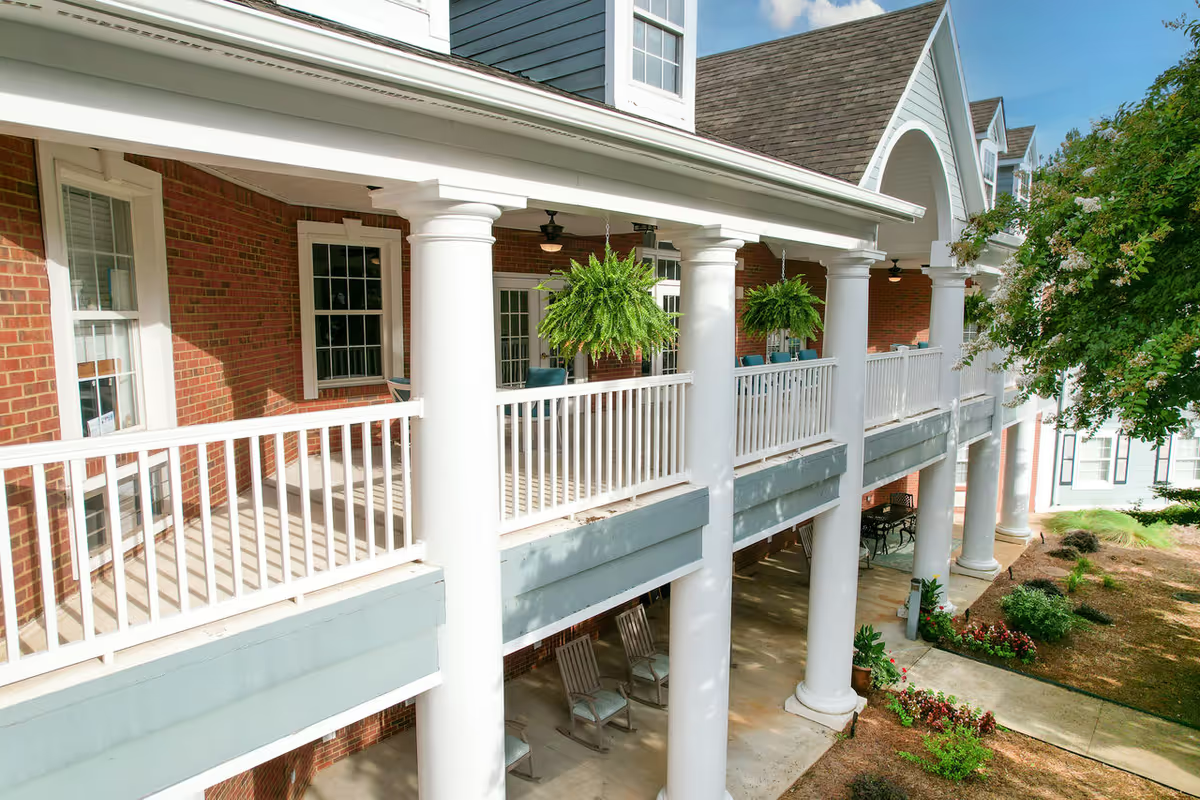
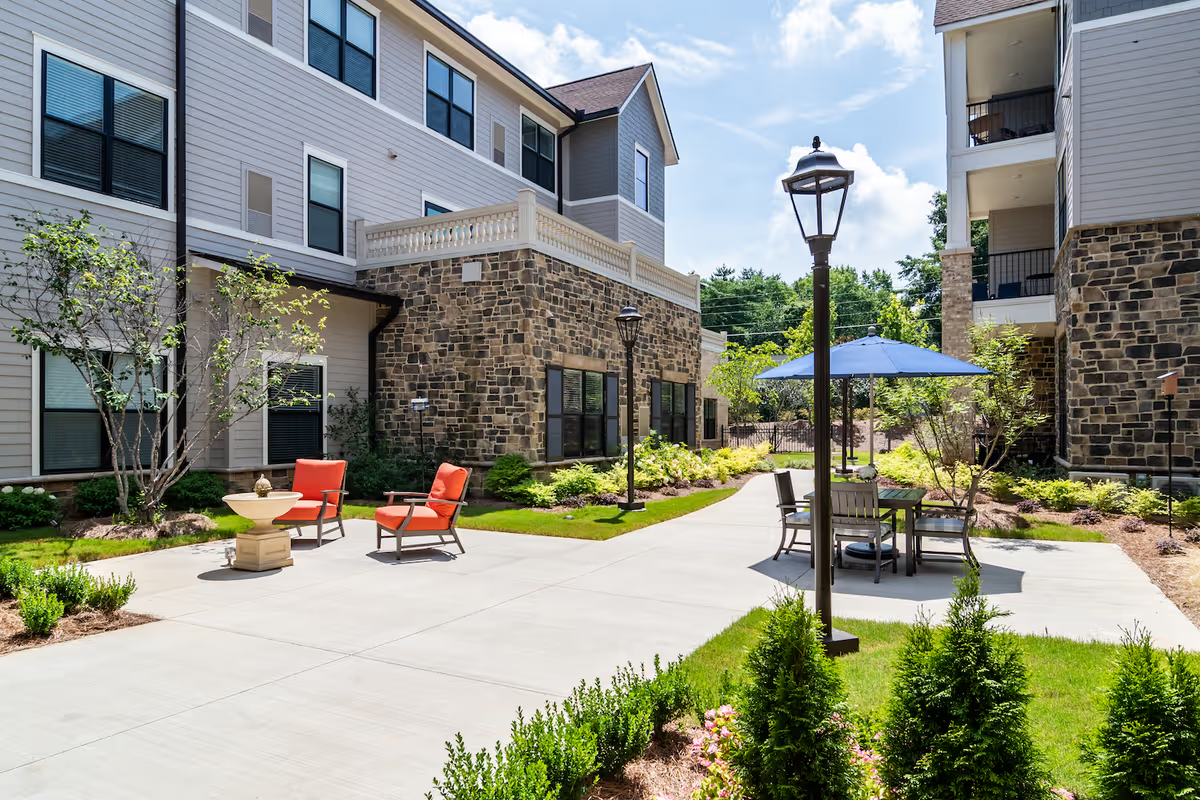
Parc at Piedmont — East Cobb is consistently described as an upscale, amenity-rich retirement community with a strong emphasis on social programming and resident engagement. The facility's physical plant and grounds are frequently praised: landscaped grounds, spacious apartments, multiple pools (indoor and outdoor), fitness spaces, media rooms, libraries, and well-appointed common areas contribute to an energetic campus environment. Reviewers repeatedly highlight the welcoming atmosphere, frequent entertainment, outings, and a variety of classes and wellness activities that support movement, mindfulness, and social connection.
Staff and everyday care receive considerable positive attention. Many accounts emphasize friendly, helpful, and accommodating staff across front desk, dining, concierge, housekeeping, and caregiving roles, and families often cite the peace of mind produced by visible staff presence and security measures such as 24-hour concierge service. On-site therapy and rehabilitation services are available with typical co-pays, and maintenance and portering staff are generally described as responsive. The community also runs an introduced orientation/welcoming committee that helps new residents integrate socially.
Dining and culinary experience present a mixed but notable pattern. Several reviewers praise high-quality meals, special-brunch events, healthy choices, and multiple dining options including room service for a fee. At the same time, there are recurring comments about inconsistent food quality, small portions at times, and slow service during busy periods—issues attributed by some reviewers to staffing shortages and rotating kitchen leadership. Recent local management changes and a new general manager and dining director have been described as improving food quality in some accounts, but the pattern of turnover in kitchen leadership and variability in meal consistency is a recurrent concern.
Operationally, the most salient weaknesses involve management stability, staffing levels, and some maintenance/sanitation gaps. A pattern of leadership turnover and frequent changes in kitchen staff has been linked to inconsistent service and variable resident experiences. Staffing constraints have been associated with slower dining service and occasional delays in caregiving or nursing attention. Maintenance and housekeeping are often praised, but reviewers also describe uneven execution—examples include worn carpeting in certain stairwells, furniture condition issues, HVAC mold concerns in vents, isolated leaks, and sanitation or utensil-consistency issues in dining that suggest gaps in quality control and preventive maintenance.
Additional practical concerns include technology and amenity shortfalls (spotty WiFi and an inadequate rotunda sound system), parking and accessibility challenges for some residents and visitors, and the community’s premium pricing, which several families found a barrier for fixed-income seniors. A few reviewers also noted limited assisted-living capacity relative to demand, which may affect residents who anticipate future care needs. Overall, the dominant themes are a warm, activity-rich community with strong, personable staff and excellent amenities, offset by operational variability tied to leadership turnover, staffing pressures, and some facility-maintenance and service-consistency issues. Prospective residents and families should weigh the community’s strong social and amenity profile against these operational patterns, and ask targeted questions about current leadership stability, staffing ratios, dining continuity, maintenance plans, and technology infrastructure during a tour.