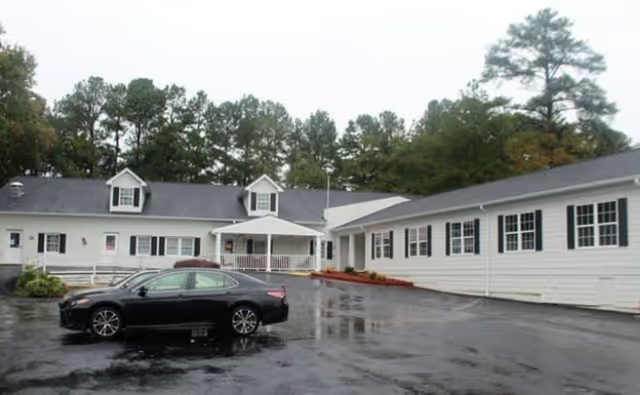
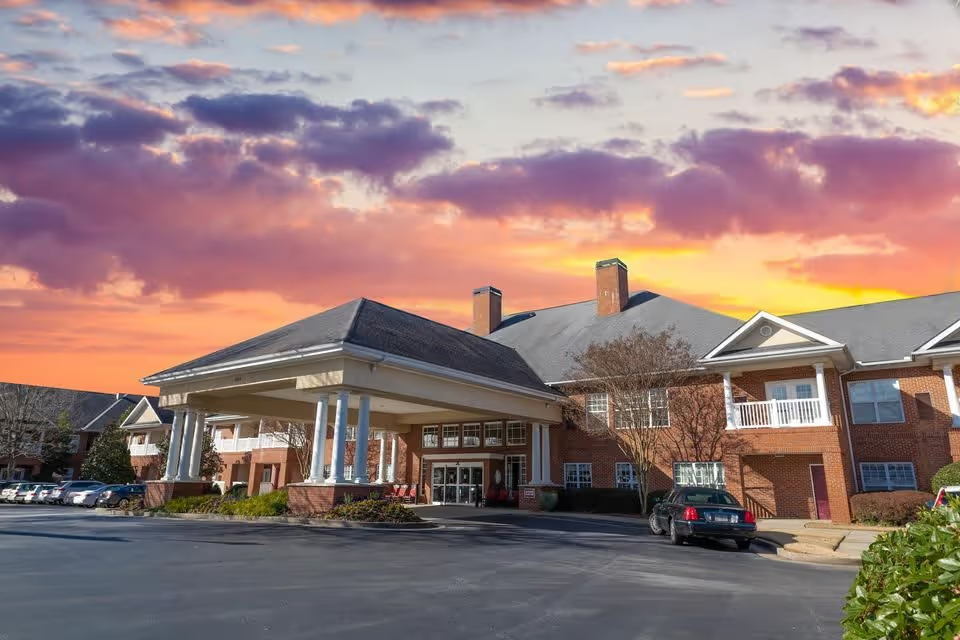
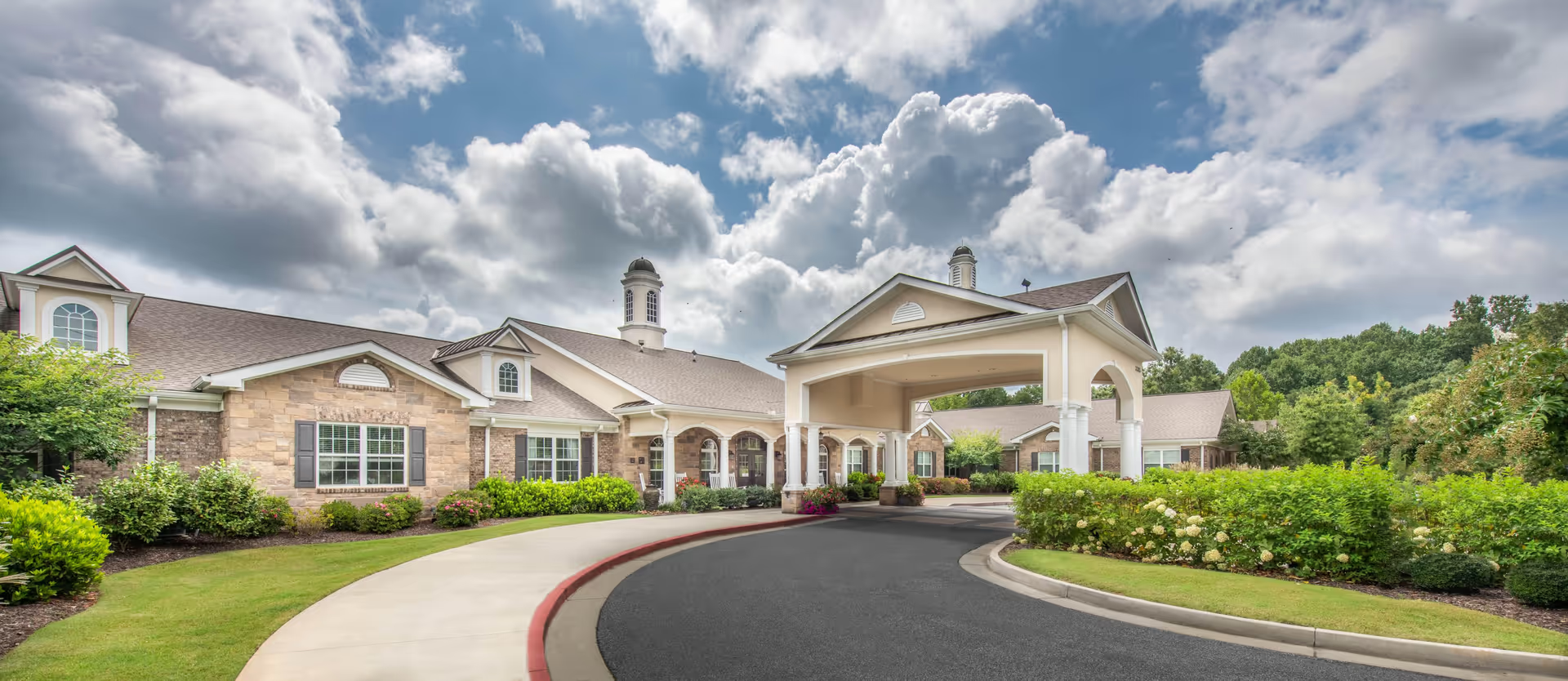
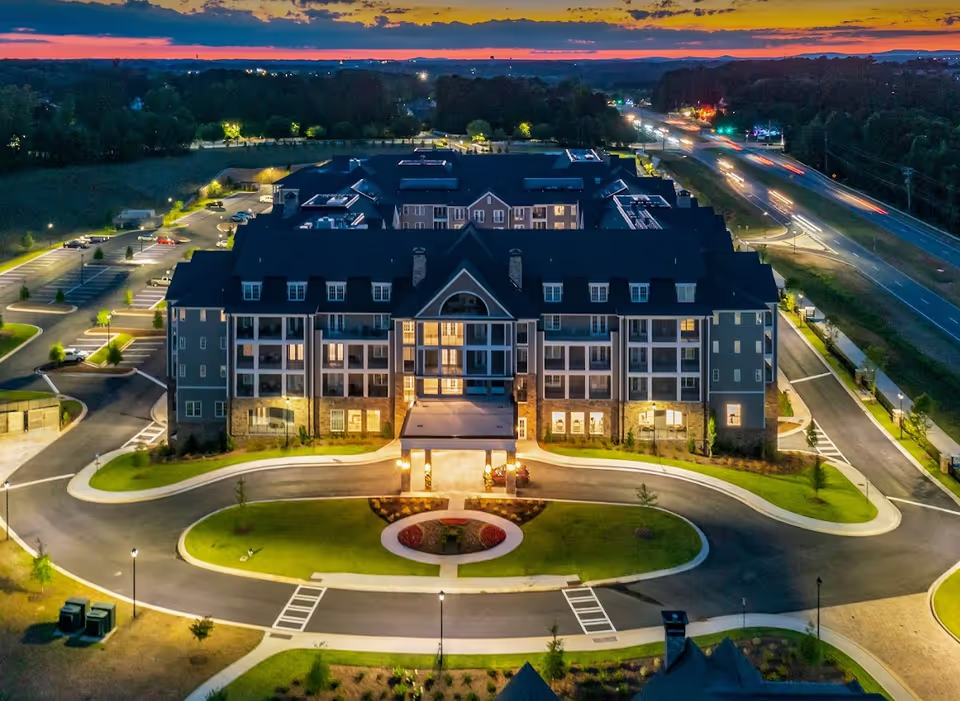
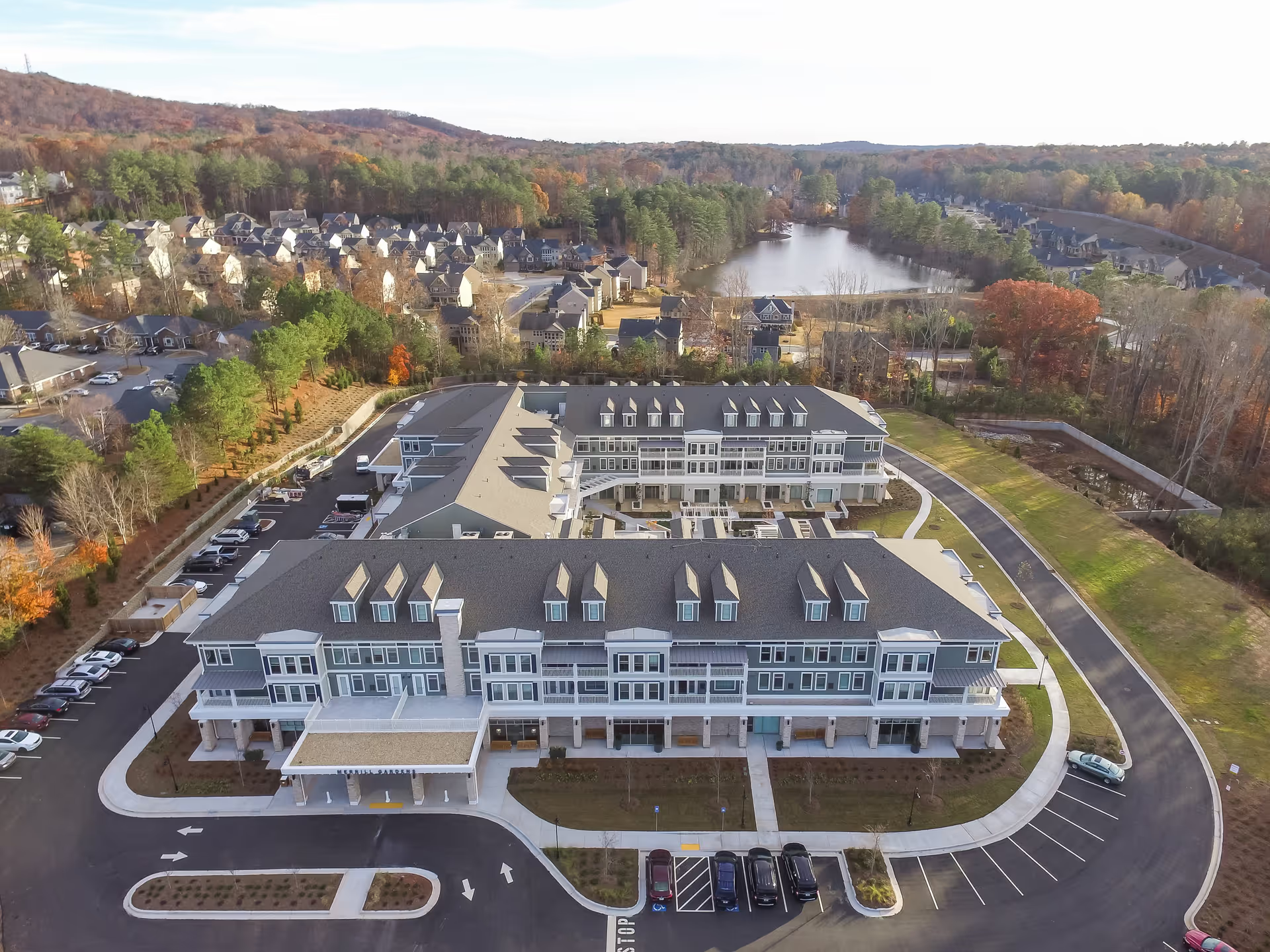
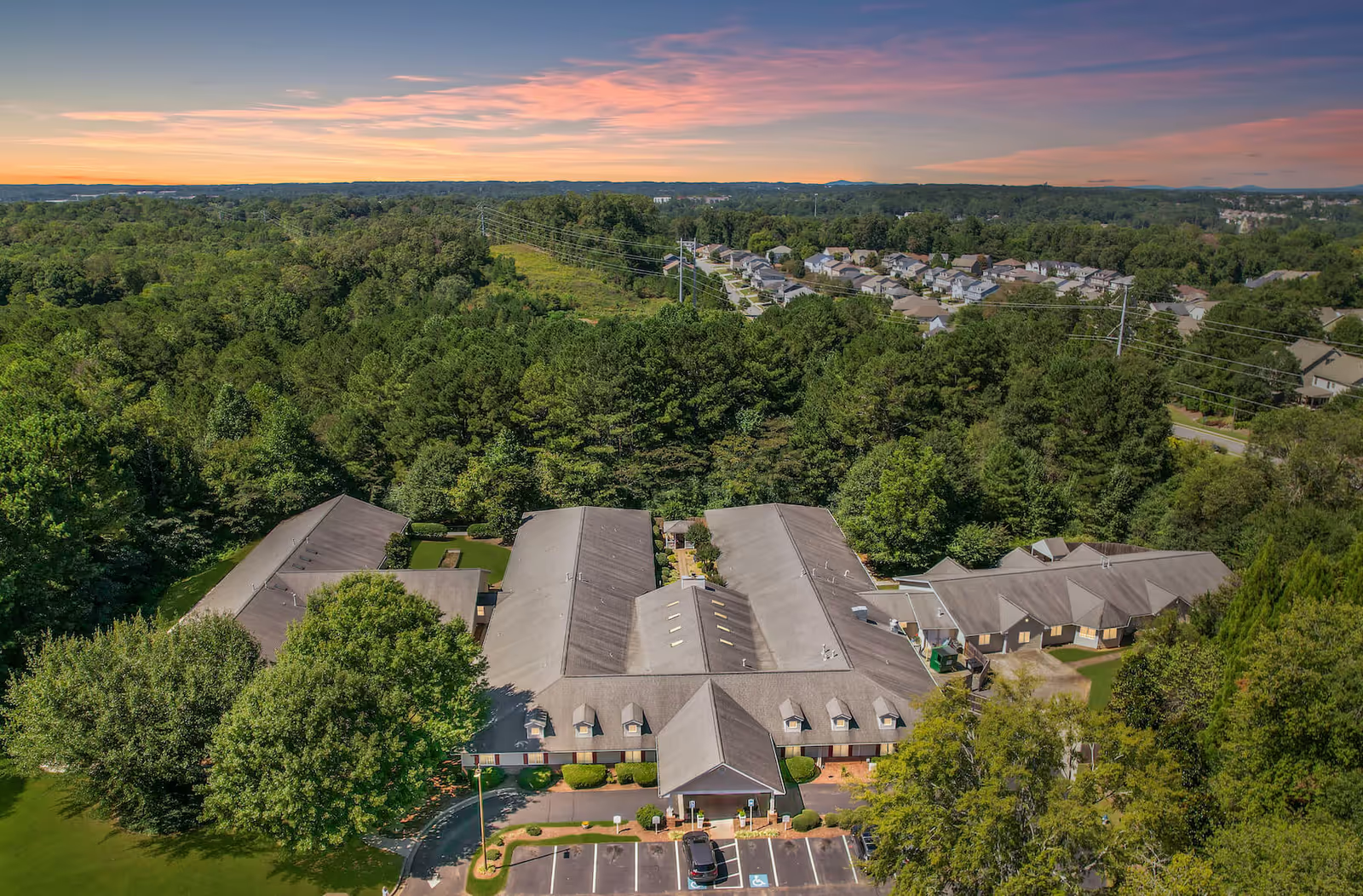
Overall impression: The facility presents as a small, home-like community with a strong emphasis on social engagement and person-centered routines. Many families and residents praise the warm caregiving culture, an active activities program (frequently highlighted by an energetic activities director), and a kitchen that prepares scratch-made meals. On-site supports such as nursing staff, med-techs, a memory-care (Legacy) unit, transportation to appointments and outings, and an on-site salon contribute to a comprehensive assisted-living offering that some find good value compared with higher-priced alternatives.
Care and staff: Caregiving staff are commonly described as compassionate and patient; staff members and nurses receive positive mention for hands-on assistance and family updates. At the same time, reviewers identify operational weaknesses that affect care consistency: staffing turnover and periodic shortages, variable training for higher-acuity needs, and intermittent delays or gaps in medication administration and documentation. A number of families valued the facility’s hospice support and noted occasions when staff provided attentive end-of-life presence, while others expressed concern about clinical follow-up and the facility’s ability to manage progressive clinical complexity.
Dining and activities: The dining program is a clear strength for many residents—fresh, scratch-made meals, a visible culinary presence in the dining room, and regular social dining were repeatedly praised. The activities program is another standout, with a full calendar (bingo, chair exercise, music, outings, happy hour and crafts) and active efforts to keep residents engaged. That said, several accounts mention inconsistent meal-service continuity or variability in food quality and presentation at times; some families also noted temporary service compromises linked to short staffing.
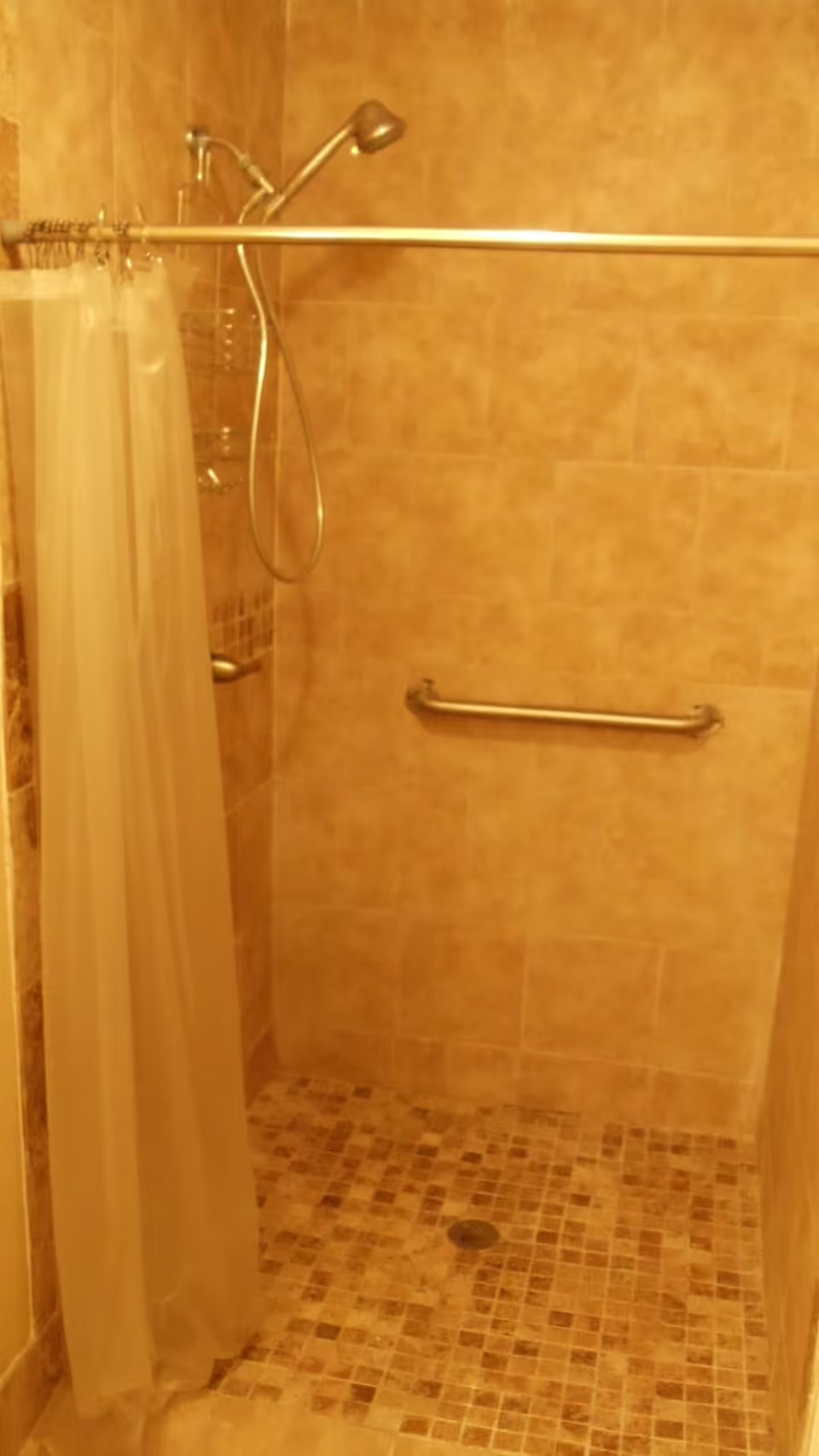
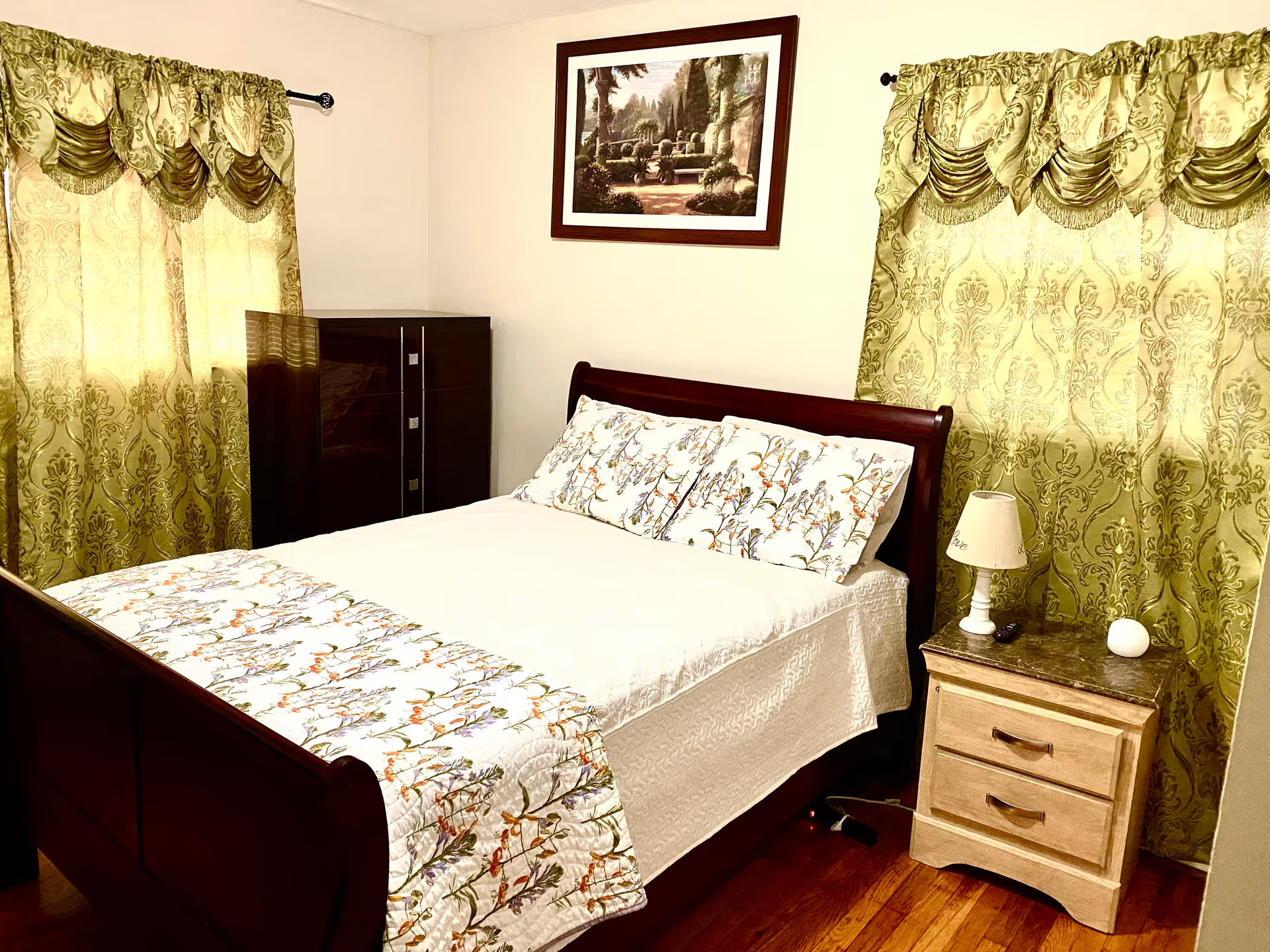
Facilities and accessibility: The community’s interior spaces and dining areas are generally described as well-kept and home-like, with some units offering private balconies and good closet space. However, standard studio apartments are often described as small with limited storage, and there are recurring accessibility concerns—bathroom fixture heights, grab-bar placement, and thresholds that may not suit all wheelchair users. Sanitation and housekeeping inconsistencies, occasional odor concerns, and isolated pest-control issues have also been mentioned and may warrant inspection during tours.
Management and operations: Management changes have produced mixed results. Some families credit recent leadership with aesthetic and operational improvements; others describe communication shortfalls, billing and contract clarity problems, and operational disruption during transitions. Administrative responsiveness and clarity around contracts, invoices, and levels-of-care fees are common areas of frustration. Security and inventory-control weaknesses, including allegations of missing personal items, have been raised and suggest the need for stronger property-management controls and transparent incident processes.
Notable patterns and decision guidance: Prospective residents and families are likely to find a warm social environment, a robust activities program, and a kitchen-focused dining experience at this facility. Those priorities—along with on-site nursing and memory-care availability—are definite strengths. Conversely, families requiring consistently high clinical oversight, larger living spaces, strong accessibility features, or ironclad administrative processes should carefully evaluate documented care practices, medication procedures, contract terms, and recent staffing stability. A focused tour that inspects sample units for size and accessibility, a meeting with nursing leadership about medication protocols, and a clear review of the contract and billing practices are recommended before making a placement decision.