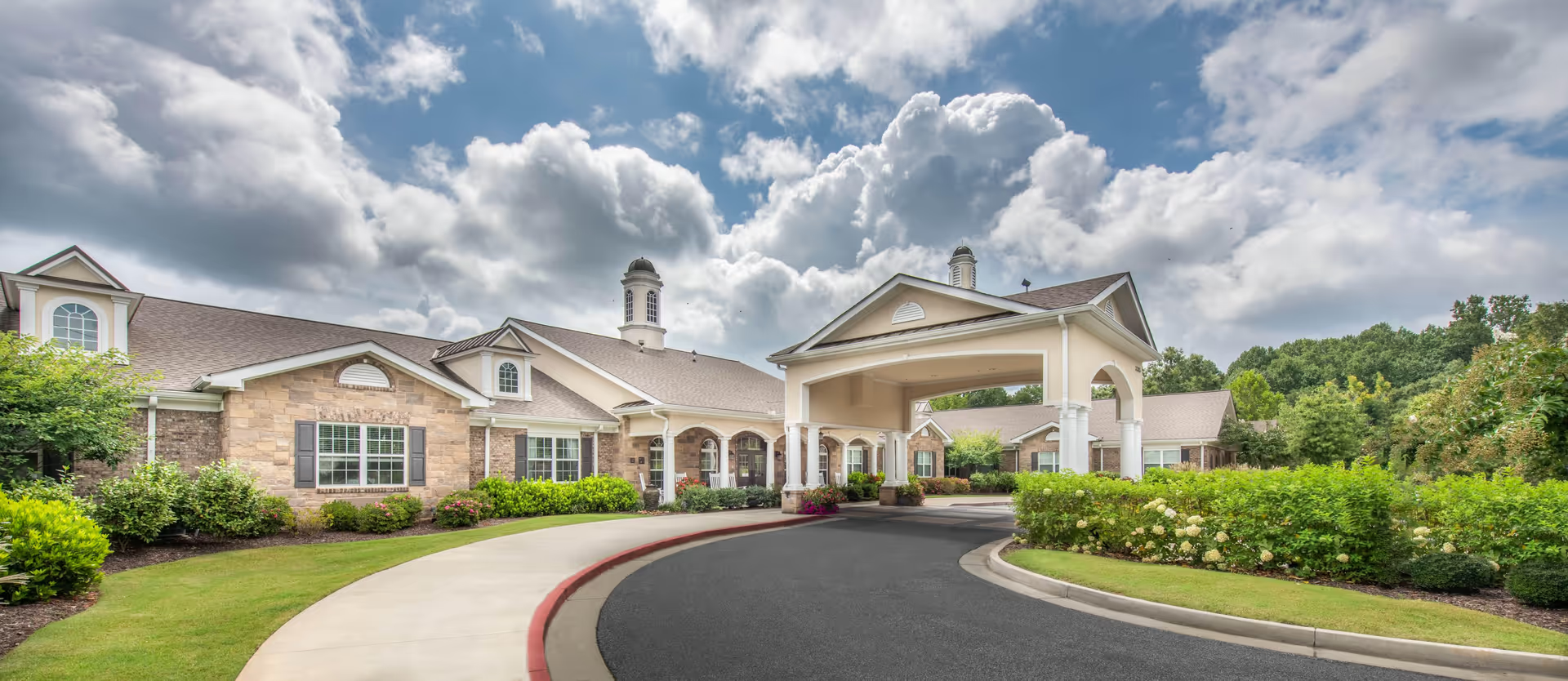
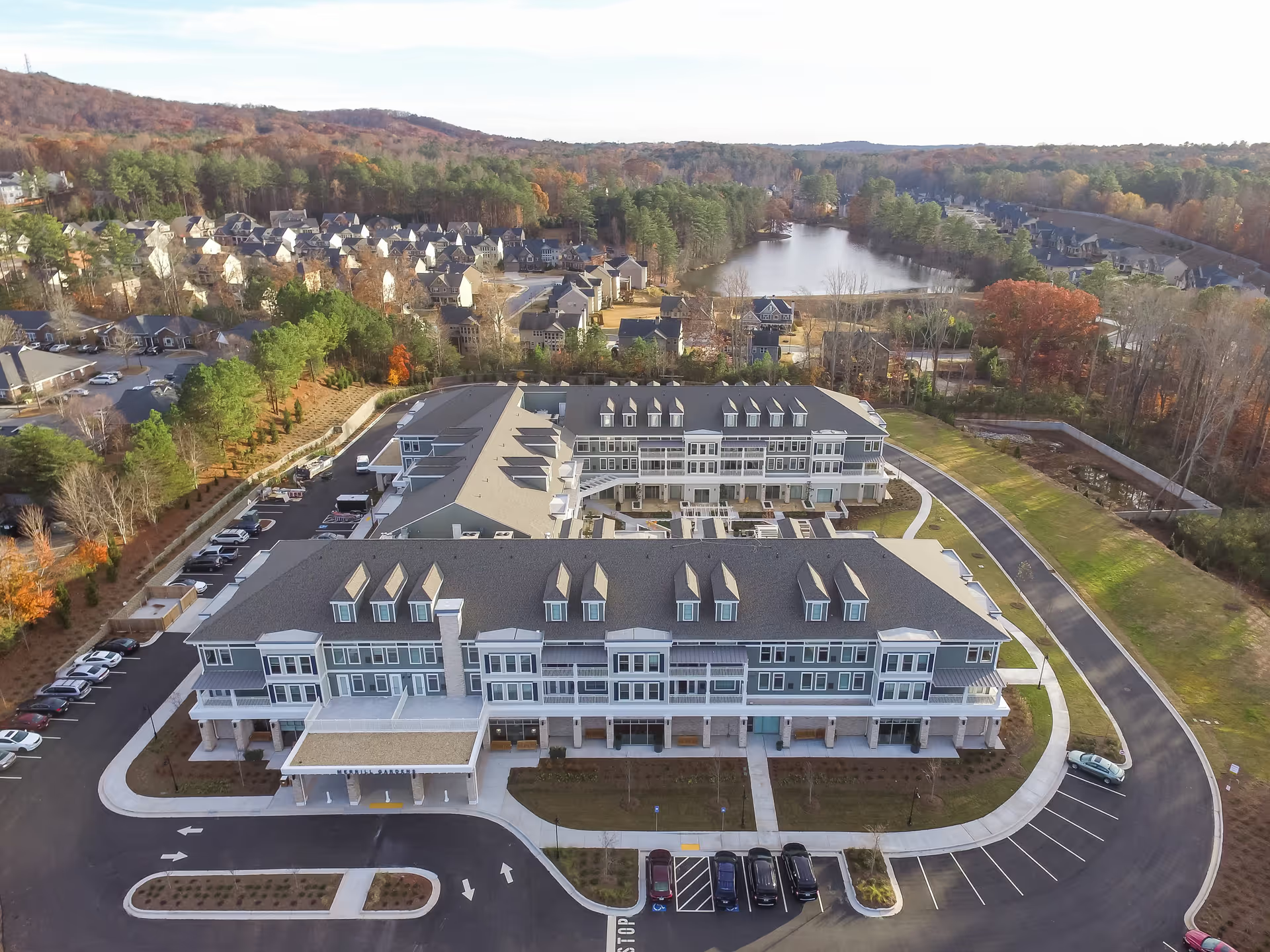
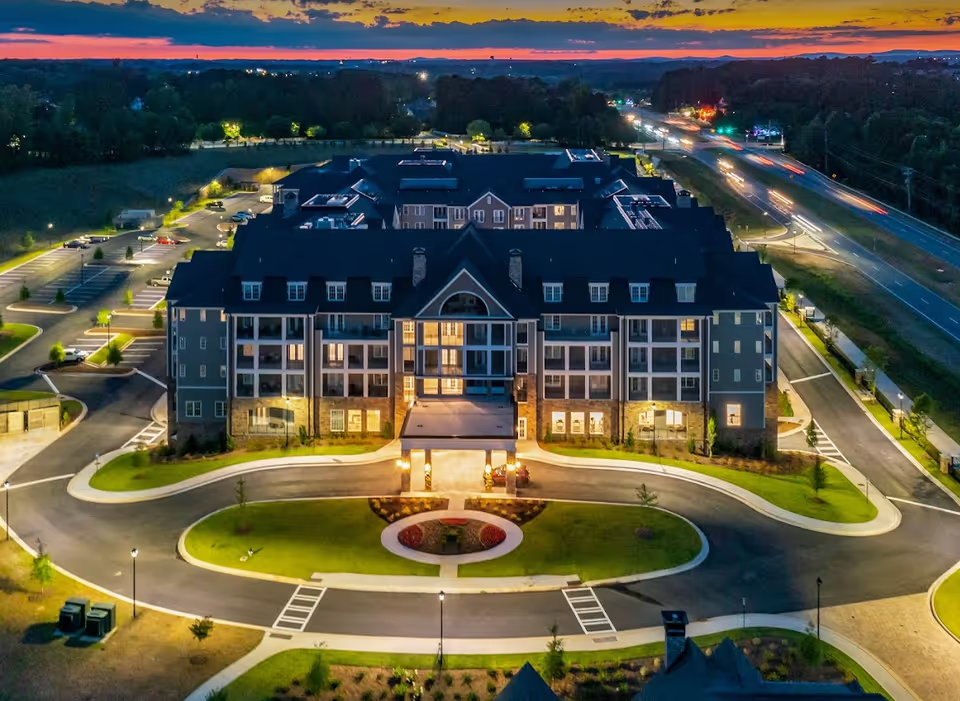
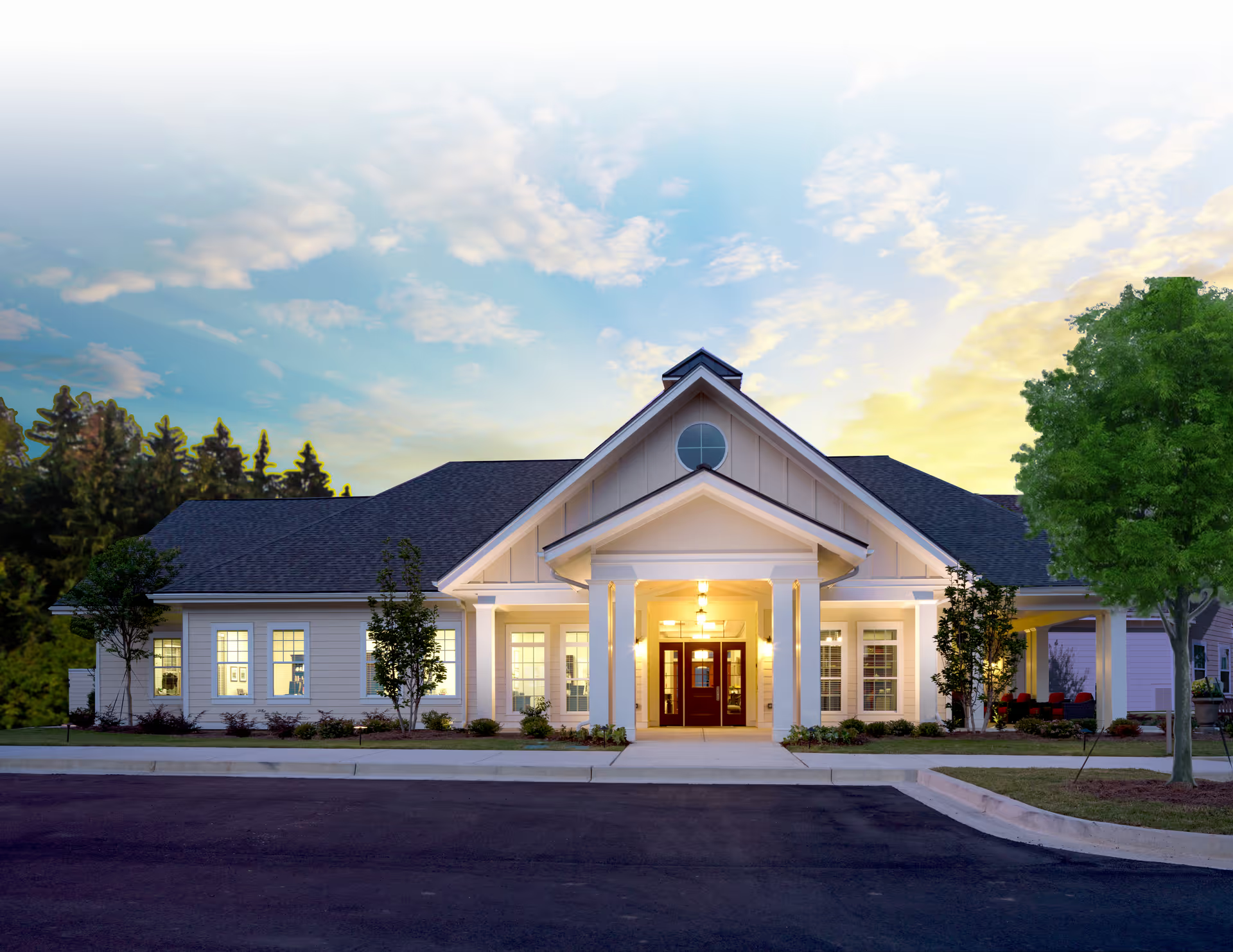
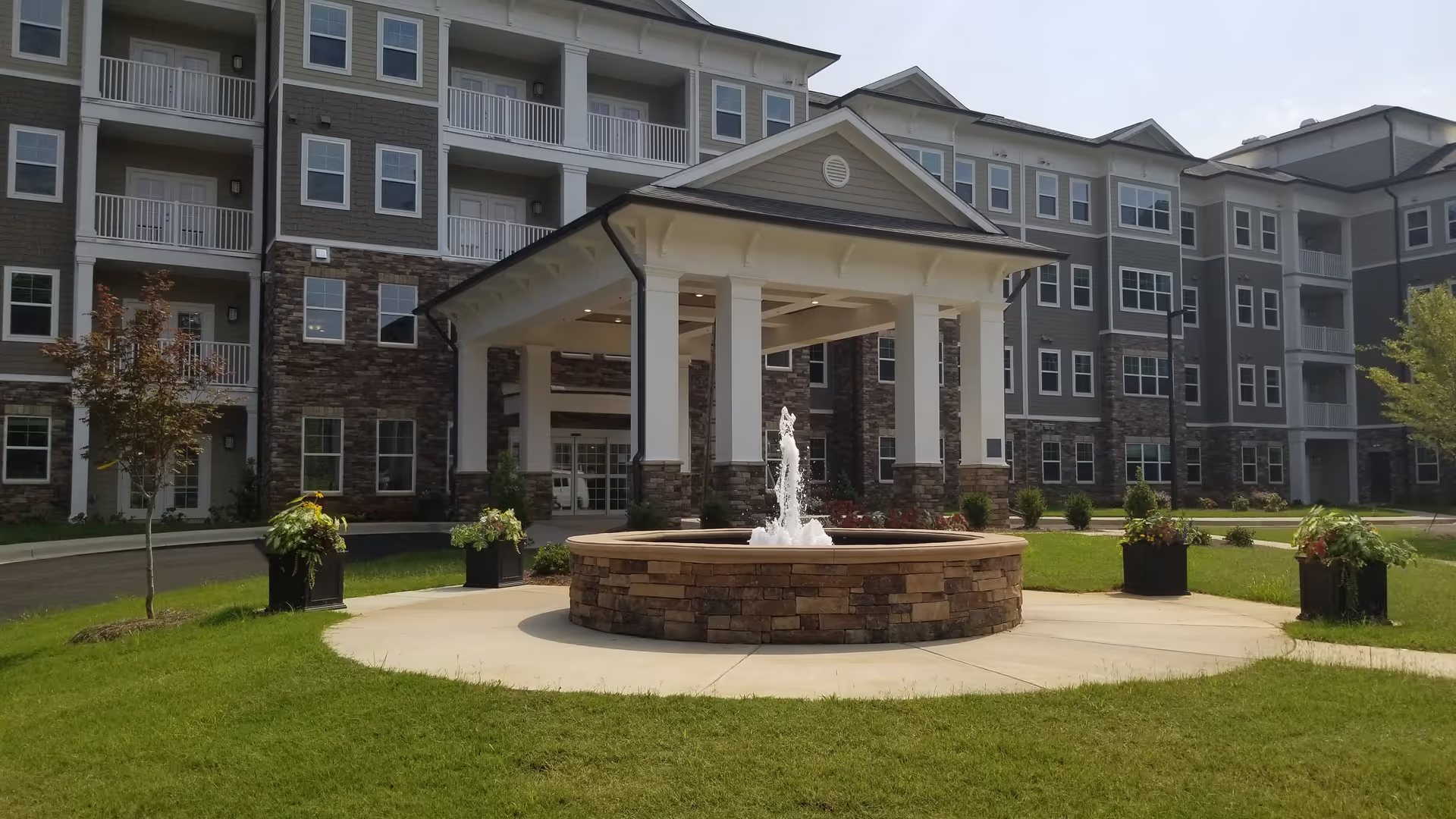
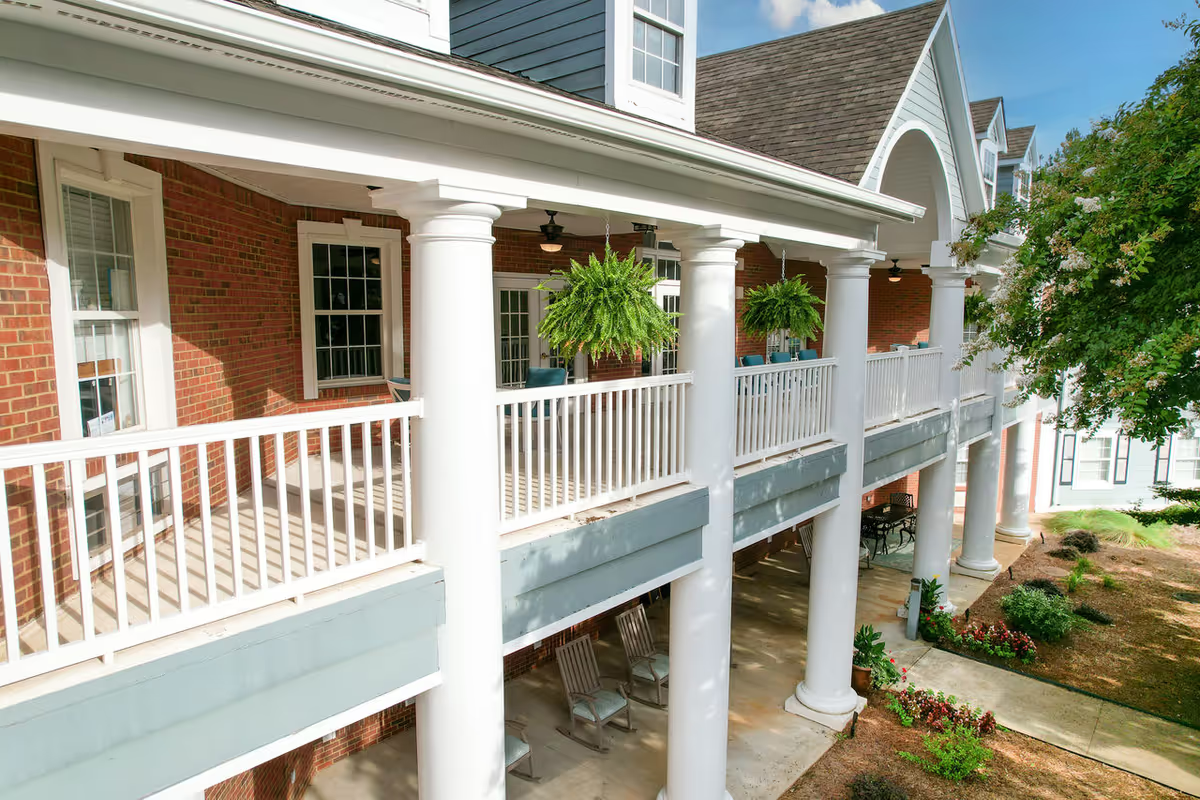
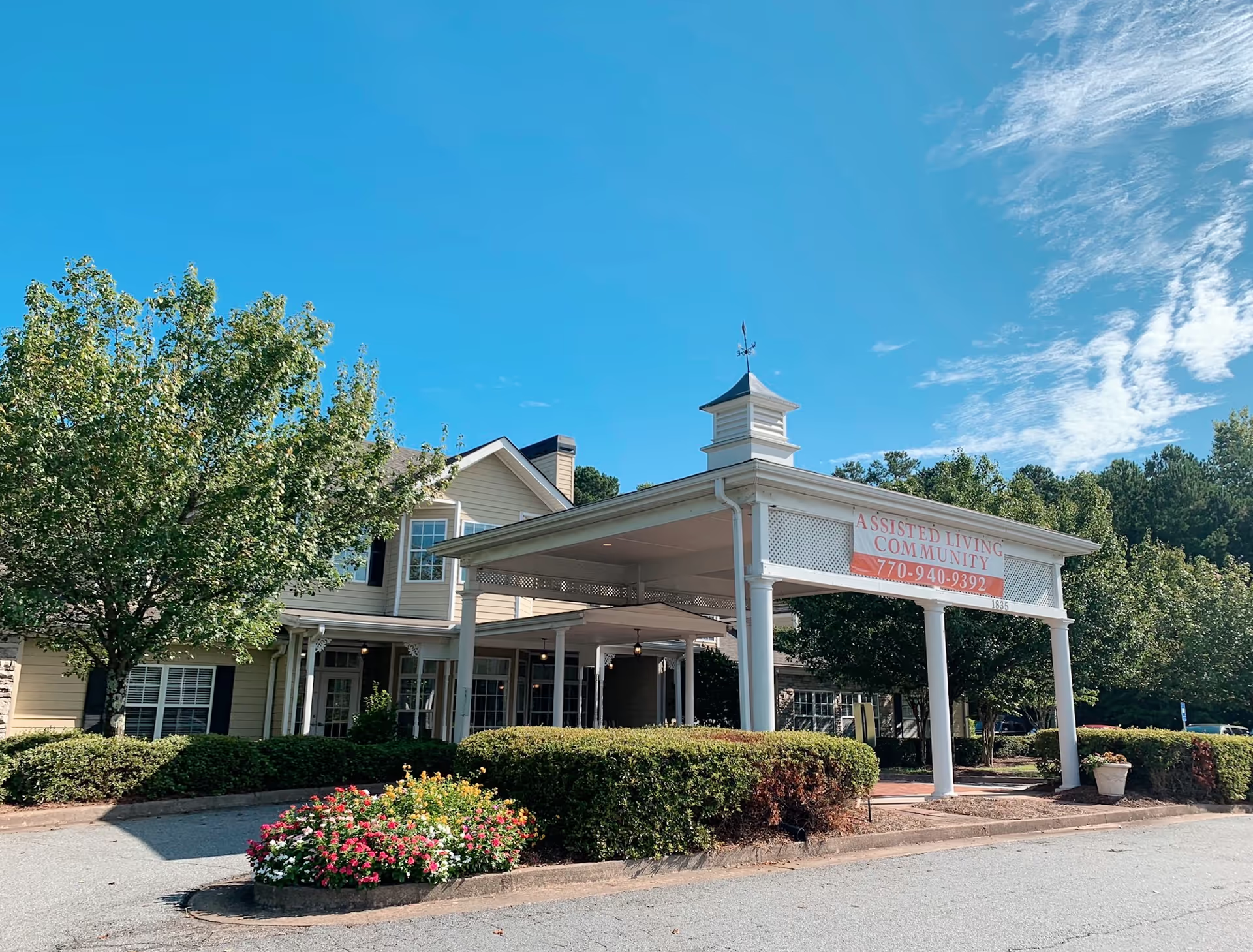
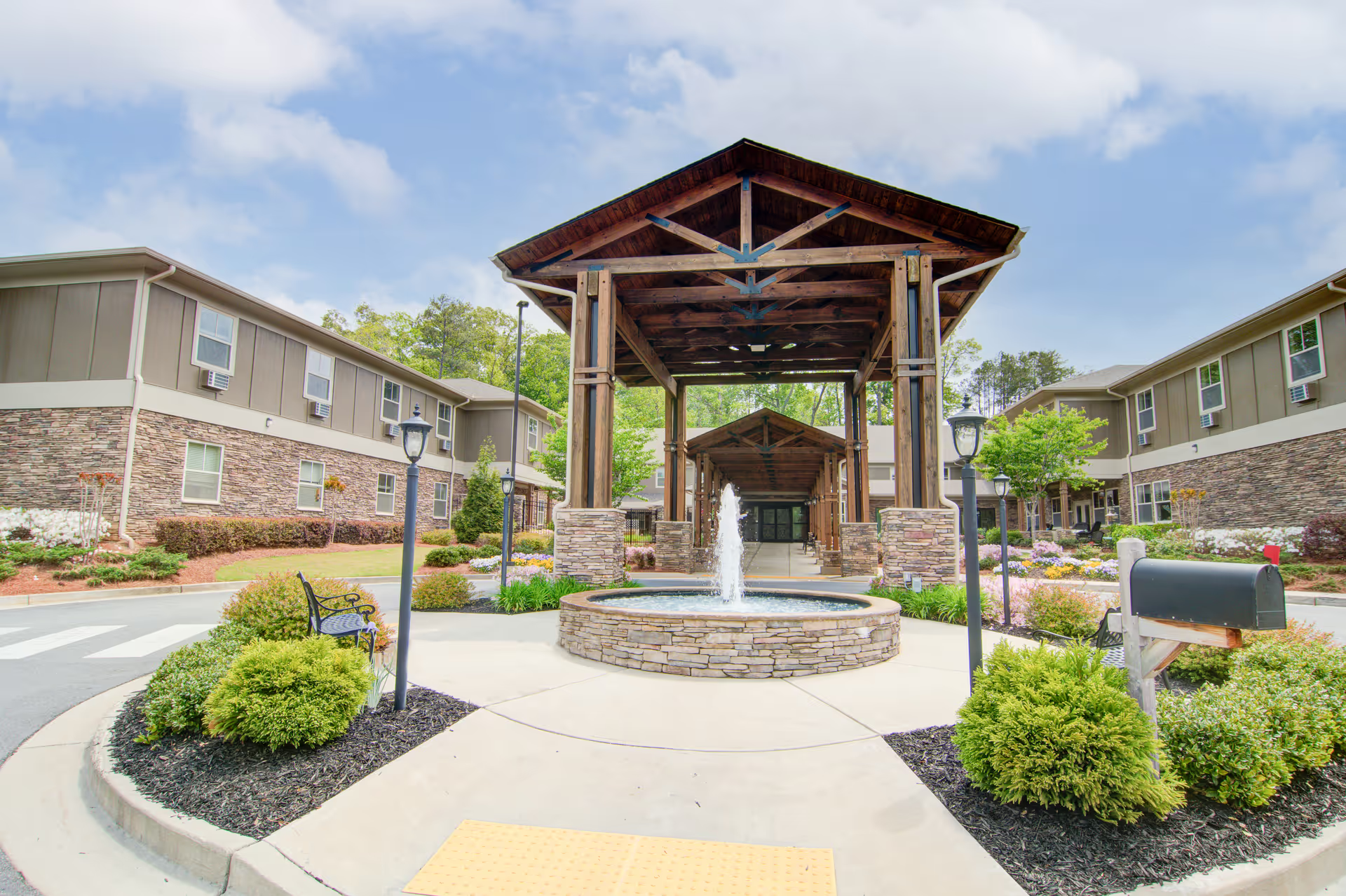
Reviewer feedback paints a mixed but informative picture of Bellevue Village at Neese Road. Many families and residents praise the caregiving culture: staff are frequently described as compassionate, respectful, and welcoming, and multiple accounts highlight a family-like atmosphere that contributes to resident comfort and social engagement. The community’s physical environment is commonly viewed positively — recent renovations, bright open spaces, a one-level layout, and a secure fenced courtyard are cited as strengths. On-site services such as a podiatrist, pharmacy access, physician visits, a hair salon, and an accessible concierge or nursing presence add practical convenience for families.
Care quality is a focal area of divergence. Positive narratives emphasize attentive, empathetic staff who provide meaningful day-to-day support and clear communication during transitions. At the same time, there are recurring operational concerns related to clinical processes: inconsistent medication administration, delays in dosing, and other medication-management lapses were described in several accounts. These issues were raised strongly enough to be considered an important pattern for prospective families to evaluate during tours and care-planning discussions.
Staffing and staff conduct are another area with mixed impressions. Many reviewers commend long-tenured, hardworking staff and call out individuals by name for excellent support. Conversely, comments also note frequent turnover, variable morale, and uneven behavior across shifts (including less-responsive night or after-hours coverage). These variances appear to affect responsiveness to family inquiries, timeliness of assistance, and the consistency of resident routines such as bathing or shower scheduling.
Dining and activities receive generally favorable comments, but with notable variability. Numerous visitors and residents praise the menus, social dining spaces, and certain special offerings (ice cream, weekly specials, and improved menus under new chefs). Others describe inconsistent meal quality, service that sometimes feels rushed, and occasions where food preparation did not meet expectations. Activity programming is often robust in assisted-living areas, with outings, games, and events that foster social connection; however, memory-care programming was called out as limited in specific reports, with accounts of insufficient engagement for some residents in that unit.
Facility maintenance and housekeeping are described positively in many accounts — reviewers note attentive maintenance staff, recent updates, and clean communal areas. Simultaneously, some reviews describe uneven housekeeping outcomes at the room level, sticky dining surfaces, carpets needing attention, and pest-control concerns in certain rooms. These inconsistencies suggest that cleanliness standards may vary by shift or unit and are worth clarifying with management during an in-person visit.
Management and administrative practices are an additional area of contrast. Some families praise clear communication, helpful admissions staff, and strong leadership that balances safety and quality of life. Other accounts allege poor responsiveness to concerns, billing or invoicing problems, abrupt policy actions, and the destabilizing effect of ownership or management changes. Prospective residents should ask about current leadership stability, complaint-resolution processes, and typical response times for both administrative and clinical issues.
Overall, Bellevue Village at Neese Road offers many of the features families seek in assisted living — a welcoming staff, updated facilities, on-site clinical resources, and an active social program. However, reviewers indicate operational inconsistencies that can materially affect resident experience: medication-management controls, staffing consistency (especially after hours), room-level sanitation, and memory-care programming merit particular attention. Families touring the community should observe staffing ratios across shifts, review medication-administration protocols, ask for recent inspection or quality-assurance documentation, and look specifically at memory-care activities to determine the best fit for their loved one.