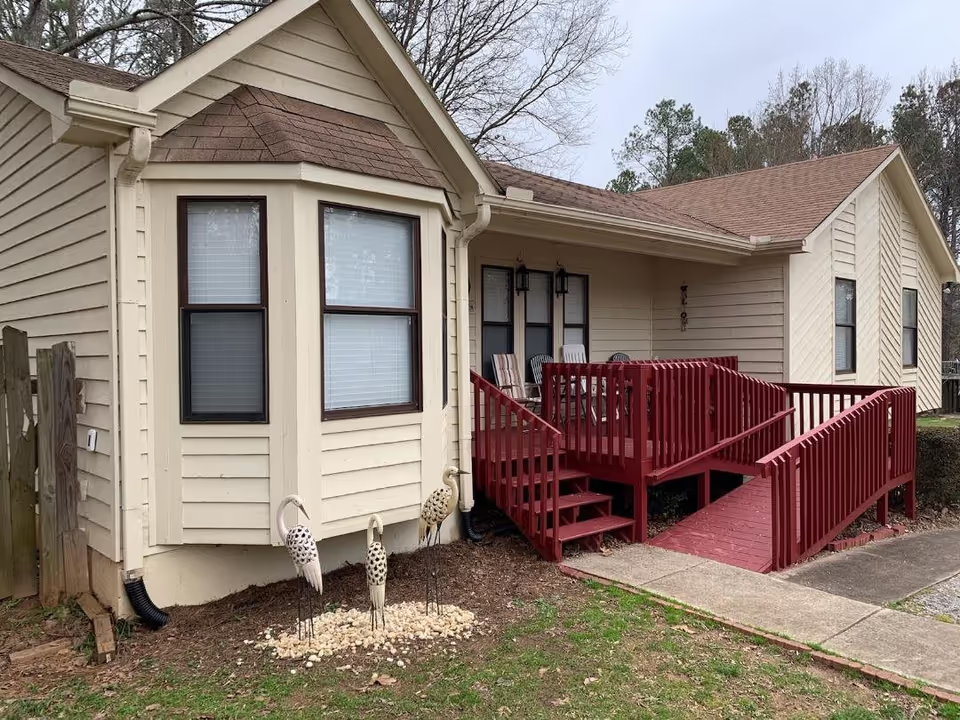
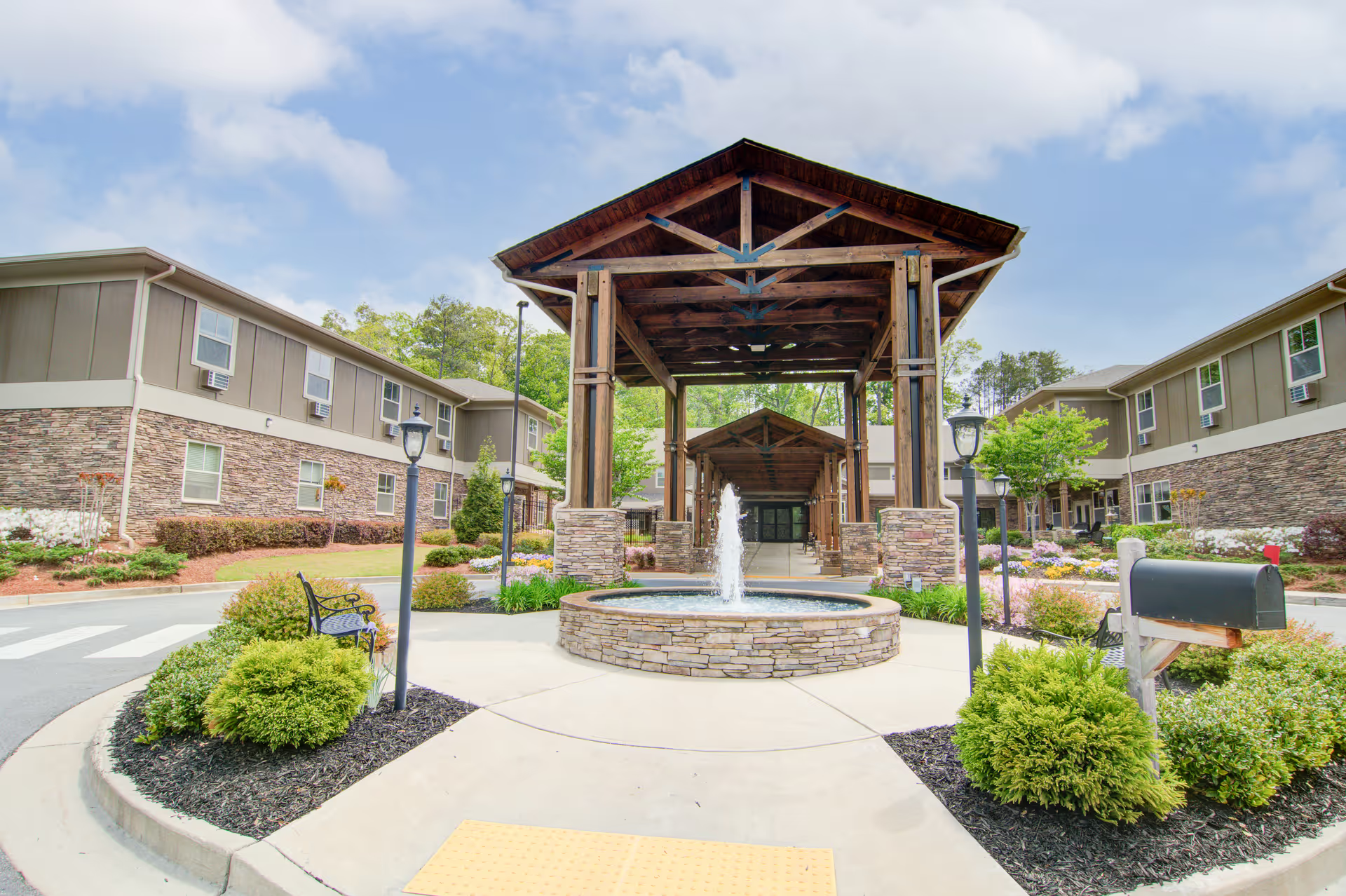
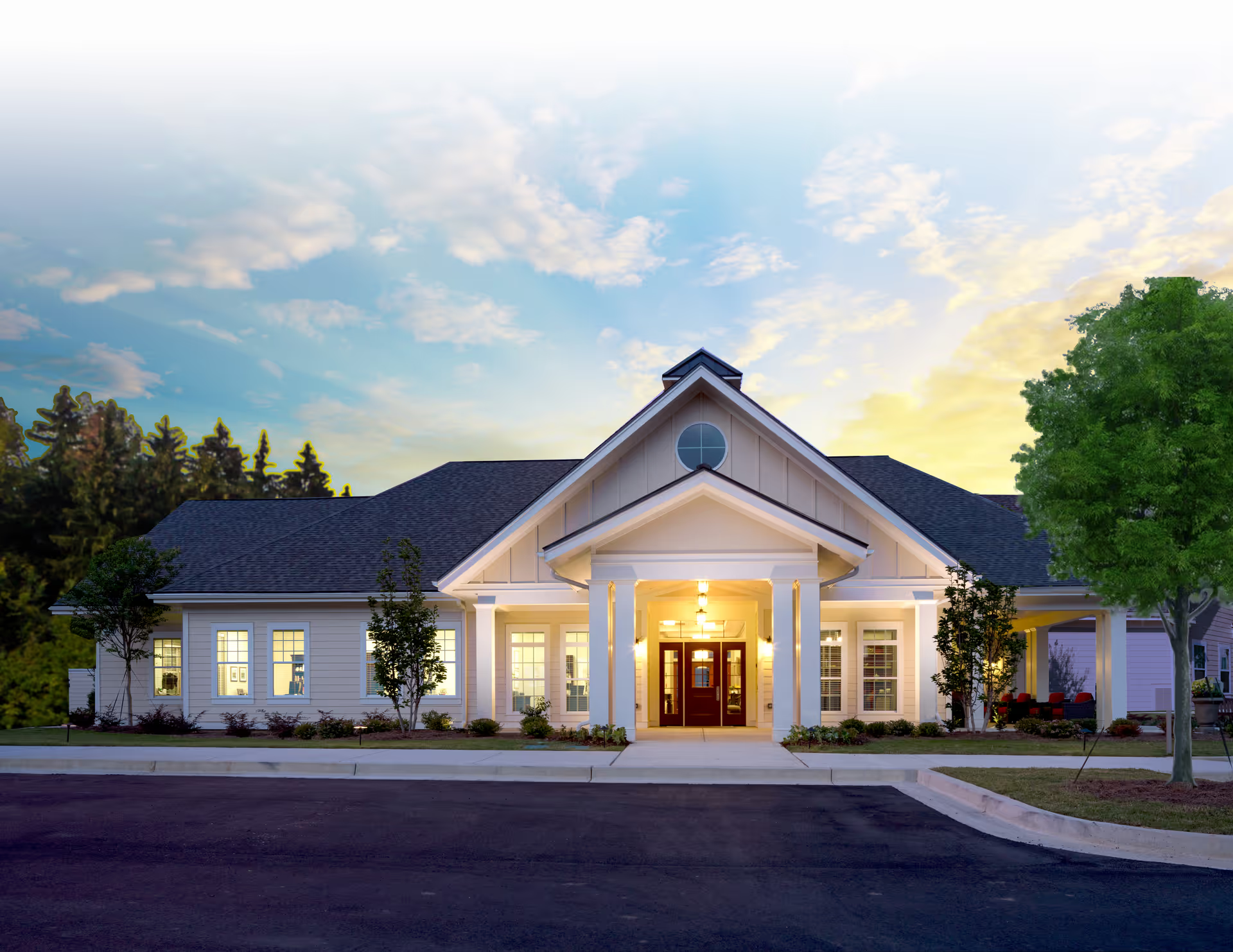
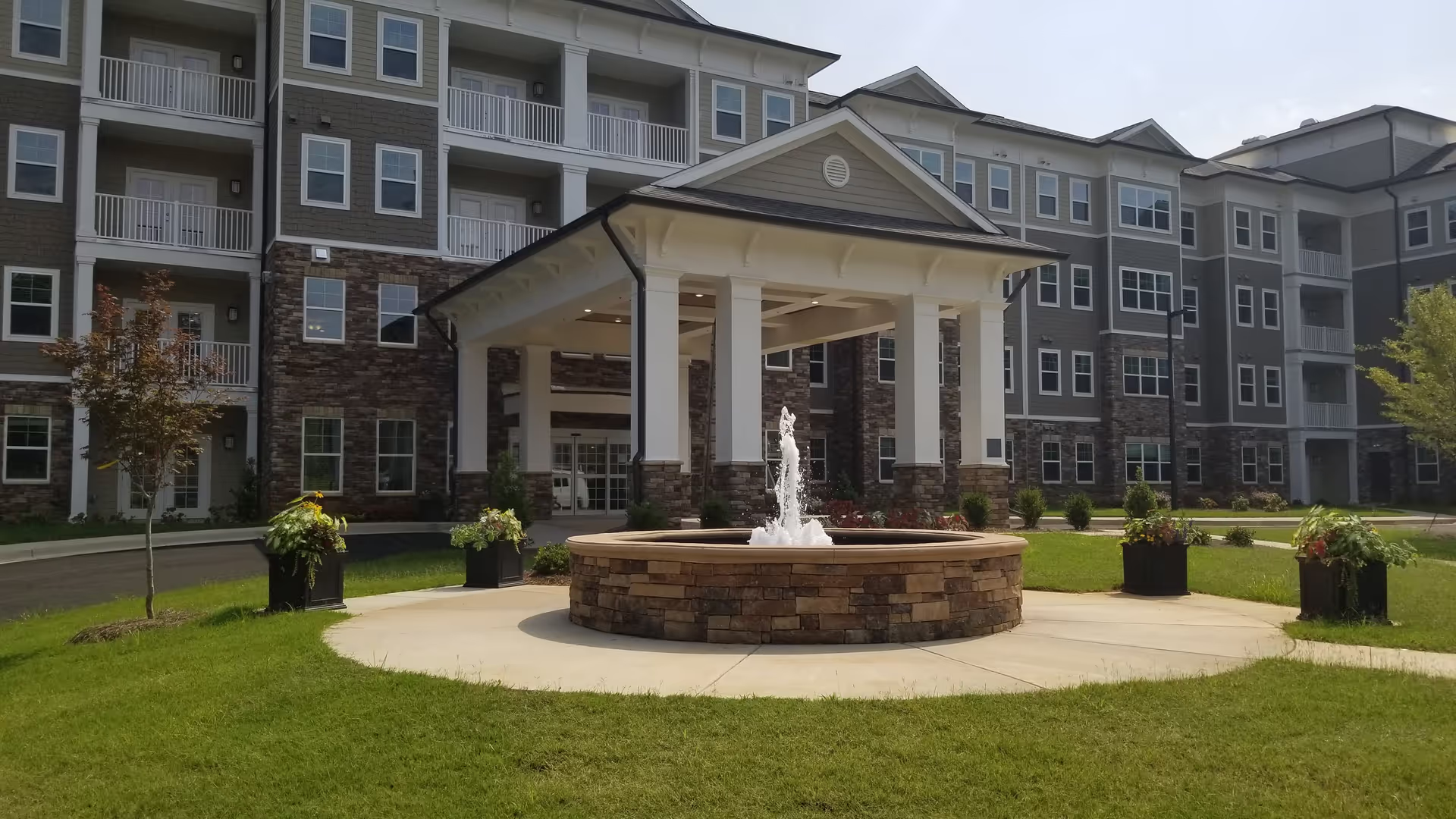
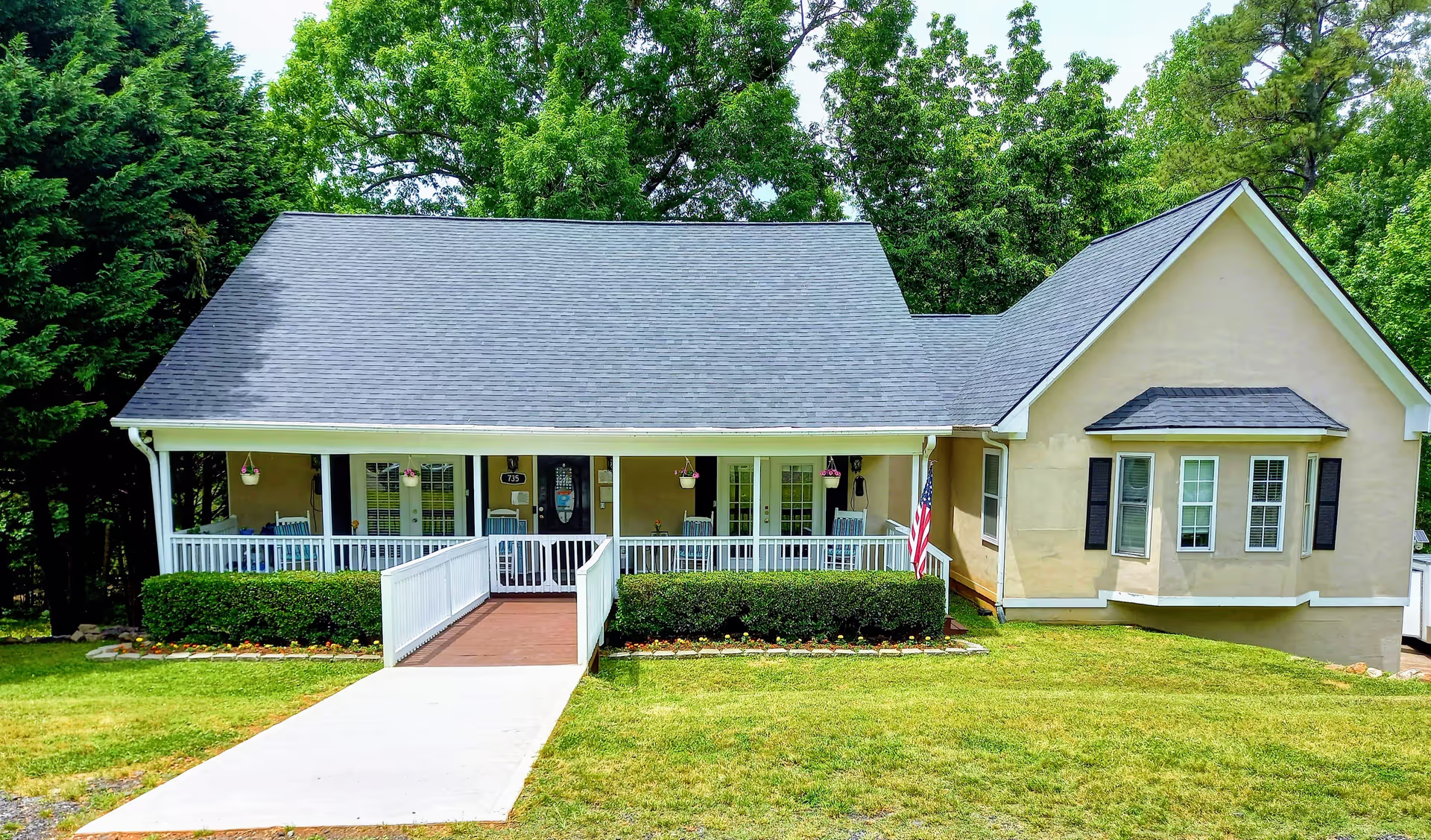
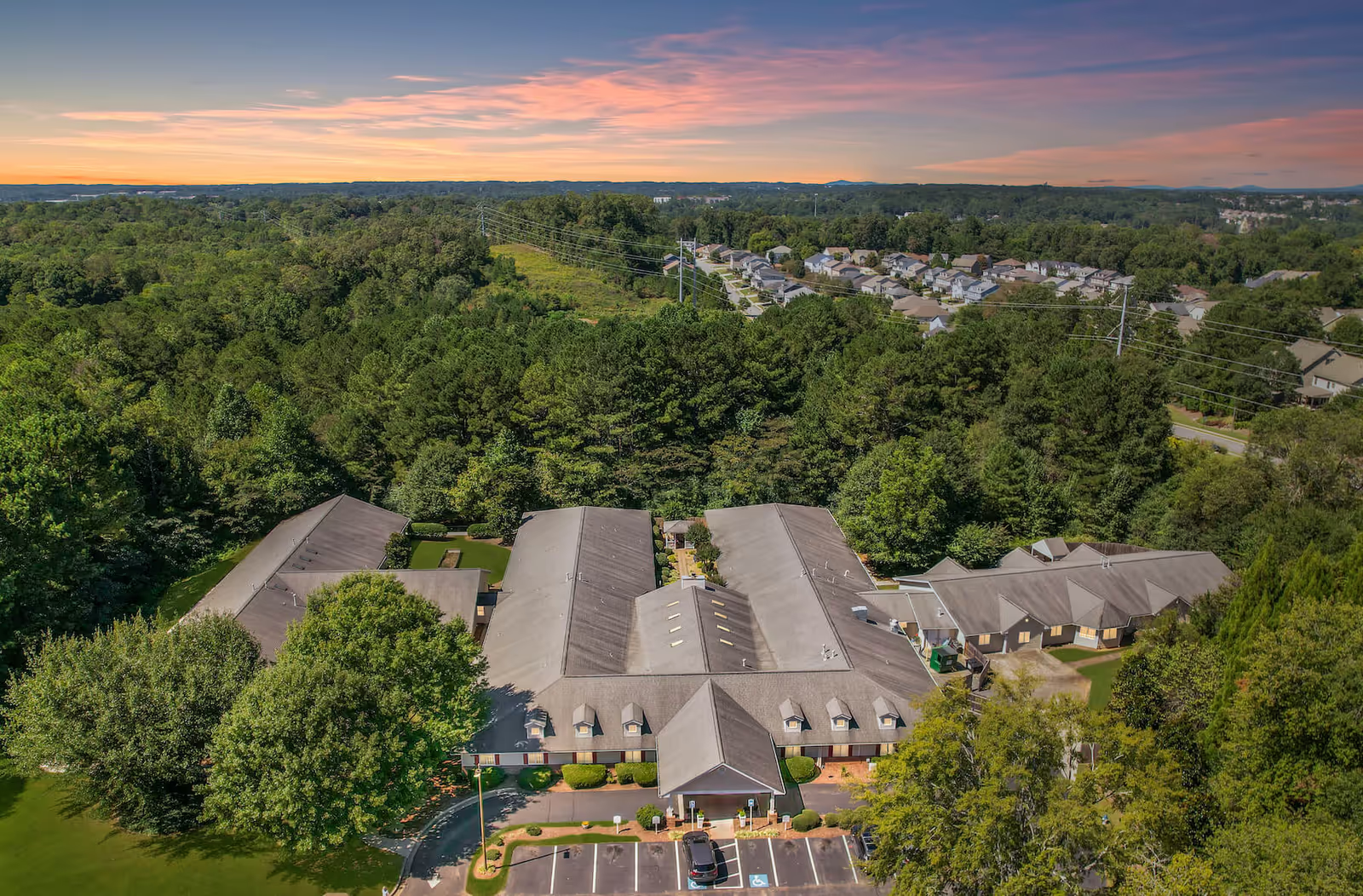
Sunabella of Towne Lake is consistently described as a small, intimate assisted‑living community that emphasizes family‑style care and personalized attention. Many accounts highlight the facility's compact size (roughly 30–40 residents) as a benefit: staff know residents by name, units open onto a central courtyard, and common areas encourage social interaction. The landscaped courtyard, raised beds, screened porches, gazebo and garden features receive repeated praise and are a defining physical asset.
Care quality and staff behavior are recurring strengths. Long‑tenured caregivers, an engaged activities director, and named staff members are frequently credited with compassionate, resident‑centered care. Reviews reference attentive day‑to‑day support (regular two‑hour checks, medication management, and proactive health communication with families) and numerous examples of staff going beyond routine duties to support residents. The small staff‑to‑resident ratio contributes to close relationships and a family‑like atmosphere for many residents and families.
Dining and activities present a mixed picture. The community offers an active calendar—bingo, arts and crafts, wine‑tasting nights, parties, yoga, and offsite outings are all mentioned—and many families report that activity staff tailor programming to resident interests. Dining service in the formal dining room is frequently noted as attentive and well‑presented; however, menu content is described as meat‑heavy, with limited healthy or fruit/vegetable options and some instances of bland or cafeteria‑style offerings. Overall, the social program is a strength while meal variety and nutritional balance are areas where expectations are not consistently met.
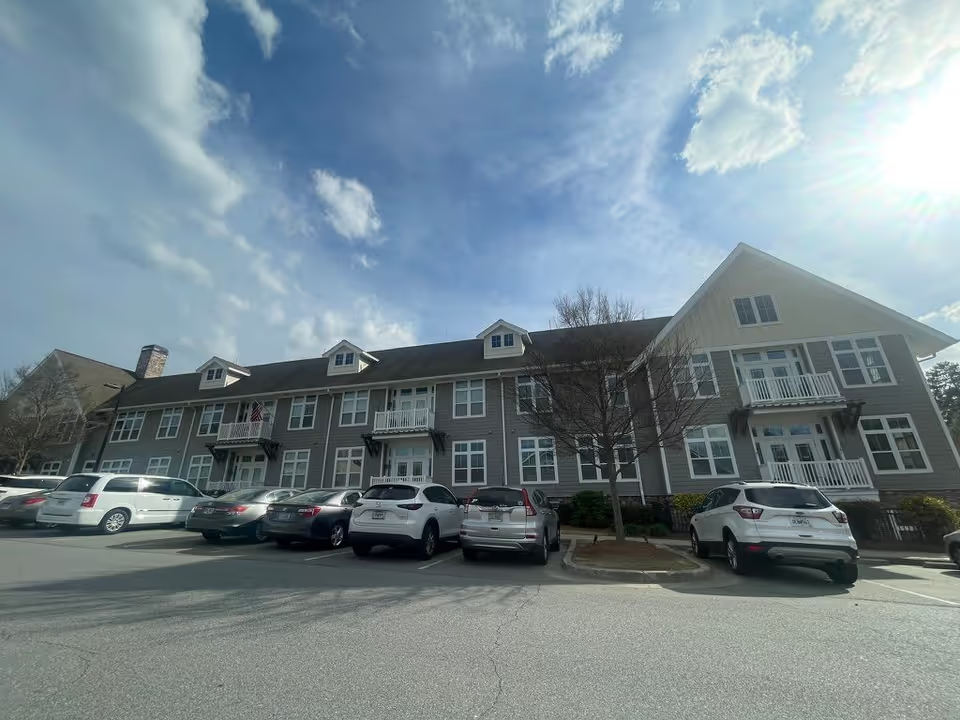
Facilities are attractive in several respects but show operational strain in others. Apartment layouts and private baths are praised for generous square footage and accessibility, and the outdoor spaces are a clear selling point. At the same time, reviewers describe an older building with wear and tear, delayed repairs, and episodic maintenance failures (for example, plumbing damage after a freeze and recurring HVAC problems). Housekeeping quality and interior upkeep are described inconsistently—many observers call the property immaculate and well‑kept, while others cite sanitation and odor concerns in some common areas and the need for more consistent room cleaning.
Management and operations show both strengths and vulnerabilities. Families appreciate responsive frontline staff and pockets of strong leadership, but several reviews raise concerns about administrative responsiveness, billing or refund delays, leadership turnover, and temporary fixes rather than lasting repairs. Staffing shortages are cited intermittently as affecting activity frequency, cleaning schedules, and responsiveness to resident requests. Prospective families should weigh the clear strengths in staff compassion, small‑community culture, and outdoor amenities against these operational variability factors when considering placement.