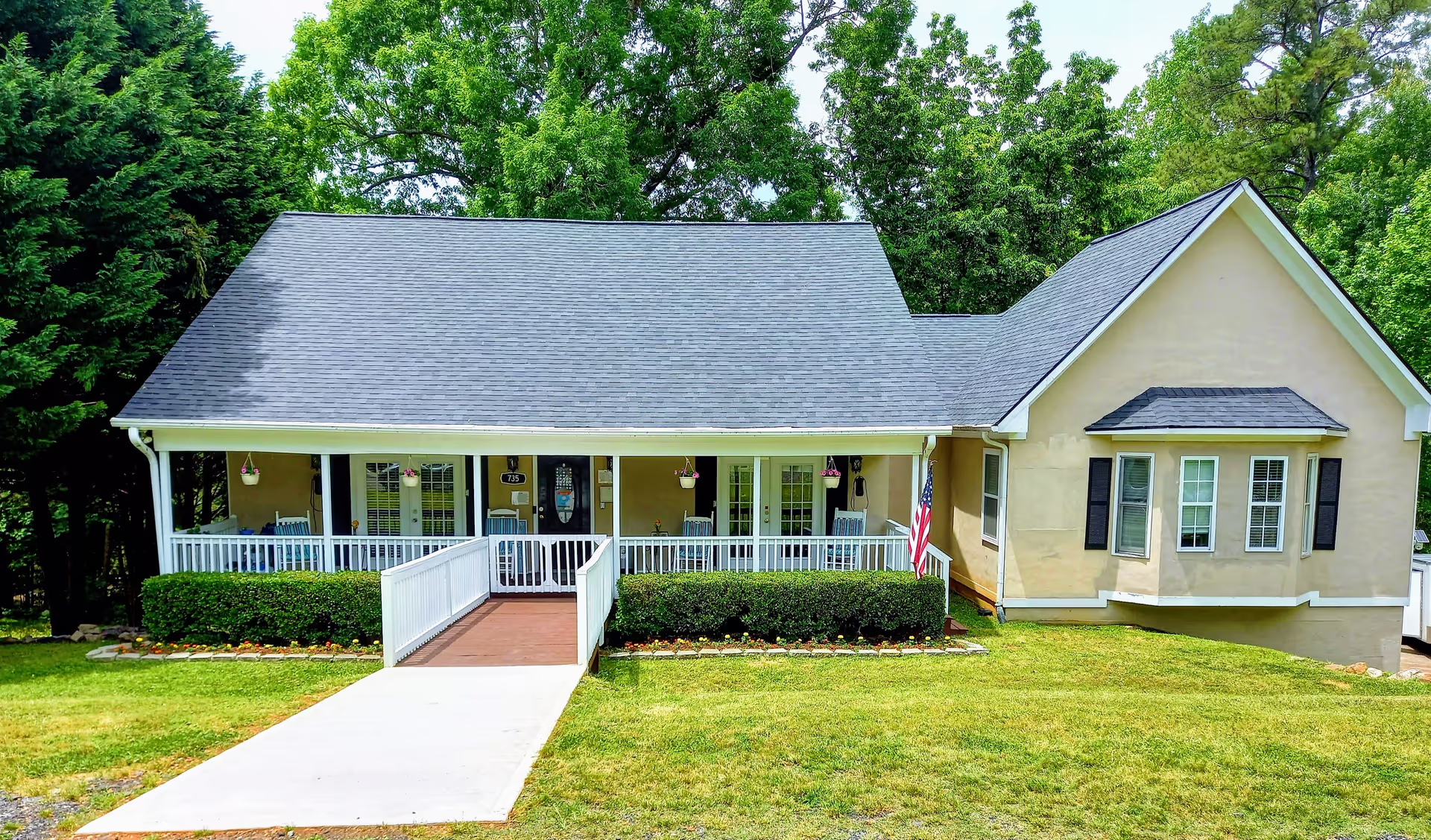
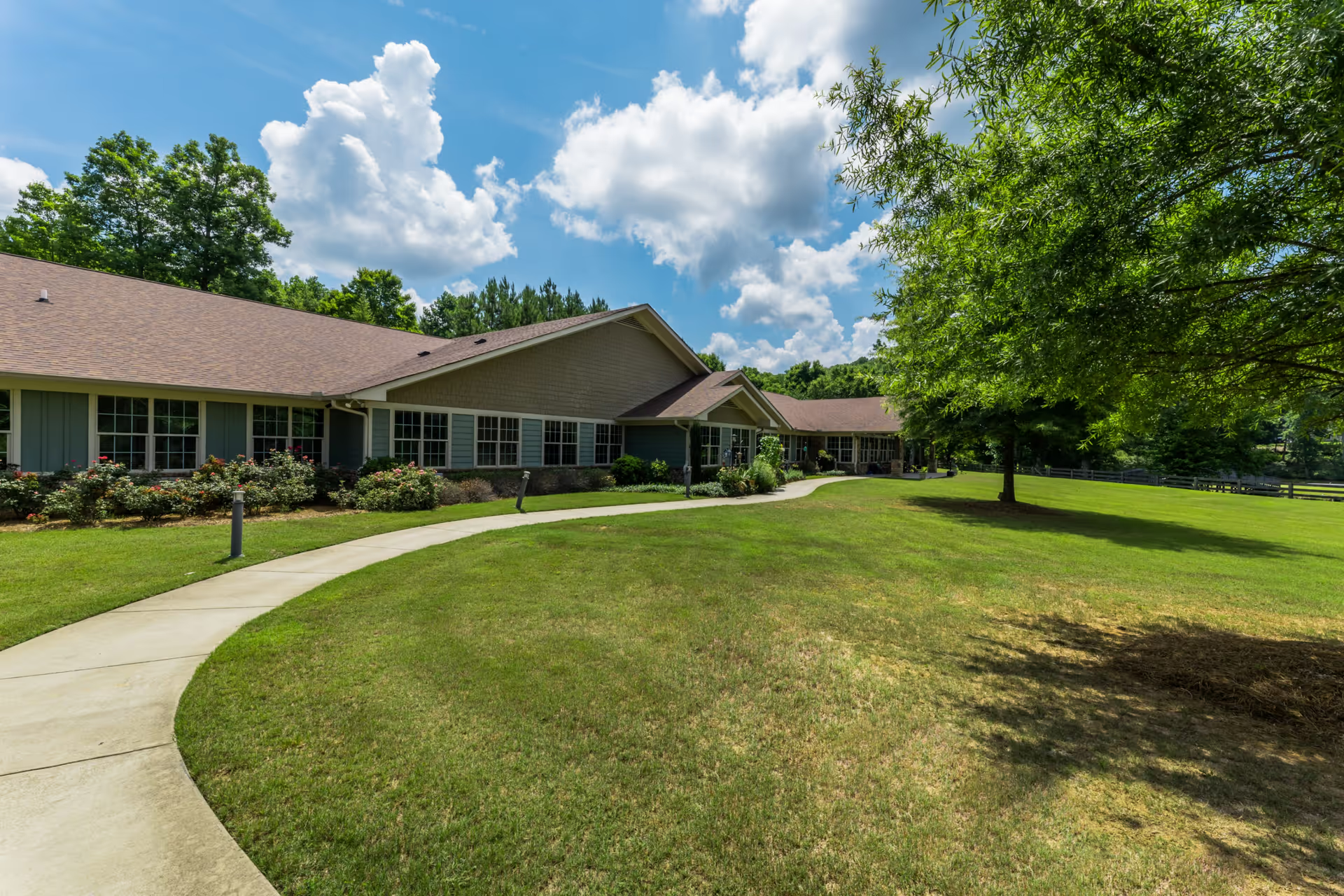
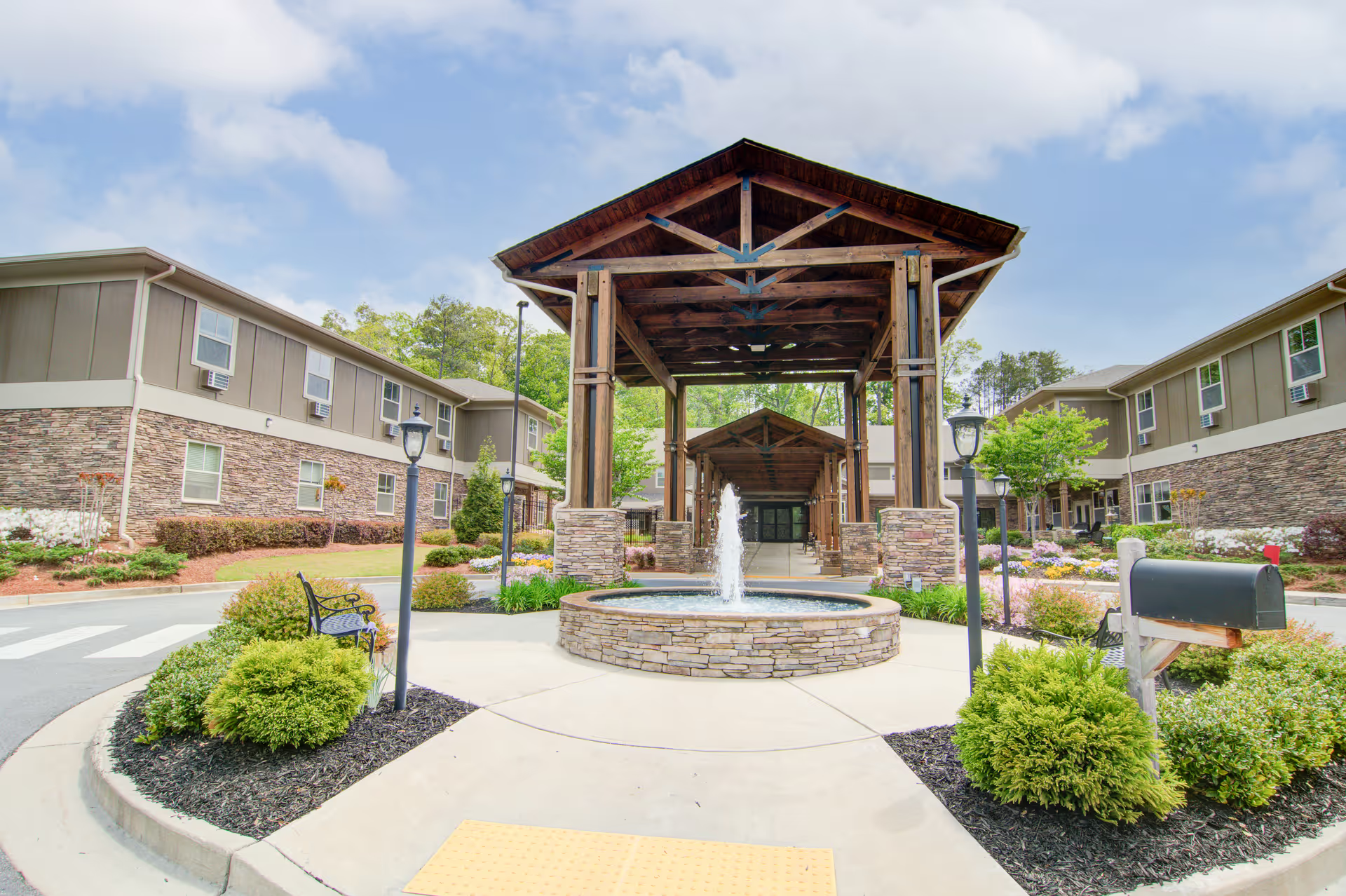
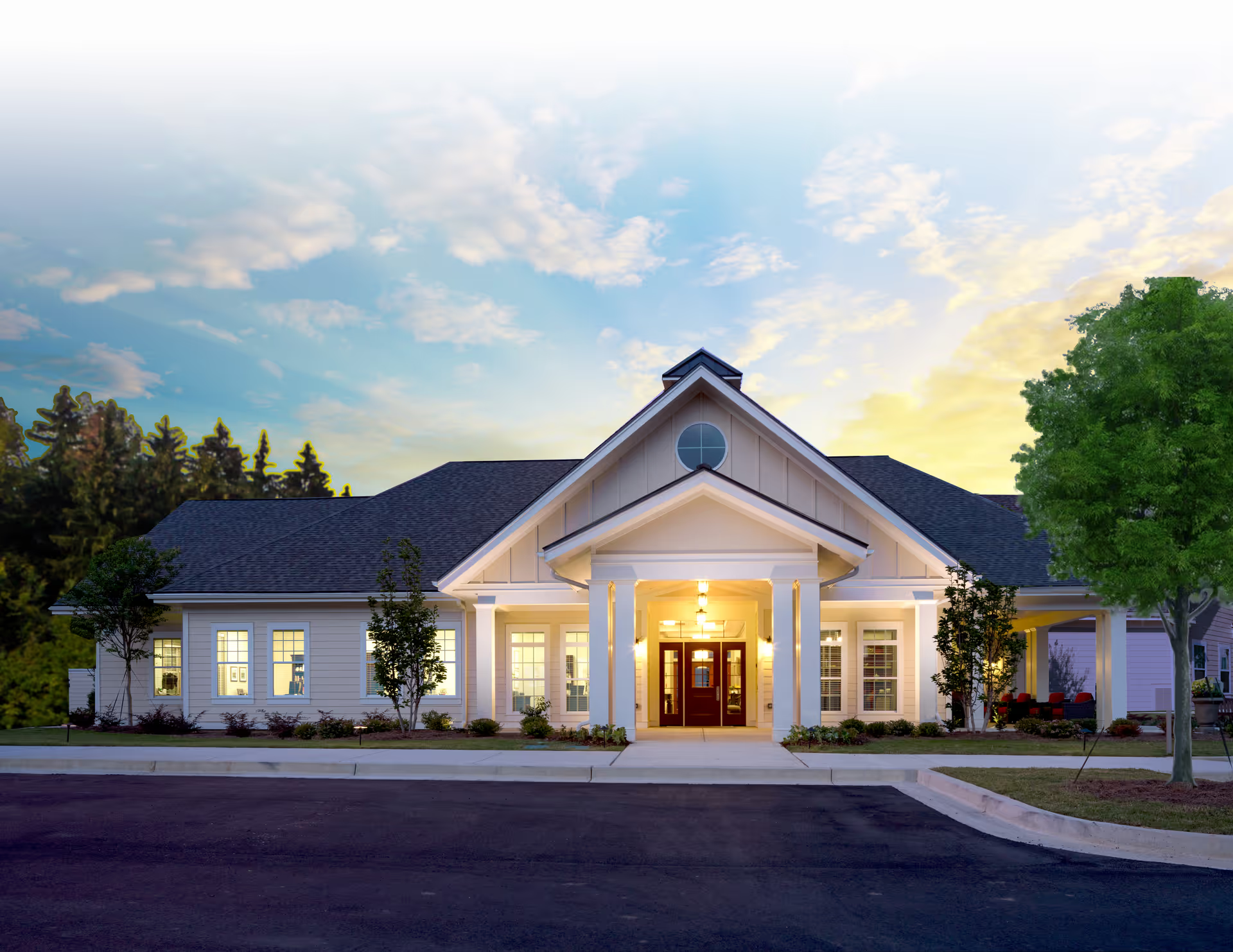
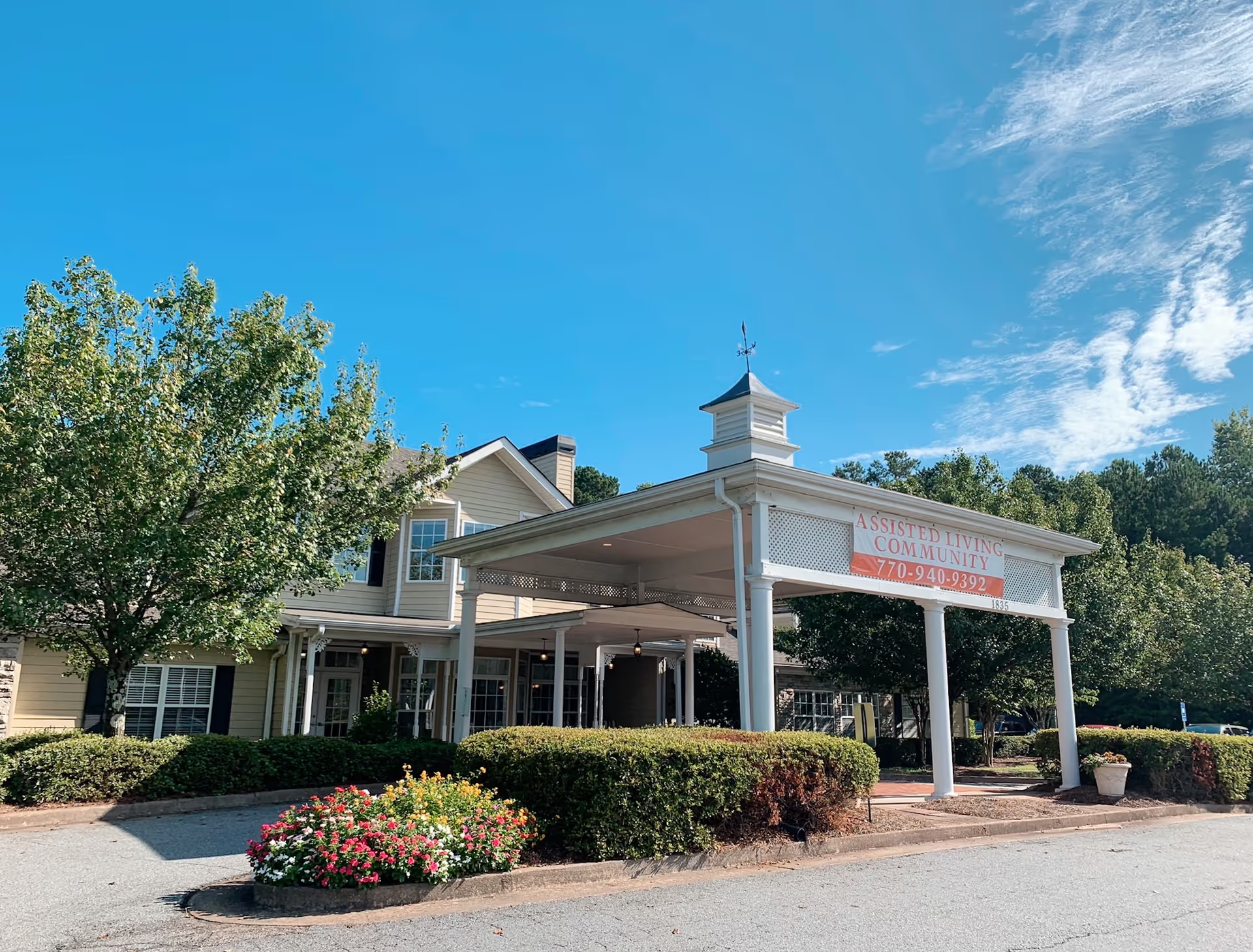
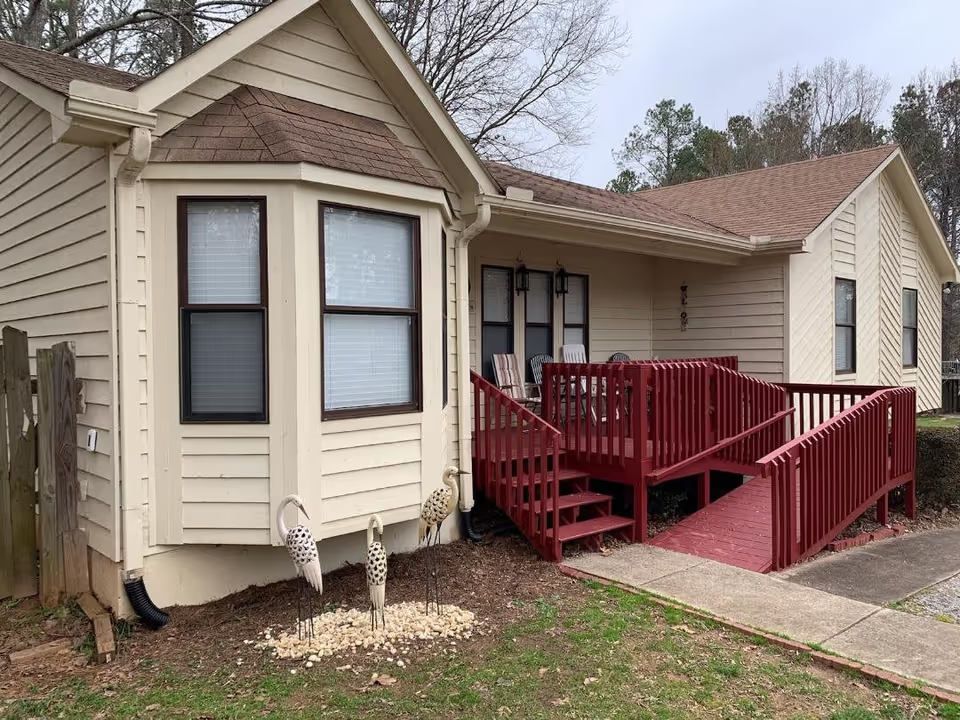
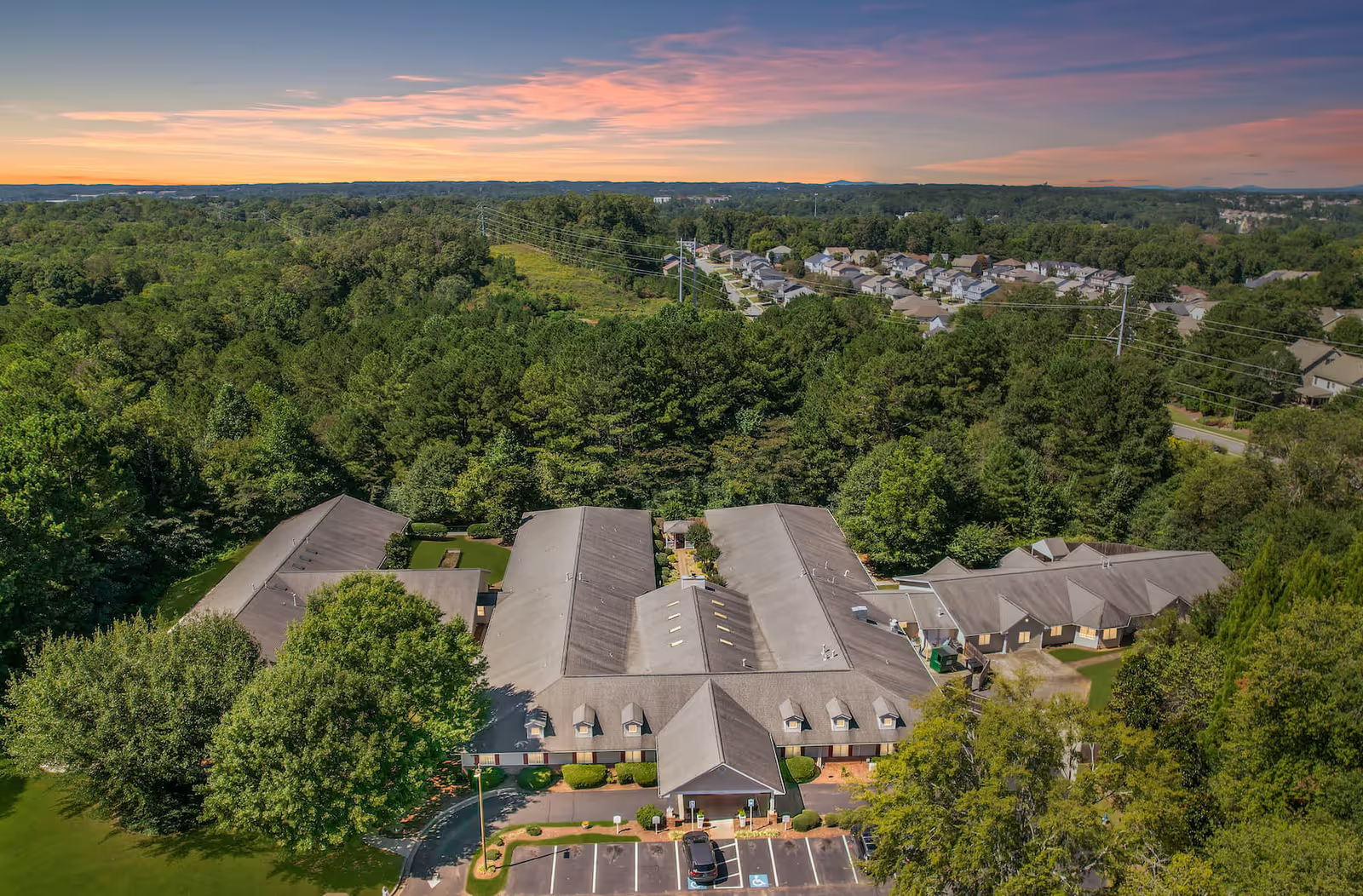
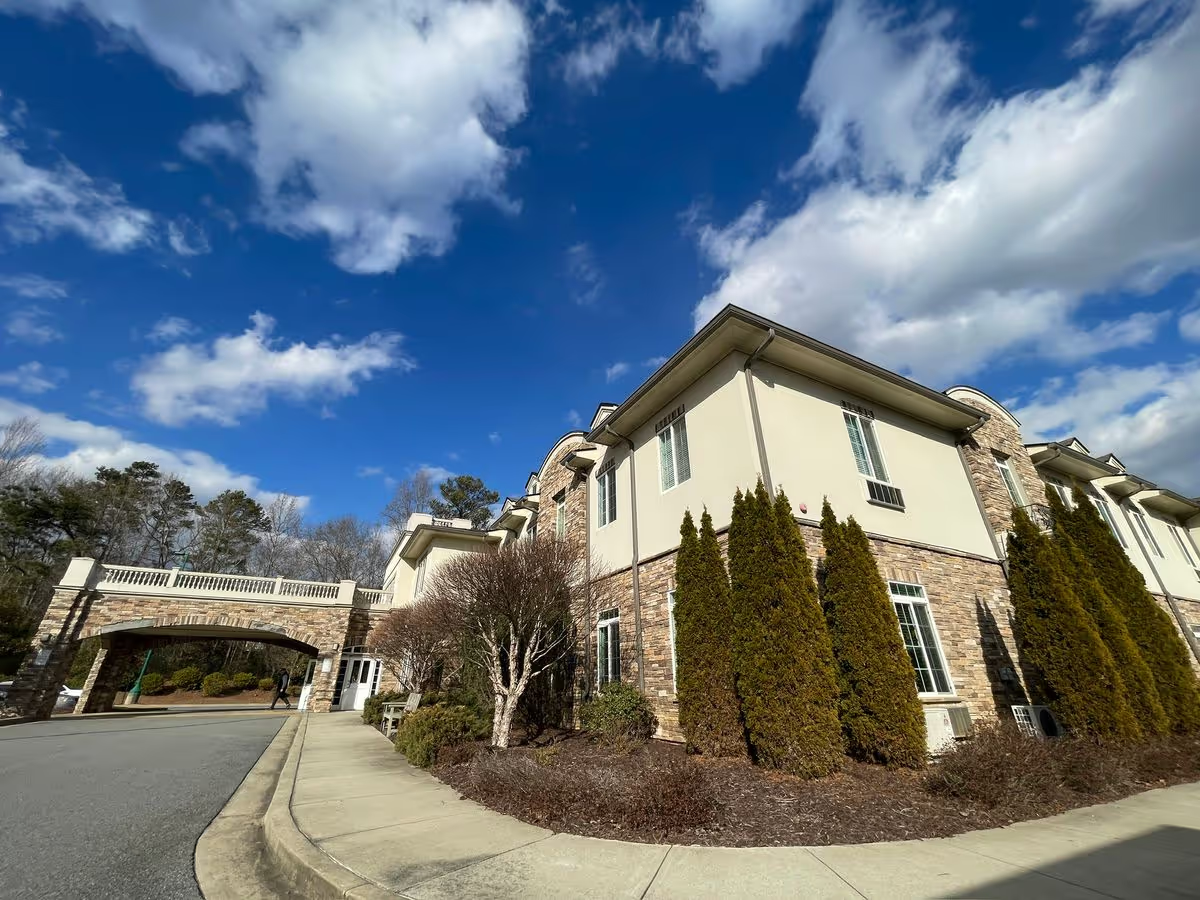
The Arbor at BridgeMill is described consistently as a modern, upscale senior living community with a hotel-like aesthetic and resort-style amenities. Reviewers emphasize a high level of cleanliness and maintenance, plentiful communal spaces (library, theater, game rooms, arts-and-crafts rooms), and attractive outdoor features including pools, walking paths, patios, and cottages. Apartment finishes, in-unit laundry, and attention to detail in décor recur as positive attributes that contribute to a comfortable residential feel.
Staff and caregiving quality are the facility's most frequently mentioned strengths. Families and visitors characterize caregivers, dining-room staff, and administrative teams as compassionate, attentive, and resident-focused; multiple staff members are praised by name. Reviewers highlight visible leadership, a welcoming onboarding process, consistent use of resident names, and a general sense that residents are safe and well-supported. The community offers a continuum of care—independent living, assisted living, memory care—with design and clinical resources noted as supportive of dementia care and seamless transitions between levels.
Dining and activities are prominent positives. Meal presentation is often described as restaurant-style, with chef engagement, fresh produce, and accommodations for dietary needs. At the same time, reviewers indicate some variability in food quality tied to chef turnover, creating occasional inconsistency in the dining experience. Activity programming is robust and diverse—exercise classes, bridge, bingo, happy hours, outings to museums and restaurants, resident council meetings—and transportation/shuttle service for shopping and appointments is readily available. Reviewers also note rehabilitation and respite-care options as useful extensions of on-site clinical support.
Despite many strengths, several operational patterns may warrant careful inquiry by prospective residents and families. Cost is consistently identified as relatively high, and parking is limited for visitors and some residents. Although many accounts praise consistent staffing, others describe periodic staffing instability, retention challenges, and start-up operational issues typical of newer communities. Communication and billing procedures have been cited as areas needing improvement, and some reviewers reported maintenance responsiveness or minor repair delays. A small number of reviewers raised serious clinical and consent-process concerns; these are isolated in the broader set of comments but are significant enough that families should request documentation and ask direct questions about clinical protocols and incident follow-up.
In sum, The Arbor at BridgeMill presents as a high-end, activity-rich community with strong person-centered staffing and extensive amenities. Prospective residents should weigh the facility's upscale environment, comprehensive programming, and dementia-care capabilities against cost, parking availability, and the potential for operational variability as the community continues to stabilize. Recommended due diligence: schedule a detailed clinical and dining discussion, ask about staffing ratios/turnover, request recent maintenance and incident-response records, and confirm parking and unit storage dimensions for specific floor plans.