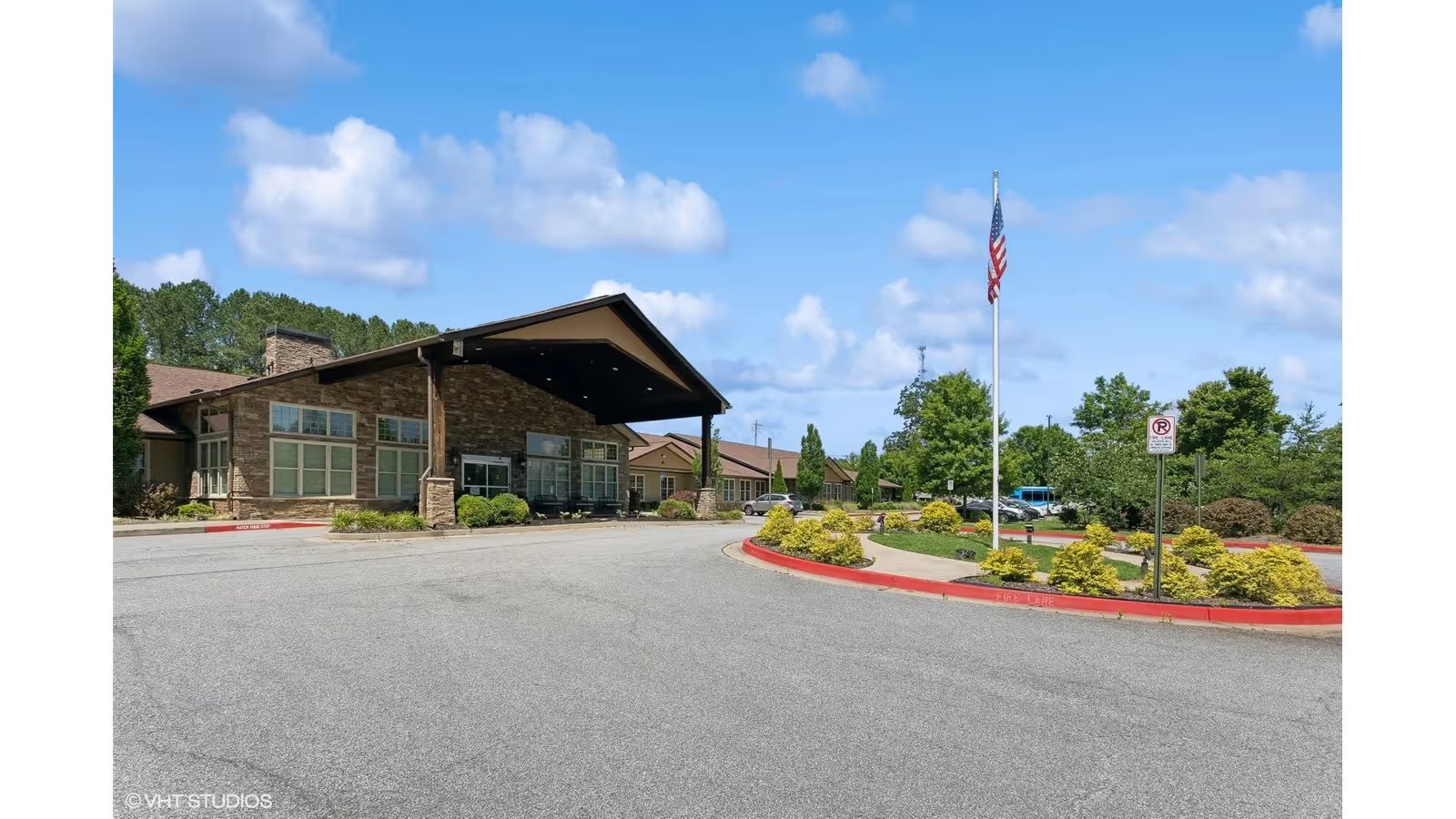
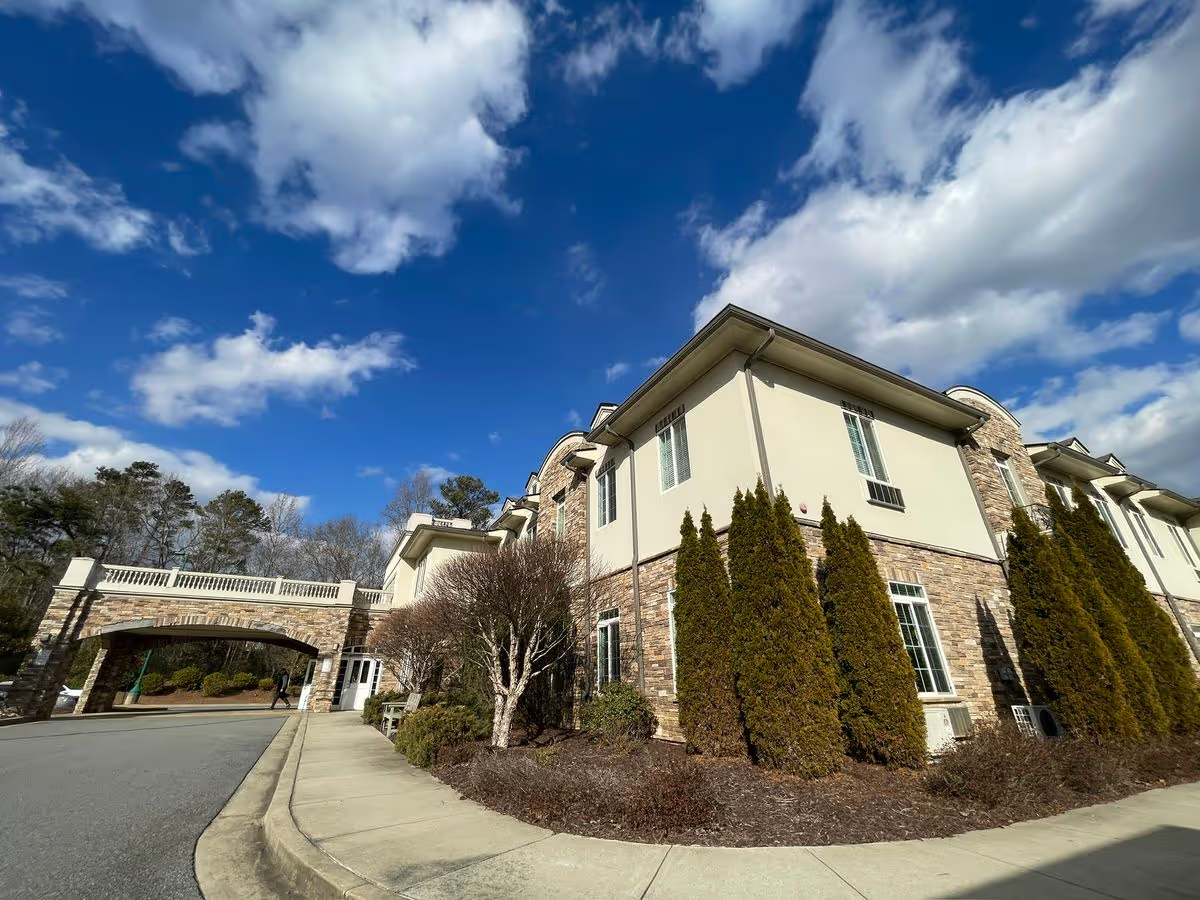
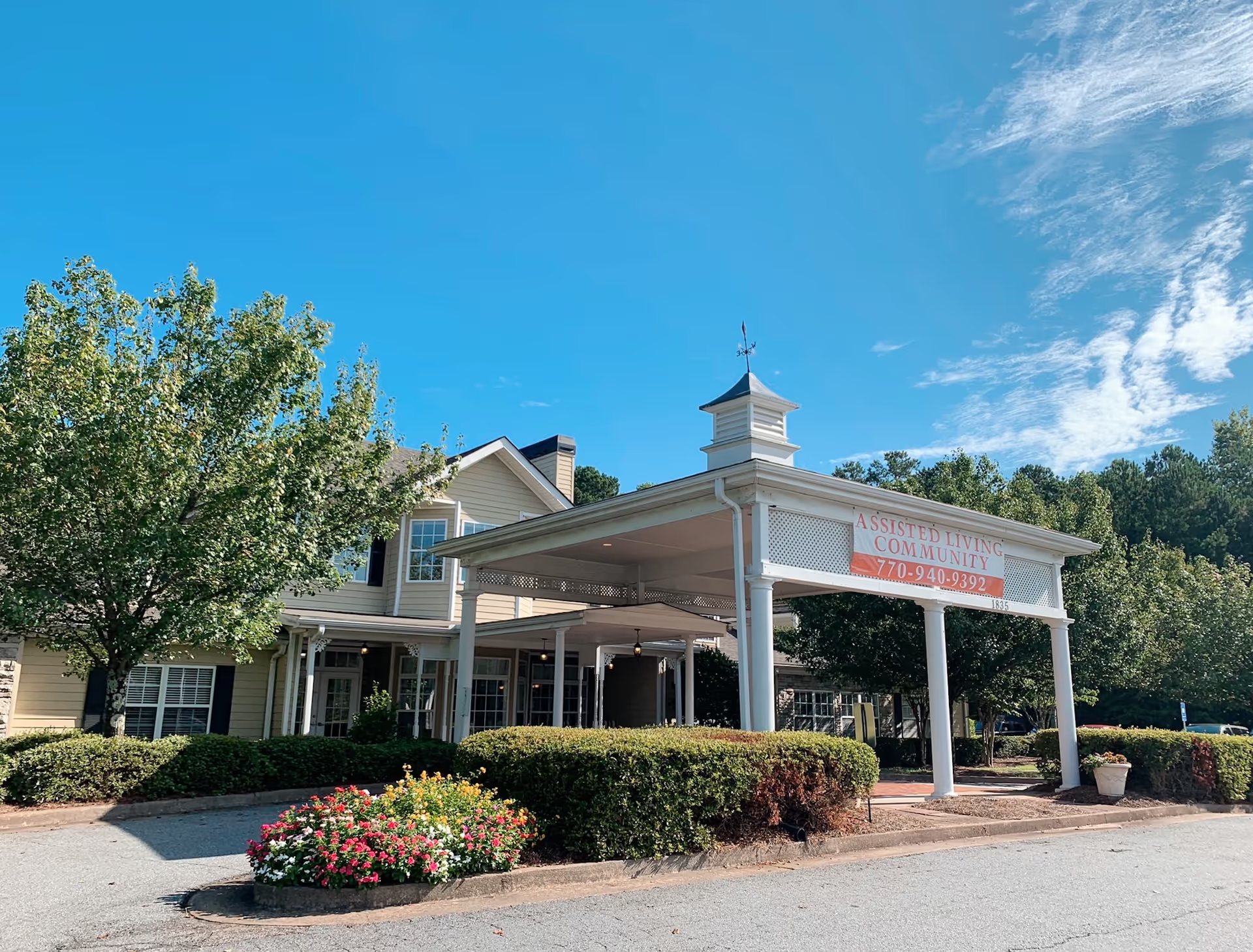
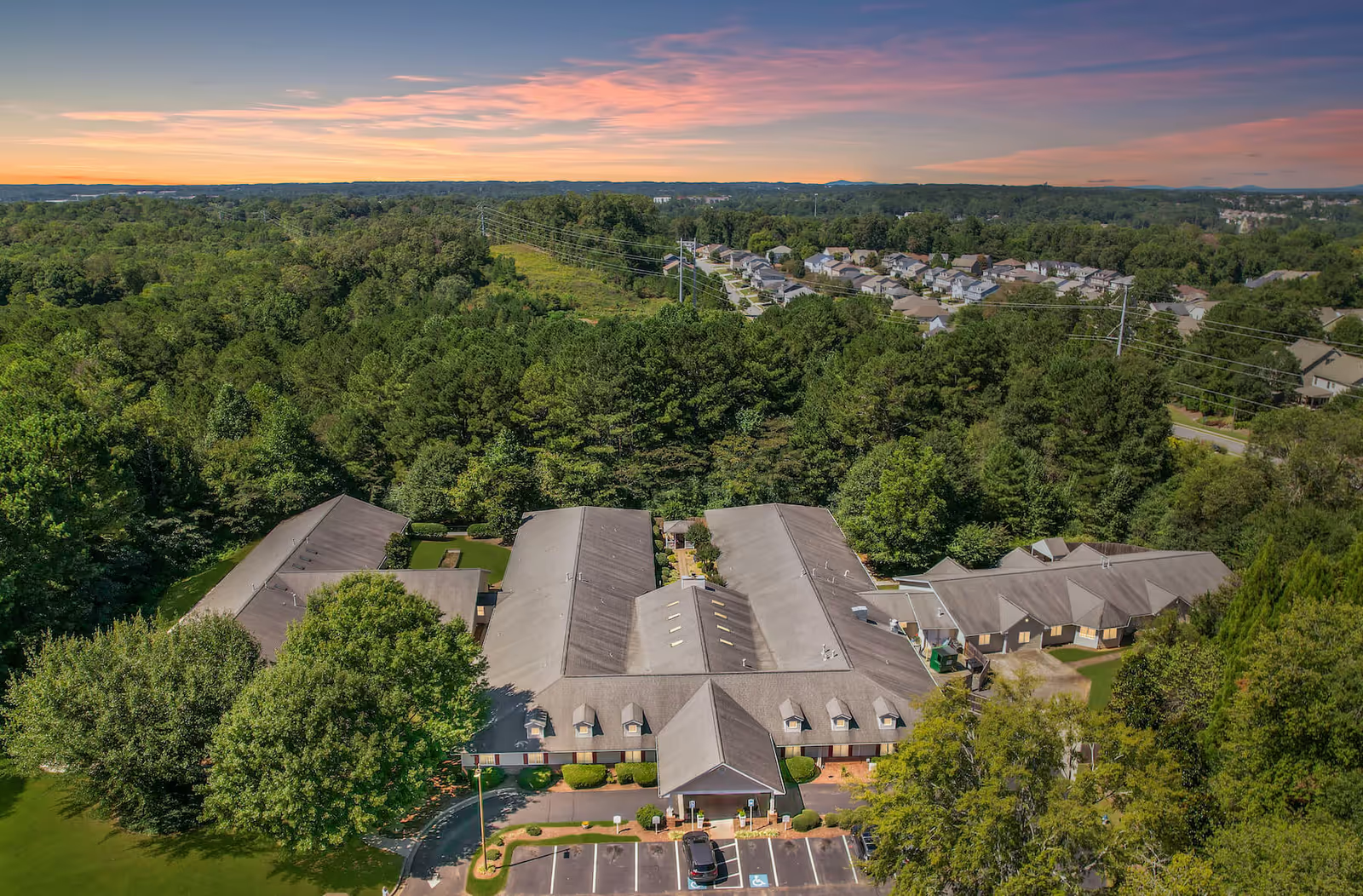
Overall impression: Cedarhurst Senior Living of Canton is frequently described as a well-appointed, scenic community with a strong emphasis on person-centered care. Reviewers consistently emphasize the warmth and responsiveness of front-line staff, a positive memory-care reputation, and a newly refreshed, lodge-like environment. The combination of visible safety features, on-site clinical support, and an active activities program contributes to a generally favorable experience for many residents and families.
Care and clinical services: Nursing and memory-care services receive strong praise in multiple accounts; reviewers note an on-site nurse, access to an on-call physician and nurse practitioner, and a memory-care team with a favorable staff-to-resident ratio. Families highlight timely symptom recognition and appropriate hospital transfers when needed. At the same time, there are operational inconsistencies noted around personal-care follow-through and care intensity: some accounts indicate the community is not consistently equipped to manage residents who require total, high-dependency care. A small number of individual reviews raised serious concerns about clinical decision-making and safety that prospective families should directly inquire about during visits.
Staff and management: The staff are the facility’s most frequently cited strength—descriptions emphasize compassionate, resident-focused interactions, staff who learn residents’ names, and activity and clinical staff who go beyond basic duties. Leadership and administration receive mixed feedback: several families praised proactive leadership, low turnover, and approachable managers, while others described inconsistent communication, contradictory information during intake, and the operational strain of new or transient staff. These patterns suggest strong local caregiving culture but occasional management and staffing variability, especially during transitions or after-hours.
Dining and dietary services: Dining is often characterized as restaurant-style with options for meal customization and accommodations for allergies and dietary needs. Many reviewers praised accommodating kitchen staff and an appealing dining room. However, there is a clear pattern of variability in food quality and execution: while some families call the food excellent, others found menu choices limited or meals not palatable. Snack and beverage availability outside of scheduled meals is also cited as limited.
Activities and social engagement: The activity program is a prominent positive: well-regarded activity directors, frequent themed events, crafts, exercise, outings, pet therapy, and cognitive programming are commonly mentioned. That said, a subset of reviews point to long gaps between activities, limited outings for some residents, or periods when programming felt insufficiently individualized. Prospective families should ask about current activity calendars and typical participation levels for residents with similar needs.
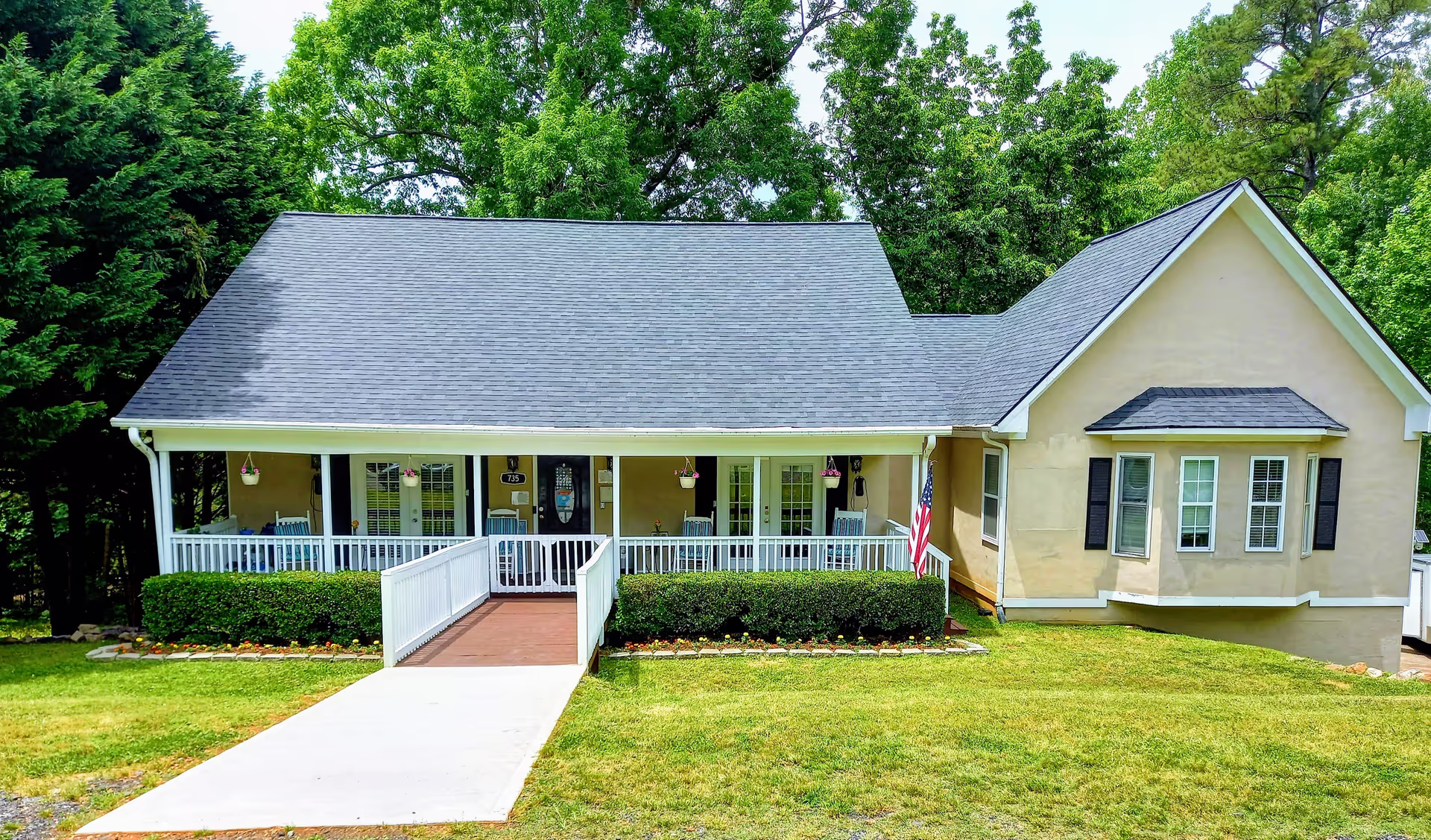
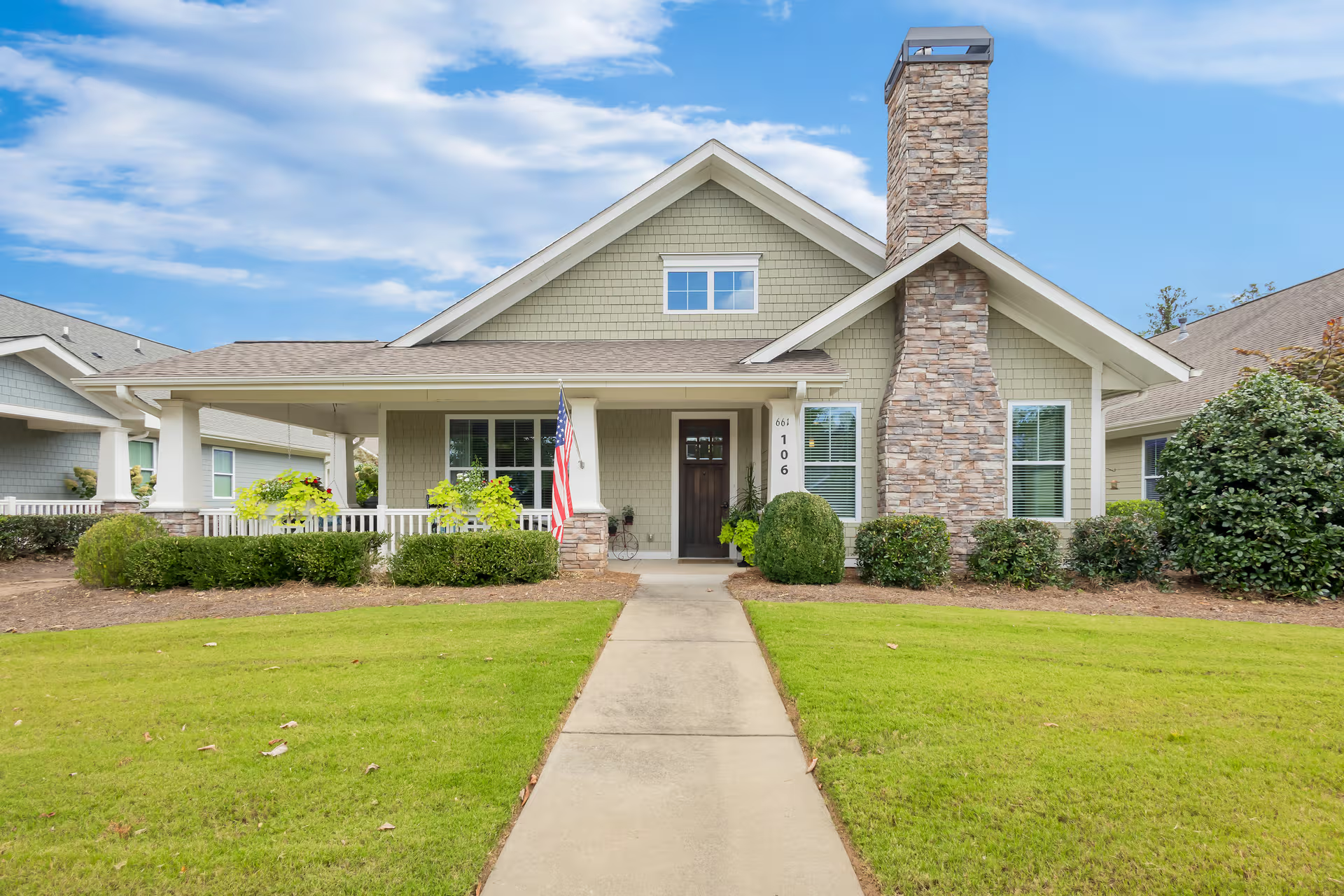
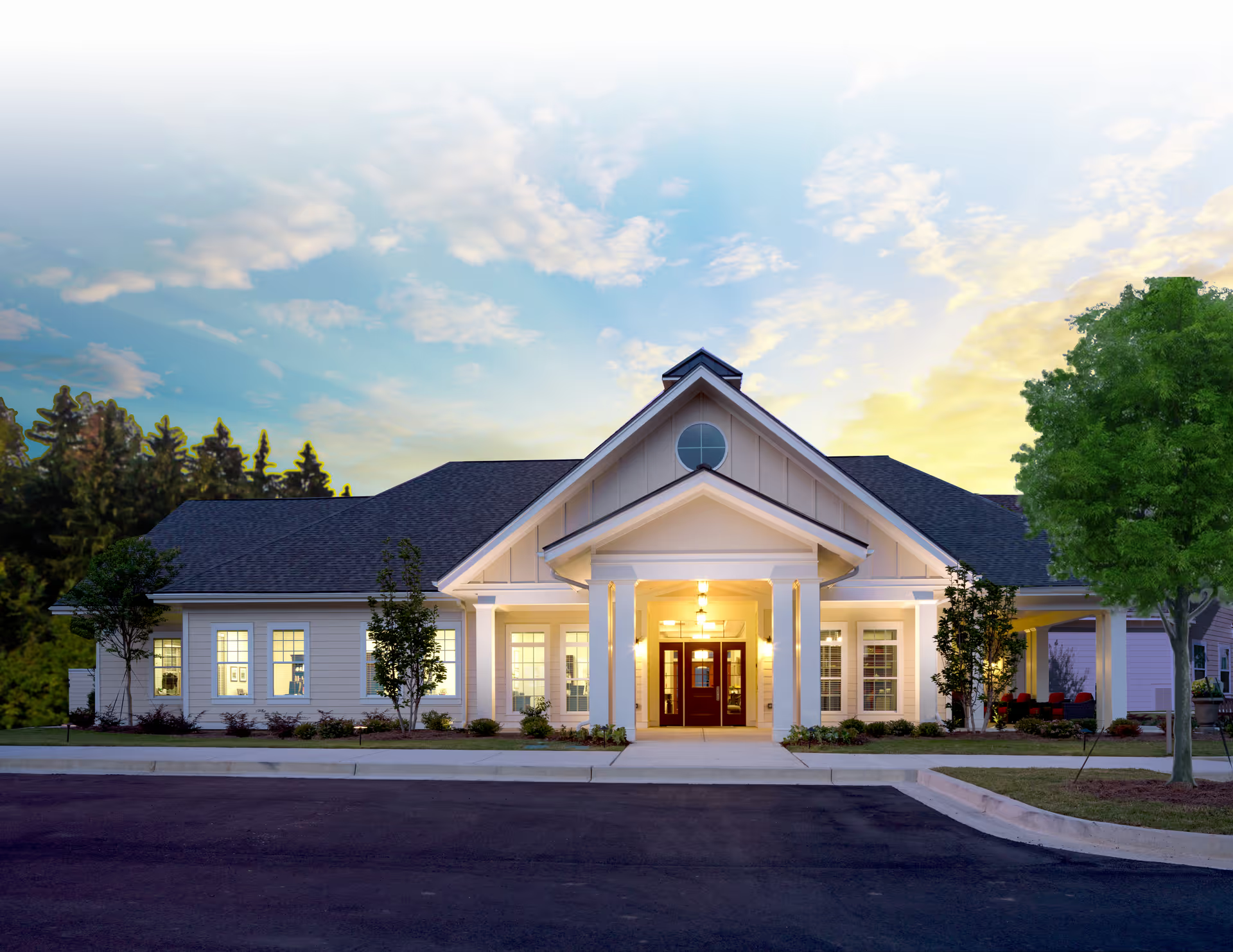
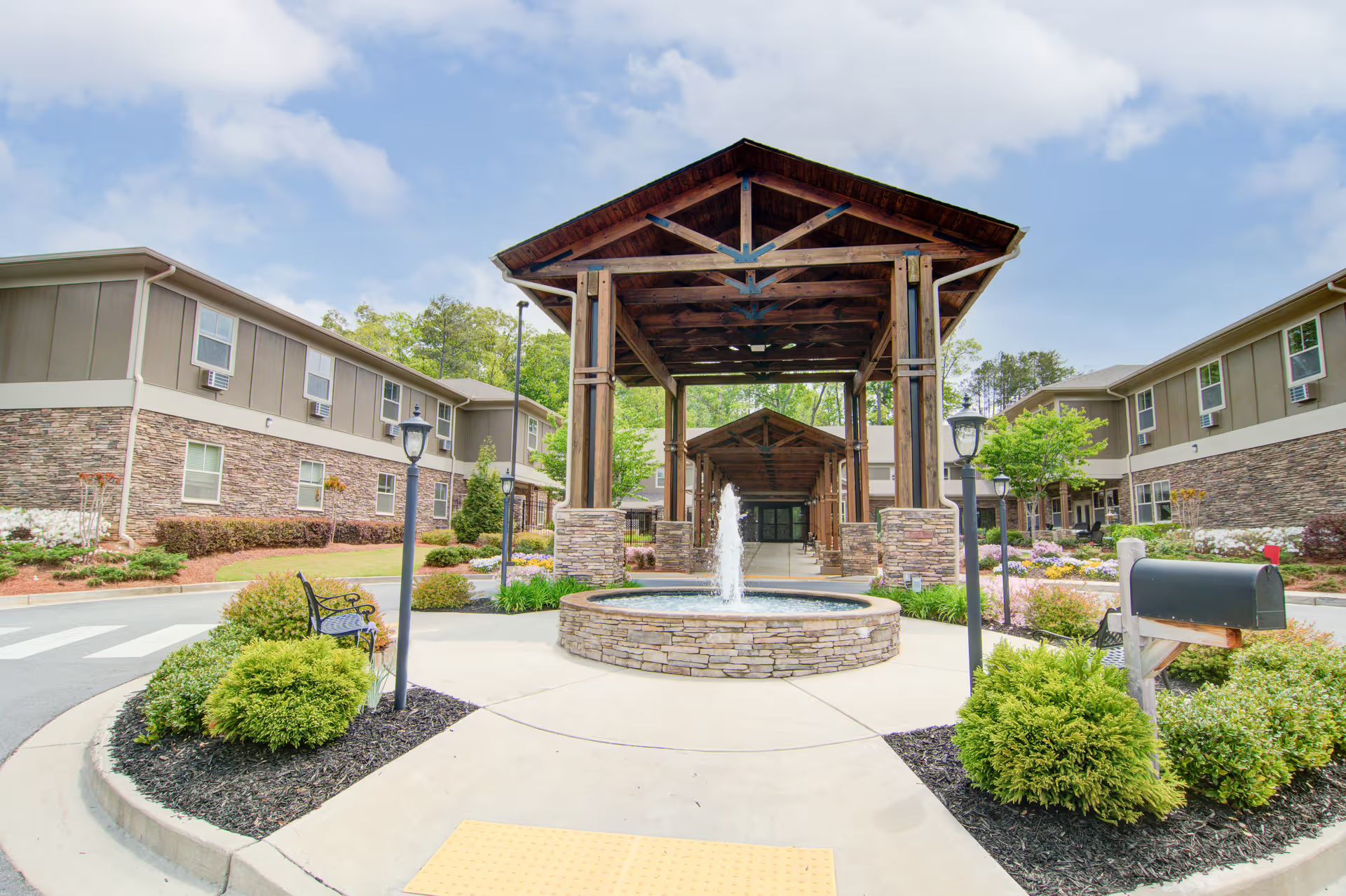
Facilities and amenities: The community’s physical plant draws consistent praise—new, clean, tastefully furnished interiors, spacious common areas, a lakeside setting, outdoor porches, and resident rooms with safety features and ample storage. Some practical caveats appear: limited private-unit availability (semi-private rooms), occasional housekeeping lapses in individual apartments, and ancillary-service reliability issues such as inconsistent laundry pick-up and after-hours contact difficulties.
Notable patterns and practical considerations: Two dominant themes emerge. First, staff quality and person-centered interactions are the primary strengths and the reason many families recommend the community. Second, operational variability—around meals, housekeeping, communication, staffing levels, and capability for very high-acuity care—appears frequently enough that it should be part of any decision-making conversation. Given these patterns, prospective residents and families should prioritize in-person tours, meet clinical and activity staff, review staffing ratios and after-hours call procedures, inspect unit cleaning schedules, ask for sample menus and snack-service policies, and confirm whether the community can meet any anticipated higher-dependency care needs.
Bottom line: Cedarhurst Canton presents as a high-quality, scenic community with strong relational care, an active social program, and robust memory-care offerings. The main trade-offs to evaluate are operational consistency—especially around dining execution, housekeeping, communication, and capacity for total-care residents—and the cost/space balance for those seeking private accommodations. Detailed, targeted questions during a visit will clarify whether the community’s strengths align with an individual resident’s clinical and lifestyle needs.