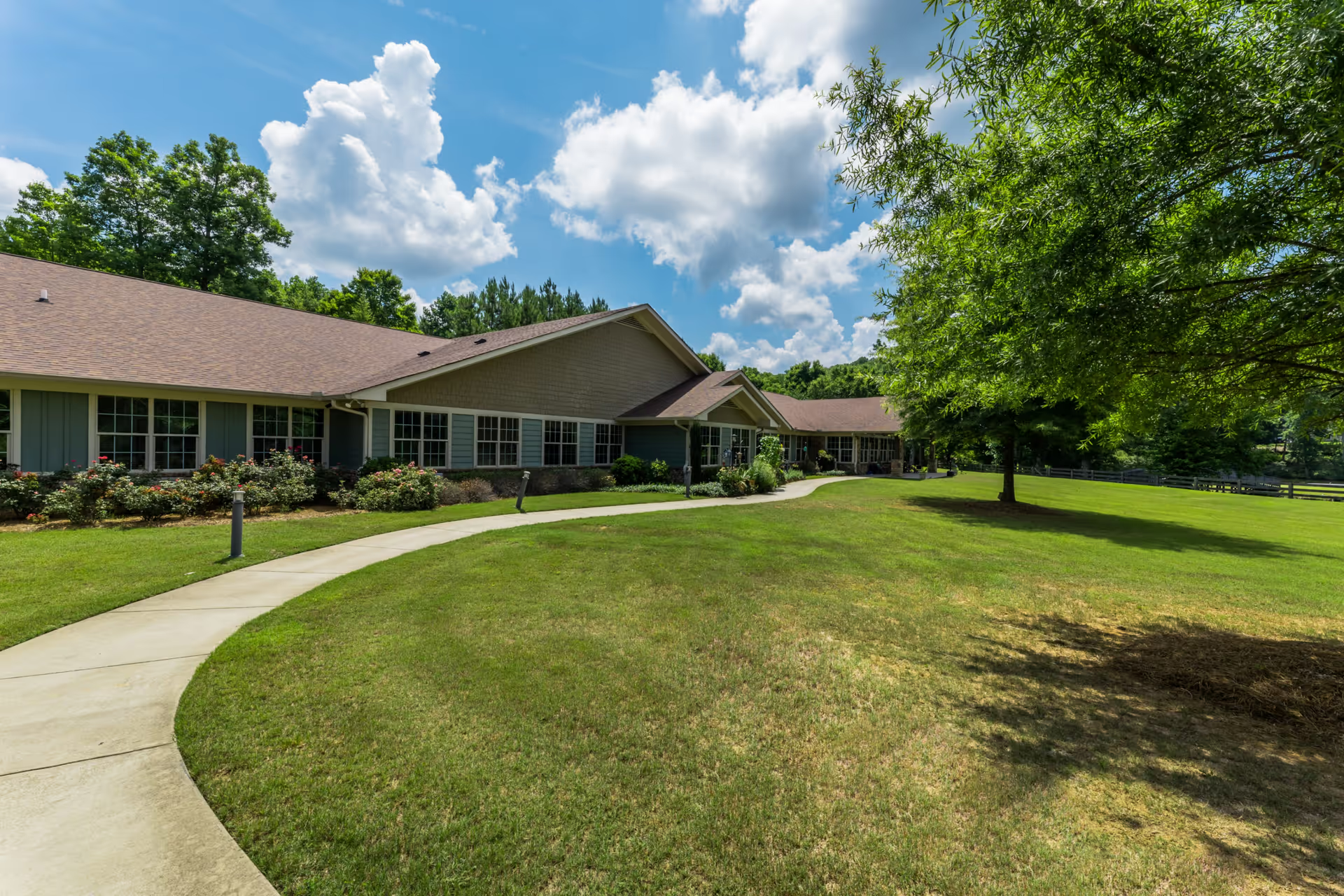
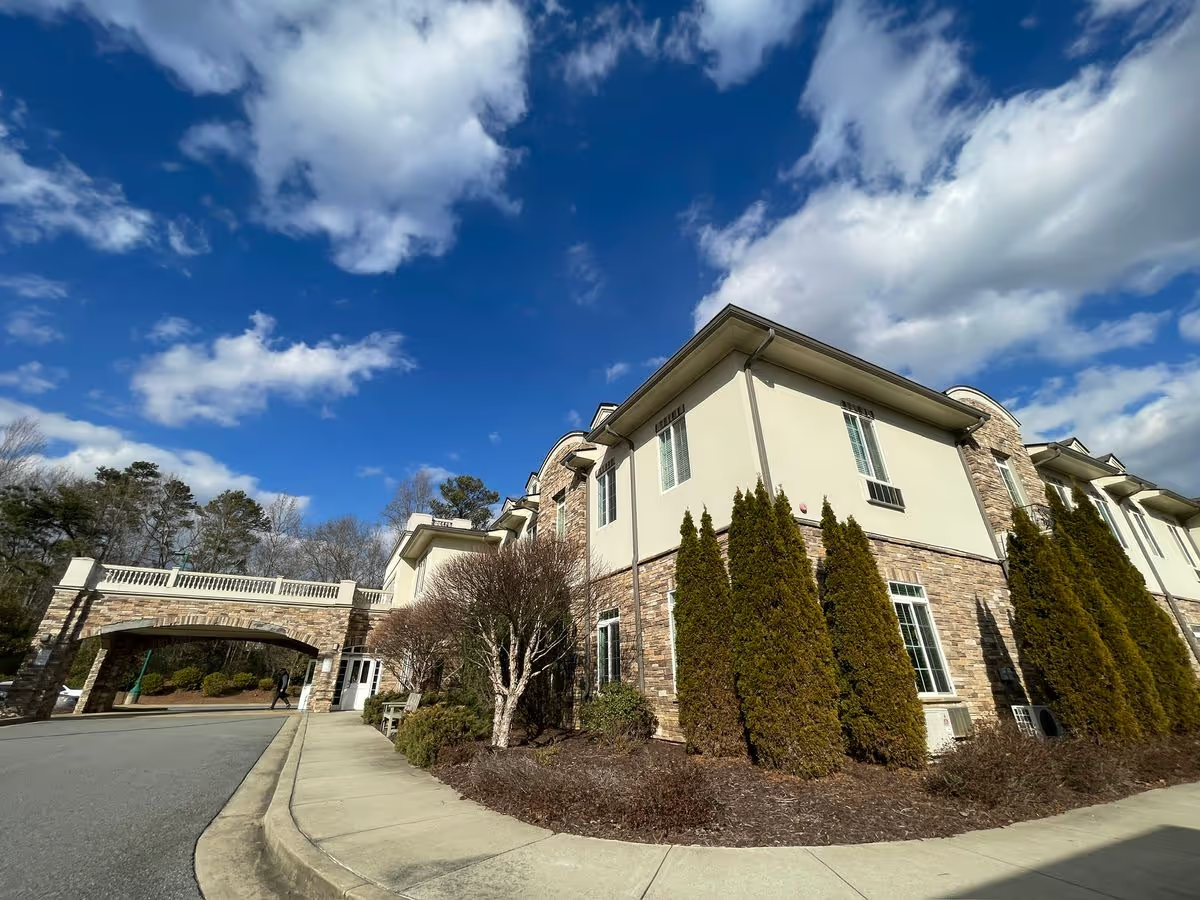
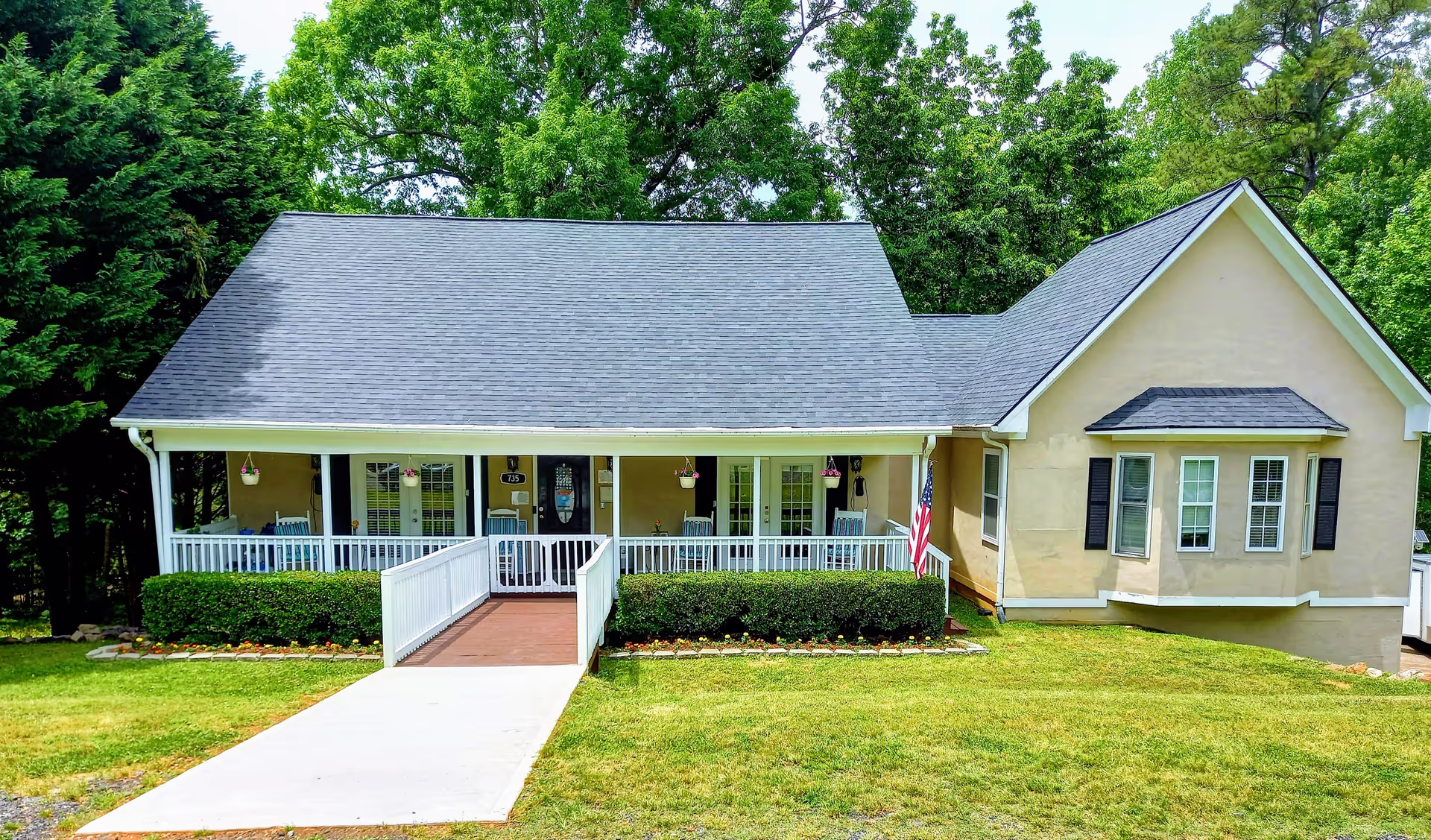
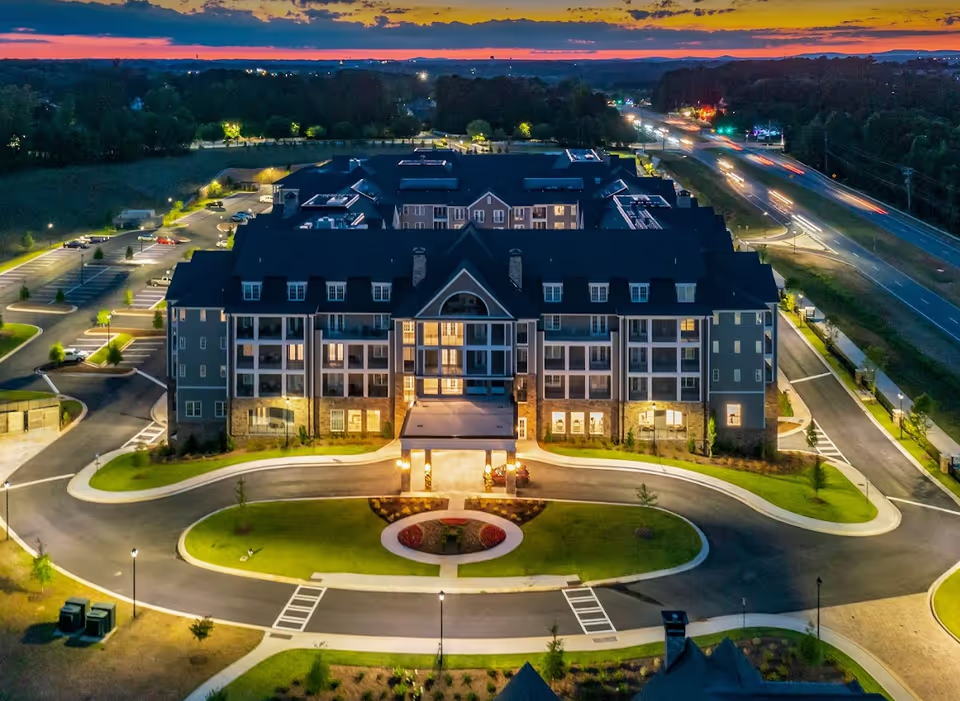
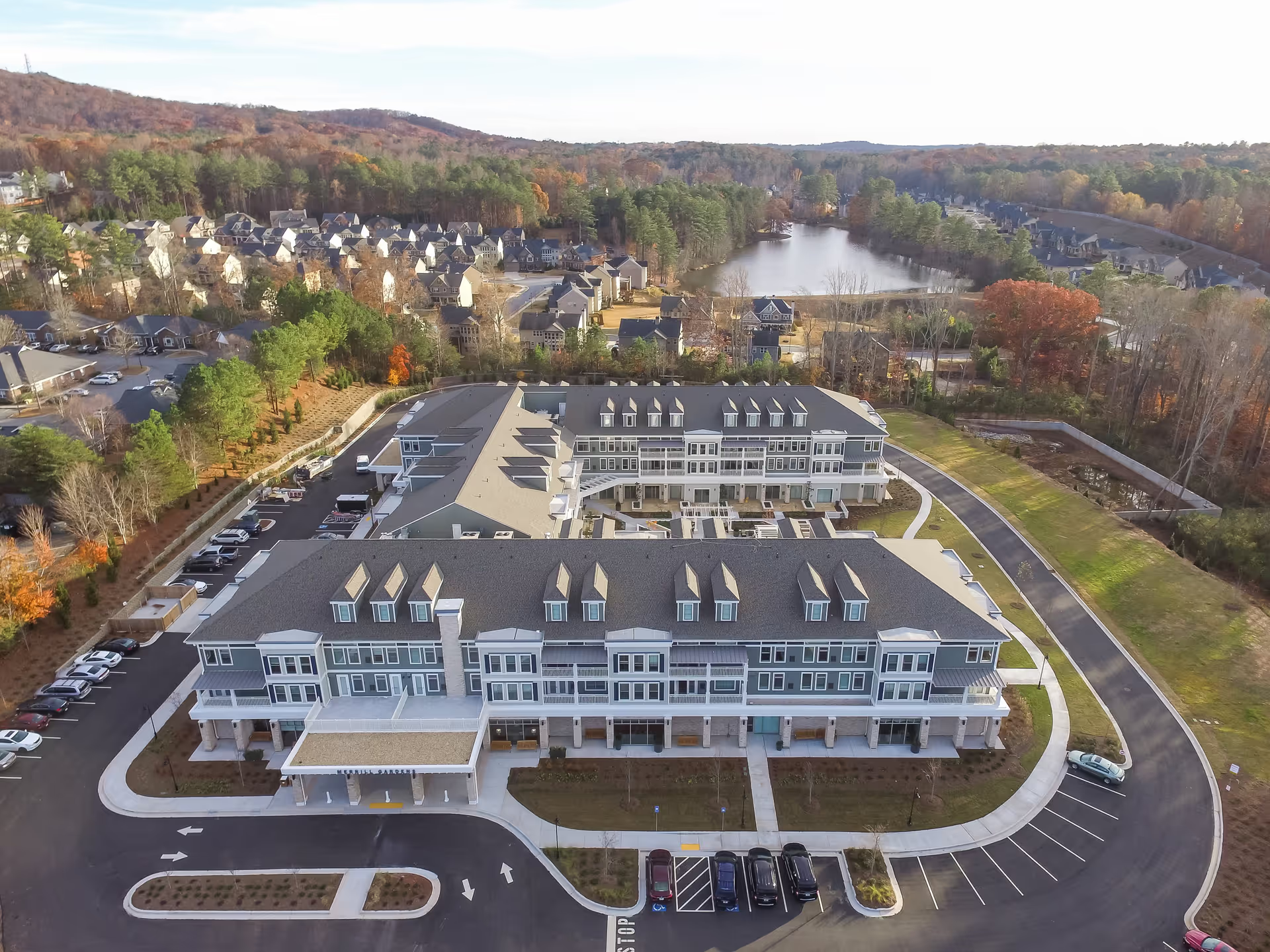
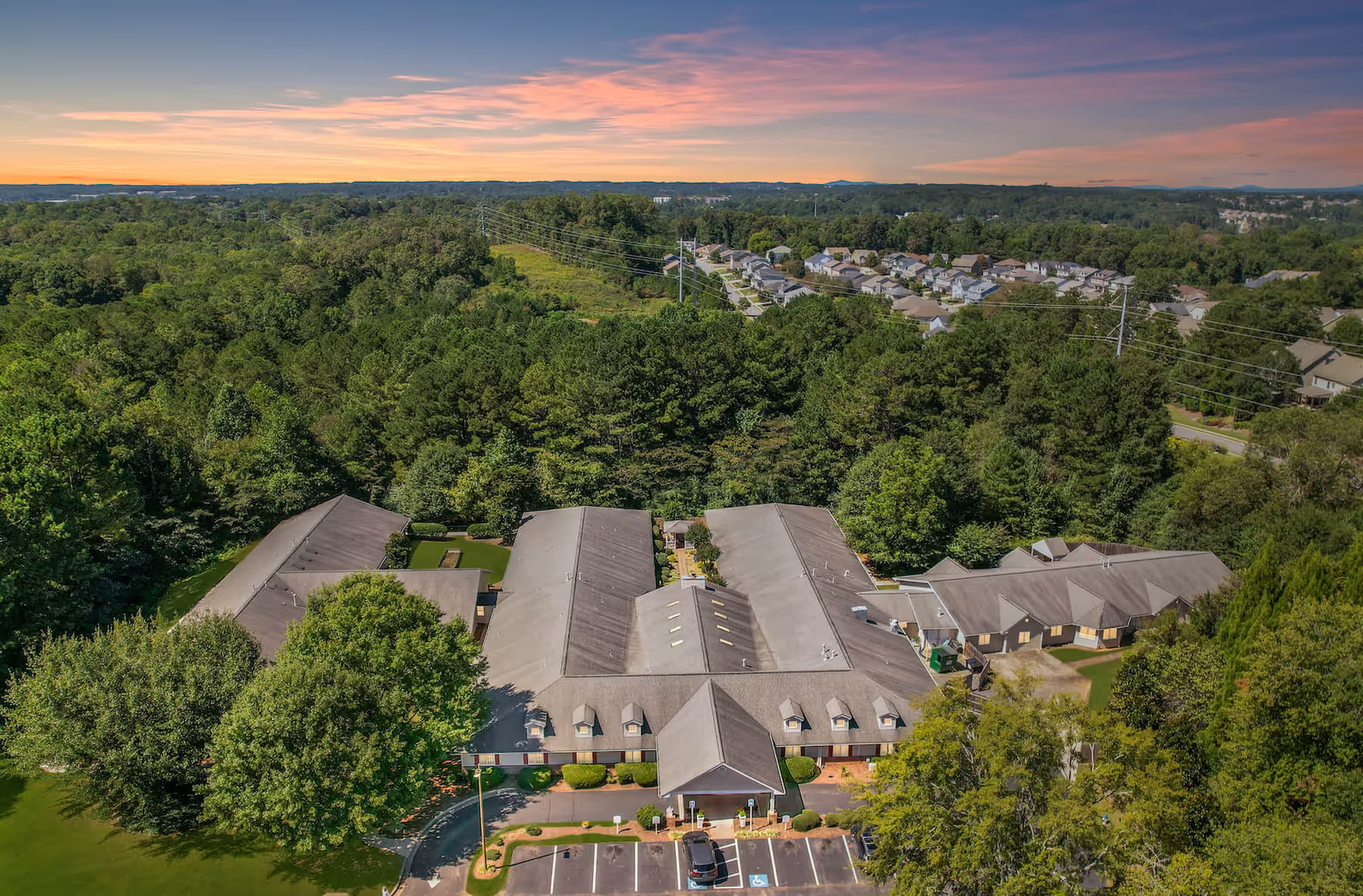
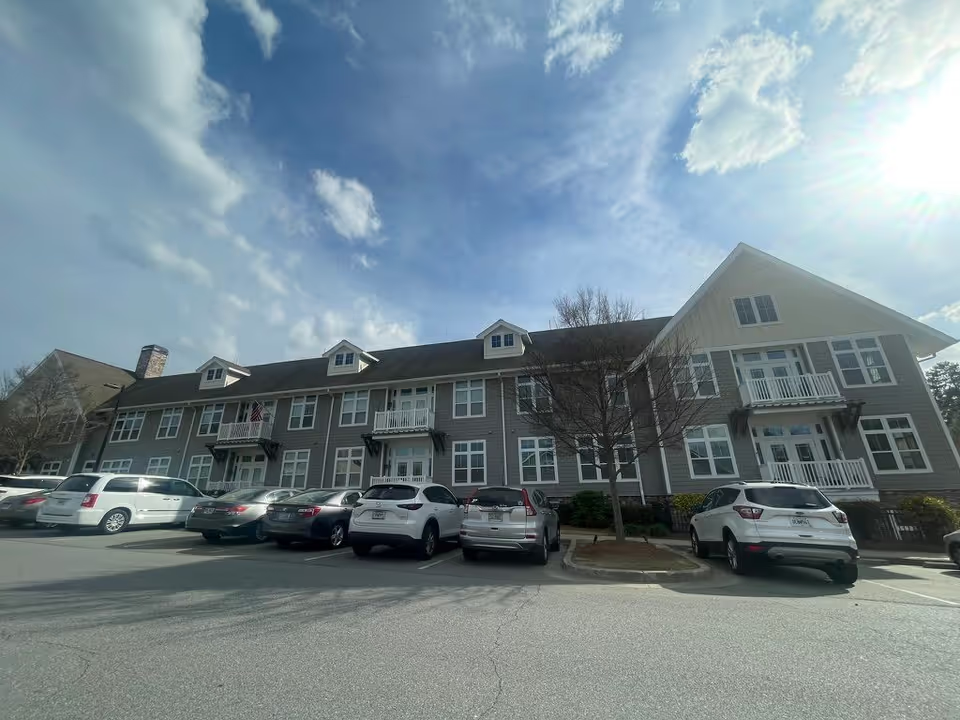
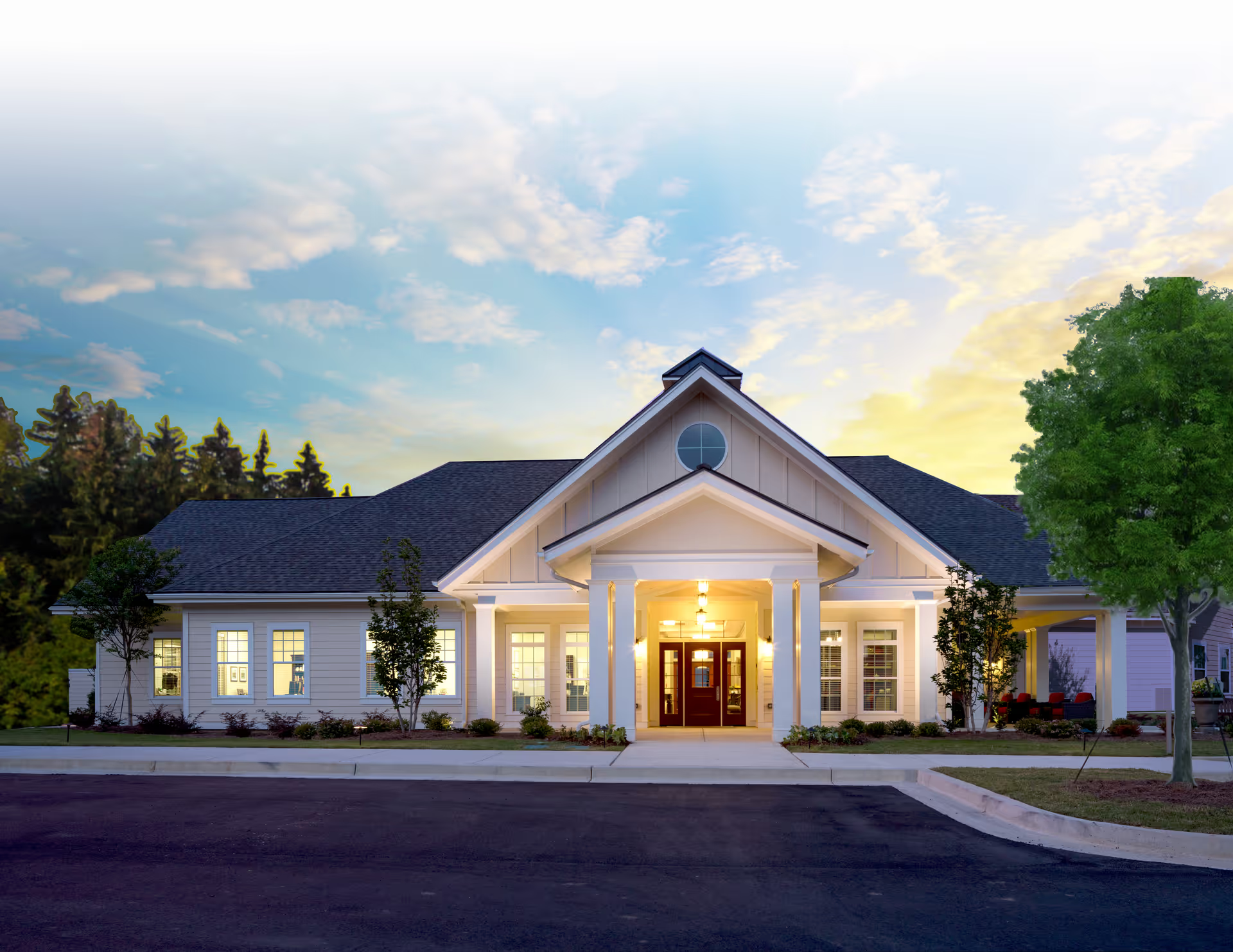
Overall impression The Retreat at Canton is described by families and residents as a clean, attractive assisted-living community with a strong emphasis on interpersonal caregiving and activities. Reviewers consistently praise warm, professional staff, visible management presence, and a homelike atmosphere. The facility’s aesthetics and outdoor amenities (covered seating, koi pond, bright rooms) and proximity to shopping and medical services are recurring strengths that make it convenient for visitors and comfortable for residents.
Care and staff Care quality is frequently characterized as attentive and compassionate, with front-line caregivers and managers named for hands-on involvement and regular communication. Families note individualized care planning, one-on-one attention, and active engagement from directors and nursing leadership during move-in and care-plan setup. At the same time, reviewers indicate operational strains: staffing shortages and workforce instability have led to uneven service experiences, occasional lapses in interpersonal tone, and variability in housekeeping frequency. There are also accounts that suggest gaps in medication administration workflows and medical-record coordination; these are best clarified in advance during a tour and care-plan discussion.
Dining and food service Dining receives mixed but specific feedback. Many families praise the food quality, customization for dietary needs, and the chef’s direct involvement in meal selection. However, a recurring operational issue is inconsistent meal temperature and continuity of food service (room-service items arriving cool or hot inconsistently, limited hot-menu items at times). Cost is also mentioned as a consideration; prospective families should balance menu expectations against pricing and ask about meal-service logistics.
Activities and engagement The Retreat’s activities program is a clear asset: residents and families describe well-planned, varied programming (games, painting, outings, holiday events) and an active activities director who fosters resident participation and community partnerships. This programming appears to support cognitive and physical engagement for many residents. A caveat is that engagement levels may be uneven for higher-dependency or memory-care residents; some families observed that residents with greater mobility or cognitive impairment were less consistently engaged, which suggests reviewing memory-care staffing and program adaptations when evaluating the community.
Facilities and services Physical facilities are frequently described as bright, newly updated, and well maintained. Features such as pet-friendly policies, beautician services, accessible location, and outdoor seating contribute positively. Reviewers also point out limitations: the community may have constrained in-house clinical services for residents with rising medical complexity, and some operational services (housekeeping, entertainment contracts) have been affected by staffing and ownership changes. Prospective residents who anticipate higher-acuity needs should confirm clinical capabilities and transfer plans.
Management and notable patterns Management is often visible and praised for responsiveness, with examples of executive directors and coordinators assisting directly. However, several reviewers noted that ownership or management transitions have influenced program continuity, staffing levels, and availability of long-standing entertainers or services. Families considering the Retreat should ask specific questions about staffing ratios, housekeeping schedules, medication-management protocols, memory-care programming, and recent organizational changes to assess current stability.
Bottom line The Retreat at Canton presents as a well-kept, activity-rich assisted-living community with many strengths in staff attention, programming, and environment. These strengths are tempered by operational variability tied to staffing pressures, food-service consistency, medication/records coordination, and limits in long-term clinical intensity. A focused tour that probes staffing patterns, medication protocols, housekeeping cadence, memory-care engagement, and total cost will help determine whether the community’s strengths align with a prospective resident’s care needs.