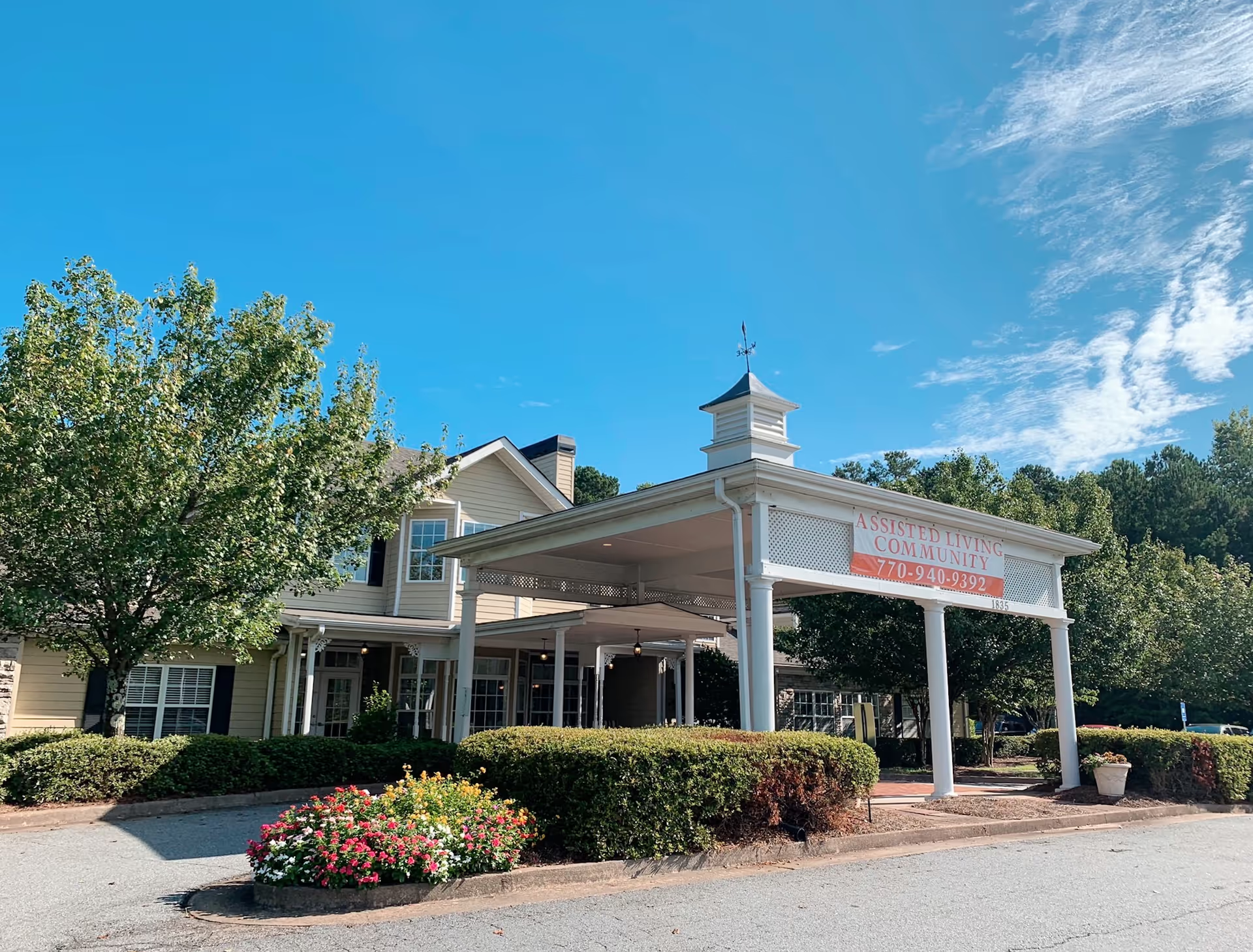
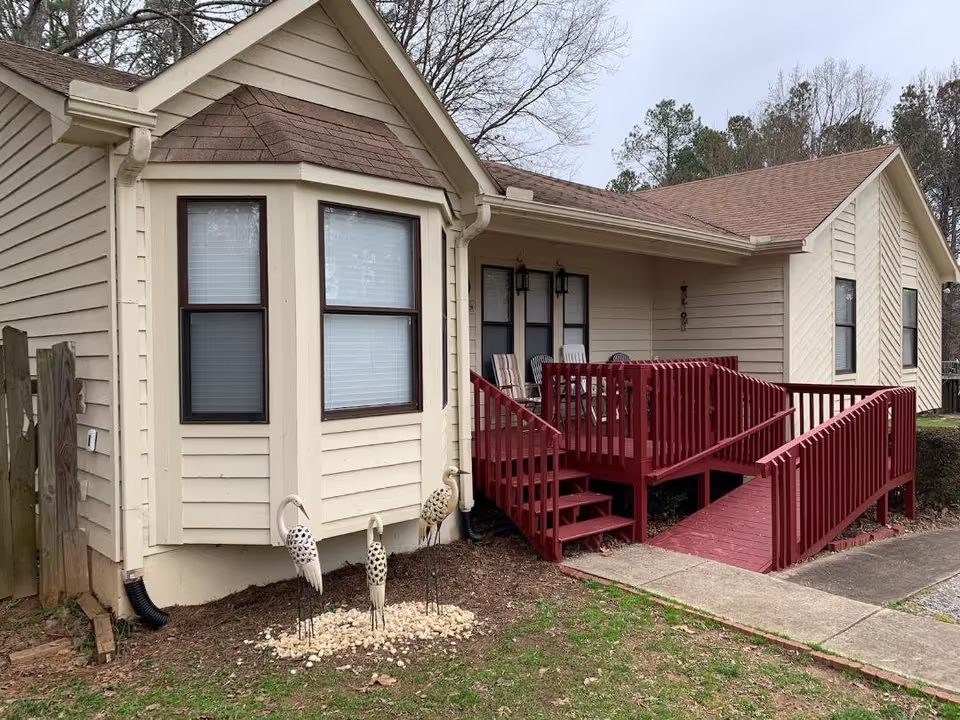
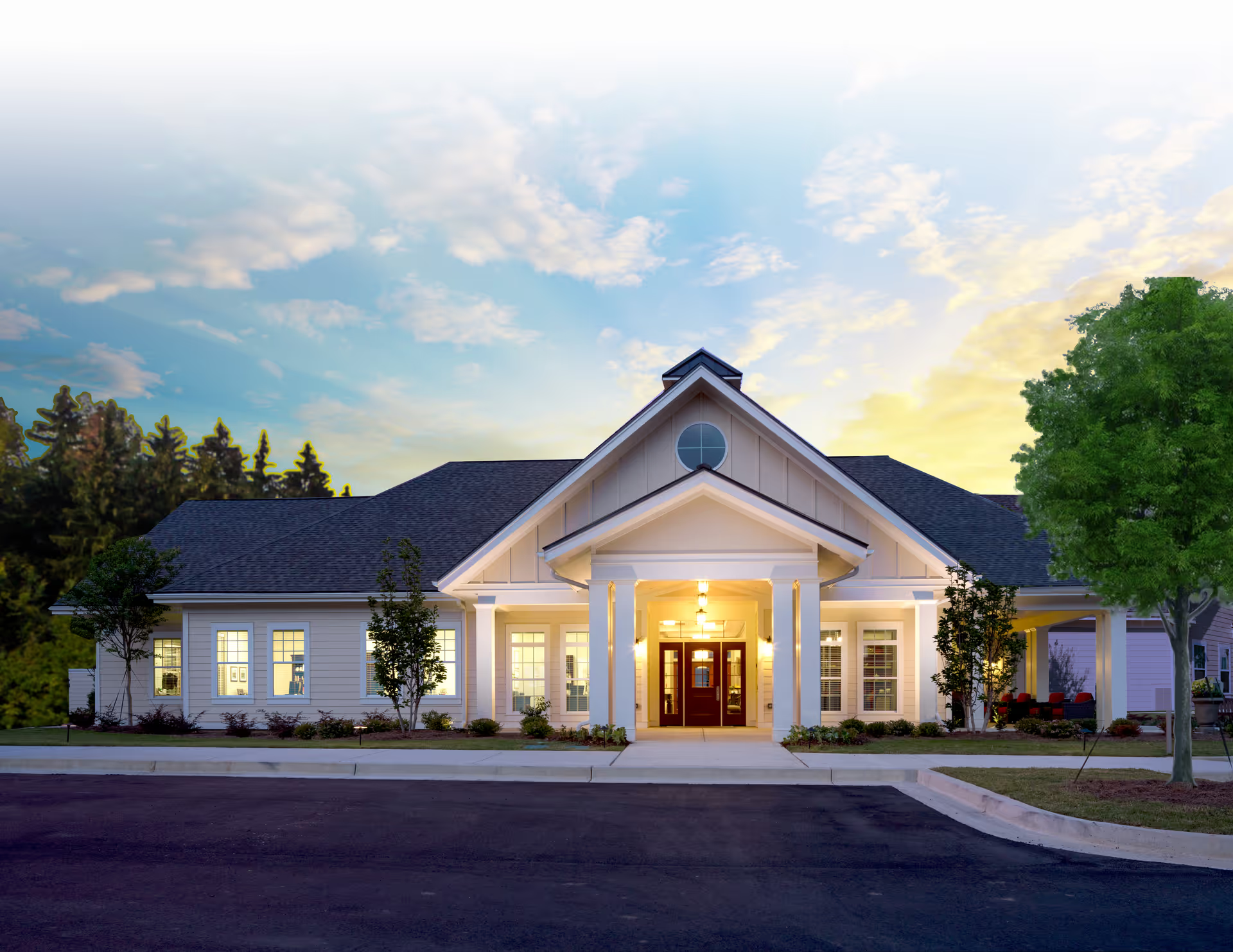
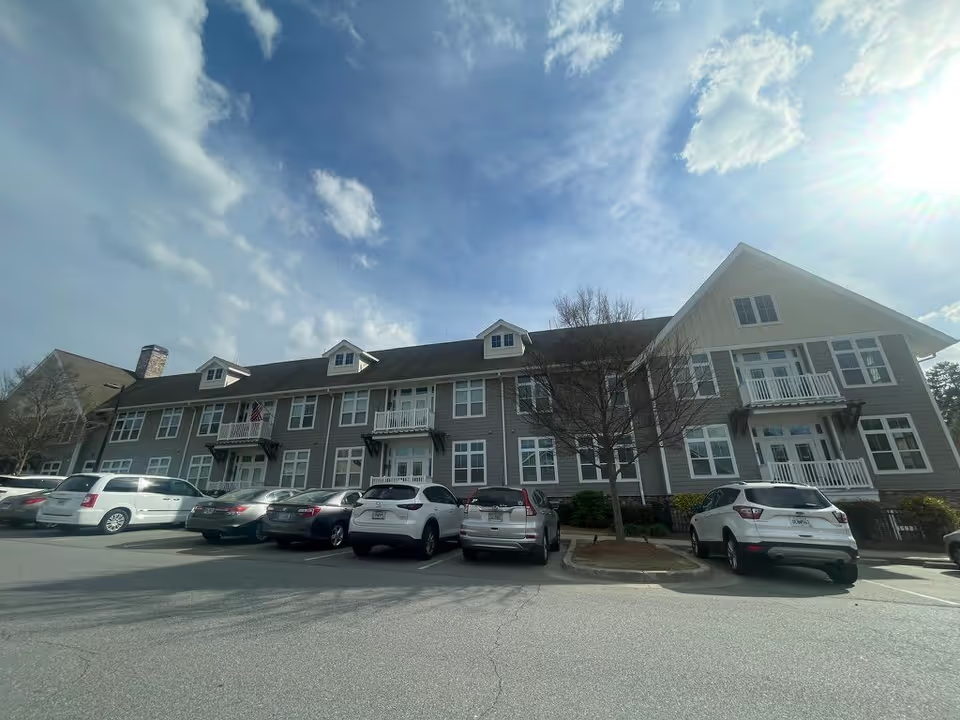
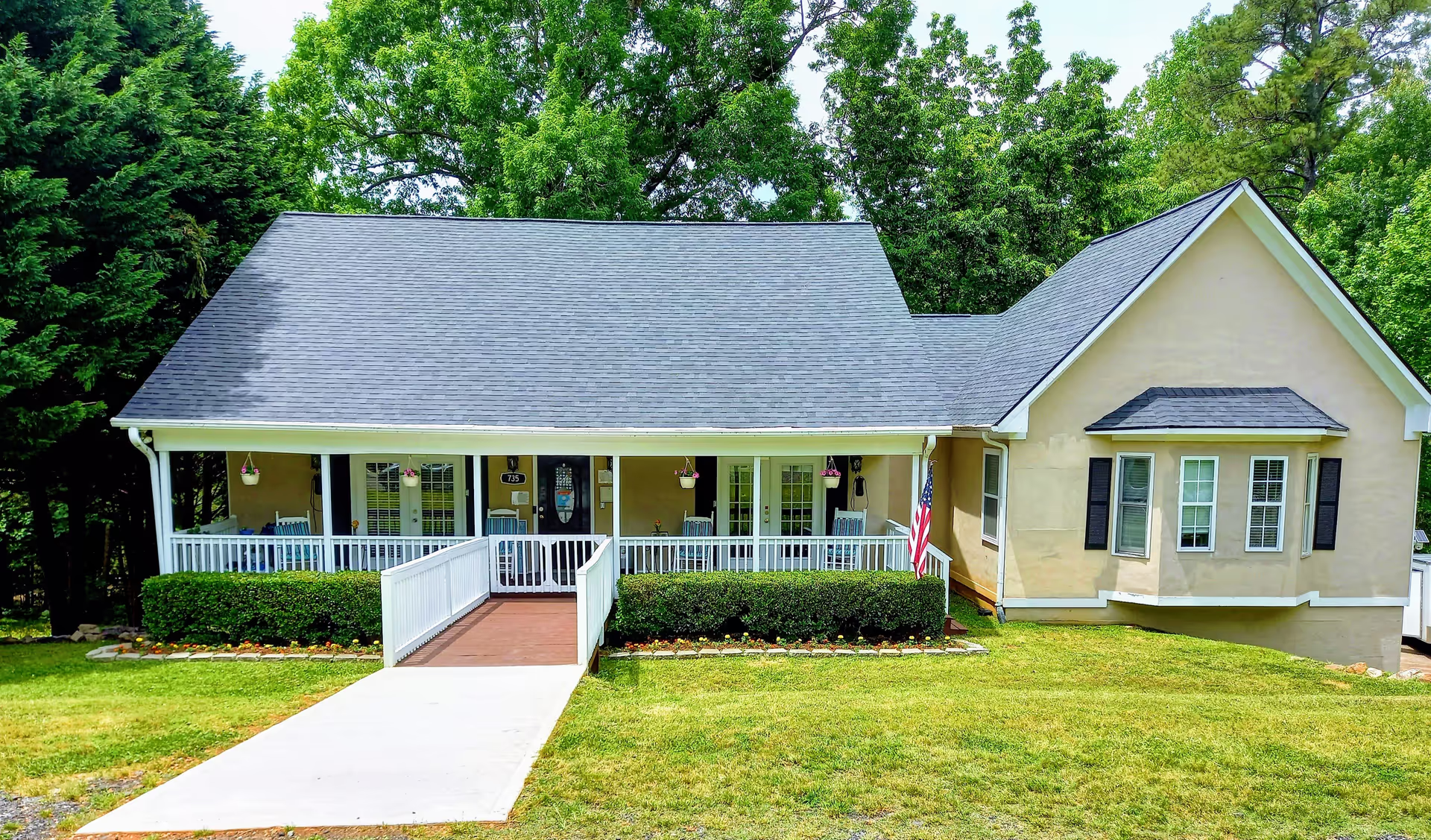
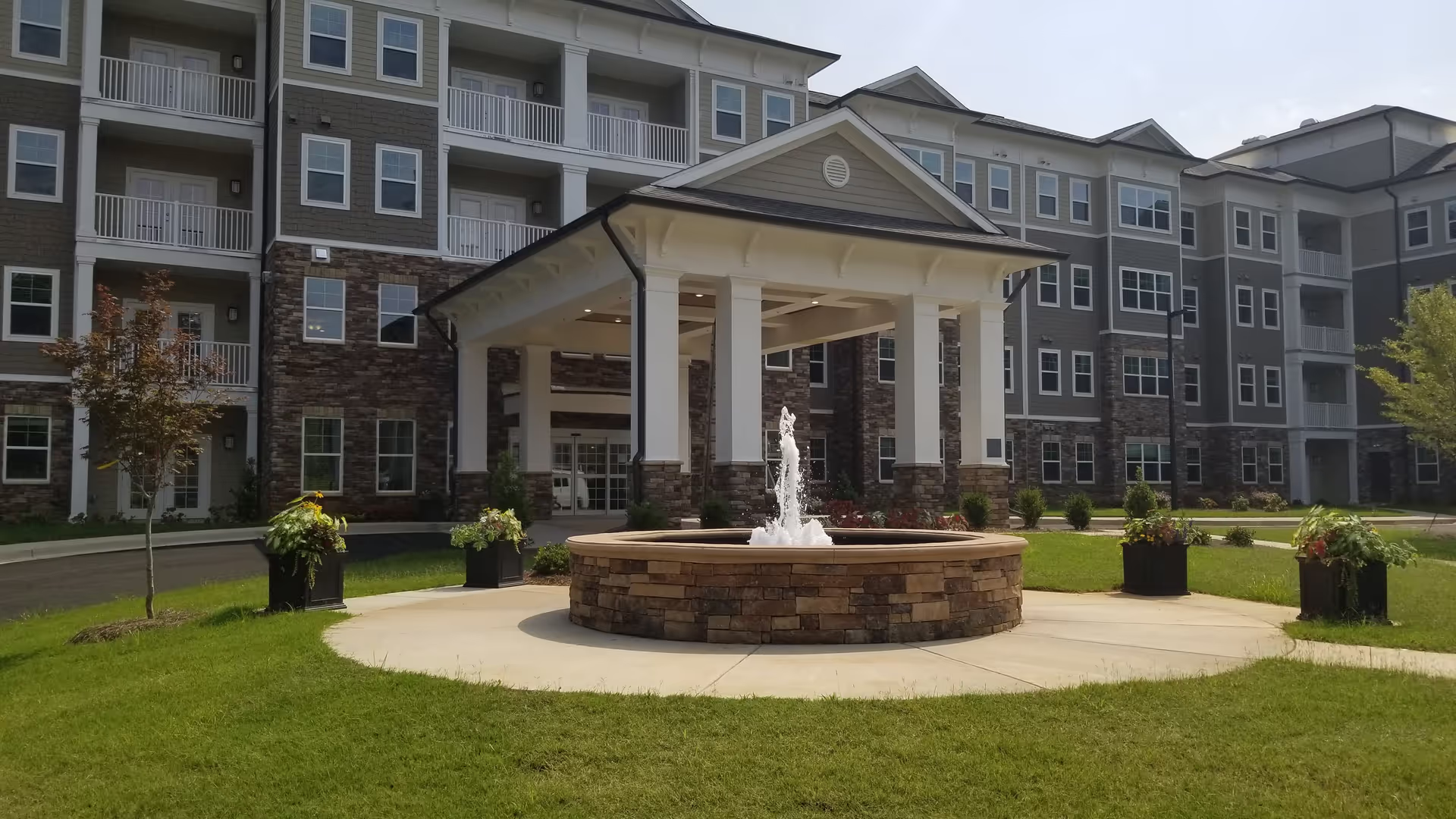
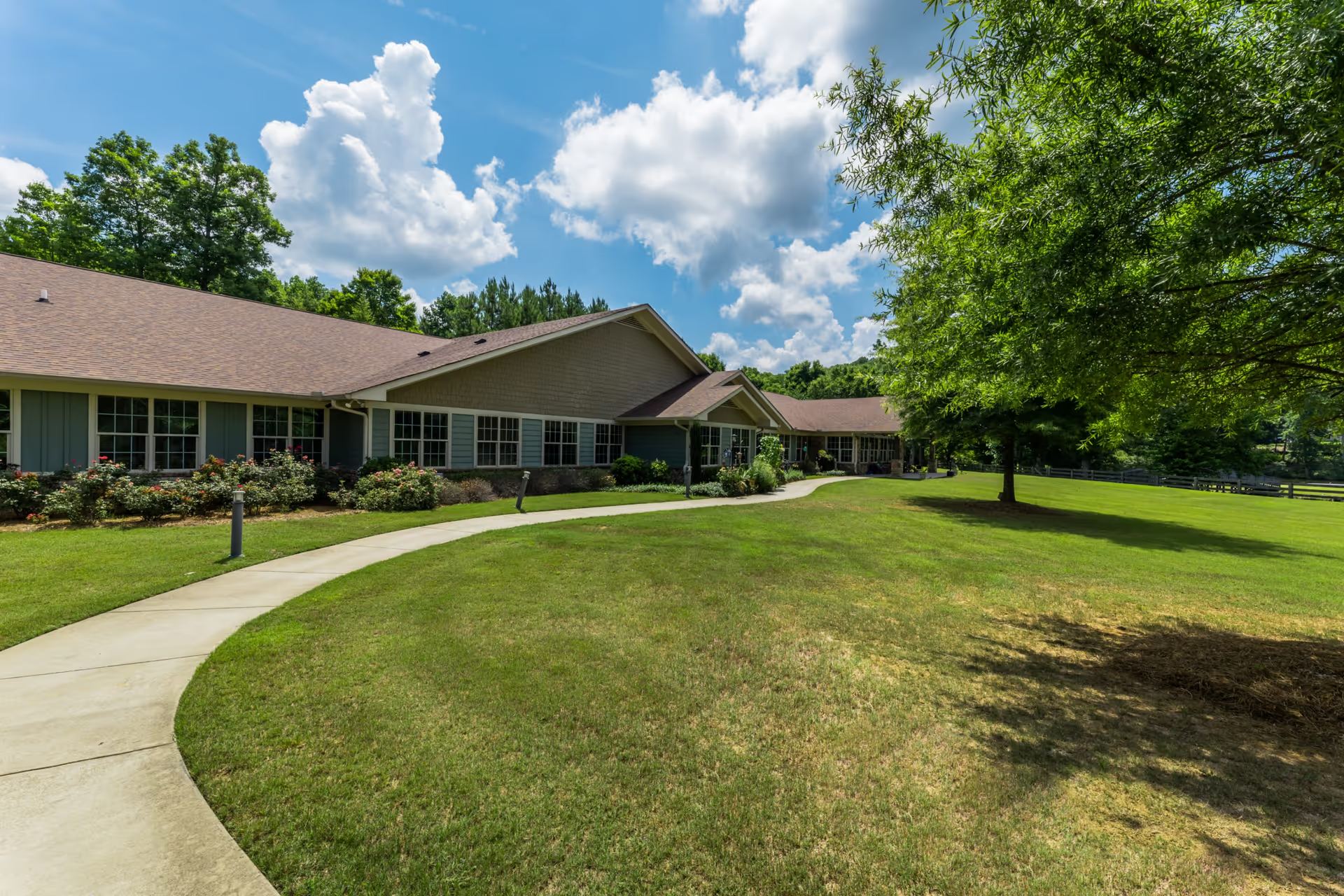
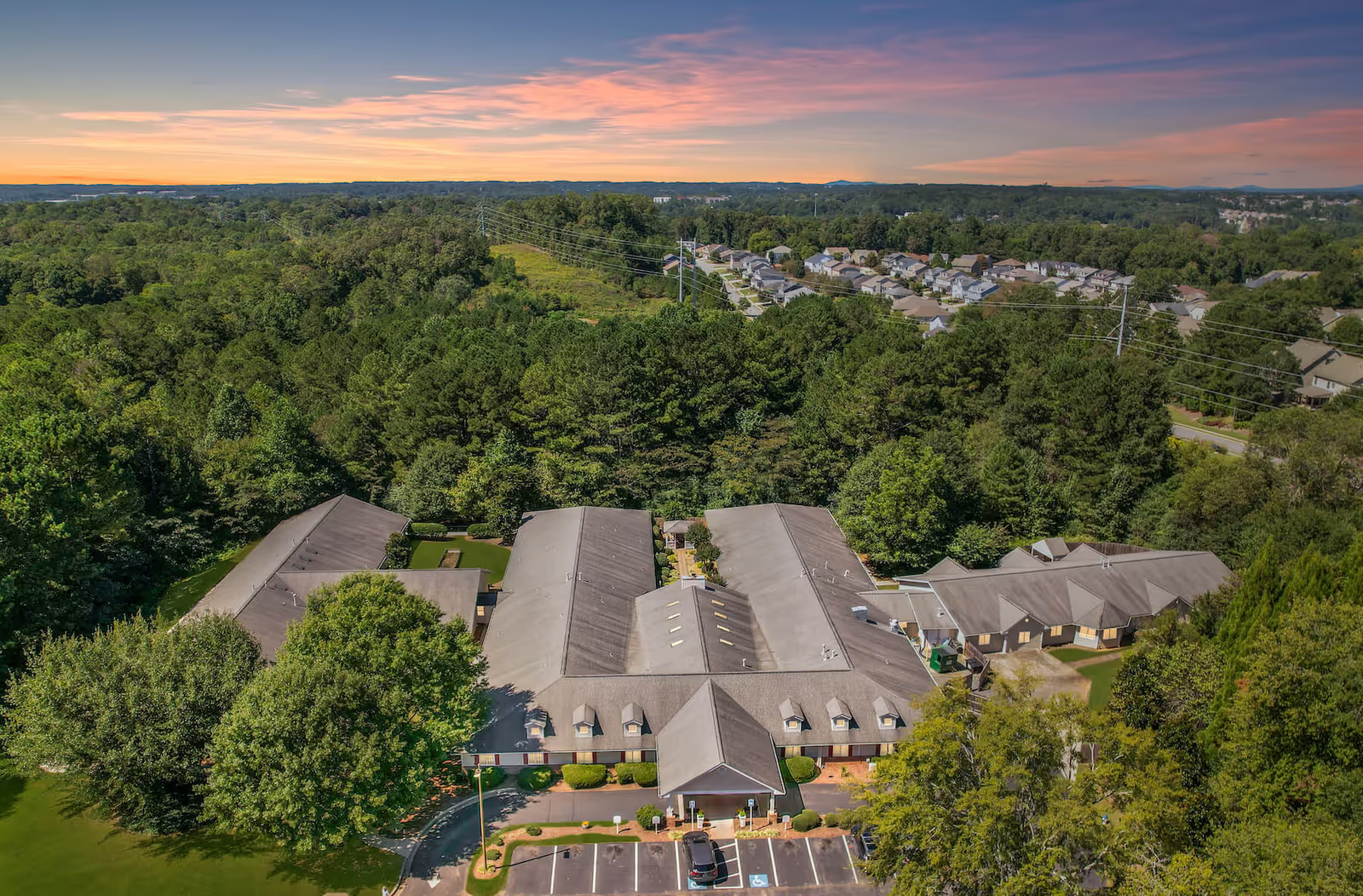
Overall impression: Oaks at Towne Lake is frequently praised for its physical plant, programming, and many members of the caregiving team. Reviewers commonly highlight a clean, well-maintained, and relatively new facility with ample amenities — chapel, activity rooms, salon, movie theater, Zen garden and attractive common spaces — and apartment options that include kitchenettes and comfortable living areas. The community offers a broad calendar of activities, regular outings and transportation, and visible efforts to support residents’ social and spiritual needs.
Care and staff: Many families describe staff as compassionate, engaged, and attentive; several reviewers singled out directors and specific care partners for personalized attention and strong resident relationships. At the same time, a consistent pattern in the feedback is variability in staffing and skill level across shifts and between employed staff and outside contractors. This variability manifests as uneven caregiving practices, limited coverage at times (especially in memory care), and occasional lapses that required family follow-up. Infection-control practices during COVID were frequently commended, which indicates operational capability for safety-focused protocols when prioritized.
Clinical operations and medication/dietary practices: Positive comments about clinical responsiveness coexist with more serious operational concerns. A number of families described medication-management lapses, including administration errors and coordination problems with pharmacy supply, as well as instances where families had to intervene to ensure continuity of medications. Relatedly, there are reports of inconsistent adherence to therapeutic or special-diet requirements for residents with conditions such as diabetes. These items point to weaknesses in medication and dietary oversight and the need for clearer protocols and staffing to enforce them reliably.
Dining, housekeeping and sanitation: Dining impressions are mixed: many residents and families praise chef-driven menus and enjoyable meals, while others describe institutional-feeling service or limited menu choices. There are also isolated but noteworthy sanitation and food-handling concerns cited, alongside generally positive comments about routine housekeeping, linen changes, and clean rooms. The pattern suggests that while routine environmental services are functioning for most residents, process gaps in food handling and common-area sanitation have occurred and warrant inquiry.
Memory care and supervision: Memory-care feedback is polarized. Some families praise compassionate dementia care and engaging, intimate programming; others report insufficient supervision, not enough assistance during meals, and overall understaffing in that unit. Prospective families should treat memory-care staffing levels and shift coverage as a specific area for scrutiny during visits.
Management, communication and administration: Several reviewers appreciated visible leadership and an accessible executive director who knows residents by name. However, recurring themes include inconsistent follow-through from management, delayed or unclear communication, and occasional billing or fee disputes. Front-desk coverage and move-in/out assistance were also noted as less reliable in certain instances.
Notable patterns and practical guidance: The overall dataset shows strong community attributes — facilities, active programming, many dedicated staff, and moments of excellent care — alongside operational inconsistencies that tend to cluster around staffing, medication/dietary management, sanitation processes, and administrative communication. Prospective residents and families should consider confirming current staffing ratios (particularly in memory care), asking about medication-administration protocols and pharmacy coordination, reviewing dietary accommodations and food-handling procedures, observing multiple shifts, clarifying billing and fee policies, and meeting regular clinical leadership (nurse/administrator) to assess responsiveness. Doing so will help balance the community’s many strengths against operational areas that some families found problematic.