Overall impression: Serenity Springs presents as a small, home-style private care setting that many families describe as compassionate and attentive. The facility is consistently characterized as providing individualized, around-the-clock care in a residential atmosphere; reviewers frequently cite one-on-one attention, staff who engage residents in walks, music, church visits, and recreational therapy, and measurable improvements in mobility and anxiety for some residents. For families seeking a right-sized, family-like alternative to larger assisted living or nursing facilities, Serenity Springs often appears to deliver better personal attention and frequent communication with families.
Care and staff: Care quality is a leading strength. Multiple families describe caregivers who are attentive, warm, and responsive, with named staff members singled out for their dedication. The facility appears oriented toward personalized plans and regular supervision for many residents, including assistance with walking, bathing, feeding, and mobility rehabilitation. At the same time, reviewers describe variability in staff conduct and professionalism: interpersonal conflict, occasional harsh communication, and operational lapses such as no-shows or very brief intake visits have been reported. These examples suggest inconsistent staff communication styles and unevenness in some administrative interactions. Prospective families should confirm current staffing patterns, staff training, and supervisory oversight.
Dining and activities: Dining is generally described as home-style and filling, and several families credit meals with contributing to residents’ wellbeing. However, there are recurring comments about limited menu variety, scarce fresh fruit or salads, and limited snack options. Activity offerings are mixed: the facility provides individualized outings (walks, church, senior aerobics) and recreational therapy, but other reviewers describe minimal structured group programming (TV-centric common areas, few scheduled activities). Those seeking robust day programming or a broader activity schedule should ask about the weekly activity calendar and refreshment/fruit provisions.
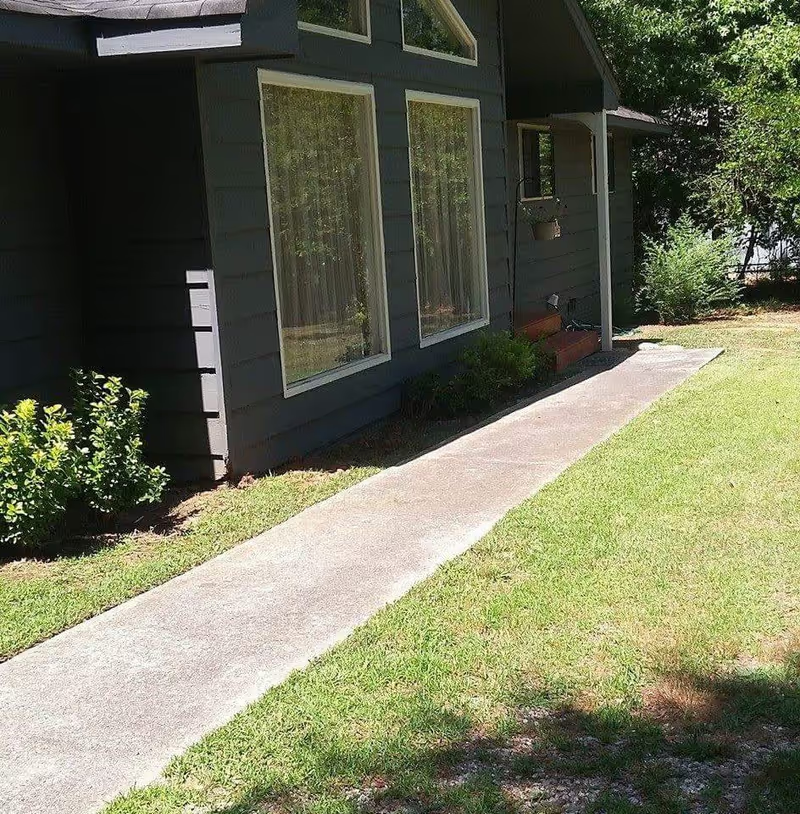
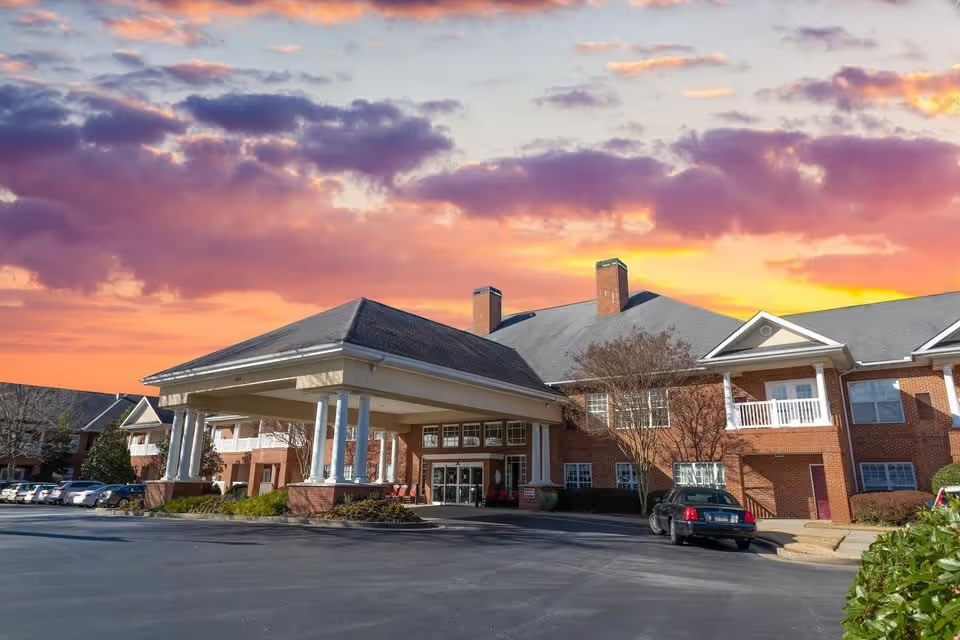
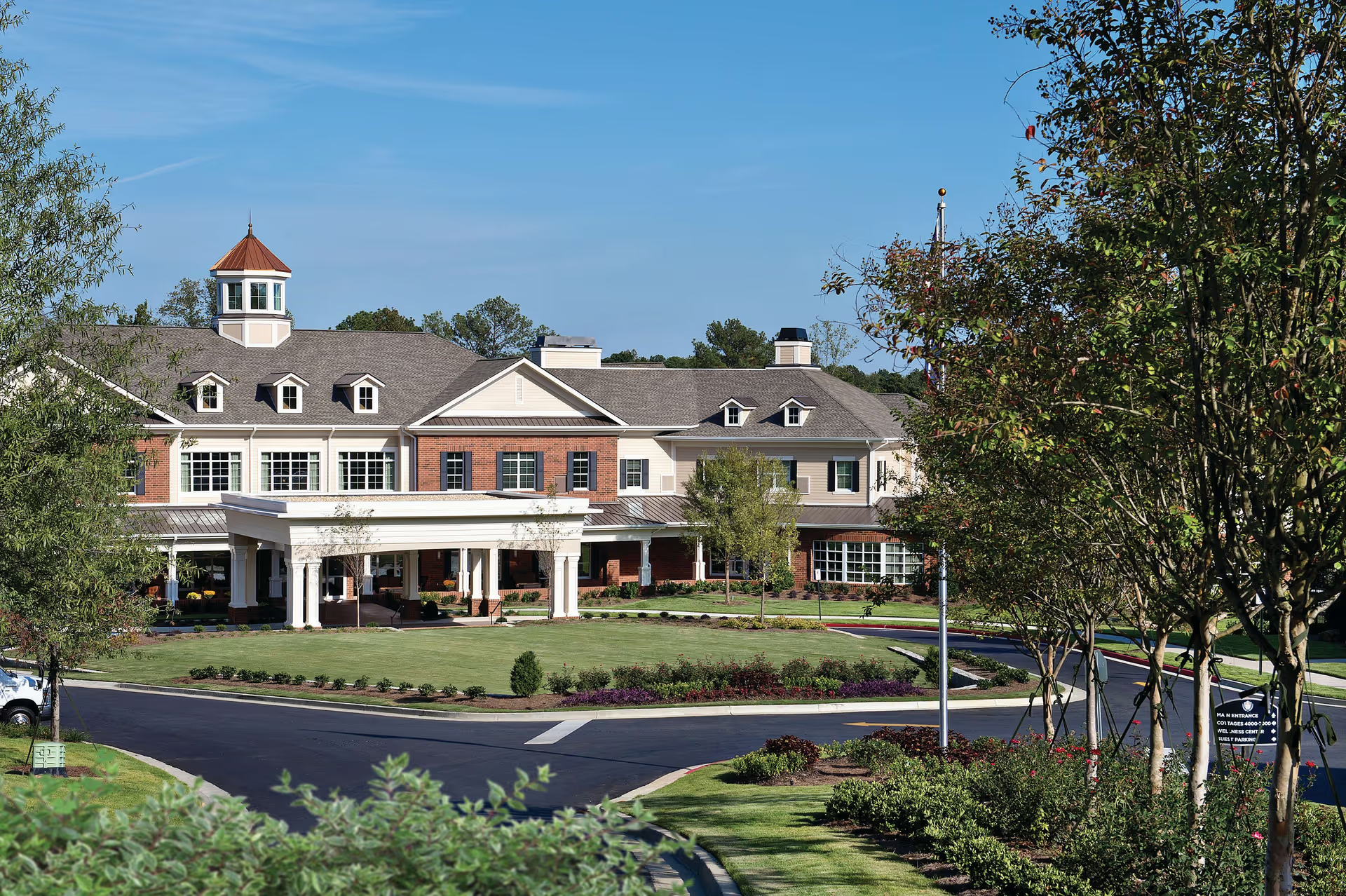
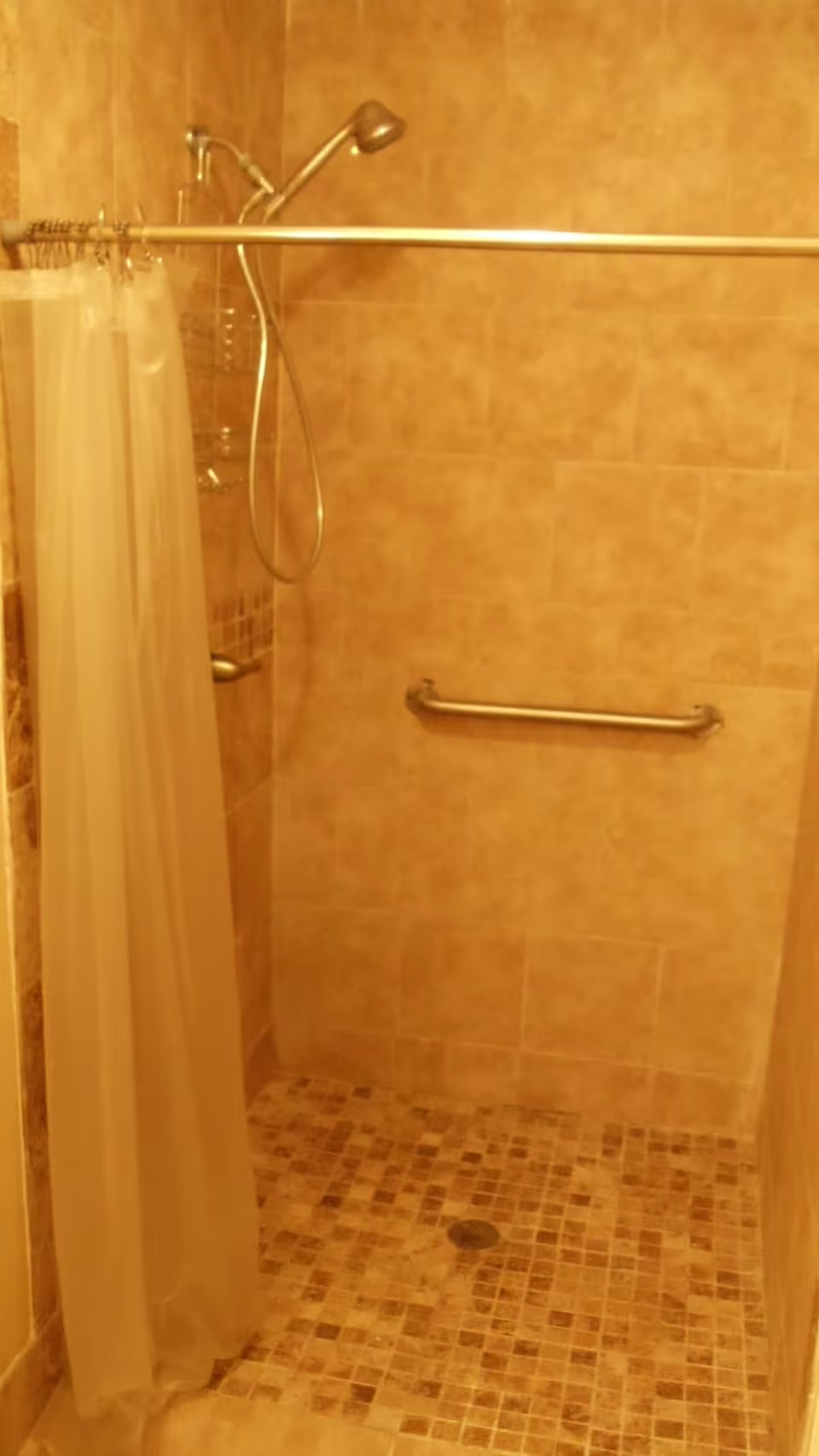
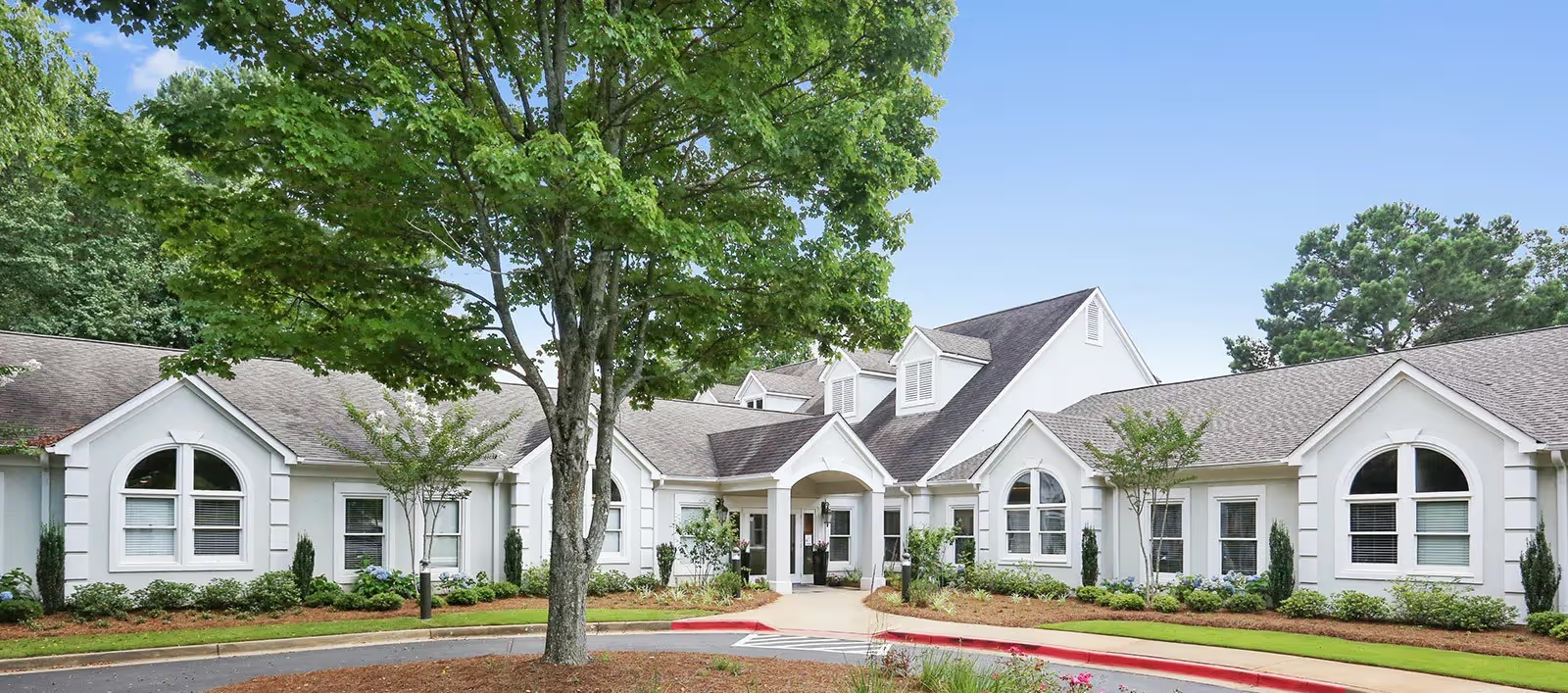
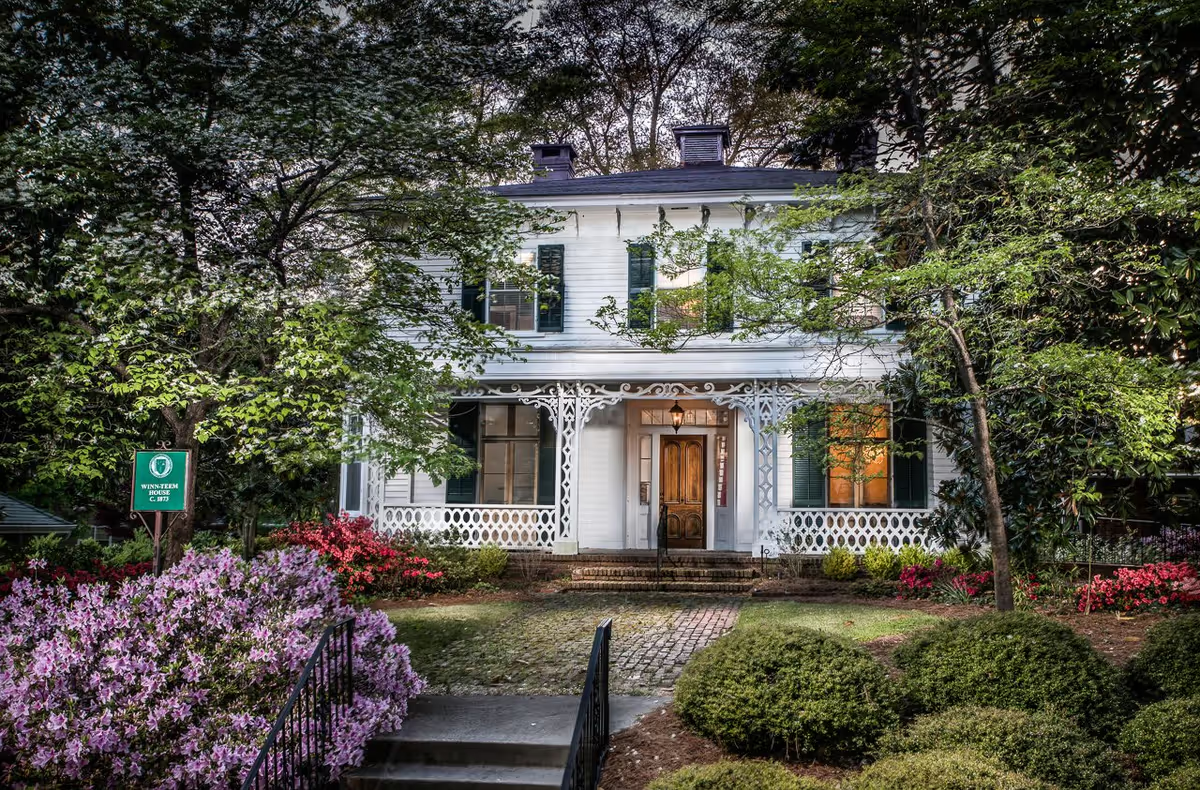
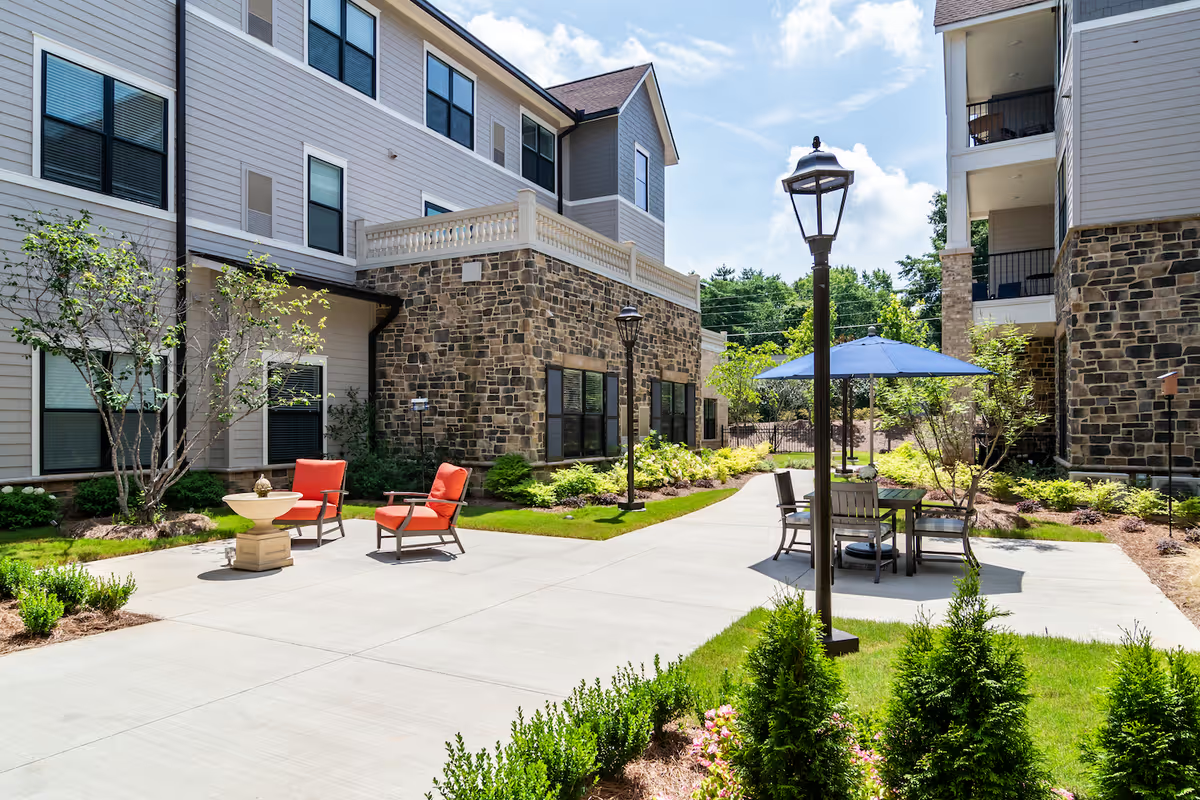
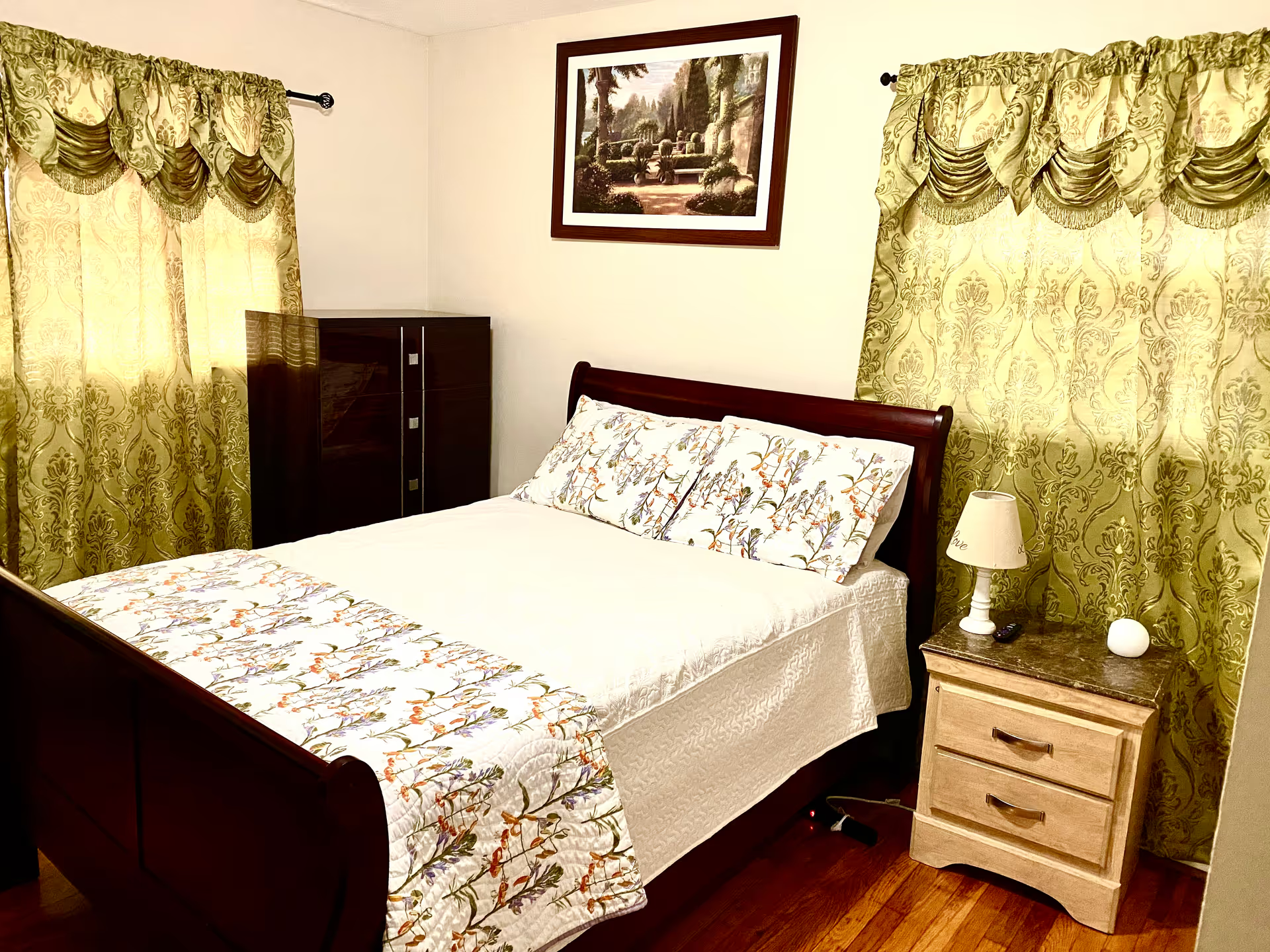
Facilities and safety: The physical environment is consistently described as clean, comfortable, and right-sized for a residential setting, with cozy common areas, outdoor space, and some private rooms with adjacent baths. Several reviewers appreciated the feeling of safety and available safety features. Conversely, there are operational concerns for higher-acuity residents: limited overnight supervision in some cases, the absence of a secure 24-hour dementia unit for residents with elopement risk, and reports of door-alarm or lock implementations that disturbed sleep. Additionally, isolated sanitation concerns have been raised; these appear inconsistent rather than uniform but merit attention during a tour.
Management and operational patterns: Families commonly note open communication and willingness by staff to involve relatives. The provider is generally viewed as offering reasonable pricing and perceived value compared with institutional options. Nonetheless, there are several operational weaknesses to consider: variable overnight coverage, uneven admissions professionalism (including missed appointments or cursory tours), and gaps in fall-prevention and clinical-incident response—examples include falls and subsequent infections or slow healing cited by families, which point to the need for stronger protocols for high fall-risk residents. There are also serious financial-related claims in the reviews; while such claims are isolated in the dataset, they suggest confirming contract terms, billing procedures, deposit/refund policies, and escalation paths in writing before placement.
Patterns and recommendation: The dominant pattern is a facility that excels at individualized, compassionate day-to-day care in a homelike environment, producing improved comfort and mobility for many residents. Offsetting strengths are operational inconsistencies: activity breadth, menu variety, overnight staffing, safety protocols for residents with advanced dementia or high fall risk, and occasional administrative or billing concerns. Prospective residents and families should schedule an in-person visit focused on (1) current staffing ratios and overnight coverage, (2) written fall-prevention and wound/UTI management protocols, (3) sample menus and snack/fruit availability, (4) activity calendars, (5) cleaning/sanitation practices, and (6) a clear written contract covering billing and grievance procedures. That targeted due diligence will help determine whether the facility’s personalized, small-home model matches the clinical and social needs of the prospective resident.