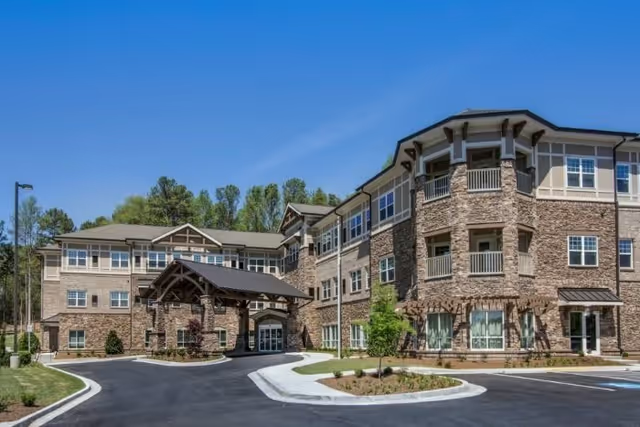
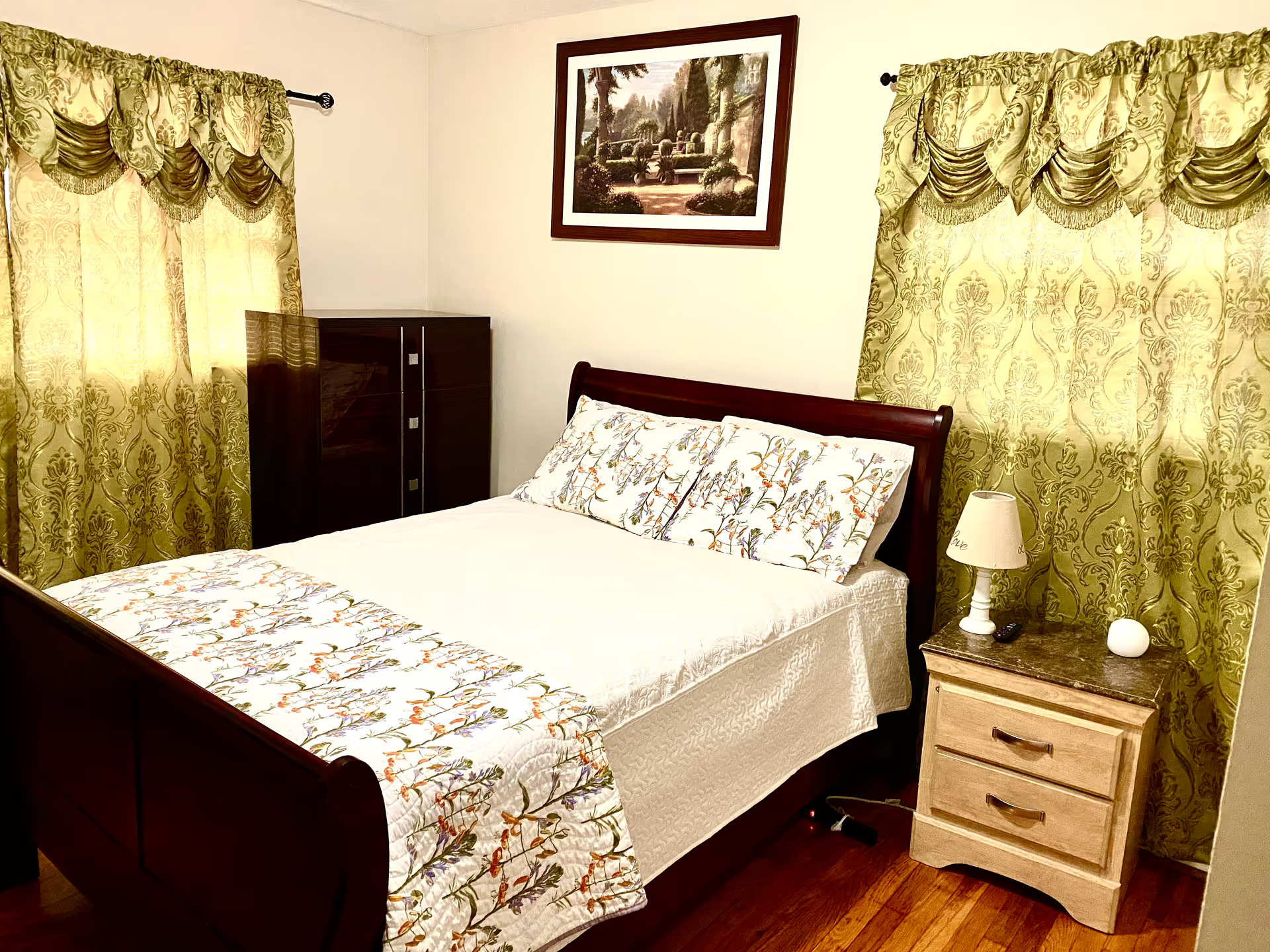
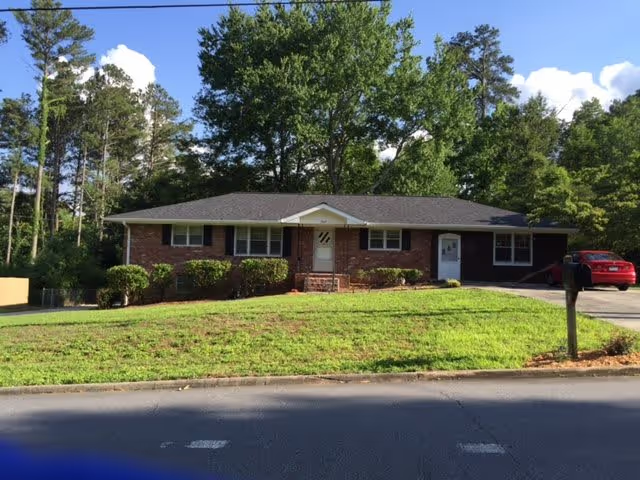
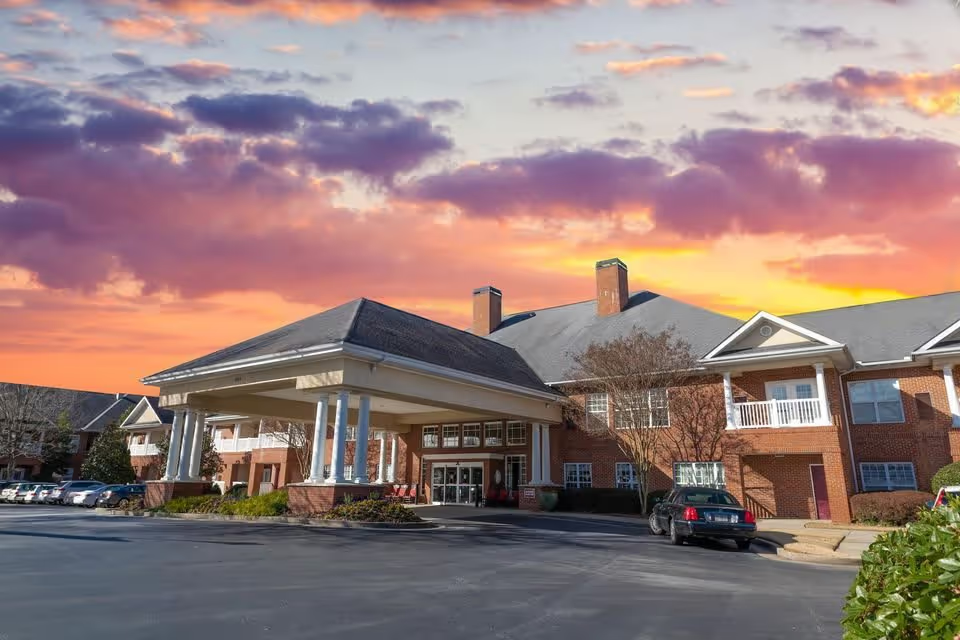
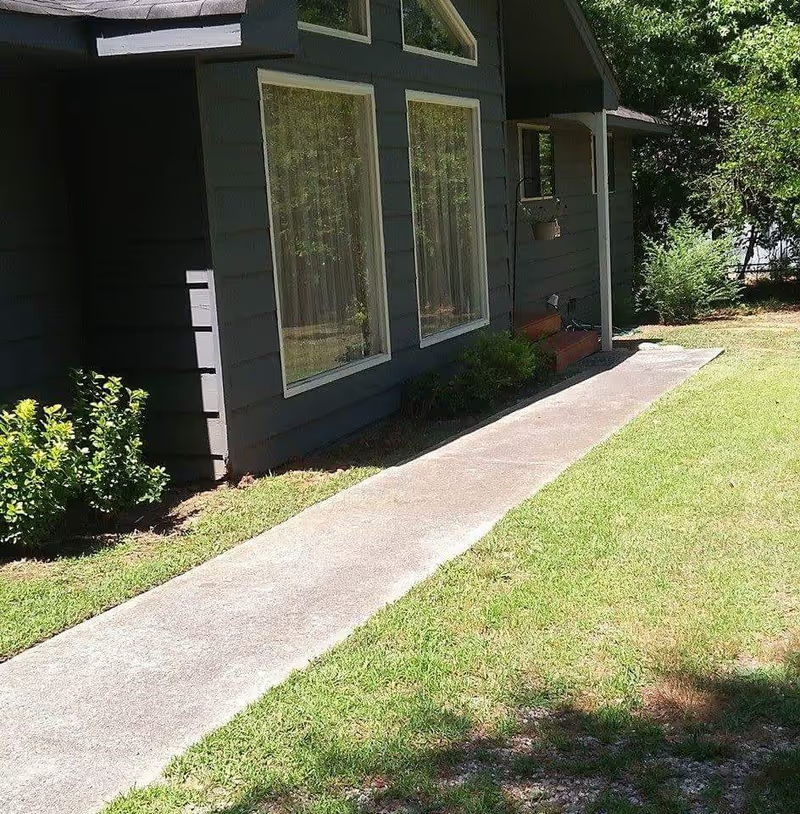
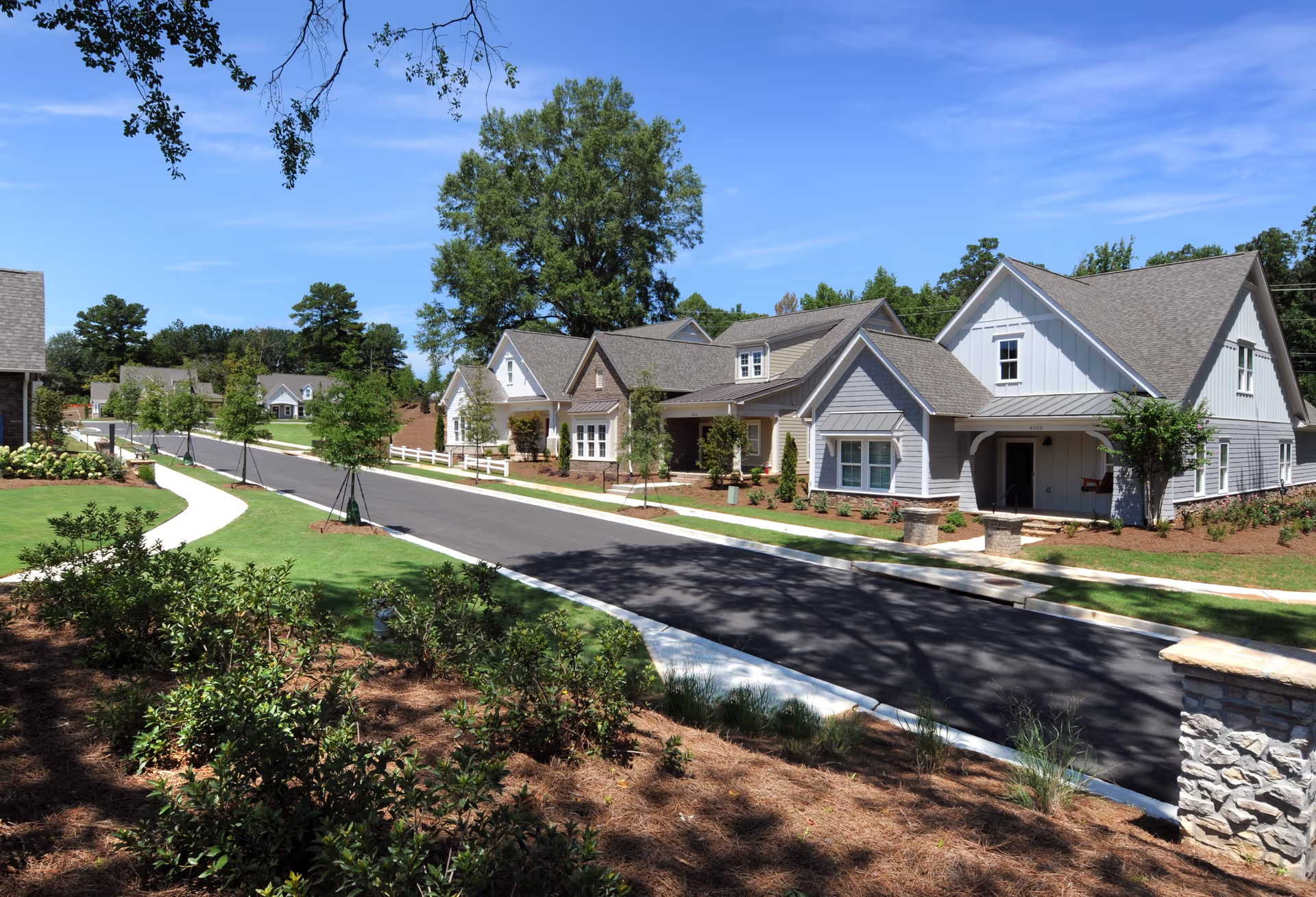
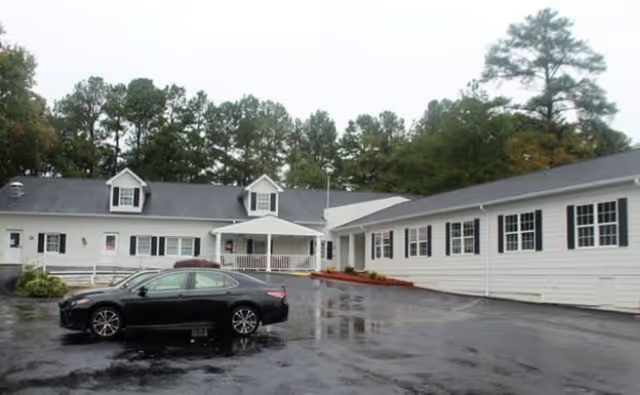
Winnwood Retirement Community is frequently described as a well-landscaped, family-style senior living option with a broad activity program and an attentive staff culture. The campus and grounds receive consistent praise — reviewers note extensive outdoor space, courtyards, walking paths, libraries, a putting green and a dog park — and many families describe the community as clean and comfortably maintained. The community’s smaller, owner-operated character appears to support personalized touches: staff are commonly described as compassionate, knowing residents’ names, and responsive during move-in and follow-up.
Care quality is generally perceived positively, with multiple accounts of engaged nursing and strong medication-management support. At the same time, reviewers describe variability in clinical continuity tied to staffing turnover and occasional retraining needs. Several families raised concerns about care transitions (for example, moves into memory care) and about situations where meal or medication timing impacted resident needs; these describe process and consistency gaps rather than uniform clinical failure. Prospective residents should ask about current staffing stability, on-call clinical coverage, and protocols for care transitions.
Dining impressions are mixed. Some reviewers praise well-presented, flavorful meals and flexible options such as in-room dining; others cite inconsistent quality, cold or repetitive dishes, and limited meal coverage at certain times (notably weekend or single-meal service patterns in some layouts). Food-service staff turnover and variability in kitchen performance are recurring themes. Visitors should tour the dining room at a mealtime, inquire about weekend meal schedules, and confirm accommodations for special diets.
Programming and social life are strengths for Winnwood. The activity calendar is described as robust — book clubs, card games, outings, and themed events are common — and many residents report feeling engaged and socially supported. The activities department is often singled out for enthusiasm and organization, contributing to a close-knit, cruise-ship–type social atmosphere for long-term residents.
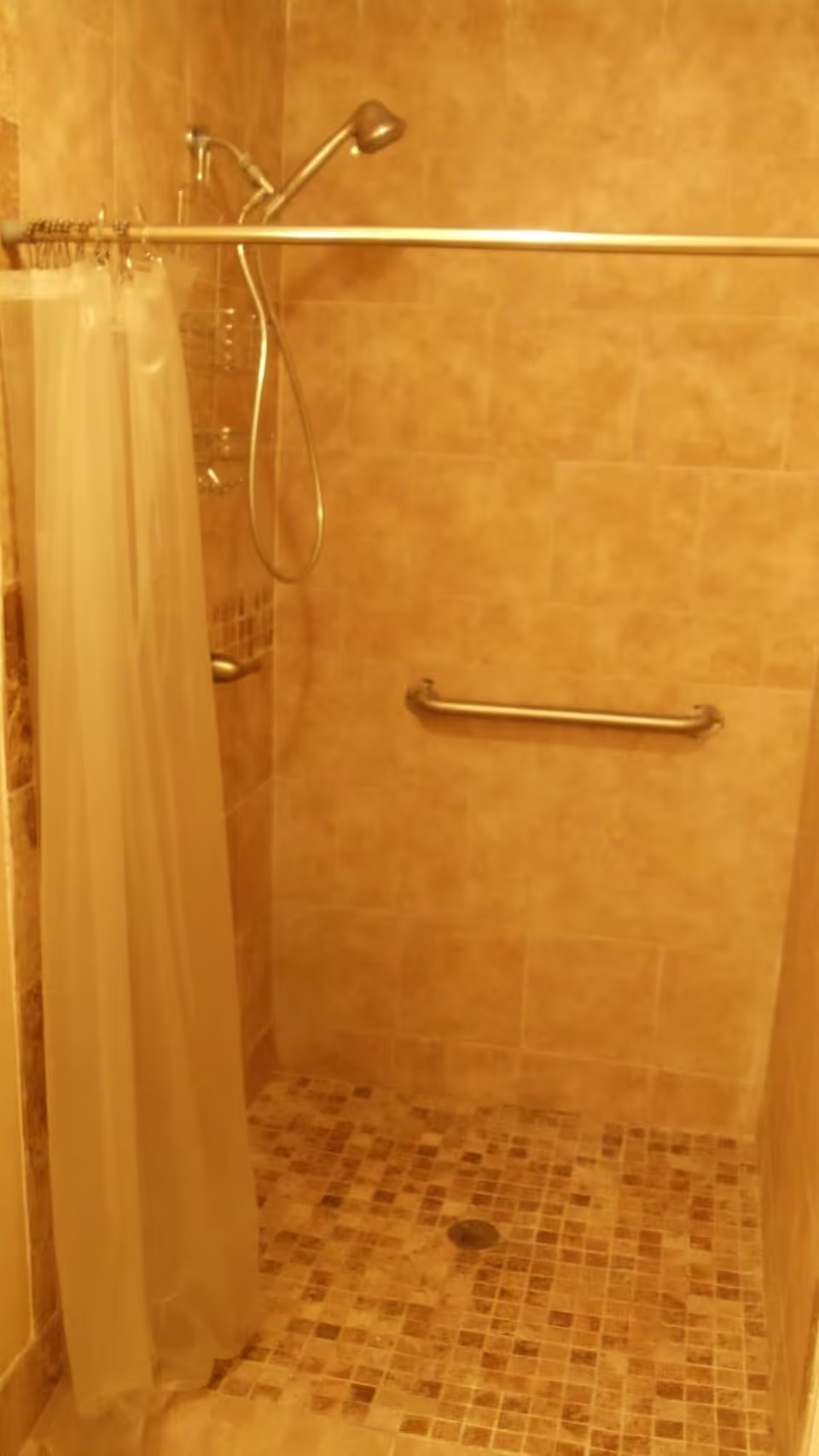
Operational areas to investigate include accessibility and maintenance. Multiple accounts mention accessibility limitations in some buildings (heavy doors, bathrooms that are difficult to navigate with mobility devices) and small apartment footprints with limited kitchen amenities. There are also several notes about delayed maintenance responses, episodic water-damage repairs, and isolated issues with facility upkeep (furniture or piano repairs left incomplete). Odor concerns and unclear enforcement of smoking areas were raised by multiple families; prospective residents should ask about current smoking policies and indoor air controls.
Management and financial transparency show mixed feedback. The owner-operated nature of the community is a selling point for many, but reviewers also report leadership turnover, variability in manager availability, and instances of unclear fee or deposit handling. Concerns include unexpected charges and disputed refunds. Asking for a clear written fee schedule, deposit policy, and examples of recent leadership tenure will help families assess current practices.
In summary, Winnwood offers a landscaped, activity-rich environment with many families praising the staff’s compassion, a strong social program, and convenient transportation and housekeeping services. However, consistent touring and targeted questions are recommended: verify staffing stability, meal-service coverage and quality, accessibility of the specific building and unit you are considering, maintenance-response expectations, smoking-policy enforcement, and the facility’s fee and deposit practices before deciding. These checks will help prospective residents and families weigh the community’s strong social and environmental attributes against operational variability that some reviewers experienced.