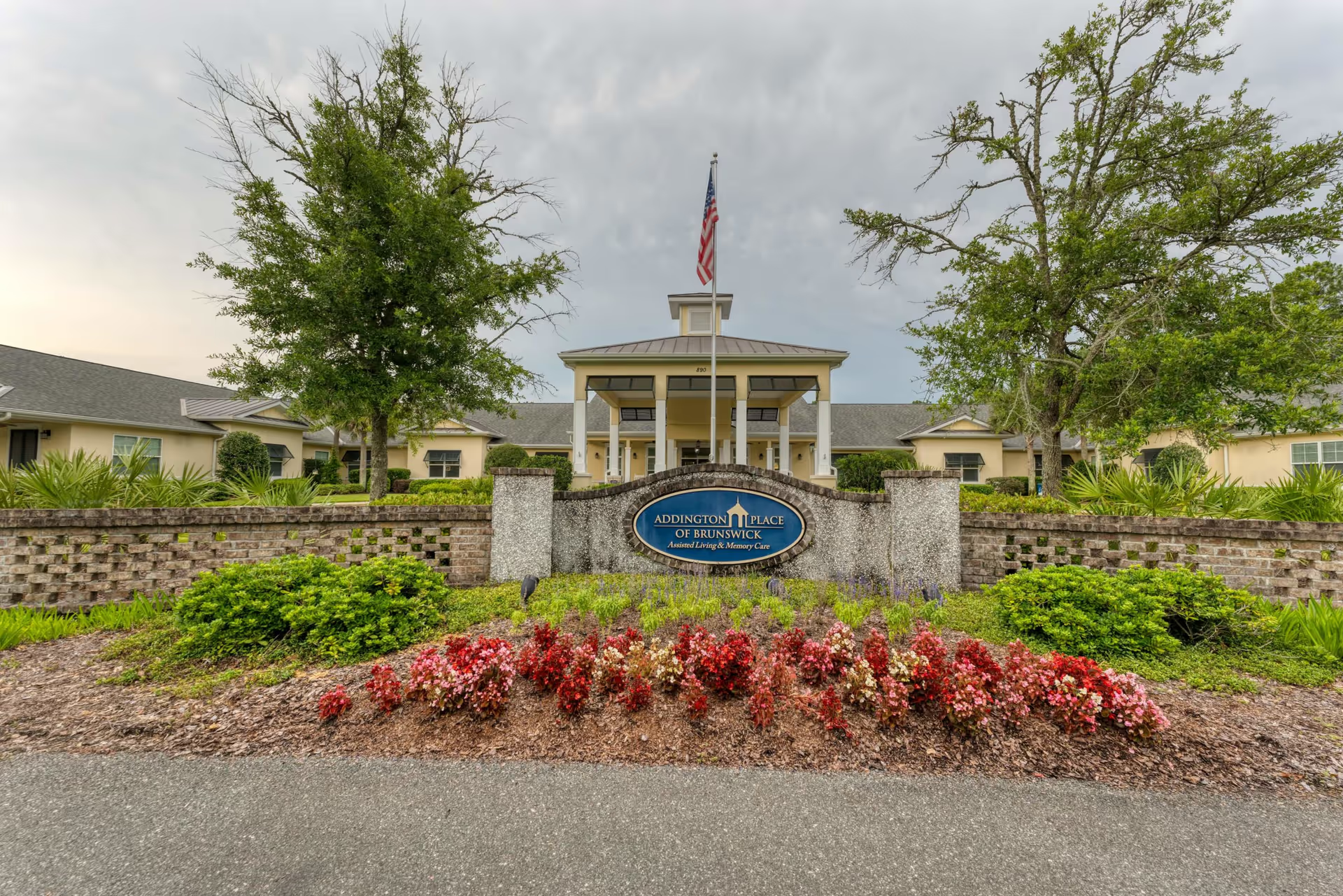
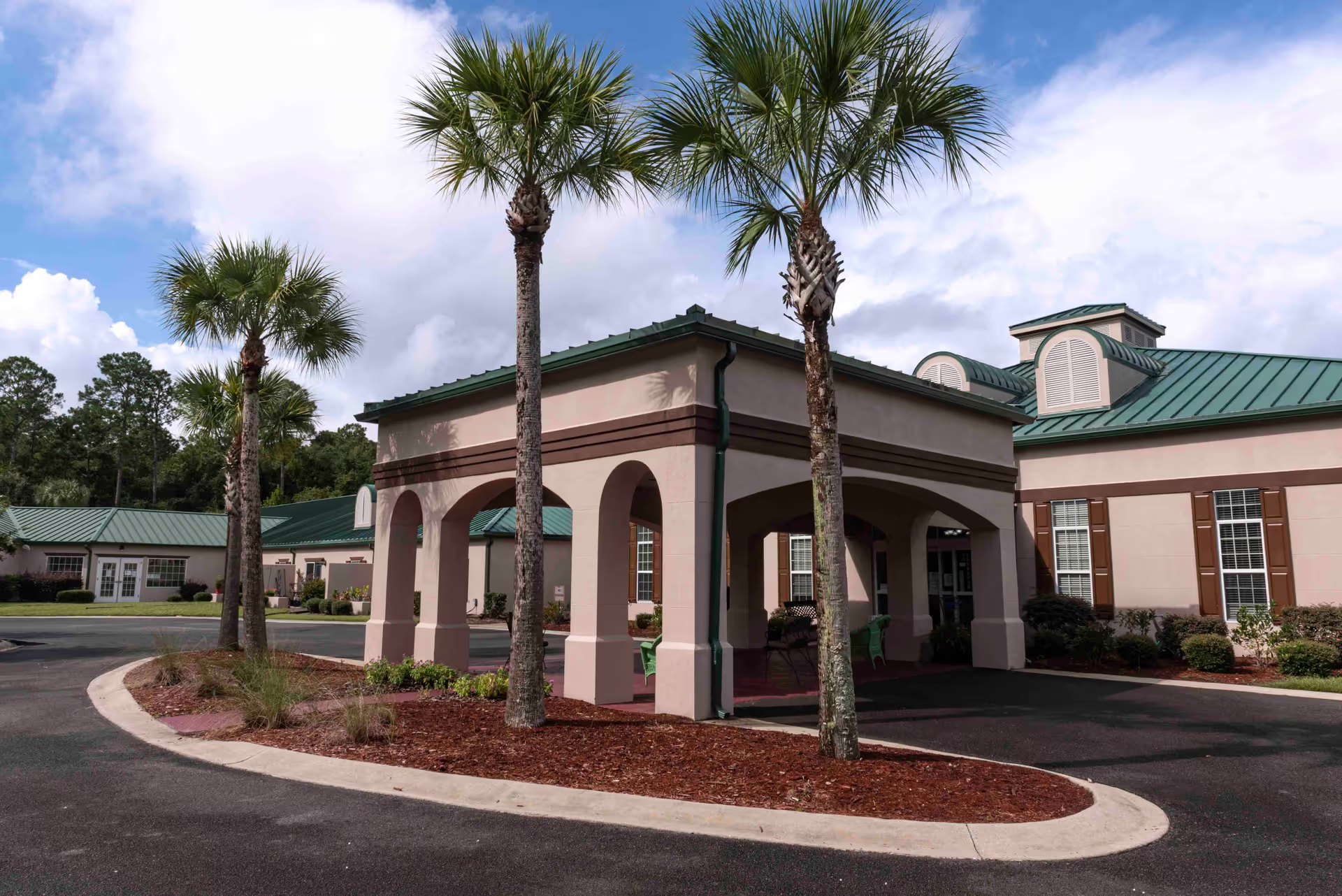
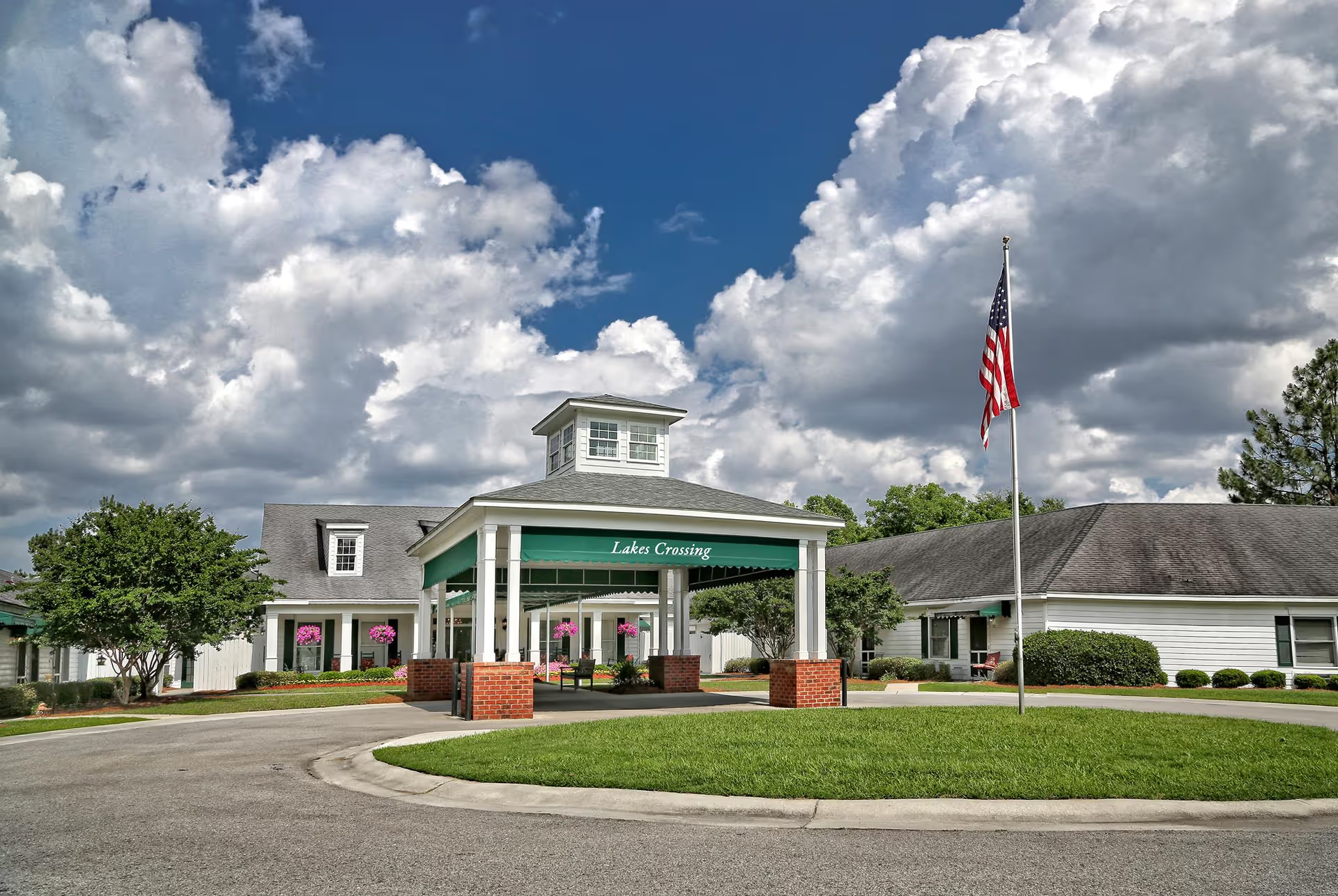
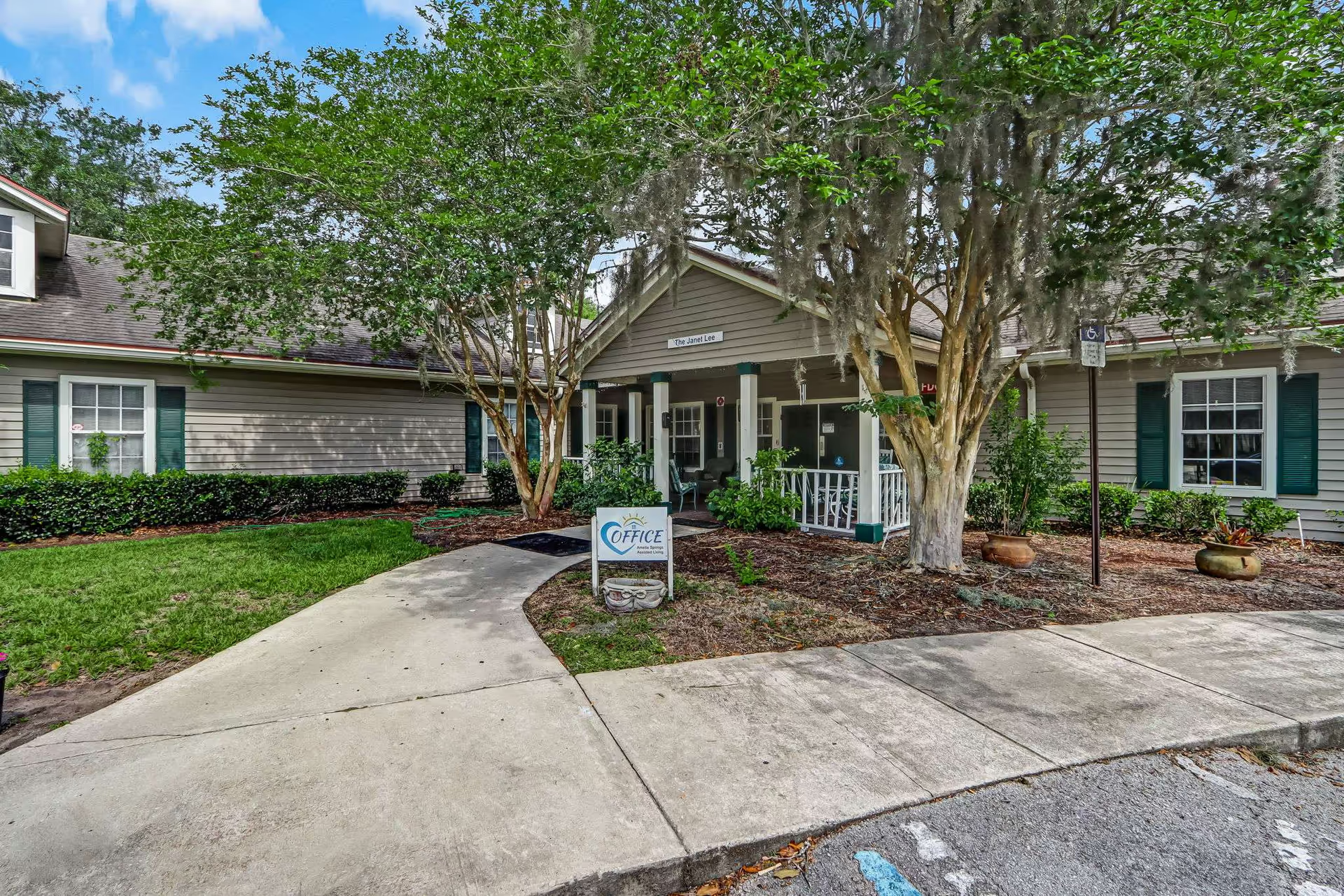
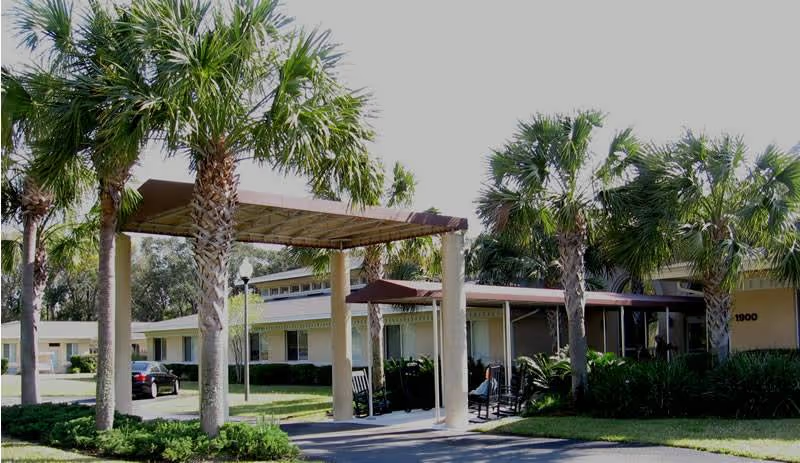
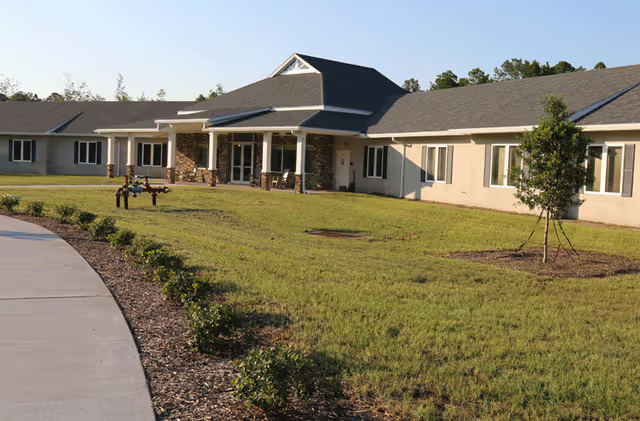
HomeLife on Glynco presents as a well-appointed, campus-style senior living community with many features families value: roomy private apartments, a pond and boardwalk, attractive common areas, and a range of on-site amenities such as a salon, library, game and media rooms. Many accounts emphasize the facility’s cleanliness and maintained grounds, and the availability of housekeeping and maintenance services. The physical environment and outdoor spaces are frequently described as pleasant and homelike.
Care quality and staff interactions are prominent strengths in the overall picture. Numerous accounts highlight caring, compassionate caregivers and nursing staff, including an RN director with memory-care experience. The community is noted for its memory-care programming and coordination with physicians and hospice, and reviewers describe individualized attention, insulin and medication administration, and physician house-call availability. Families often describe a family-like, warm culture and say staff make residents feel respected and comfortable.
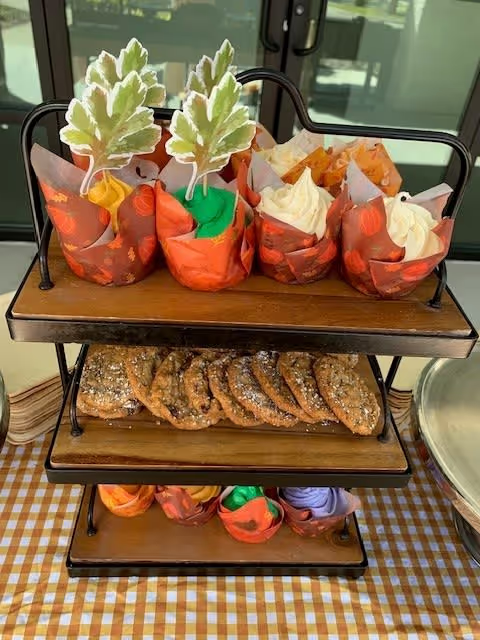
Dining and activities form an important part of daily life at the community. Dining is described as restaurant-style and many reviewers praise the food, though there are recurring comments about variability in meal quality and presentation. The community offers an active calendar—bingo, movie nights, book club, worship services, exercise classes, and occasional special events such as family dinners—while infection-control periods (notably during COVID) have reduced in-person engagement at times.
Facility operations show mixed signals. Positive operational elements include visible nurse stations, safety alarms, and coordinated clinical support. However, reviews indicate inconsistency in staffing levels and turnover that can affect continuity of care and administrative responsiveness. Several accounts describe administrative overload, leadership changes, or uneven management interactions, which have led to concerns about communication, policy enforcement, and billing clarity. Transportation reliability and occasional gaps in routine housekeeping or maintenance follow-through are additional operational themes.
Notable patterns for families to weigh: the community’s strengths are strongest around caregiving warmth, memory-care competence, and physical amenities; potential weaknesses are operational and managerial—staffing consistency, administrative capacity, and some variability in dining and daily-service execution. Prospective residents and families would be well advised to tour at mealtime, meet nursing and administrative leadership, ask about current staffing ratios and turnover, review billing and pharmacy procedures, and inquire how activities and visitation are managed during infection-control events to assess current conditions and alignment with their priorities.