Overall impression: Reviews indicate that Ridge Manor of Calhoun delivers a consistently home-like, well-maintained environment with a caregiving team that many families describe as compassionate and attentive. The facility's strengths center on personalized attention, coordinated hospice and memory-care services, and a small, residential scale that supports family involvement and regular staff–family communication. Many families highlighted end-of-life care that was collaborative and comforting, and praised individual caregivers by name for their responsiveness and dignity-preserving approach.
Care and staff: Care quality is frequently characterized as highly attentive and personal. Reviewers noted respectful interactions, one-on-one attention, and staff who engage residents in social and dining activities. Memory-care expertise and an effective caregiver-to-resident ratio were cited as enabling stable supervision and reduced wandering issues. Hospice collaboration and comfort-care approaches were repeatedly described positively in situations where residents were terminally ill.
Dining and activities: Dining receives favorable comments for freshness, balanced menus, and accommodating meal preparation. Multiple families described improved appetite and social dining. Activities and outdoor access also contribute to a home-like routine; reviewers mentioned piano, exercise opportunities, porch and garden areas, and a range of small-group or social activities that support engagement.
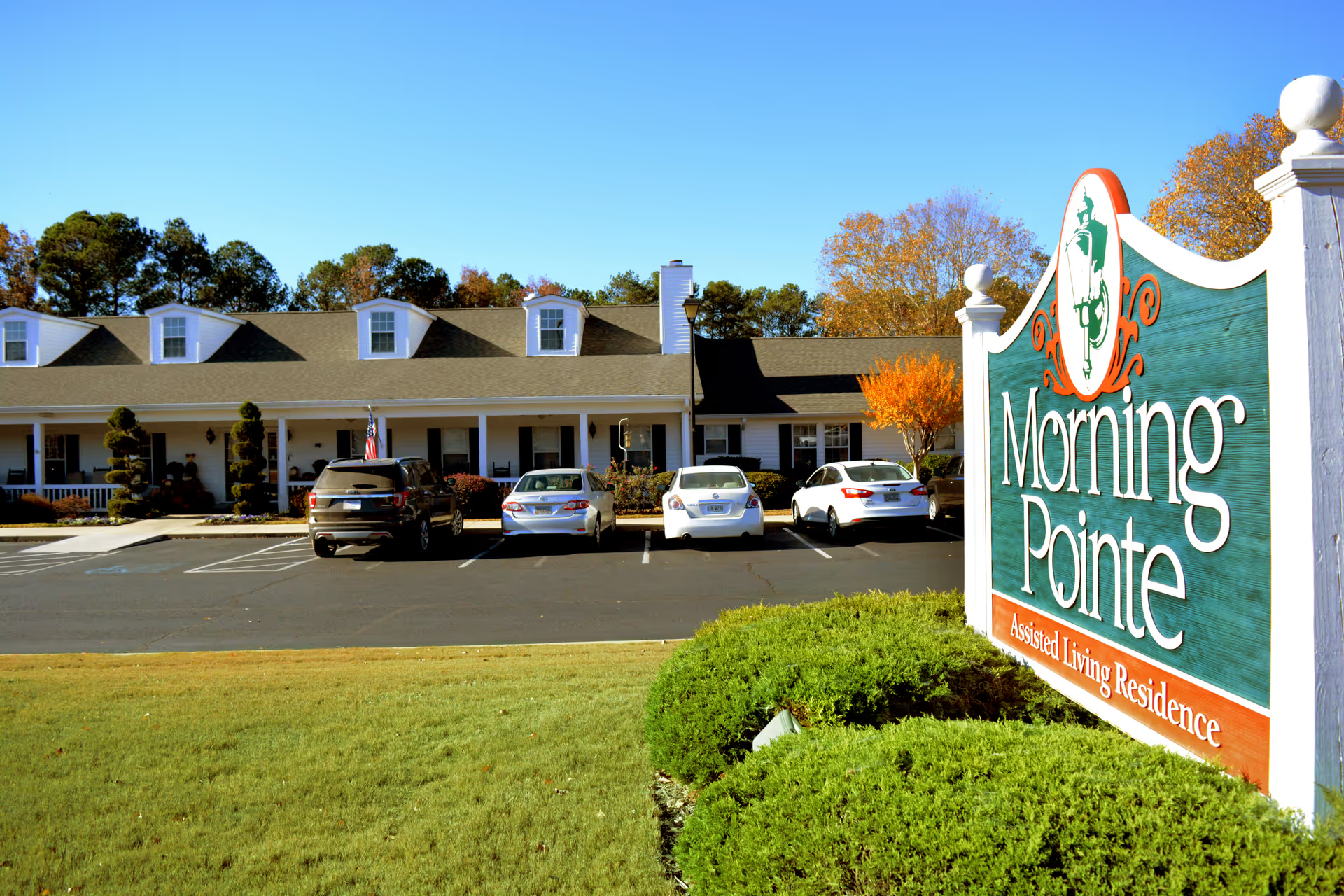
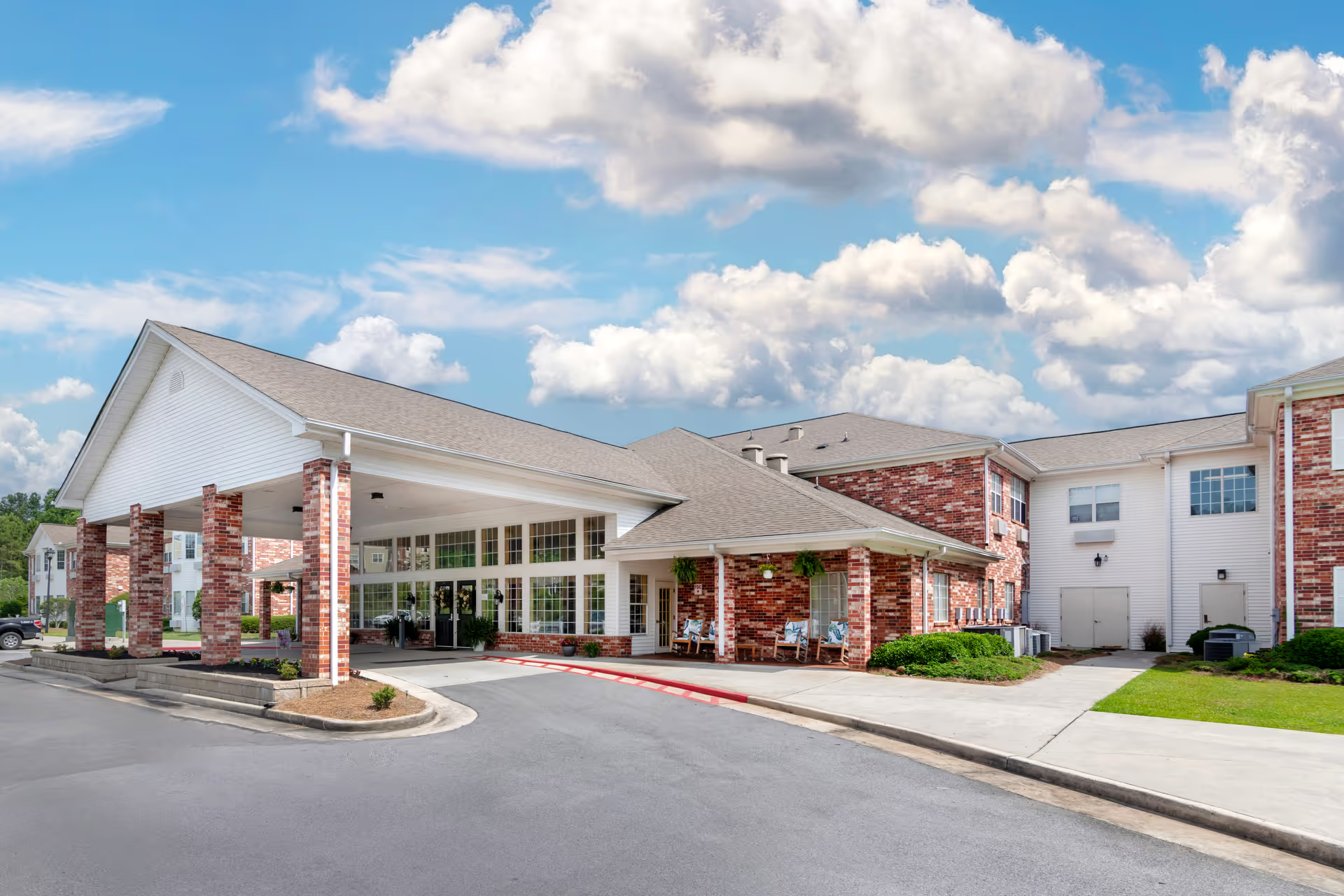
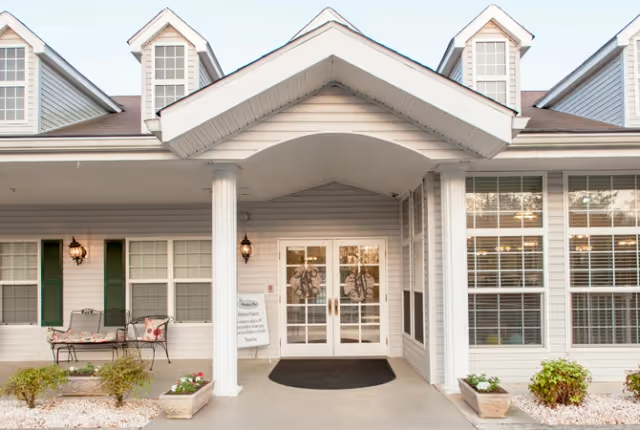
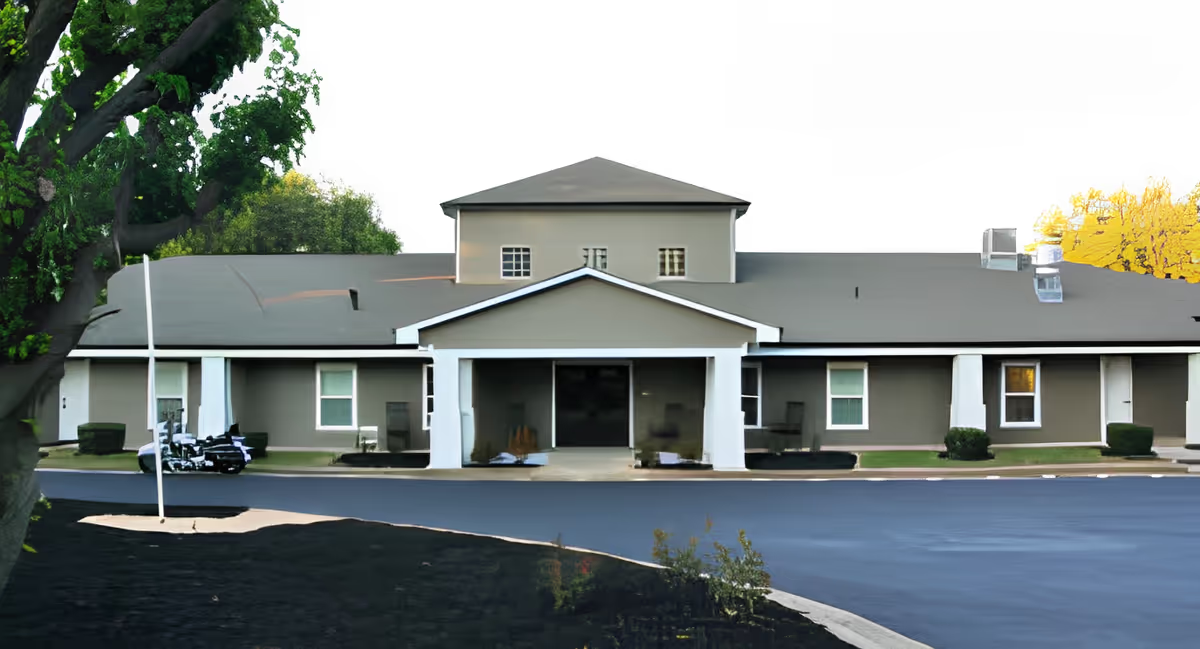
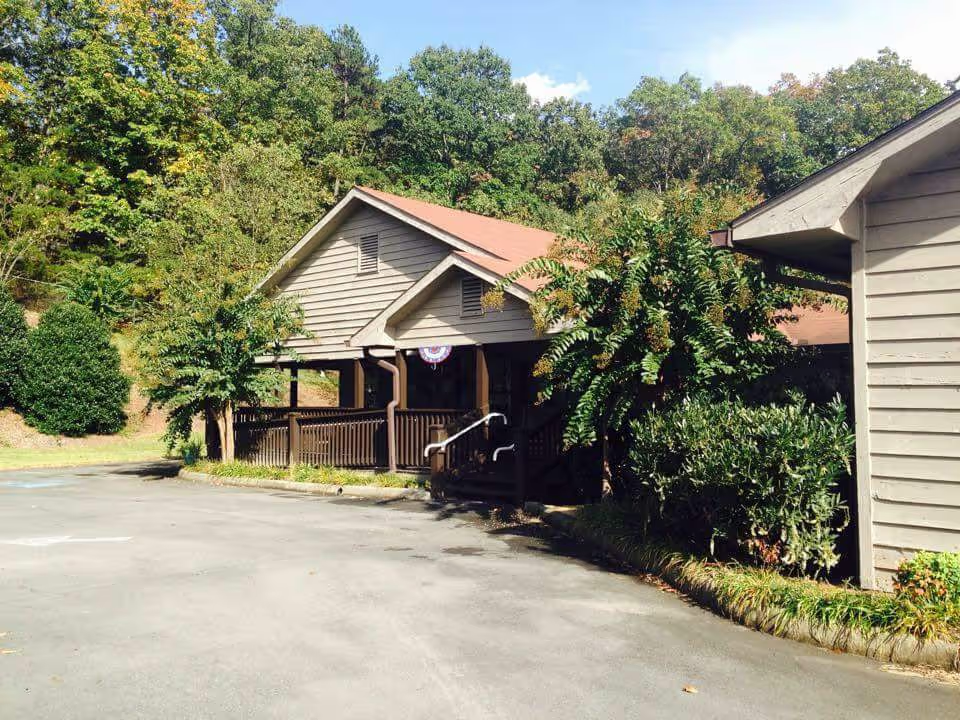
Facilities and environment: The physical plant is consistently described as clean, tasteful, and well maintained. Rooms were noted as bright, spacious, and often fully furnished; common areas and grounds were described as peaceful and secure. The small scale of the facility appears to reinforce a familial atmosphere and individualized attention.
Management and operational patterns: While many families praised hands-on owner and director involvement, reviews also reveal recurring operational concerns. There are patterns of staffing instability and notable staff turnover that can affect continuity of care. Several families described gaps in administrative communication, including abrupt notifications about transfers or facility changes and instances of unprofessional phone interactions. A few accounts raise concerns about transfer- and emergency-response processes; prospective residents with complex clinical needs (for example, recent strokes or high-dependency transfers) may want to review transfer procedures and on-site clinical coverage carefully.
Notable patterns and recommendation: The overall pattern is one of strong resident-centered caregiving within a clean, calm setting, offset by intermittent management and staffing challenges that could affect continuity and communication. Prospective families should weigh the facility's clear strengths in personalized, hospice-competent care and a supportive atmosphere against the operational issues noted. Prior to placement, ask about current staffing stability, emergency-transfer protocols, written notice policies, and examples of how management handles clinical transitions to ensure alignment with the incoming resident's medical and continuity needs.