Reviews of Crisp Regional Nursing and Rehabilitation Center present a polarized picture: several accounts highlight a warm, home-like environment with engaged residents and a cadre of caring, professional staff, while other accounts describe significant operational weaknesses that merit scrutiny.
Care: Clinical responsiveness receives mixed commentary. Positive descriptions include timely clinical mobilization and effective medical attention for acute needs, and some families described satisfactory rehabilitative outcomes. Conversely, there are notable concerns about medication management and perceived pressure around end-of-life decisions. Personal-care practices are inconsistent across accounts: while some families praise attentive nursing care, others describe irregular bathing schedules and delays in basic personal-care tasks. Rehabilitation services appear available but variable in accessibility and intensity depending on individual cases.
Staff: Staff behavior and competence are portrayed in two contrasting ways. Many reviewers praise caring, respectful nurses and helpful aides, and some single out strong administrative leadership. At the same time, there are repeated concerns about understaffing, delayed responses to call requests, and communication tone from some staff and managers. These patterns suggest that staffing levels and staff training/oversight may influence day-to-day resident experience.
Dining and activities: There is limited specific information about dining and meal quality in the available summaries. Activities and community engagement are a clearer strength: regular volunteer-led reading sessions, fundraising and outreach projects (including a noted Love Project for 2025), and other social programming contribute to an active communal environment and resident engagement.
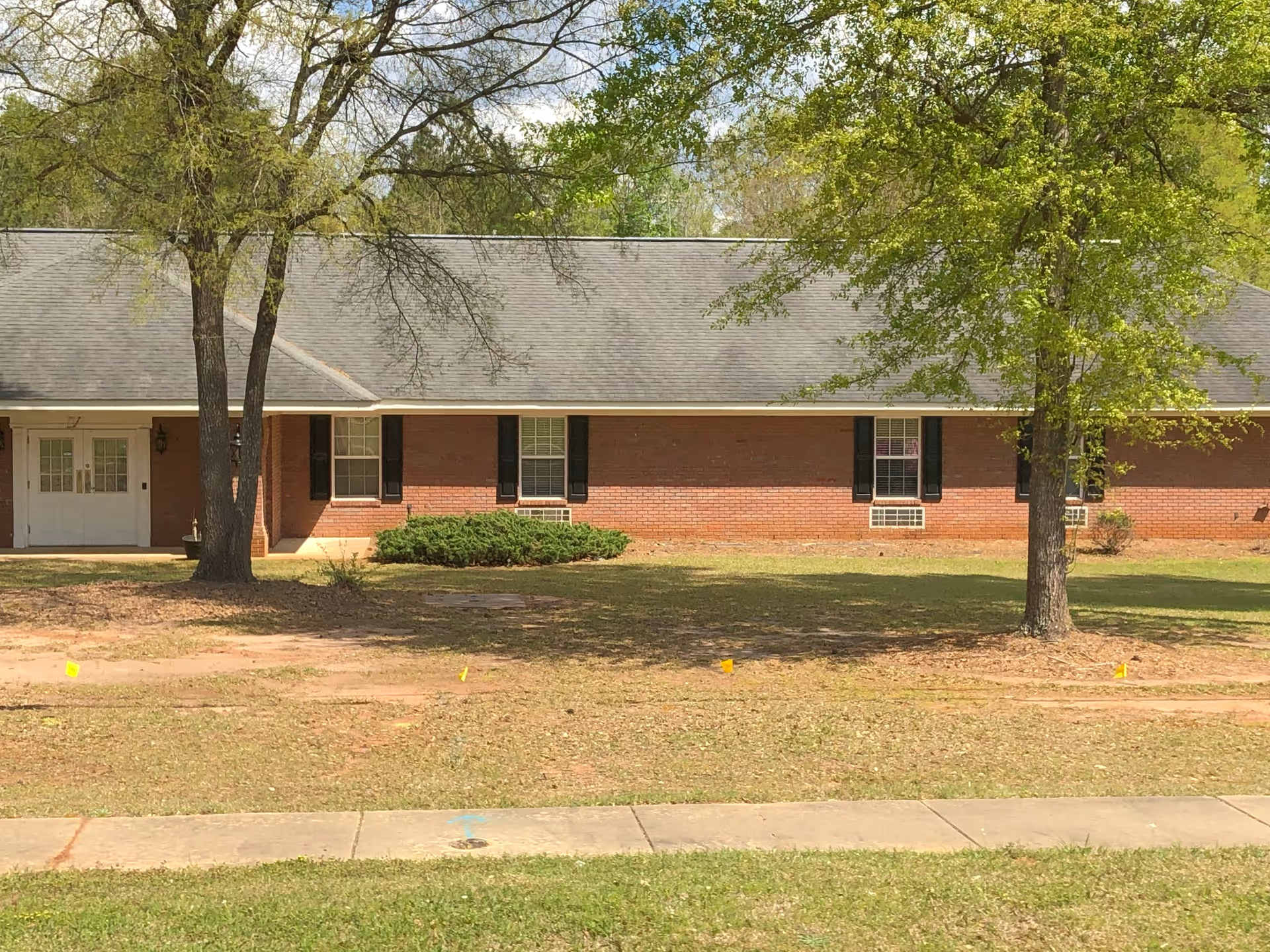
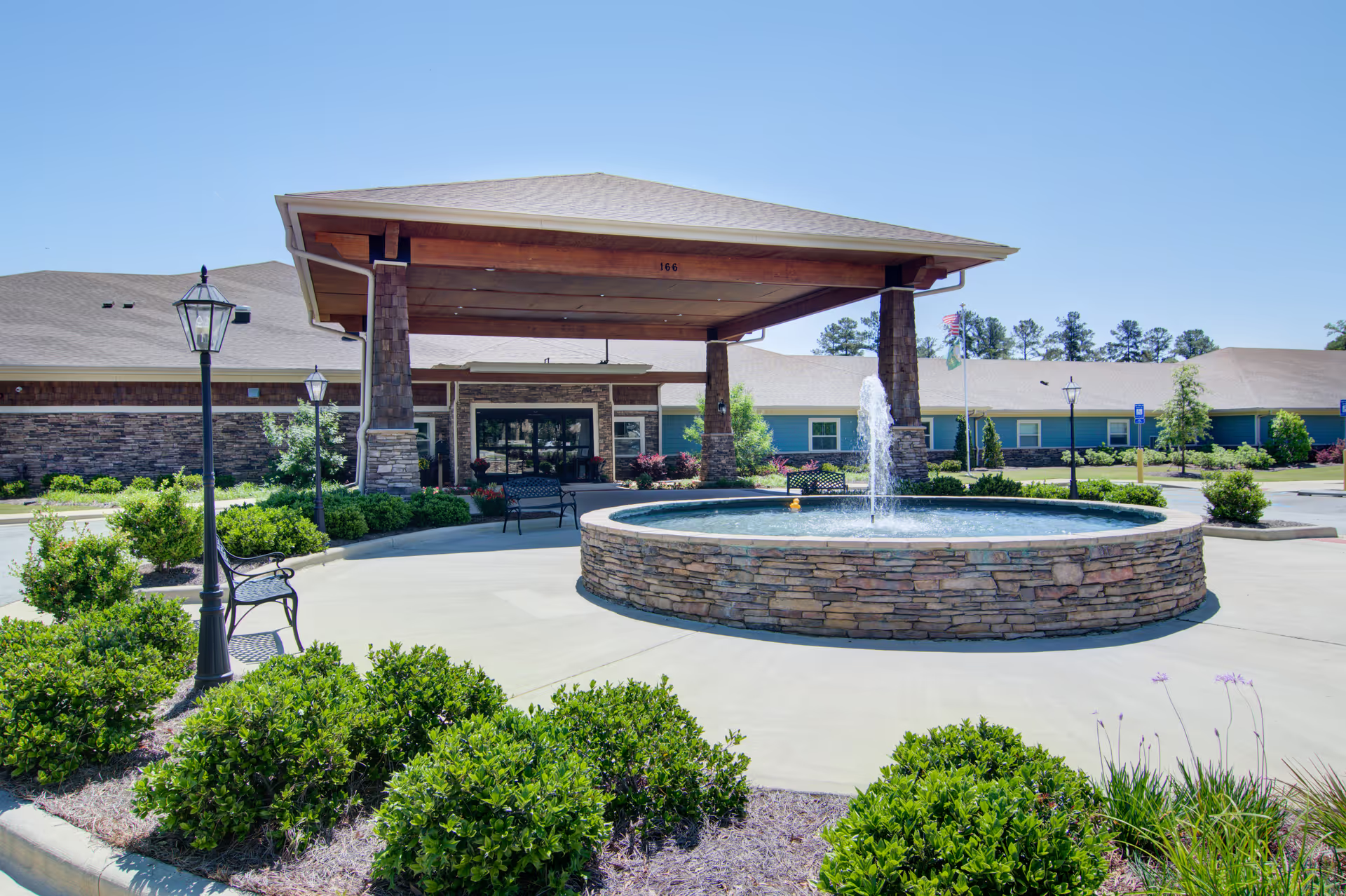
Facilities: Several accounts describe clean, well-maintained areas and effective facility management, but other accounts raise sanitation and odor concerns in parts of the building. Overall environmental quality appears uneven, with some units or shifts maintaining higher standards than others.
Management and notable patterns: Management is a mixed point—some reviewers praise proactive administrators, while others describe poor communication, perceived indifference, and limited accountability. There are also serious financial concerns in the dataset, with at least one mention framed as an allegation of improper billing practices. Taken together, the reviews suggest a facility with clear strengths in staff compassion, community involvement, and some clinical responsiveness, but also with operational vulnerabilities related to staffing consistency, personal-care practices, medication and end-of-life management, cleanliness consistency, and billing transparency.
For prospective residents and families: a site visit focusing on staffing ratios, therapy schedules, personal-care routines (bathing and toileting plans), medication-management policies, grievance and oversight procedures, and billing practices is advisable. Asking for recent inspection reports, therapy calendars, and examples of how the facility handles clinical incidents and family communication can help clarify whether the facility’s strengths outweigh the operational risks for a specific care need.