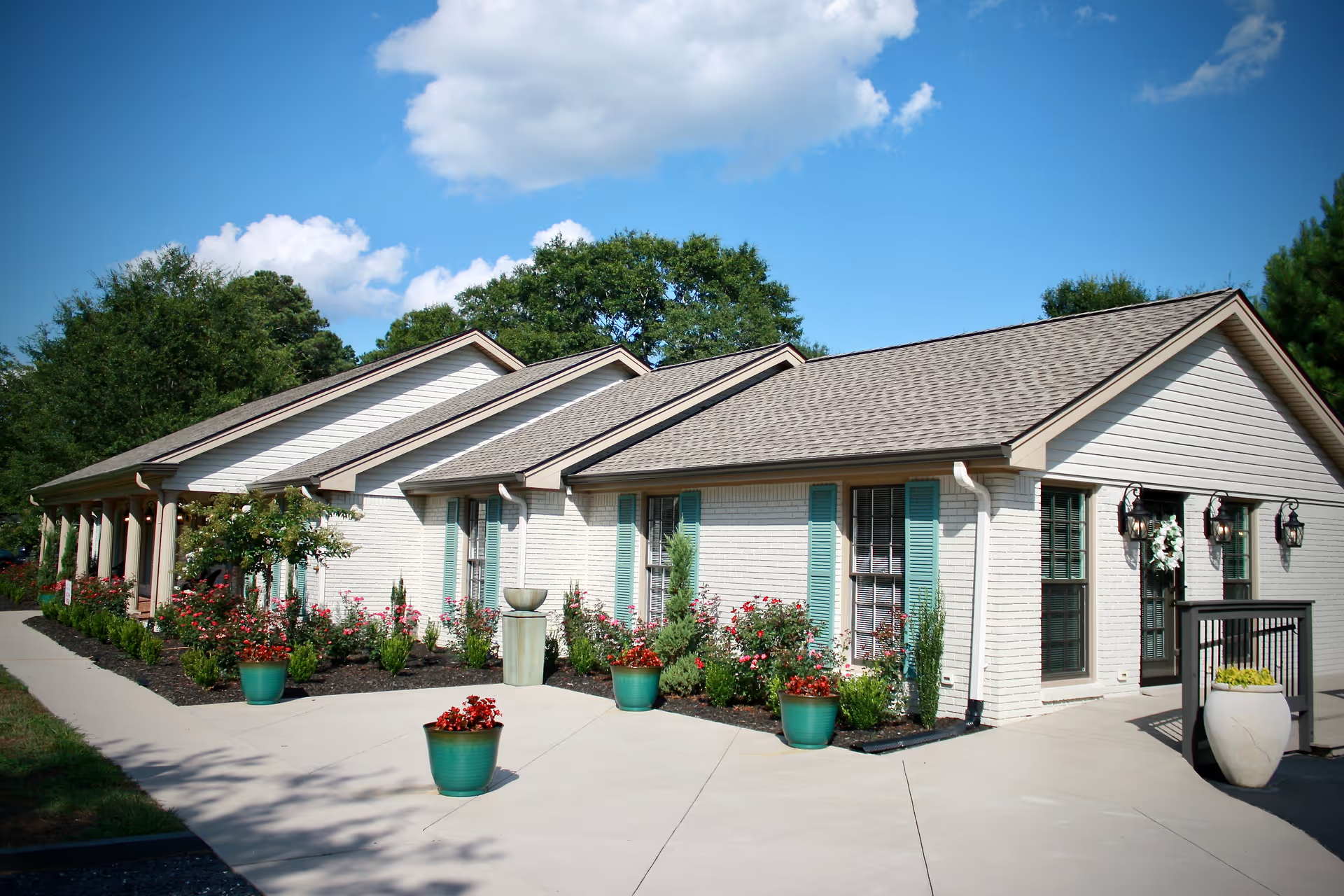
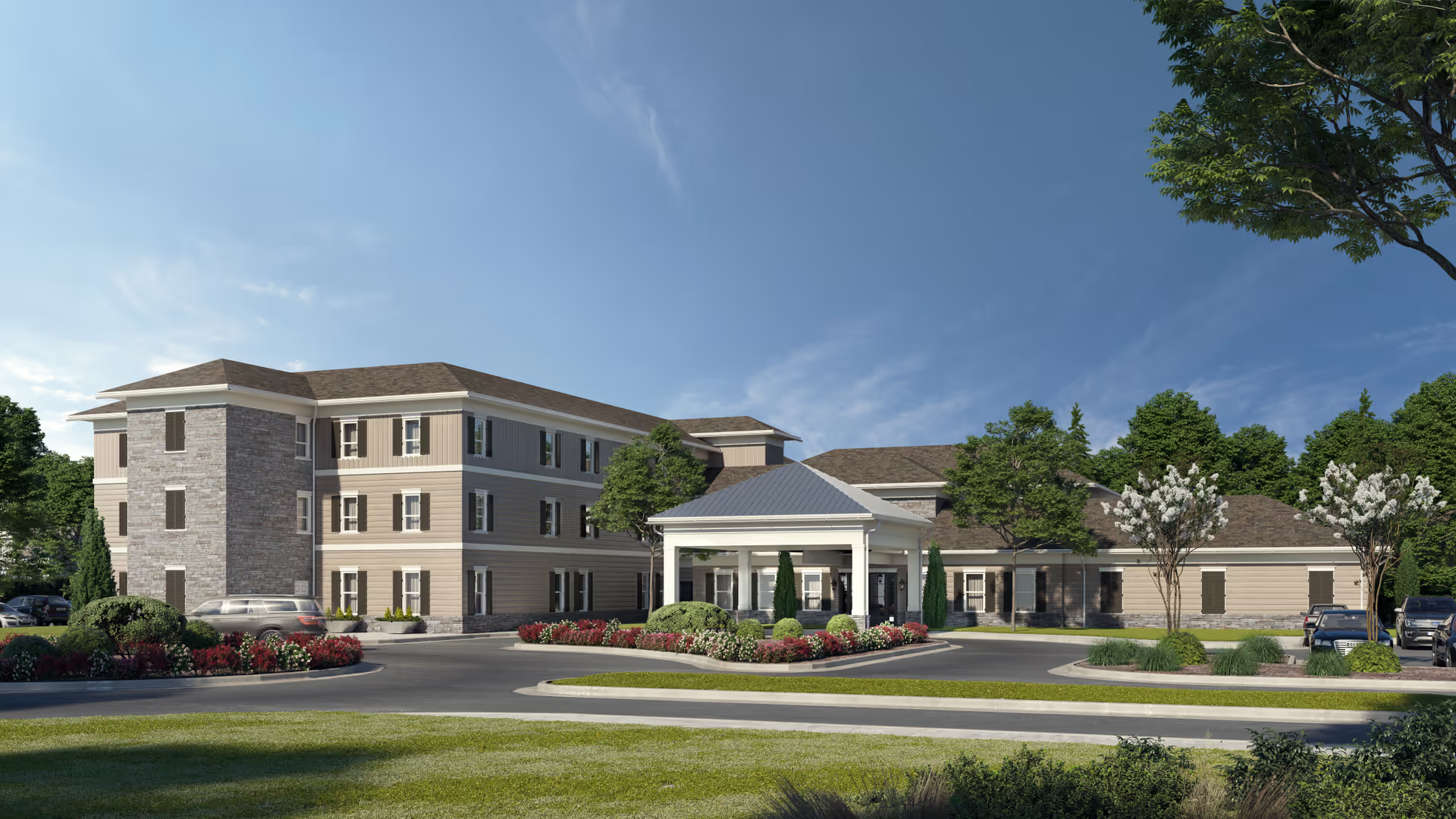
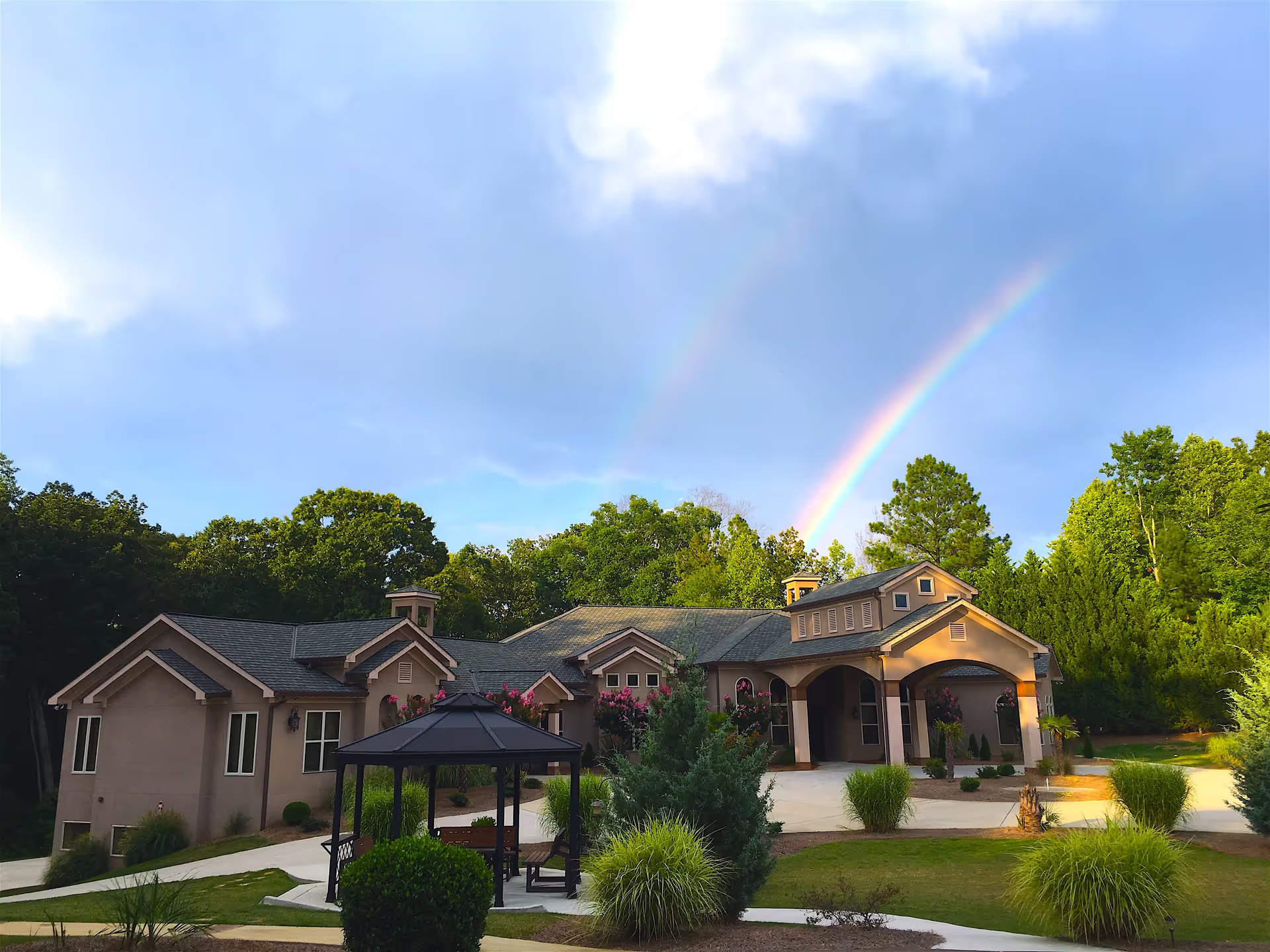
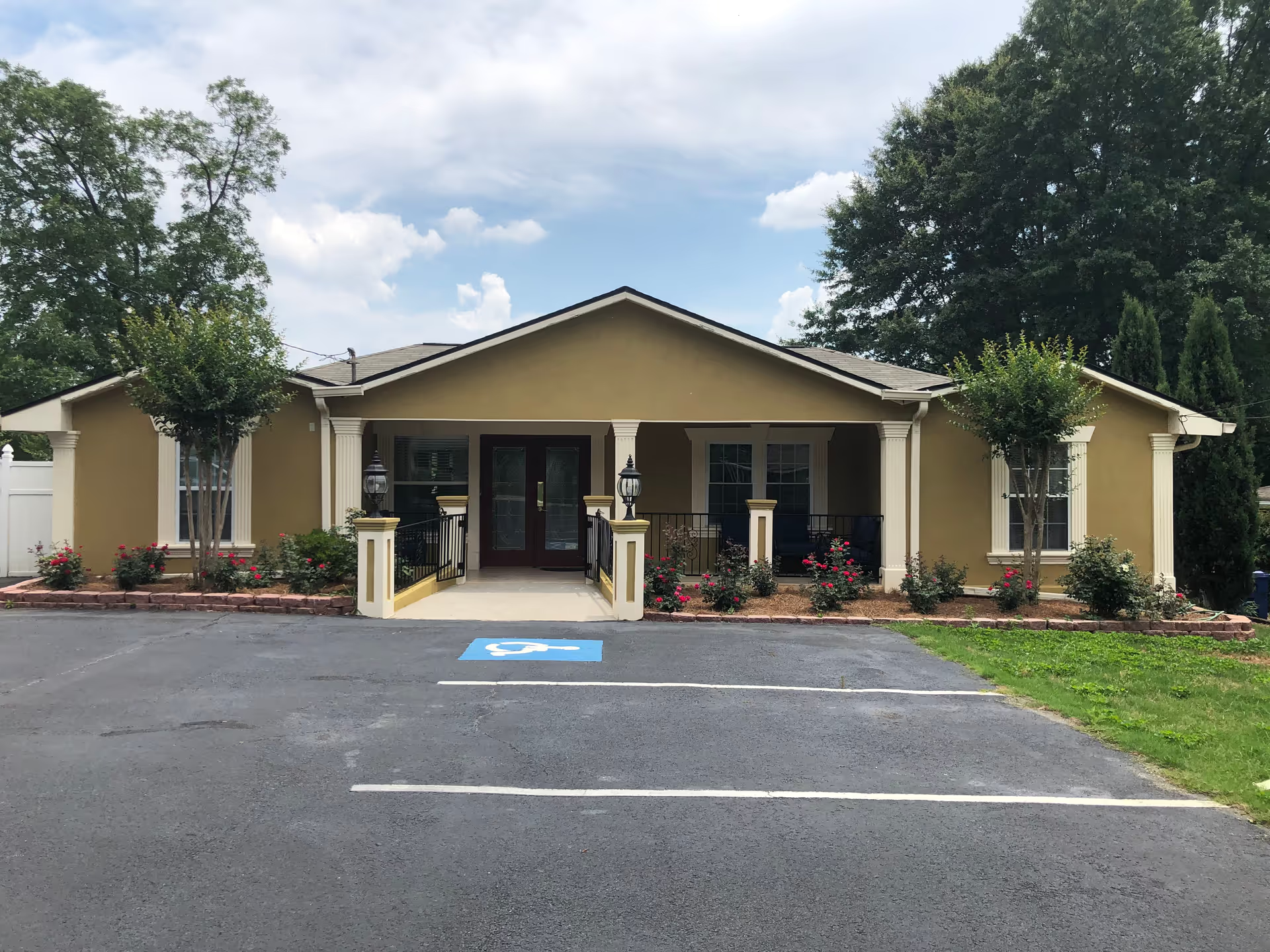
Rose of Sharon Personal Care Home presents a mixed but distinct profile. On the facilities side, families describe a recently refreshed interior with ample space: large living and dining rooms, private and semi‑private bedrooms, good natural light, and a quiet neighborhood setting. The home's faith-based (Christian) orientation is a clear part of its identity and is reflected in several accounts of emotionally engaged, compassionate staff who form close relationships with residents and families.
Care-quality impressions are polarized. Several families praised staff for emotional support, close family communication, and proactive coordination with hospice and clinical providers to resolve medication or care issues. Those positive accounts describe staff who advocate for residents and who can produce measurable health improvements when clinical coordination is required. Conversely, other accounts indicate operational gaps: inconsistent caregiver training, variable attentiveness, and delays in attending to some residents. There are specific concerns about medication-management controls and examples that suggest the facility may not be reliably equipped for residents with significant wandering or advanced behavioral needs.
Daily life and programming appear limited for residents who need structured engagement. Reviewers specifically noted a lack of meaningful activities or entertainment; for prospective residents who prioritize scheduled programming and social stimulation, the facility may not meet those expectations. Dining spaces are physically appropriate—large and well-lit—but there is little detailed feedback about the menu or food-service consistency in the available summaries.
Safety and staff-practice issues are recurring themes. Issues cited include staff distraction from personal-device use, staff smoking on the premises, and assignments that raise occupational-safety questions (for example, assigning heavy lifting to at-risk employees). These items point to areas where operational policies and supervision may need strengthening. At the same time, management and certain staff have been described as caring and responsive in specific situations; this unevenness suggests variability between shifts or individuals rather than uniformly poor or uniformly excellent performance.
Implications for prospective families: the facility may be a good fit for residents who value a faith-based, homelike environment with spacious common areas and close personal attention from compassionate staff—provided the resident’s clinical and behavioral needs are moderate. Families should directly evaluate the facility’s ability to manage wandering, complex medication regimens, and activity programming. Recommended questions to ask during a visit include current staffing ratios and training protocols, medication administration and error‑reporting procedures, behavioral‑management capabilities, activity schedules, smoking and personal-device policies, and examples of how the home coordinates with hospice and outside clinicians. Doing so will help determine whether Rose of Sharon’s strengths align with a specific resident’s needs and risk profile.