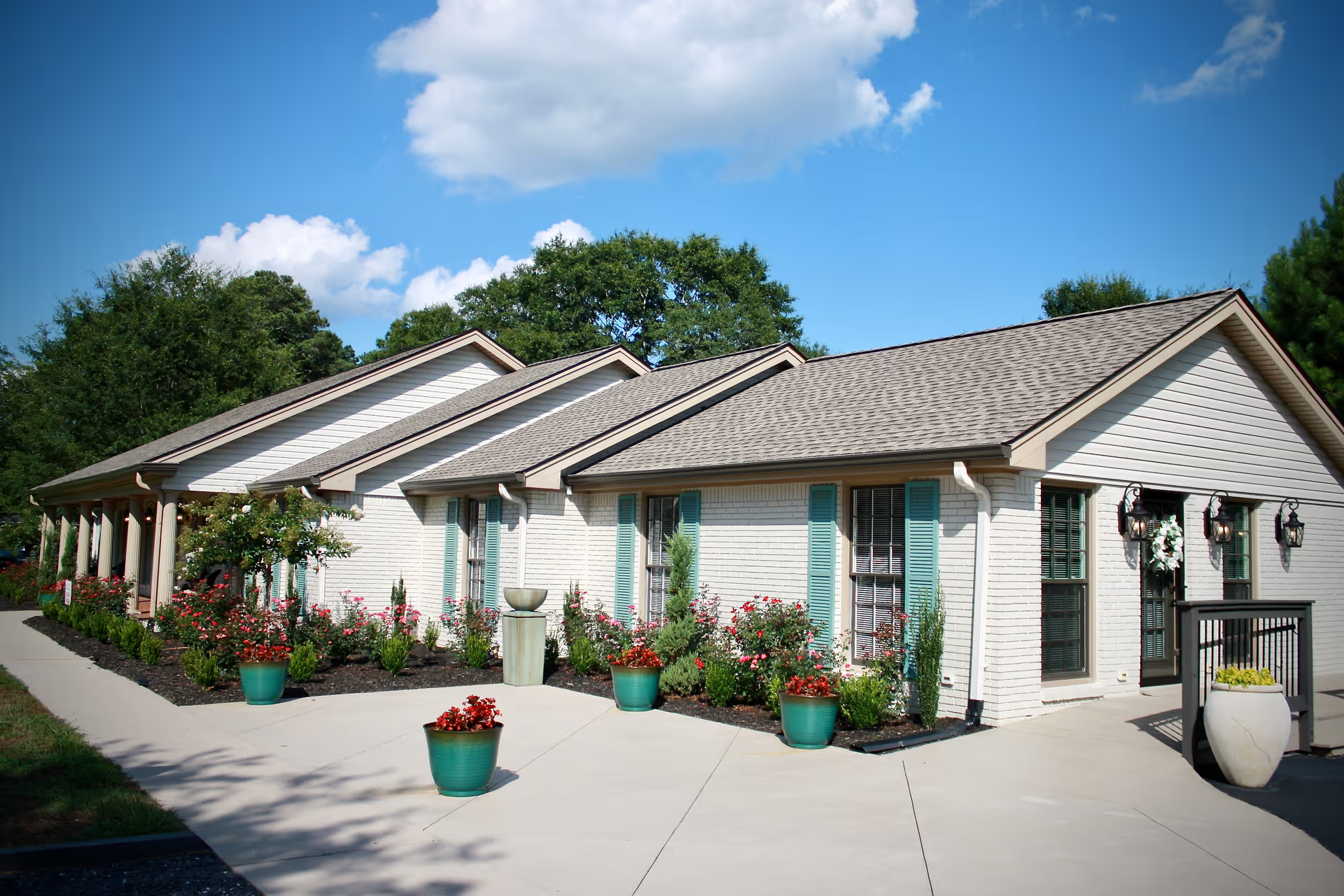
Angels Garden Senior Community is consistently described as a small, family-owned residential setting that emphasizes a home-like atmosphere, cleanliness, and hands-on management. Families frequently highlight the caregiving team's compassion, personalized attention, and grooming/personal-care practices that preserve dignity. The community is praised for strong communication with relatives, proactive coordination with hospice and outside medical providers, and a generally stable staff that facilitates continuity of care. Many accounts emphasize the facility’s cleanliness, well-maintained grounds, cozy common areas, and a peaceful environment that contributes to resident comfort and family peace of mind.
Dining and daily living are characterized by home-cooked meals, consistent portioning, attention to hydration, and individualized support with activities of daily living. Reviewers commonly report that medication management is handled on-site and that staff assist with insurance or government paperwork when needed. Seasonal programming, recreational outings, pet visits, and holiday decorations are noted as positive contributors to a warm, engaging environment for residents.
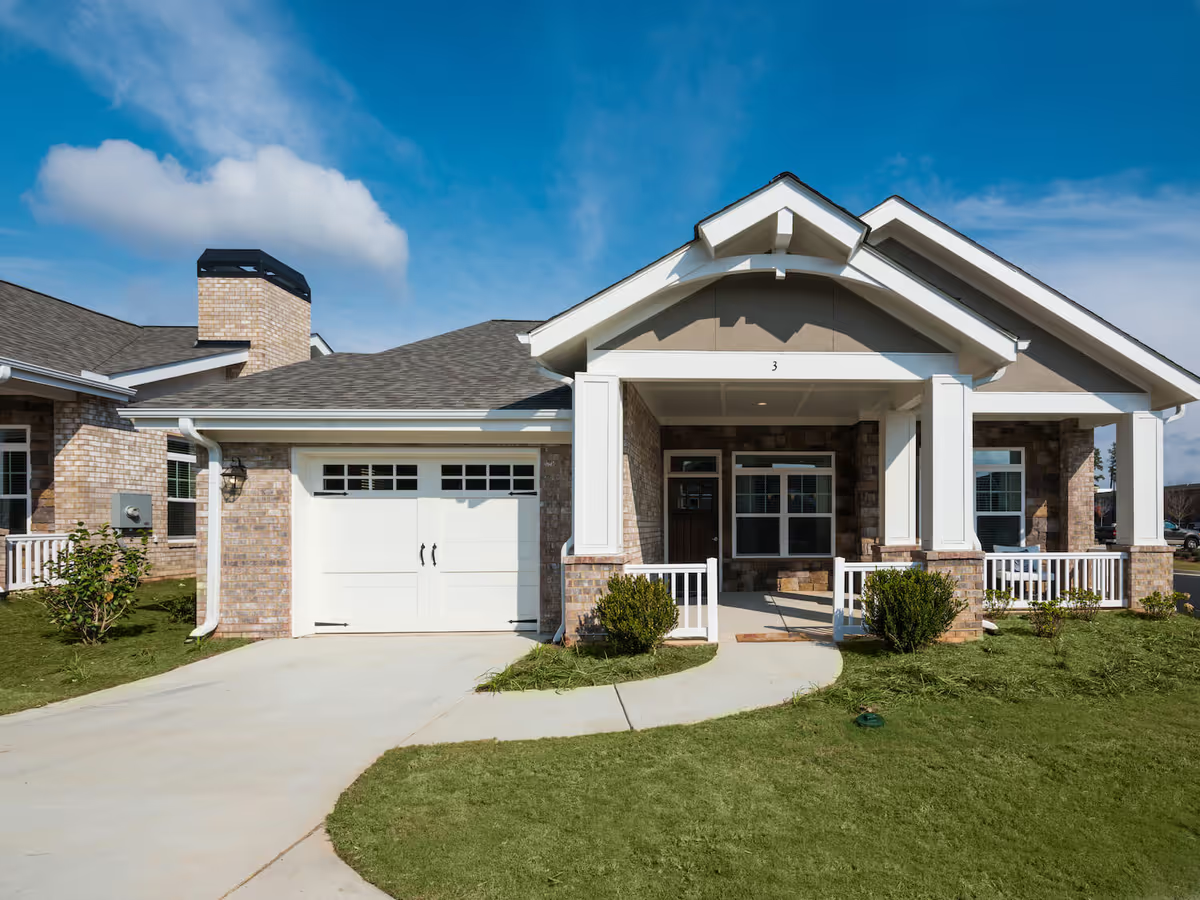
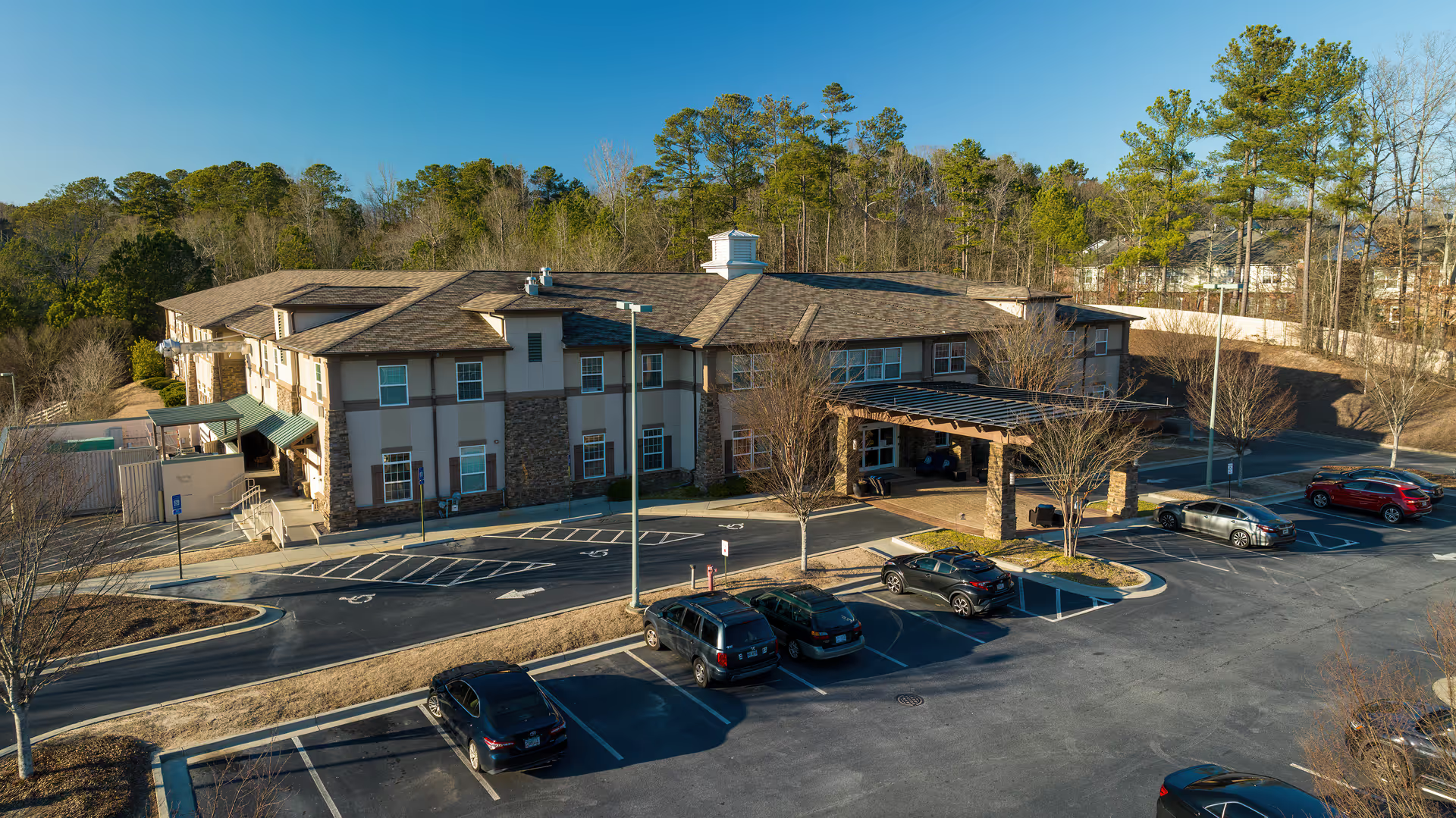
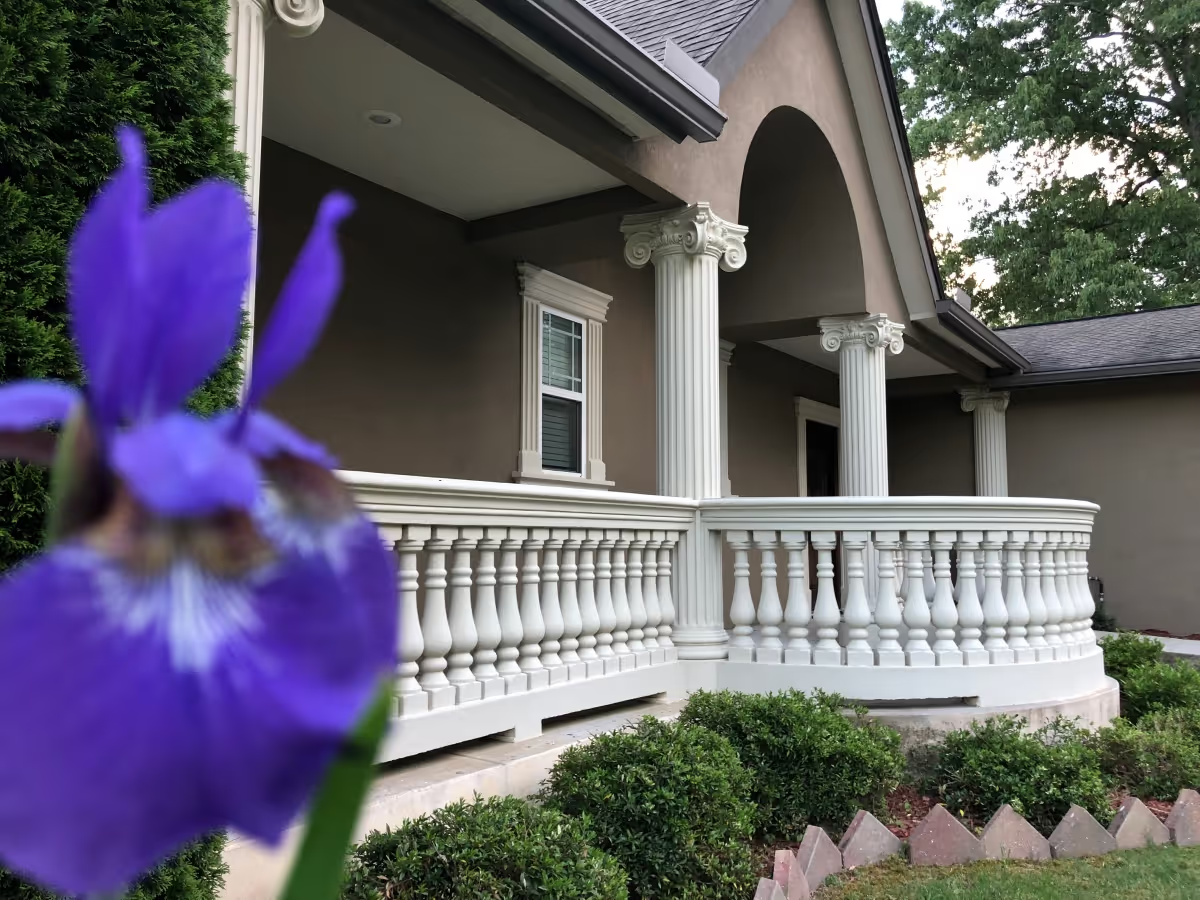
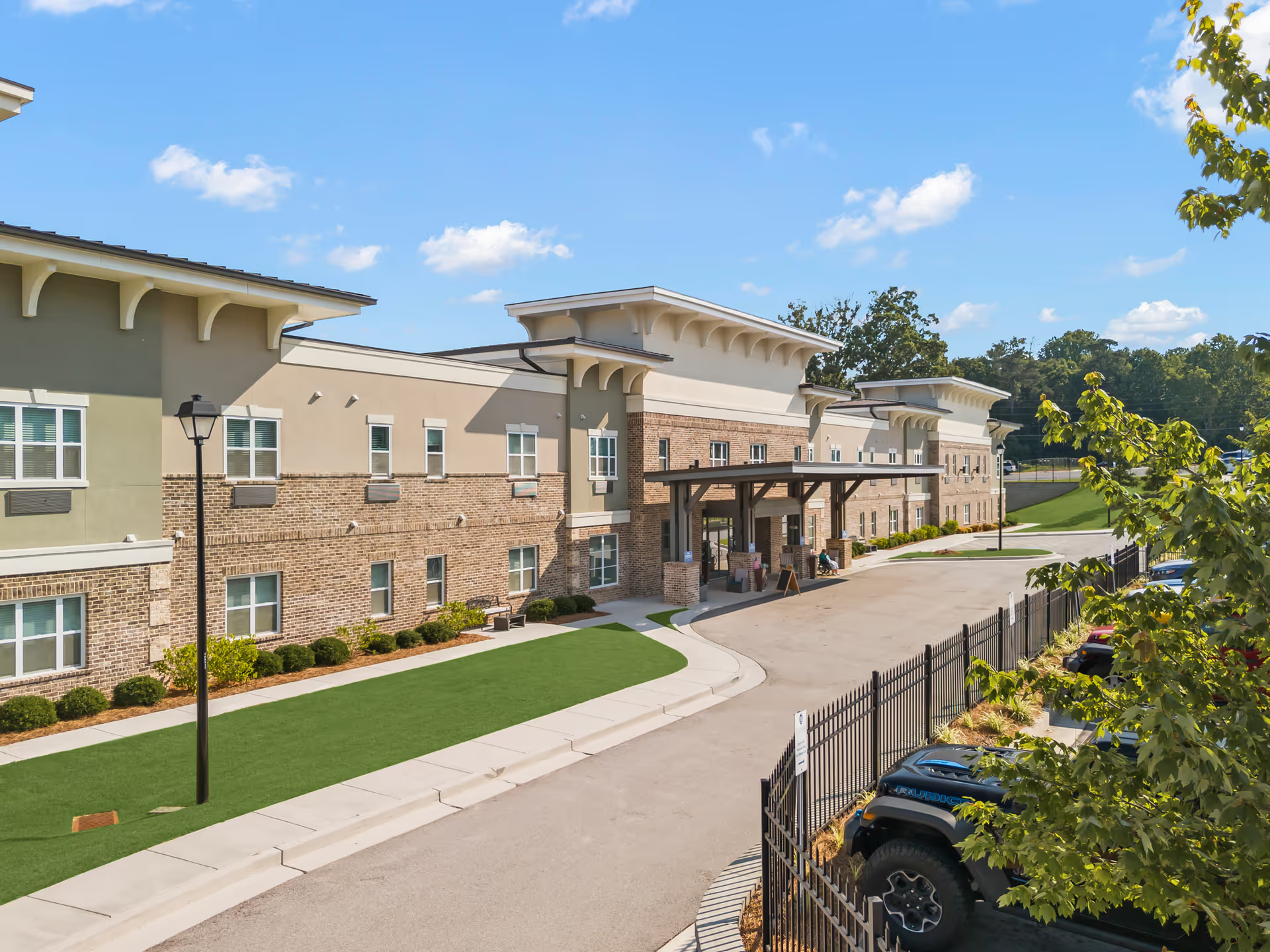
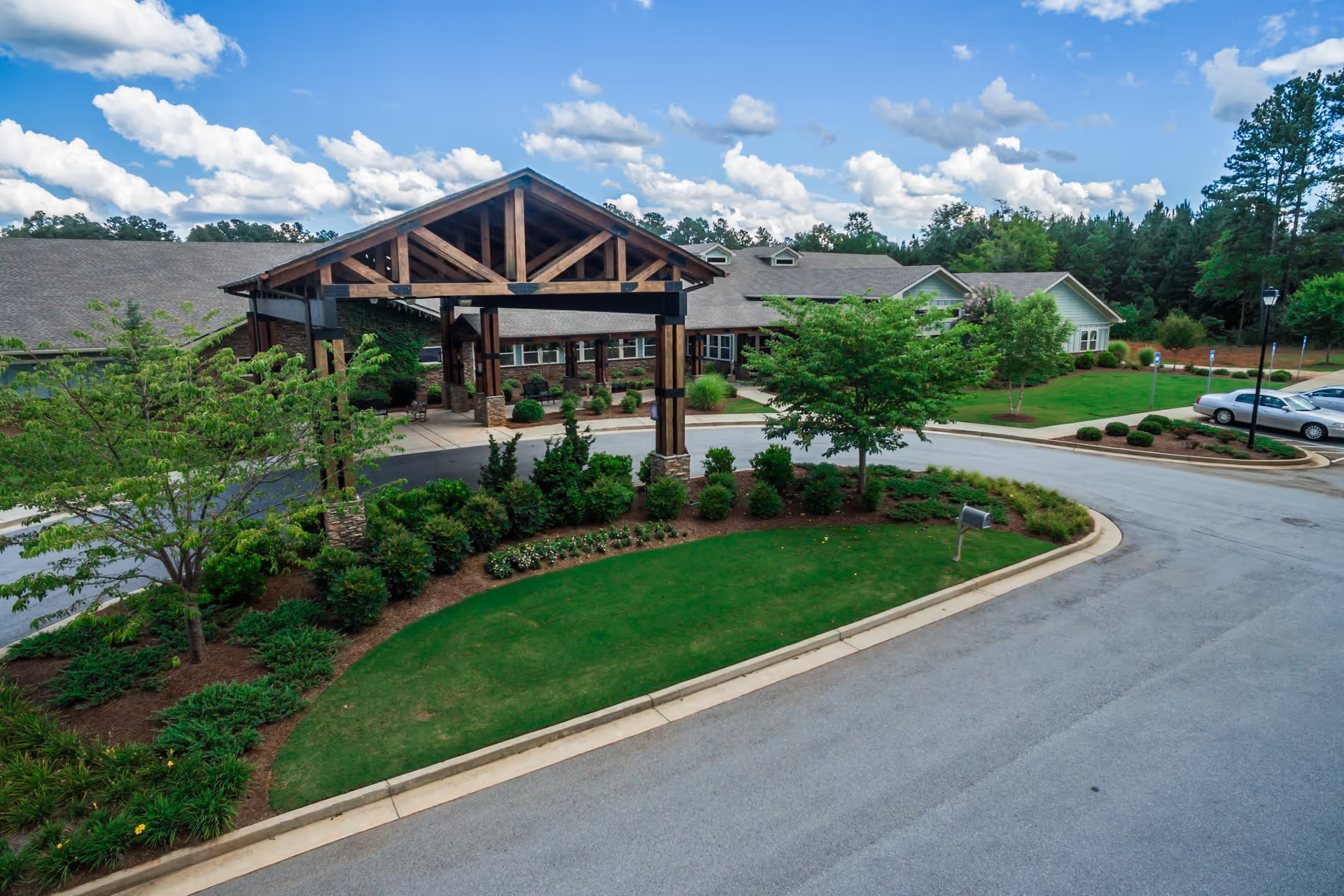
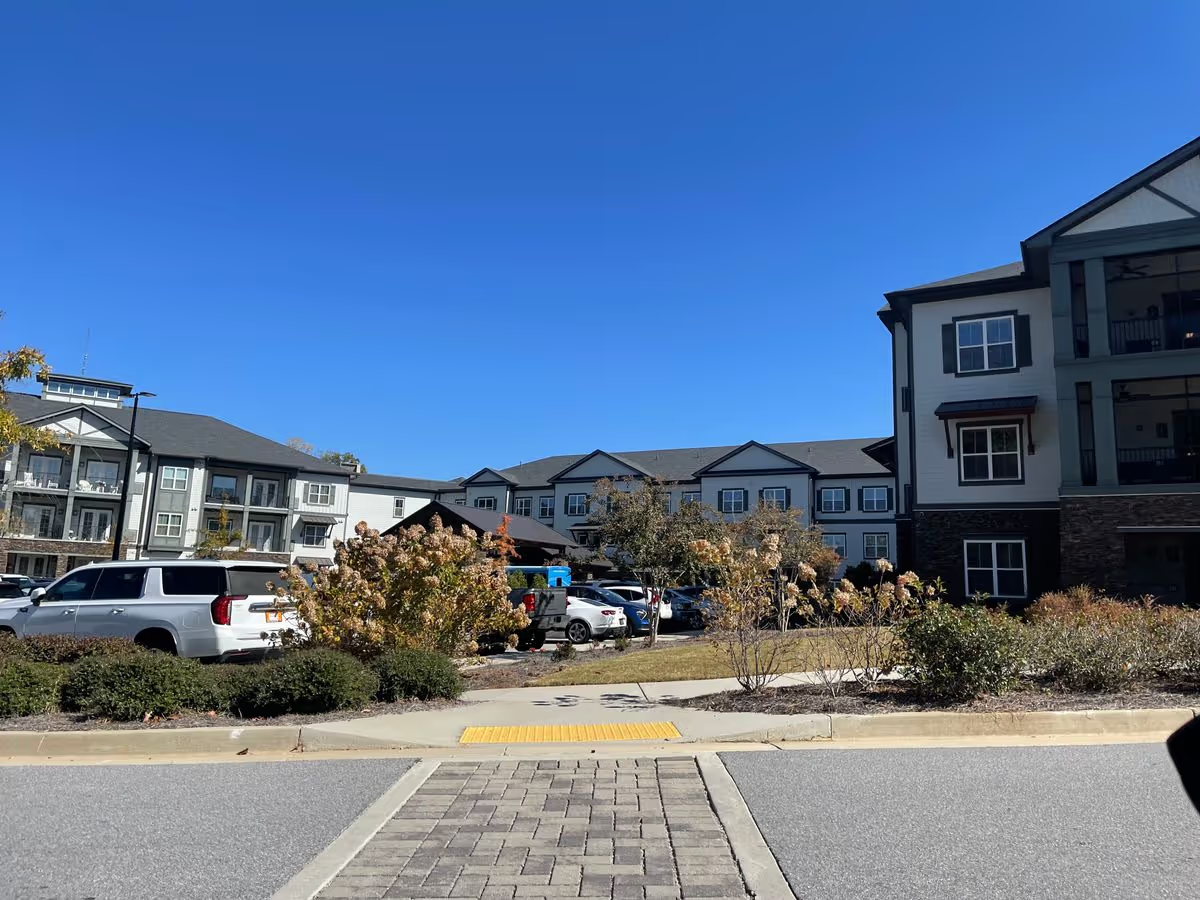
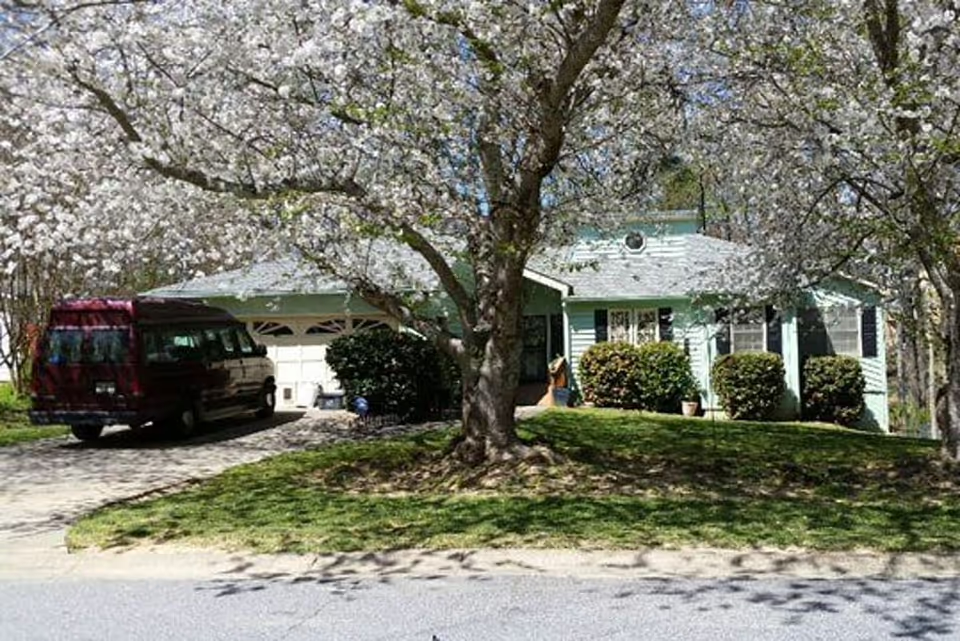
Facilities are described as attractive and well-kept: smaller houses, ground-floor bedrooms with views, accessible bathrooms, and pleasant outdoor areas. The small scale supports higher caregiver ratios and more individualized attention but also produces constraints: several comments point to limited private or flexible visiting space and compact resident rooms. Operationally, Angels Garden appears to run a tightly managed program with structured schedules for meals and routines, which many families find reassuring but others find less flexible.
Notable patterns of concern center on operational and capacity limits rather than caregiving intent. The community appears best suited to residents with low-to-moderate care needs; reviewers indicate limited capacity to manage advanced dementia, high fall-risk patients, or significant behavioral challenges. Financial and contractual issues arise in multiple accounts: strict late-payment policies, occasional rate increases, add-on charges for supplies or pharmacy items, and concerns about fee transparency have led to disputes in some placements. Additionally, a few families noted restrictive policies such as limits on certain mobility equipment and a tighter visiting or wake/sleep schedule than larger facilities may permit.
In sum, Angels Garden offers a consistently clean, compassionate, and well-managed small-home option that provides strong family communication, personalized care, and effective end-of-life coordination. Prospective residents and families seeking a cozy, high-contact residential setting will likely find the environment well suited to their needs. Those requiring higher-acuity clinical services, flexible scheduling, larger private spaces, or very liberal equipment/visitation policies should evaluate the facility’s clinical capacity, billing terms, and policy specifics during tour and contracting discussions.