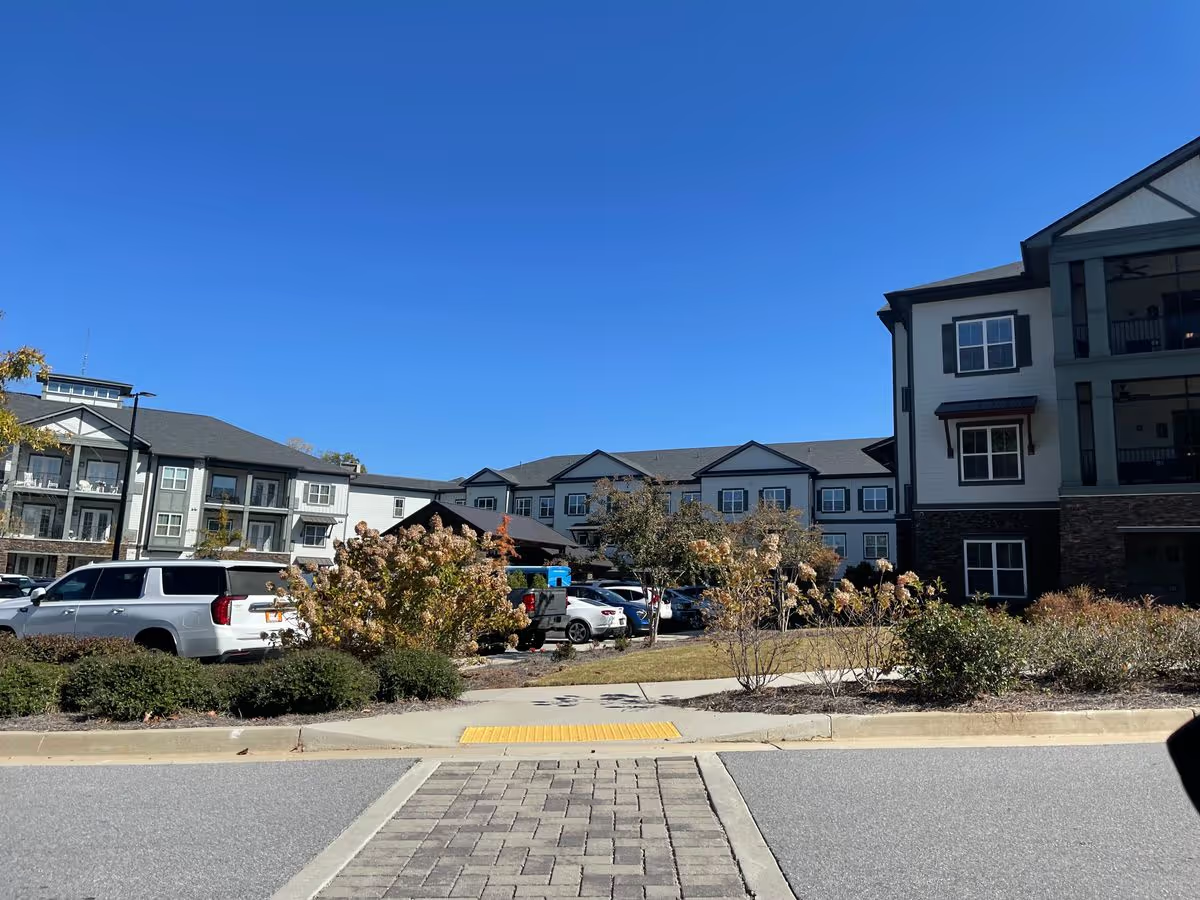
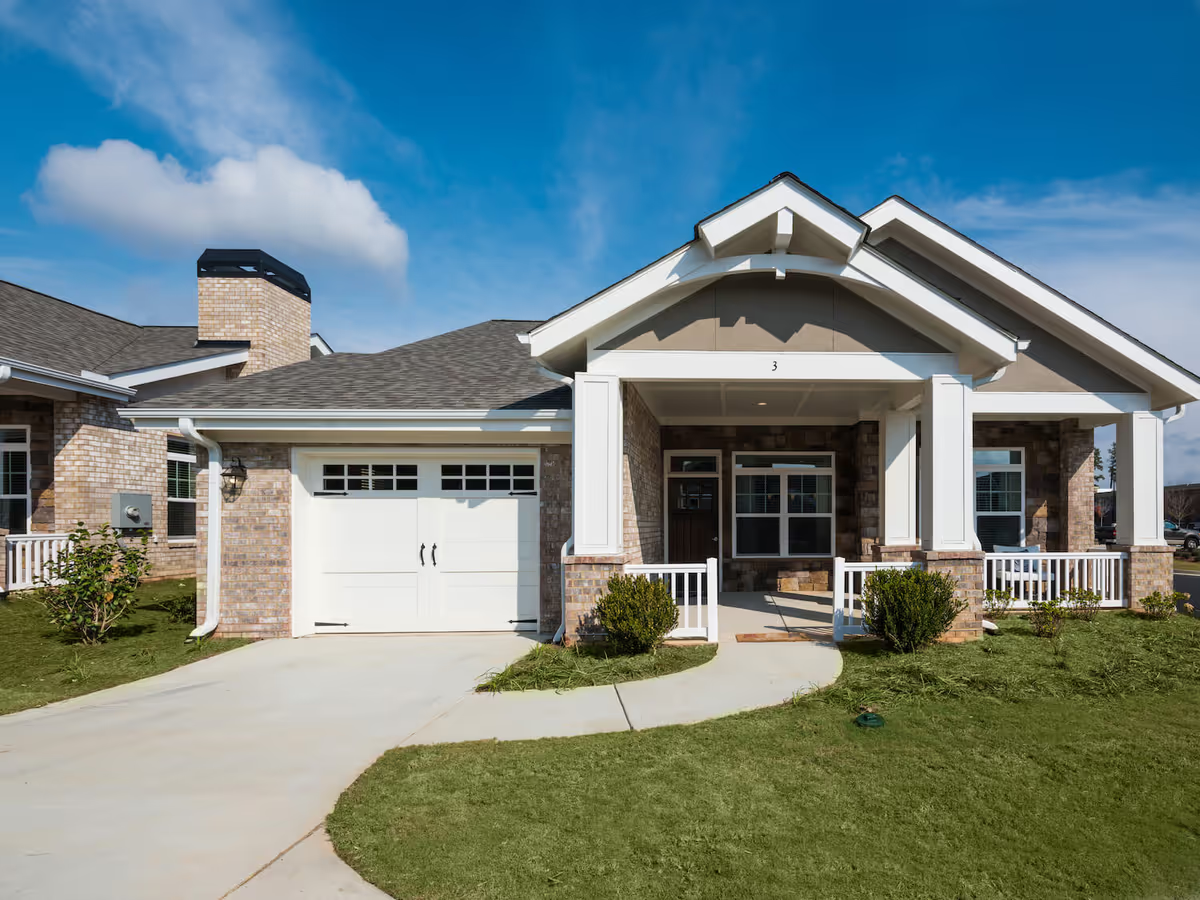
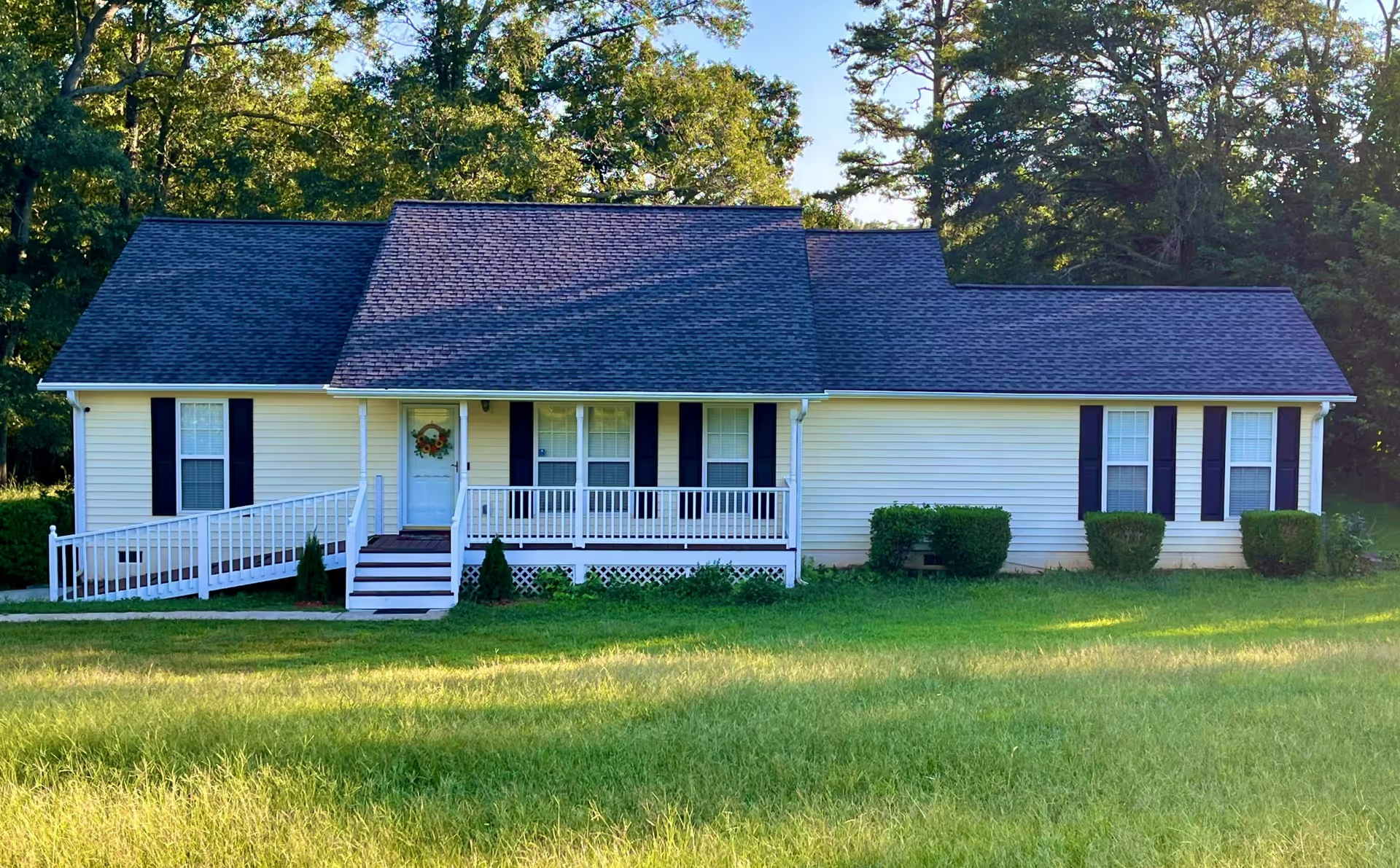
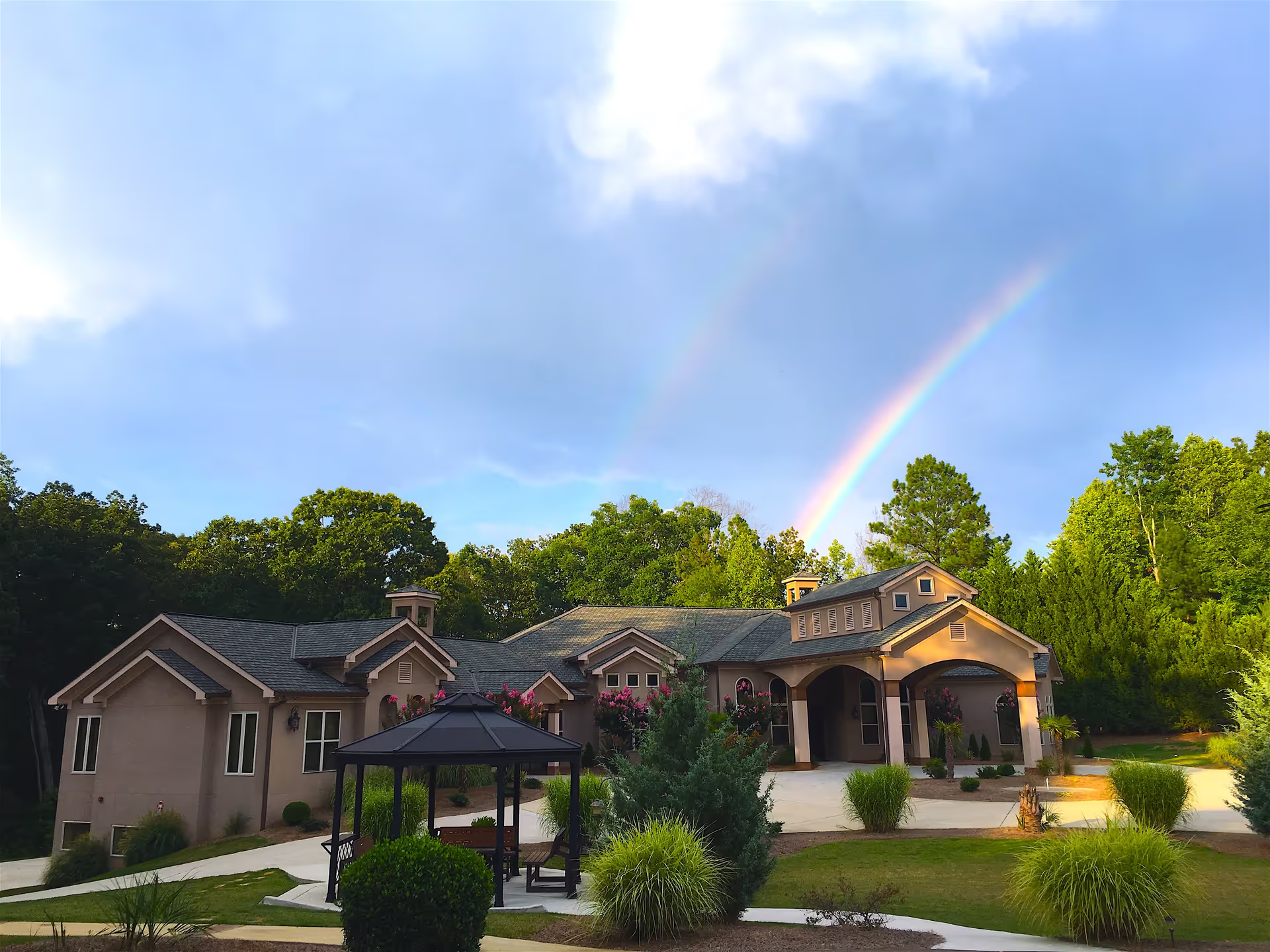
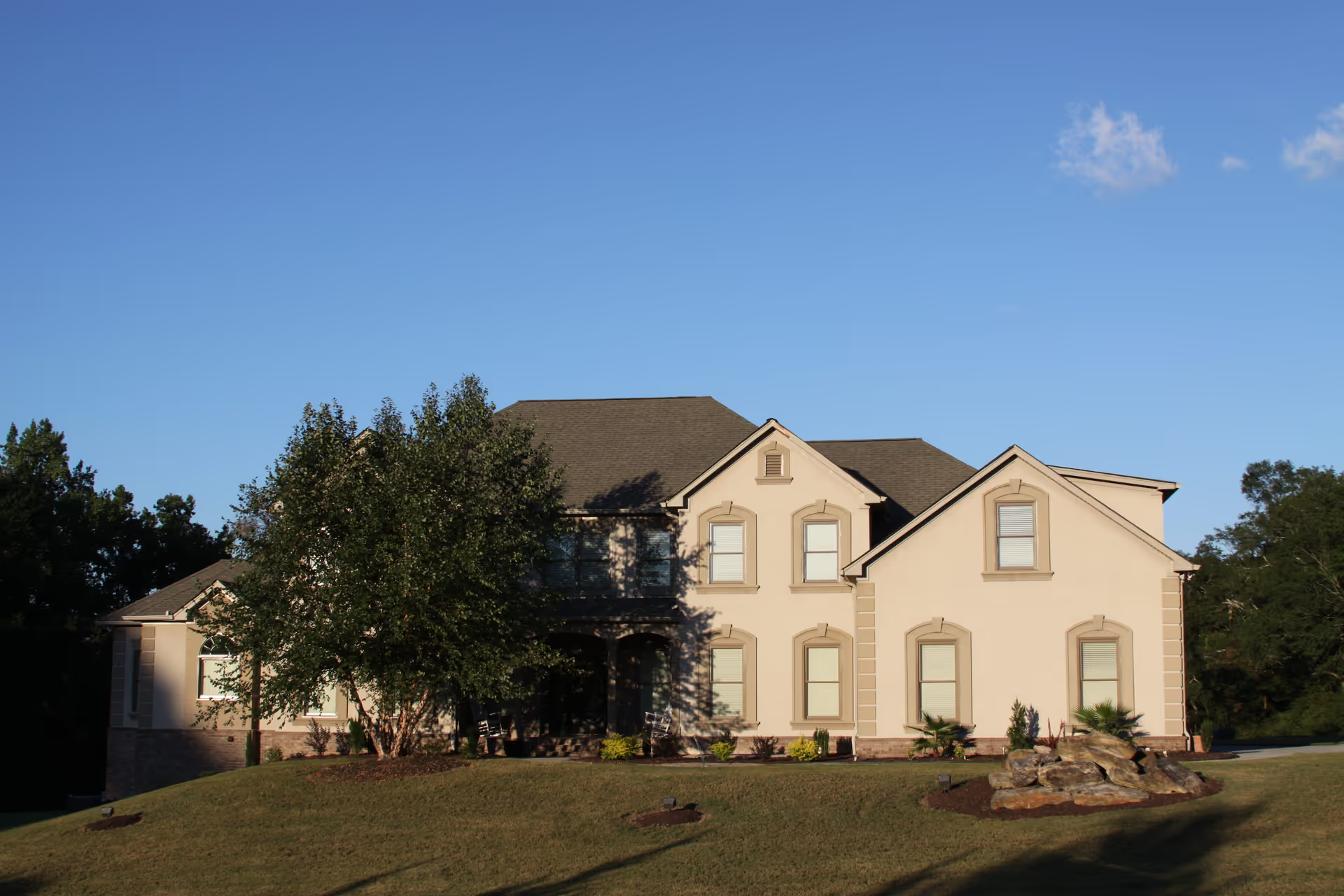
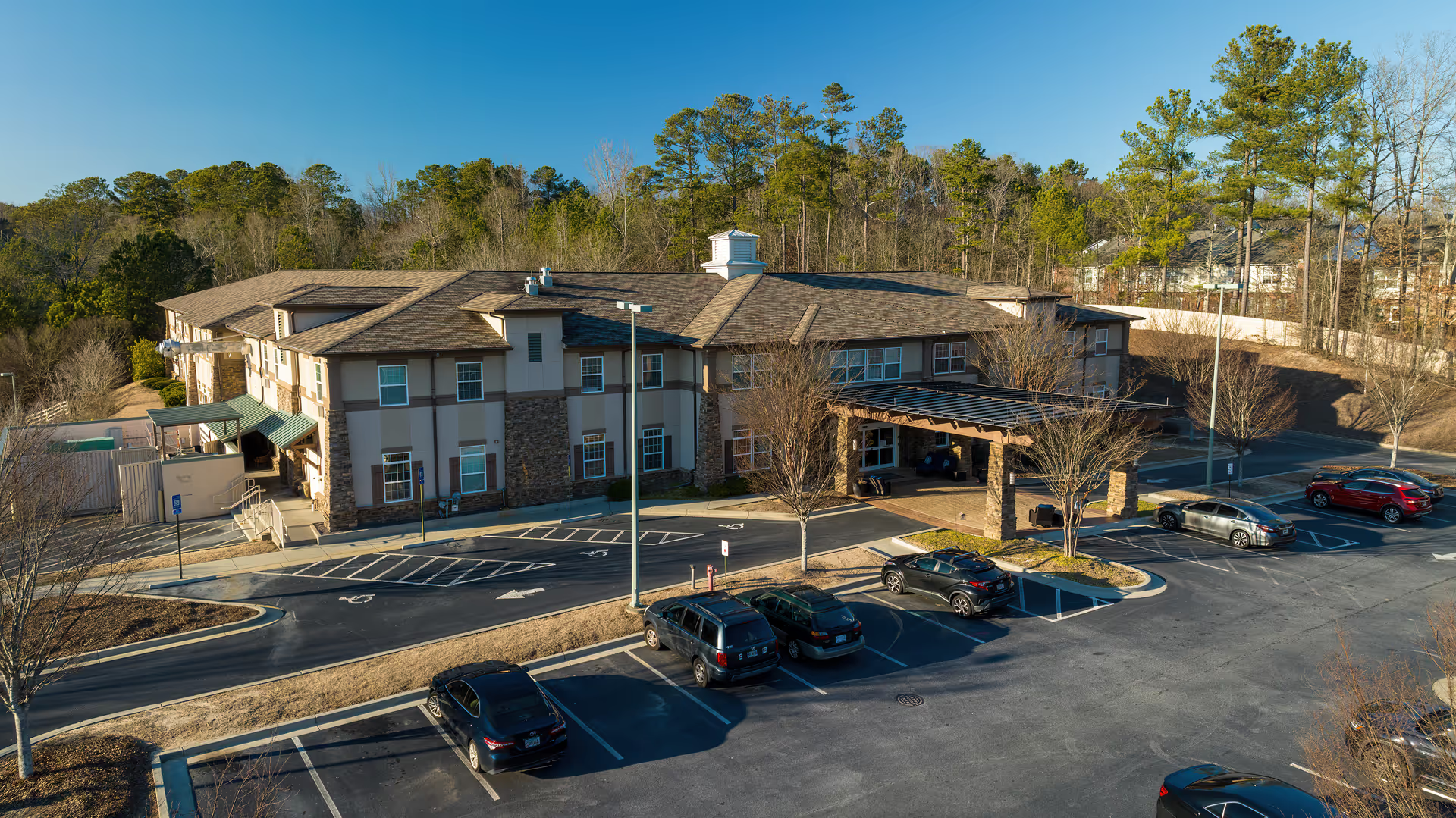
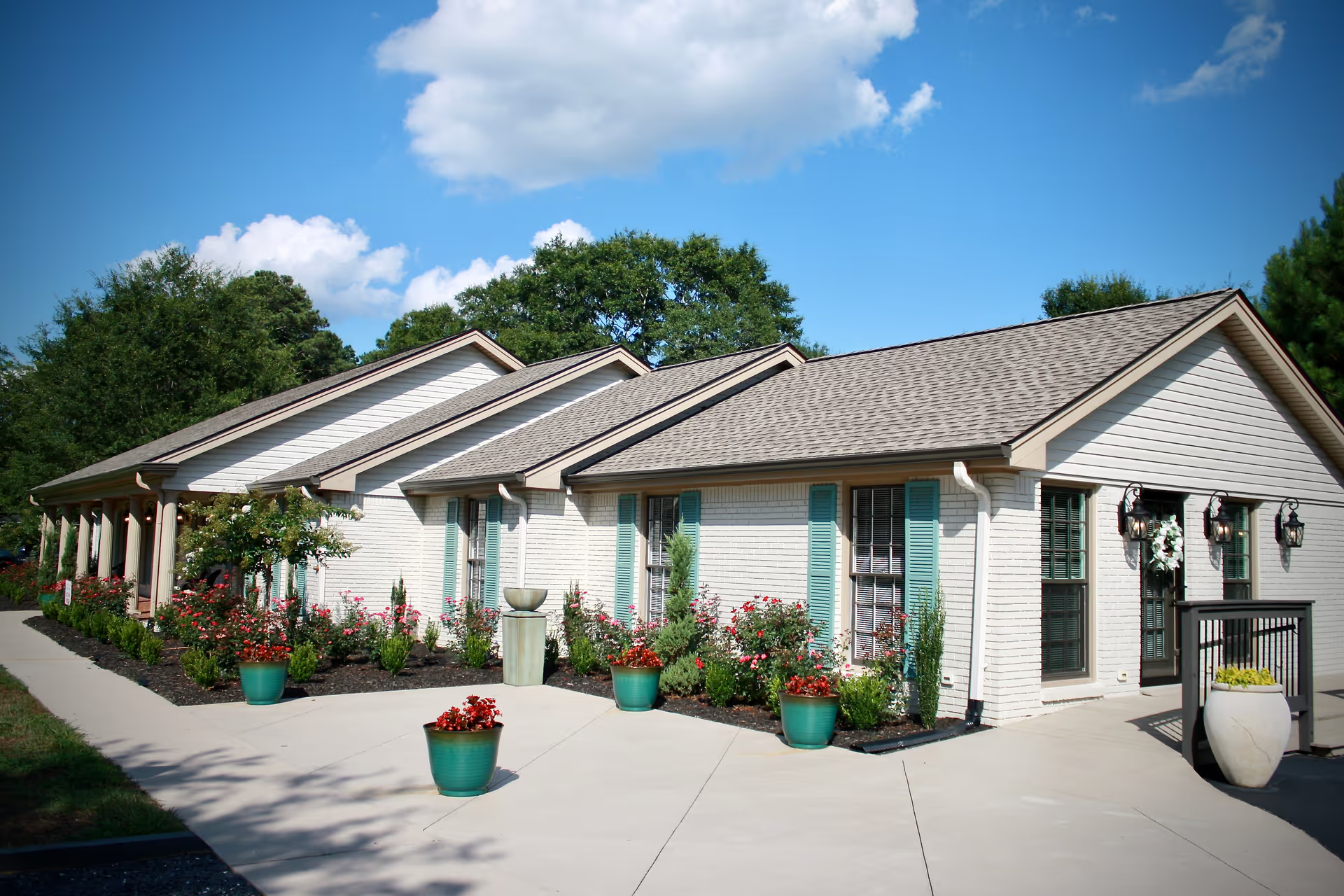
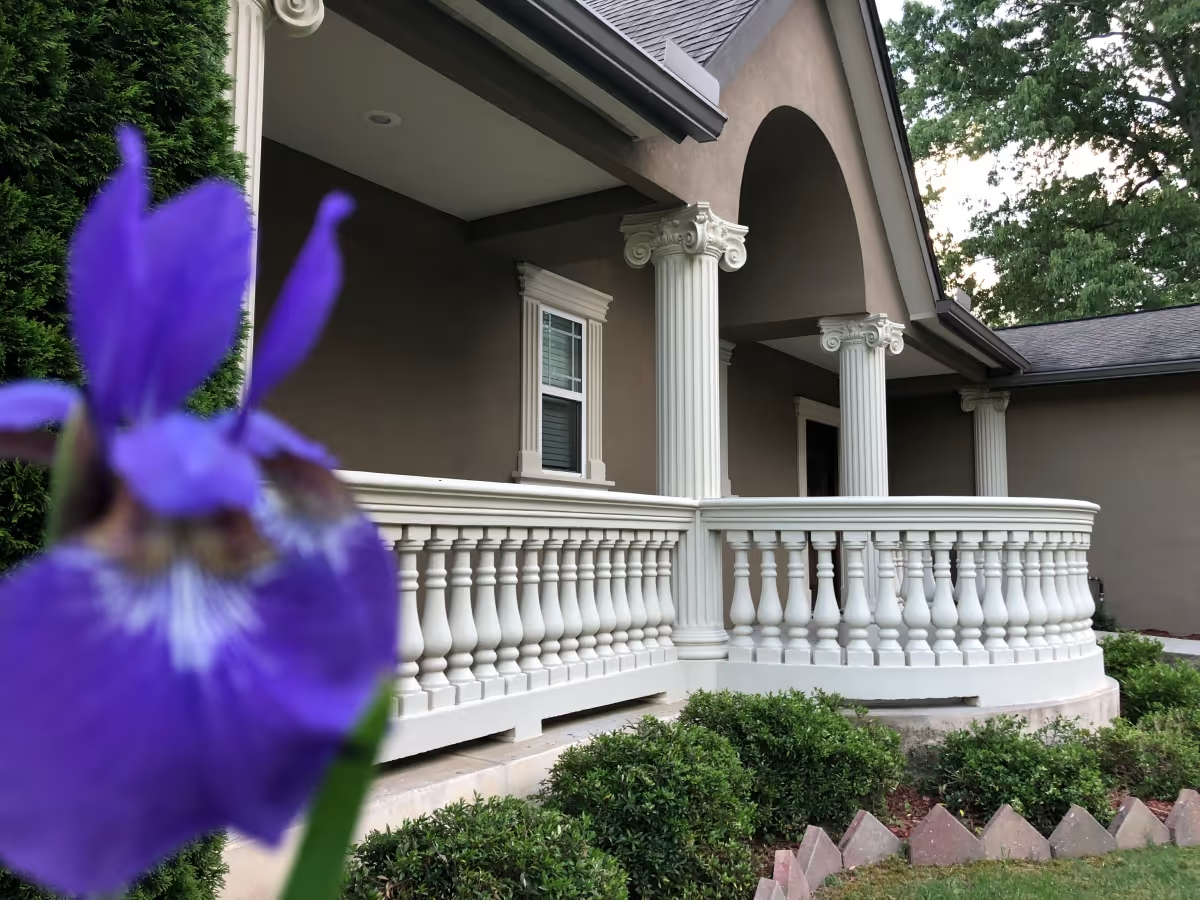
Overall impression The Oaks at Braselton is described by many families as a warm, home‑like assisted living and memory care community with a strong emphasis on relationship‑based caregiving. Reviewers consistently highlight compassionate, patient staff and hands‑on memory‑care leadership as core strengths. The facility's aesthetics — described as bright, lodge‑like and well maintained — and amenities such as courtyards, a chapel, salon, fitness and theater rooms contribute to a comfortable communal environment where residents form friendships and remain socially engaged.
Care and staff quality Care quality is frequently praised: staff are characterized as attentive, knowledgeable about residents, and proactive in communication with families. Memory care leadership receives repeated positive mention for being dedicated and involved with both residents and families. Long staff tenure and teamwork are noted as contributors to continuity of care. At the same time, operational patterns raise concerns: staffing levels can be inconsistent, overnight supervision may not meet all expectations, and caregivers report high workloads and compensation pressures that could affect retention. A limited number of families expressed serious concerns about clinical incident response and medication‑management communication; those allegations suggest families should verify clinical policies and incident reporting practices during a tour.
Dining and activities Activity programming is a strong point — daily, varied offerings and social opportunities are credited with keeping residents engaged and purposeful. Pandemic response and infection‑control practices were also described positively by families who felt residents were kept safe. Dining impressions are mixed: some reviewers praised the meals and hospitality, while others found the food to lack variety, flavor, or nutritional density. Prospective residents may wish to sample menus and ask about dietary accommodations and meal planning.
Facilities and unit features The community is generally described as clean and well kept, with pleasant outdoor spaces and family‑friendly features (playground area, easy navigation). However, several practical facility limitations recur: certain studio and memory‑care rooms are described as small or dark, with limited closet/storage capacity and small bathrooms; the dining area in some parts of the building is perceived as cramped or dim. There are also isolated pest‑control concerns noted; families should inquire specifically about recent pest‑control measures and sanitation audits. Some units do offer in‑room conveniences such as refrigerators and microwaves, and memory‑care rooms are sometimes described as hotel‑like with larger bathrooms.
Management and value Management and administrative responsiveness receive mixed but largely favorable remarks. Many families praised organized move‑in processes, consistent communication, and engaged nursing leadership; others reported variable experiences tied to leadership transitions. Value perceptions vary: several families consider the cost justified by peace of mind and quality of care, whereas a minority view pricing as high relative to meal variety, room size, or occasional operational shortcomings.
Notable patterns and guidance for families Key positive patterns to weigh are the facility's relationship‑focused caregiving, active social programming, cleanliness, and strong memory‑care leadership. Recurrent operational concerns to probe on a visit include staffing ratios (especially overnight), workload and turnover risk for caregivers, medication‑administration and therapy continuity protocols, dining menus and dietary options, room sizes/lighting and storage availability, and pest‑control practices. Asking for recent staffing metrics, sample menus, incident reporting policies, and scheduled maintenance or pest‑control records will help families assess fit for their loved one.