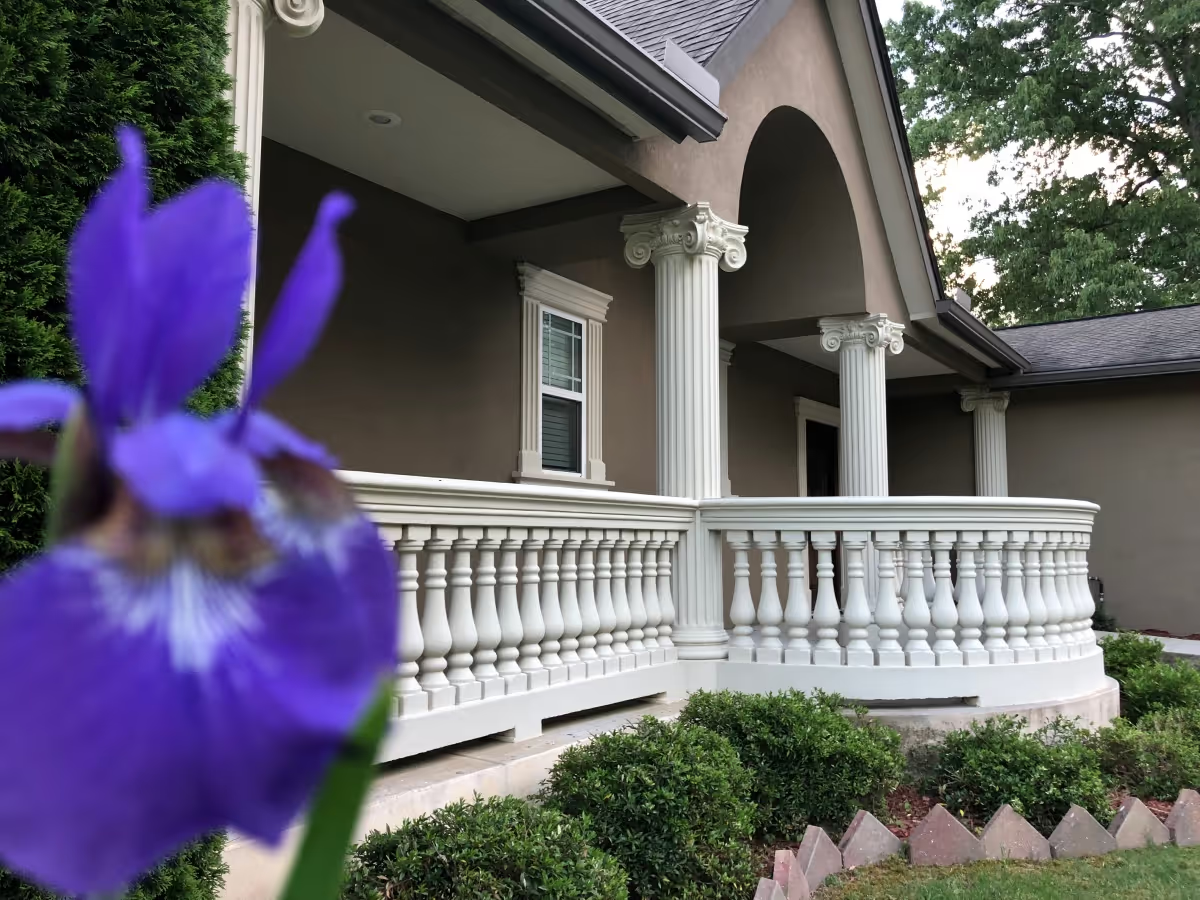
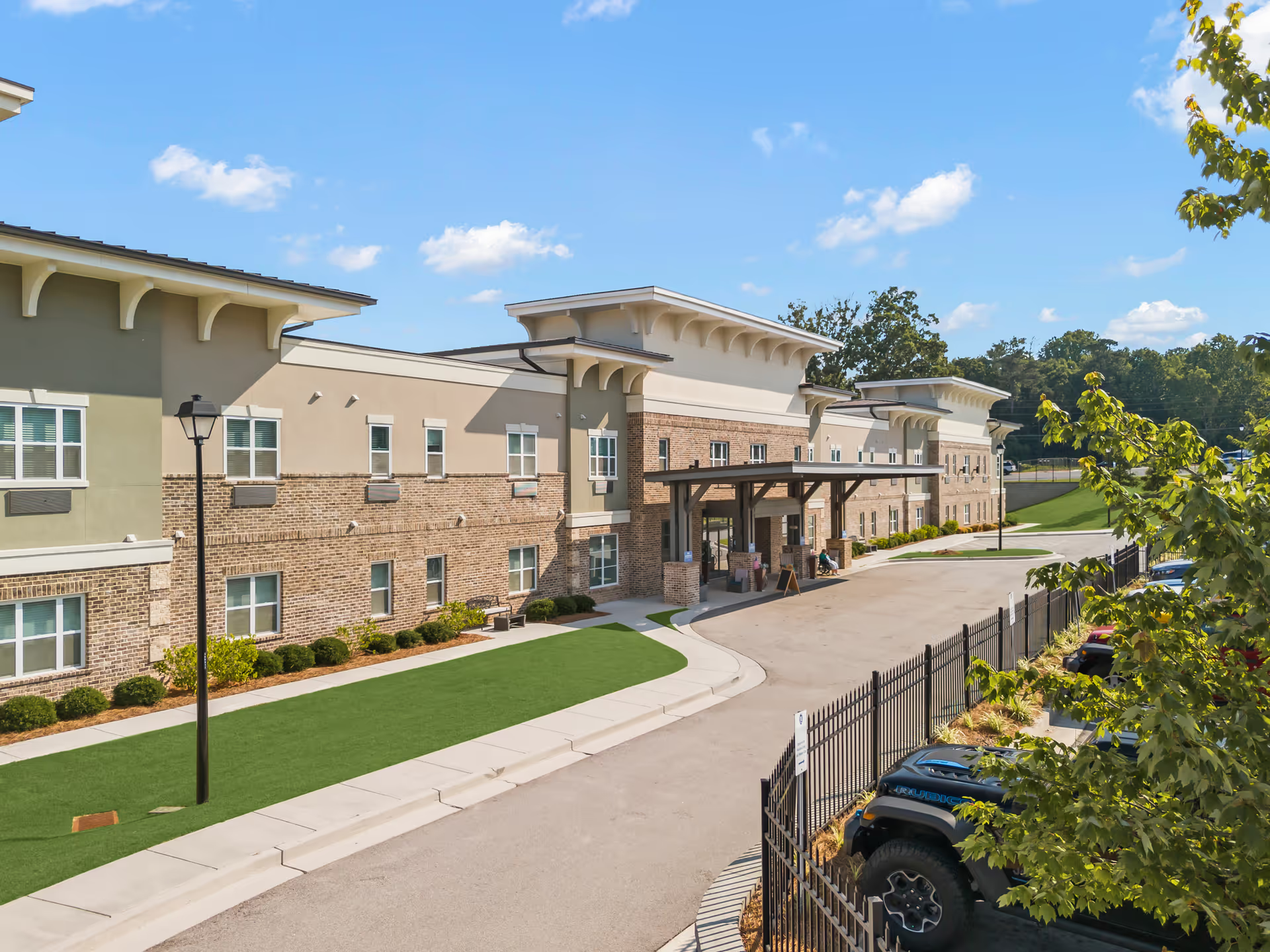
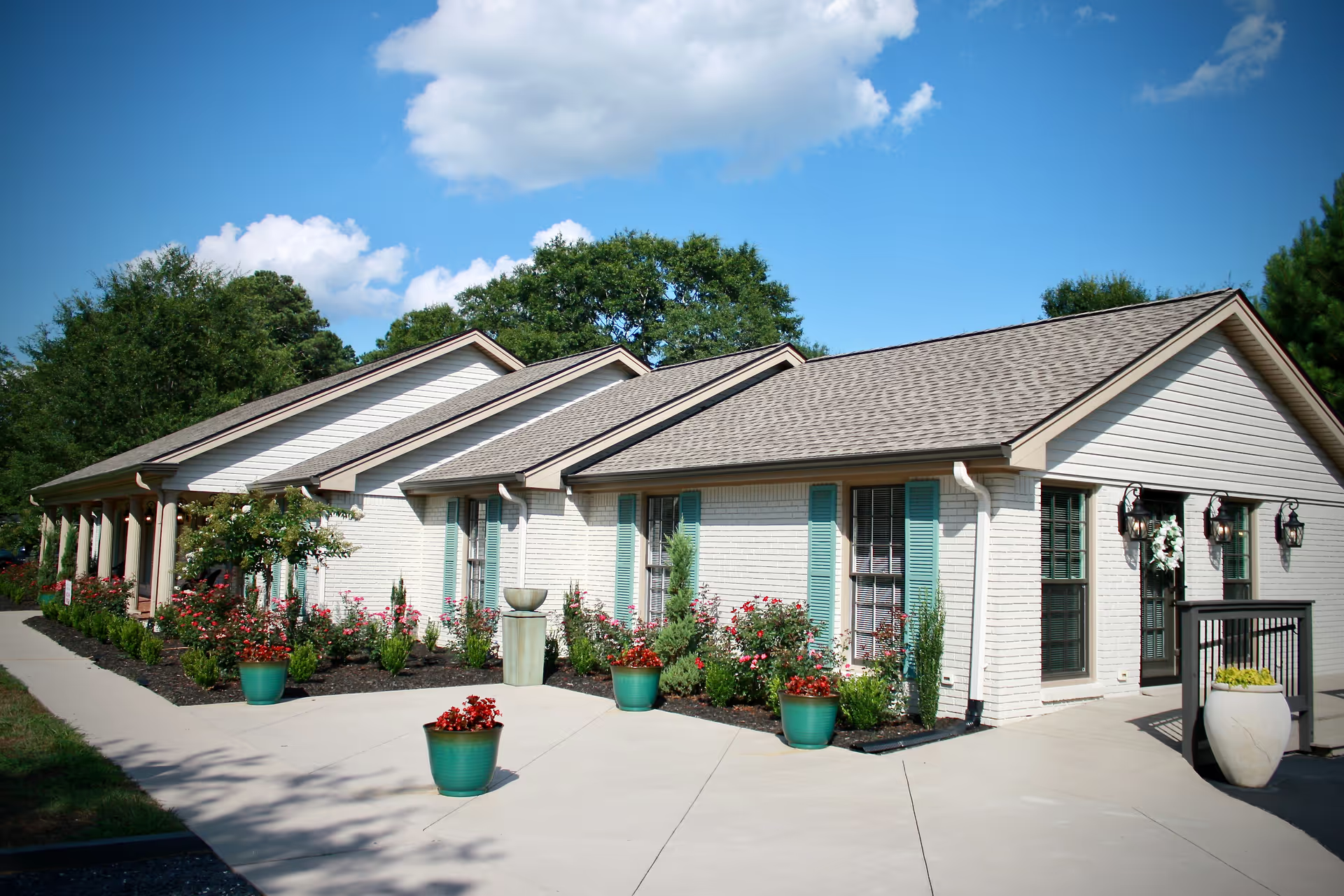
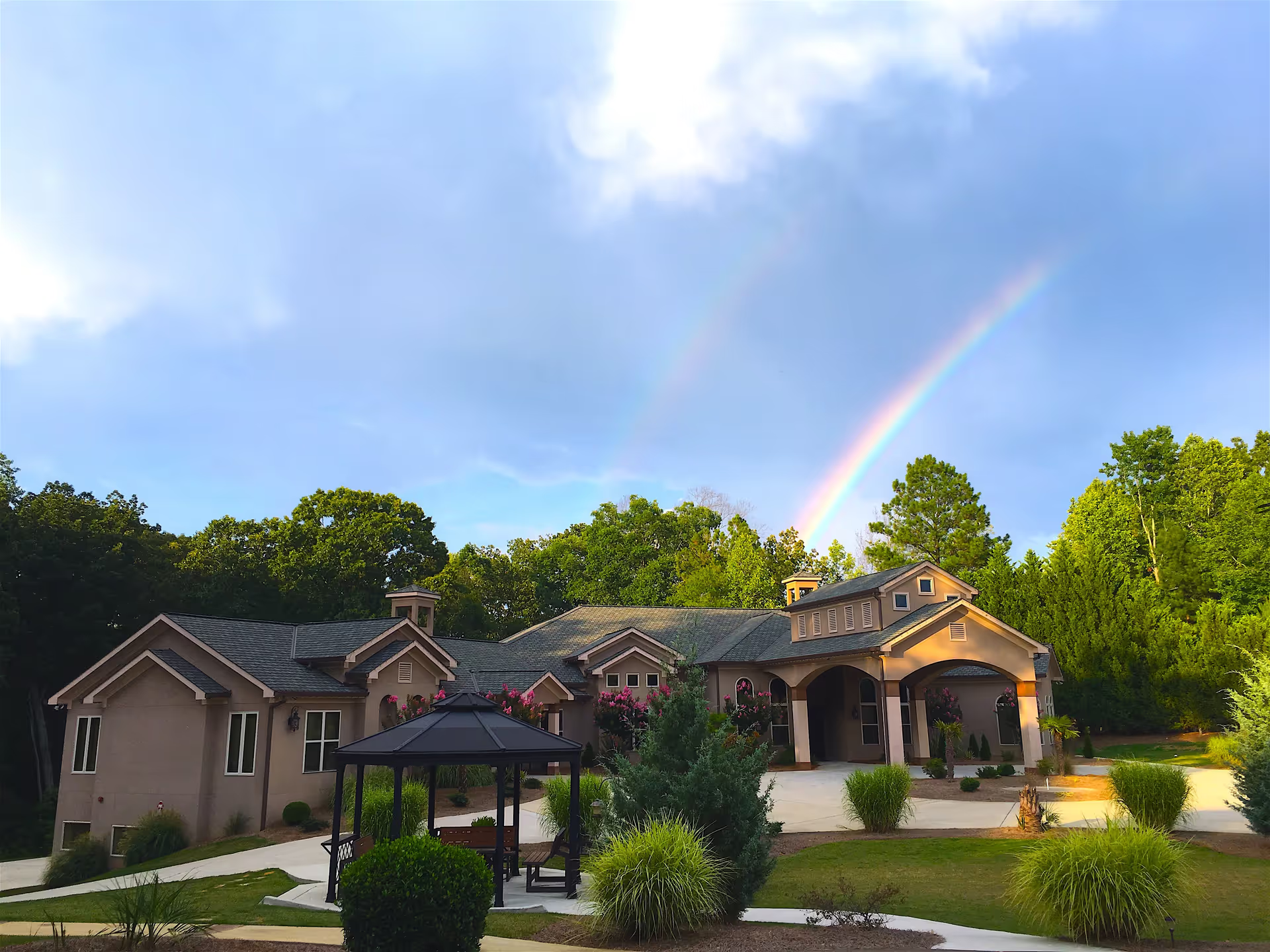
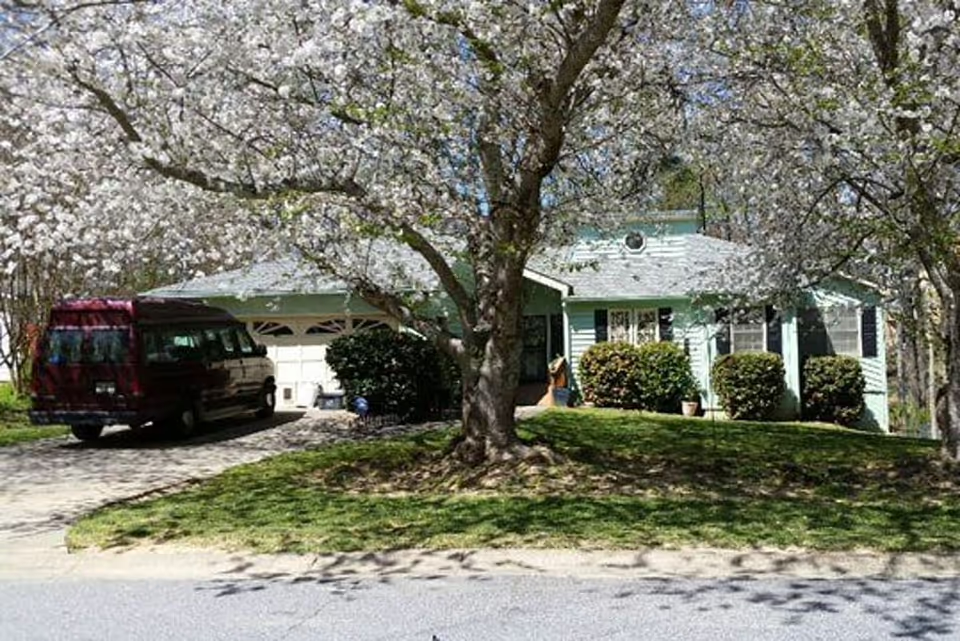
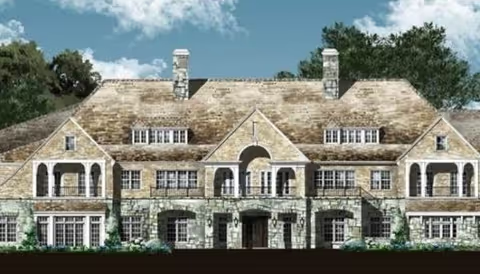
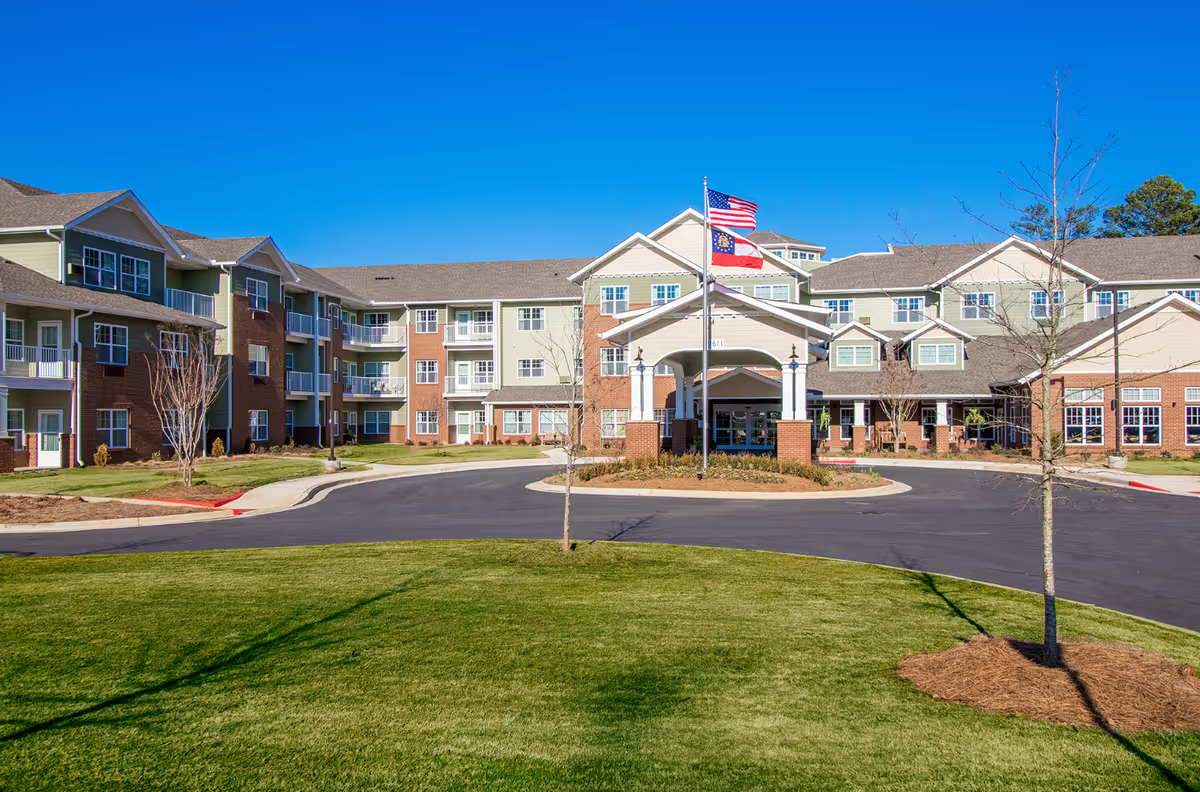
Ivy Springs at Buford is frequently described as a clean, modern, and welcoming senior living community with a strong emphasis on hospitality and resident comfort. Many families highlighted the facility’s new, resort-like appearance, up-to-date technology, and well-maintained common areas. Admissions and move-in are commonly characterized as smooth and supportive, with staff who help expedite transitions and make residents feel at home. Unit options that include private bathrooms and kitchenettes, along with regular housekeeping and laundry services, are cited as distinct conveniences.
Care quality and staff interactions are among the facility’s most praised attributes. Numerous families described caregivers, nurses, and activities staff as compassionate, attentive, and personally engaged with residents; med-techs and activity directors receive repeated commendation for going beyond basic expectations. That said, reviewer experiences are heterogeneous: while many describe consistently strong caregiving, others note variability in staff performance and examples of high turnover. Prospective residents should expect that daily interactions and the quality of care can depend on the specific staff on duty and shift coverage.
Clinical and safety themes are mixed. Several accounts praise professional nursing attention and appropriate handling of medical issues, but there are also serious concerns described by families that point to gaps in medication management, clinical oversight, and post-incident communication. There are isolated but significant concerns about how clinical events were managed and communicated to families, including one account tied to a medication-related outcome. These disclosures suggest asking about current medication administration protocols, clinical oversight, staff training, and incident-notification procedures during any visit or tour.
Dining and nutrition receive generally positive remarks for variety and meal service, with many reviewers enjoying meals and social dining. However, there is inconsistent feedback on food quality and on the facility’s ability to meet specialized dietary needs (for example, diabetic diets and other therapeutic meal requirements). COVID-era adjustments affected communal dining and activities for some residents, and some families noted reduced activity scope during infection-control periods. Clarify current dining practices, dietary accommodation processes, and how the community supports special diet requirements.
Activities are a clear strength when fully staffed and supported: exercise classes, crafts, field trips, ice-cream socials, and frequent outings were cited as enhancing quality of life. At the same time, a number of families reported uneven participation opportunities for residents with mobility or cognitive limitations, and occasional limitations tied to staffing or infection-control restrictions. Ask how activity plans are individualized and how staff ensure participation for residents with differing abilities.
Management and administration present a mixed picture. Several reviews praise accessible, responsive leadership and recent improvements under new administration; conversely, others cite periods of unstable management, delayed follow-up on family inquiries, unreturned calls, vendor-payment or financial-administration inconsistencies, and unreliable emergency-phone responsiveness. These operational inconsistencies appear to correlate with periods of leadership transition. When evaluating the community, request specific information about current leadership tenure, staffing levels, vendor relationships, and family-communication protocols.
Notable patterns to consider: memory-care experiences vary—some families report excellent, calming memory-care support, while others describe the unit as mismatched to higher-acuity needs. Cleanliness and the physical environment are most often praised, yet isolated sanitation and personal-care scheduling concerns were described; these imply the importance of clarifying daily-care routines (bathing, linen/laundry timing, incontinence-care processes) before committing. Financially, some reviews raise concerns about vendor payments and billing interactions, so review contracts and billing practices carefully.
Recommendation for prospective families: schedule an in-person tour, meet the clinical leadership and activities director, and ask concrete operational questions about medication administration, staffing ratios and turnover, emergency/after-hours protocols, dietary accommodations, and memory-care placement criteria. Verify current leadership stability and request recent references from families whose relatives have similar care needs. Doing so will help determine whether Ivy Springs’ strong hospitality, activities, and facility amenities align with the specific clinical and daily-care needs of a prospective resident.