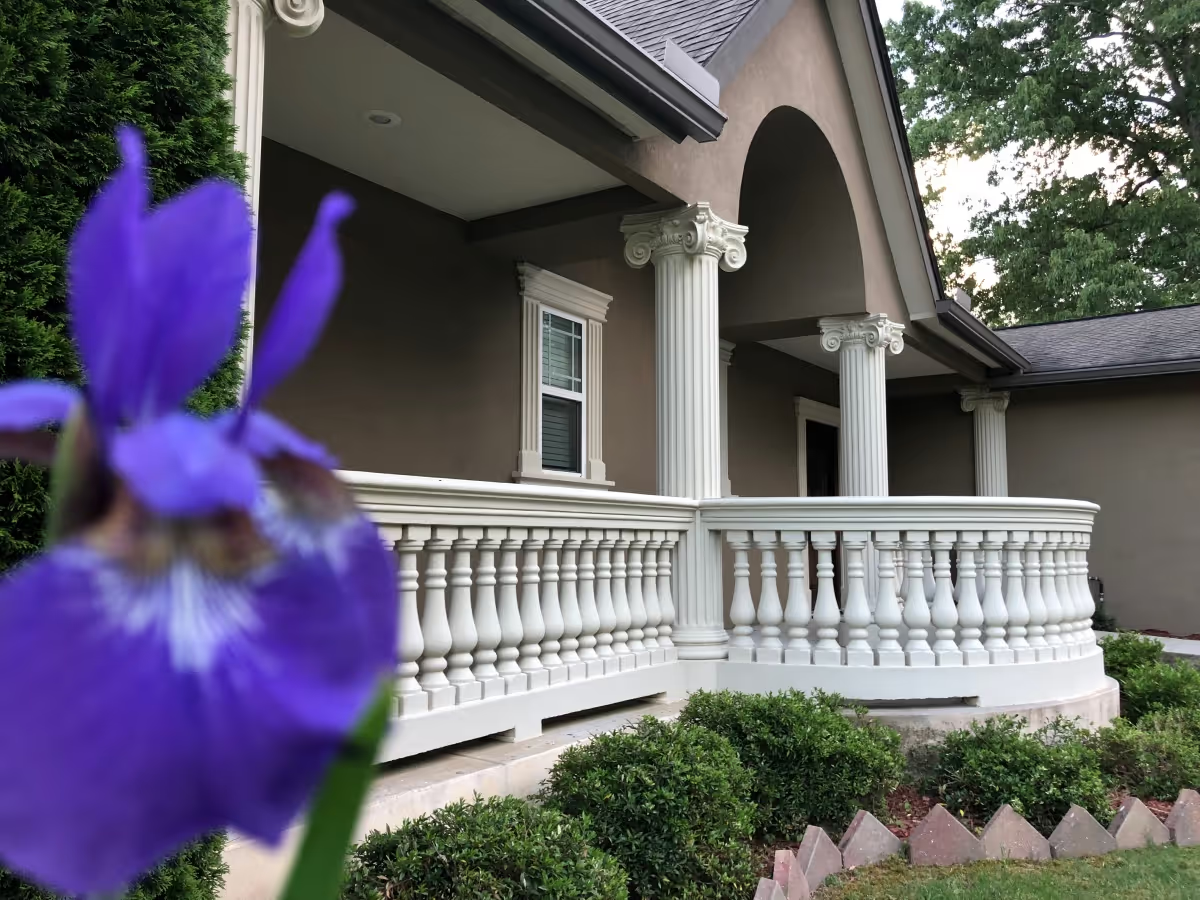
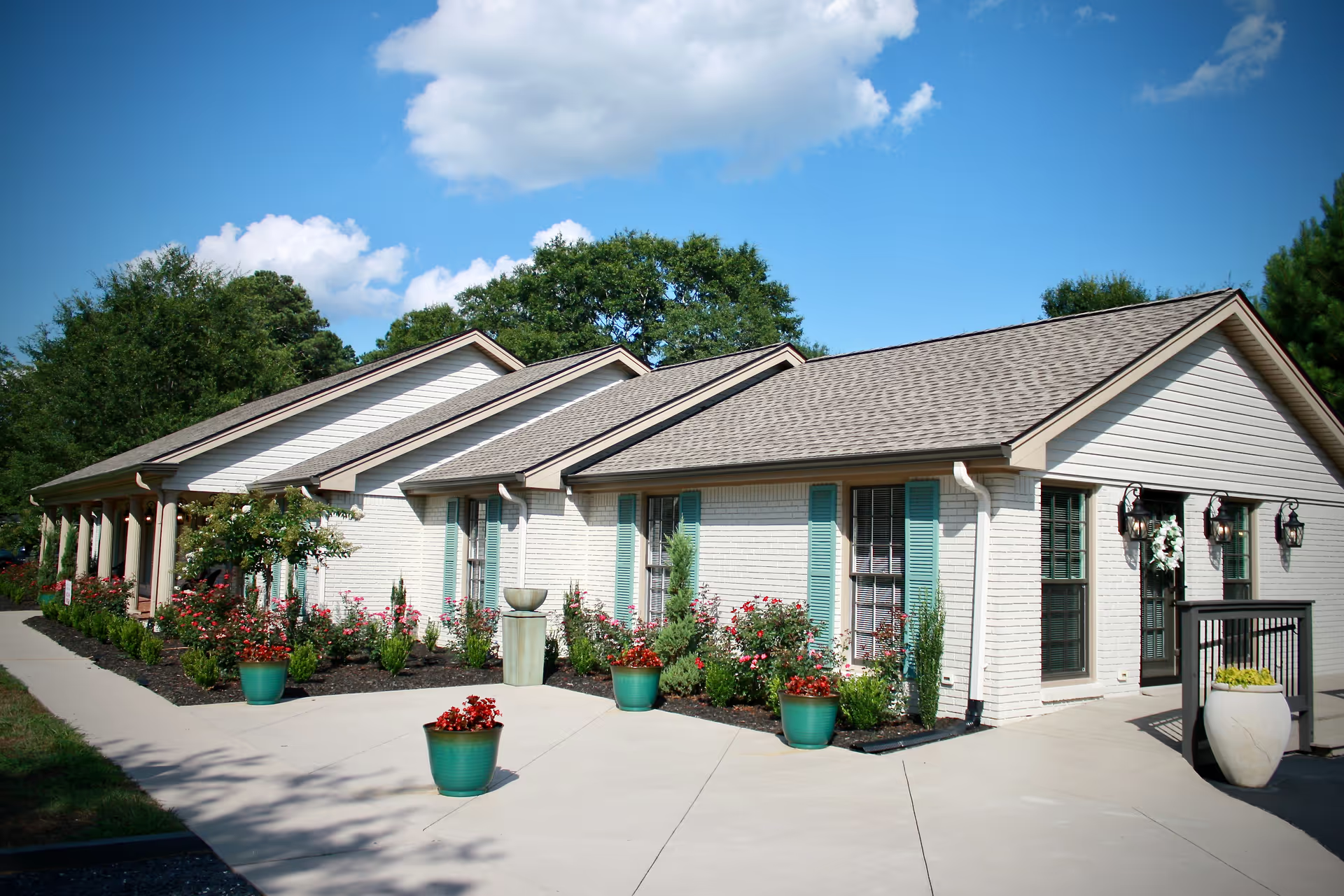
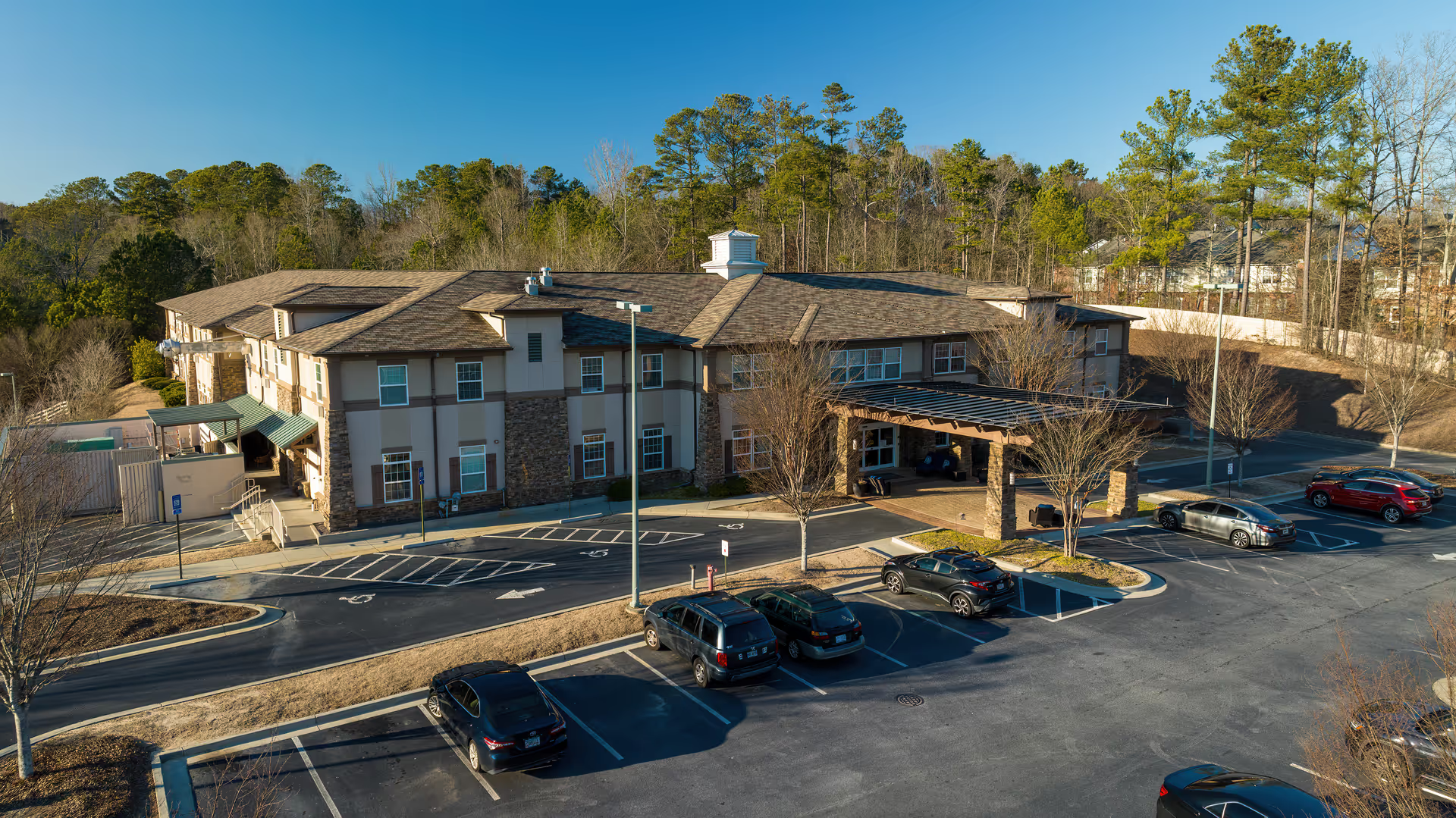
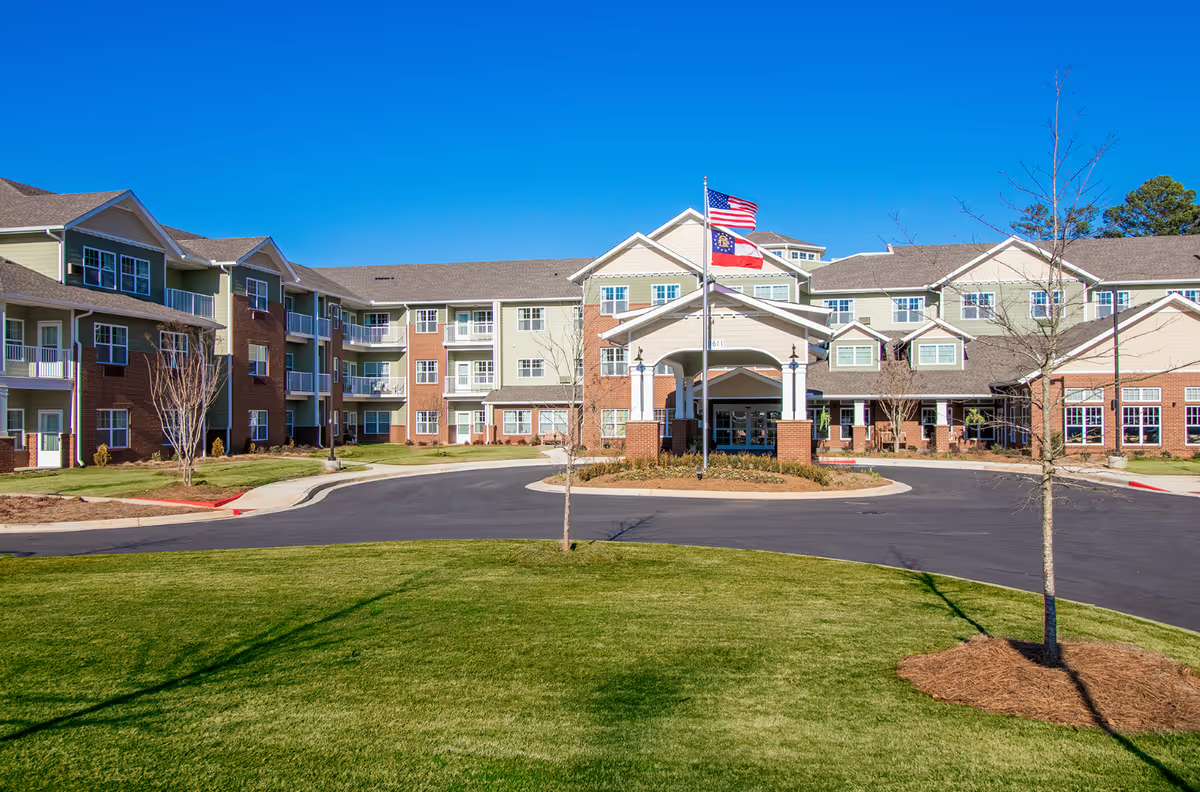
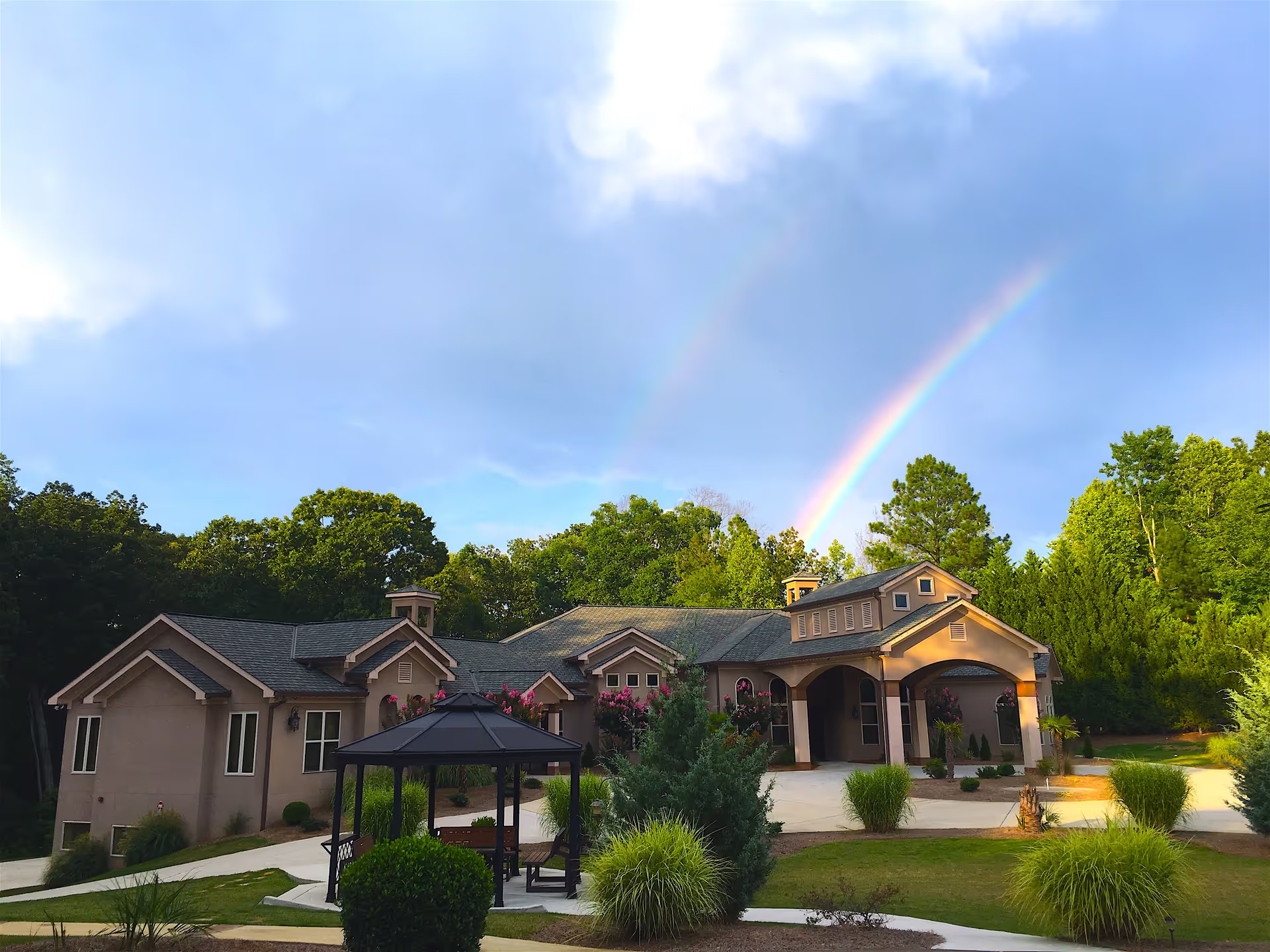
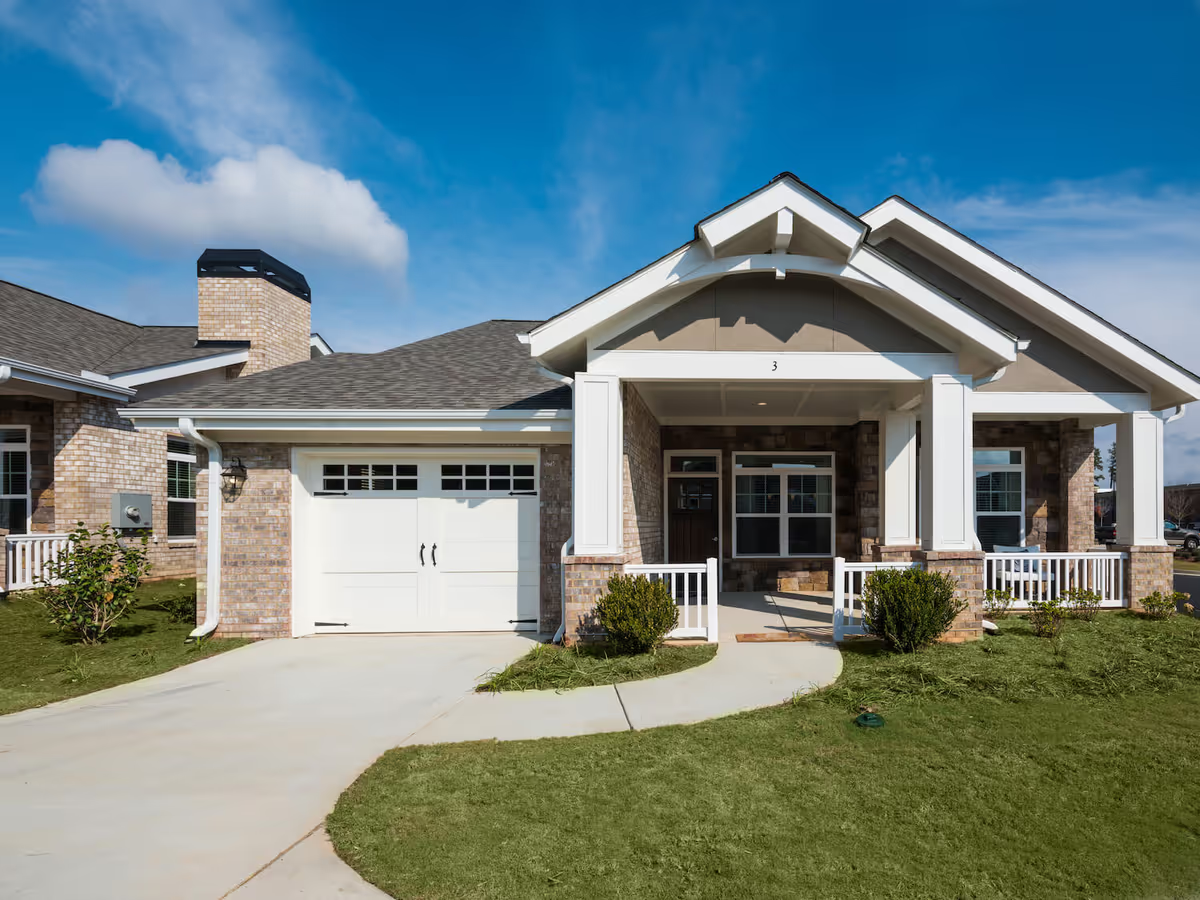
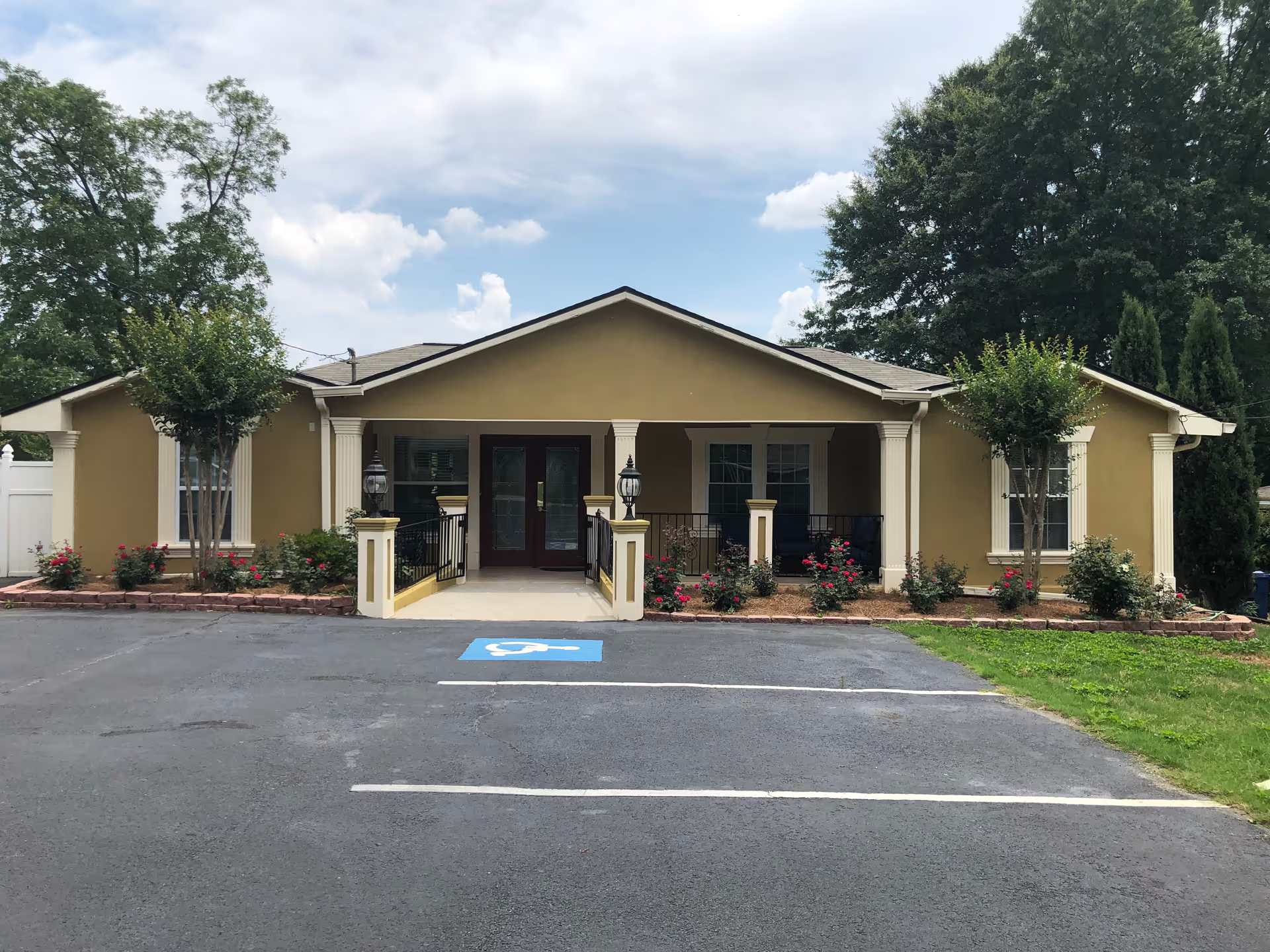
Feedback for Addison of Gwinnett Park shows a split between strong hospitality-oriented features and a set of operational weaknesses. Many families praised the community for its warm, home-like environment, attractive common areas, and staff who are described as caring, attentive, and engaged with residents. The dining program and culinary leadership received frequent positive mention—meals were characterized as restaurant-quality and served with attention to presentation. The campus layout, bright rooms that allow personal furnishings, and amenity spaces (courtyard, common rooms) are also repeatedly cited as strengths.
Staff interactions and direct caregiving are often described positively: staff who know residents by name, supportive end-of-life and bereavement responsiveness, concierge-style front-desk service, and on-site therapy options. Activity programming — including entertainers, themed decorations, and varied classes — is another clear asset, with many accounts of creative and enriching opportunities that contribute to a lively atmosphere.
Counterbalancing those positives are consistent operational concerns. Staffing inconsistency and shortages, especially on night shifts, were linked to delayed responses, limited supervision, and occasional safety worries. Reviewers described variability in the delivery of care and conduct, with examples pointing to inattentiveness at times and uneven adherence to clinical protocols. Relatedly, several comments raised concerns about medication management and clinical oversight, and there were specific mentions of safety-related practices (for example, oxygen-management and fall-prevention practices) that families wanted clarified.
Housekeeping and sanitation emerged as another area of variability: while many common areas and first-floor spaces were described as well maintained and pleasant, reviewers noted cleanliness and odor concerns in certain units, notably parts of the memory-care area. Activity schedules were sometimes not implemented as posted, indicating inconsistency between planned programming and actual delivery on some floors.
Administrative and management issues also recur in the feedback. Admissions paperwork and move-in procedures were described as disorganized in some cases, and billing or insurance-administration errors were reported. Families noted instances of leadership turnover and inconsistent follow-through from management; conversely, several reviewers complimented individual leaders and front-desk personnel for clear communication and helpfulness, suggesting variability in executive performance.
Taken together, the pattern is one of a community with strong hospitality, engaging programming, and many compassionate caregivers, paired with operational gaps that can affect reliability of care and family confidence. Prospective residents and families may benefit from asking specific, practical questions during a tour: current staff-to-resident ratios by shift, night-shift supervision protocols, medication-administration and clinical-escalation procedures, housekeeping schedules for each unit, verification of activity implementation, and detailed billing/insurance processes. Those clarifications can help align expectations with the community’s strengths and identify whether recent management or staffing changes have addressed the operational concerns described.