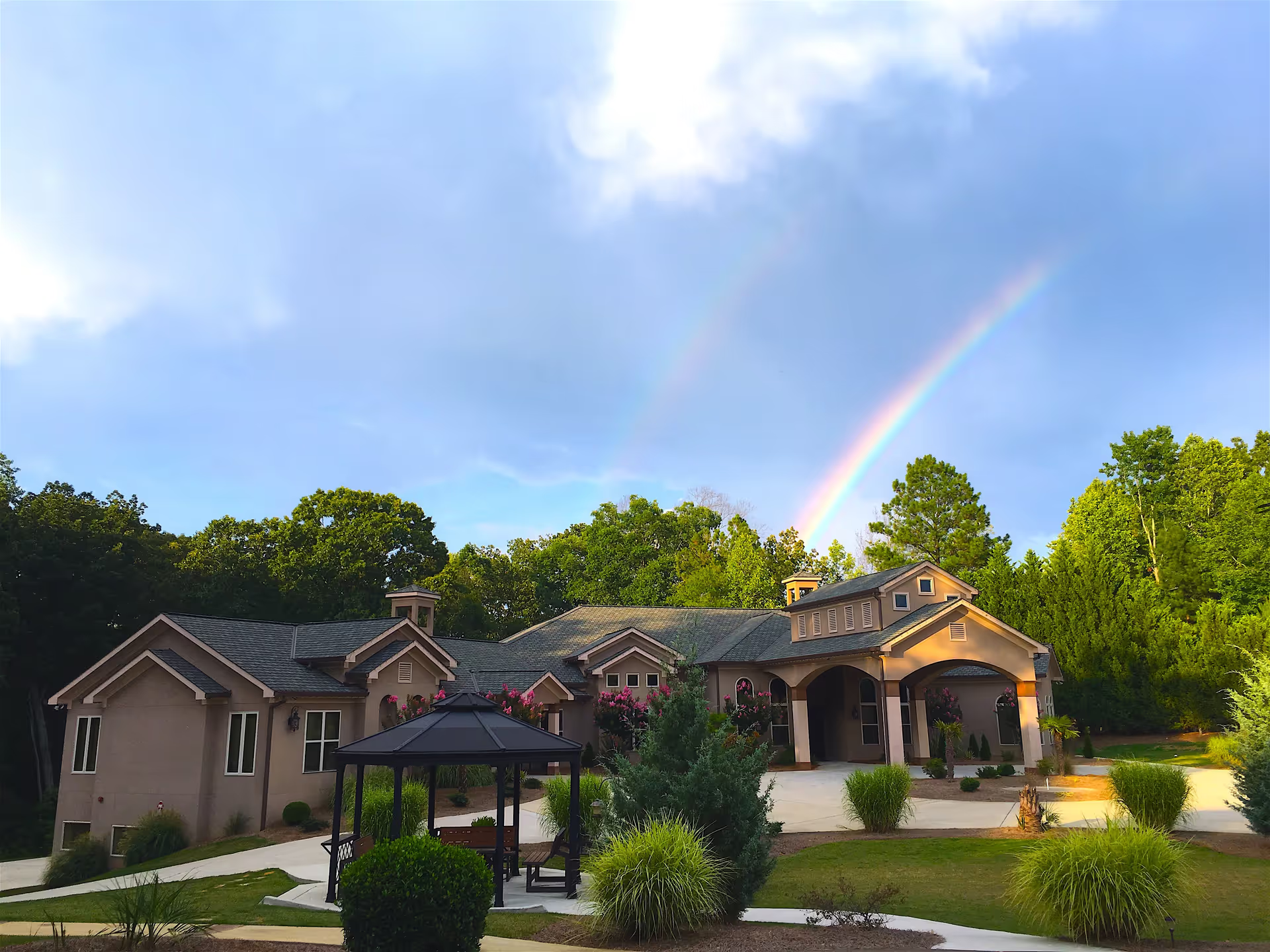
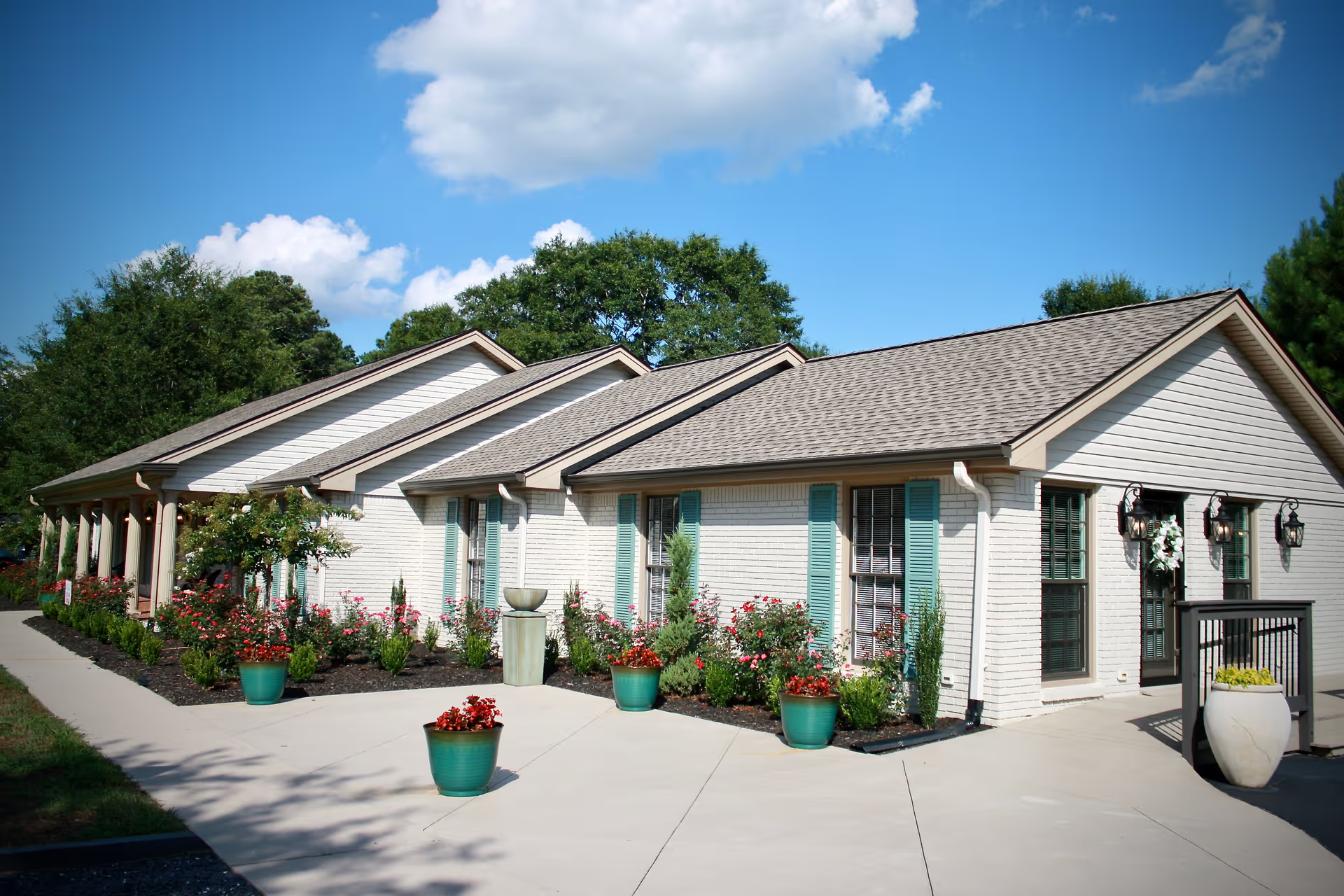
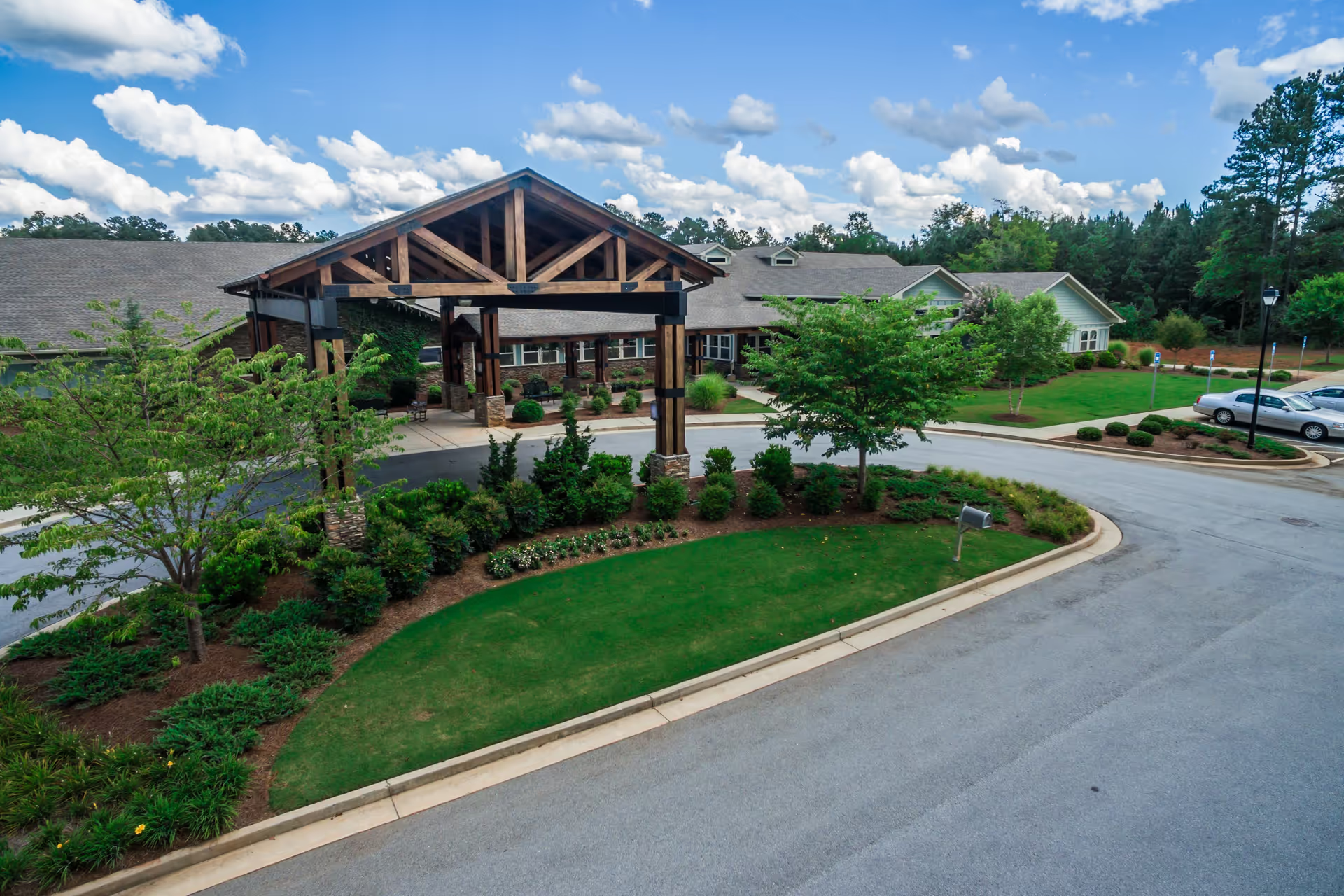
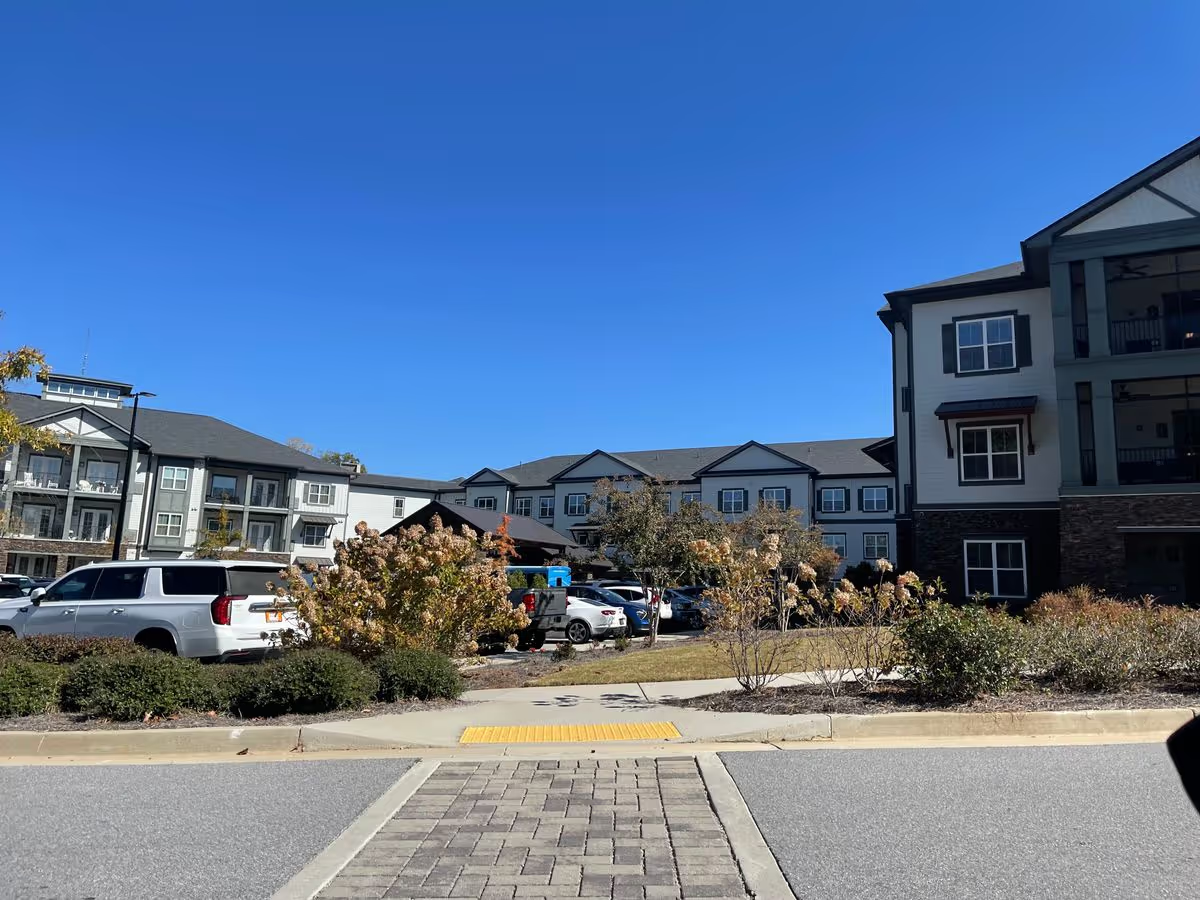
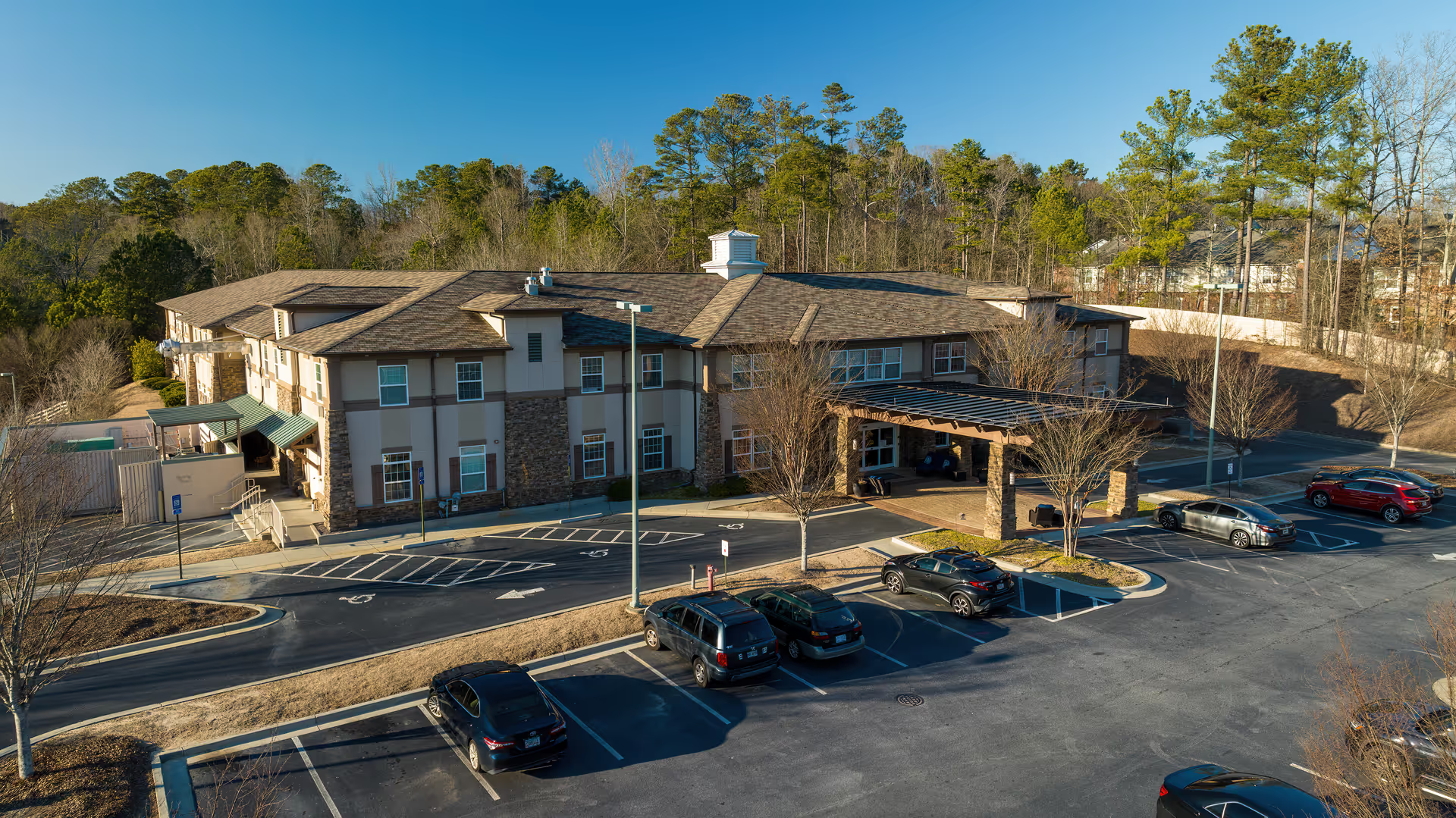
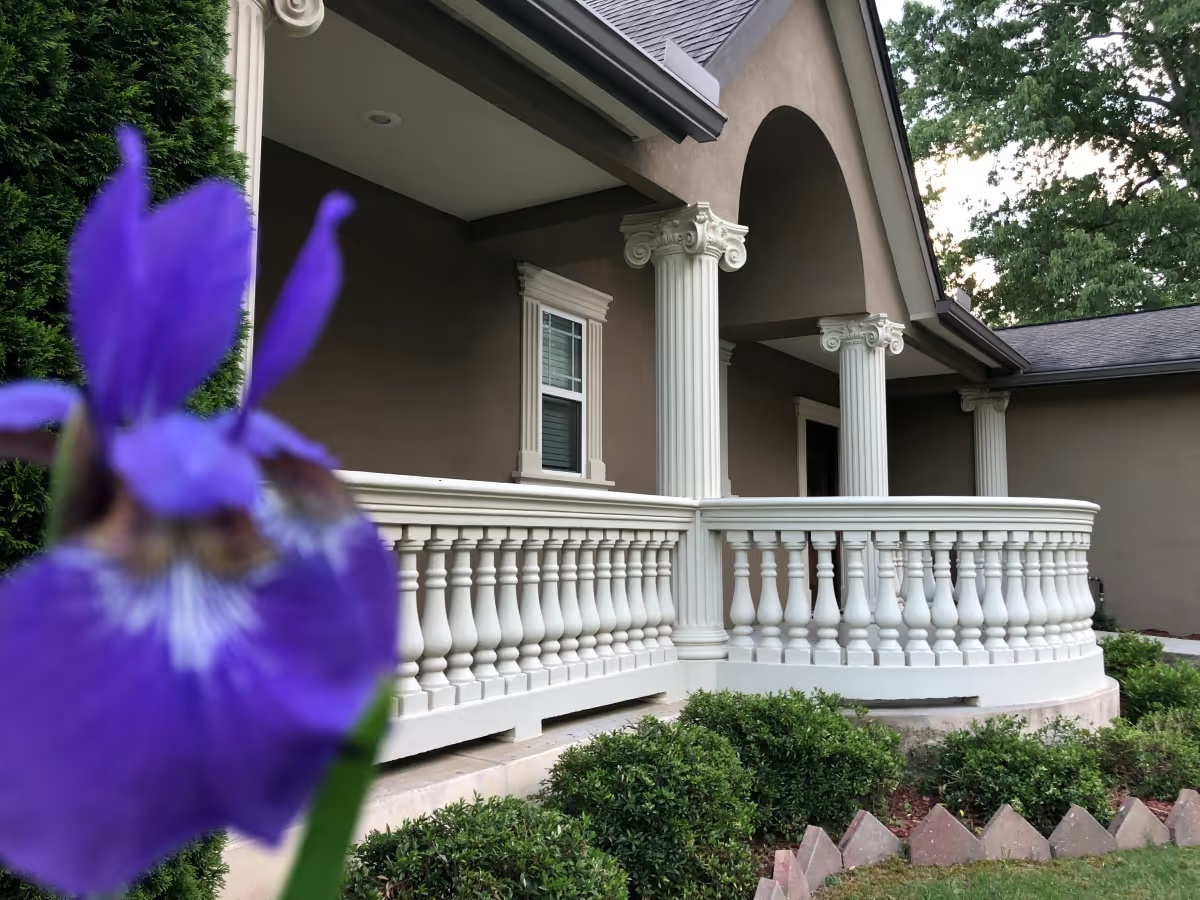
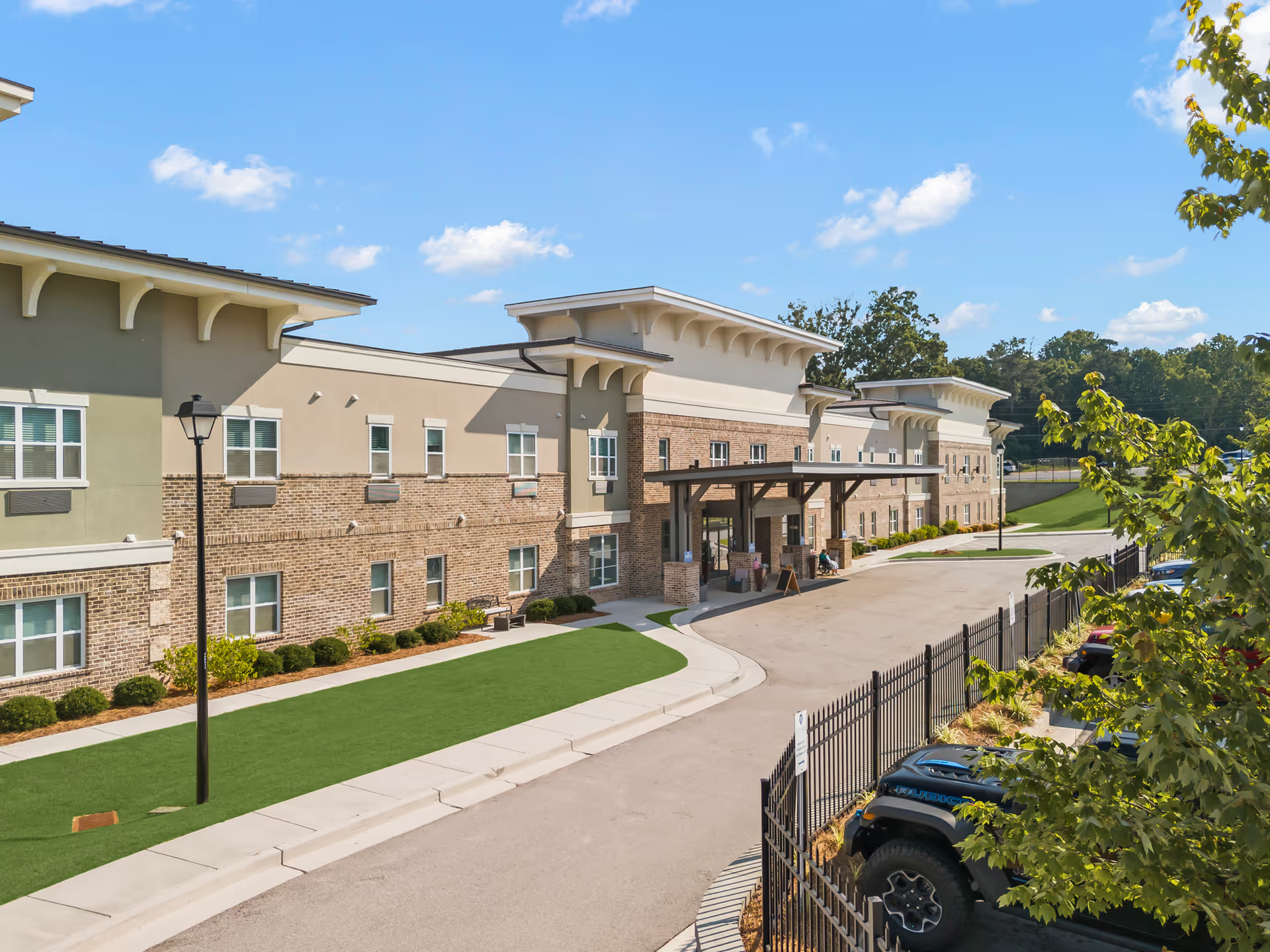
Arbor Terrace at Hamilton Mill is consistently described as a modern, well-maintained senior community with extensive amenities and an active social program. Reviewers frequently highlight the bright, hotel-like public spaces, landscaped grounds, and a broad set of on-site features — pool, gym, salon, theater, bistro, and multiple activity rooms — that support varied resident interests. Housekeeping and maintenance are generally viewed as reliable, and many families appreciate the chef-driven approach to dining and the presence of on-site therapy and nursing support.
Staff strength is one of the community’s most persistent positives. Many comments emphasize compassionate caregivers, long-tenured employees, and engagement staff who know residents by name. Families describe strong move-in coordination, helpful transition staff, and numerous examples of caregivers going above and beyond (post-surgery support, companionship, organized outings). Memory-support neighborhoods (Bridges, Evergreen and named teams) receive praise for structured programming and dedicated staff in many accounts.
At the same time, there is a pattern of inconsistency in several operational areas. Dementia-care performance appears uneven across shifts and staff: while some families experienced well-trained, patient teams, others described difficulties with behavioral de-escalation and redirecting skills. Linked to those accounts are concerns about how clinical incidents are handled and communicated to families; a small number of acute incidents requiring emergency intervention were described, and these accounts indicate gaps in incident-response protocols and family notification practices.
Dining receives mixed but specific feedback. Several reviewers praised high-quality, scratch-prepared meals and an active dining program with three-course options, while others reported menu items being unavailable at times, overly salty dishes, or limited accommodation for special diets. Reviewers also noted variability in food consistency depending on leadership/chef changes.
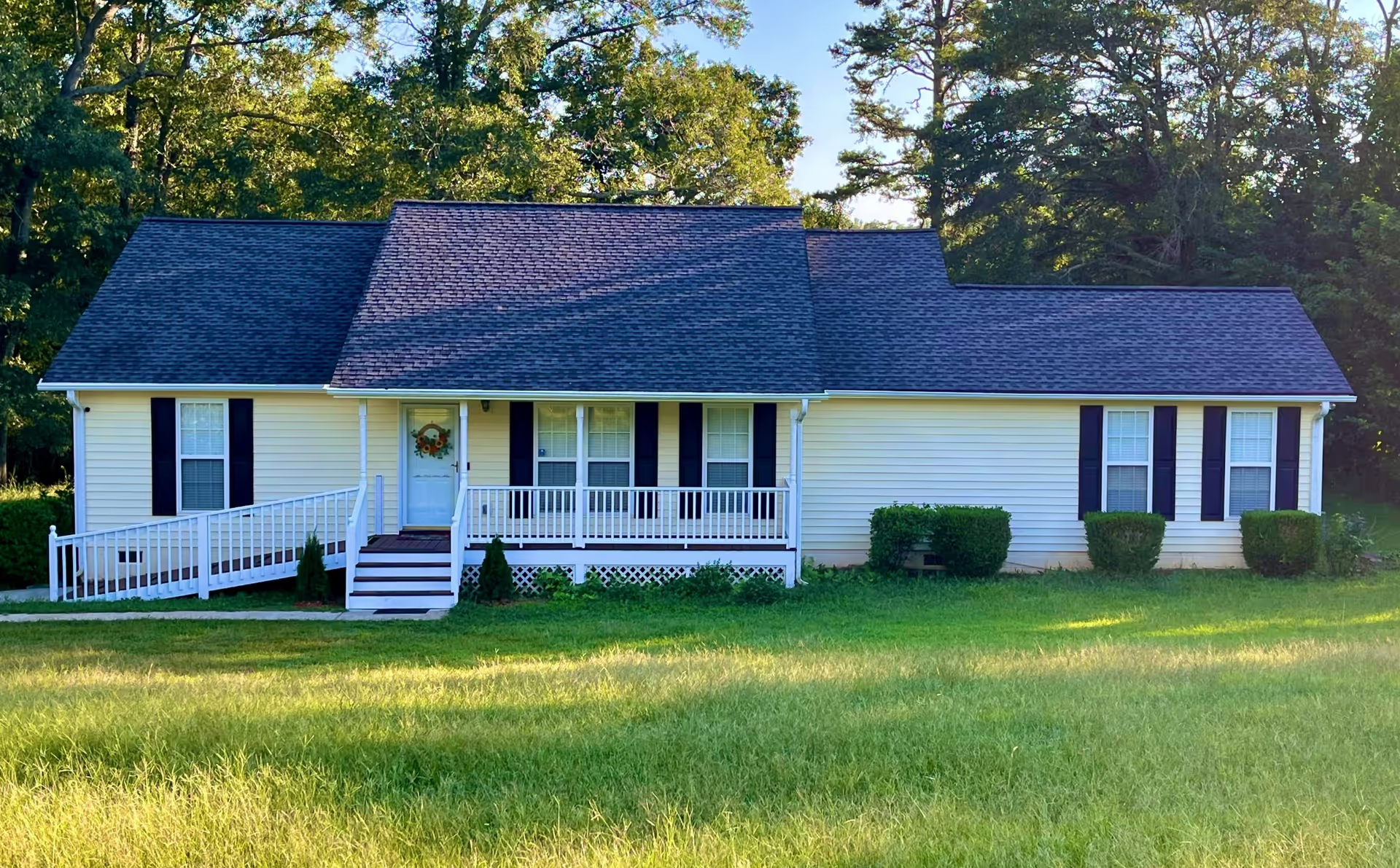
Operational limitations to verify during a visit include staffing patterns (some reports of shortages and slower call-light response), clinical capacity for high-assist transfers (limitations on two-person assists or Hoyer lift use), and cottage unit logistics (some cottages are distant from central dining and activities). Cost sensitivity is another recurring theme: some families consider the community pricier than alternatives relative to apartment size or level of clinical support required.
Overall, Arbor Terrace Hamilton Mill presents as a well-appointed community with many strengths in staff engagement, programming, and amenities. Prospective residents and families planning a tour should probe specific operational areas that showed inconsistency in reviews: dementia-training and behavioral-management protocols across shifts, incident-response and family-communication procedures, dining accommodations and menu reliability, staffing ratios at different times of day, and transfer-assist capabilities for higher-care needs. These targeted questions will help determine whether the community’s widely praised culture and services align with an individual resident’s clinical and lifestyle needs.