Dalton Square elicits strongly polarized impressions: many families and visitors emphasize warm, attentive staff, a robust activity calendar, and well-kept facilities, while other accounts identify operational weaknesses that materially affect day-to-day resident experience. Overall, the facility presents as a community with a pronounced focus on social engagement and visible management presence, yet with recurring operational themes that prospective families should evaluate before committing.
Care and staff: Numerous reviewers describe compassionate, resident-focused caregivers who provide companionship, frequent check-ins, transportation, and accompaniment to appointments. Several accounts praise specific staff and activity leaders for individualized attention and follow-through. Counterbalancing this, there are recurrent concerns about inconsistent direct-care staffing, turnover, and variability in responsiveness to personal-care needs. Reviews indicate delays or lapses in routine ADL assistance and wound/skin-care monitoring in some cases; clinical-safety concerns mentioned include falls and pressure-injury risk. Communication gaps were also noted—families sometimes report not being promptly informed of condition or medication changes. These patterns suggest that while many residents receive attentive care, consistency and clinical oversight are uneven across shifts and units.
Dining and activities: The activity program is widely regarded as a strength, with frequent social, musical, and recreational offerings (bingo, exercise classes, themed events) and an engaged activities director. Food and dining impressions are mixed: many reviewers compliment the dining room, meal variety, and positive changes in menus, but others describe inconsistent food quality, menu disruptions tied to staffing/chef turnover, and limited options in memory-care dining. Prospective residents should confirm menu planning, accommodations for special diets, and how dining quality is monitored.
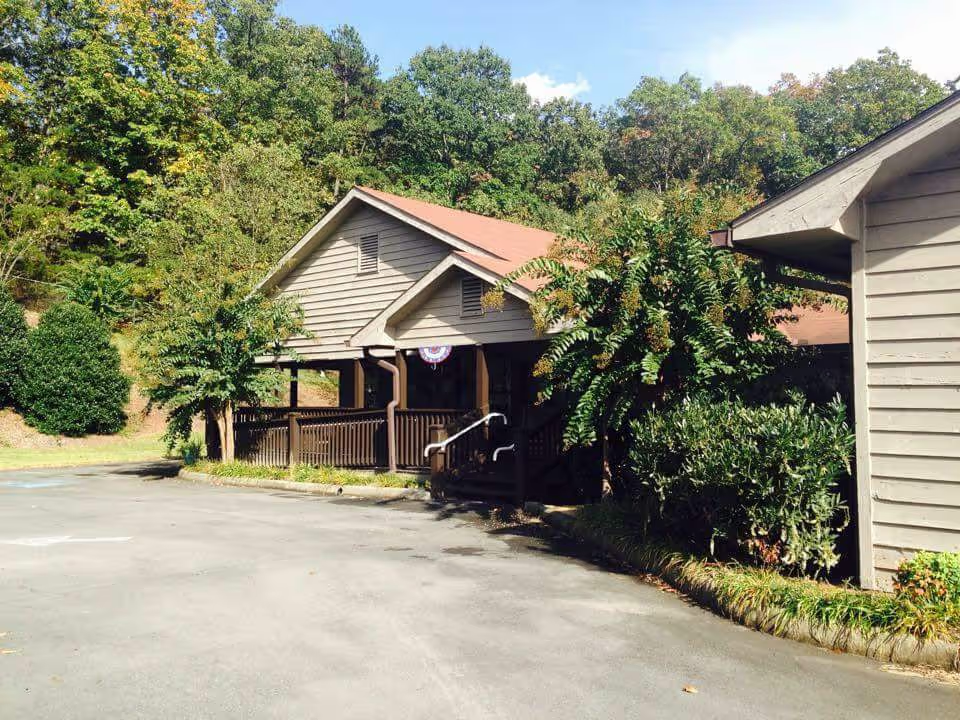
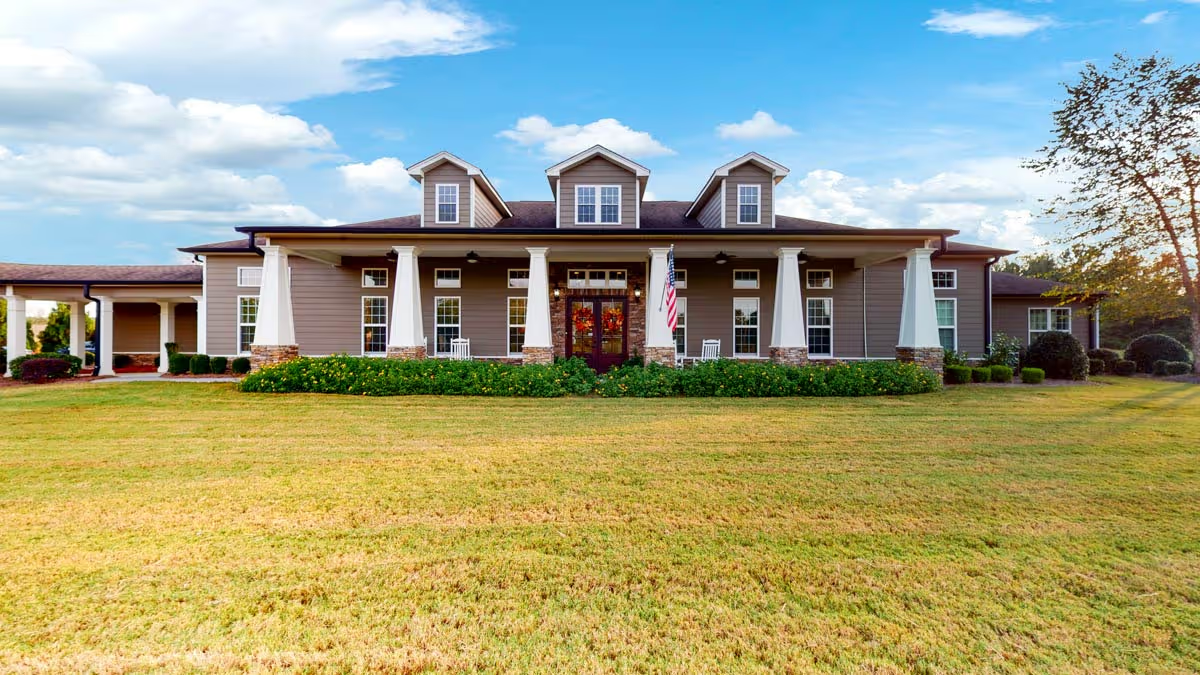
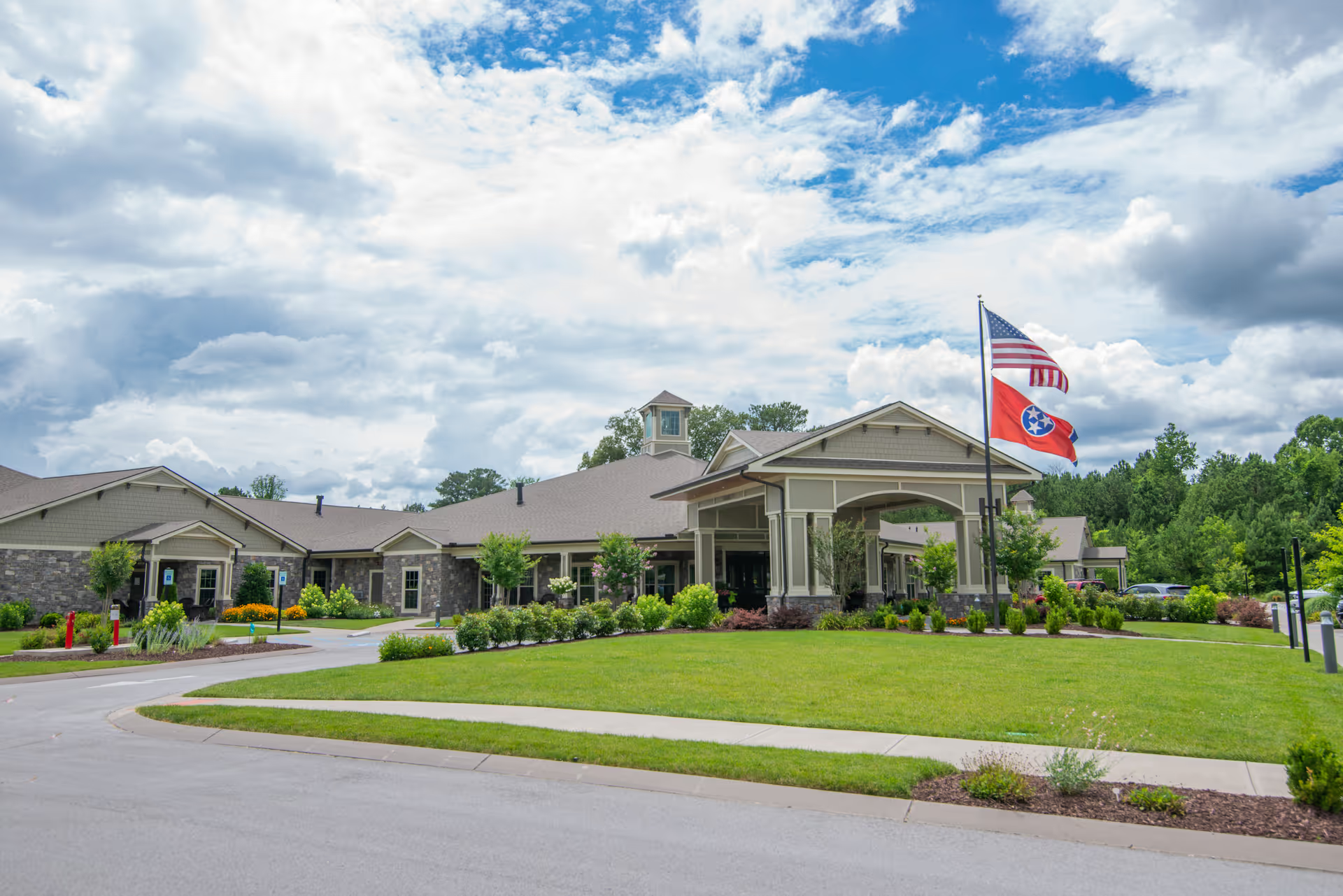
Facilities and services: Physically, the campus and apartments receive favorable remarks for cleanliness, bright and roomy layouts, accessible bathrooms (walk-in showers), beauty shop access, and well-kept grounds. Regular housekeeping and move-in support are also highlighted. That said, some reviews identify sanitation and odor-control issues in particular areas, and several families report inconsistent laundry service and difficulties with lost or mishandled personal items. Memory-care units are available and praised in many accounts, though a subset of reviewers felt the match between resident needs and the memory-care environment was not optimal.
Management and notable patterns: Management and admissions staff are often cited as responsive and engaged, with named leaders credited for positive changes. However, critiques center on inconsistencies in nursing management and floor-level clinical leadership. Understaffing during particular shifts is a repeated operational theme, as are variability in laundry/personal-item protocols and family communication practices. The overall pattern is one of a community with strong cultural and social assets but with operational variability that can affect clinical consistency and routine care tasks.
Recommendation: Families should consider Dalton Square if social engagement, a family-like atmosphere, and active programming are priorities, but they should also conduct targeted inquiries during tours: ask about current staffing ratios by shift, nursing leadership and turnover, protocols for personal-care and incontinence support, pressure-injury prevention, communication policies for clinical changes, laundry and belongings management, and recent dining/culinary staffing stability. Verifying these items will help determine whether the facility’s strengths align with an individual resident’s clinical and daily-living needs.