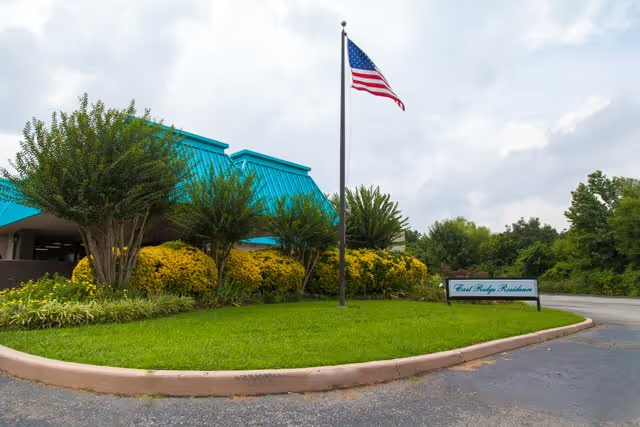
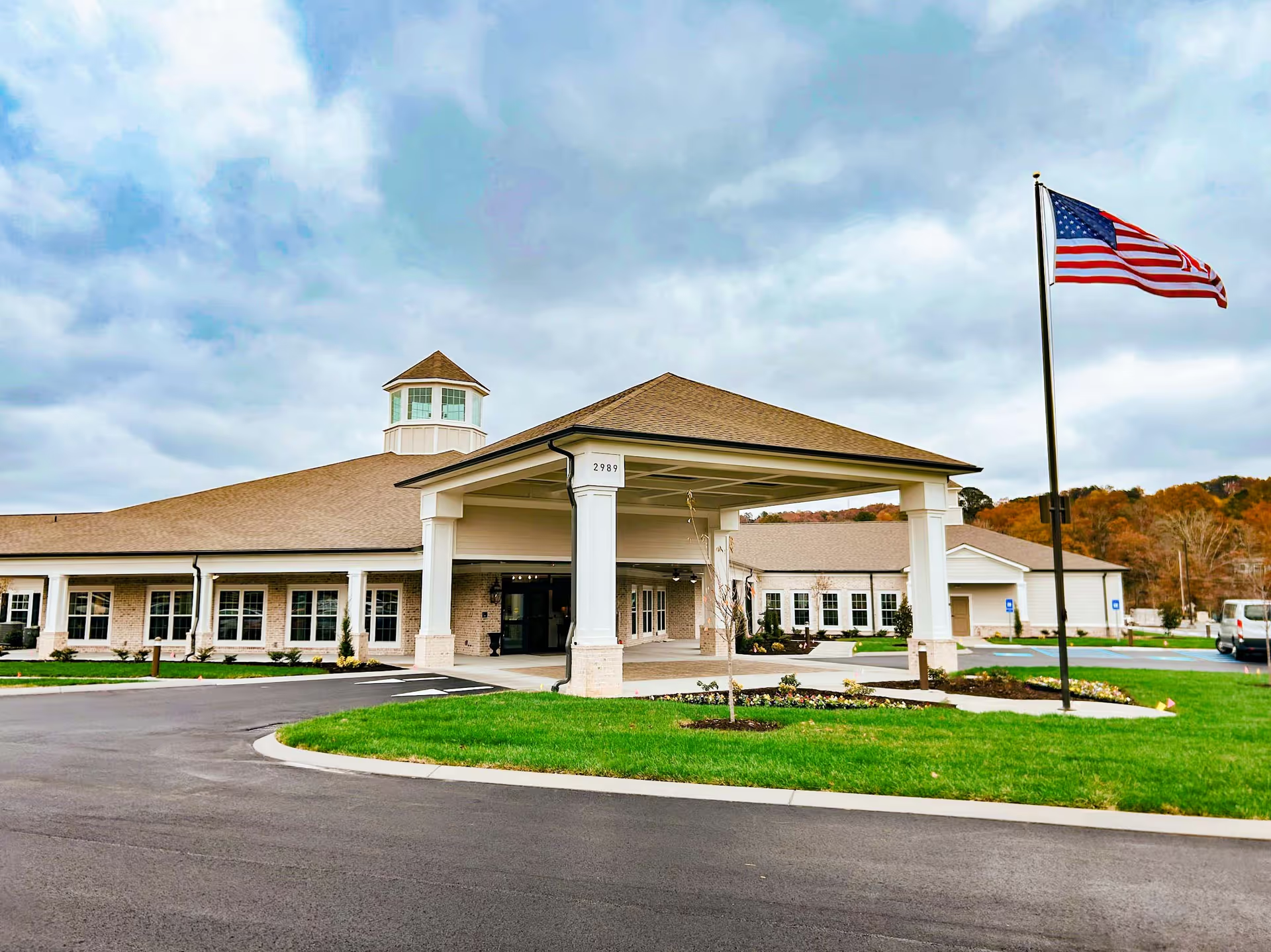
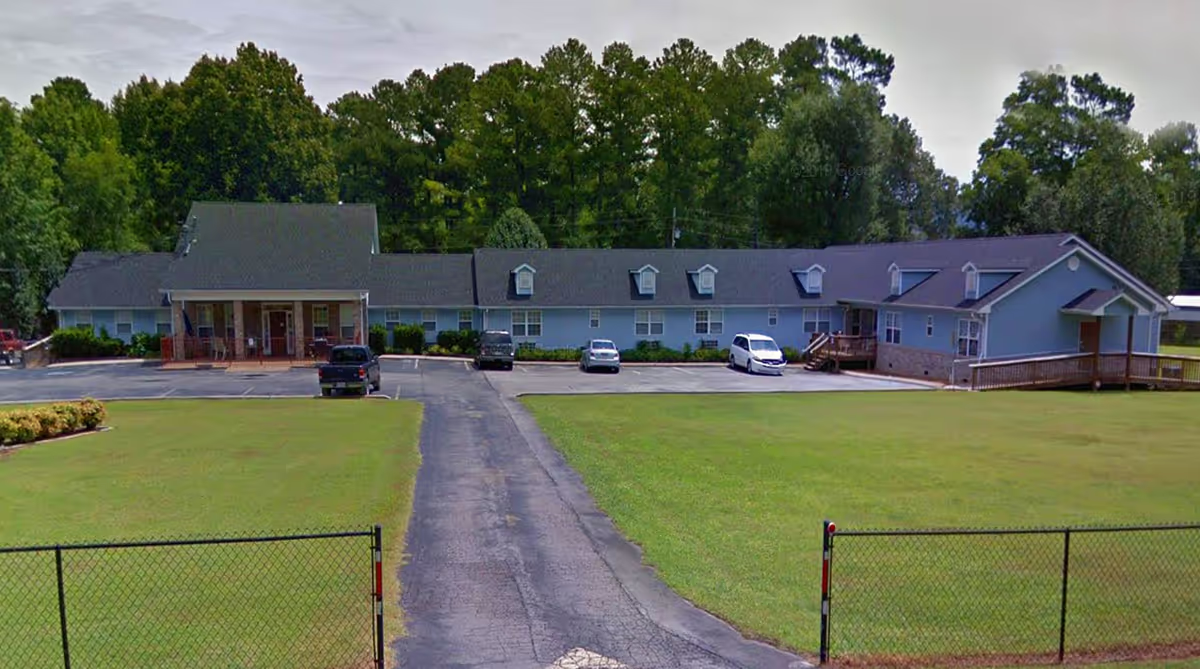
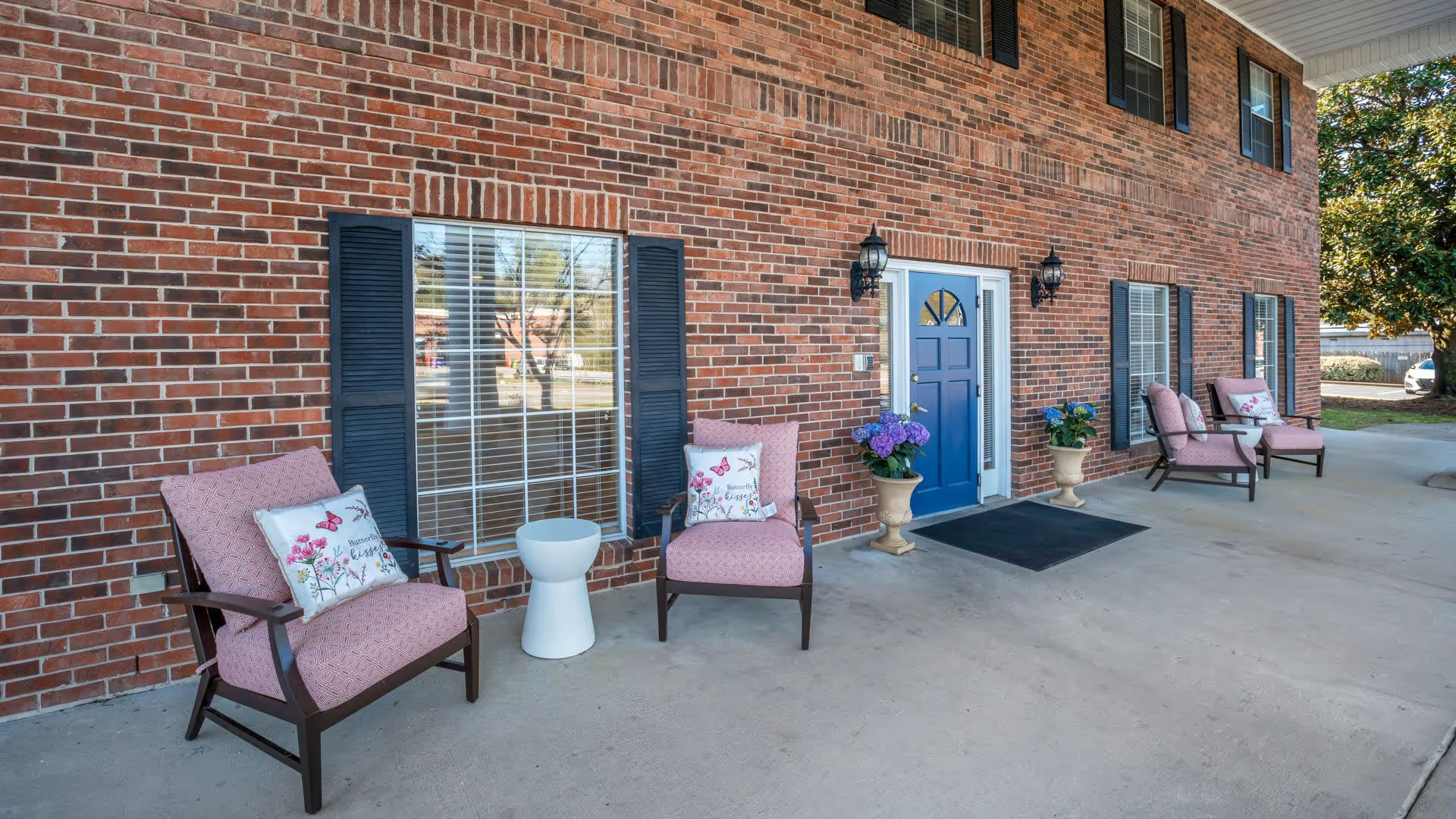
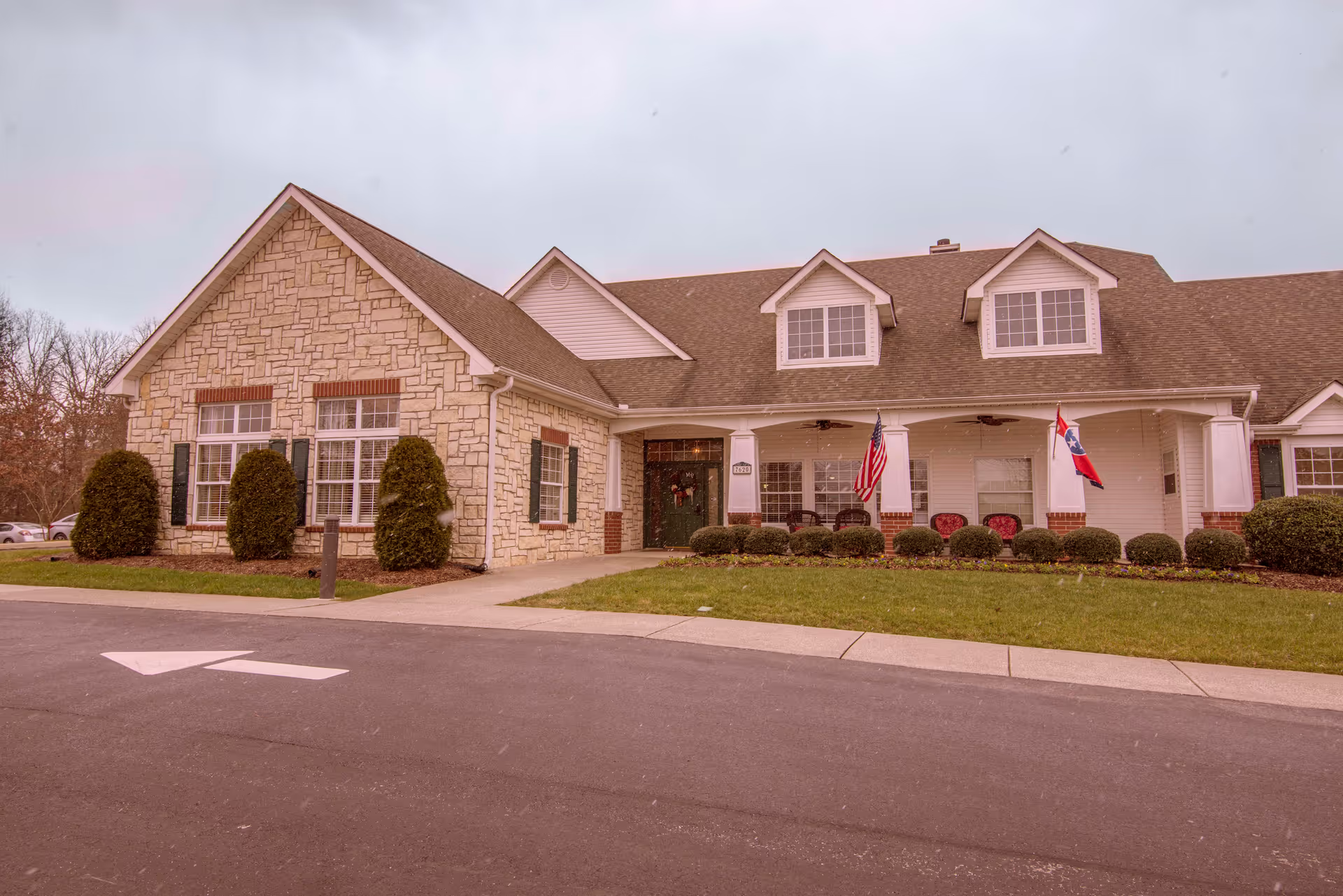
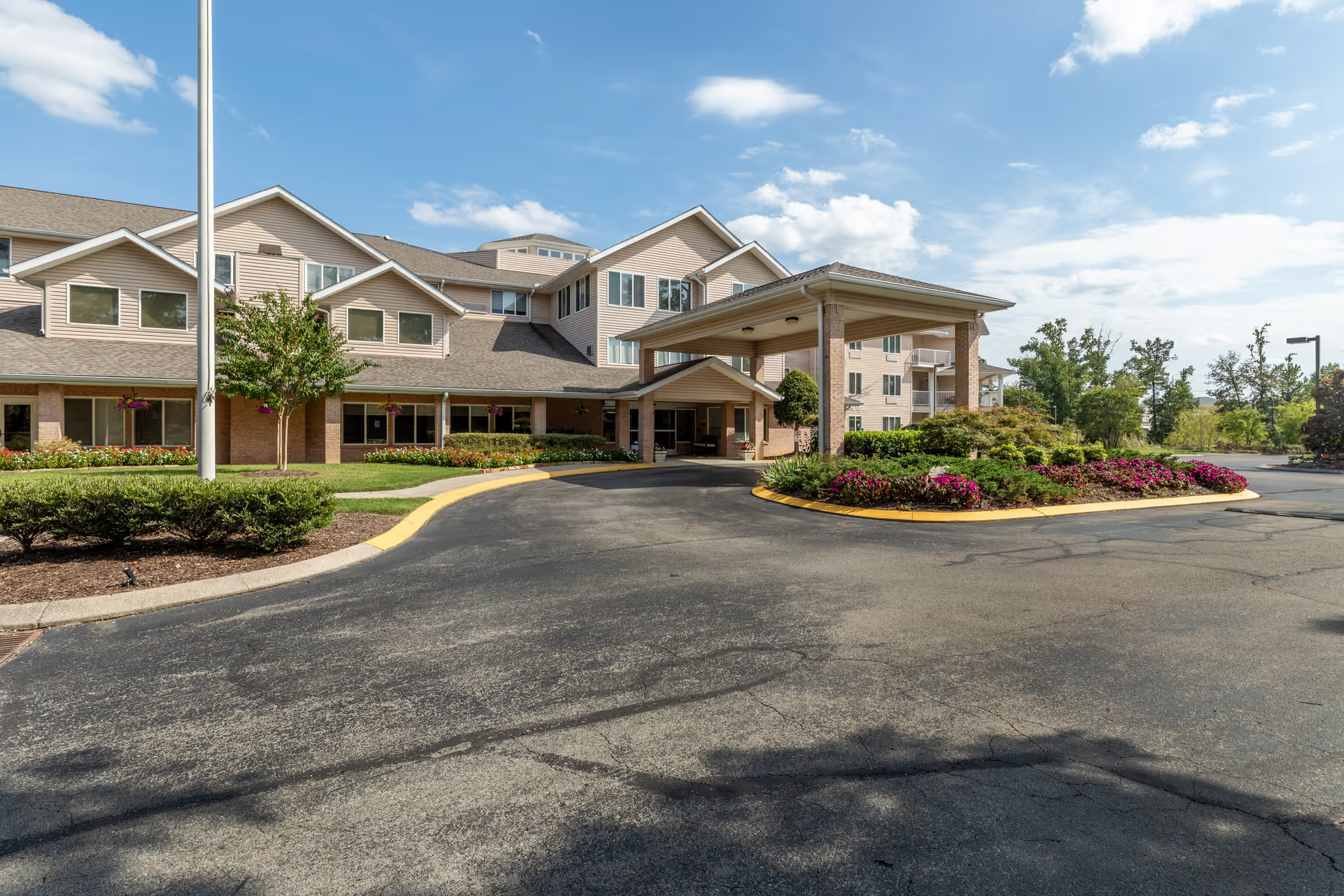
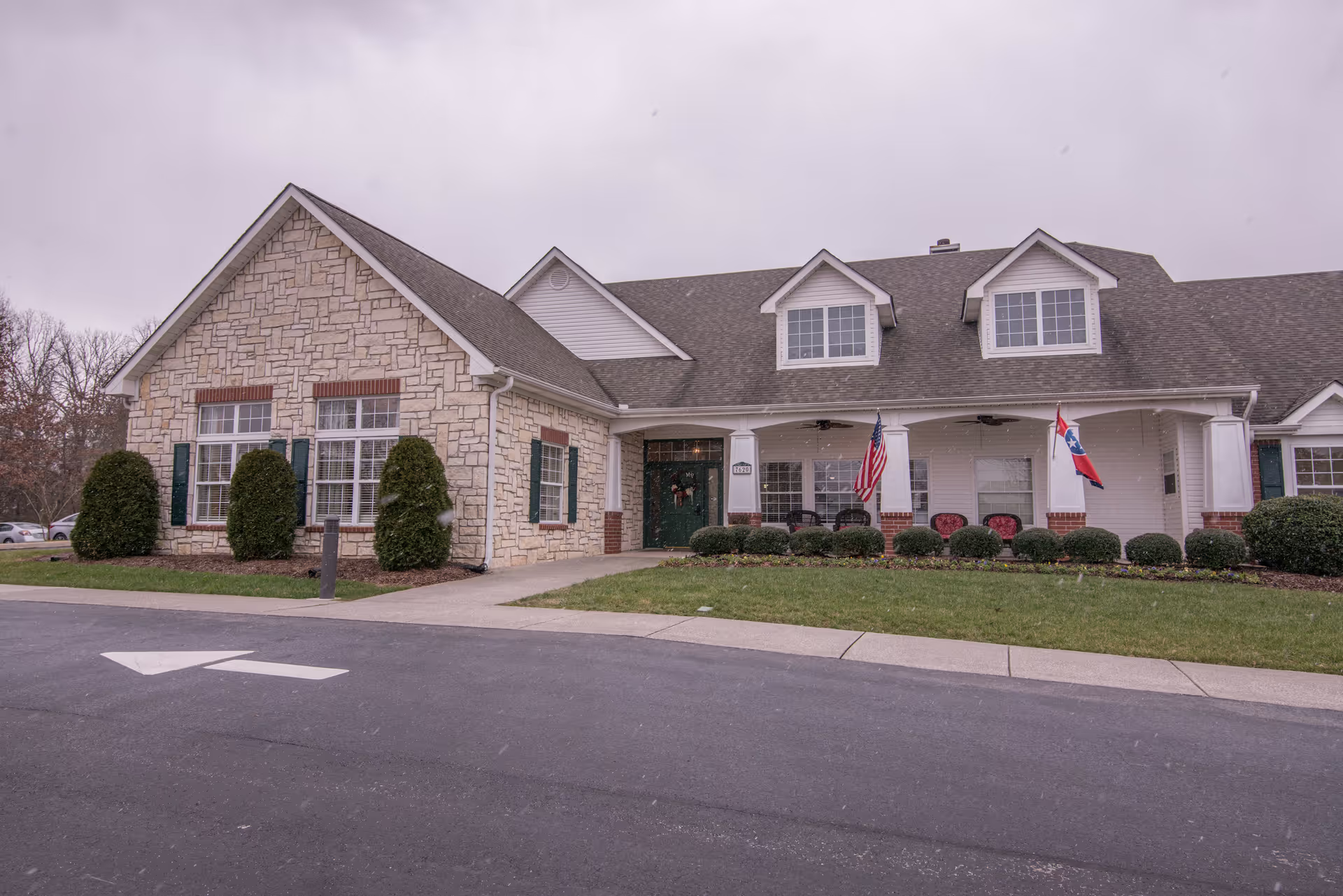
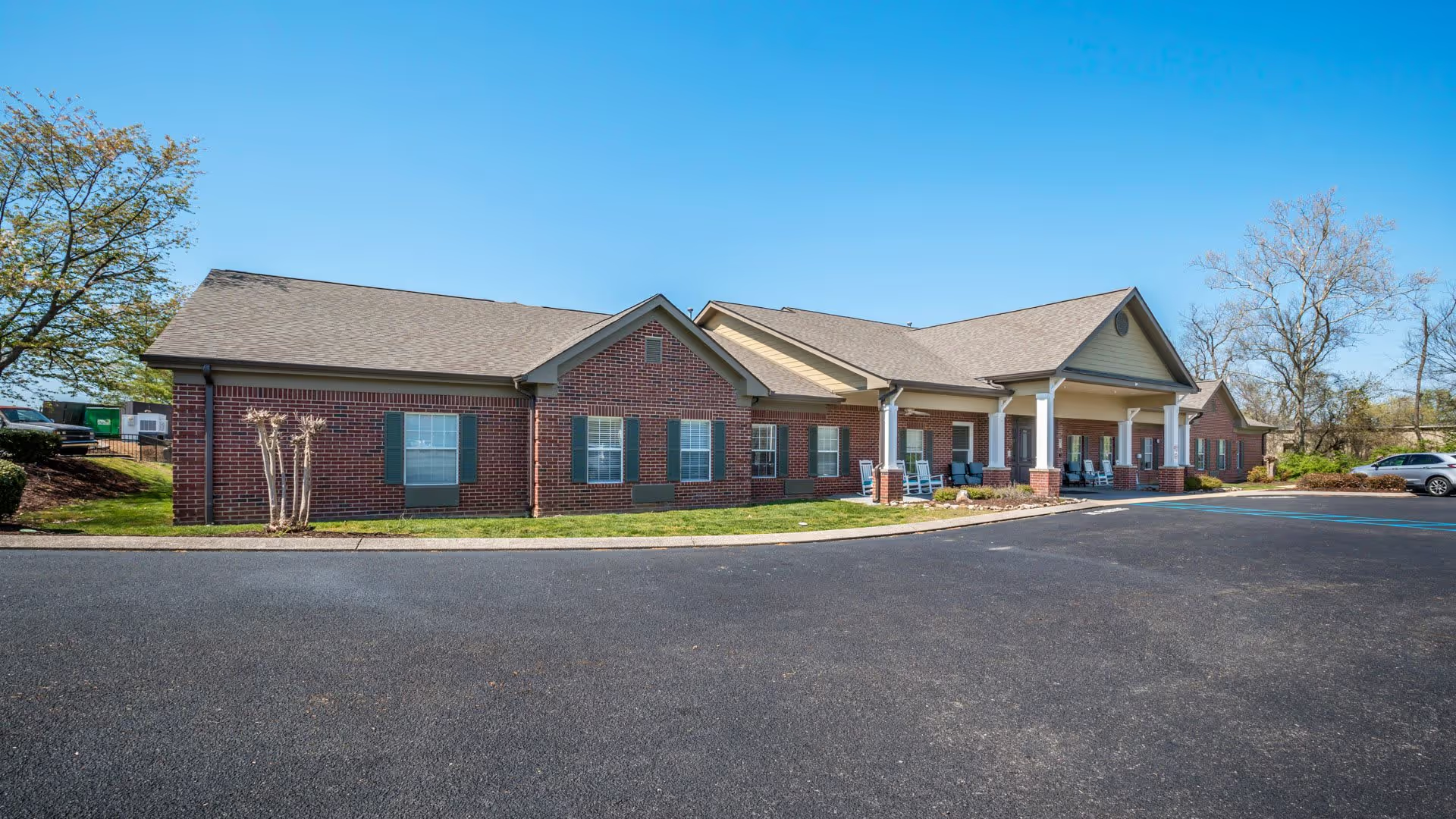
Overall impression: Reviews of The Rosewood at Fort Oglethorpe emphasize a facility with strong person-centered caregiving, clean and attractive spaces, and an active social program. Families and visitors repeatedly highlight compassionate, responsive staff members, visible nursing coverage, and a broadly positive, family-like atmosphere. Many reviewers praised the grounds, common areas, and private apartment-style units as comfortable and well maintained.
Care and staff: The dominant theme is high-quality interpersonal care—staff are described as cheerful, attentive, and quick to respond, and many accounts note excellent hands-on caregivers, aides, and therapists. The facility is credited with 24/7 nursing availability, on-site therapy services, hospice partnerships, and routine clinical visits (for example, a physician assistant schedule), which provide continuity for medical and rehabilitative needs. However, there are recurring operational concerns: staffing instability and turnover were mentioned alongside isolated but consequential reports indicating gaps in medication administration and responsiveness. These have led some families to question clinical oversight and documentation practices. Prospective families should ask about staffing ratios, medication-management protocols, and recent staff turnover when evaluating care quality.
Dining and nutrition: Dining is generally described favorably — meals are characterized as tasty, carefully prepared, and social. Reviewers valued menu choice, a pleasant dining room atmosphere, and accommodating dietary staff. At the same time, there are patterns suggesting occasional reductions in menu variety and portion sizes tied to budgetary pressures, and a few accounts point to interruptions of normal meal service during outbreaks or staffing shifts. Expect solid baseline dining quality, but inquire about current menu rotation, portion standards, and policies for meal disruptions.
Activities and daily life: The Rosewood’s activities program receives consistent praise. Programming includes music, bingo, arts-and-crafts, devotional services, bus outings, garden projects, and pet visits; memory-care areas are described as active rather than tightly locked down, with outdoor spaces and gardening. Reviewers report a lively social environment that supports resident engagement and family involvement.
Facilities and maintenance: Physical spaces are generally reported as clean, airy, and well maintained, with attractive courtyards and comfortable common rooms. Apartment units vary in size; several reviewers noted that some private suites are compact and hallways can be narrow, which may limit two-wheelchair traffic or household-scale independent-living arrangements. Maintenance and housekeeping are frequently praised, though there are isolated remarks about slower maintenance response times.
Management and patterns to watch: Management responsiveness is mixed across accounts — many families compliment visible executive leadership and quick issue resolution, while others describe difficult admission/discharge interactions and unprofessional communications. There are also serious concerns voiced about workplace culture and staff relations, including allegations of poor management–staff interactions; such issues can affect morale and continuity of care. Additionally, a small number of reviewers raised significant regulatory or oversight questions about the memory-care program; those claims are serious enough that families should verify licensure and oversight documentation directly with the facility and state regulators.
Bottom line: The Rosewood at Fort Oglethorpe appears to offer compassionate, activity-rich care in a clean, pleasant environment, with strong strengths in staff–resident interactions, dining, and social programming. At the same time, recurring operational issues — most notably staffing stability, medication-management concerns, variability in management responsiveness, compact unit layouts, and questions about memory-care oversight — merit careful due diligence. Recommendations for prospective residents and families include touring multiple unit types to assess space and mobility needs, requesting up-to-date staffing and licensure information, reviewing medication-management and incident-reporting policies, clarifying fee schedules for increasing care needs, and asking about contingency plans for outbreaks or staffing shortages.