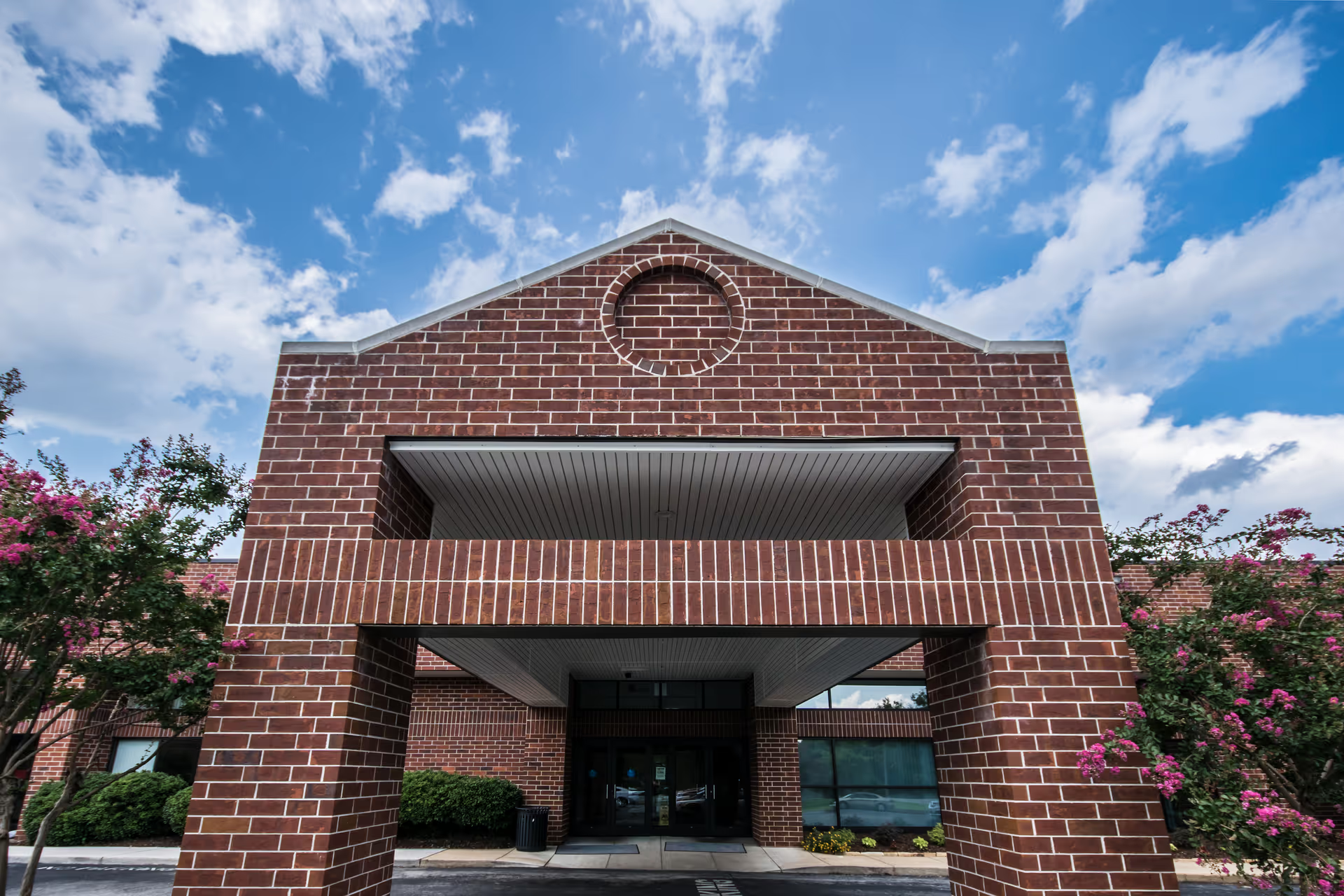
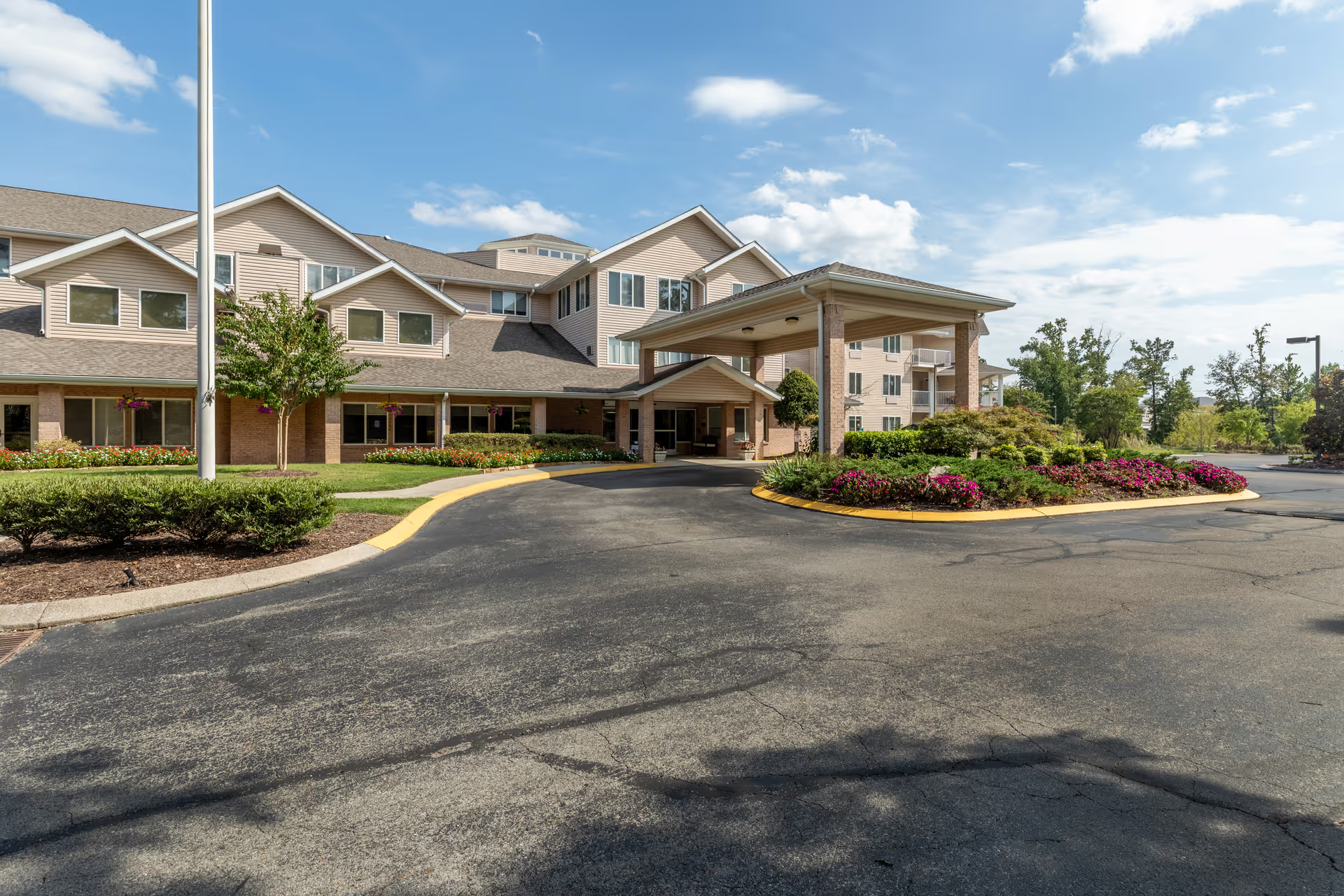
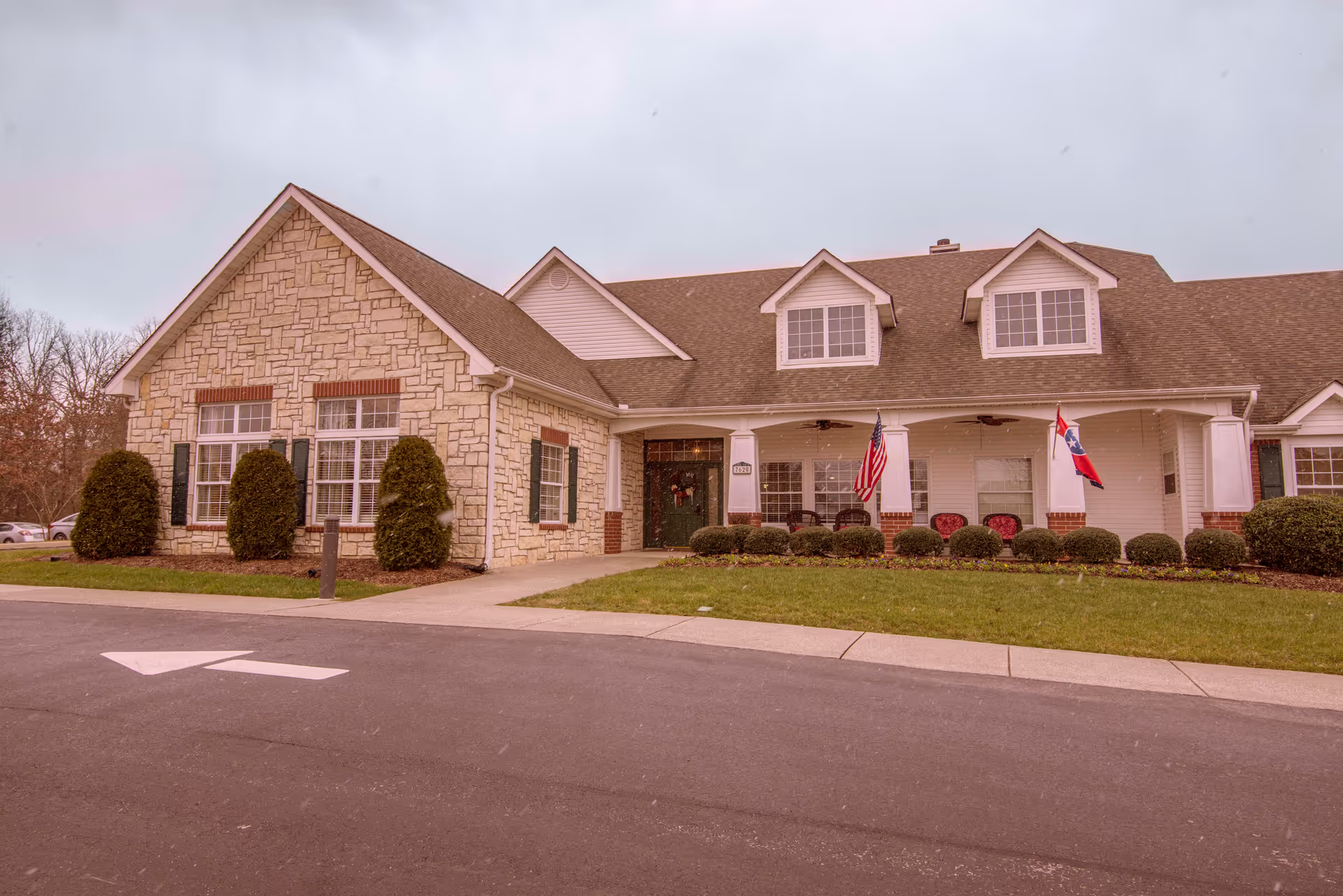
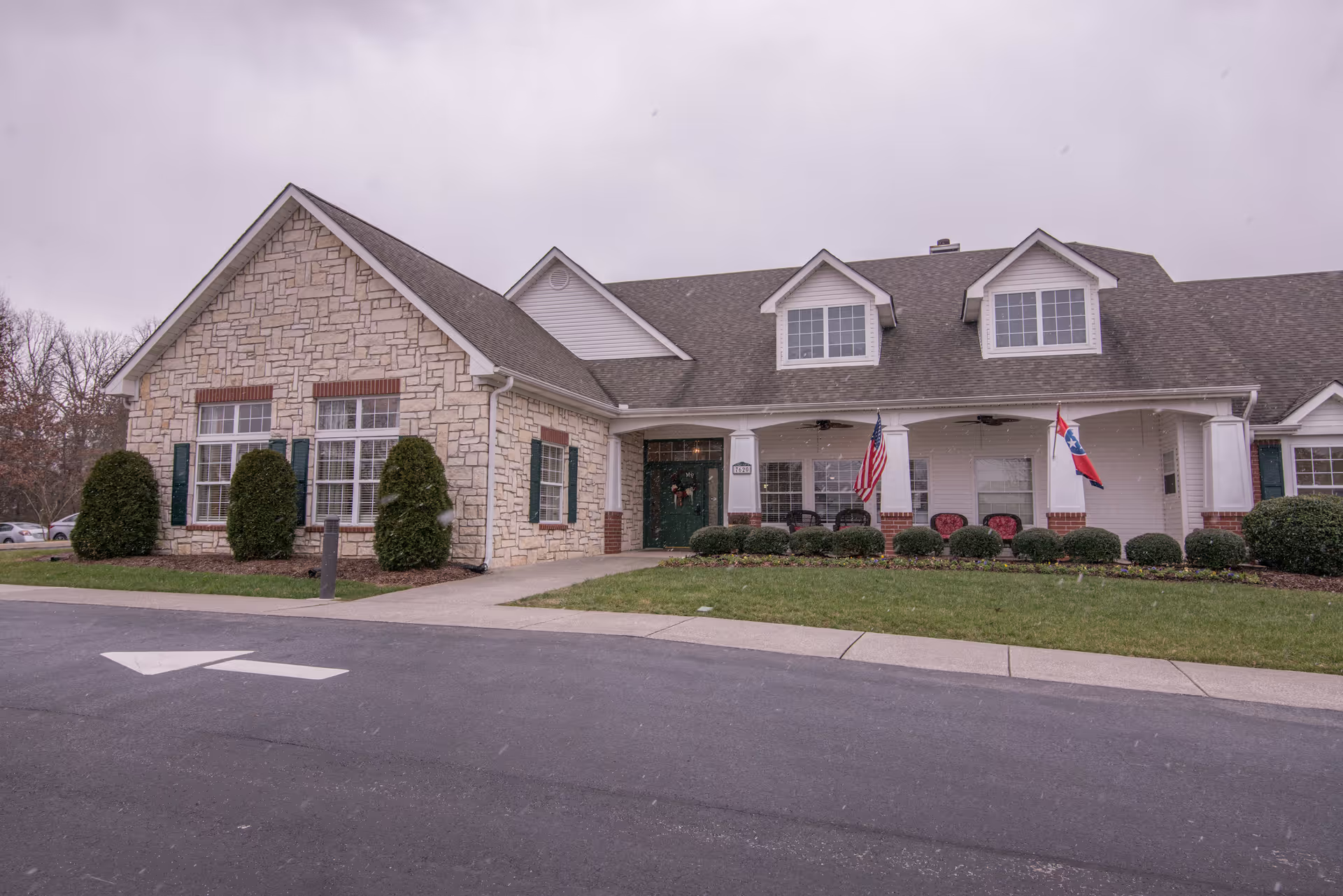
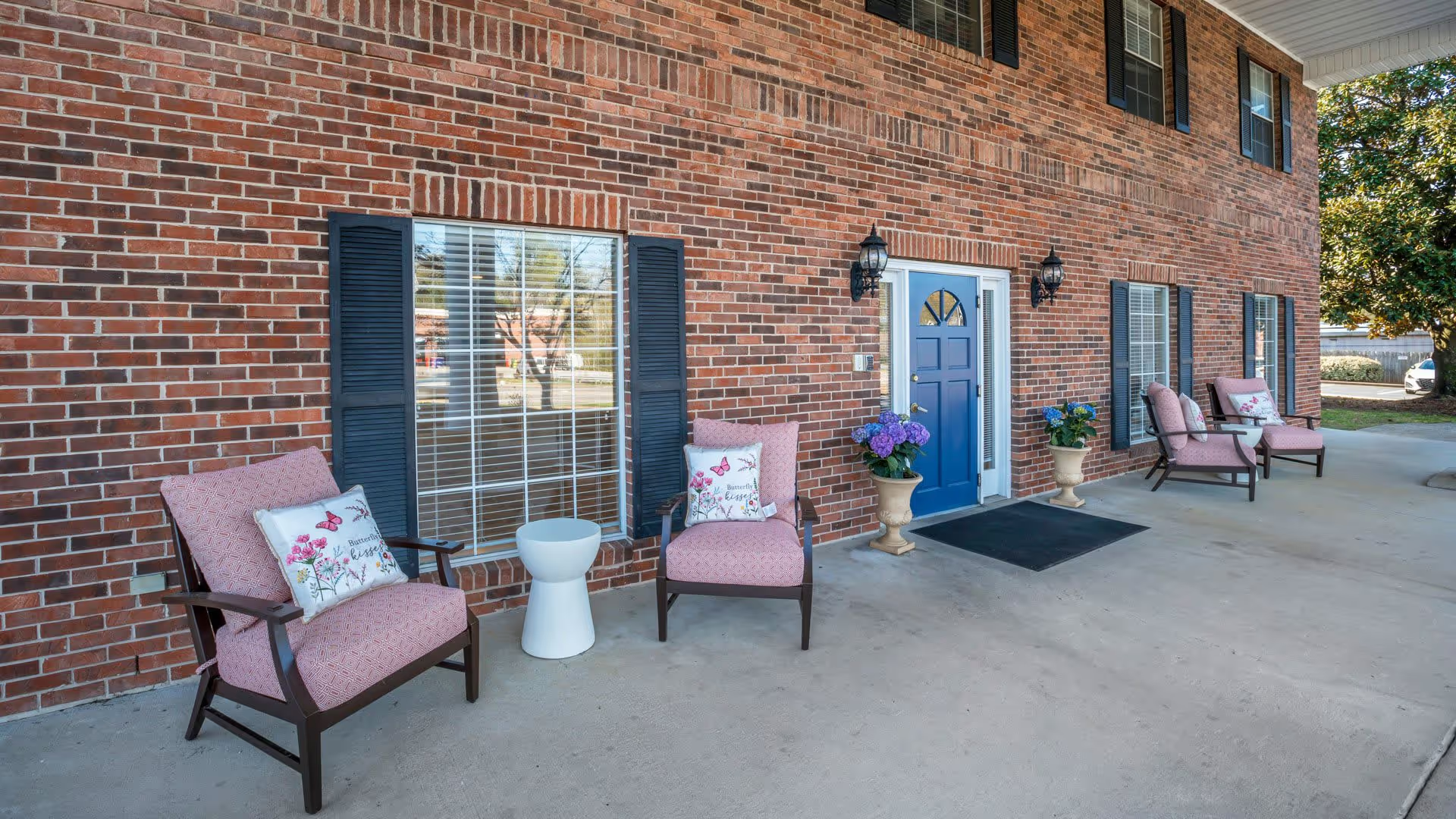
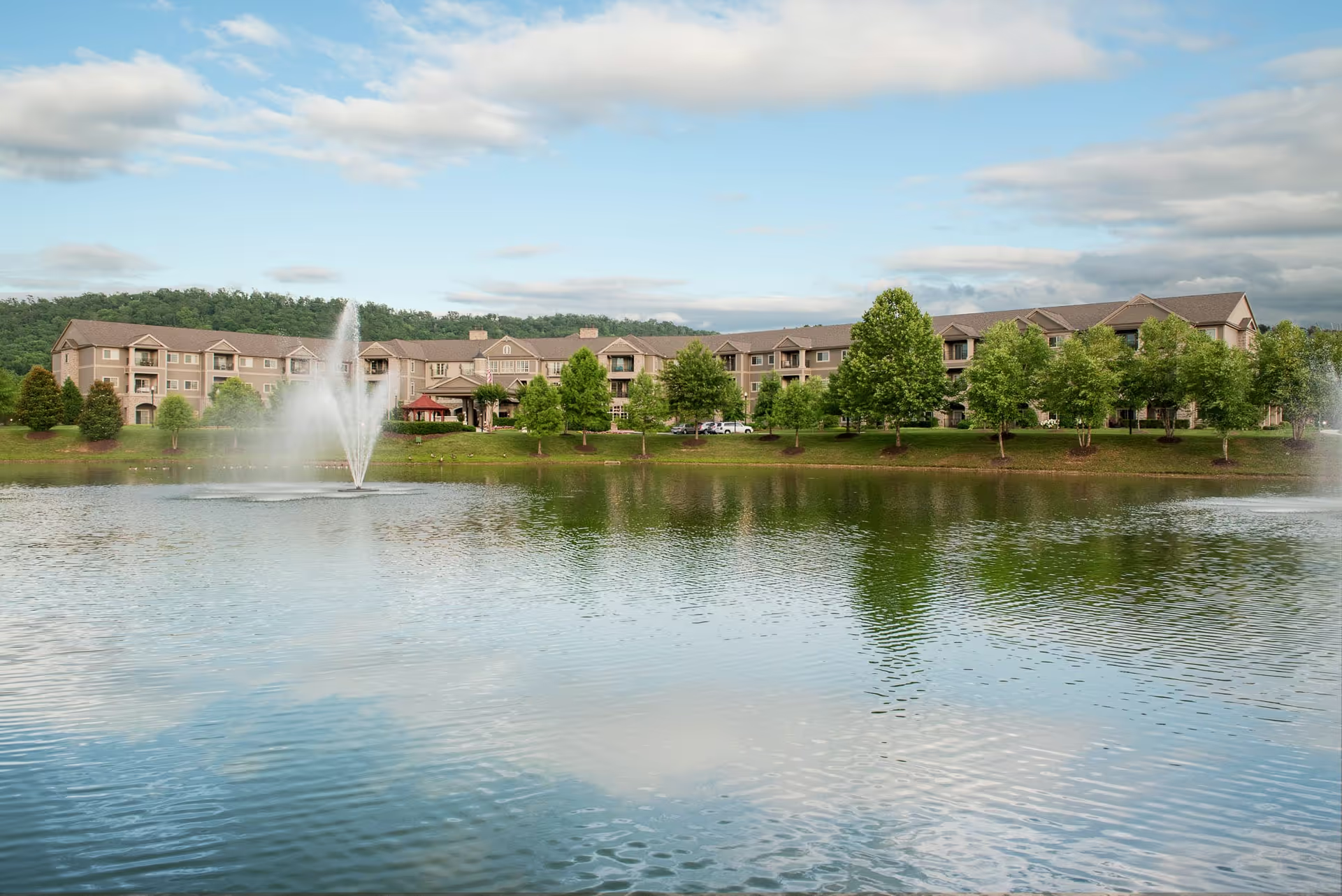
American House Shallowford presents as a largely single-level, apartment-style assisted living community with a number of operational strengths and recurring operational weaknesses. The community is frequently described as having been renovated in many areas: apartments with hardwood flooring, accessible bathrooms, and enclosed courtyards/gardens create an environment that many families find attractive and easy to navigate. Unit sizes include larger one-bedroom options and apartment layouts that separate living and sleeping spaces, and the physical plant includes amenities such as an on-site salon, dining areas, and activity spaces.
Clinical and care services are a clear selling point for many families: an on-site physician who visits regularly, strong PT/OT programming, in-house therapy and home-health options, podiatry visits, and assistance with medication administration are referenced positively. The facility also maintains a dedicated memory-care coordinator and a memory-care unit that some families regard highly. Many reviewers emphasize compassionate, approachable caregiving staff, a long-tenured activities director, and a robust activities calendar that includes outings, religious services, and social events that contribute to a family-like atmosphere.
Alongside these positives, reviewers describe operational patterns that warrant careful attention. Staffing instability — including high turnover and gaps in weekend and overnight coverage — appears to affect care continuity and responsiveness. Several accounts point to undertraining in memory-care-specific skills, inconsistent staff familiarity with resident needs, and gaps in documentation and medication-management practices. These issues are linked in some narratives to safety-protocol and incident-response weaknesses; families considering the community should probe staffing ratios, training programs, and incident escalation procedures during their evaluation.
Facility maintenance and service delivery are mixed. Many communal areas and updated apartments are described as clean and well maintained, but other accounts indicate unfinished renovations, sanitation concerns in particular areas, and variable housekeeping or laundry service. Dining is often highlighted as a positive — chef-prepared, restaurant-style meals with multiple daily services — yet there are repeated notes about inconsistent food quality and occasional slow meal service. Activity programming is robust overall, but engagement for residents with advanced dementia is less consistent; families seeking strong dementia-specific programming should ask for sample schedules and participation strategies.
Management and communication show variability. Some families praise supportive upper management, clear admissions tours, and accessible staff; others describe uneven communication, front-desk coverage gaps that raise security questions, and concerns about privacy/confidentiality processes. Affordability and billing concerns are mentioned by some families and may be a factor in decision-making.
In summary, American House Shallowford offers many of the conveniences and services prospective residents and families often seek — accessible, renovated living spaces; on-site medical and therapy services; an active activities program; and a staff culture that many describe as caring and family-oriented. However, recurring operational issues — notably staffing instability, documentation and medication-management gaps, uneven maintenance/cleanliness in some areas, and variability in dementia-specific engagement — suggest that prospective residents should perform targeted due diligence. Recommended next steps include touring at different times of day (including weekends and evenings), asking for staffing ratios and turnover statistics, reviewing incident-response and medication protocols, and observing memory-care programming in person to assess fit for specific care needs.