The reviews present a mixed but distinct pattern: many families and residents praise the direct-care staff and therapy team for being attentive, kind, and effective, while multiple operational issues surface that appear to affect day-to-day resident experience and care continuity.
Care quality shows two clear strands. Positive comments emphasize compassionate hands-on care, successful therapy interventions, clean private rooms, and staff who keep residents comfortable. At the same time, several reviewers described clinical and process gaps: inconsistent personal-care routines (including bathing schedules), concerns about follow-up after medical visits, and breakdowns in communication when medications are changed. These issues suggest variability in clinical coordination and handoff practices that prospective families should clarify with the facility.
Staffing and staff conduct are central themes. Numerous reviewers praised individual caregivers and administrators, noting approachable leadership and specific staff members who project professionalism and energy. Conversely, staffing shortages—particularly among nursing assistants—were cited as contributing to slower response times and reduced engagement. A related theme is the tone and engagement of some staff; while many interactions were described as warm, others were described as abrupt or overly loud, indicating inconsistent staff communication styles.
Dining and activities present a split impression. Meal quality was often described positively, with meals noted as well-seasoned and palatable. However, activity programming was characterized as limited by several reviewers; residents were described as bored or under-engaged, implying a need for expanded or more consistent recreational offerings to support social and cognitive stimulation.
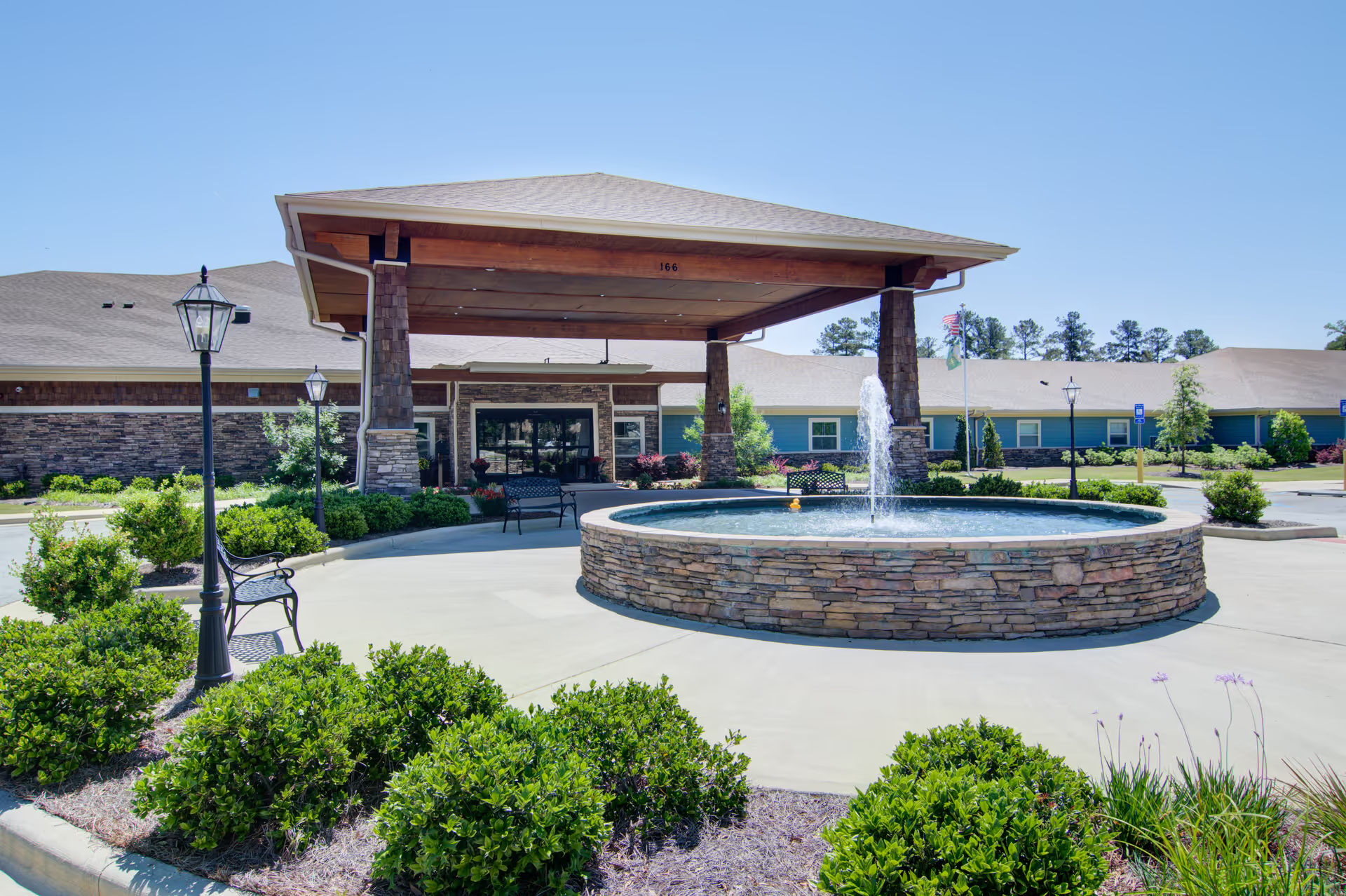
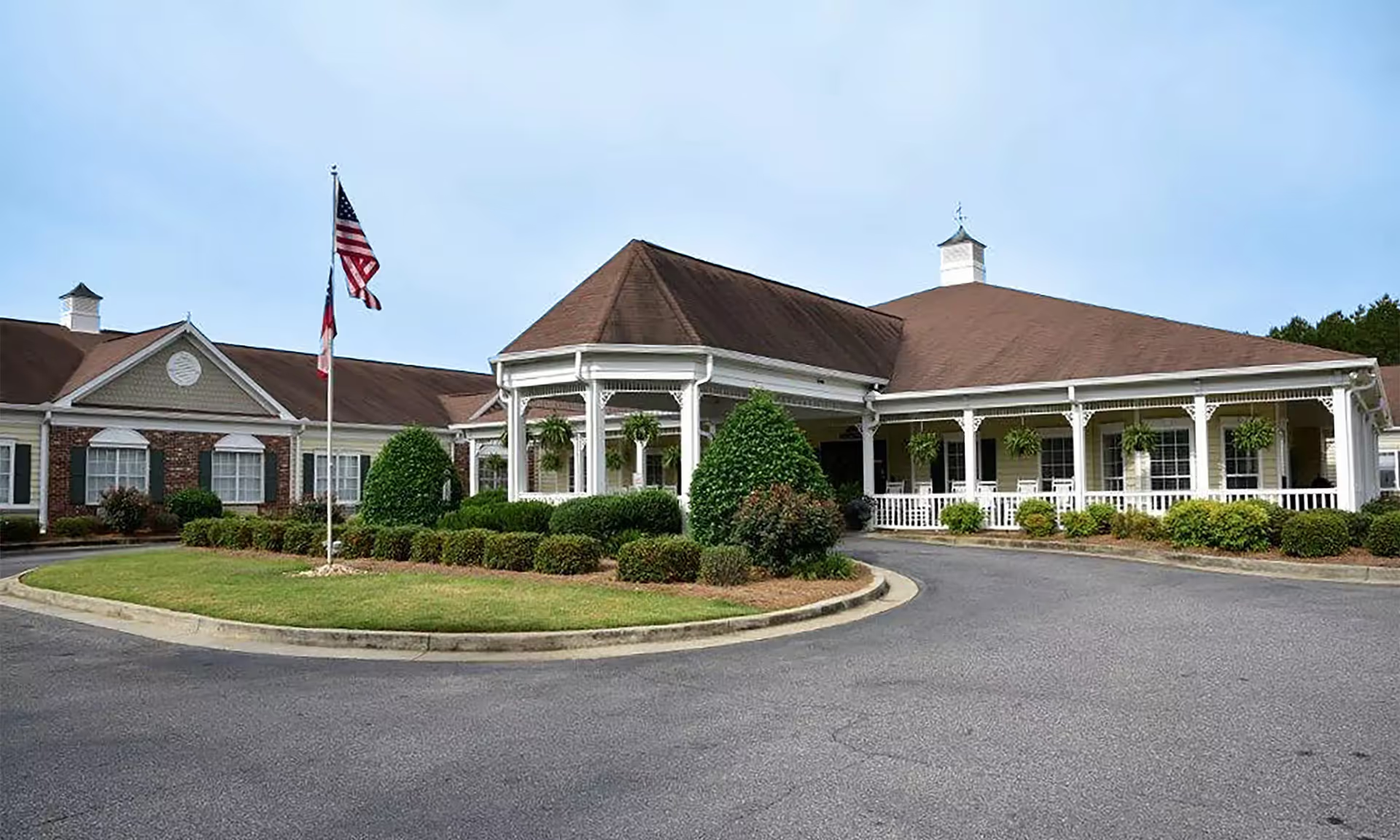
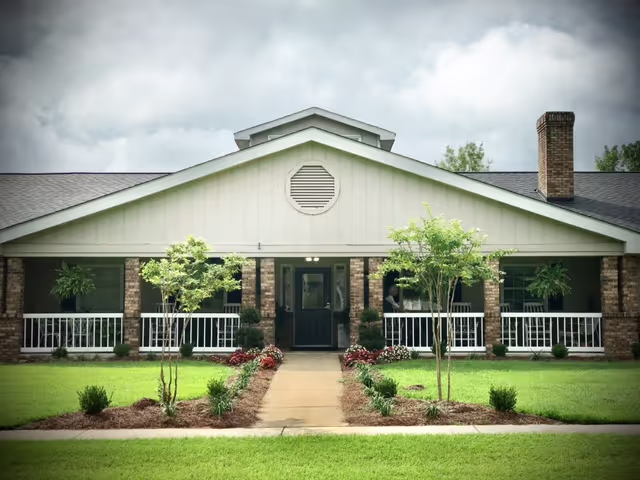
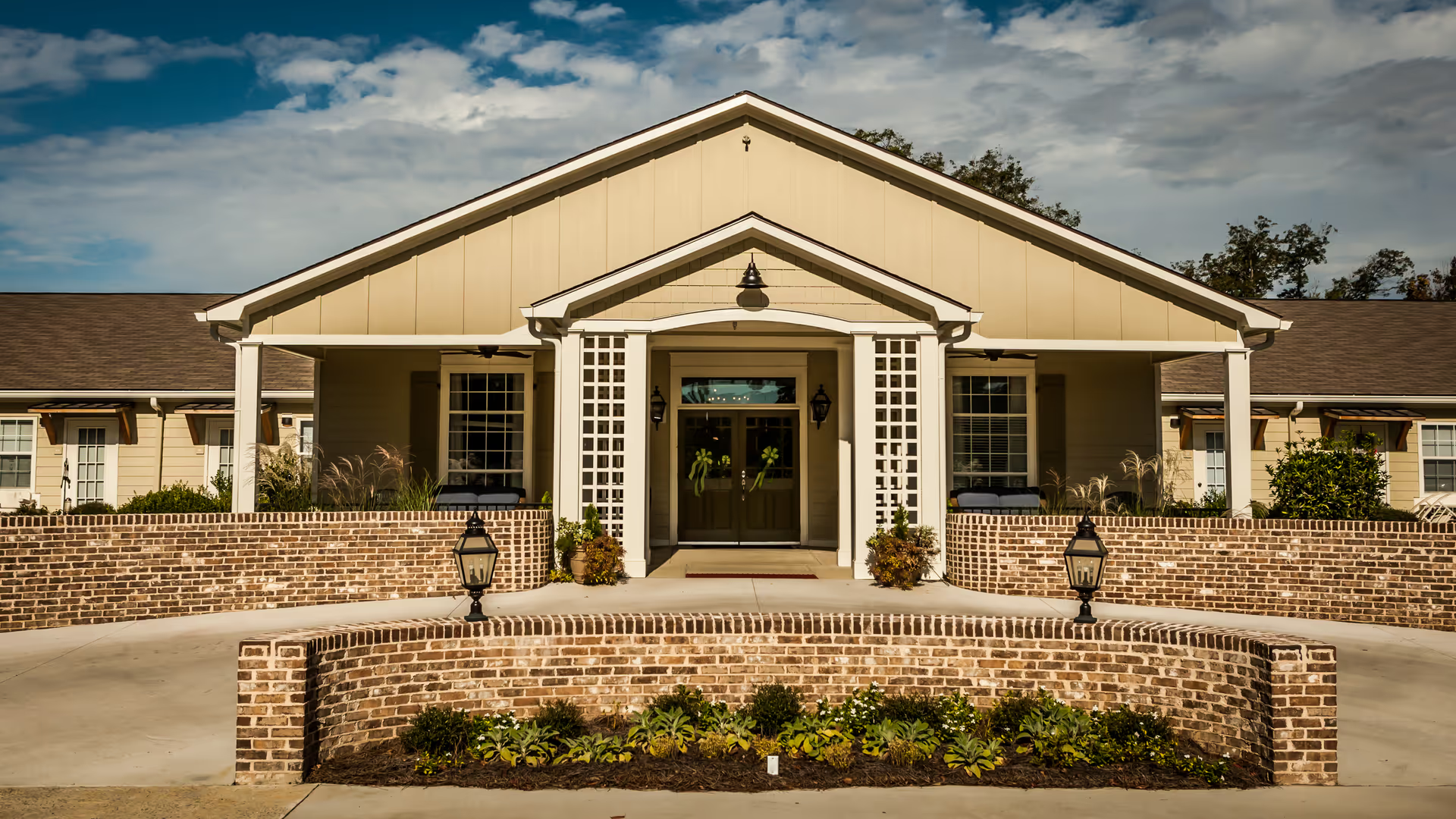
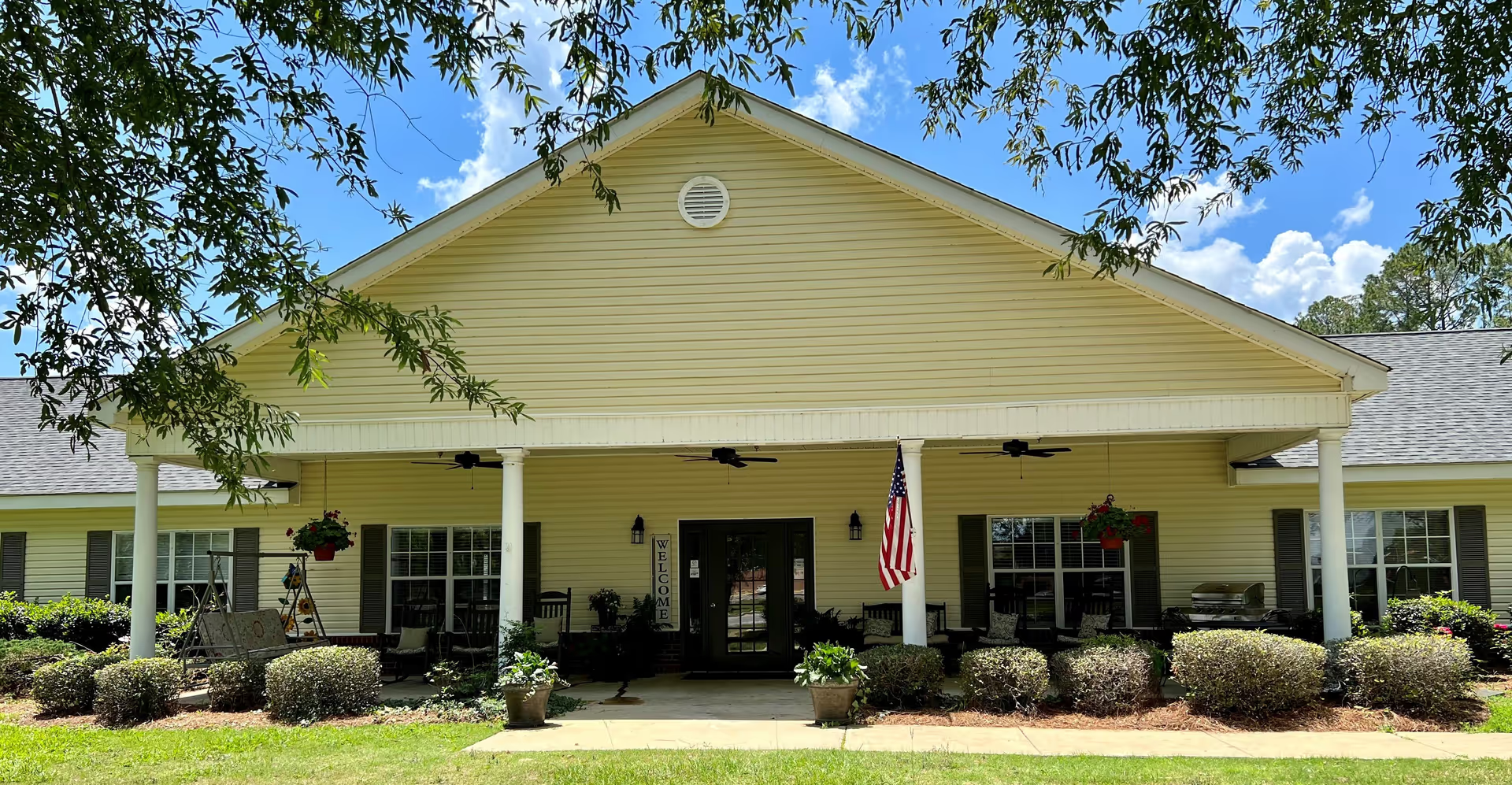
Facility condition feedback is likewise mixed. Many reviewers pointed to clean, well-kept resident rooms and a generally pleasant environment. At the same time, sanitation and odor concerns in some common areas and during certain shifts were reported, along with mentions of uneven housekeeping attention. Administratively, reviewers praised knowledgeable leadership but also raised concerns about managerial oversight and accuracy of public information (for example, discrepancies in posted ratings), suggesting uneven administrative processes.
Notable patterns: positive firsthand caregiving and therapy outcomes coexist with operational weaknesses in staffing, personal-care consistency, medication communication, activity availability, and some sanitation controls. Management perceptions are divided—some cite strong, energetic leadership while others raise ethical or oversight concerns. Prospective residents and families should ask the facility for specifics on staffing ratios and schedules, bathing and personal-care protocols, medication-change communication procedures, activity schedules, cleaning/odor-control practices, and verification of publicly listed ratings before making placement decisions.