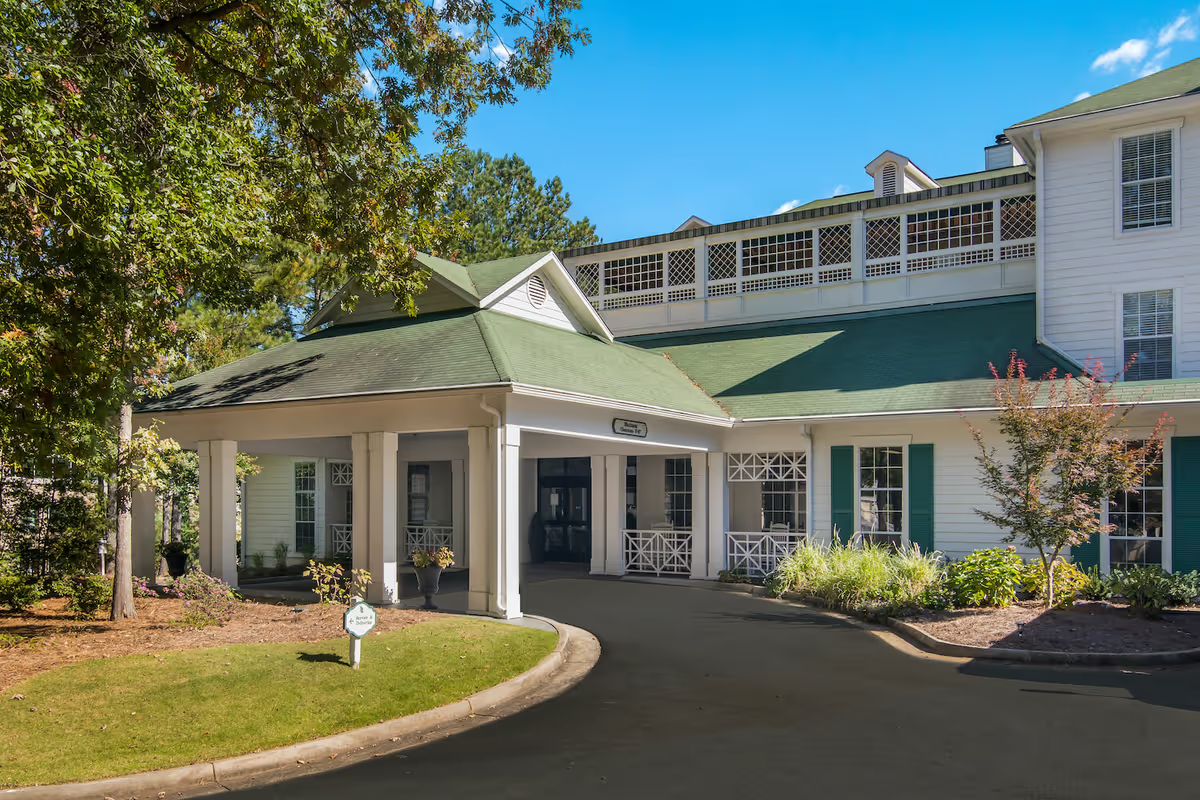
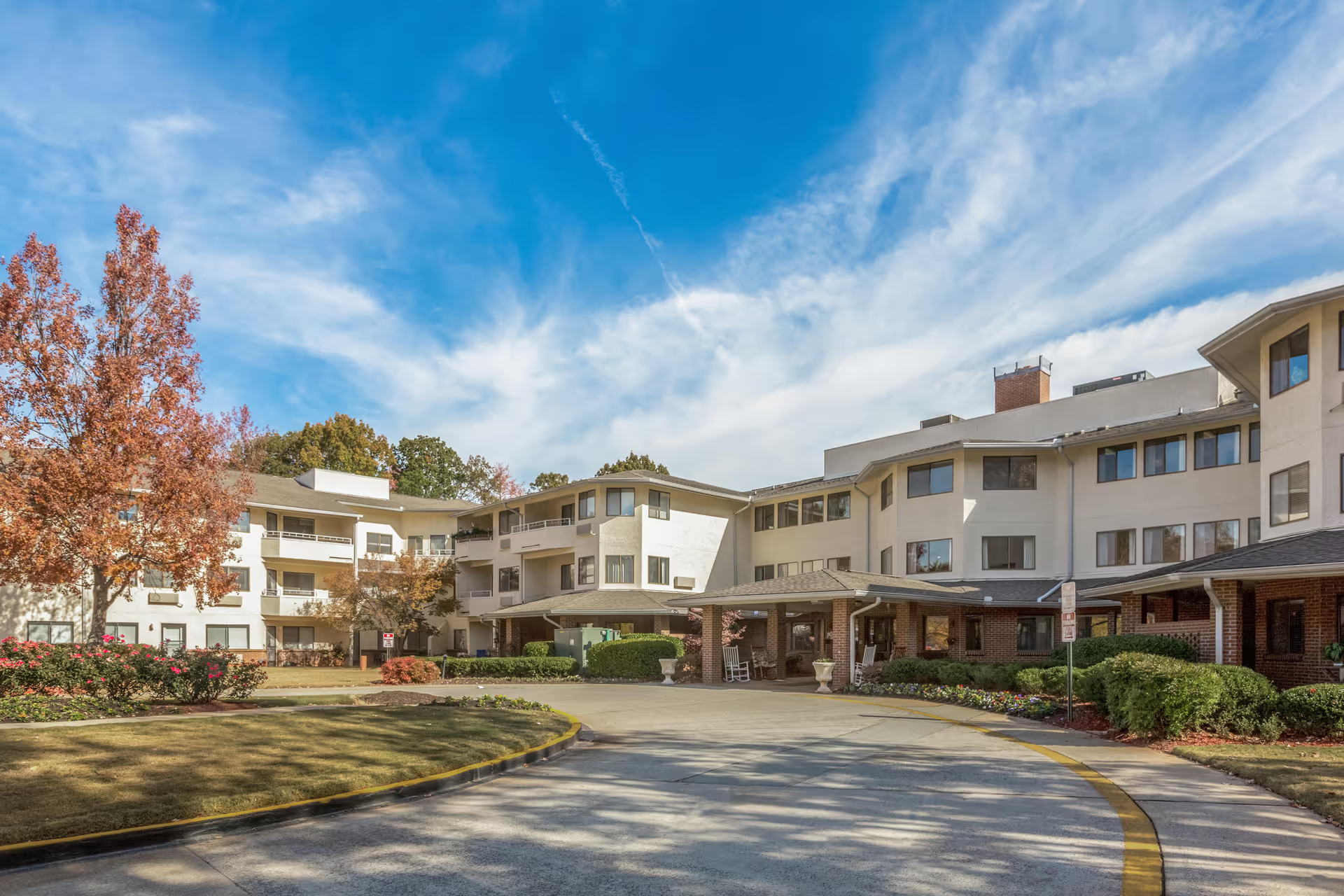
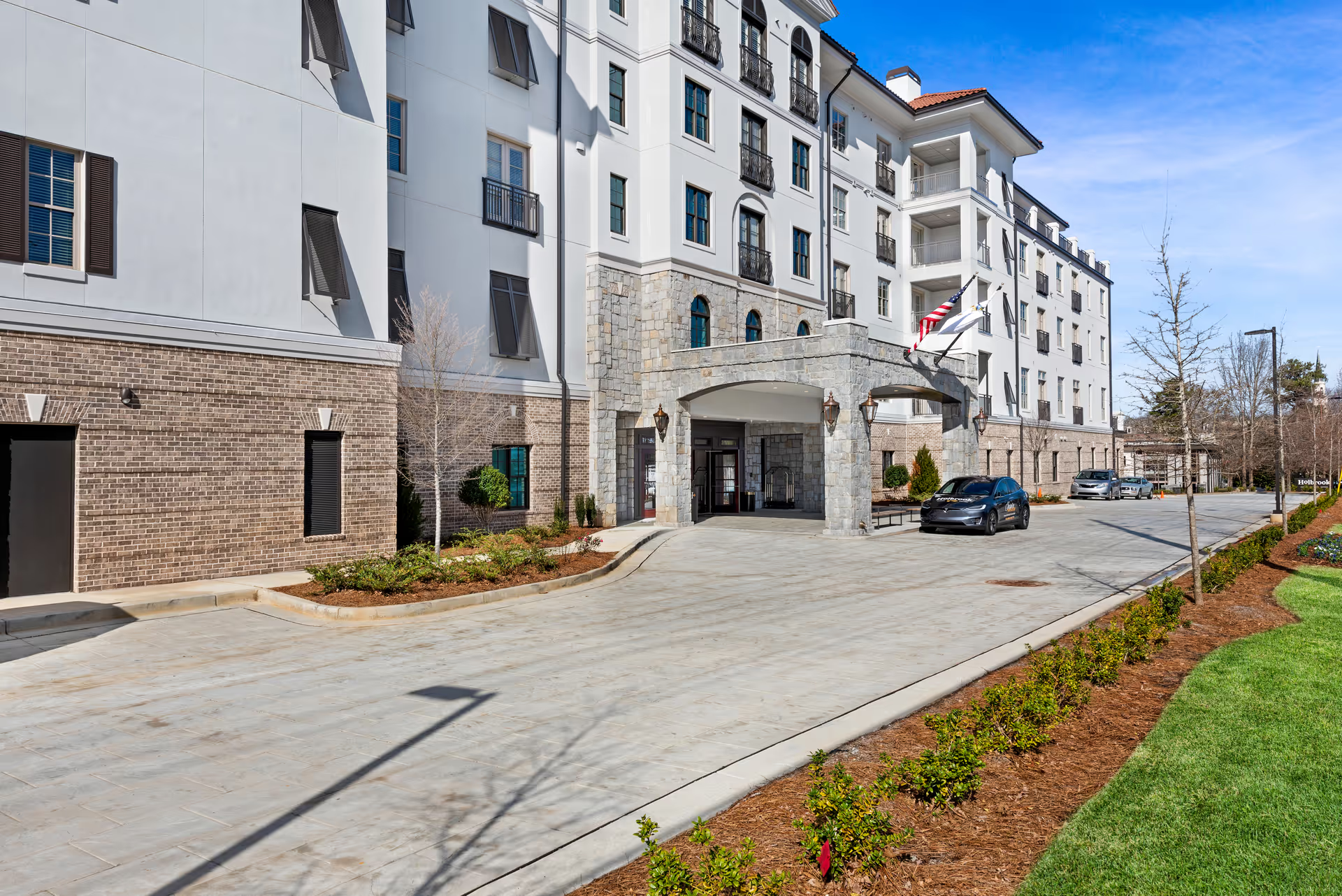
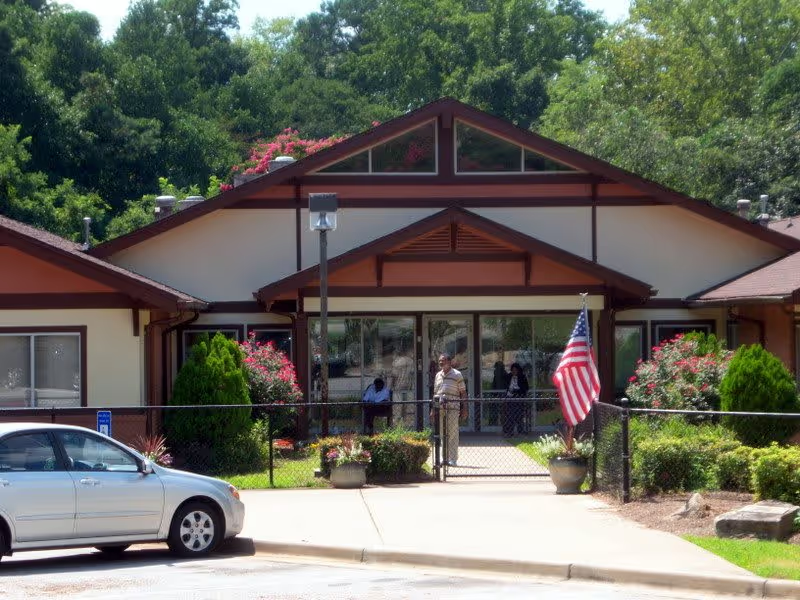
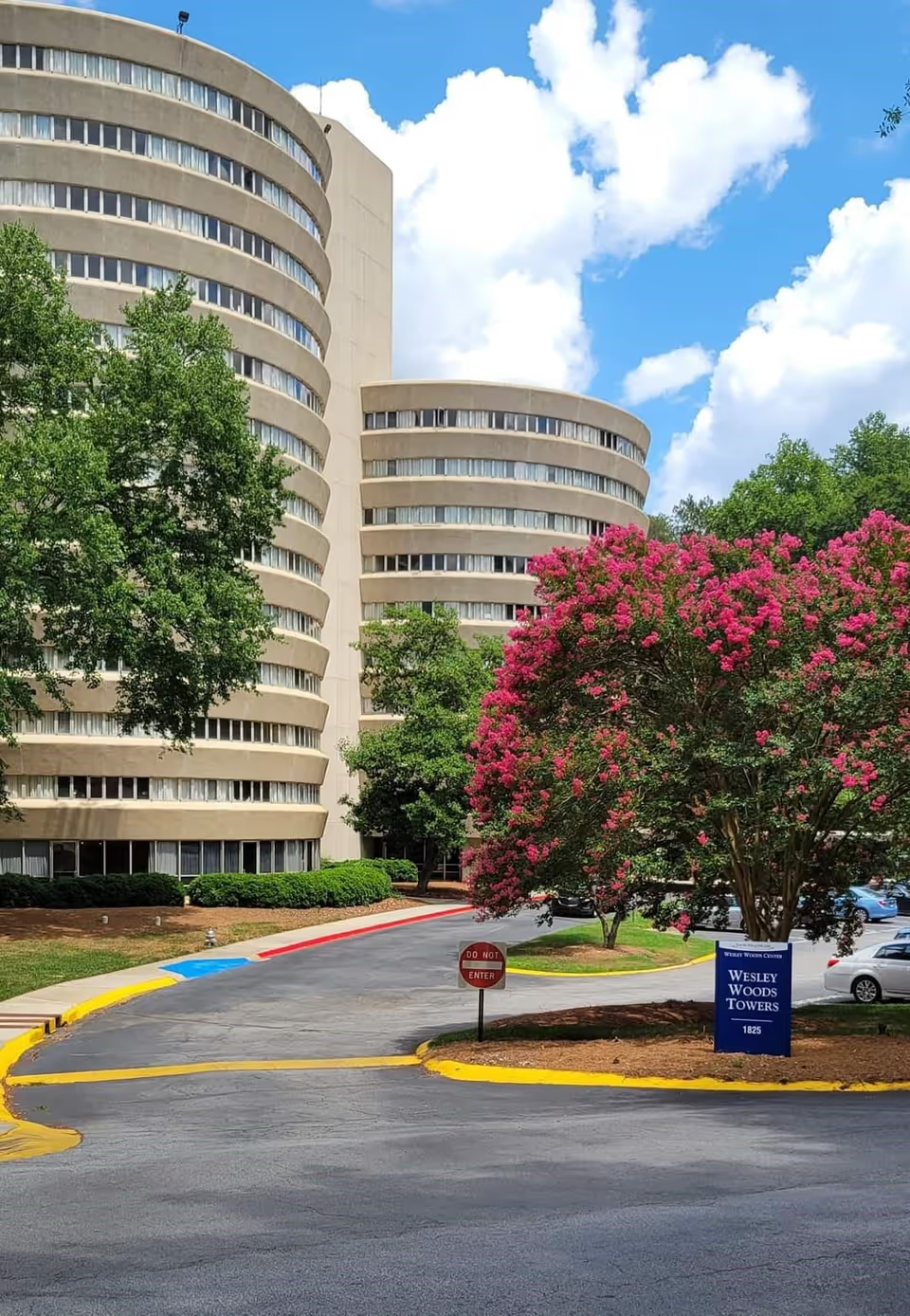
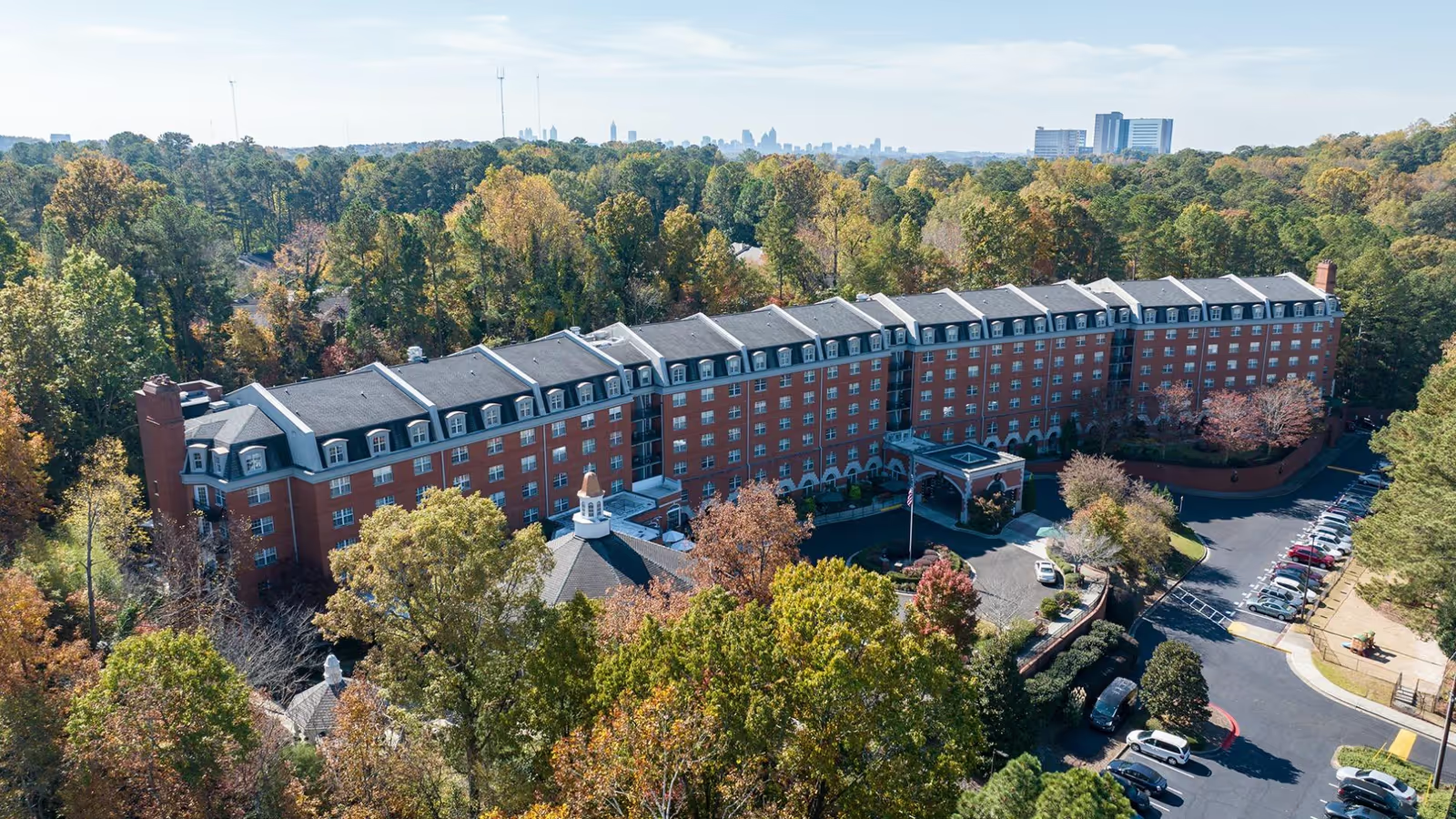
The reviews for Harborview Decatur describe a facility with sharply polarized experiences: many family members and patients praise strong clinical rehabilitation, dedicated individual staff, effective social work, and clean, well-maintained public spaces, while other accounts raise substantive concerns about basic daily care and safety practices. Positive themes center on successful short-term rehab outcomes, an organized admissions process, attentive social-work coordination, supportive housekeeping/laundry, and a roster of staff members who receive consistent individual praise for responsiveness and clinical skill.
Care quality appears inconsistent across shifts and patient stays. Several reviewers describe effective therapy programs and measurable functional gains; others describe gaps in ongoing clinical follow-up after intake, missed or incorrect medications, and delayed initiation of antibiotics or other therapies. There are also serious clinical-safety concerns cited, including medication-administration errors that resulted in hospital transfers and concerns following a resident's death. Those accounts point to weaknesses in medication checks, documentation practices, and handoffs between units.
Staffing and conduct are recurring themes. Many individual caregivers, nurses, therapists, and social workers are singled out as compassionate and capable, and some management and admissions staff receive praise for clear communication. At the same time, reviewers report inconsistent professionalism, poor phone responsiveness, and variable performance on night shifts. Staffing shortages and task-passing behaviors are described as contributing to delays in assistance with activities of daily living and to gaps in supervision.
Operational areas highlighted for improvement include dining, transportation, and property security. Multiple accounts note inconsistent meal service (timing, temperature, and dietary appropriateness), difficulties arranging transport to medical appointments, and incidents involving missing packages and other property-control problems. Facility-level cleanliness and sanitation are another important axis of variability: some visitors find the building clean and bright, while others report persistent odor concerns, incomplete room cleaning, and lapses in personal-care schedules.
Management and administration likewise receive mixed feedback. Several reviewers commend accessible leadership, effective case management, and coordinated discharge planning; others cite slow administrative responsiveness, trouble obtaining records or prescriptions, and inconsistent communication with families. There are also mentions of alleged criminal incidents involving staff; such accounts underscore the importance of verifying the facility's current staffing vetting, security procedures, and incident-response policies.
For prospective residents and families: the facility demonstrates clear strengths in short-term rehabilitation, social-work support, and in the efforts of many individual staff members. However, the pattern of highly divergent experiences suggests operational inconsistency. When evaluating this facility, prioritize an in-person visit across different shifts, ask specific questions about medication-safety protocols, staffing ratios (including night coverage), sanitation schedules, transportation arrangements, package-security procedures, and how the facility documents and communicates clinical incidents to families.