Overall impression: The reviews emphasize a consistently positive interpersonal environment. Staff are described as helpful, pleasant to speak with, and responsive — including timely callbacks — which suggests a facility culture that prioritizes communication and family engagement. Care interactions are characterized as attentive and caring; several comments highlight that staff appear to take genuine pleasure in assisting residents.
Care and staff: Frontline caregivers receive the strongest praise. Review language points to respectful, accommodating interactions and a willingness to engage with families. The positive tone toward staff and notes that small gestures (such as gifts) are appreciated indicate constructive staff–family relationships. At the same time, mentions that staff have requested raises suggest there may be underlying compensation or retention pressures that could affect staffing stability over time; prospective families may wish to ask management about staffing levels and turnover during a tour.
Dining: The available summaries do not provide specific information about meal quality, menu variety, or dining operations. Because reviewers did not comment on this area, families should request sample menus, meal schedules, and any special-diet accommodations directly from management to evaluate dining adequacy.
Activities and social programming: The facility’s scale appears to limit the scope of on-site programming. Reviewers described the activity area and TV/viewing area as very small, which implies constrained space for large-group activities and limited seating for communal viewing. While staff engagement is a positive indicator for individualized attention and smaller activities, the physical limitations may reduce the frequency or diversity of larger recreational offerings. Inquiries about current activity schedules and group sizes are advisable.
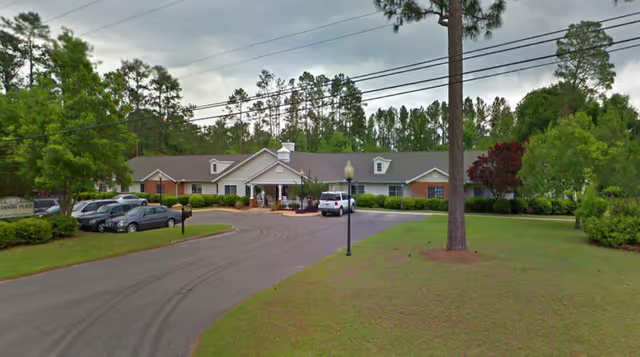
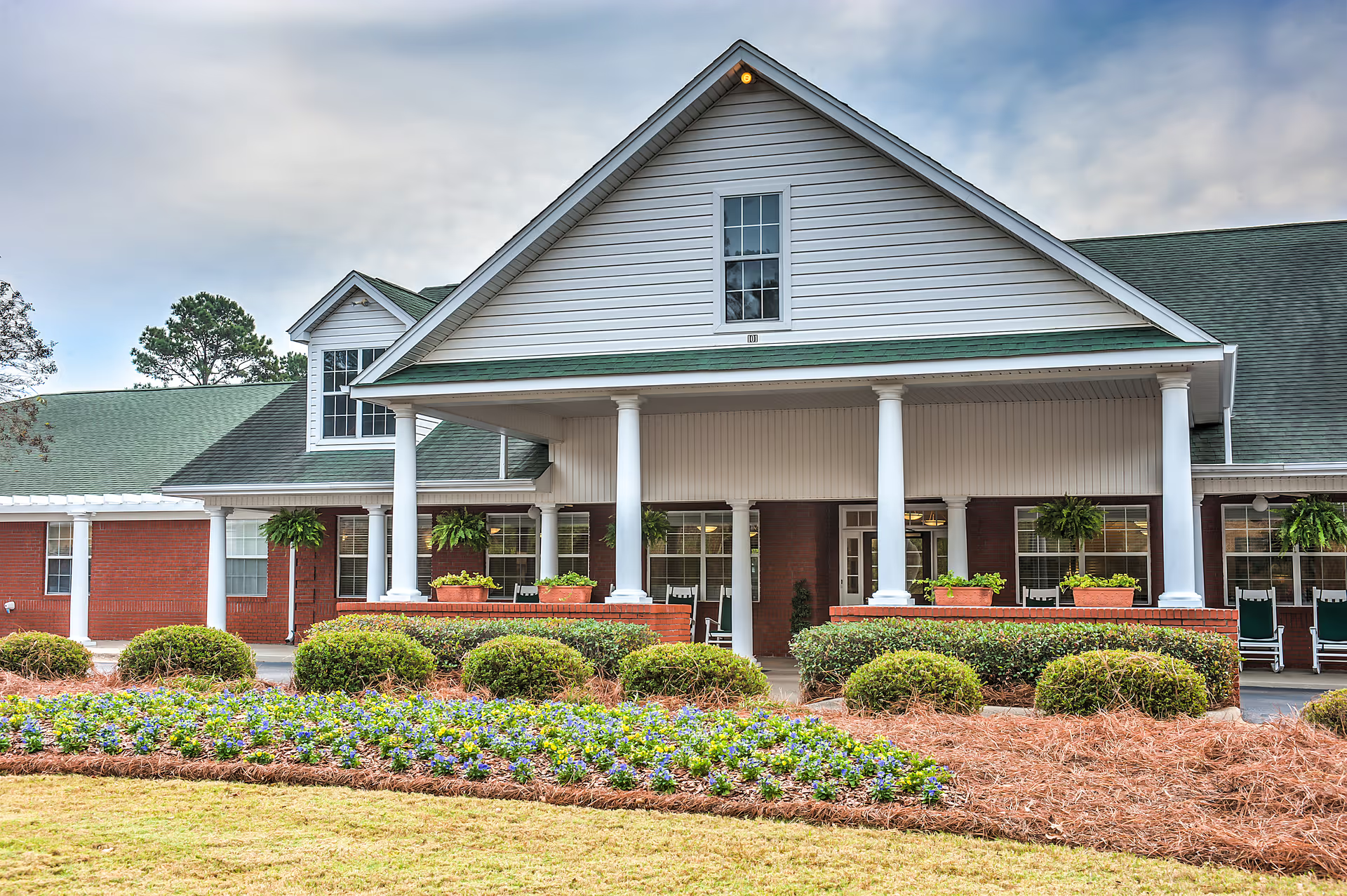
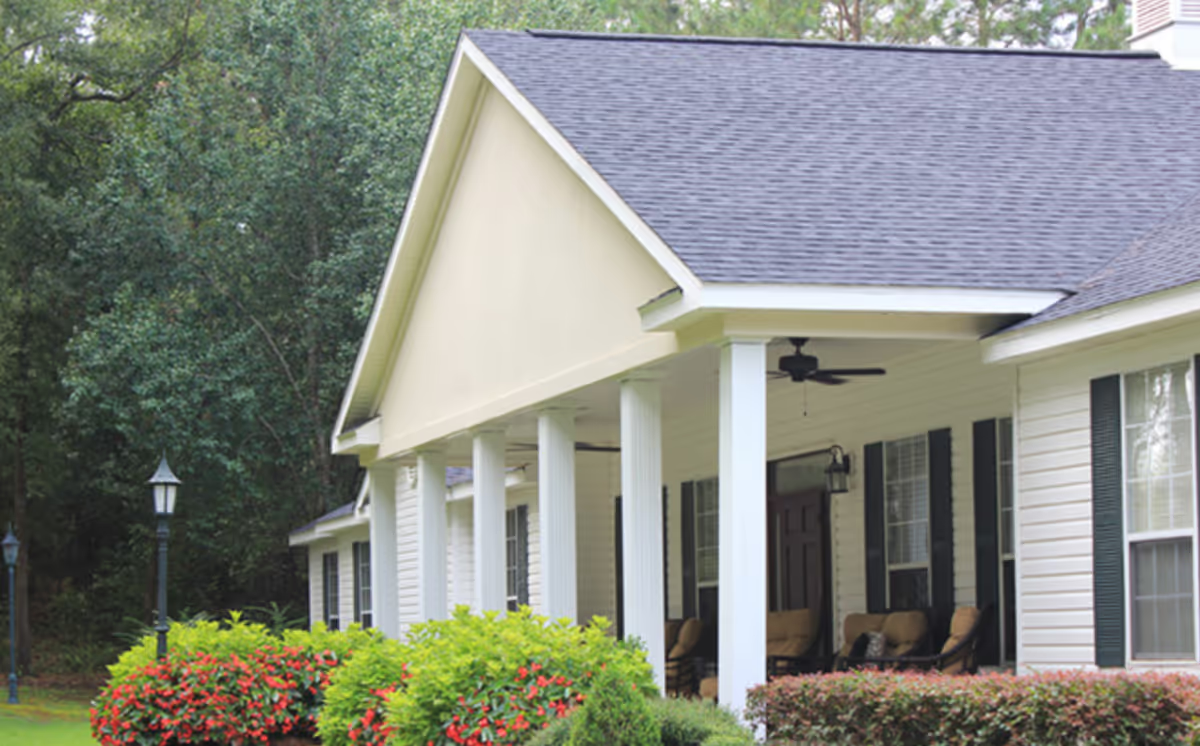
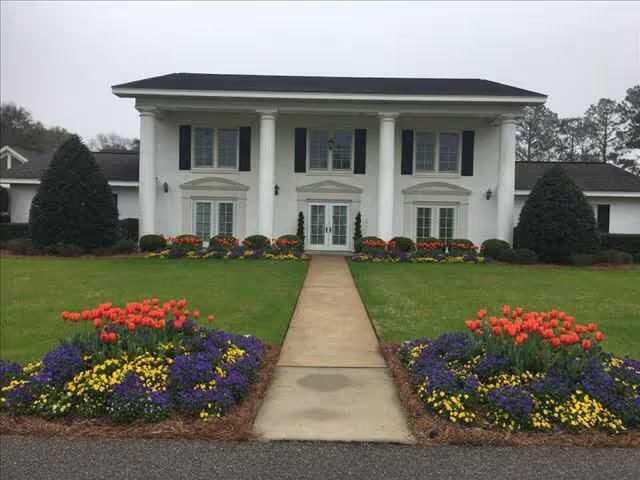
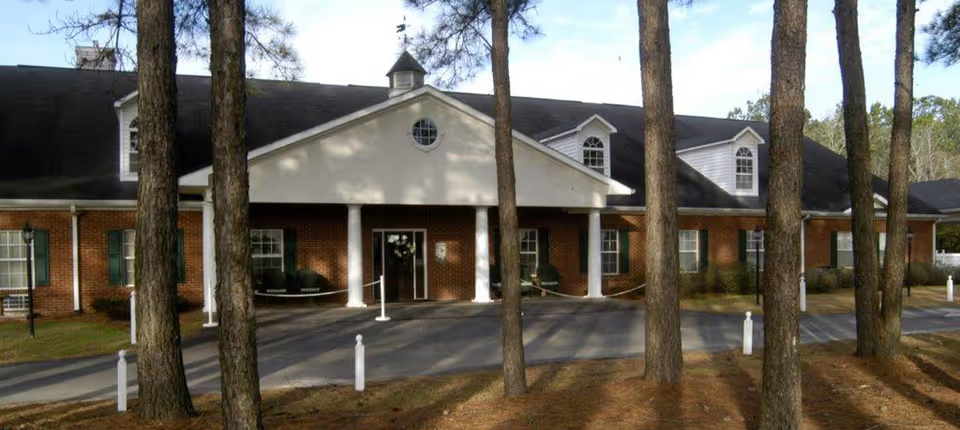
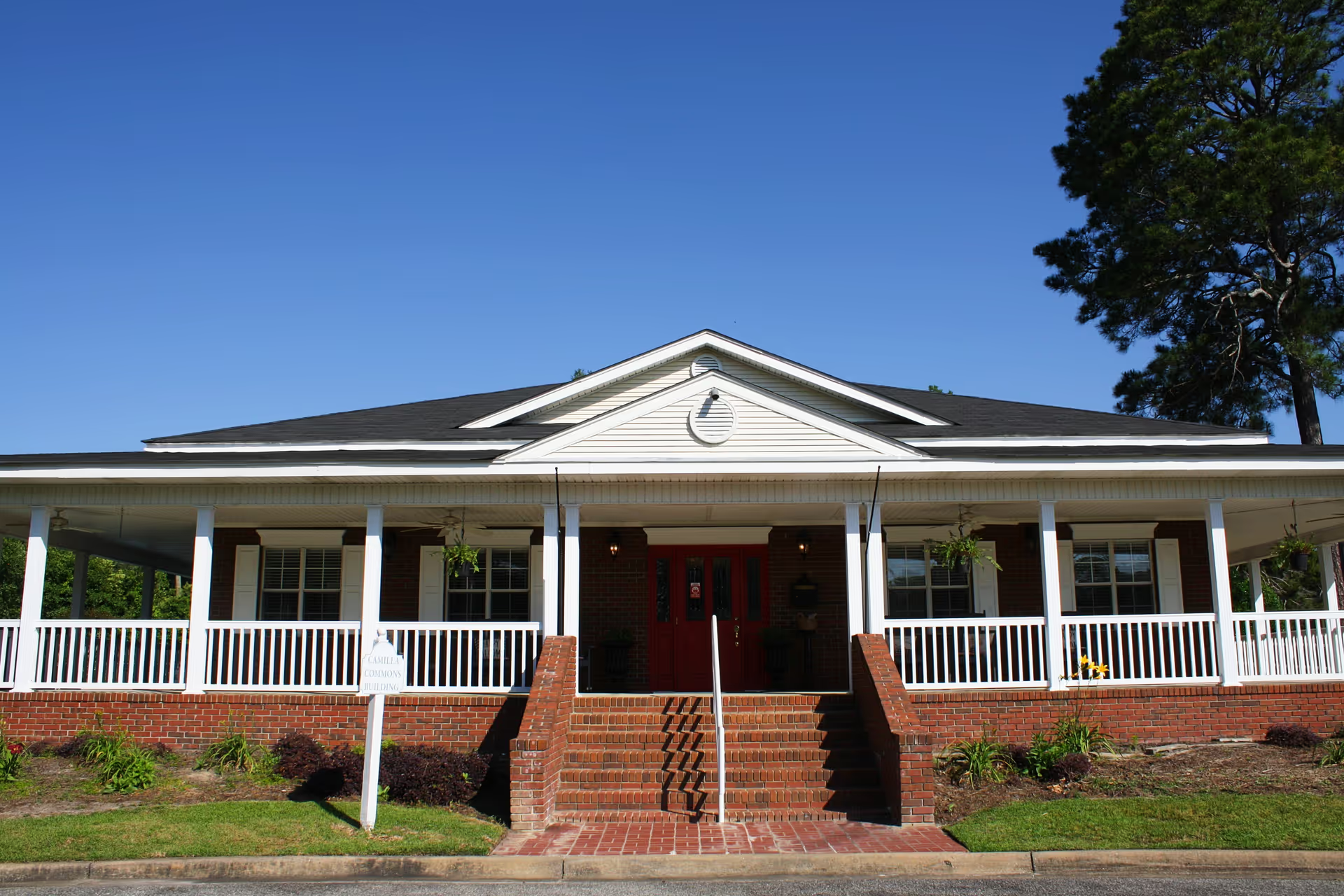
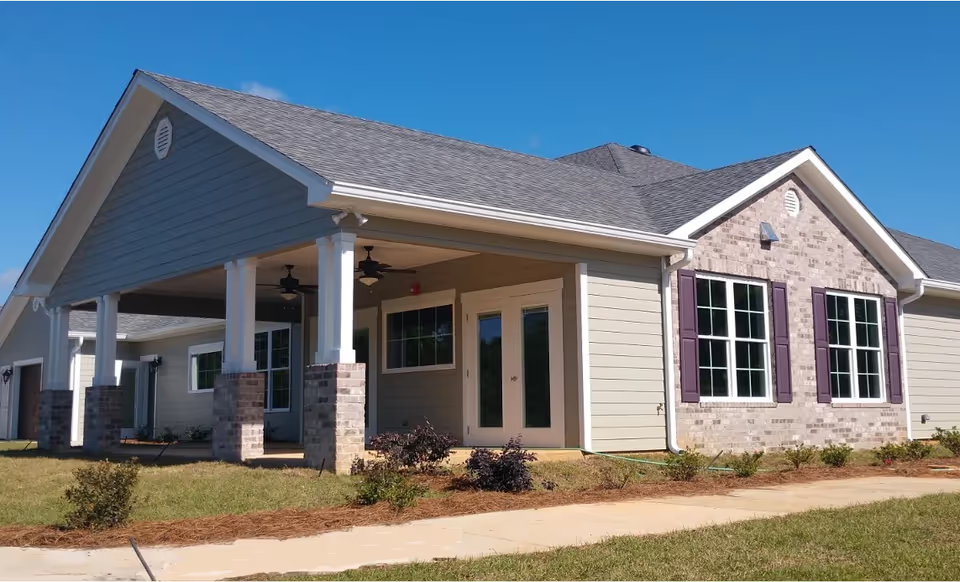
Facilities and environment: The facility is small in footprint, which reviewers framed as both a benefit and a constraint. The smaller size can support more personalized attention and closer staff–resident relationships, but it also appears to limit amenity variety and the scale of communal spaces. Families should evaluate whether the trade-off between personalization and available amenities matches the prospective resident’s needs.
Management and patterns: Communication responsiveness is a notable strength; reviewers highlighted timely callbacks and accommodating interactions with families. Management’s visible responsiveness contrasts with indications of staff compensation concerns, which may reflect budgetary or operational constraints. Overall, the pattern is one of strong relational care delivered within a compact facility that has limited communal space. Prospective residents and families should verify staffing stability, ask for specifics about activity offerings in practice, and review dining arrangements to ensure alignment with expectations.