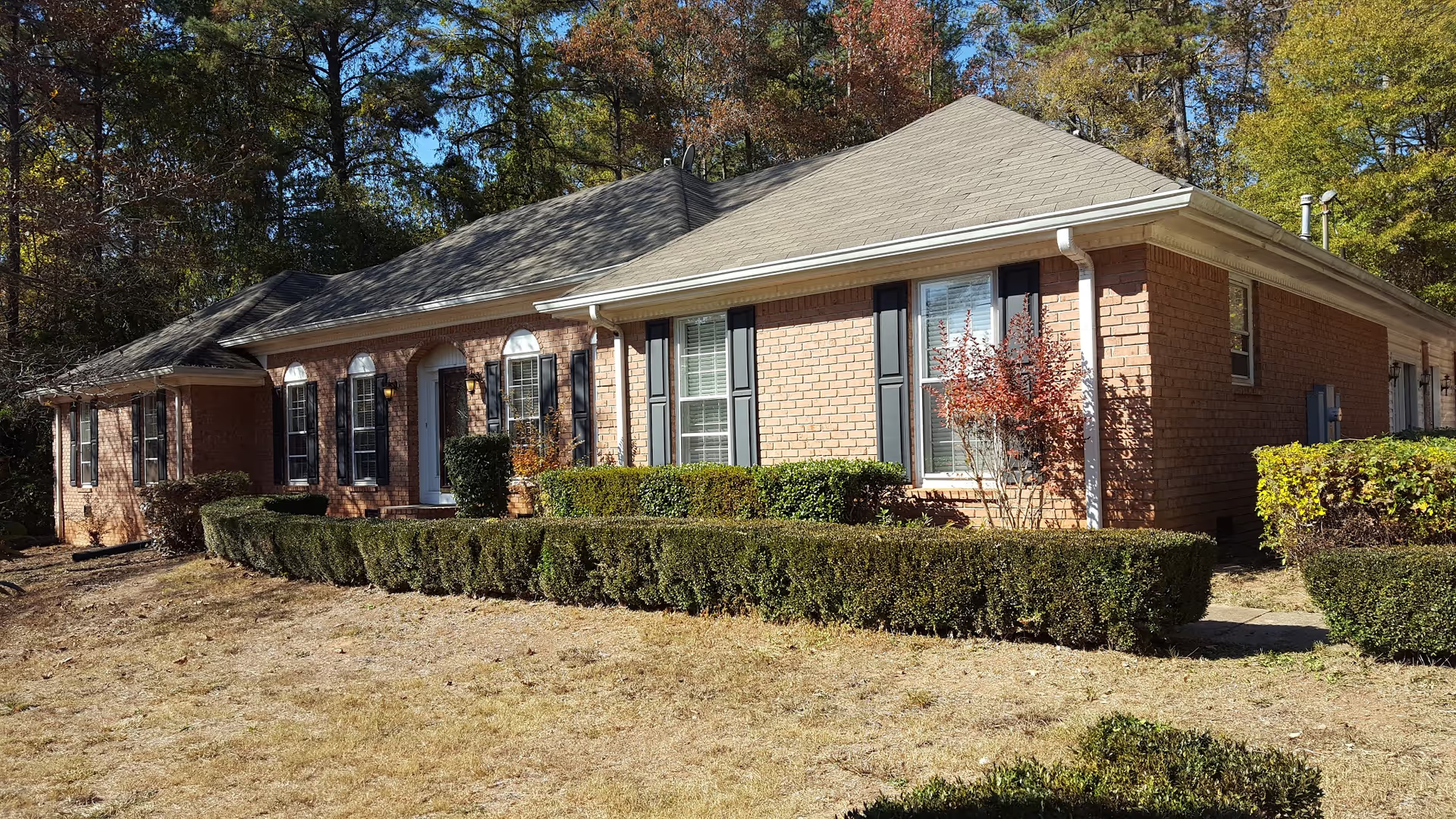
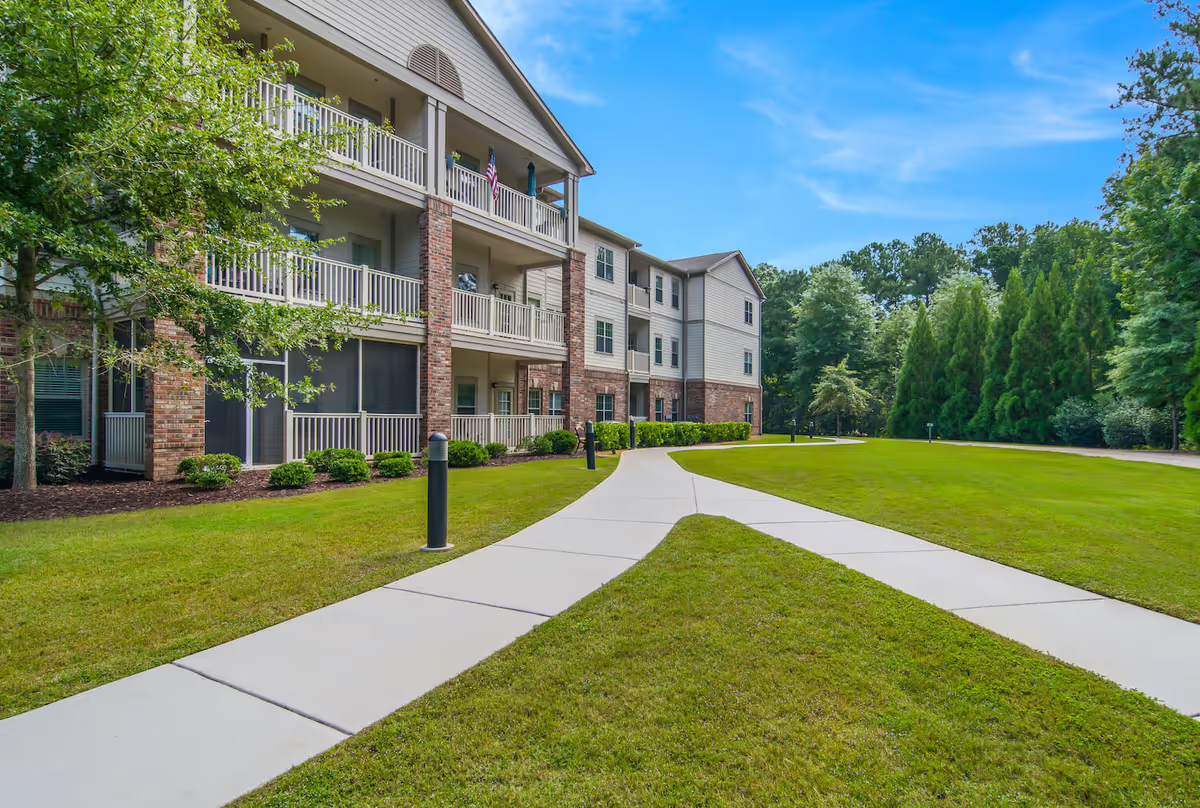
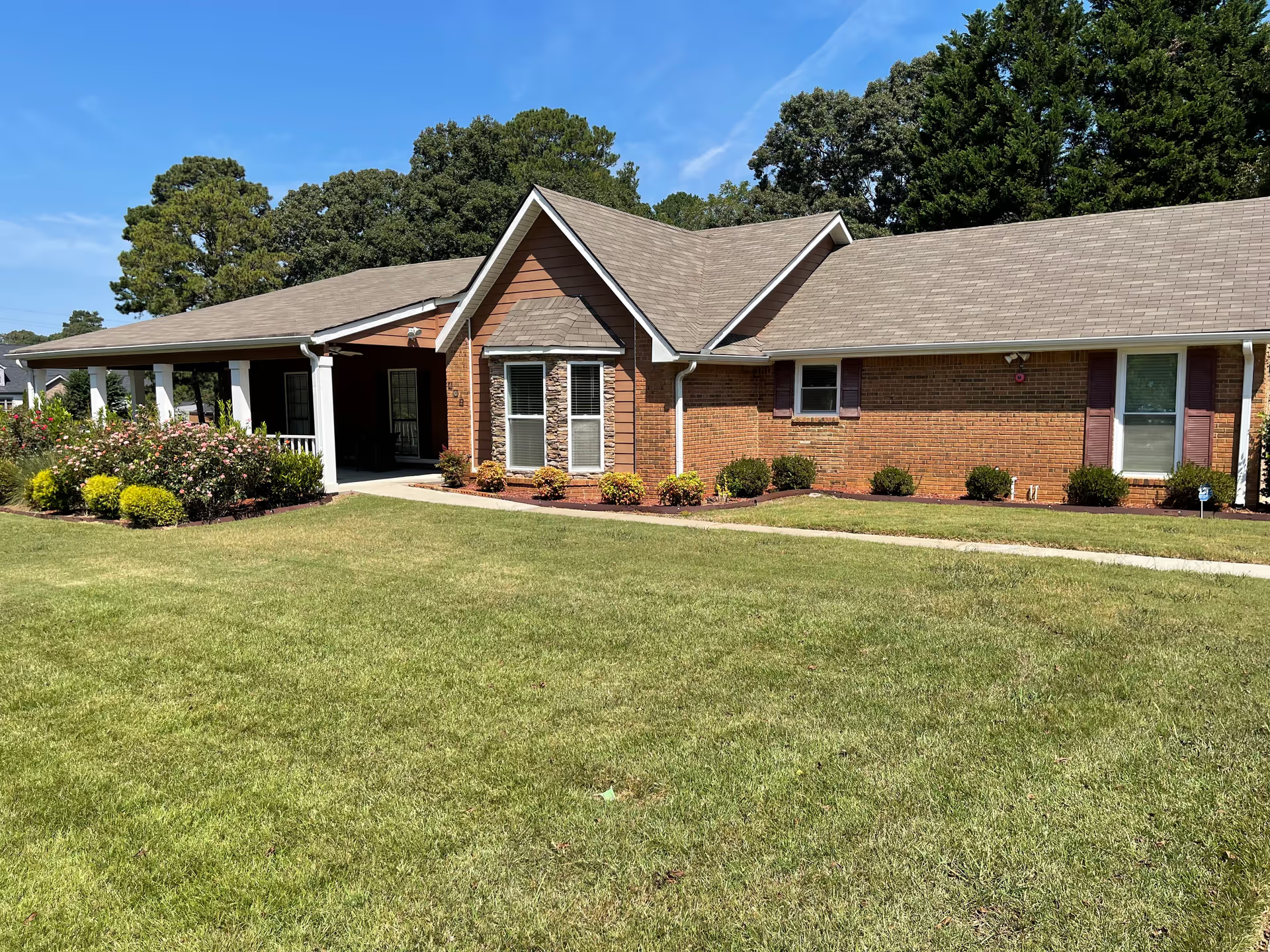
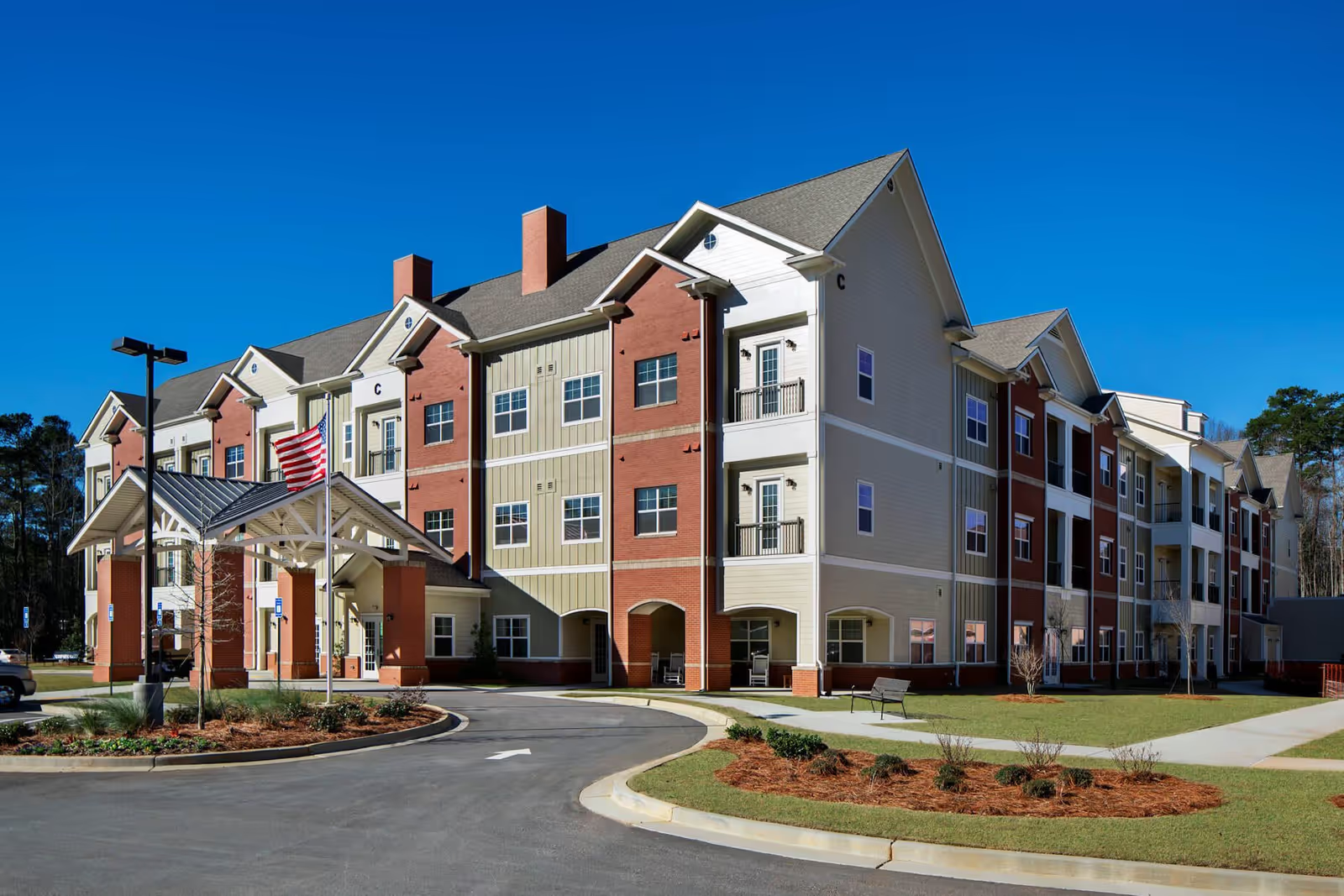
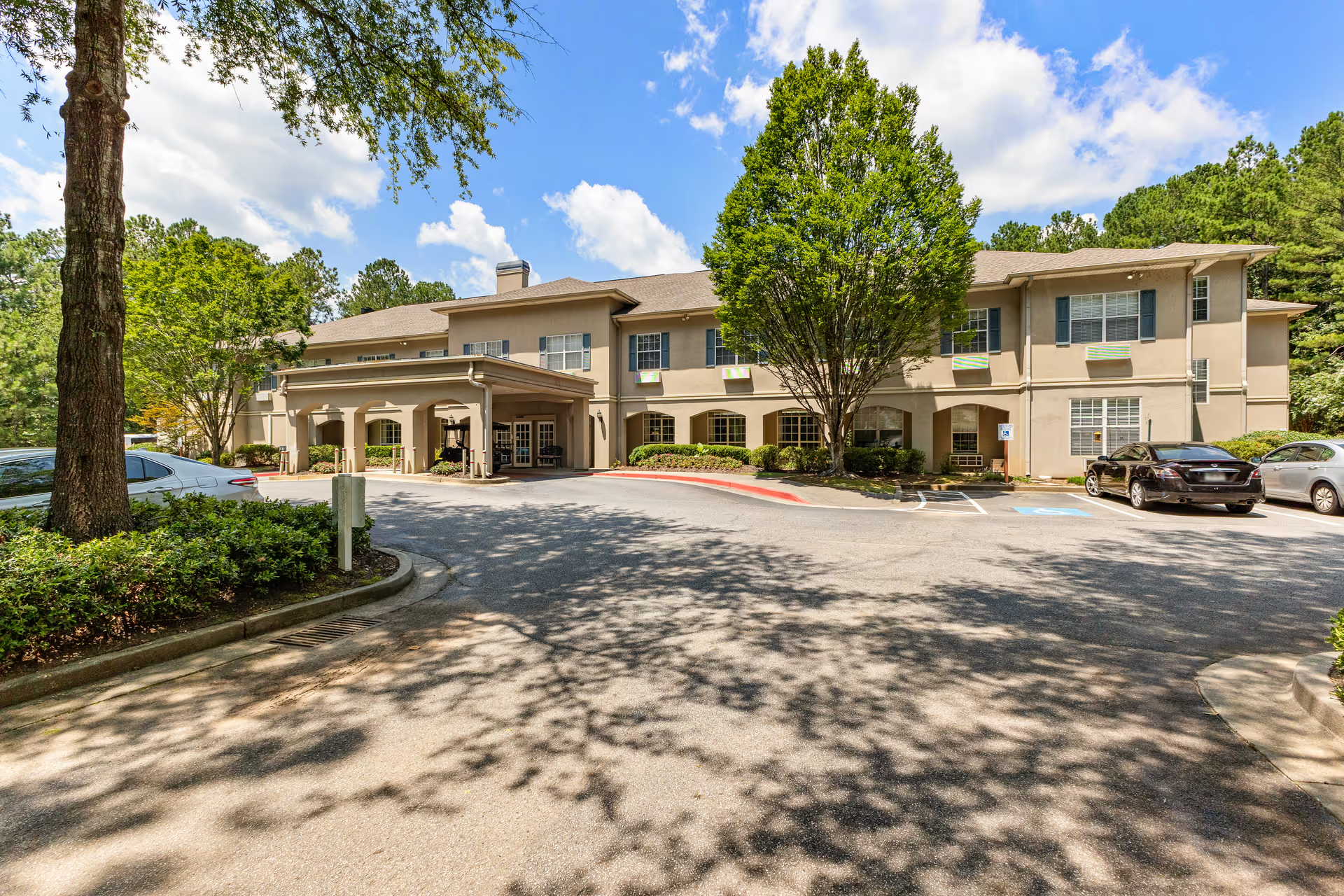
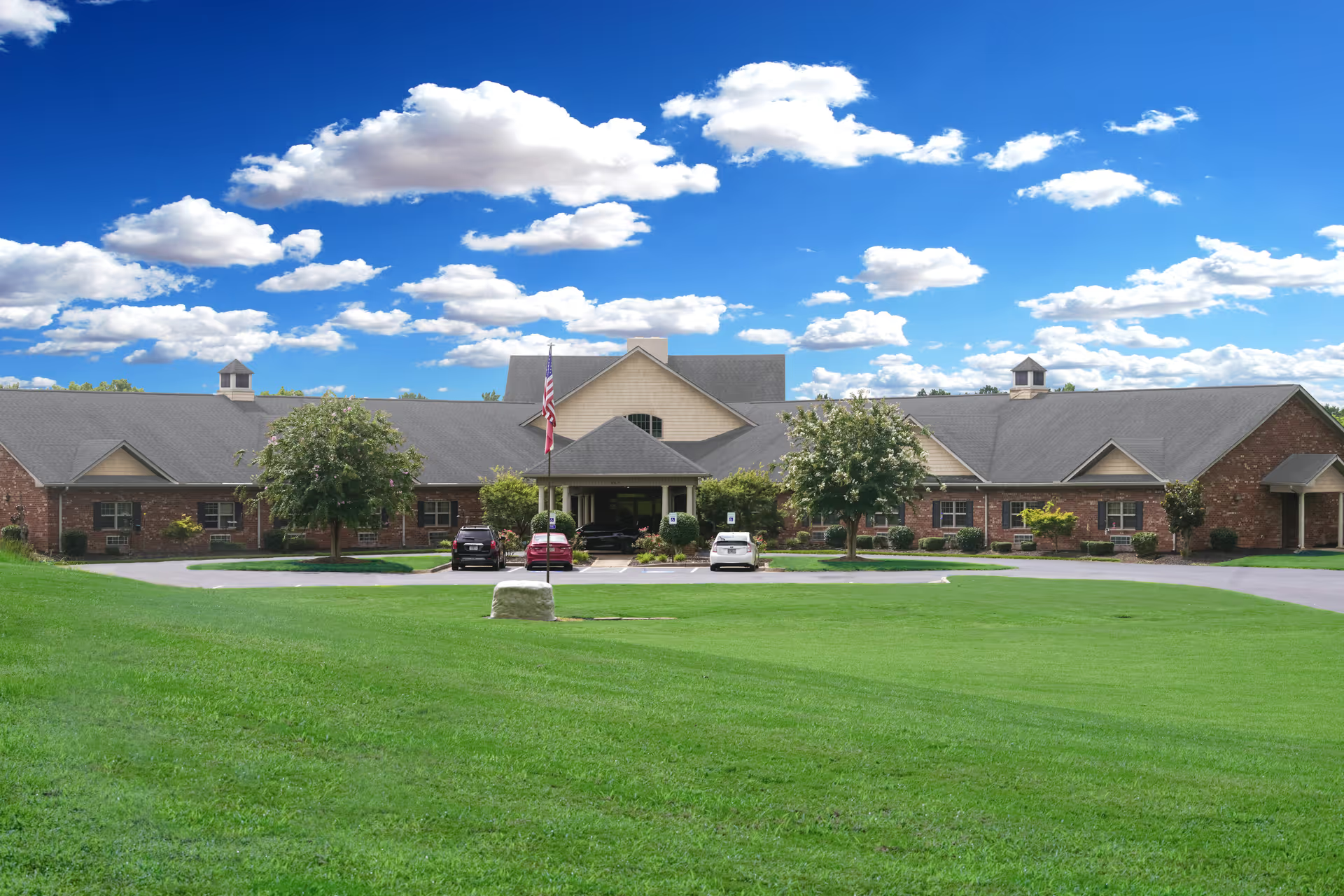
Brightmoor Nursing Center elicits a highly mixed set of impressions. Many families and patients praise the facility for its compassionate direct-care staff, engaging activities program, and robust therapy services. Positive comments consistently highlight attentive CNAs and nurses, a strong physical and occupational therapy team, supportive hospice and social-services interactions, and a warm, home-like atmosphere. The facility’s grounds, cleanliness, dining, pet therapy, and availability of personal grooming services are frequently described as strengths.
Care quality appears uneven. Positive accounts describe individualized attention, tireless staff, and successful post-surgical or rehabilitative improvement. Conversely, a substantial number of accounts describe delays in basic assistance (notably slow responses to nurse-call systems and delayed bathing/personal care), inconsistent bedside conduct, and periods of low staffing—particularly overnight—leading to extended wait times for assistance. There are also specific, serious allegations of clinical errors that families trace to adverse outcomes; these claims warrant careful follow-up and verification with facility leadership and regulatory records.
Staffing and leadership present a mixed picture. Reviewers commend many frontline staff members by name and credit an engaged activities department and empathetic hospice teams. At the same time, there are recurring concerns about supervisory responsiveness, variable leadership effectiveness after ownership or management changes, and inconsistent communication style from some staff. Several comments note that care quality and consistency may fluctuate by shift and unit, with the rehabilitation unit called out for variable responsiveness in some accounts and strong performance in others.
Operational areas to probe further include nurse-call response times, nighttime staffing levels, consistency of bathing and personal-care schedules, and discharge/home-health coordination. Some families describe successful, timely communication with admissions and social services, while others recount breakdowns in discharge planning and handoffs to home-health providers. A pattern of perceived differential attention based on payer source (private pay versus Medicaid) appears in multiple accounts and should be examined as an operational risk.
On balance, Brightmoor demonstrates clear strengths in compassionate direct care, therapy capabilities, activities, and facility maintenance. However, prospective residents and families should be aware of variability in responsiveness and leadership consistency. Practical steps for families considering placement include inquiring about current staffing ratios (day and night), nurse-call response metrics, how the facility manages shift changes, the process for escalation and supervision of conduct concerns, rehabilitation-staffing and outcomes data, and how discharge transitions are coordinated. These inquiries can help clarify whether the facility’s strong areas align with an individual resident’s needs and safety expectations.