The review corpus presents a facility with highly variable performance across clinical care, operations, and management. Many families and former residents praised day-to-day caregivers, therapists, and certain leaders for compassion, responsiveness, and effective rehabilitation. Positive accounts emphasize attentive nursing and CNA teams, strong physical and pulmonary therapy programs, a supportive admissions process, engaging activities (music, celebrations), pleasing meals, and visible investment in renovations and common-area upkeep. These strengths are frequently associated with specific staff members and departments that families found reassuring during recovery or end-of-life transitions.
Counterbalancing those positive reports are recurrent operational concerns that appear to reflect systemic variability rather than isolated occurrences. Reviewers described inconsistent direct-care quality that manifested as delayed assistance, missed hygiene or bathing care, and uneven medication timing. Chronic staffing shortages and turnover were often cited as an underlying factor, contributing to long wait times for help, intermittent housekeeping lapses, and variability in therapy scheduling. Several accounts highlighted sanitation and odor concerns in parts of the building and questioned infection-control consistency (masking, hand-hygiene access, and visitor-policy implementation) during infectious periods.
Family communication and leadership responsiveness are notable patterns in the feedback: some families found administrators and specific staff to be accessible, communicative, and proactive, while others encountered difficulty reaching leadership, long phone-hold times, and slow follow-up on clinical or property concerns. Reports also point to gaps in emergency-response protocols and transfer safety practices, including delayed ambulance activation and problematic transfer handling. Additional operational risks raised by reviewers include control weaknesses around residents' personal property and billing processes; there are also serious allegations by a small number of reviewers concerning substance misuse by staff and financial misconduct that would warrant regulatory attention and targeted investigation.
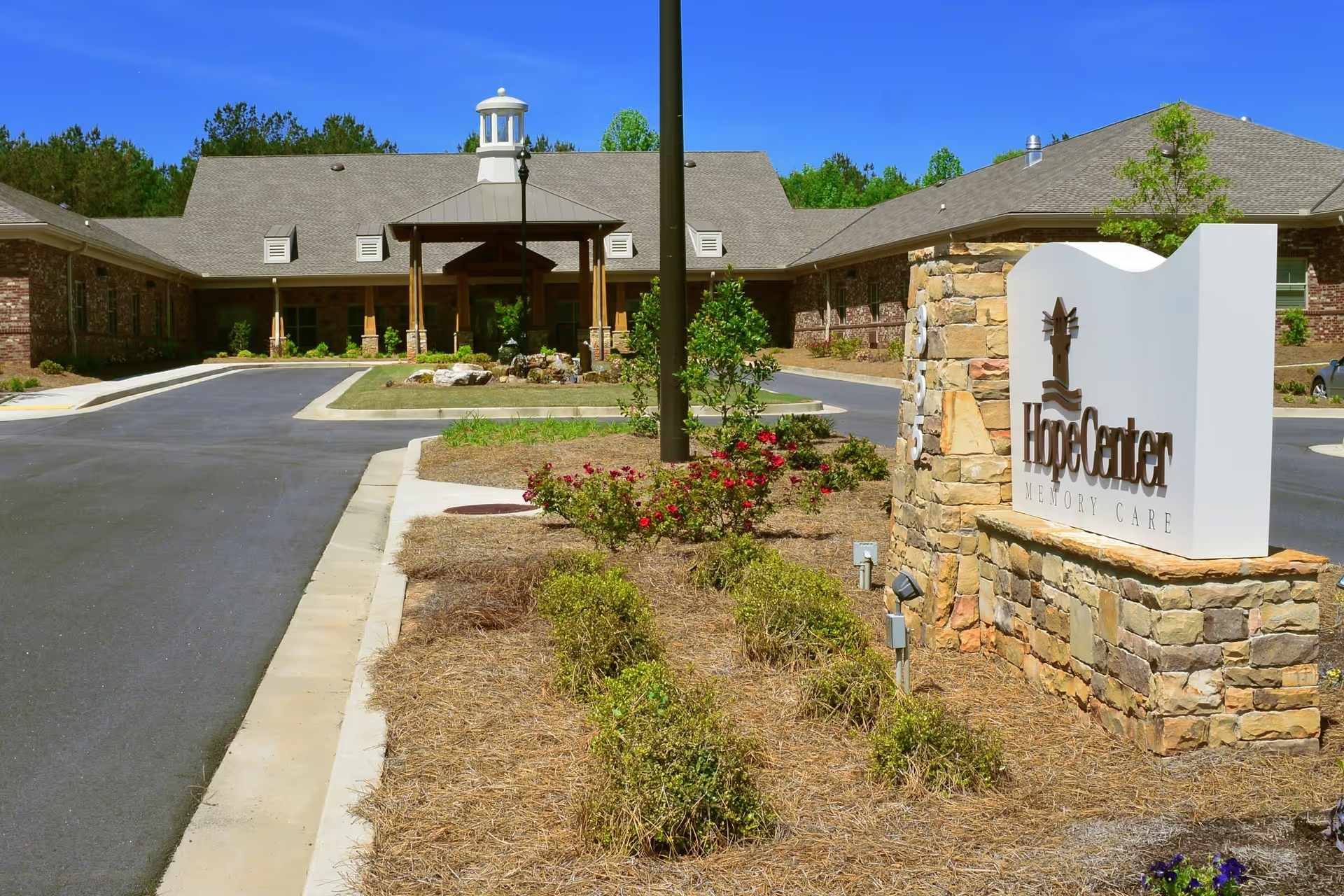
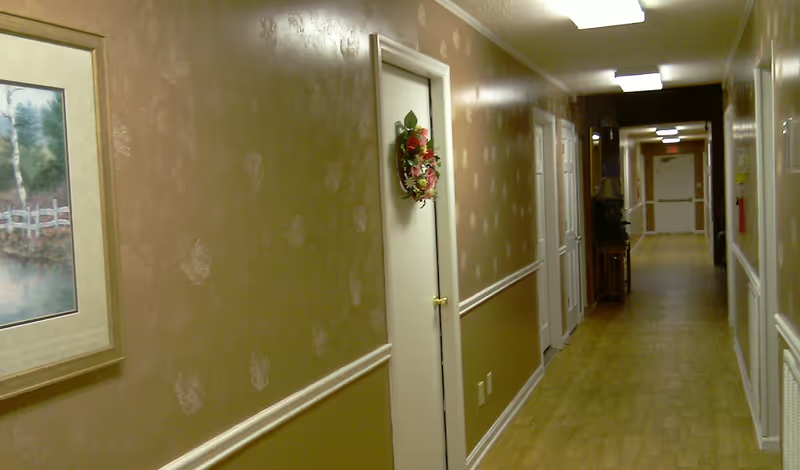
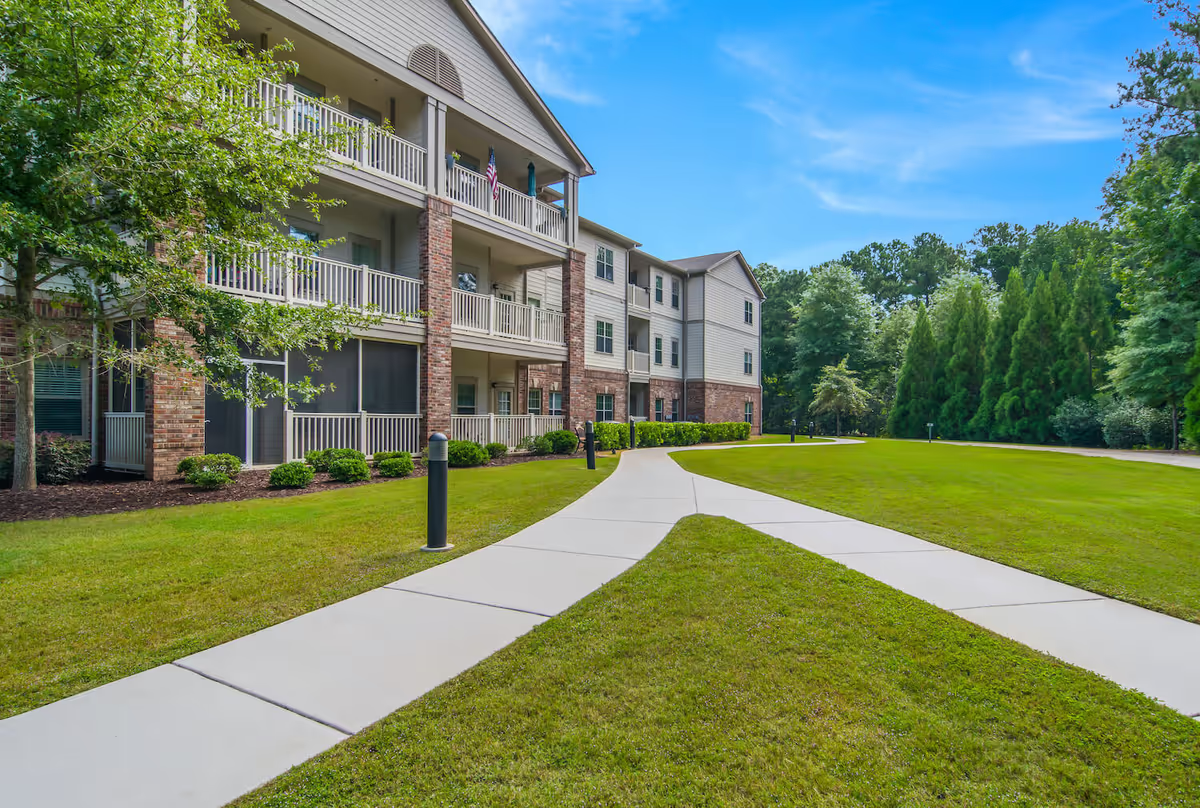
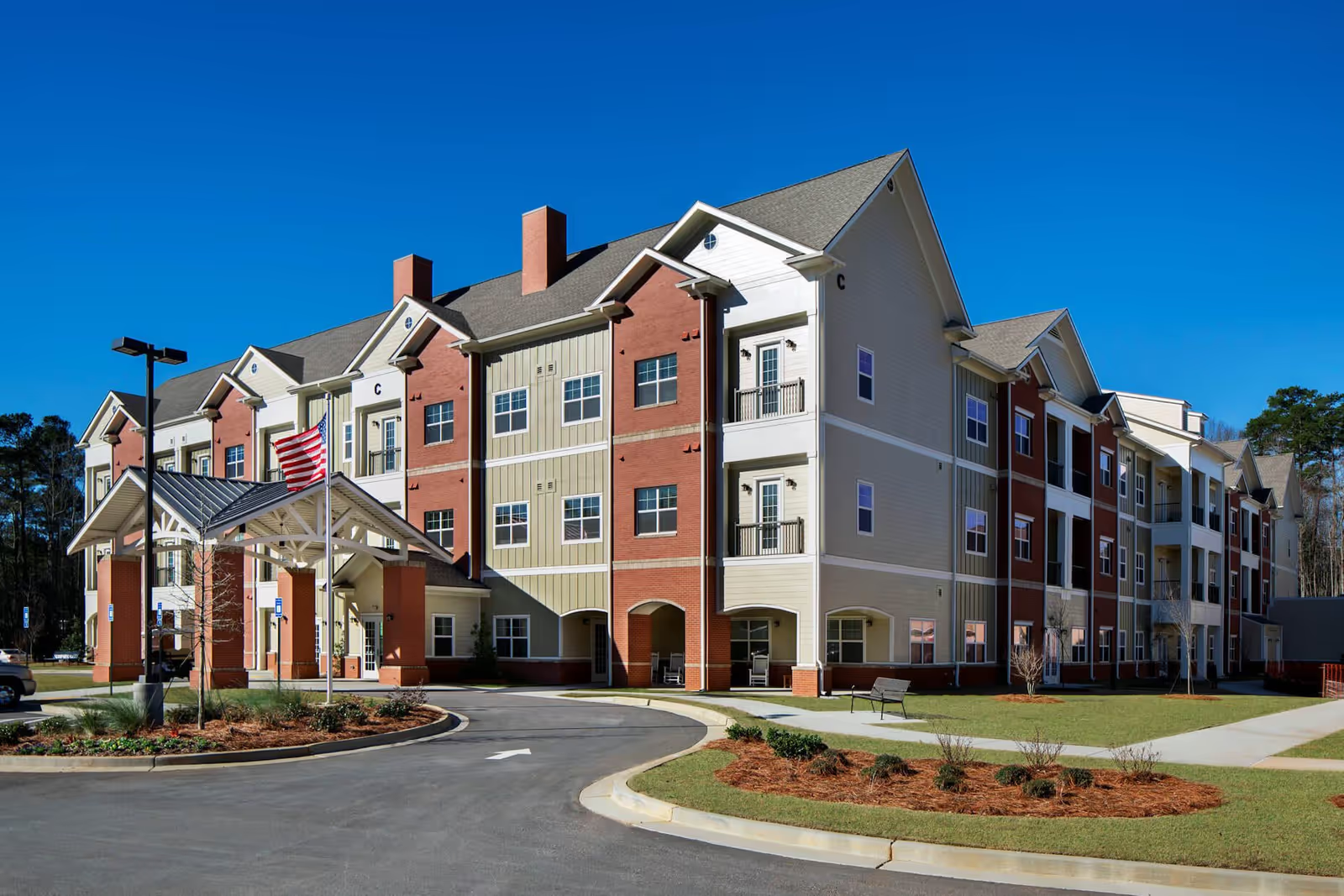
Dining, activities, and environment show mixed but actionable signals. Many reviewers complimented meal quality, activity programming, and a warm, home-like atmosphere; yet others described inconsistent housekeeping, bathing schedules, and isolated pest-control or cleanliness issues. The facility’s ongoing renovations and an engaged therapy staff were commonly cited as positive investments, but maintenance problems (room amenities, HVAC/window issues, missing equipment) were also noted.
For prospective residents and families: the facility can deliver high-quality, person-centered care and rehabilitation when staffing and leadership align, but documented variability indicates a need for careful, targeted inquiry during tours and admissions. Recommended questions include specifics about staffing ratios, recent turnover, infection-control policies, emergency-response procedures, medication-administration protocols, property/billing safeguards, and which administrative staff are the day-to-day points of contact. If possible, arrange meetings with therapy, nursing leadership, and social work to assess consistency and accountability before making placement decisions.