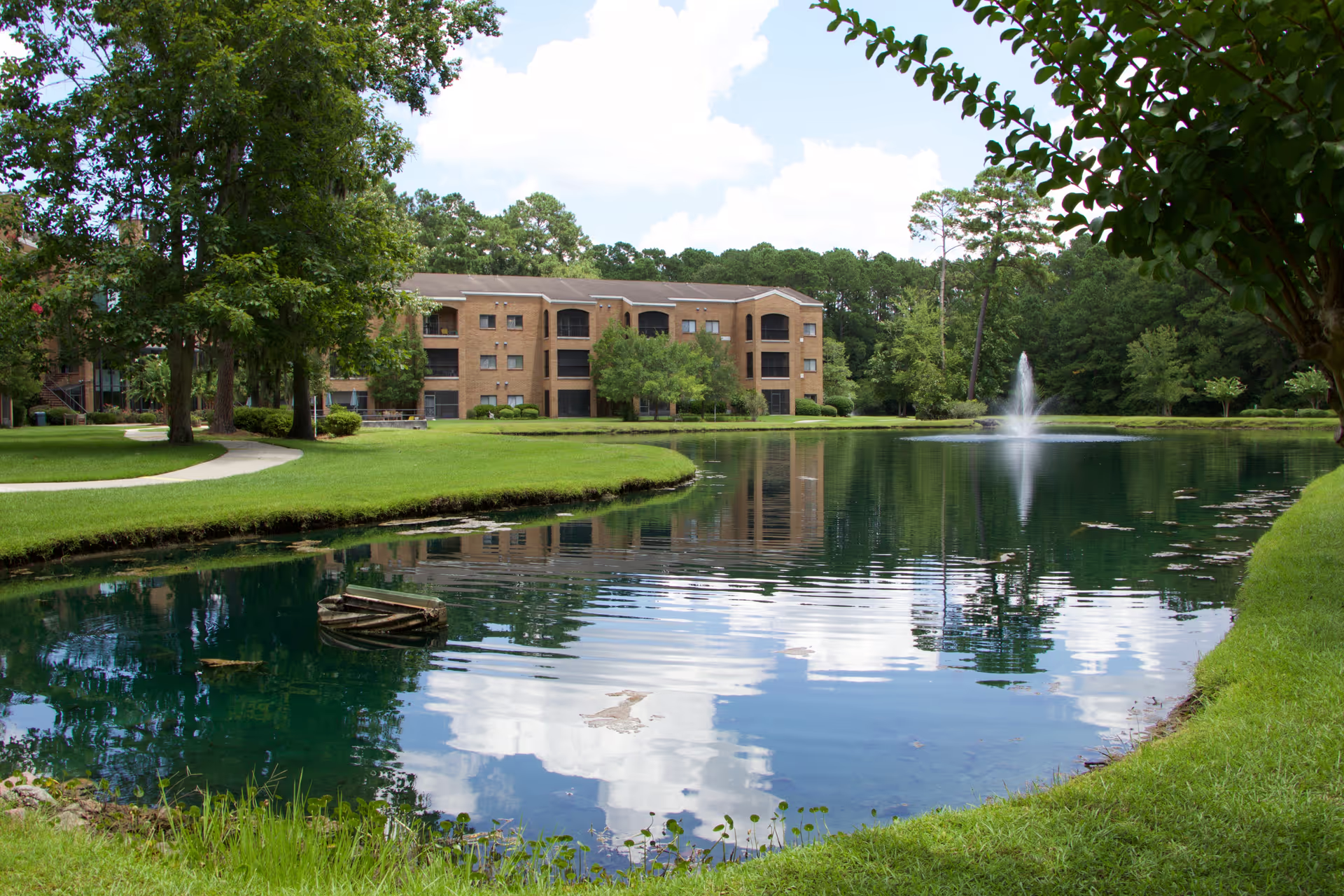
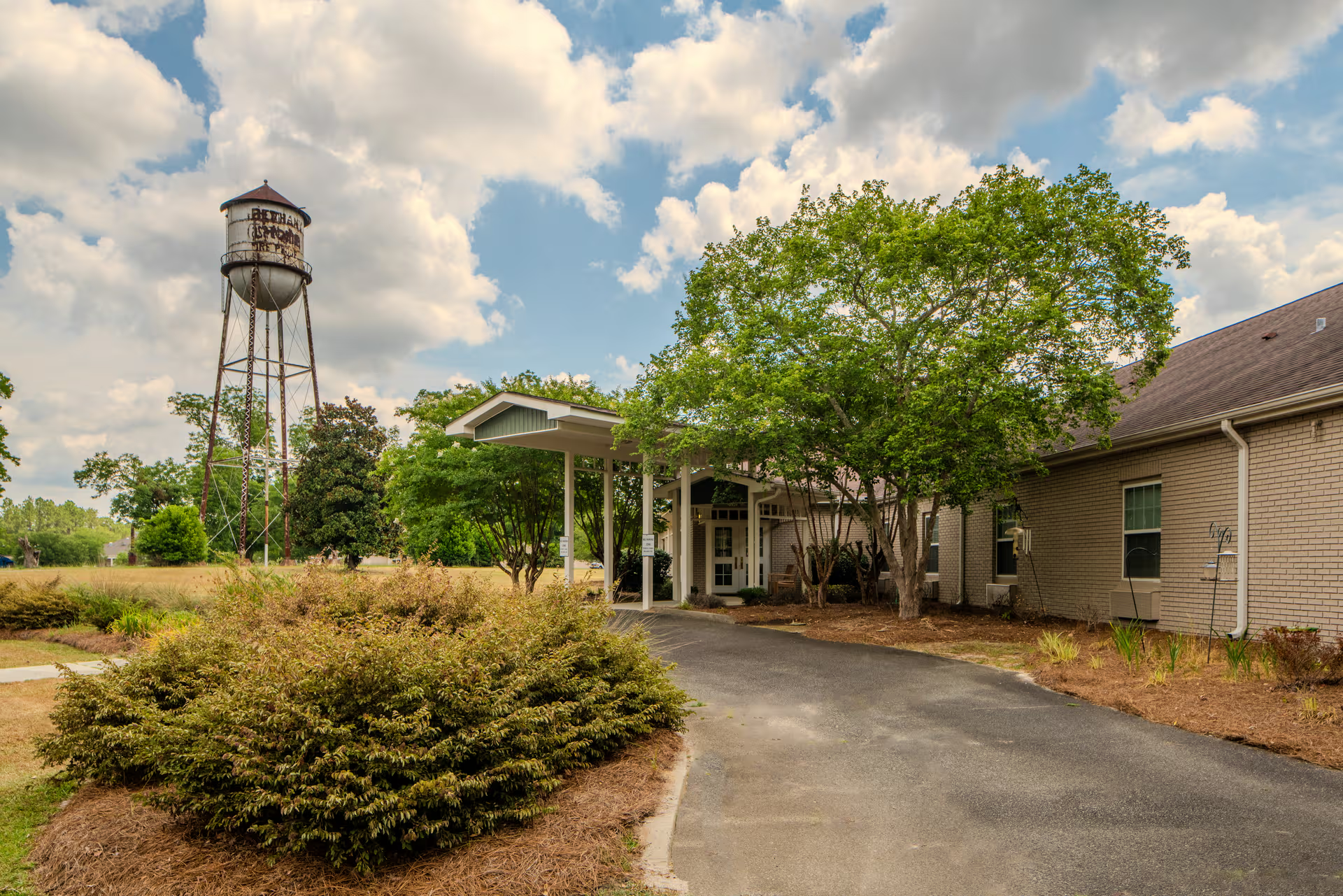
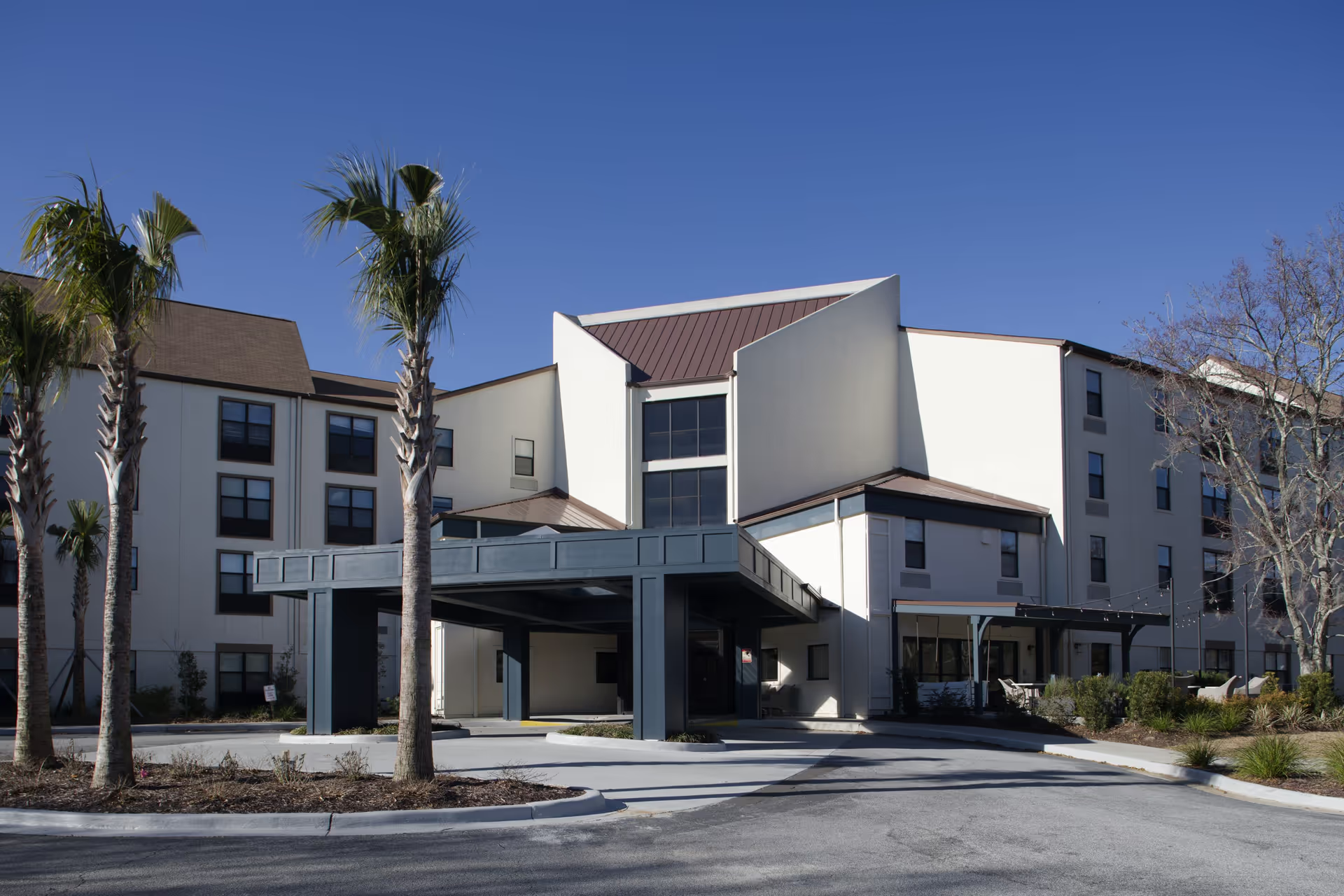
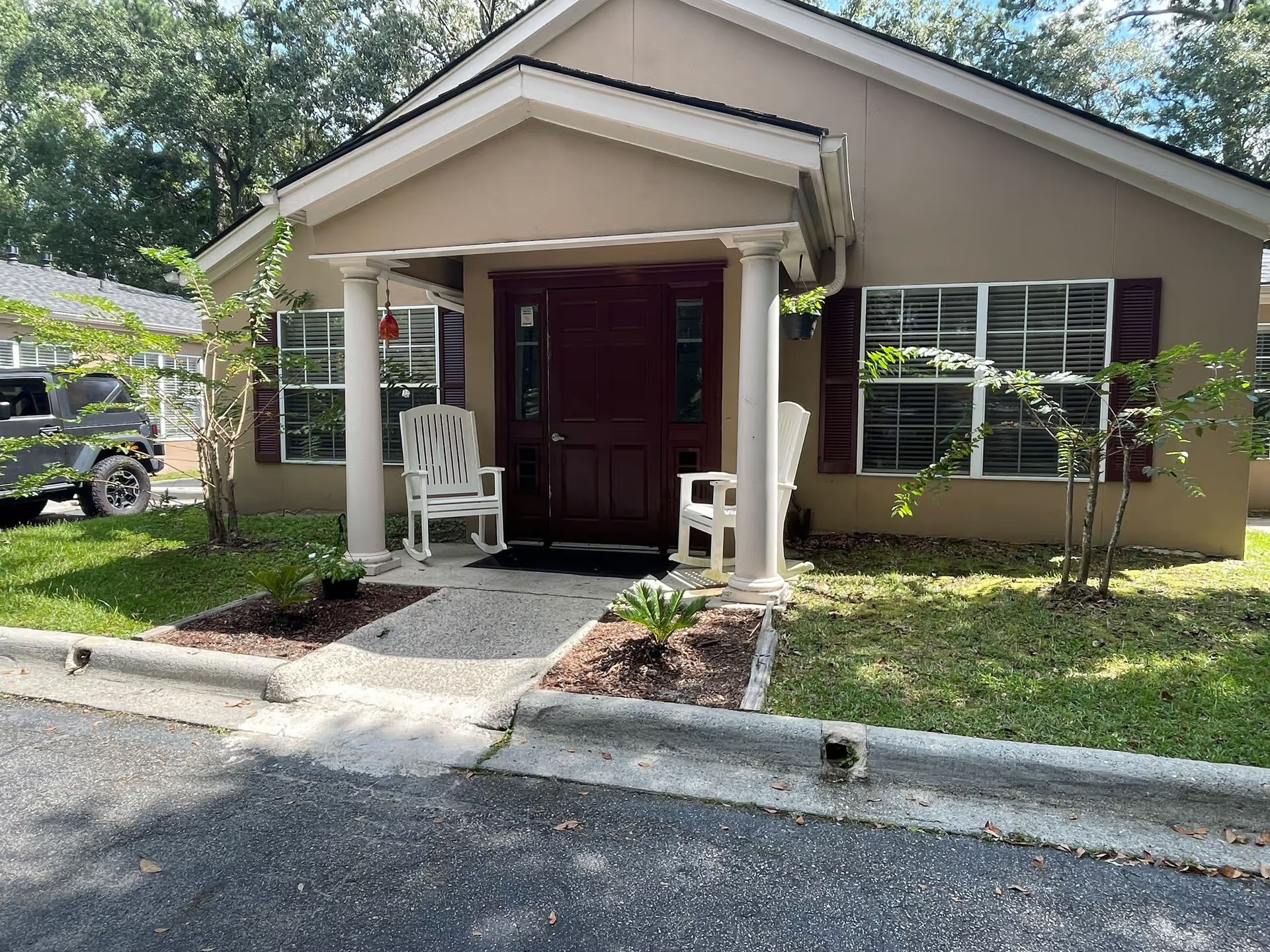
Altamaha Healthcare Center elicits a mix of strongly positive and concerning impressions. Many accounts highlight committed, compassionate staff and a set of clinical strengths: skilled nursing services including wound care, active therapy programs that improve mobility, and instances of strong emergency-response coordination. Families frequently praise timely medication administration, an engaging activities director and visible social programming, and a professional, patient business-office team. The facility has undergone renovations that reviewers describe as modern and inviting, and multiple comments note clean, well-maintained common areas.
At the same time, reviewer feedback shows variability in day-to-day operations. While some families describe a high level of trust and peace of mind, others report inconsistencies in clinical-care quality and concerns about fall prevention and transfer safety that have led to emergency department visits. Sanitation and odor-control are praised in some descriptions but flagged as problematic in others, indicating uneven housekeeping or environmental-maintenance performance. Dining similarly receives mixed assessments: several families describe satisfactory meals, whereas others characterize food service as inconsistent.
Management and administrative performance also present a mixed picture. Specific staff members and administrators are cited as helpful and communicative, yet there are repeated comments pointing to weaknesses in transparency, escalation pathways, and payroll or staffing administration. A small number of accounts reference difficult interactions around discharge or placement decisions and concerns about how such situations are handled. Infection-control periods (for example, COVID-related measures) have been associated with constrained visitation and communication difficulties for some families.
Overall, experiences at this facility appear to be heterogeneous: many families encountered attentive caregiving, effective therapy, and responsive administrative staff, while other families encountered operational shortfalls in safety practices, cleanliness consistency, meal service, or managerial transparency. Prospective residents and their families would benefit from an in-person visit that reviews unit-level staffing patterns, fall-prevention and transfer protocols, sanitation practices, meal-service scheduling and sample menus, and the facility’s escalation/complaint procedures so they can assess which aspects align with their priorities.