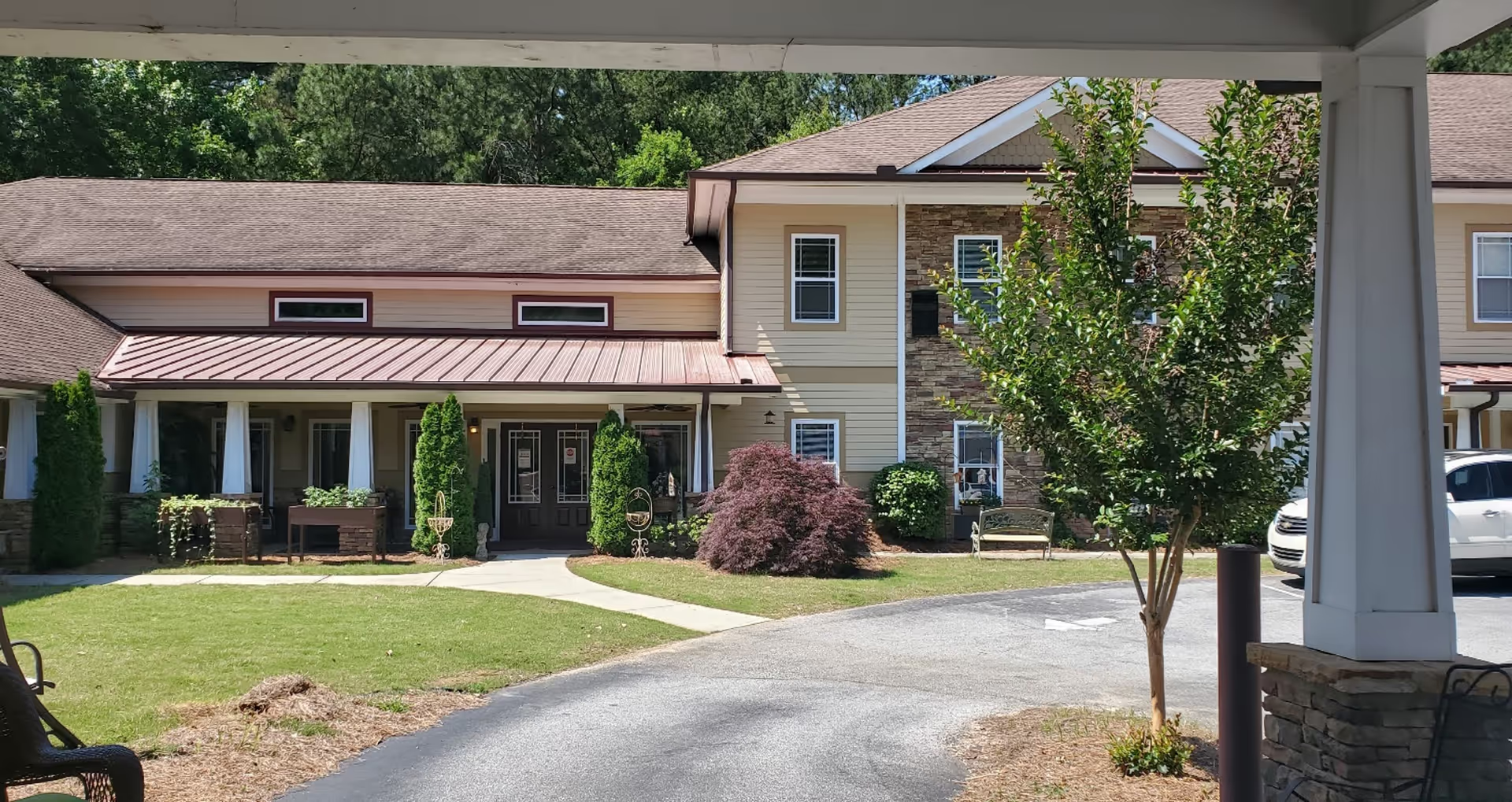
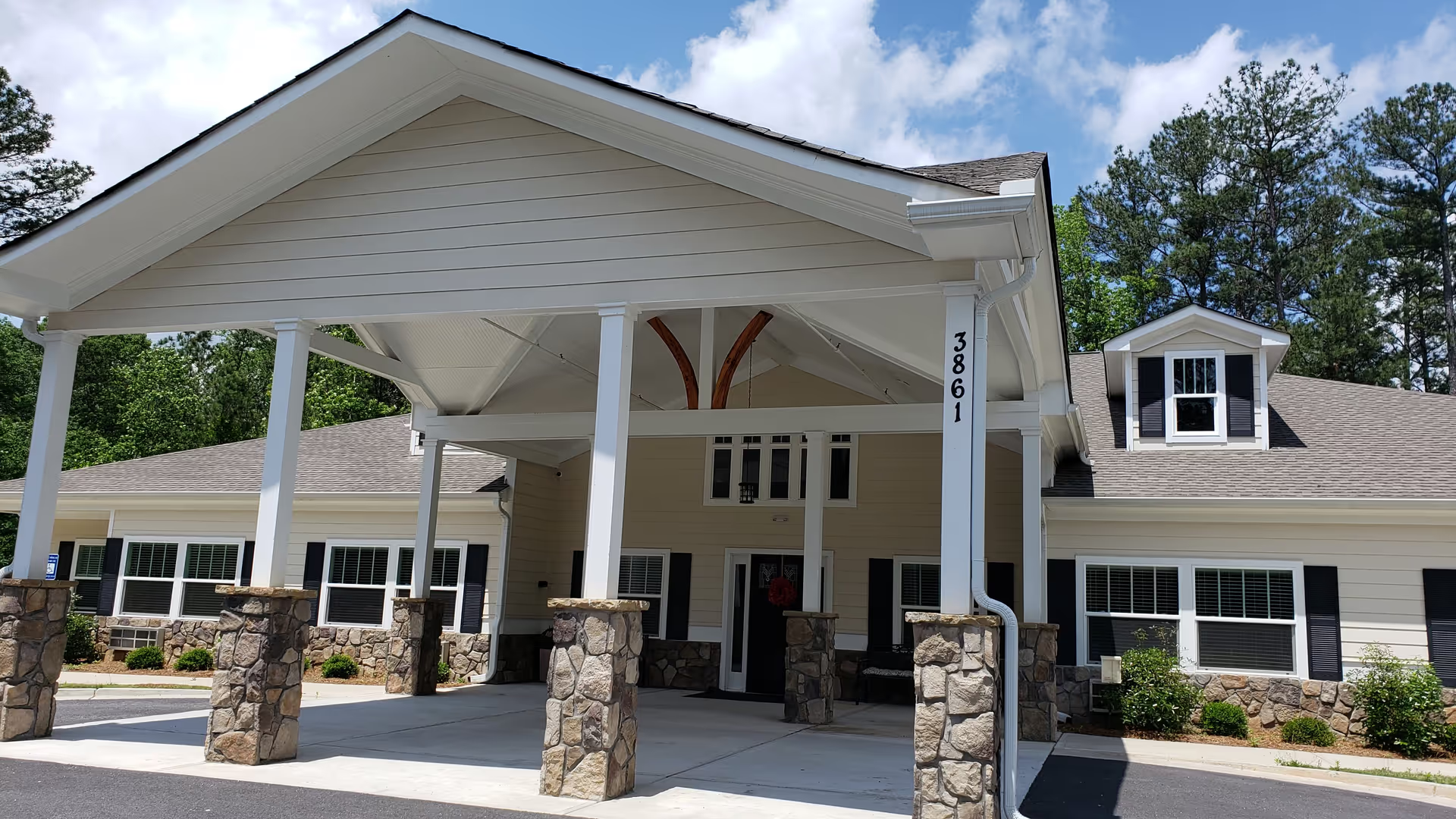
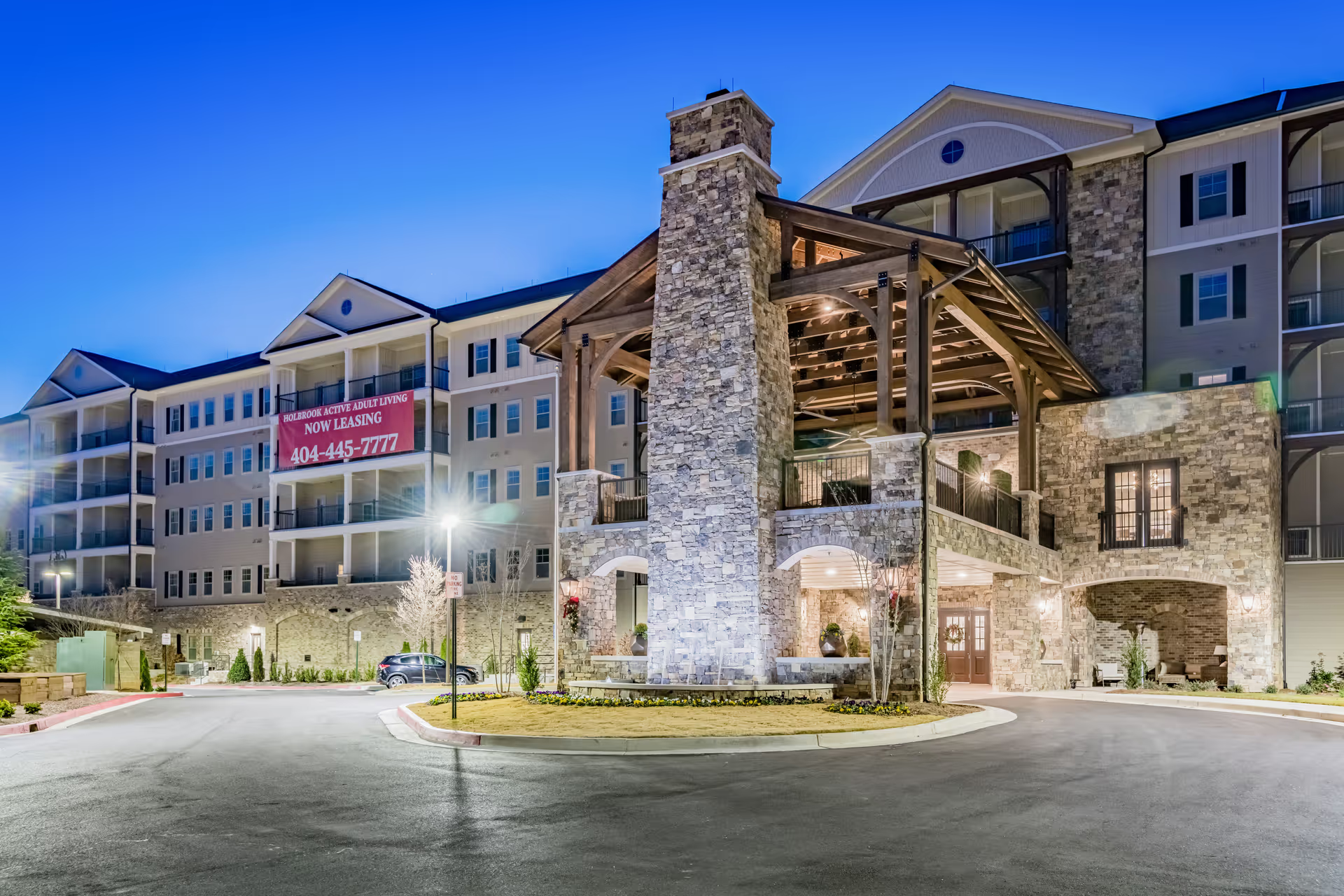
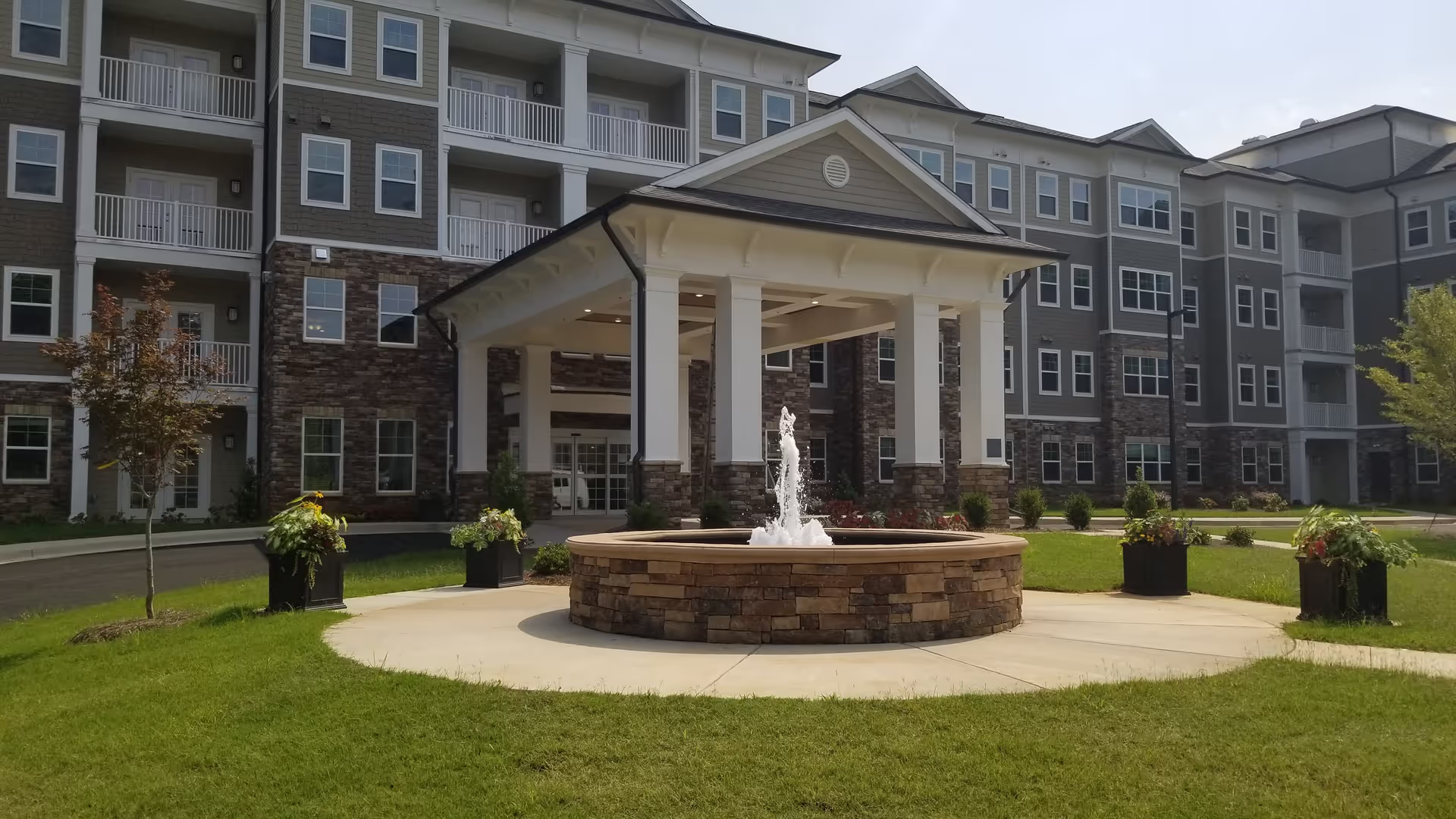
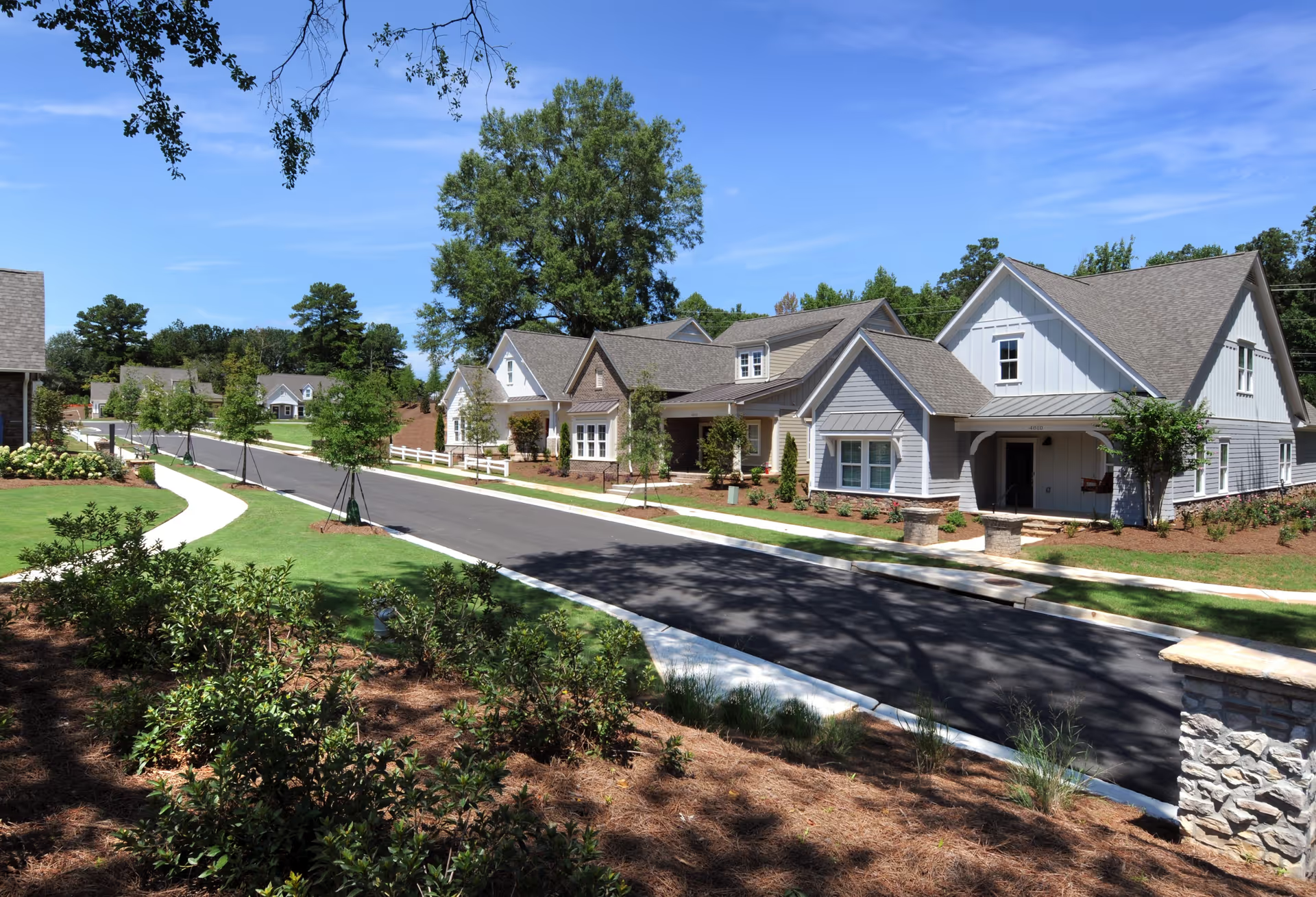
Overall impression: Reviews describe a facility with a distinctly small, home-like feel and a staff culture many families find compassionate and engaged. Positive accounts emphasize attentive caregivers, responsive admissions/tour staff, and individualized resident engagement that create a welcoming atmosphere. Renovations, bright common areas, hardwood flooring, courtyards, and an accessible one-level layout are repeatedly noted as contributors to a pleasant environment.
Care quality and clinical issues: Many families praised frontline caregivers for attentiveness and for clinically proactive behaviors such as early detection of urinary-tract issues. At the same time, a recurring operational concern is staffing instability and limited on-site nursing coverage; reviewers linked those gaps to inconsistent medication tracking, variable family communication about clinical decisions, and occasional transfers or hospitalizations that families questioned. There are also descriptions of uneven dementia-care expertise and program consistency, which suggest the facility may provide stronger support for some residents than others depending on staffing and leadership continuity.
Staff and management: Individual staff members and small teams received substantial praise for compassion, helpfulness, and activity leadership; several employees were singled out positively. However, multiple reviews describe leadership changes, firings, and an ownership transition to an out-of-area investor, and reviewers connected those changes to operational disruption. This pattern points to a contrast between committed frontline staff and organizational instability at the management level.
Dining and nutrition: Dining and social meal experiences are often described positively, with many residents enjoying the food and communal dining rooms. Nevertheless, reviewers also describe inconsistent meal quality and at least one dining-sanitation concern, plus an allegation of misrepresentation of specialized dietary accommodations (vegan offerings). These items indicate variability in the kitchen’s ability to consistently meet dietary expectations and maintain service standards.
Activities and social life: Activity programming is a clear strength for many residents: frequent, varied events, an active schedule, and staff who encourage participation contribute to a lively social environment. There are occasional notes about restricted participation policies (limits on attendees for certain activities), suggesting uneven access for some residents at times.
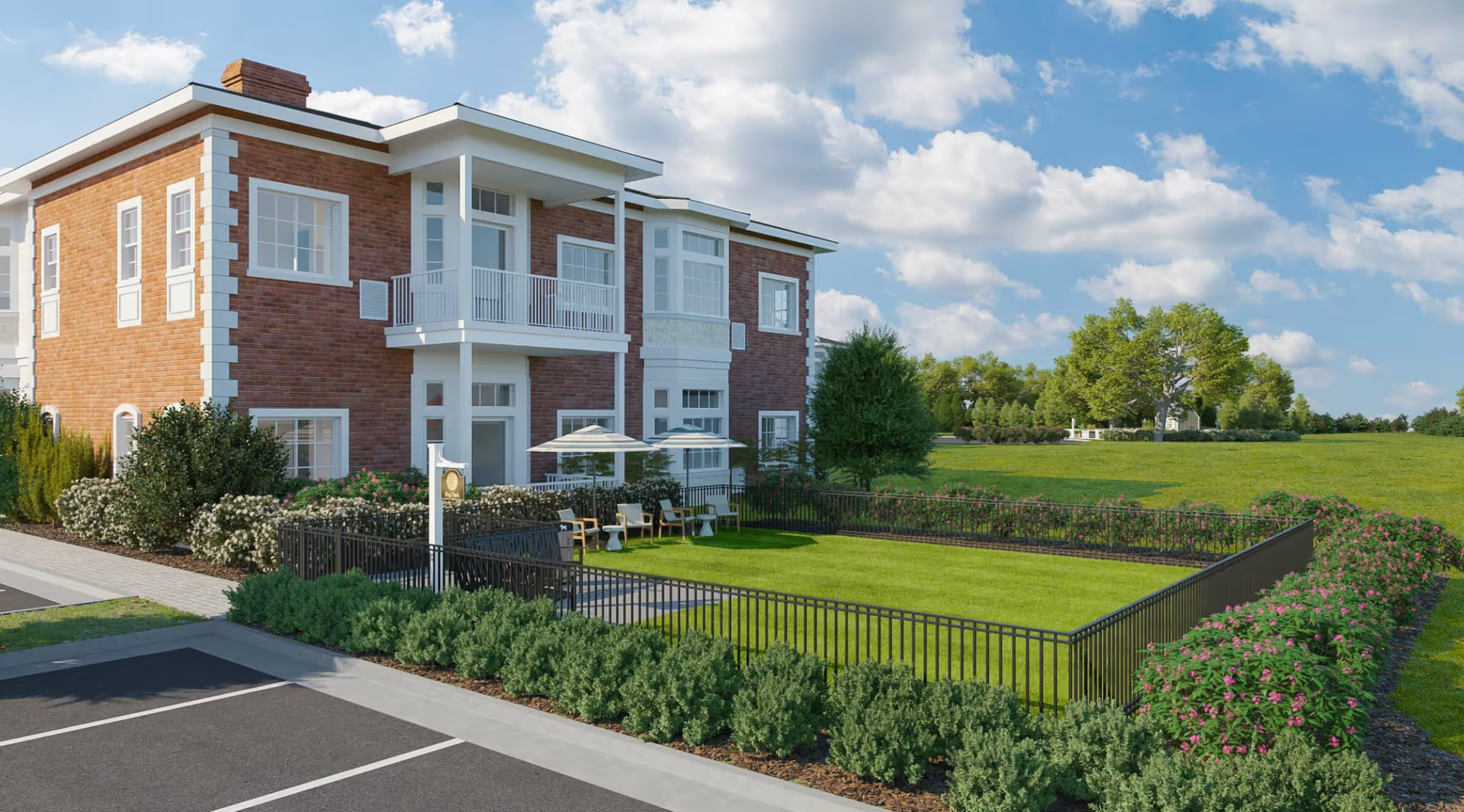
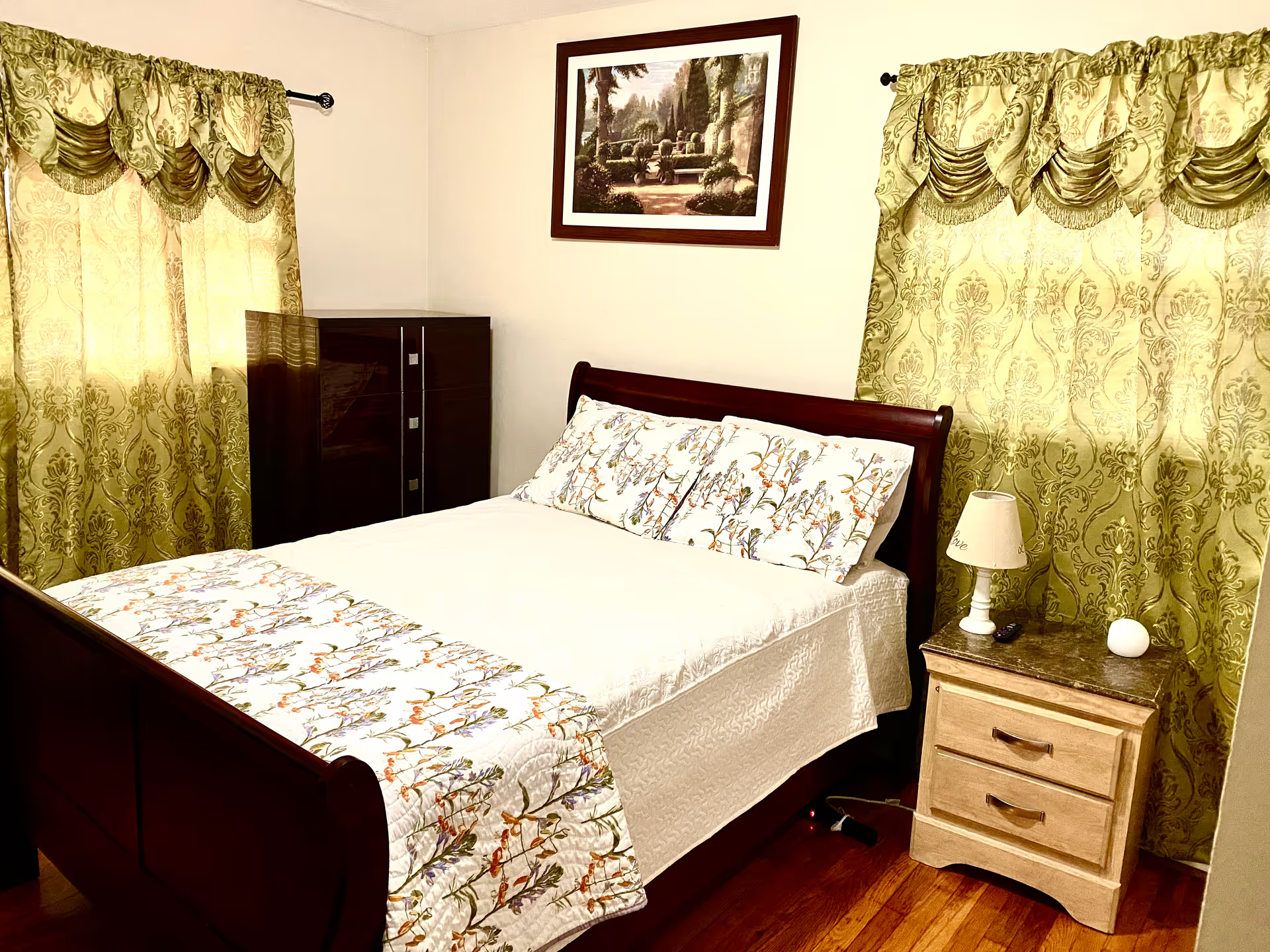
Facilities and living spaces: Renovations and brightened common areas are seen as improvements, and outdoor courtyards add value. Downsides include small apartment sizes, limited in-room furnishings (residents often must supply their own bed and seating), constrained exterior views, and some aspects of room design and technology that reviewers found not dementia-friendly (confusing television controls, limited storage). These design limitations may affect comfort and long-term suitability for some residents.
Operational and financial patterns: Several reviewers raised concerns about rising fees, billing or payment process issues, and perceived decreases in value as costs increase. Combined with turnover and ownership transition, these operational and financial issues contribute to mixed guidance about recommending the facility to others.
Bottom line: Prospective residents and families will likely find strong, person-centered care from many frontline staff members, robust activity programming, and a clean, renovated environment. At the same time, they should conduct targeted due diligence around clinical staffing patterns, medication and family-communication processes, dietary accommodations, apartment size and furnishing policies, and recent management/ownership changes. For families with significant memory-care or clinical needs, clarifying on-site nursing coverage and dementia-program consistency before committing would be advisable.