Overall impression: Northstar Square elicits a mix of strong praise and operational concerns. Many families describe a warm, family-like culture, with staff who are personable, attentive, and invested in residents’ wellbeing. At the same time, recurring operational themes — especially around staffing stability, management transitions, and financial transparency — create variability in the resident experience.
Care and staff: A prominent strength is the interpersonal quality of caregiving. Numerous comments highlight caring CNAs, attentive memory-care leads, and on-site nursing/LPN support that provide reassurance to families. Staff are frequently described as responsive, respectful, and proactive in personalizing care. However, reviewers also raise concerns about inconsistent staffing levels, director turnover, and variability in staff training. Those operational weaknesses are linked to uneven responsiveness (for example, call-button delays or inconsistent assistance timing) and to perceptions that care quality can fluctuate depending on staffing and leadership presence.
Dining and nutrition: Dining is a polarizing area. Many residents and families praise the food-service director and the facility’s ability to tailor meals, accommodate dietary needs, and present meals attractively in restaurant-style dining rooms. Several reviewers attribute improved appetites and weight gain to the menu and individualized attention. Conversely, other reports note inconsistent meal quality, menu repetition, and temperature/presentation issues at times. In short, the dining program has strong elements of personalization and culinary leadership, but delivery consistency appears uneven.
Activities and social life: The activities program is frequently cited as a highlight when it is well staffed: reviewers describe engaging programs, a passionate activities director, trivia, walks, crafts, and special events that create social connection. There are also multiple accounts of reduced programming following staff departures, COVID restrictions, or transportation limitations; those accounts describe quieter common areas, more passive recreation (TV and puzzles), and fewer off-site outings. Prospective families should ask about current activity staffing, typical weekly programming, and availability of off-site trips.
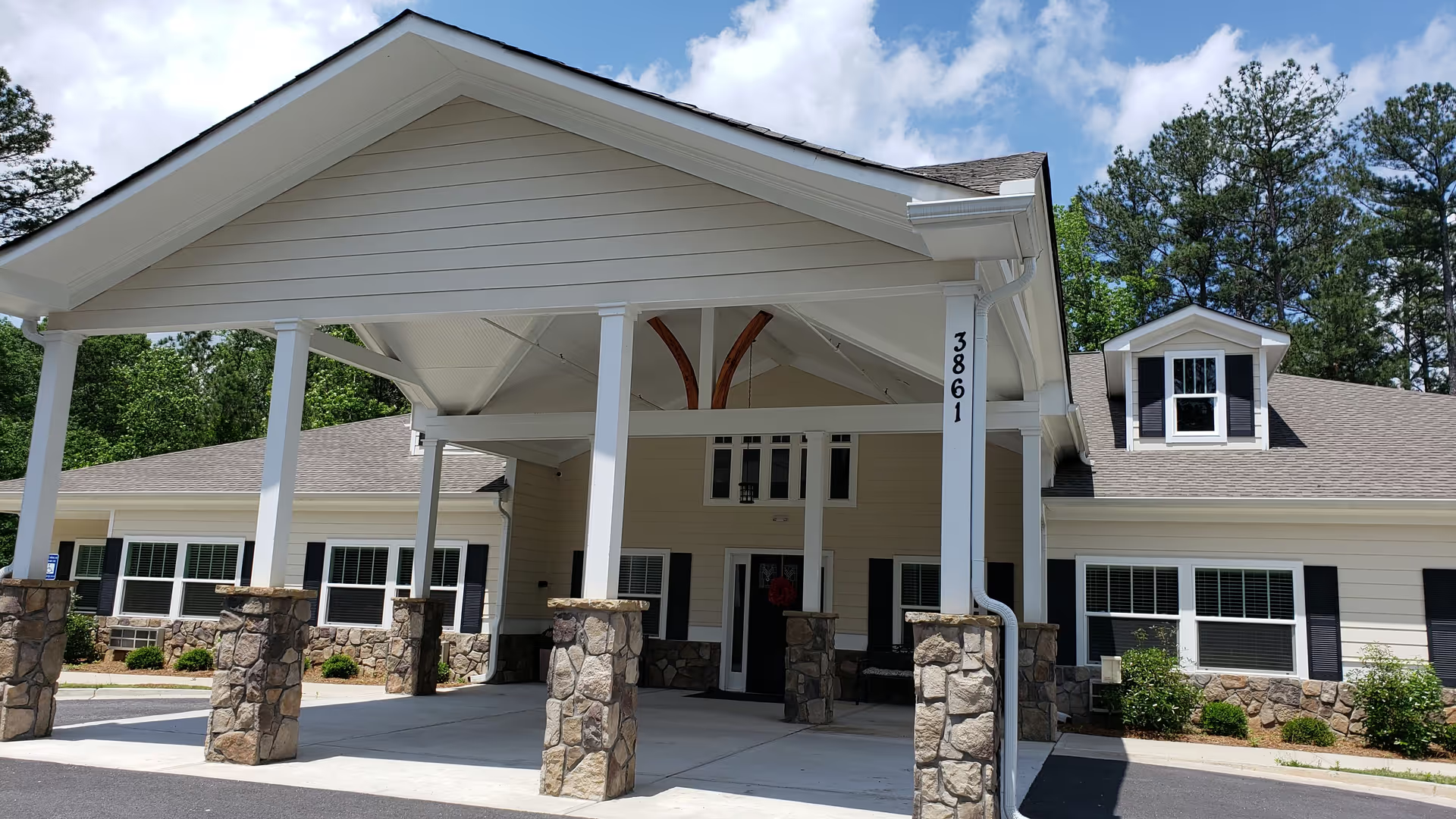
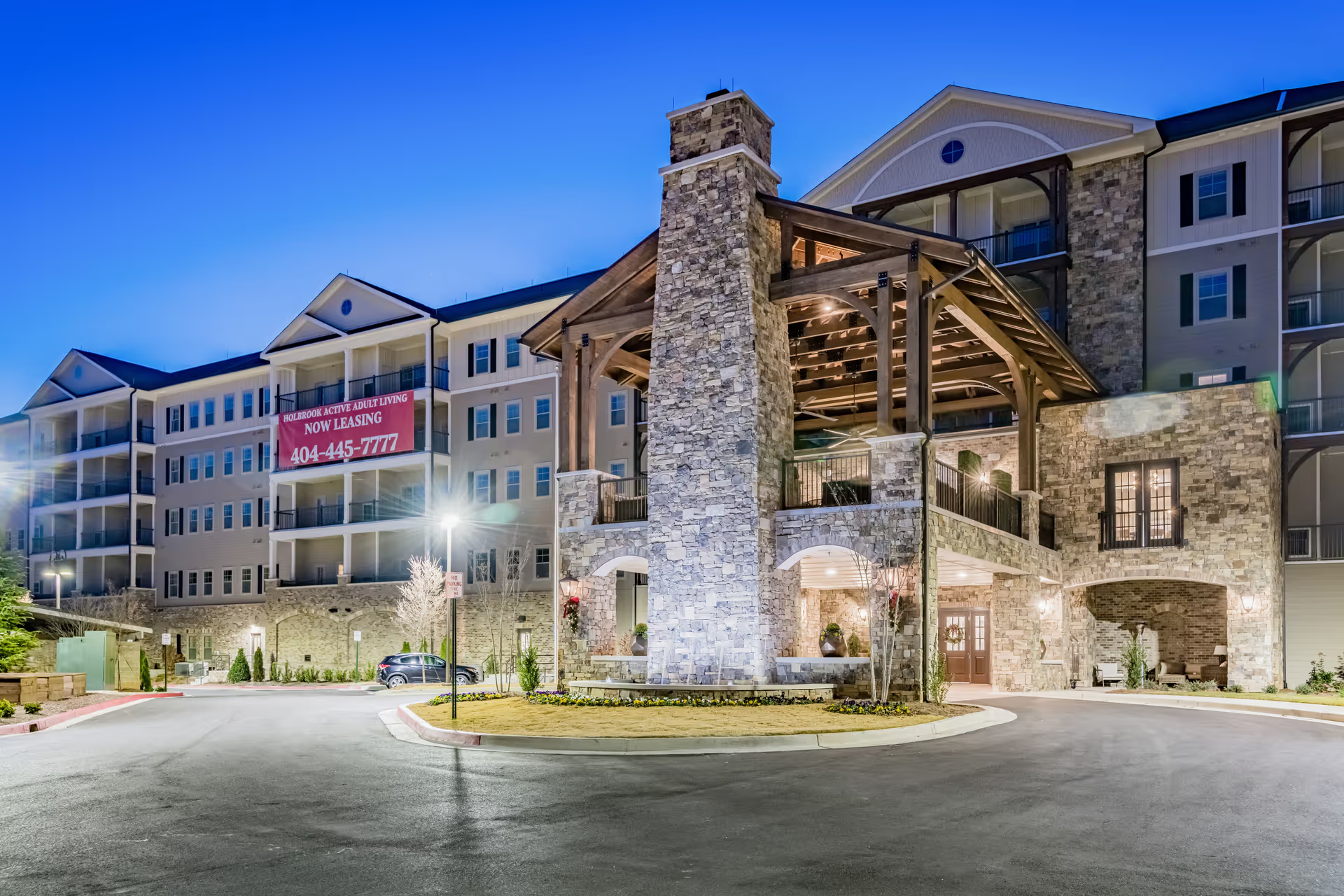
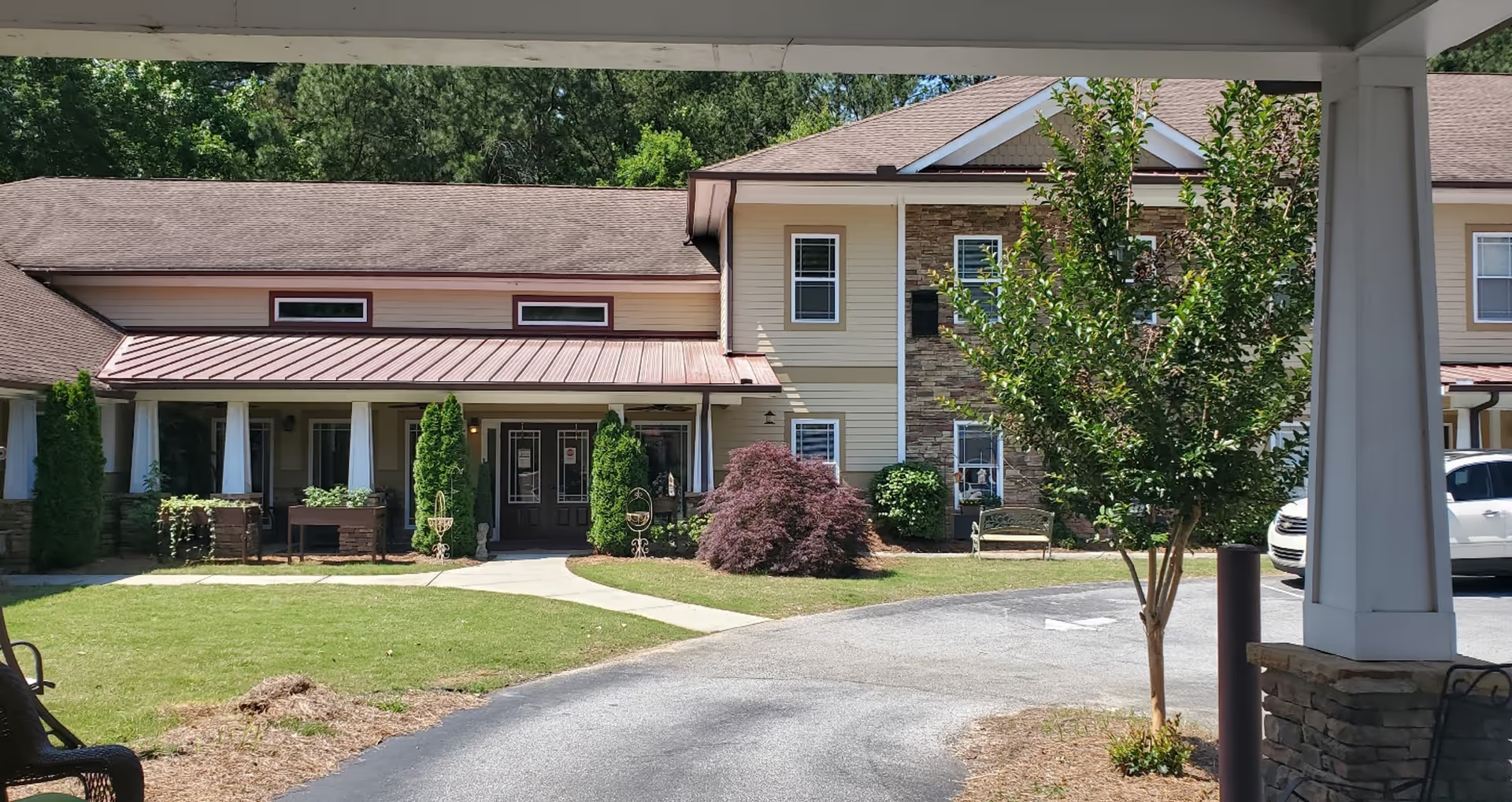
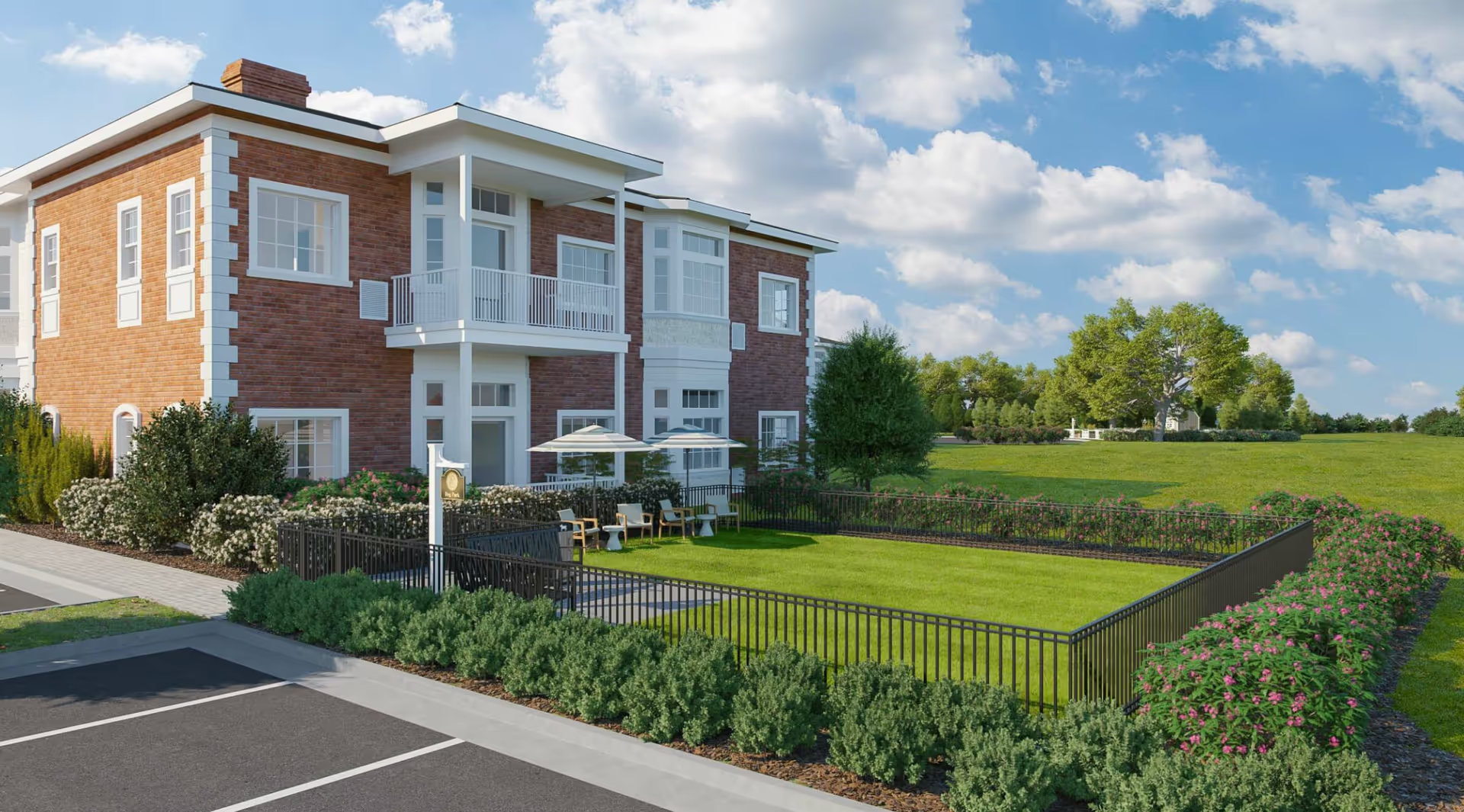
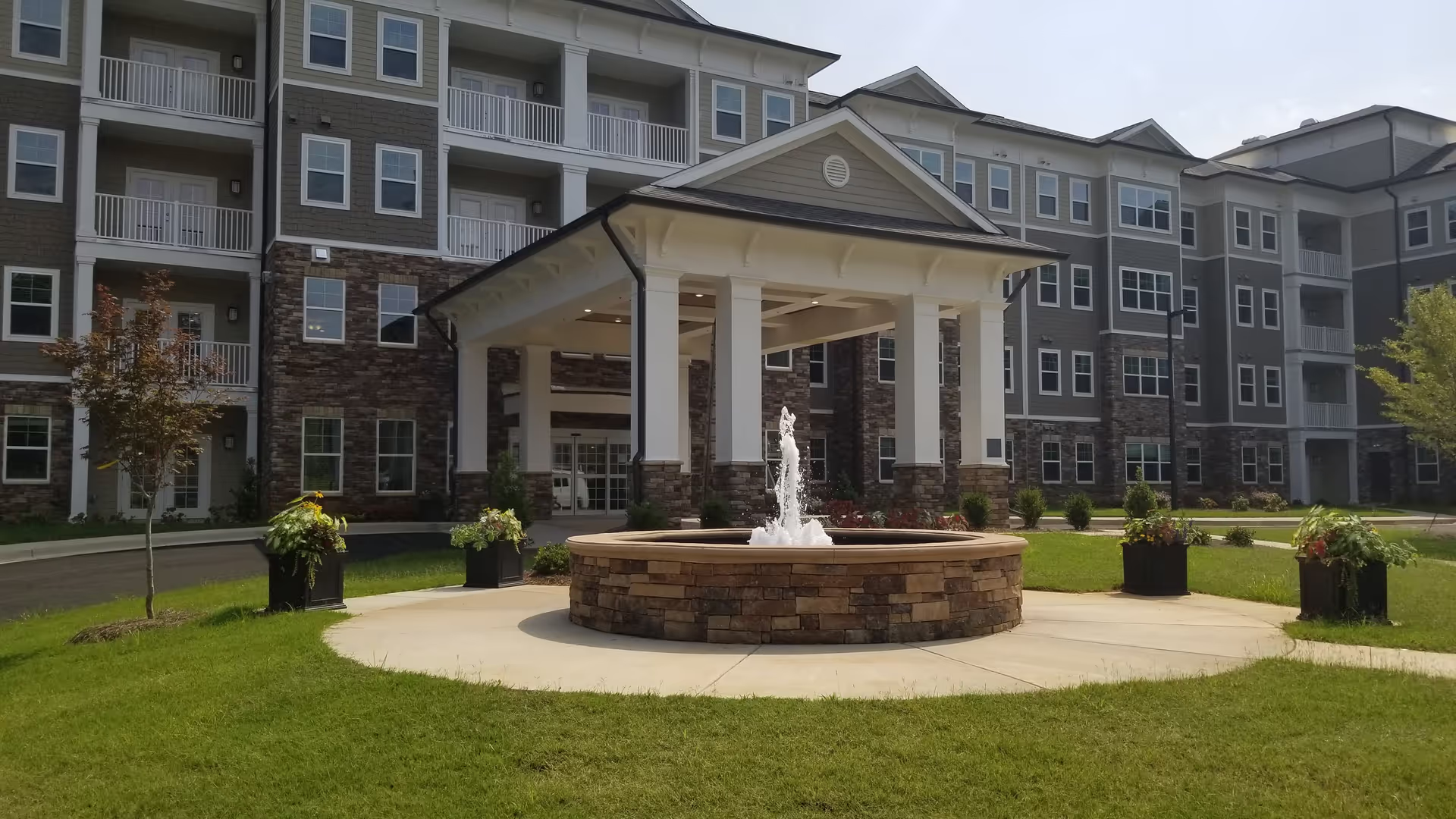
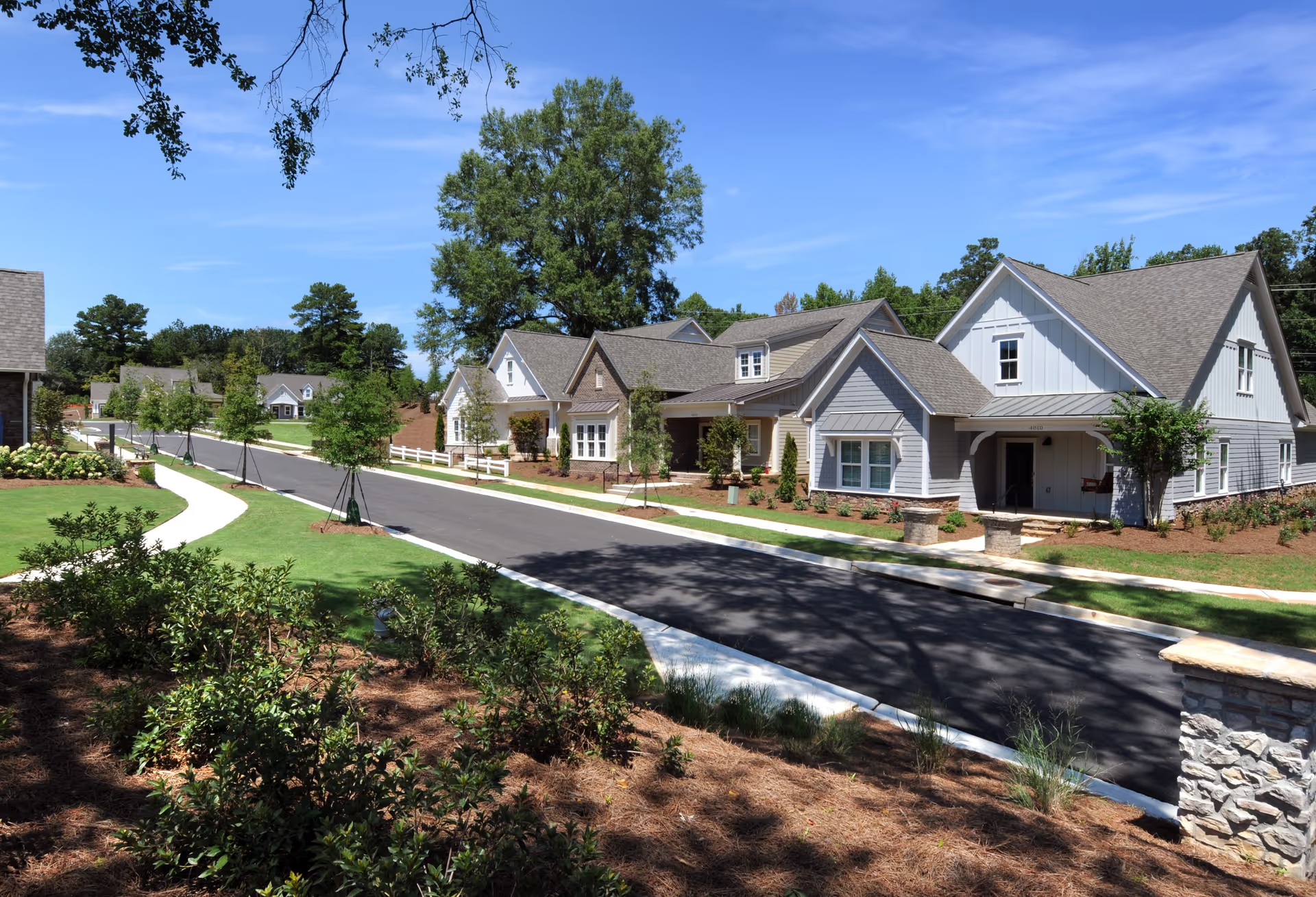
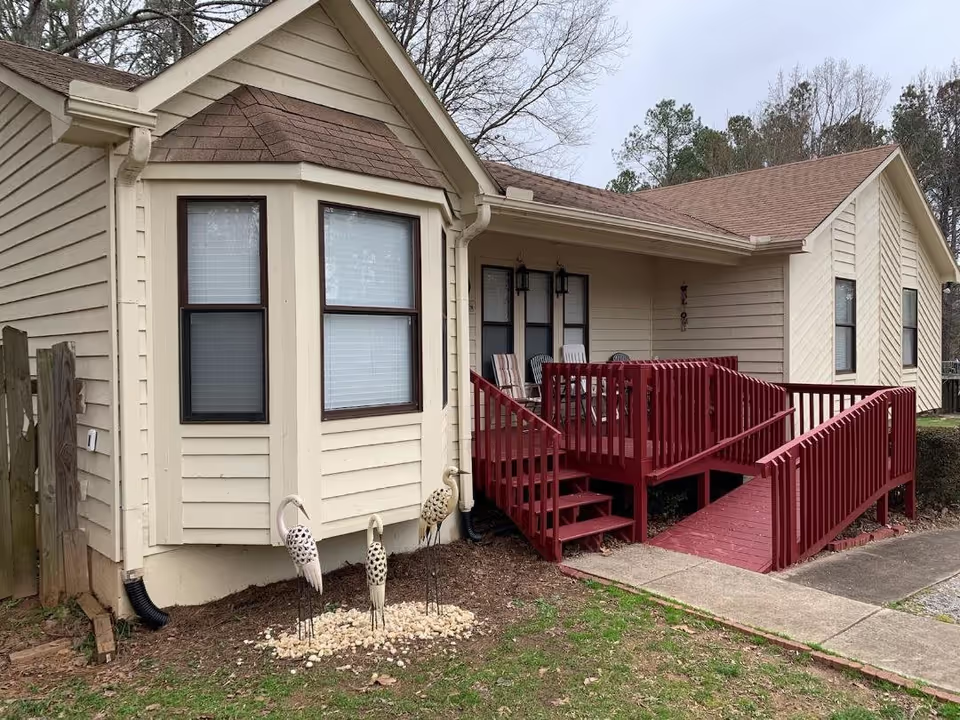
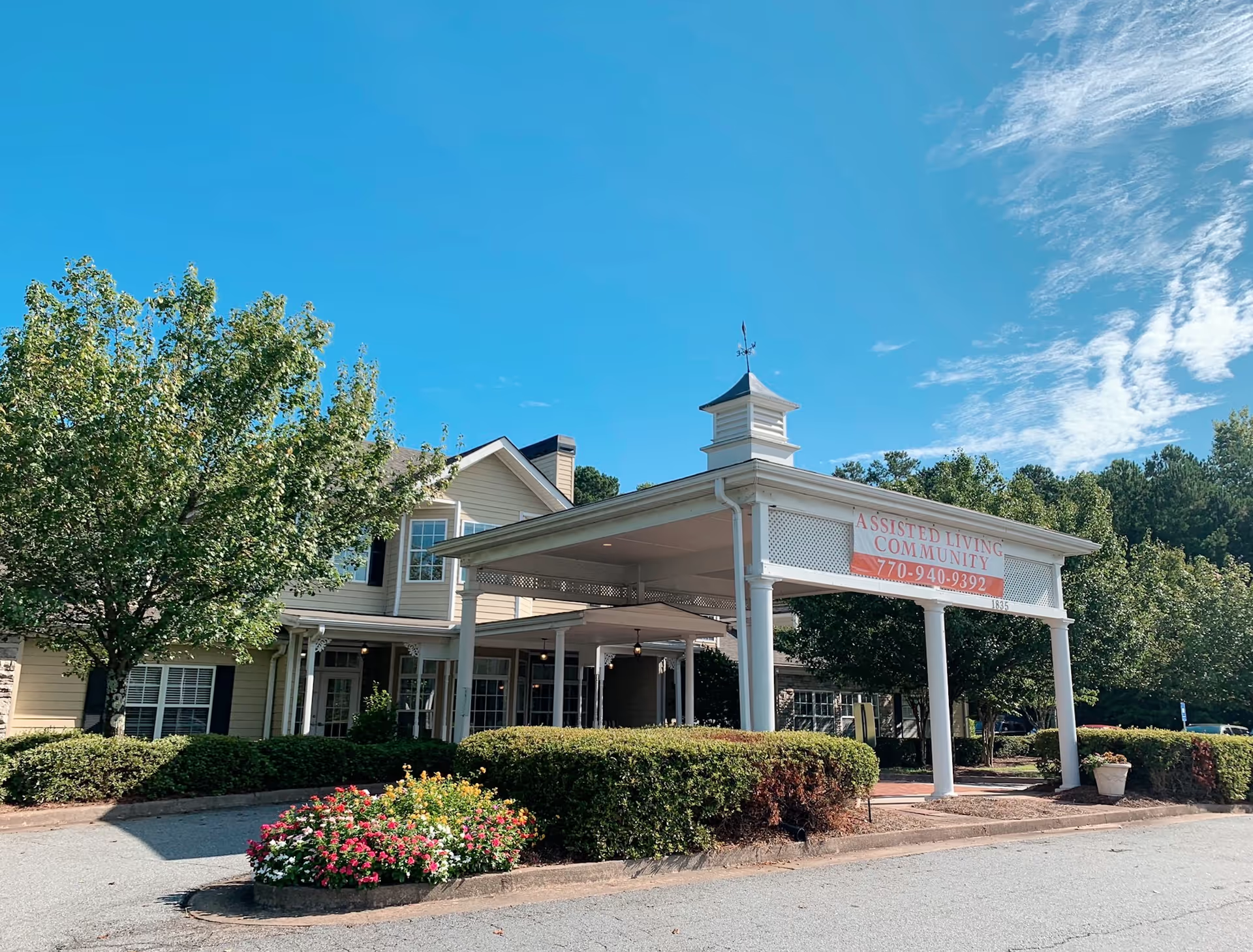
Facilities and apartments: The building and grounds receive positive comments for cleanliness, recent renovations in common areas, airy apartments with good natural light, and usable outdoor spaces such as gardens and walking paths. Dining rooms and entrance areas are frequently described as welcoming. At the same time, a few reviewers note older sections of the facility, ongoing construction at times, and layout or doorway constraints that can make transfer of oversized wheelchairs and some mobility needs more difficult. Housekeeping quality appears to vary by room; some families recommend confirming room condition at move-in and upkeep plans.
Management, communication, and finances: Local leadership and individual staff members are often praised for communication and family engagement, with specific staff named for strong follow-through. However, there are recurrent concerns about management transitions, corporate policy effects, and billing practices. Complaints include unexpected fee increases, unclear community fees, billing disputes, and at least a few allegations of financial-administration problems. These issues contribute to distrust for some families and are an important area to clarify in admissions meetings.
Safety and clinical oversight: Several reviews highlight appropriate clinical oversight and helpful nursing staff, but others describe gaps that suggest uneven clinical handover, incident reporting, and medication administration controls. Reports of falls and missed follow-up are presented as symptomatic of inconsistent staffing rather than universal practice. Families should request current staffing ratios, medication-administration protocols, incident escalation procedures, and examples of recent quality-improvement actions.
Notable patterns and recommendations for prospective families: The most consistent positive themes are strong interpersonal care, personalized meals, engaging programming when staffed, and well-kept common spaces. The most consistent cautionary themes are variable staffing and leadership, inconsistent execution of dining and activities, housekeeping variability, and concerns about billing transparency. When evaluating Northstar Square, prospective residents and families will benefit from asking for recent staffing metrics, turnover rates for key leadership positions, written examples of medication-safety procedures, a sample monthly activity calendar, clarification of all fees and refund policies, and a walk-through of a move-in ready apartment to verify cleanliness and accessibility. This will help separate the facility’s documented strengths from the operational inconsistencies described by reviewers.