Brookdale Lawrenceville presents as a small, community-oriented assisted living with a consistent theme of caring staff and engaged leadership. Many families described warm, skilled front-line caregivers and an executive director who is visible and involved. Clinical supports such as on-site nurses, therapy services, and coordinated transportation are frequently noted as strengths; some reviewers specifically praised daily nursing contact, therapy rooms, and help with appointment logistics. The staffing profile includes long-tenured aides in several accounts, which contributes to continuity and resident familiarity in many units.
Care quality is generally characterized by attentive, compassionate interactions and prompt maintenance response for routine issues. However, reviews also indicate variability in staffing levels and turnover that can affect day-to-day continuity of care. There is one notable allegation of a prolonged transportation delay and poor phone responsiveness that families should be aware of; beyond that incident, other comments point to occasional delays in responsiveness, particularly during weekends or off-hours when administrative coverage is described as inconsistent.
Dining at the community receives mixed but specific feedback: a restaurant-style dining room and organized menu are commonly praised, with multiple menu options and special-diet accommodations available. Several families reported that food quality and menu familiarity vary over time—some mention appealing, varied meals while others describe limited or inconsistent offerings. A recent kitchen staff change was cited as an improvement by some reviewers; prospective families may wish to sample meals and inquire about menu rotation during a tour.
Programming and activities are prominent positives in many accounts. The community offers a range of social and memory-focused activities (trivia, sing-alongs, gardening, crafts, outings and more), and some reviewers emphasized active, involved residents and an upbeat activities director. At the same time, continuity of programming has suffered at times when key activity staff left; several families noted reduced offerings during those transitions. A few reviewers also reported occasional pressure on residents to participate, suggesting variation in how staff respect individual participation preferences.
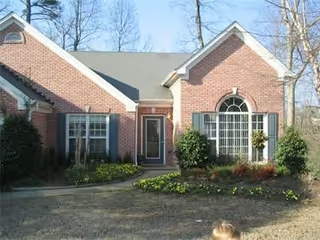
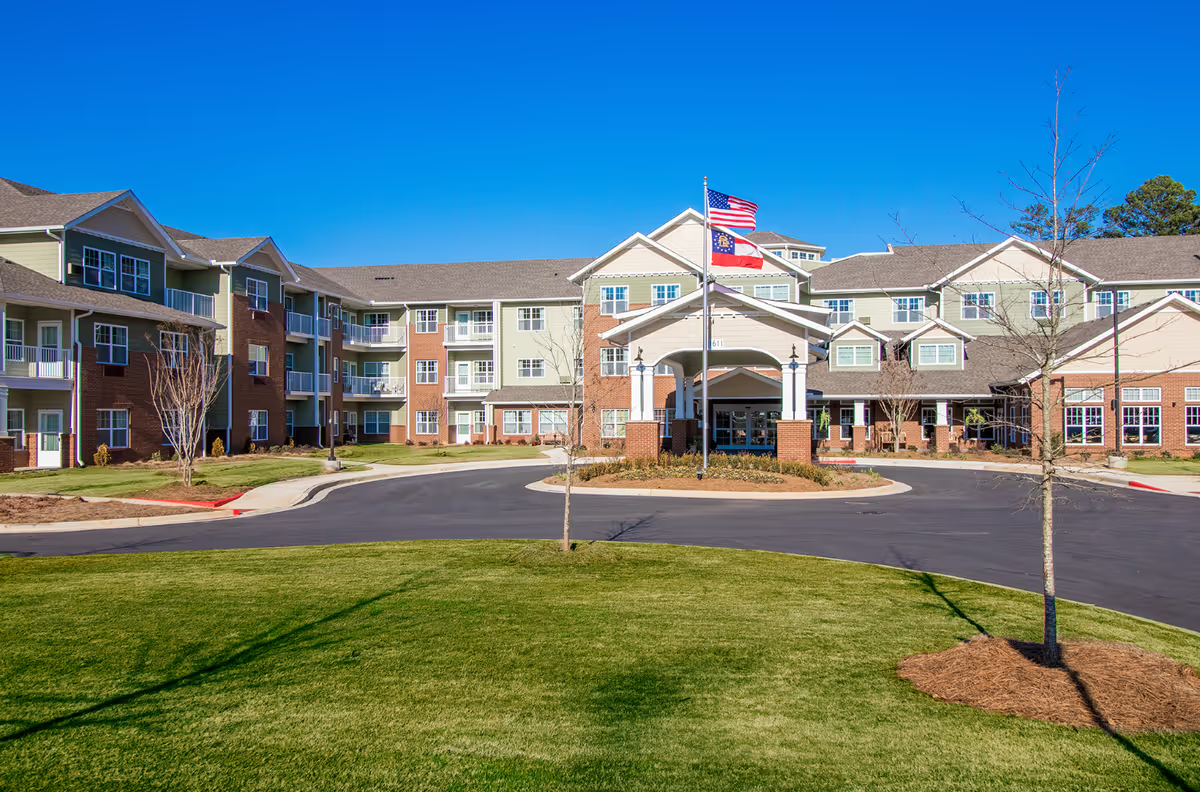
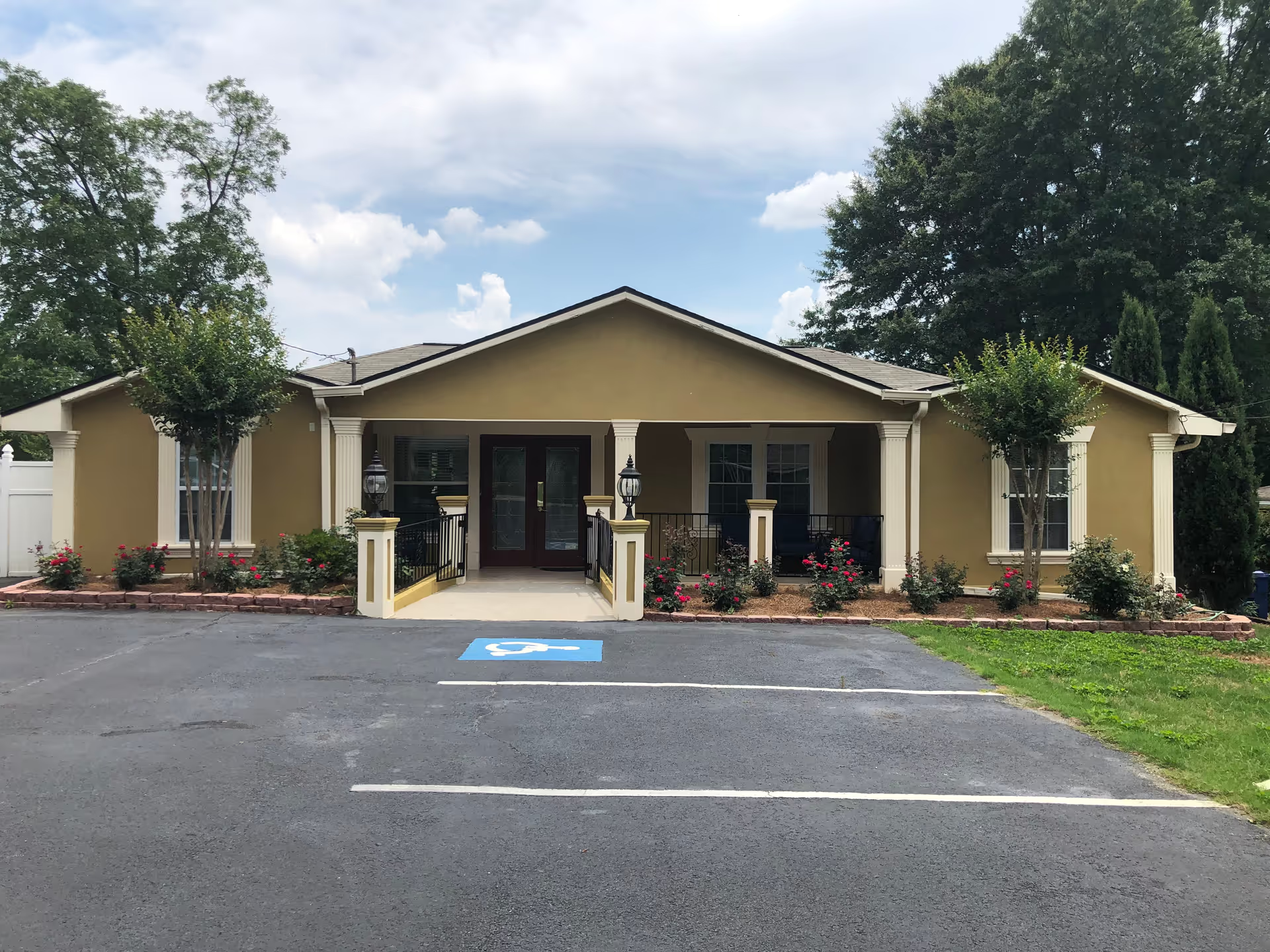
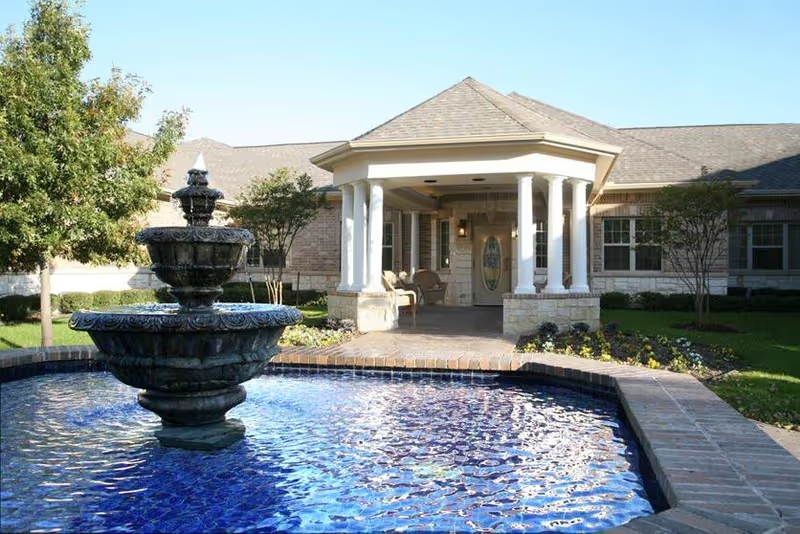
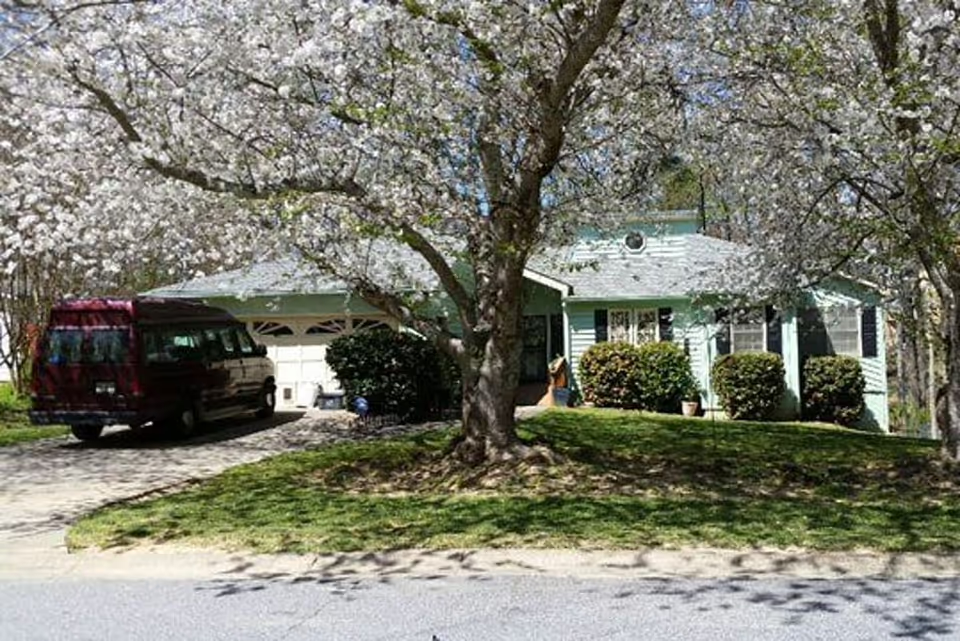
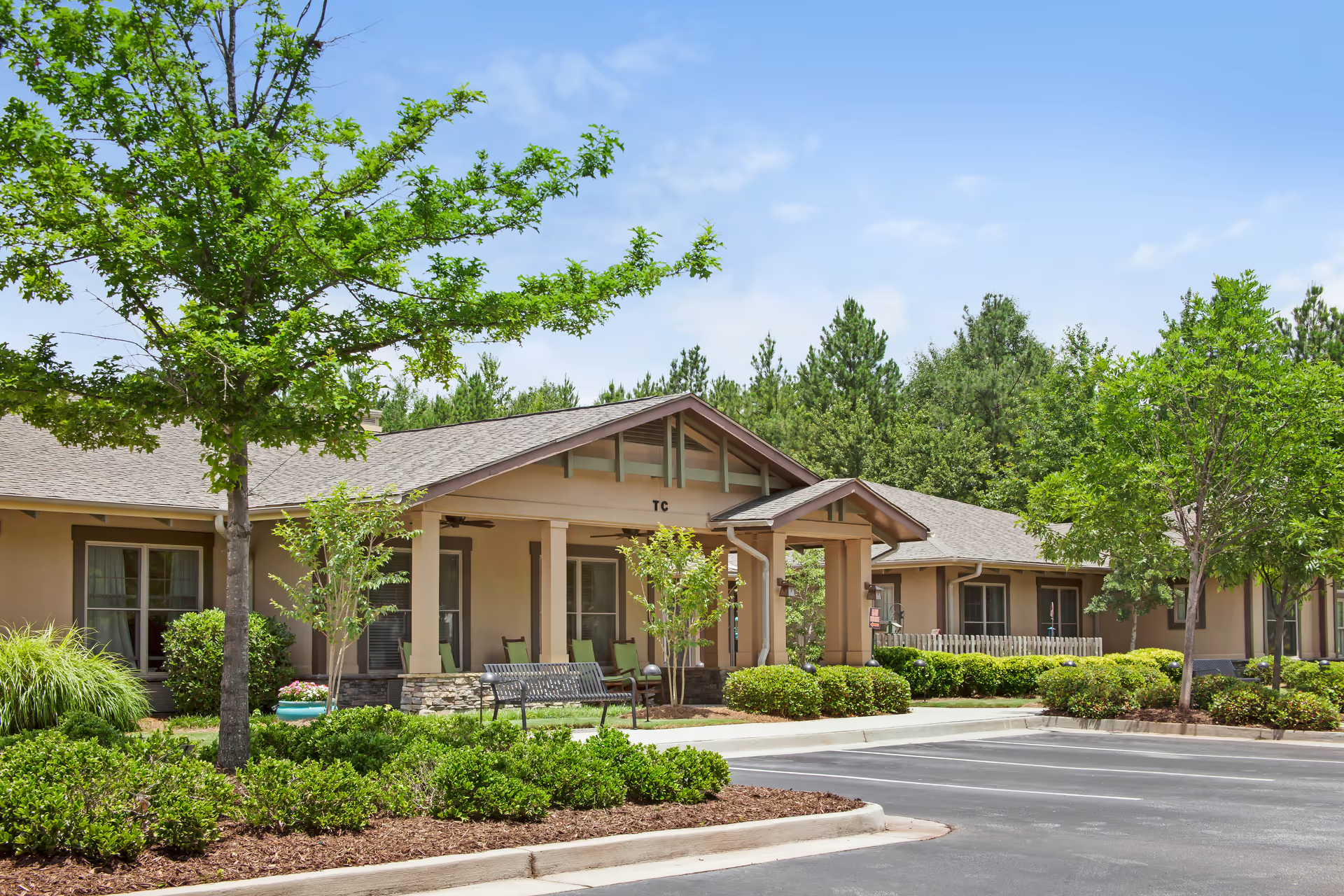
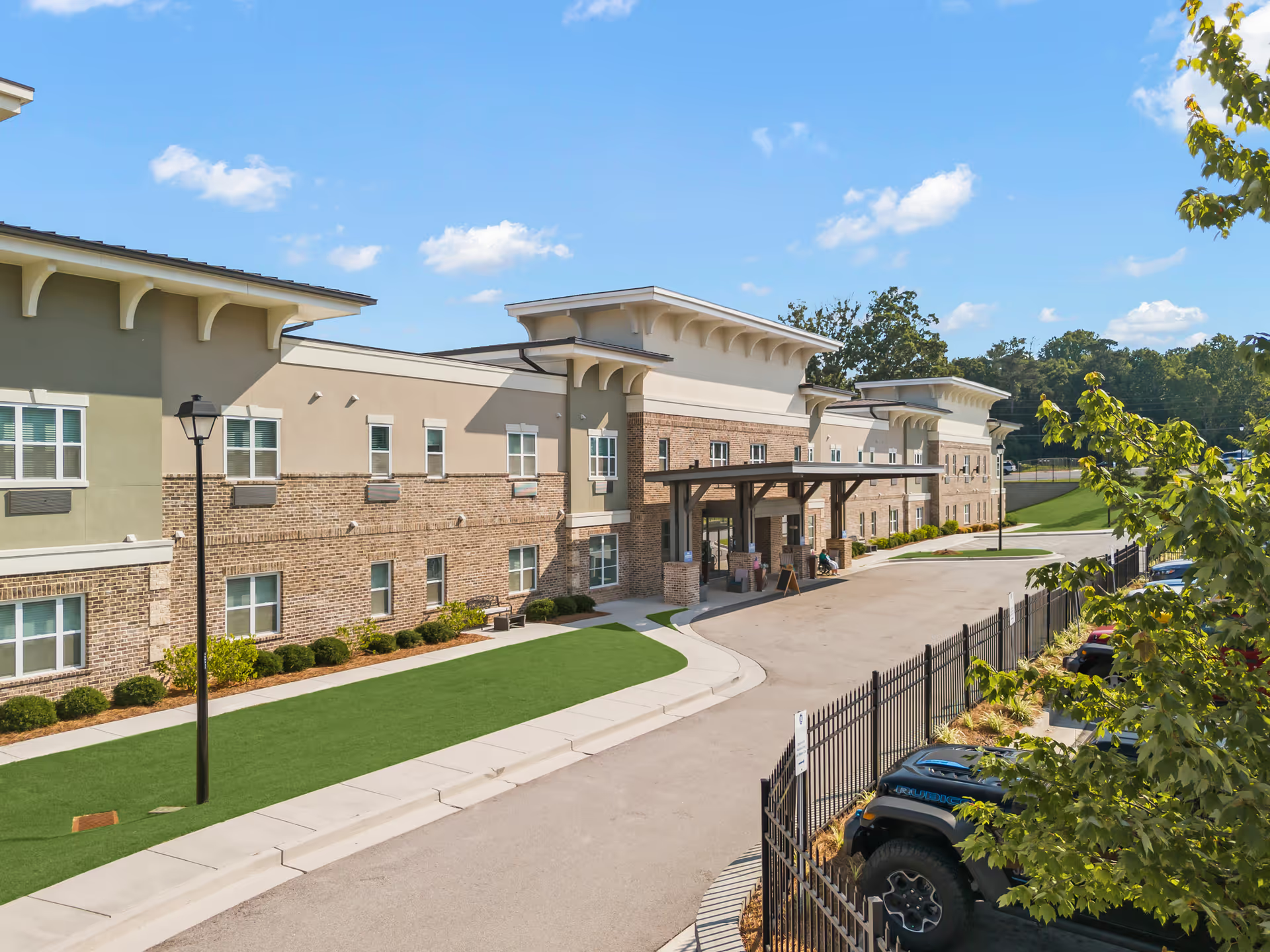
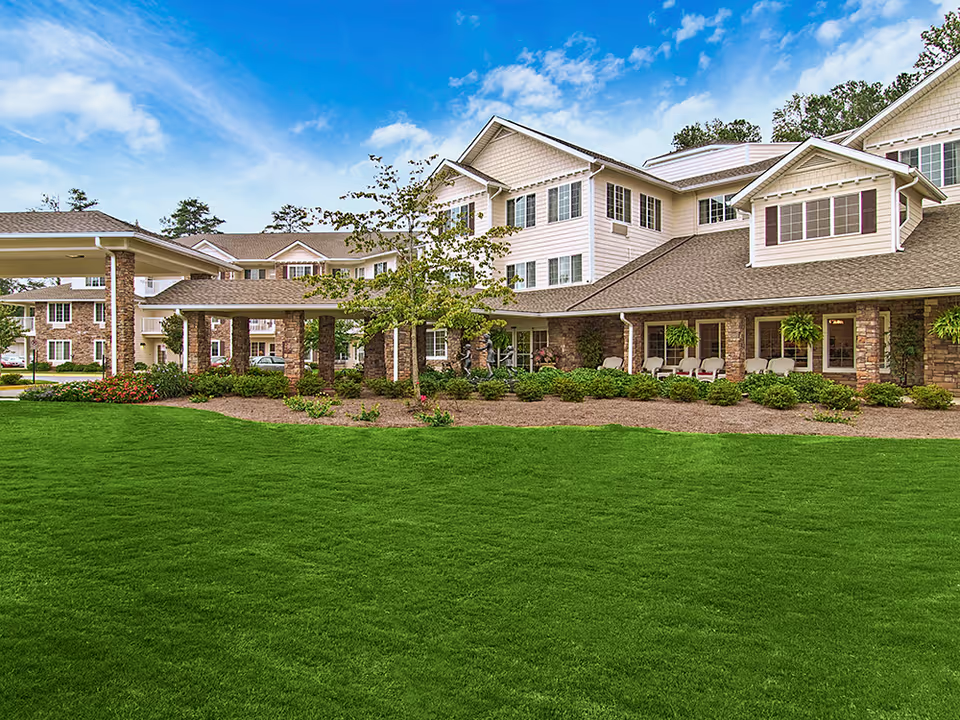
Facility condition is mixed in reviewer comments. Many describe clean, neat interiors, bright rooms, and attractive common spaces, including an enclosed courtyard and garden used for resident activities. Conversely, other comments point to an older building footprint with visible wear (chipped paint, older furniture) and areas that need attention. Security and front-door control were raised as operational concerns in multiple accounts—open entrances, unstaffed reception periods, and the potential for unsecured exits in memory-care areas were reported and should be confirmed during a visit.
Management and admissions experiences also vary. Several families praised thorough, professional tours and visible leadership that supports transitions. Others described rushed tours, limited weekend administrative presence, and worries about upcoming rate increases and perceived value. Overall patterns suggest a facility that leans toward a familial, small-community model with strengths in resident engagement and clinical supports, but that also exhibits variability in operational consistency—particularly around staffing, activity continuity, dining stability, building upkeep, and entrance security.
Recommendation for prospective families: Brookdale Lawrenceville may fit well for those seeking a smaller, affordable assisted-living environment with personable staff, on-site clinical and therapy resources, and active programming. During a tour, prioritize confirming current staffing levels and turnover, weekend/after-hours administrative coverage, the status of dining and menu rotation, security/exit-control procedures, and the memory-care services available for higher-acuity needs. These checks will help determine whether the community’s caring culture aligns with an individual resident’s clinical and lifestyle requirements.