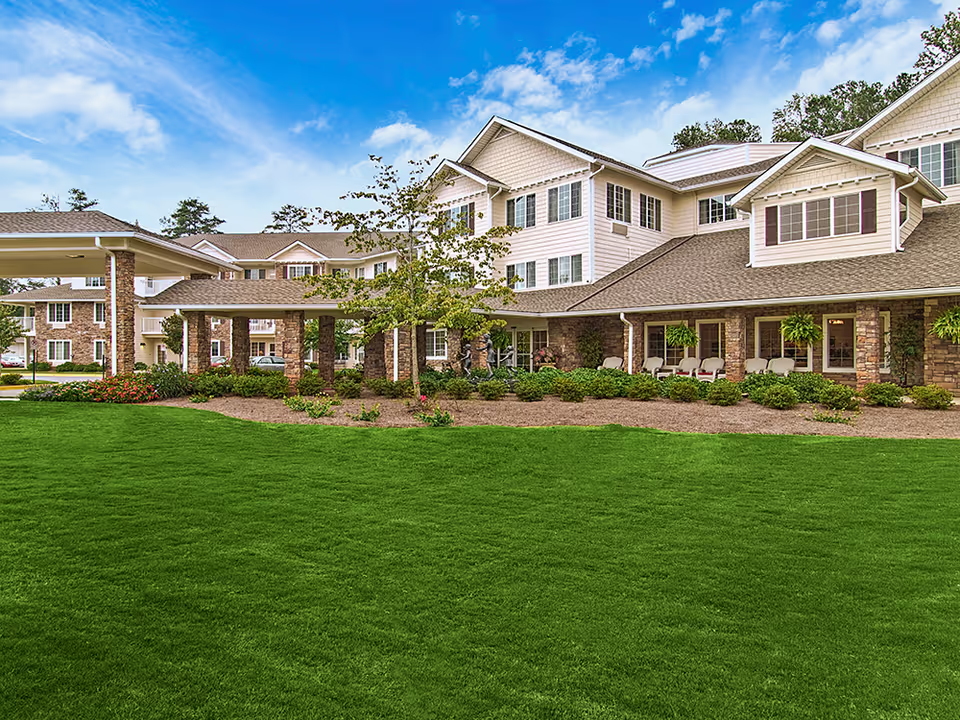
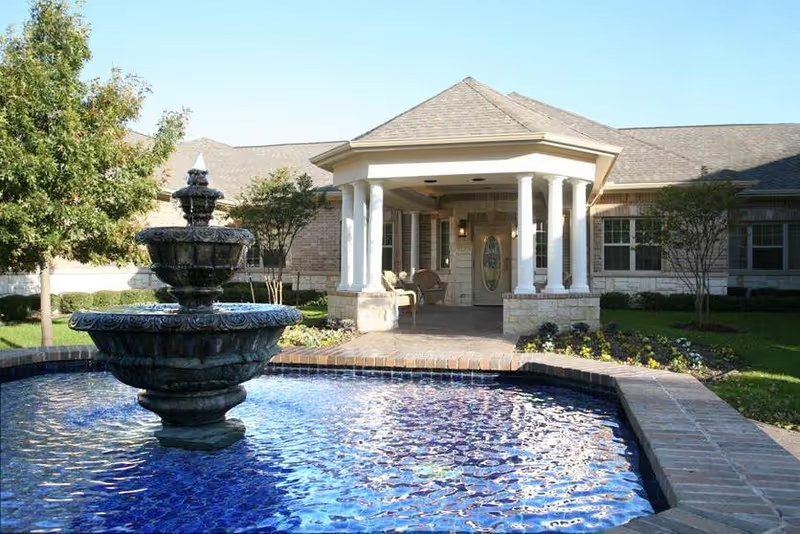
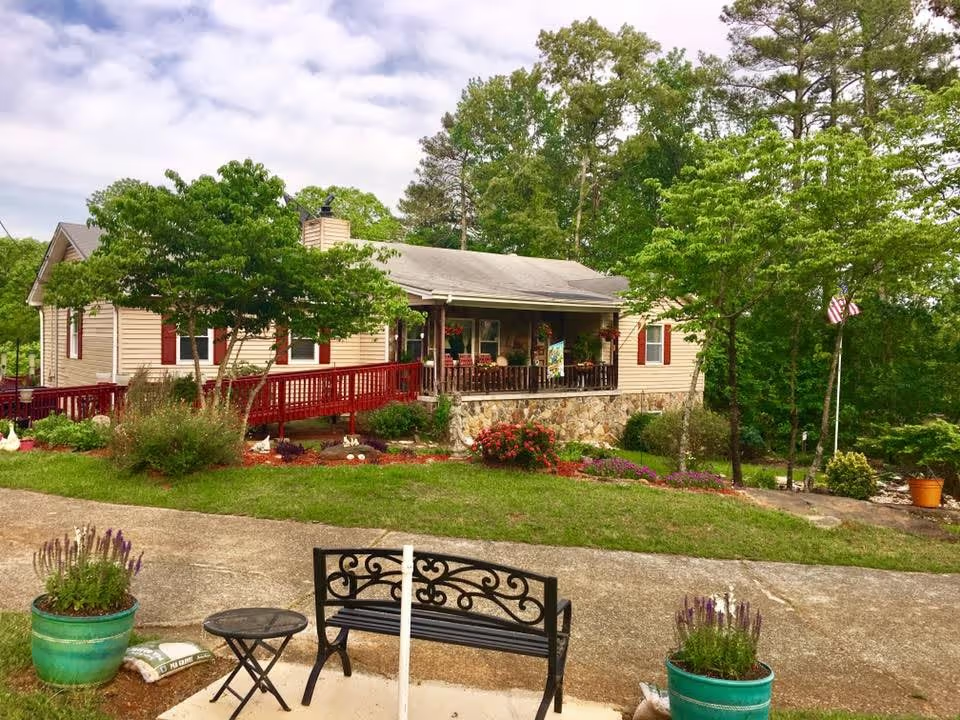
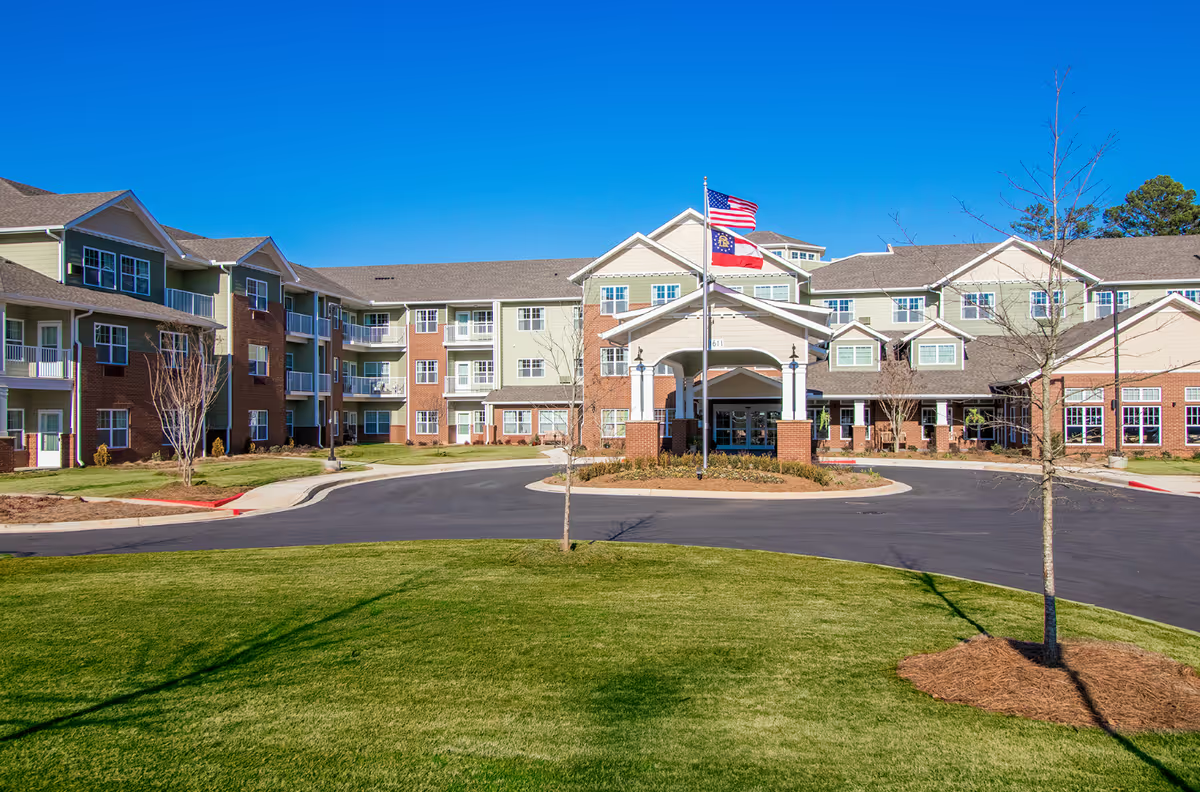
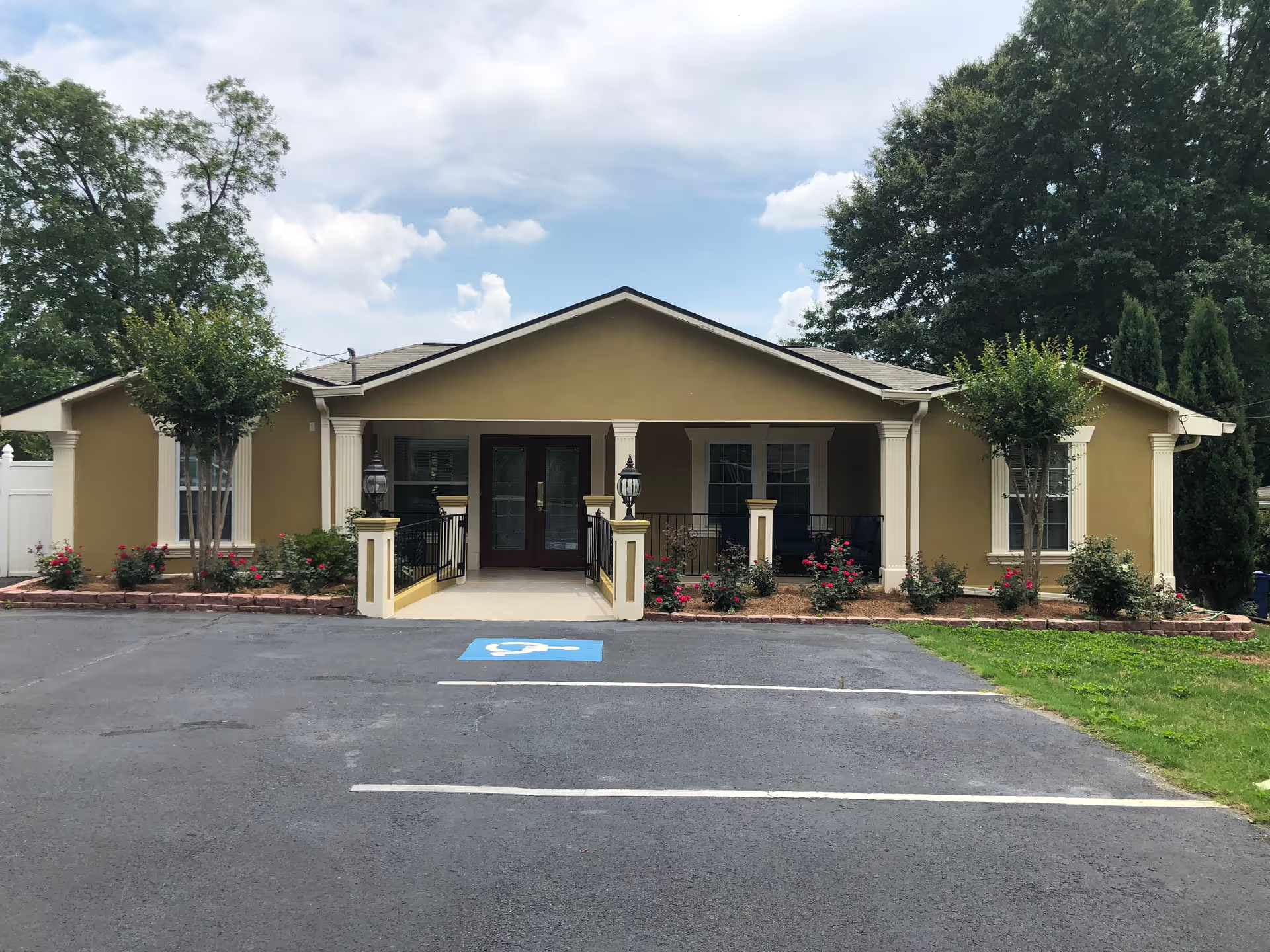
Delmar Gardens of Gwinnett presents as a well-appointed, multi-level senior campus with many amenities that appeal to independent and assisted residents. The physical plant is frequently described as bright, renovated, and resort-like, with scenic grounds, indoor and outdoor pools, a salon, fitness areas, and restaurant-style dining rooms. Apartment layouts range from studios to two-bedroom units, and the community offers concierge services, guest apartments, pet-friendly options, and a variety of social spaces that support family visits and intergenerational events.
Care quality and staffing generate mixed impressions that vary by care level. Many families and residents praise compassionate, attentive caregivers, long-tenured staff, and a nursing center with consistent clinical routines; some reviewers highlighted strong rehabilitation services and effective physical-therapy teams. At the same time, there are recurrent concerns about inconsistent staffing levels and conduct, with variability in responsiveness and bedside practices. This variability appears most pronounced when comparing independent/assisted living services — which are frequently described positively — to skilled nursing and memory-care units, where reviewers identified gaps in supervision, clinical consistency, and secure monitoring practices.
Dining and activities are notable strengths in parts of the community. Independent and assisted areas receive repeated praise for well-presented meals, varied menus, and active social programming, including bridge groups, weekly outings, trivia, and family-inclusive events. However, meal quality and portioning are described as inconsistent across units; several accounts indicate institutional or carb-heavy preparations and smaller-than-expected protein portions in some dining venues. Activity programming overall is broad and active, but resident engagement can vary by unit and by time.
Operationally, the facility shows both organized leadership involvement and areas needing process improvement. Positive comments note engaged executive leadership, leadership rounds, and administrators who facilitate transitions and family communication. Conversely, admissions and communication processes are described as uneven: delays, follow-up lapses, and occasional misrepresentation or unprofessional interactions in the sales/admissions experience were cited. Paperwork and transfer coordination have been flagged as inefficient, and reviewers described inconsistent follow-through from management on certain concerns.
Clinical and safety patterns of concern include inconsistent rehabilitation intensity and family communication during rehab stays, equipment provisioning and maintenance lapses, and variability in post-operative and catheter-related care practices. There are also operational shortcomings related to caregiver response times for high-dependency residents and limitations in private-room availability that impact some residents' preferences. Privacy and confidentiality process lapses and uneven administrative professionalism were noted as governance-level issues that merit attention.
Overall, Delmar Gardens of Gwinnett offers strong amenities, a broad continuum of care, and many instances of compassionate, high-quality service—particularly in independent and assisted living areas. Prospective residents and families should weigh these strengths against reported variability in staffing, clinical consistency across care levels, dining uniformity, admissions responsiveness, and cost. For families prioritizing resort-style amenities and active social programming, the community may be an excellent fit; families requiring consistently high-intensity skilled nursing or memory-care oversight should seek detailed, unit-specific information, review staffing patterns, and discuss care-transition protocols before deciding.