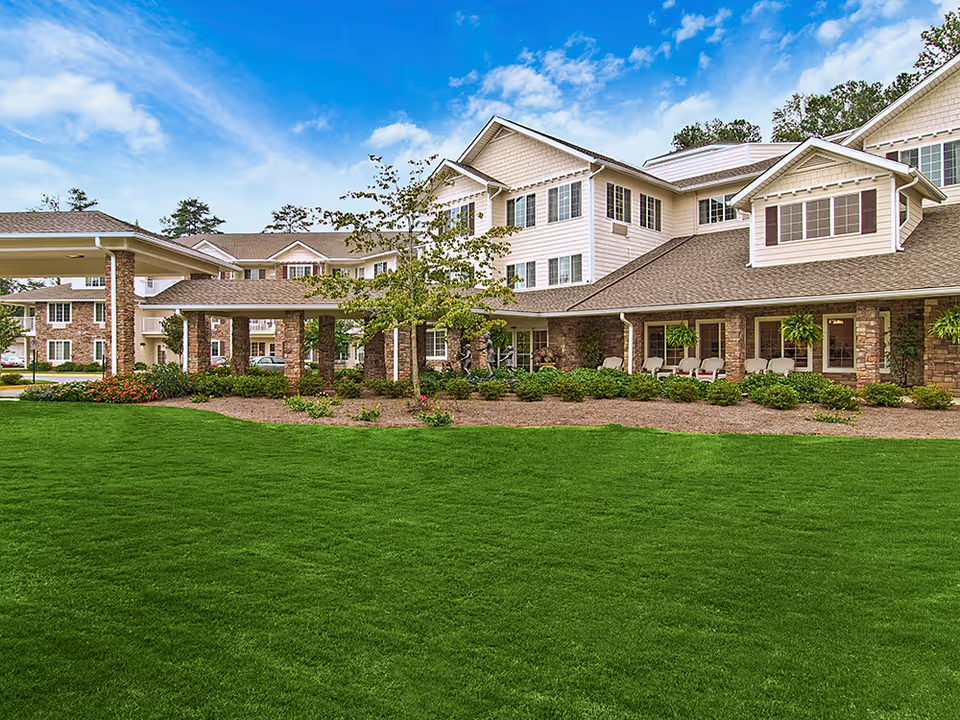
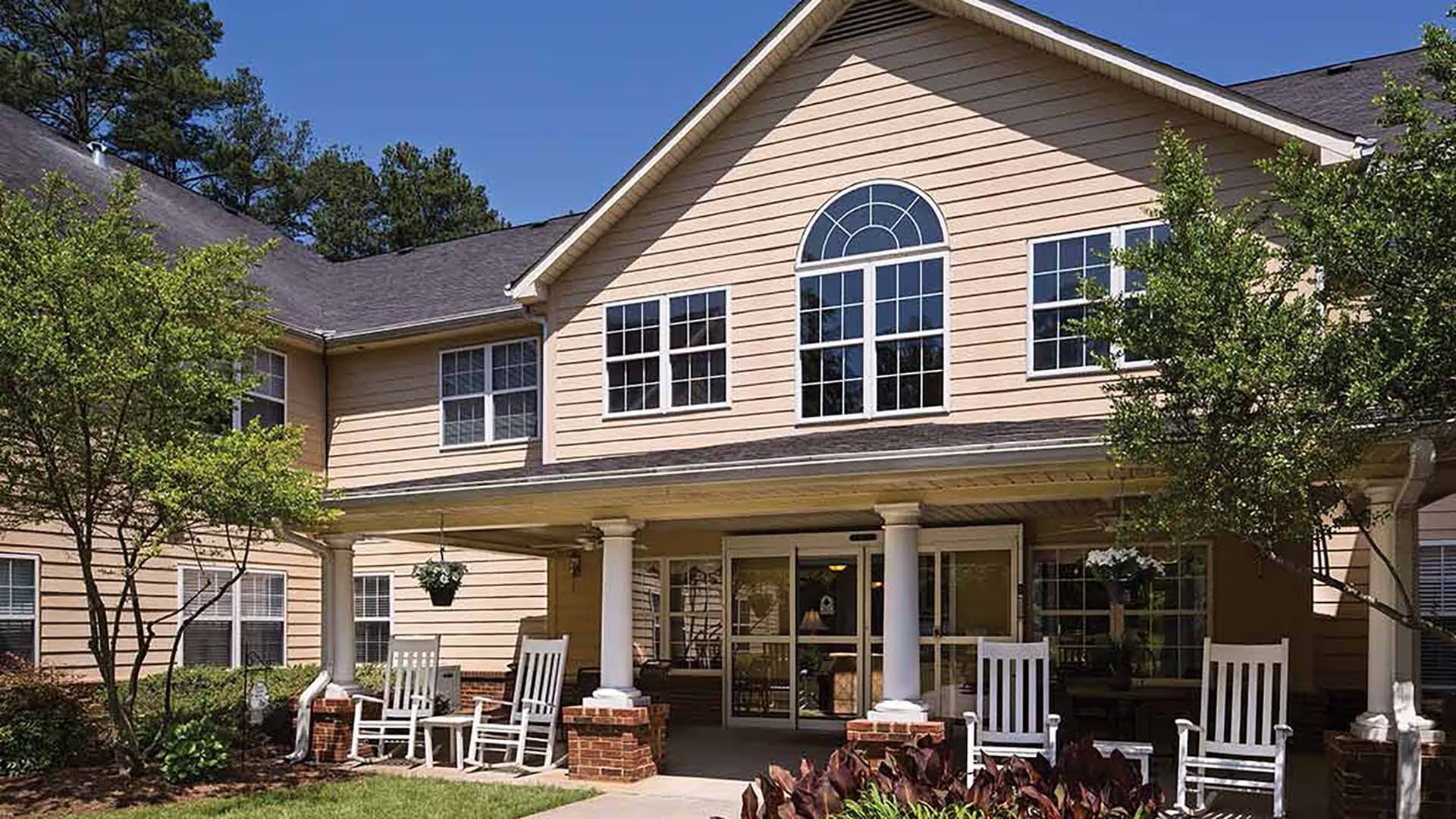
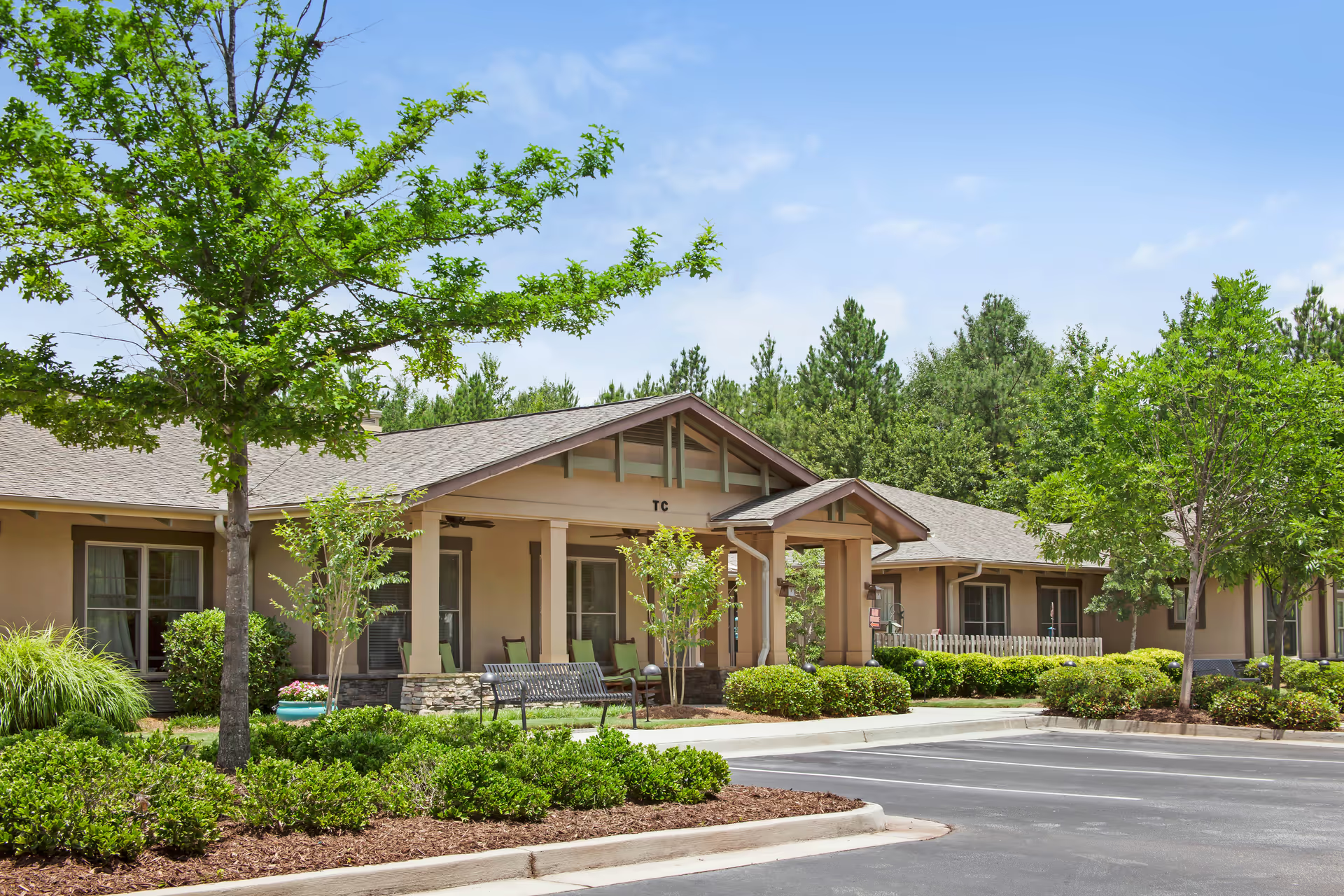
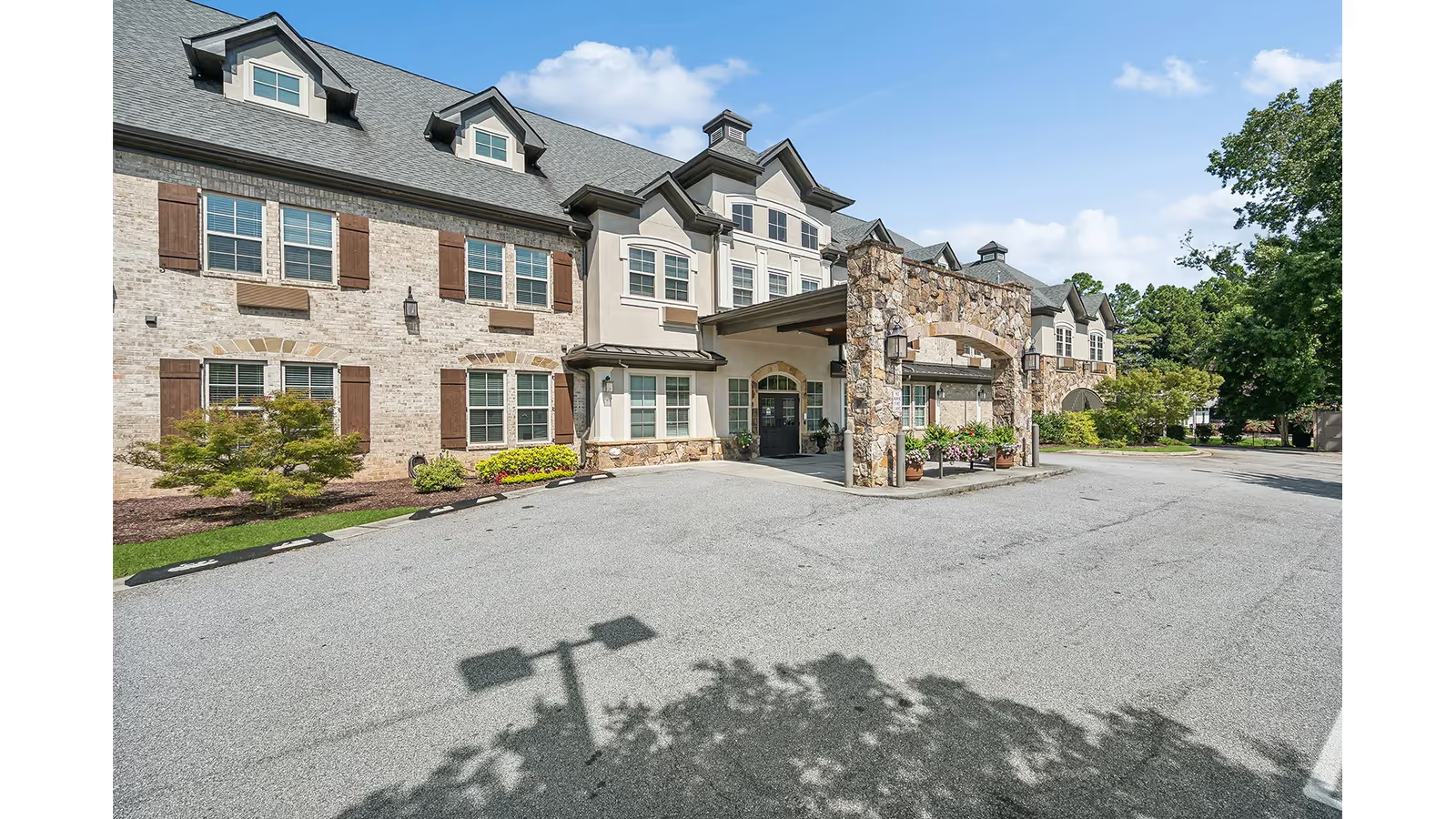
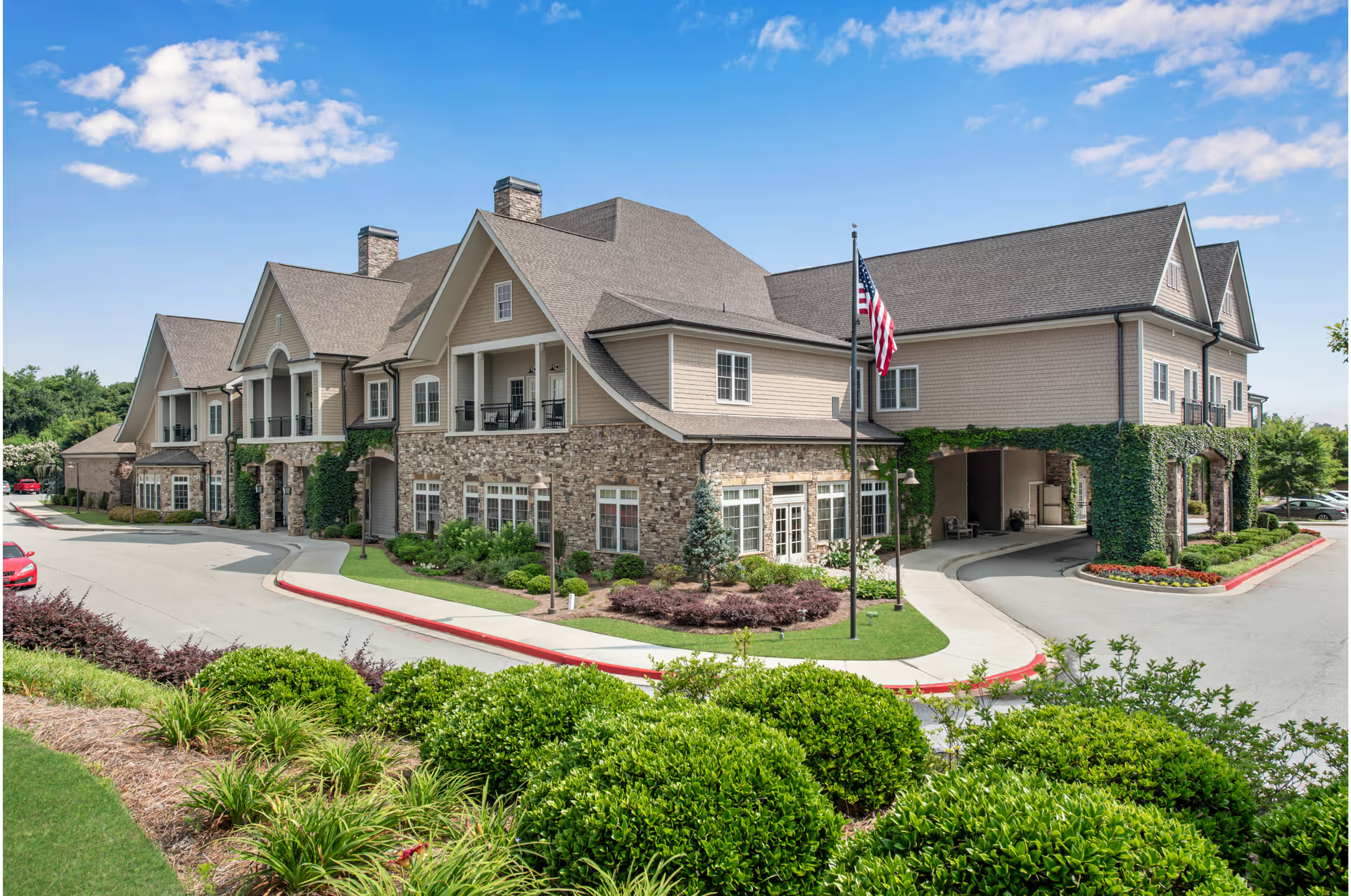
Overall impression: Reviews reflect a facility with consistently strong direct-care performance and an attractive, hotel-like campus. Families and residents commonly describe compassionate, attentive caregivers, many of whom are experienced and long-tenured. Housekeeping, maintenance, and front-desk staff contribute to a welcoming atmosphere; the interior spaces and outdoor gardens are frequently cited as clean, well-maintained, and conducive to socialization.
Care and staff: Direct caregiving and nursing are repeatedly praised for personalized attention, dignity in care, and a home-like approach. The team is credited with developing individual plans of care, attentive medication administration in many cases, and ongoing outreach to families. Memory-care staff receive specific commendation for engagement and sensitivity. However, a recurring pattern involves operational gaps: medication-management documentation and occasional medication errors are described, and some families noted inconsistent adherence to care plans. These concerns point to variability in clinical documentation and handoff practices rather than uniformly poor bedside care.
Dining and activities: Dining is a clear strength—reviews highlight restaurant-style, family-style service, varied menus, diabetic-friendly options, and appetizing presentation. Activities programming is broad and active, with daily events, exercise classes, outings, and life-enrichment offerings that support social engagement. That said, several accounts suggest that activity intensity and one-on-one encouragement may be uneven in the memory-care unit; prospective families should evaluate programming specific to higher-dependency residents.
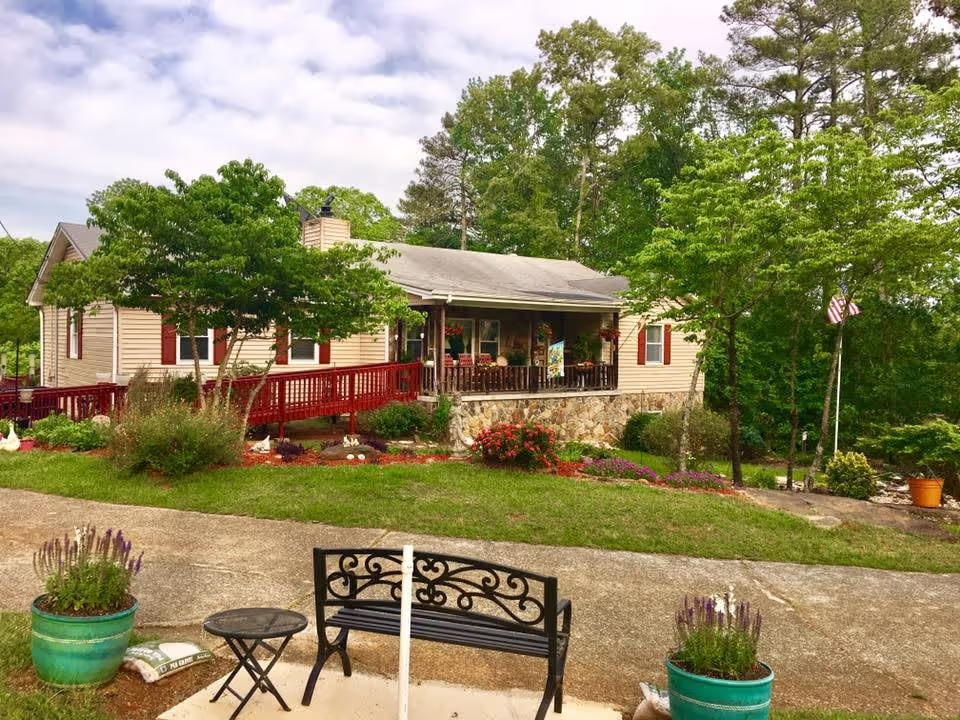
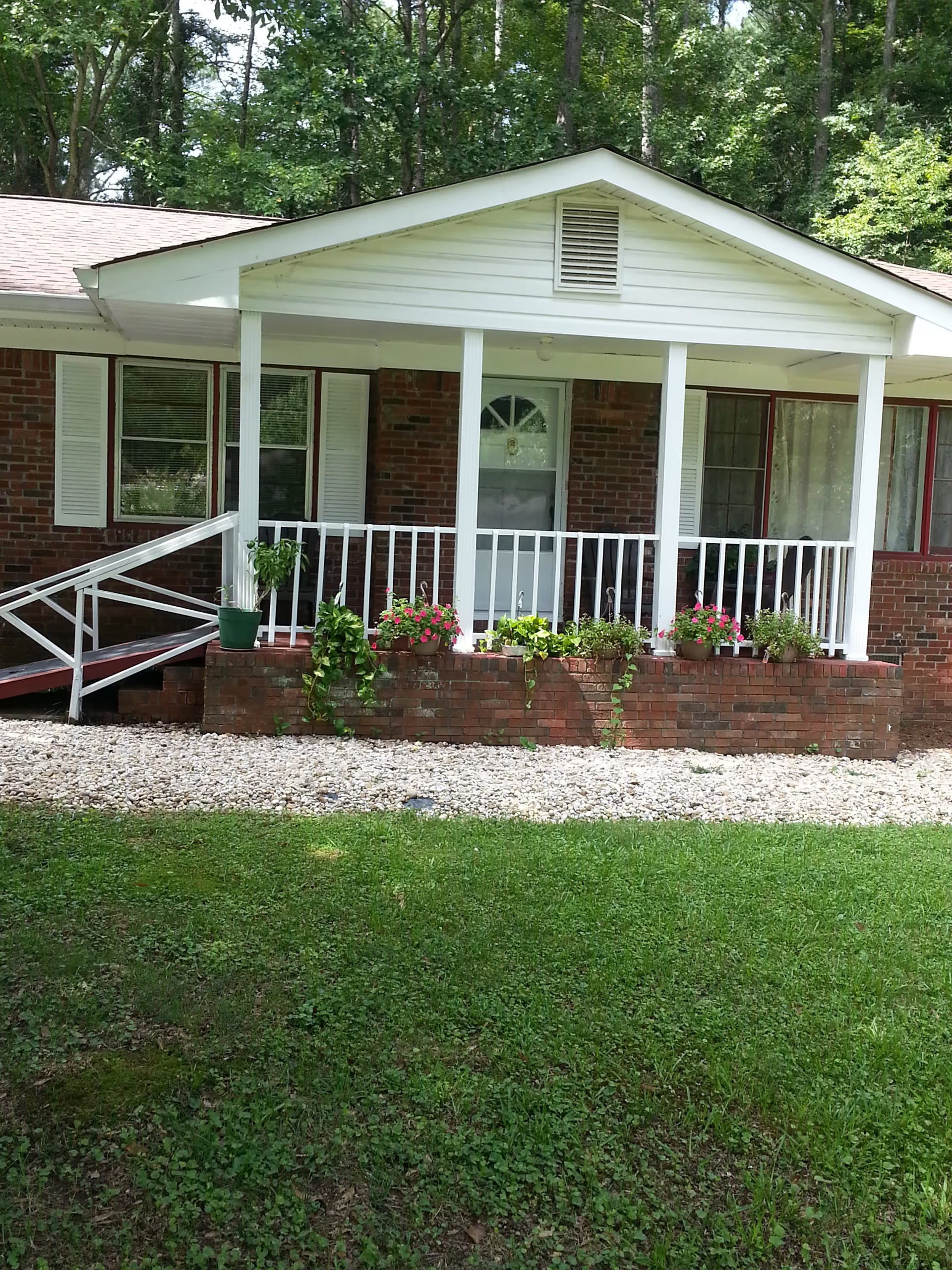
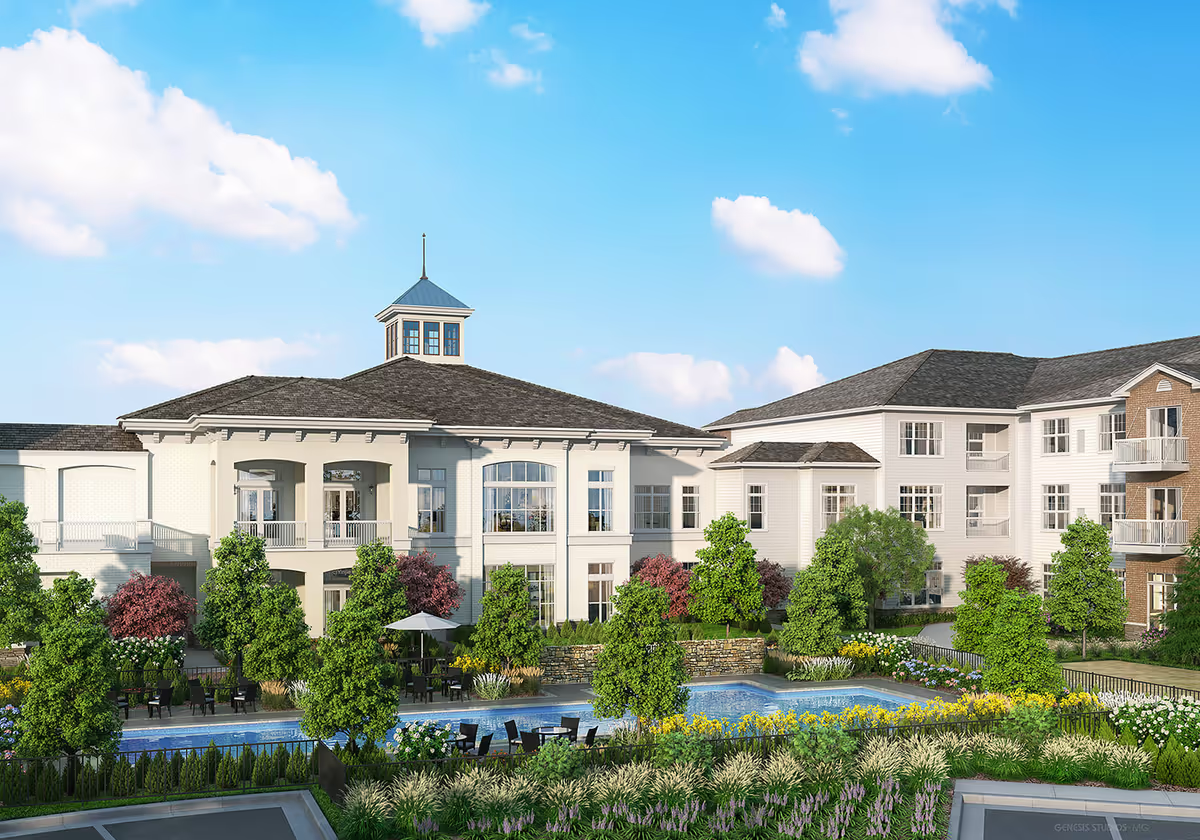
Facilities and environment: The physical plant receives strong marks: bright assisted-living units, attractive landscaping, outdoor seating, and safety features in apartments (grab bars, alarm cords). Private and double-room options, a pleasant lobby, and thoughtfully decorated common spaces contribute to a resort-like feel. A minority of comments raise concerns about certain memory-care areas being dimmer or more crowded, and there are occasional mentions of odor or sanitation issues in communal zones—operational traits worth verifying on an in-person visit.
Management and operations: A notable pattern is the contrast between frontline staff performance and administrative/financial operations. Many reviewers praise leadership and responsiveness, yet a substantial subset describes confusing invoices, delayed refunds, unreturned accounting calls, and pharmacy/vendor coordination problems. There are also comments about inconsistent management oversight and periodic communication breakdowns between shifts or departments. Cost is another consistent theme: daily-rate billing, high fees, and third-party pharmacy charges can complicate budgeting for families.
What to watch for: For families considering this community, strengths include strong direct care, robust dining and activities, attractive grounds, and a generally clean environment. Before committing, verify billing practices and invoice itemization, ask about medication-administration protocols and documentation, tour the specific memory-care spaces to assess light and programming, and confirm the facility’s capability for higher-acuity needs (wound care, complex clinical needs). These targeted checks will help align expectations with the facility’s demonstrated strengths and the operational concerns that appear in several accounts.